French work
France Speaks, Anonymous and Gloriously Alive
Artist Spotlight · The Collection Editorial
There is something quietly radical about walking into a room and encountering an object that refuses to give you a name. No signature anchors it to a biography, no retrospective catalogue organises its meaning into digestible chapters. And yet the thing before you a patinated bronze coupe, a lacquered cabinet with silvered wood and mirrored glass, a fire screen that catches the afternoon light with practised elegance speaks with absolute authority. This is the world of French Work, the attribution that auction houses and scholars reach for when the hand that made something extraordinary has slipped, gracefully or otherwise, beyond certain identification.
French work
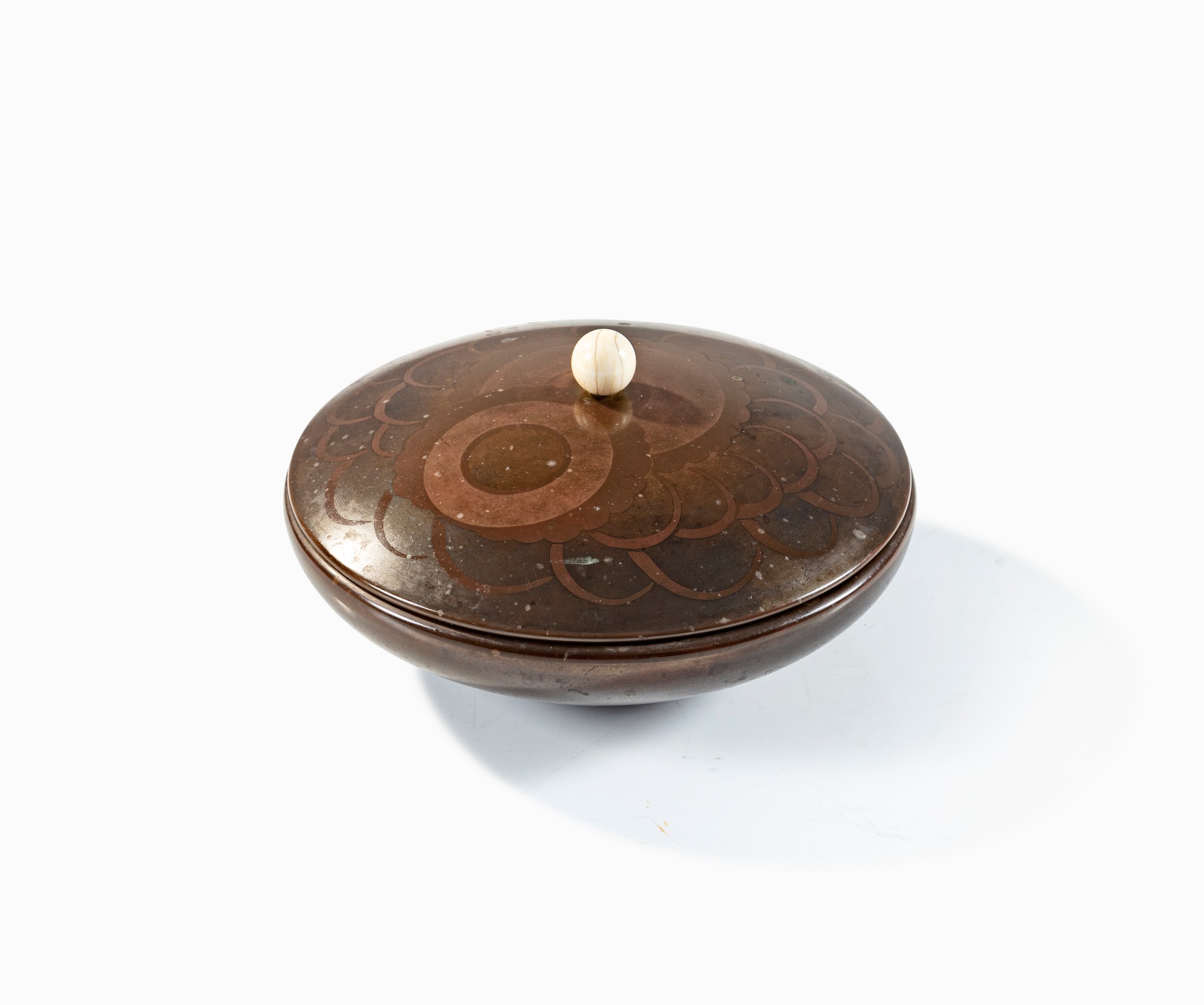
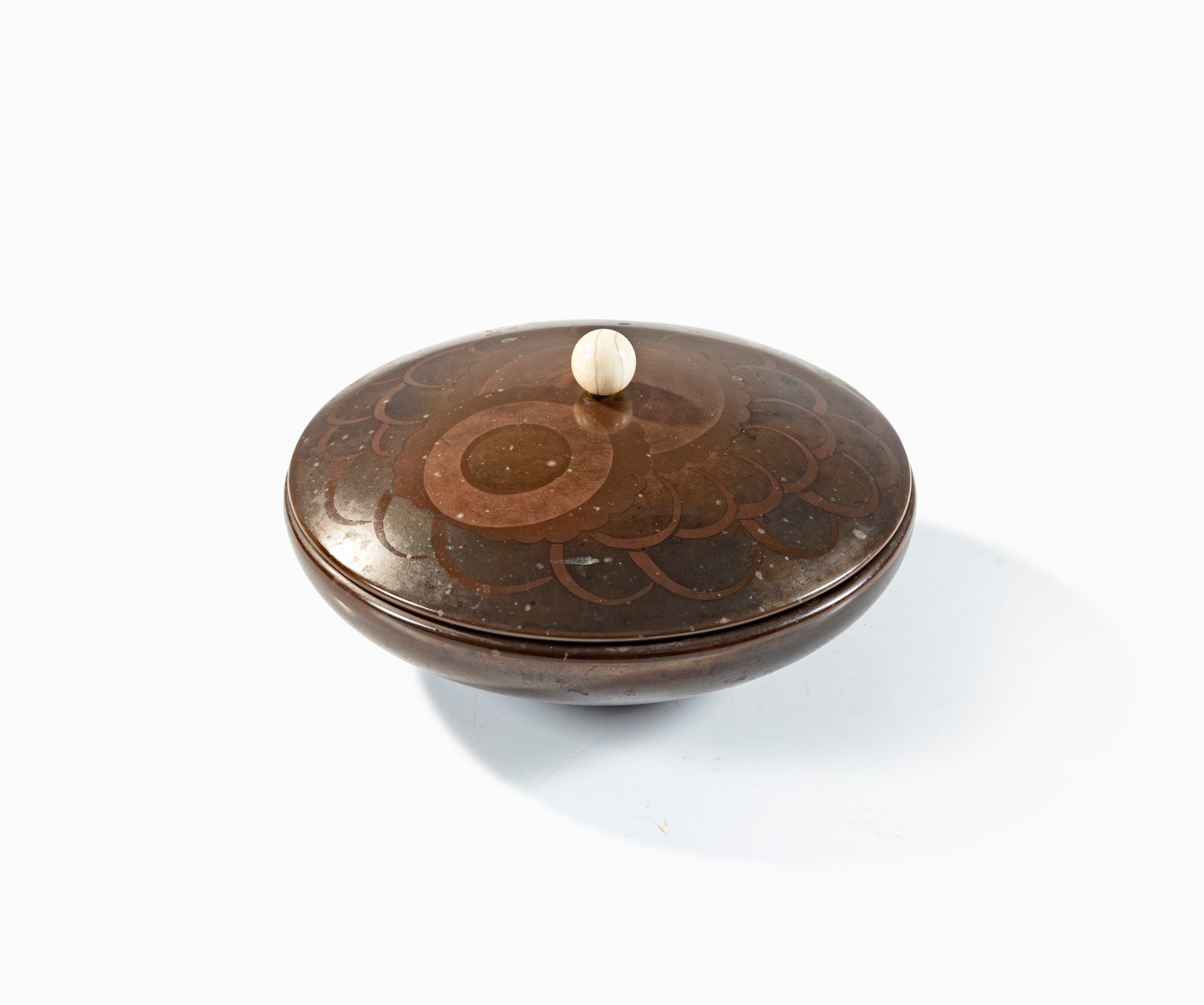
Boîte, vers 1930
Far from representing a gap in our knowledge, these objects represent one of the most fascinating categories in decorative arts collecting today. The term French Work is a scholarly and commercial convention with deep roots in the European art market. When a piece cannot be definitively assigned to a named maker, regional attribution becomes the honest and rigorous alternative. For France, a country whose contributions to furniture, metalwork, lighting, portraiture, and applied arts have shaped the entire Western decorative tradition, this attribution carries enormous weight.
To say a work is French is already to locate it within one of the richest creative lineages in history, a lineage running from the ateliers of the Faubourg Saint Antoine through the salons of the Belle Époque and into the bold geometric vocabularies of Art Deco and beyond. What shapes an object designated as French Work is precisely the environment in which it was made. France between the seventeenth and twentieth centuries was not simply a place but a cultural engine, producing the academies, the guilds, the expositions universelles, and the avant garde movements that defined global taste. The anonymous craftsperson working in Paris or Lyon or Normandy was immersed in a visual language of extraordinary richness.
French work
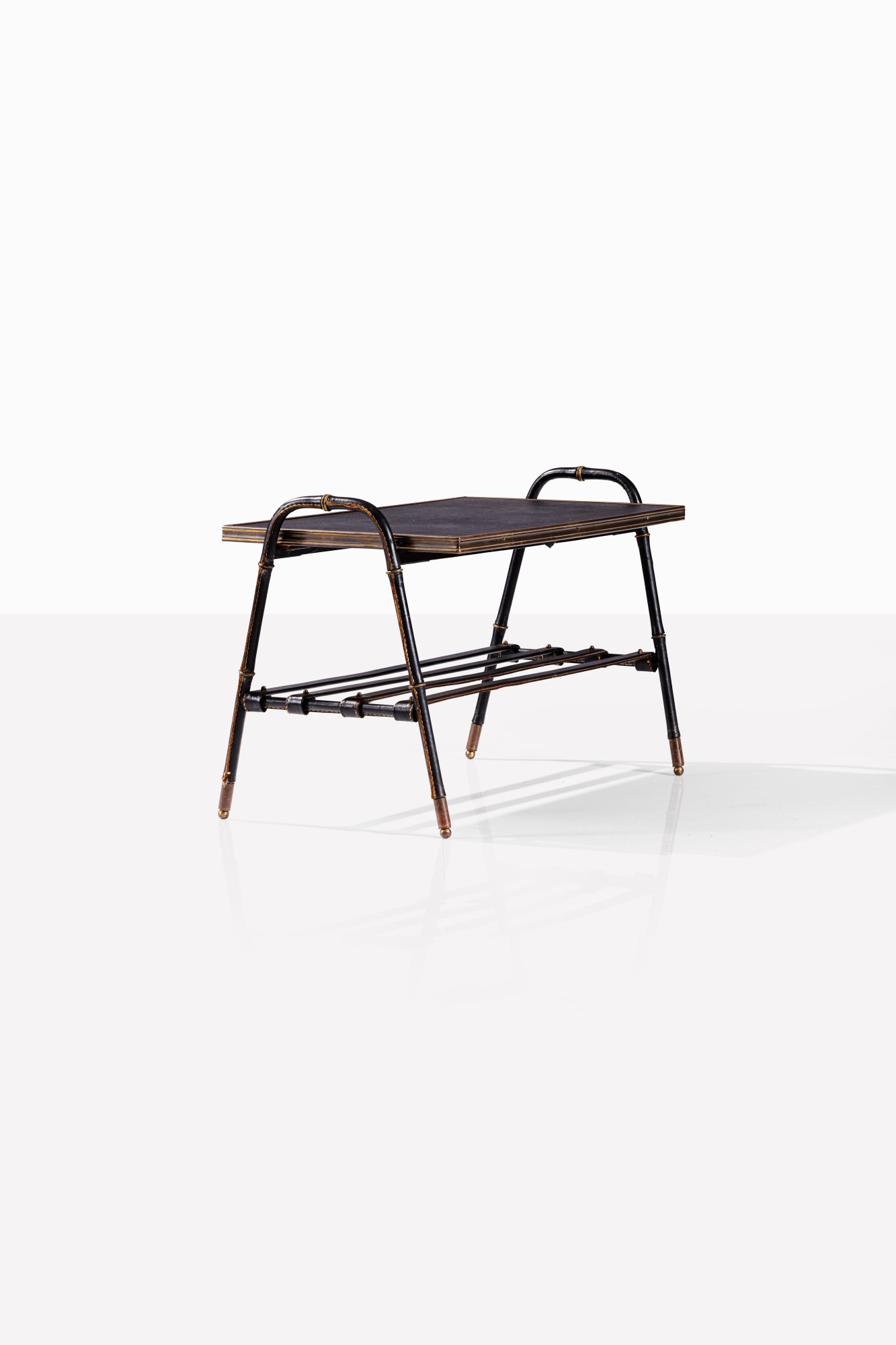
Table, circa 1940
Whether producing furniture for a provincial household or a decorative object for a Parisian apartment, these makers absorbed the prevailing aesthetic codes with thoroughness and skill. The resulting objects carry that culture in their grain and their proportion, in the weight of their metal and the finish of their wood. Looking at the works that carry this attribution, one is struck immediately by their material intelligence. A box from around 1930 in patinated metal and painted wood speaks the language of French modernism with the confidence of someone who has been listening to it for years.
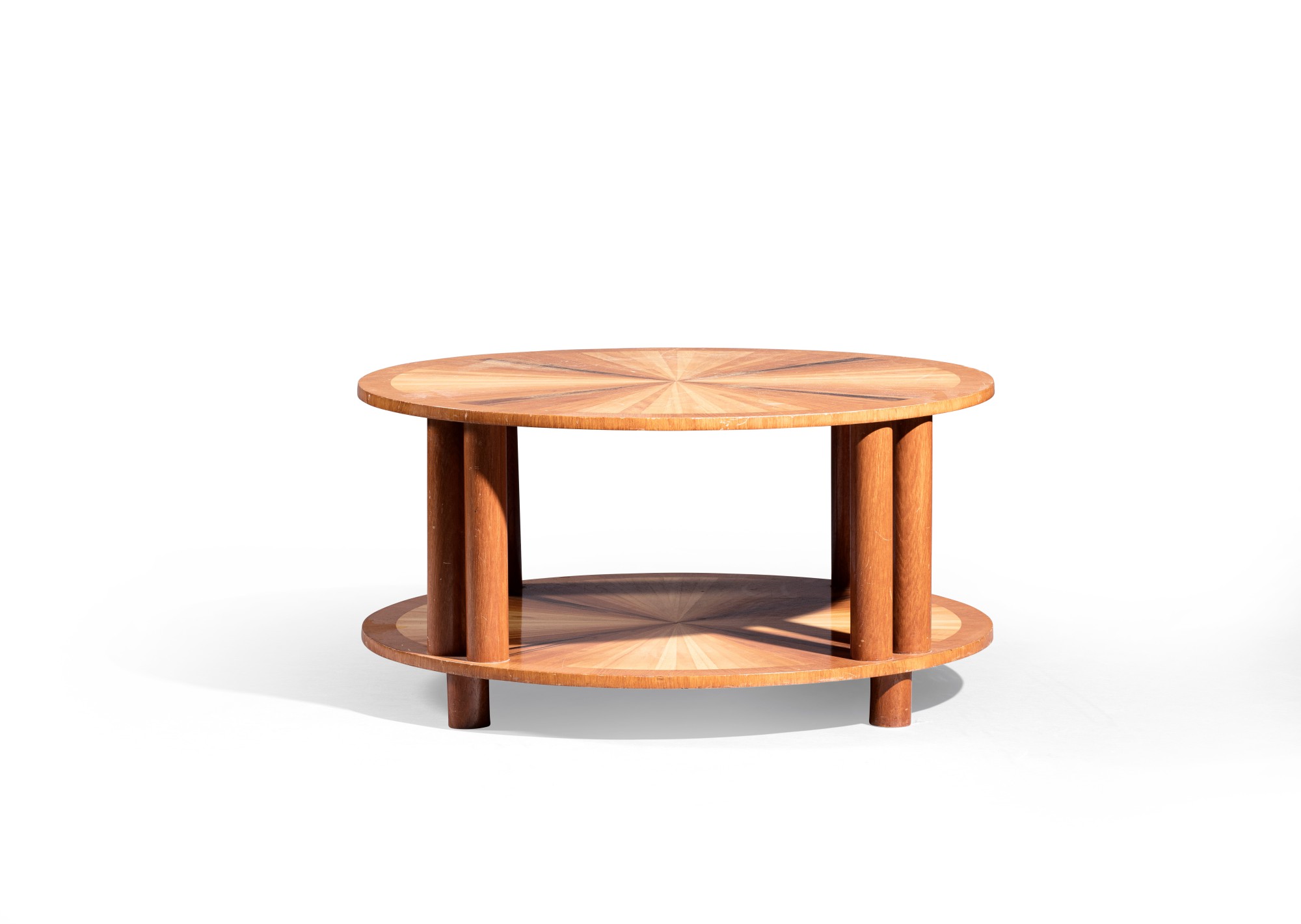
A table from approximately 1940, combining brass, leather, lacquered metal, leatherette, and wood, navigates wartime material constraints with a resourcefulness that only deepens its elegance. A low table from around 1970 built from cherry, beech, oak, locust, maple, walnut, ash, and plum tree is a small inventory of the French forest, as if the maker wished to demonstrate that beauty and taxonomy need not be opposed. These are not accidents of craft. They are the products of a tradition so thoroughly internalised that it could be expressed without a name attached.
French work
Low table, circa 1970
The market for French Work has matured considerably over the past two decades. Major auction houses including Christie's, Sotheby's, and Drouot in Paris have long maintained dedicated categories for regionally attributed pieces, and collectors who once sought only signed work have come to understand that attribution to a place and period can be equally meaningful. What draws serious collectors to French Work is precisely what might initially seem like a liability: the absence of a controlling narrative. Without a biography to lean on, the object must justify itself entirely on its own terms.
Proportion, material quality, constructional integrity, and aesthetic coherence all become more visible, not less, when the maker's name is removed from the equation. Collectors at the highest level have always understood this. They buy the object, not the label. In terms of art historical context, French Work sits within a lineage that includes some of the most celebrated names in European decorative arts.
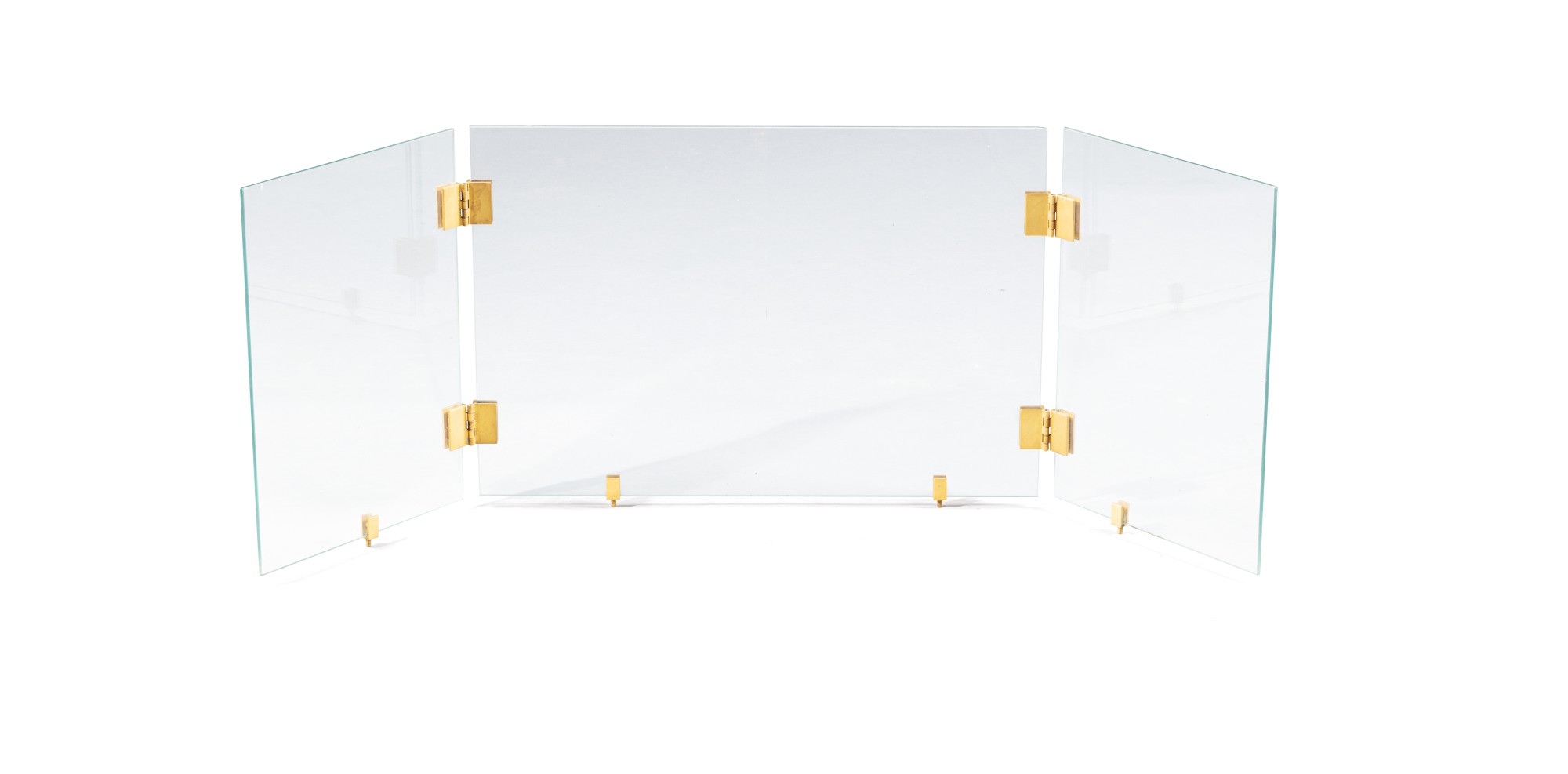
French work
Fire screen, circa 1930
The anonymous pieces speak in conversations with the great French ébénistes of the eighteenth century, with the designers who gathered around the 1925 Exposition Internationale des Arts Décoratifs et Industriels Modernes in Paris, and with the craftspeople who kept traditions alive through the twentieth century's repeated upheavals. Objects like a wall light from around 1980 or a pair of floor lamps from around the year 2000 in tinted wood with paper shades show that this tradition did not calcify. It kept breathing, kept adapting, kept finding new forms for enduring sensibilities. The clock from around 1930, the cabinet in silvered and painted wood with mirror and glass, the bronze and resin coupe with coral accents from around 1980: each is a chapter in a very long and very living story.
For collectors approaching French Work for the first time, the guiding principle is to trust your eye and deepen your knowledge simultaneously. Study the periods: understanding what French furniture and decorative arts looked like in the 1930s, or how materials were used in the postwar decades, gives you the context to appreciate what you are seeing. Look at construction and material quality with care. Examine how surfaces are finished, how joinery is resolved, how different materials are brought into relationship with one another.
These are the signs of a trained hand working within a serious tradition. A piece of French Work that passes these tests is not a consolation prize for collectors who could not find a signed equivalent. It is a genuine discovery. The legacy of French Work is, in the end, a legacy of collective achievement.
France's decorative and fine arts traditions were never the product of individual genius alone. They were built in workshops, transmitted through apprenticeships, refined in competition and collaboration, and tested in the markets and salons of one of the world's great cultural capitals. The anonymous works that carry this attribution are the residue of that collective effort, proof that excellence does not require a signature to survive. In a collecting landscape increasingly interested in provenance, process, and cultural context, French Work offers something rare: the chance to own a piece of history that remains genuinely open, that asks you to bring your own attention and intelligence to the encounter.
That is not a gap. That is an invitation.
Explore books about French work

Daniel French: American Sculptor
Margaret C. Conrads
The Letters of Daniel Chester French and Margaret French Cresson
Margaret French Cresson

American Expatriate Artists and the Italian Renaissance
William H. Gerdts
Daniel Chester French: An American Sculptor
Adams, Adeline Valentine Pond
Chesterwood: Home, Studio, and Landscape of Daniel Chester French
Margaret C. Conrads
The Statue of the Republic
Daniel Chester French
American Sculpture: A Catalogue of the Collection at the Metropolitan Museum of Art
James Beck and others