Frank Horvat
Frank Horvat: Fashion, Life, and Pure Instinct
Artist Spotlight · The Collection Editorial
“I am not interested in photography as an art form. I am interested in it as a way of seeing.”
Frank Horvat, interview
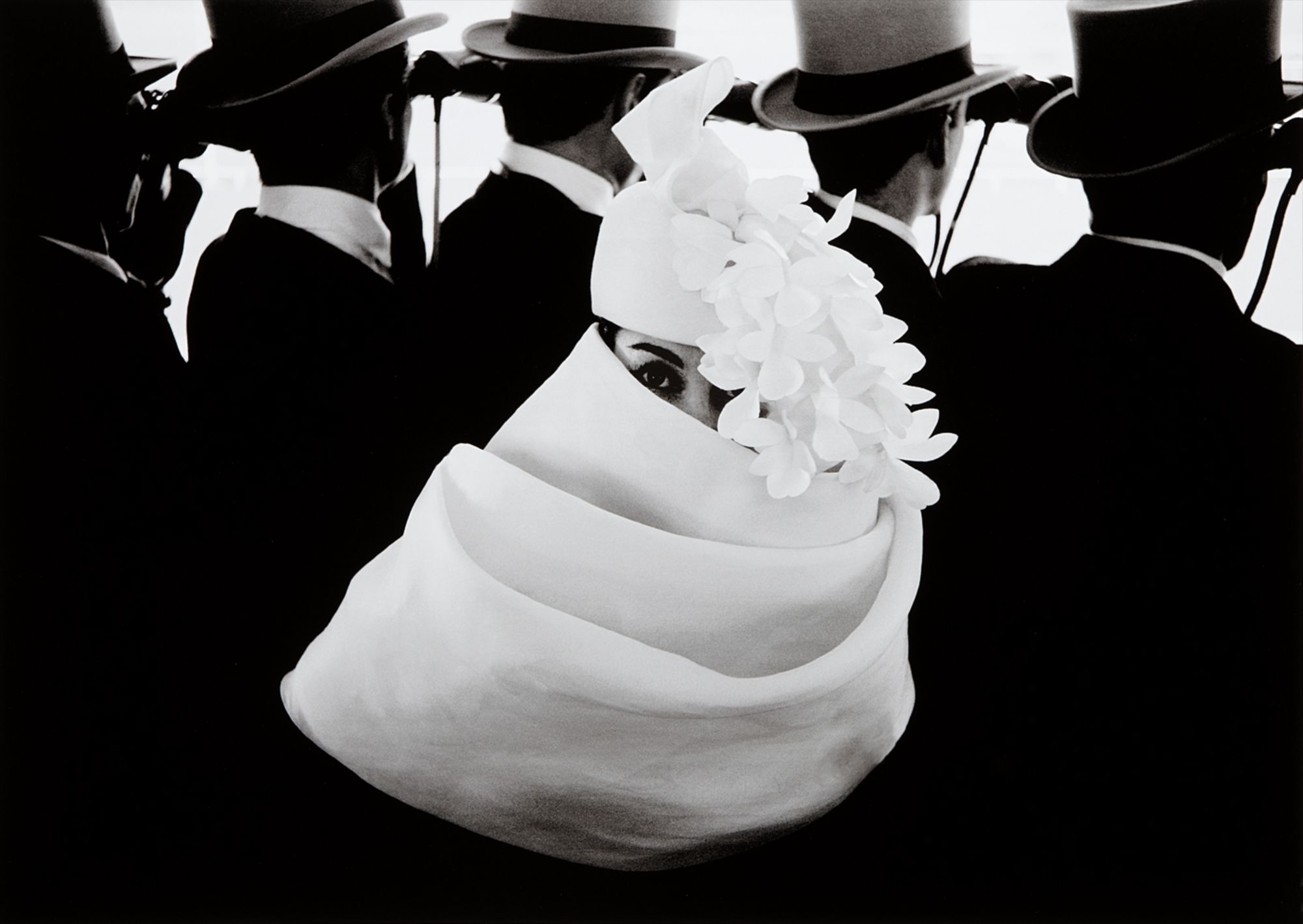
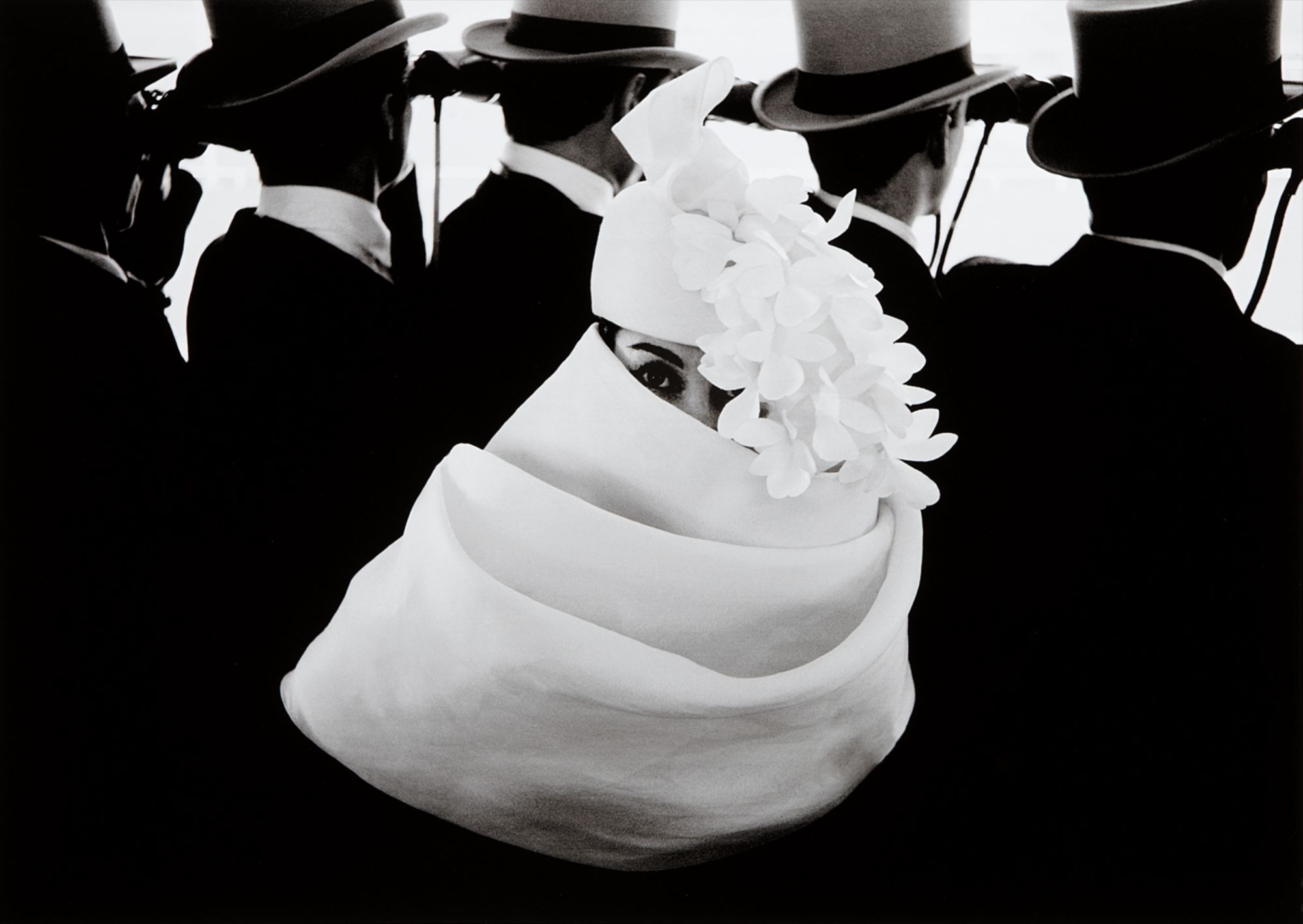
There is a photograph that stops you cold. A woman in a Givenchy hat stands somewhere in Paris, and the city itself seems to lean toward her, curious. The image is at once documentary and dreamlike, as if the street were a stage that had been waiting for exactly this moment. It is the kind of picture that only Frank Horvat could make, one where fashion becomes a pretext for something far more alive than any single garment could ever be.
Frank Horvat
Givenchy Hat A, Paris
That photograph, and others like it, continue to find new audiences decades after they were taken, cementing Horvat's position as one of the towering figures of twentieth century image making. Frank Horvat was born in 1928 in Abbazia, then part of Italy and now the Croatian city of Opatija. His early years were shaped by the upheaval of the Second World War, and his family moved through Switzerland before he eventually settled in Paris, the city that would define the arc of his career. He began photographing seriously as a young man, and by the early 1950s he had already developed the restless, observant eye that would come to distinguish his work from that of his contemporaries.
His first major break came through his documentary work in India and Pakistan, images that brought the direct, unmediated energy of street photography to bear on daily life across cultures vastly different from his own. It was in Paris, however, and through his embrace of the fashion world, that Horvat found the synthesis that made him singular. In an era when fashion photography largely meant controlled studio settings, artificial light, and models posed at a careful remove from the world, Horvat took his subjects outside. He used the Leica, the favored tool of the photojournalist, to capture fashion in motion, against real walls, under real skies, beside real Parisians going about their actual lives.
Frank Horvat
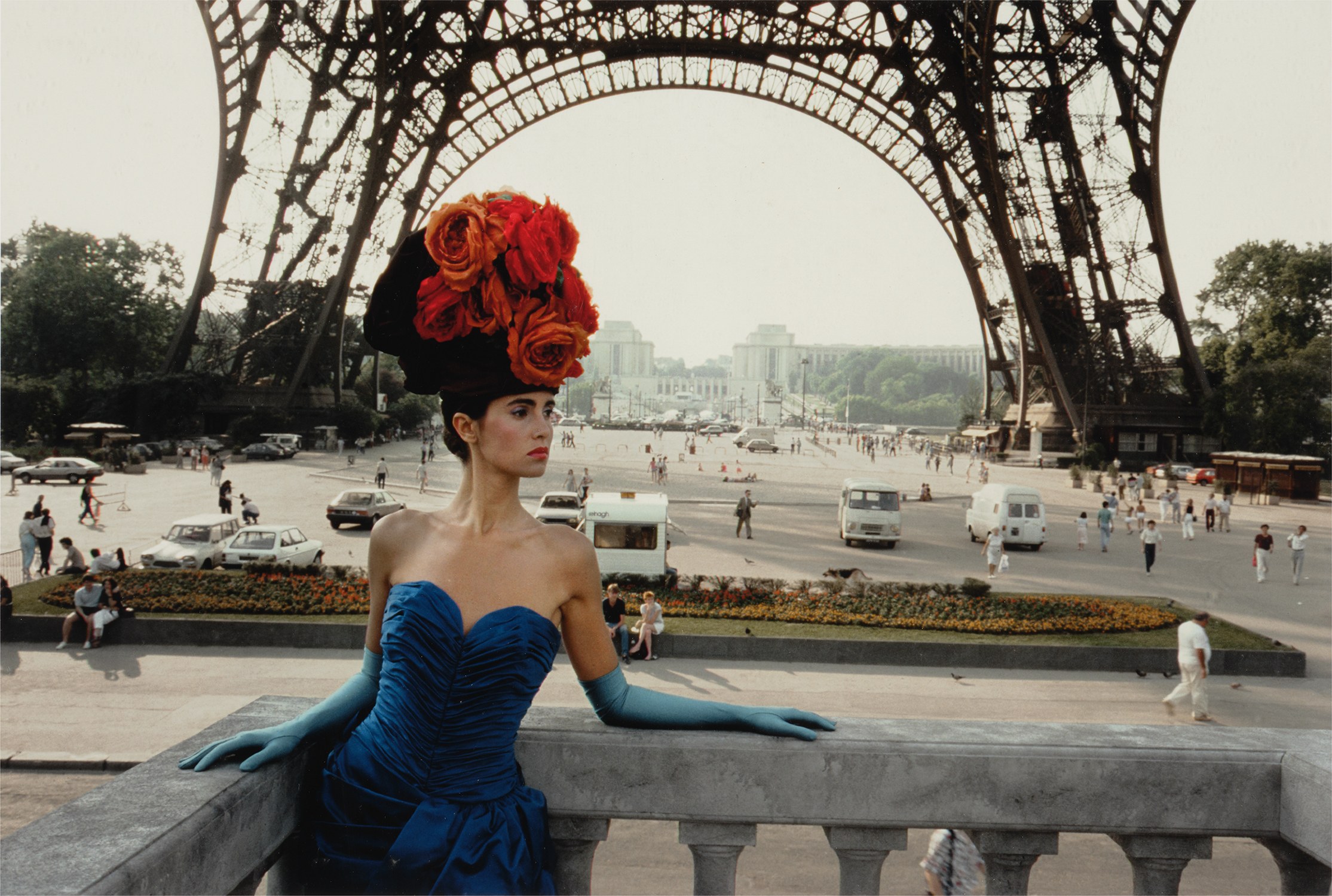
Red Hat and Eiffel Tower, Patrizia for Figaro Magazine, Paris
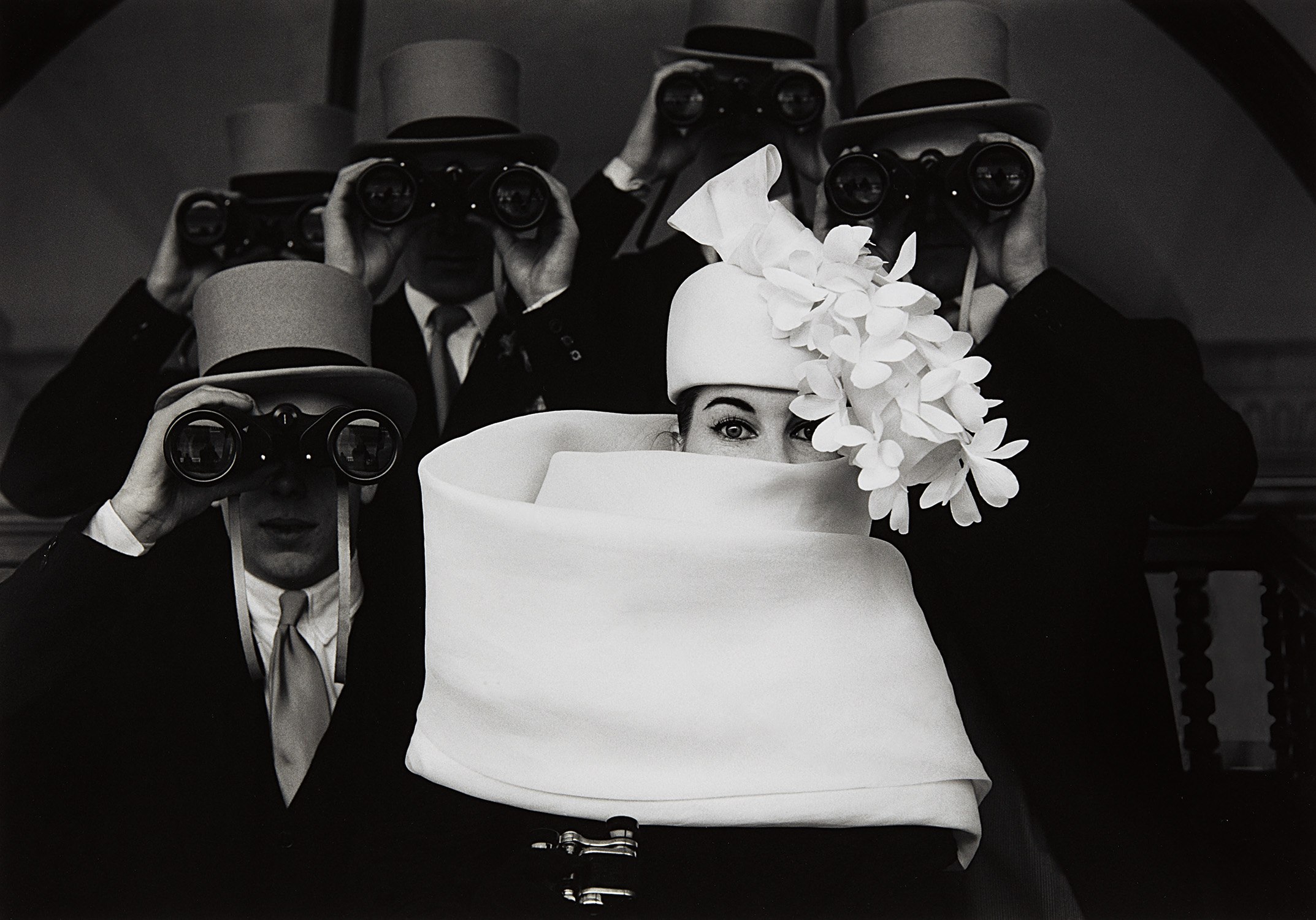
The effect was electric. Editors at publications including Vogue, Harper's Bazaar, and Life recognized immediately that something new was happening in his work, and his images began appearing regularly in the most influential magazines of the postwar era. The photographs Horvat made for Jardin des Modes in Paris represent some of the most celebrated work of his career and remain among the most sought after prints in his catalog today. His Givenchy Hat series, made on the streets of Paris, demonstrates exactly how he worked: a model caught mid movement, the architecture of the city framing her with a casual grandeur that no studio set could replicate.
The gelatin silver prints from this period carry a tonal richness that rewards close looking, a silver depth that speaks to Horvat's command of the photographic process from capture through to darkroom finishing. His later archival pigment prints, including works such as Red Hat and Eiffel Tower and the Shoe and Eiffel Tower series, show him returning to iconic Parisian imagery with a mastery that had only deepened over decades of practice. The Eiffel Tower in these images is never a postcard cliche. It becomes a structural rhyme, a vertical axis that answers the geometry of a heel or the arc of a brim.
Frank Horvat
Paris, for Jardin des Modes, Givenchy Hat (b)
For collectors, Horvat's work offers a remarkable range of entry points. Gelatin silver prints made in 1995 from the same negatives as his most famous fashion assignments carry an intimacy and warmth that distinguish them from later production. Archival pigment prints, some printed in 2007 and others printed later under the artist's close supervision, offer exceptional stability and tonal range and have found devoted homes in both private collections and institutional holdings. What draws collectors consistently to Horvat is the sense that every print contains a story in suspension, not a frozen moment so much as a held breath.
His fashion images do not feel like documents of what people wore. They feel like evidence of what Paris felt like, of what it meant to be young and alive in the midcentury city. In situating Horvat within the broader history of photography, it is useful to think about the conversation his work has with that of contemporaries such as William Klein, whose own fashion photography broke violently with studio convention, and Henri Cartier Bresson, whose theory of the decisive moment gave language to the instinctive, intuitive approach that Horvat practiced every day. Where Cartier Bresson maintained a kind of cool detachment, Horvat brought warmth and a genuine delight in beauty.
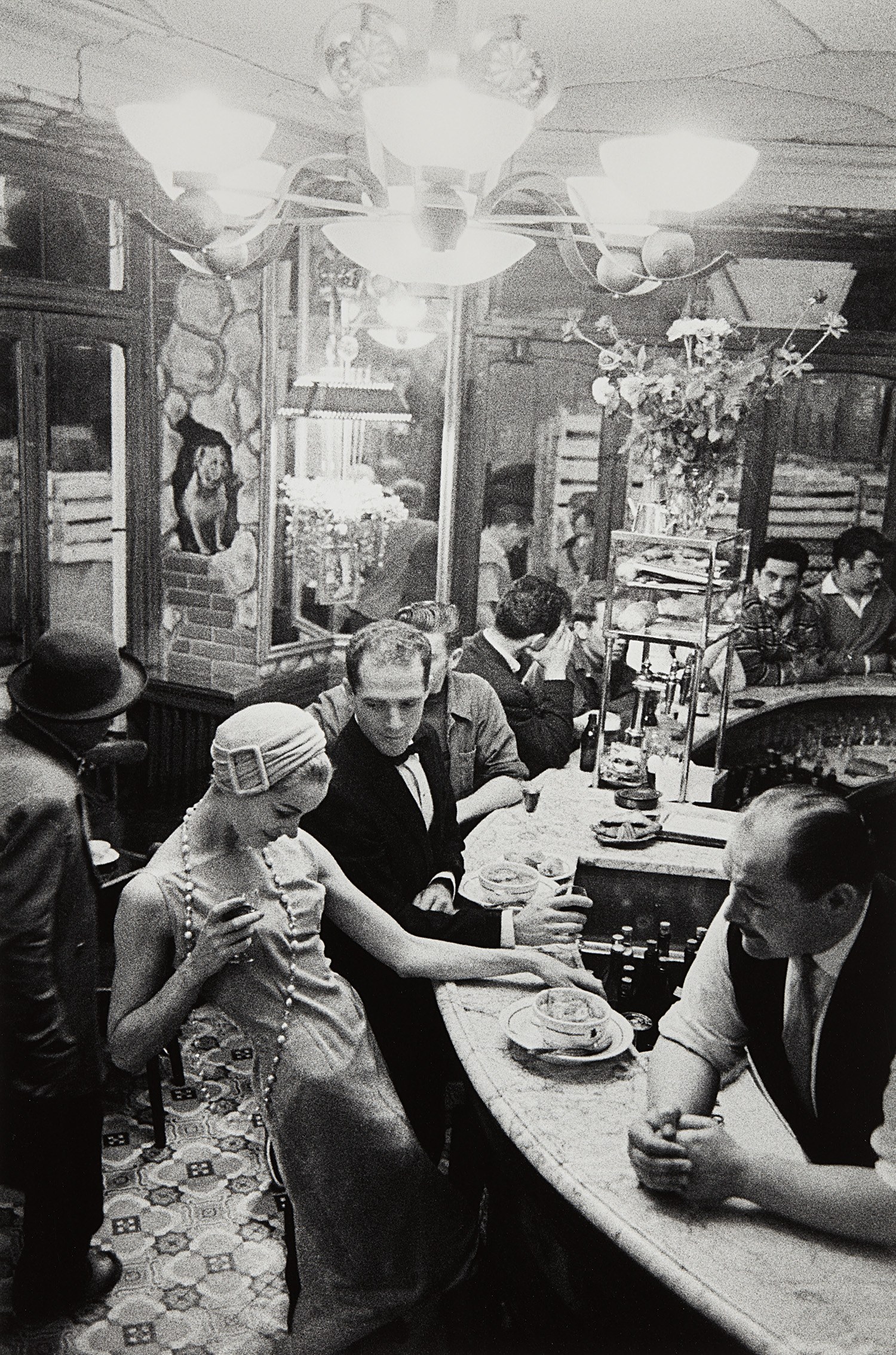
Frank Horvat
Paris, for Jardin des Modes, at 'Le Chien Qui Fume'
He also belongs in the company of Richard Avedon and Helmut Newton, photographers who understood fashion as theater, though Horvat's theater was always the street rather than the set. His work is frequently discussed alongside that of Jeanloup Sieff, another photographer who moved fluidly between photojournalism and fashion with a deeply personal visual sensibility. Horvat continued working and thinking about photography with remarkable vigor well into the later decades of his life. He embraced digital tools with curiosity rather than resistance, and he wrote and spoke extensively about the nature of photographic truth, memory, and the strange relationship between the camera and human perception.
His book projects and extended essays on photography are valued by scholars and serious collectors alike as windows into the mind of a photographer who never stopped interrogating his own practice. He passed away in 2020, leaving behind a body of work that spans seven decades and dozens of countries, and a legacy that continues to grow in scholarly and market significance. For those who collect photography with an eye toward both aesthetic pleasure and lasting historical importance, Horvat represents an opportunity that is genuinely rare. His work is specific enough to be iconic and various enough to reward a lifetime of looking.
The prints available today carry the authority of a career built on instinct, craft, and an unwavering belief that the world, seen clearly and at the right moment, is endlessly beautiful.
Explore books about Frank Horvat
Frank Horvat: Photographer
Frank Horvat
Frank Horvat: A Way of Seeing
Frank Horvat
Piccole Storie / Little Stories
Frank Horvat
Frank Horvat: 50 Years of Photography
Frank Horvat
Autoportrait
Frank Horvat