Eve Arnold
Eve Arnold Saw the World Whole
Artist Spotlight · The Collection Editorial
“I made up my mind that I wanted to be a photographer and that I was going to take pictures of women.”
Eve Arnold
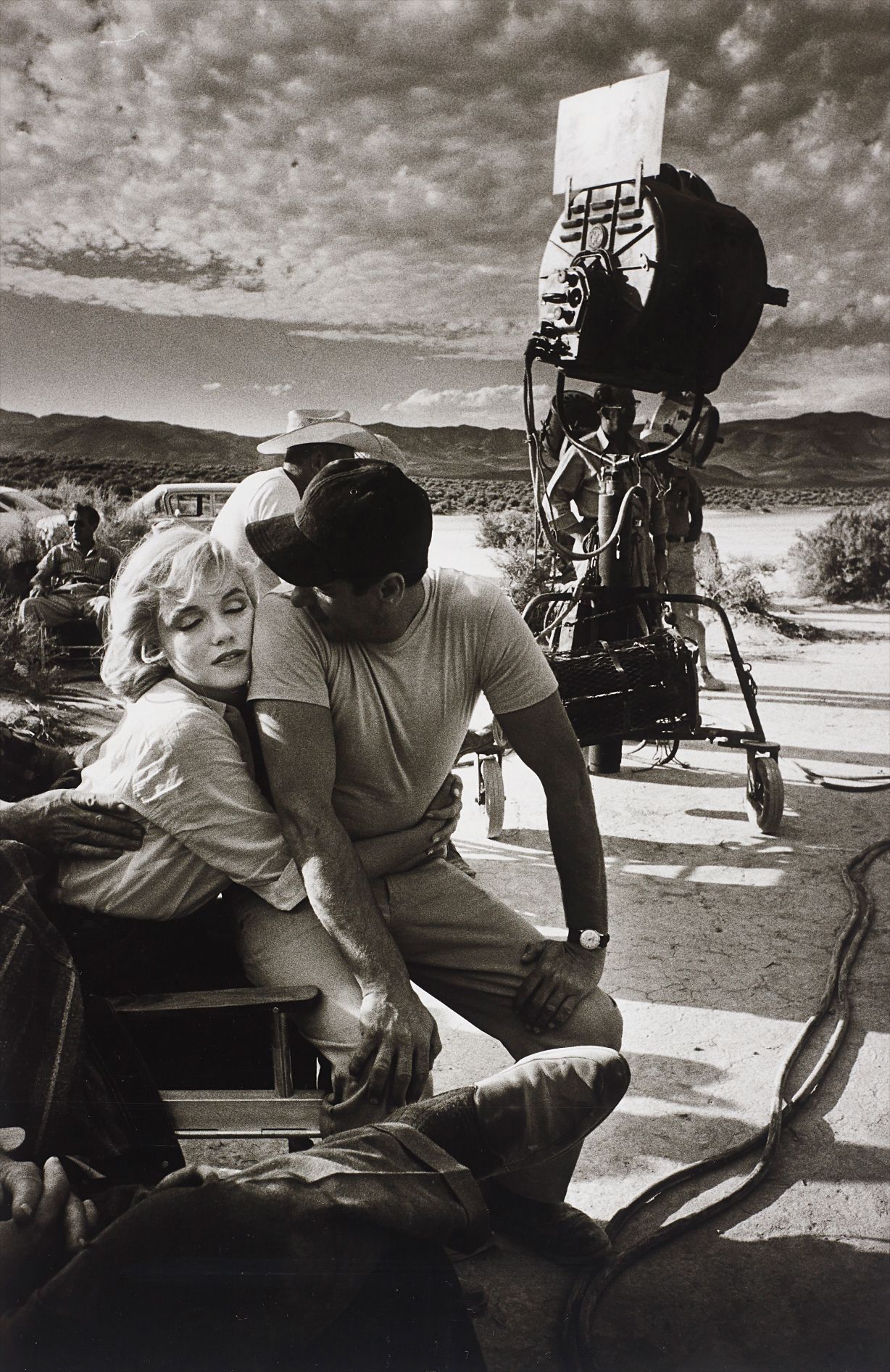
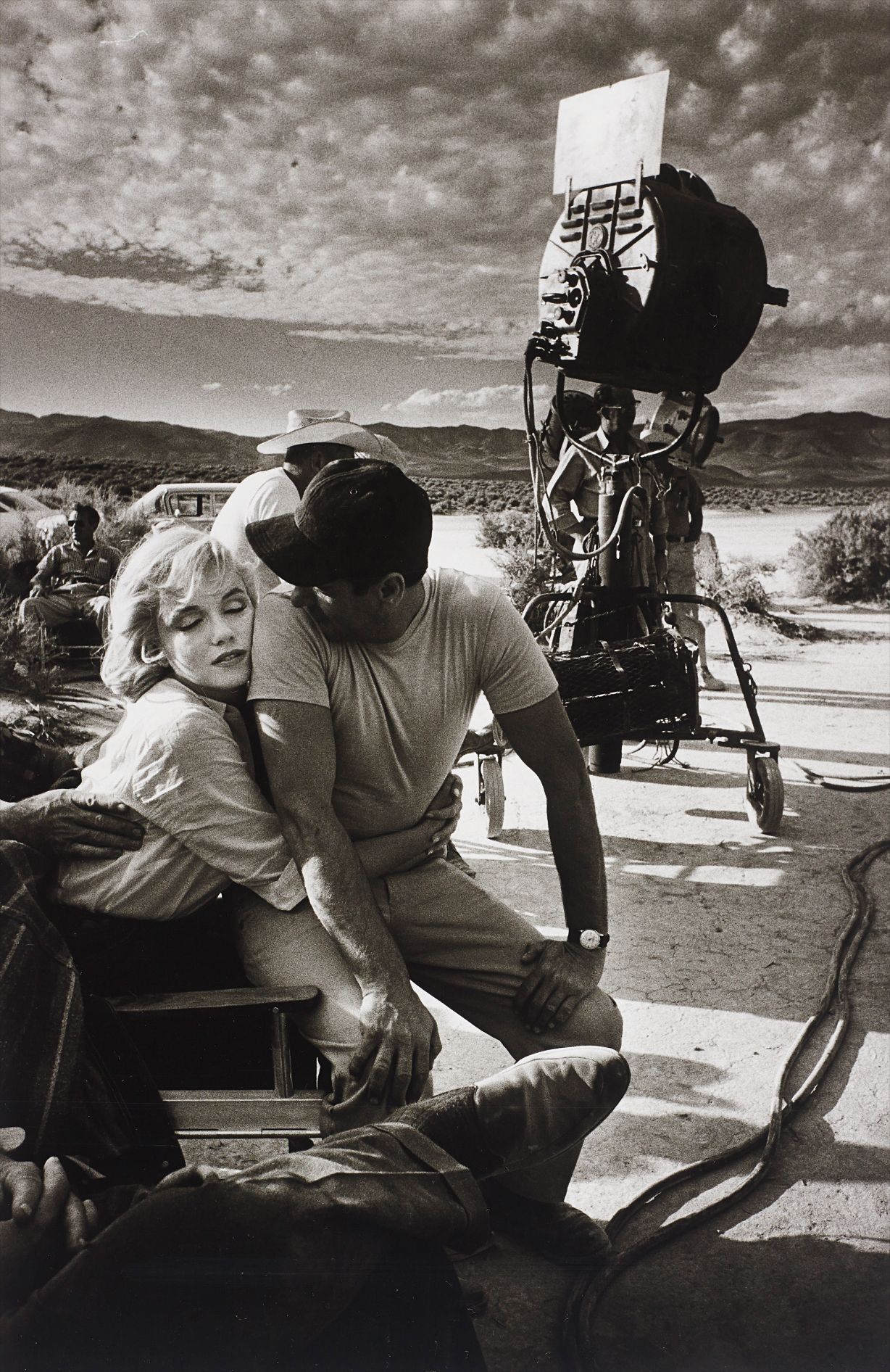
There is a photograph that stops you cold. Marilyn Monroe on the Nevada desert, mid shoot on the set of The Misfits in 1960, leaning into Eli Wallach with a kind of bruised, luminous ease. Eve Arnold took that picture, and it tells you everything about what made her singular: she was trusted where others were merely tolerated. She was inside the moment, not hovering at its edge.
Eve Arnold
Marilyn Monroe and Eli Wallach on the set of 'The Misfits', Nevada
For a photographer working in an era when photojournalism was largely a man's world, that intimacy was not accidental. It was the result of a lifetime of quiet, determined cultivation of human connection across every boundary that society insisted upon keeping. Eve Arnold was born in Philadelphia in 1912, the daughter of Russian Jewish immigrants who had settled in America carrying the particular alertness of people who knew what it meant to be unwelcome. She grew up during the Depression, came of age during the Second World War, and came to photography almost by accident in the late 1940s when she enrolled in a short course taught by Alexey Brodovitch, the legendary art director of Harper's Bazaar.
Brodovitch had an extraordinary instinct for latent talent, and what he recognized in Arnold was an eye that did not aestheticize from a distance but pressed close, warmly, without flinching. She would later study at the New School for Social Research in New York, deepening a practice that was already forming its own clear moral language. In 1951, Arnold became one of the first women to join Magnum Photos, the cooperative agency founded in 1947 by Henri Cartier Bresson, Robert Capa, George Rodger, and David Seymour. Magnum was already a kind of secular church for photojournalism, committed to the idea that photographers had a responsibility to the world they documented.
Eve Arnold
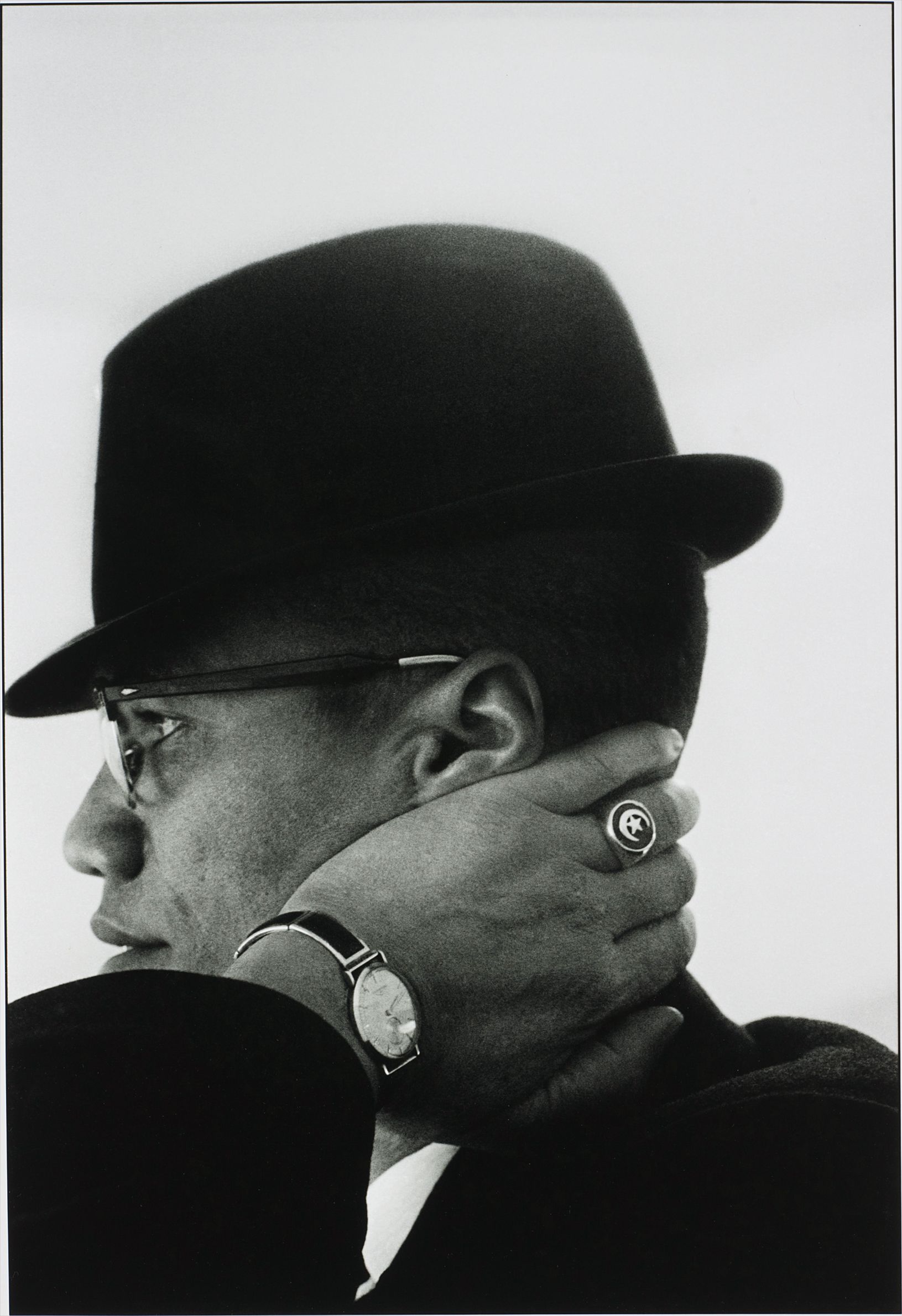
Malcolm X, Chicago
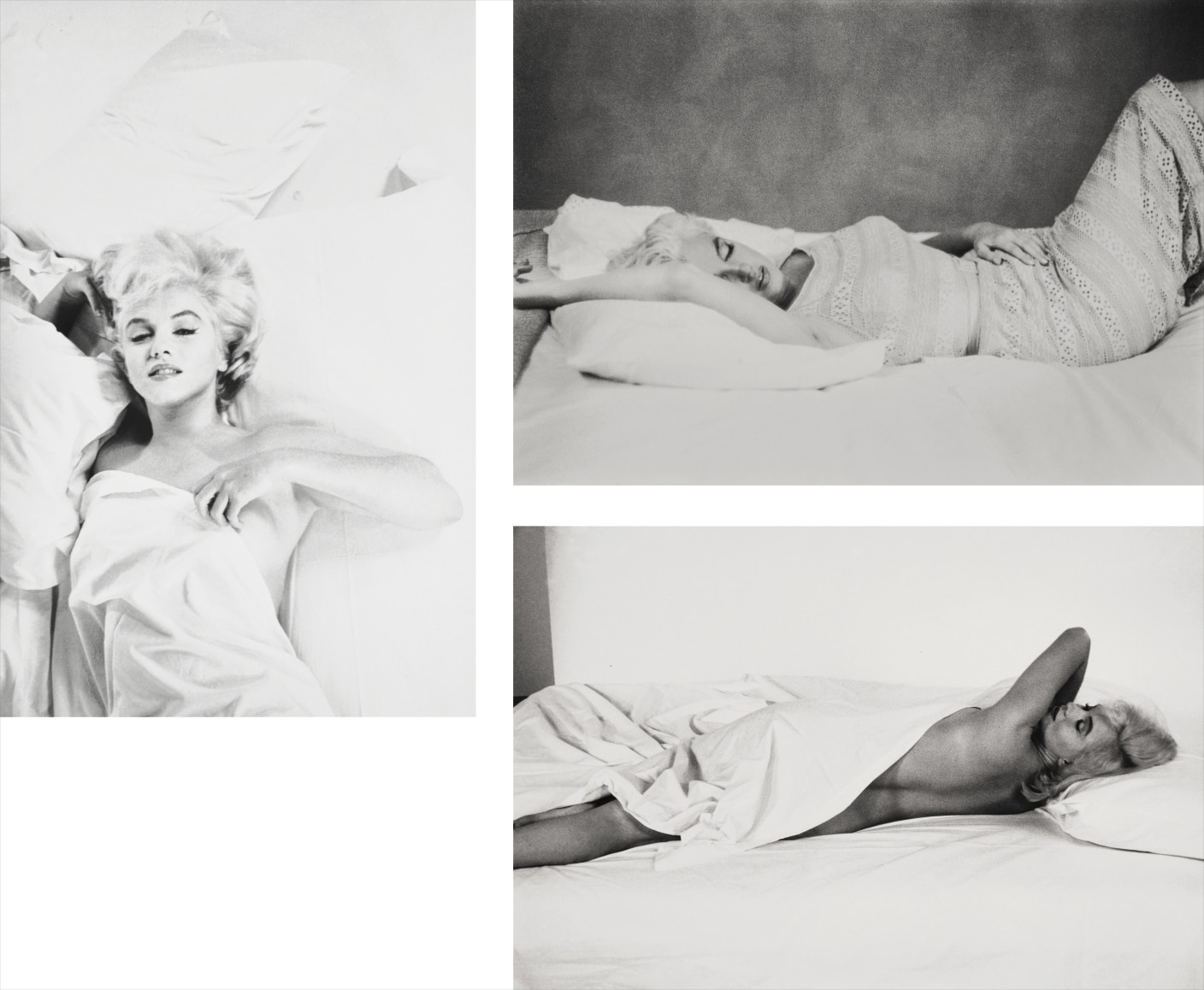
Arnold's membership placed her in extraordinary company, and she rose within it not by imitating her peers but by pursuing subjects and geographies that were often overlooked entirely. Where others chased the theater of war and geopolitics, Arnold went to beauty parlors in Harlem and backstage at fashion shows, to migrant workers in the American South and to the quiet ceremonies of everyday life in places as far apart as Afghanistan, China, and Cuba. Her portraits of Marilyn Monroe are perhaps the most discussed body of work from her long career, and for good reason. Arnold photographed Monroe across multiple years and across multiple states of being: resting, reading, performing, exhausted, radiant.
“It is the unexpected that happens in photography that makes it so exciting.”
Eve Arnold
The image taken at Chicago Airport, a silver print of Monroe caught in some private pause between public appearances, has a quality almost unbearable in its clarity. It is not an image of a star. It is an image of a person bearing the weight of stardom, and Arnold understood the difference profoundly. Monroe trusted Arnold enough to allow these unguarded moments to be seen, and that trust was not misplaced.
Eve Arnold
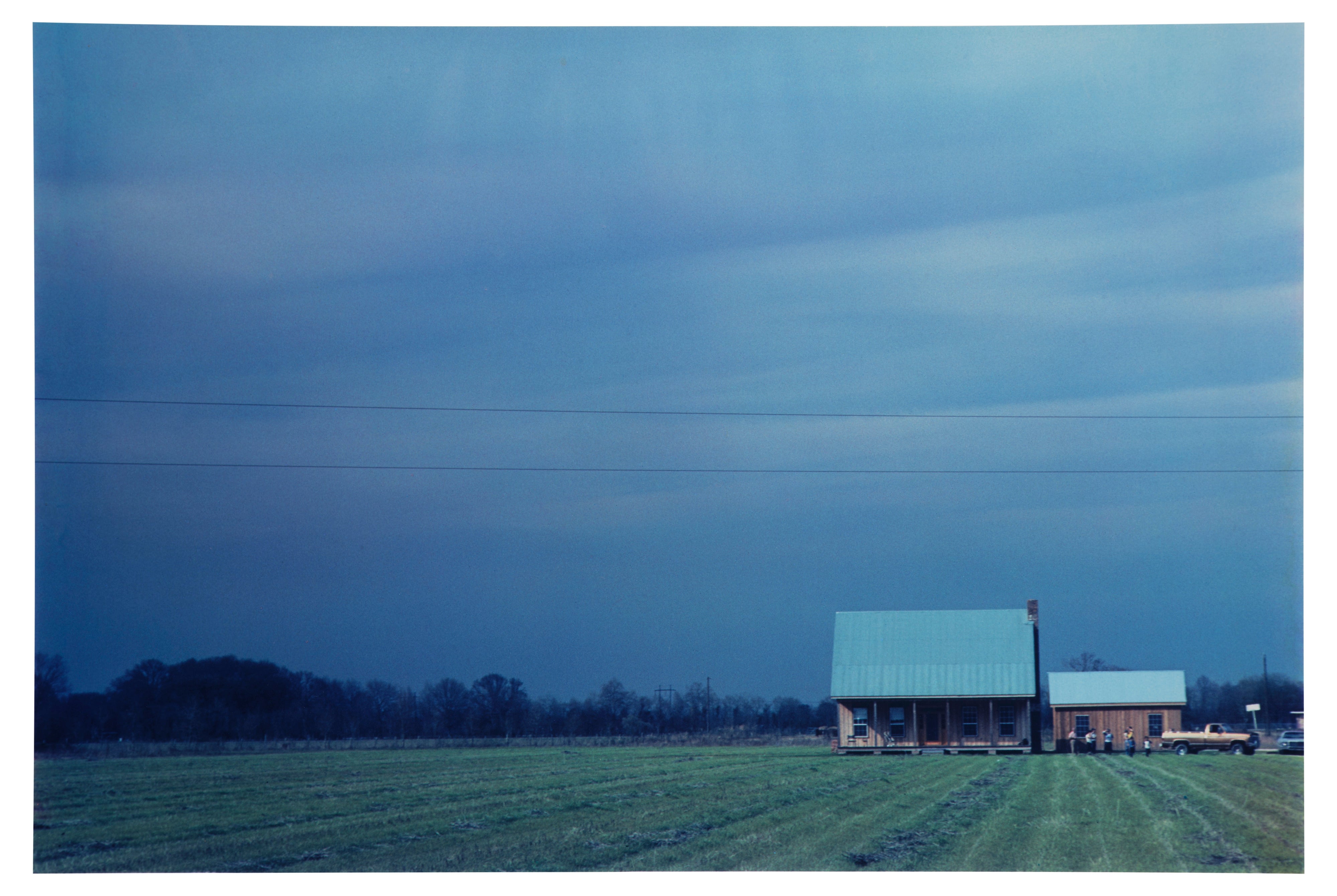
Lafayette, Louisiana
Arnold never sensationalized her subjects. She honored them. Beyond Monroe, Arnold's portrait of Malcolm X taken in Chicago stands as one of the definitive images of mid century American political life. She had documented his work with the Nation of Islam in the late 1950s and early 1960s, gaining access that few white photographers and even fewer women photographers were afforded.
The resulting gelatin silver prints carry a directness and a dignity that situate them firmly within the tradition of socially committed documentary photography. Her image of Paul Newman at Lee Strasberg's Actors Studio in New York offers yet another register entirely: the studied, contained intensity of a young actor in formation, the stillness before the explosion of a career. Taken together, these works reveal an artist who moved effortlessly across the social and cultural landscape of twentieth century America while maintaining an absolutely consistent vision. For collectors, Arnold's prints hold a special place in the market for mid century photojournalism.
Eve Arnold
Selected Images
Gelatin silver prints, particularly those printed later under the artist's supervision, offer exceptional archival quality and a tonal richness that rewards close looking. The dye transfer print of Lafayette, Louisiana, printed in 1985, demonstrates the range of her technical engagement: dye transfer is a notoriously demanding process that produces colors of unusual saturation and permanence, and its use here signals an investment in the image's long life. Works from her Cuba series, including the Havana bar girl photographs, speak to her willingness to enter complex and politically charged spaces with empathy rather than judgment. Collectors drawn to the great tradition of Magnum photography, to figures such as Cartier Bresson, Dorothea Lange, Gordon Parks, and Sebastiao Salgado, will find in Arnold a natural and necessary companion to any serious collection of the period.
Arnold's place in art history has been shaped in part by the belated recognition that came to many women photographers of her generation. Her retrospectives and monographs, including her celebrated books In China published in 1980 and In Britain from 1991, brought her sustained critical attention and helped establish her as a canonical figure rather than a peripheral one. The breadth of her geographic and cultural range remains astonishing: she documented the end of empire and the beginning of new nations, she photographed royalty and refugees, she turned her lens on the rituals of Hollywood and the routines of women whose lives had never before been considered worthy of photographic attention. In 2003 she was awarded an Honorary Fellowship of the Royal Photographic Society, one of many honors that recognized the scope and depth of her contribution.
Eve Arnold lived to one hundred years of age, dying in London in 2012, which means she witnessed the full arc of photography's transformation from a journalistic tool into a medium of undisputed artistic prestige. She had been there at the beginning of that transformation, helping to make it happen. To hold one of her prints today is to hold a piece of that history, and also something more personal: the evidence of a human encounter, conducted with grace and intelligence, between a photographer who cared about people and a world that kept offering itself up, complicated and beautiful, to be seen.
Explore books about Eve Arnold