Ernesto Neto
Ernesto Neto: Where Bodies Meet the Beautiful
Artist Spotlight · The Collection Editorial
“Art is life is art. It is about being alive, feeling alive, sharing life.”
Ernesto Neto
Walk into one of Ernesto Neto's installations and something immediate happens to you. The air changes. It carries turmeric, cloves, cumin, the warm and ancient vocabulary of spice markets and kitchens and memory. Gauzy fabric pools from the ceiling in great biomorphic sacs, glowing amber and ivory.
Ernesto Neto
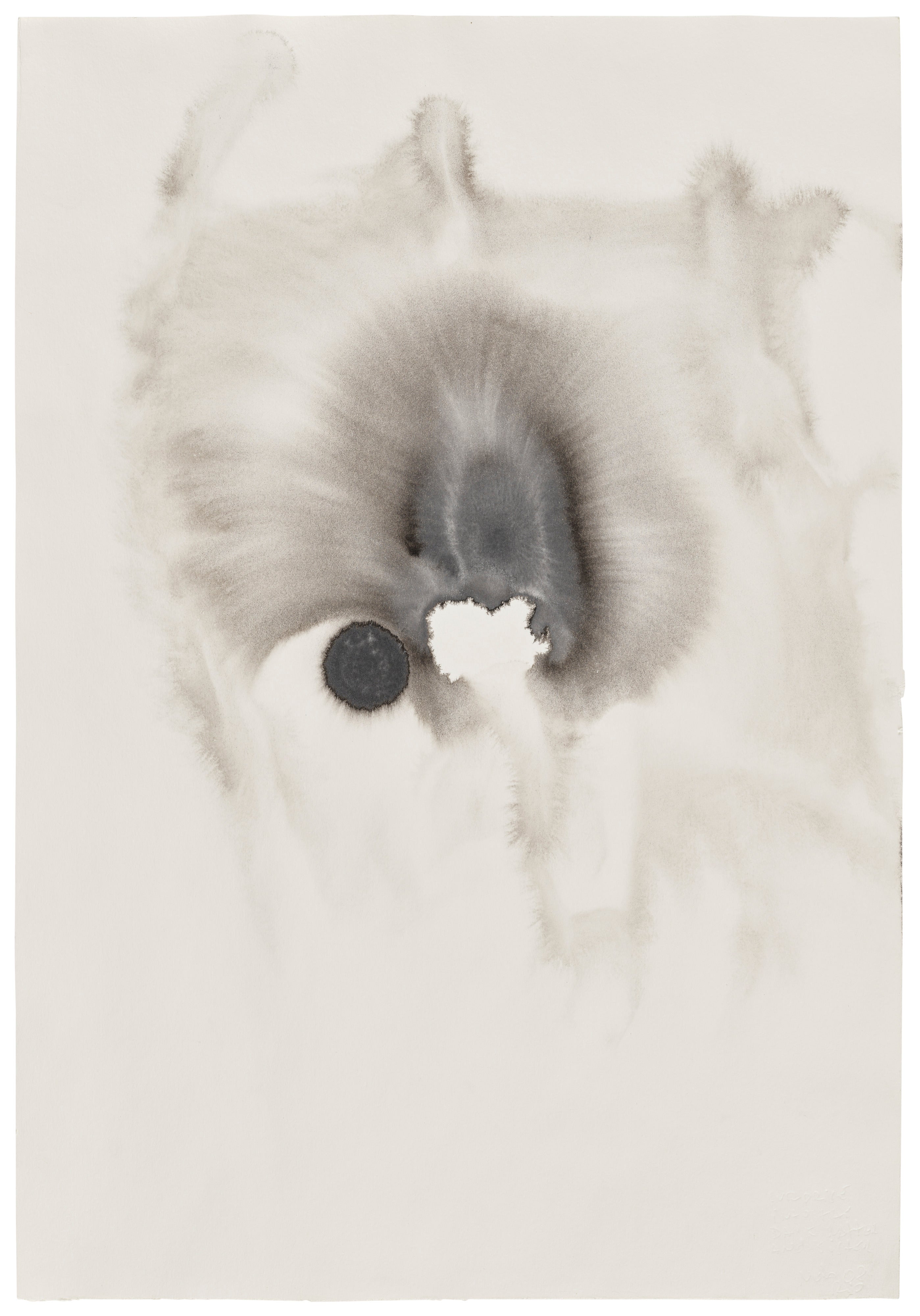
Surprise into the dark matter and sister
The floor gives slightly underfoot. You are, unmistakably, inside something alive. In recent years this quality of radical bodily welcome has earned Neto renewed attention across the international museum circuit, with major presentations reinforcing his position as one of the most genuinely transformative artists working in installation today. His ability to turn a gallery into a living organism, and to make viewers feel not like spectators but like inhabitants, is a gift that grows more resonant with each passing decade.
Neto was born in Rio de Janeiro in 1964, and the city's particular sensibility is inseparable from his practice. Rio is a place where the body is social currency, where carnival and capoeira and the rhythms of the beach fold the physical self into collective life. Growing up there, Neto absorbed an understanding of space as something felt rather than merely seen. He studied at the Escola de Artes Visuais do Parque Lage, one of Brazil's most generative art schools, a place with a long tradition of nurturing experimental and politically engaged practice.
Ernesto Neto
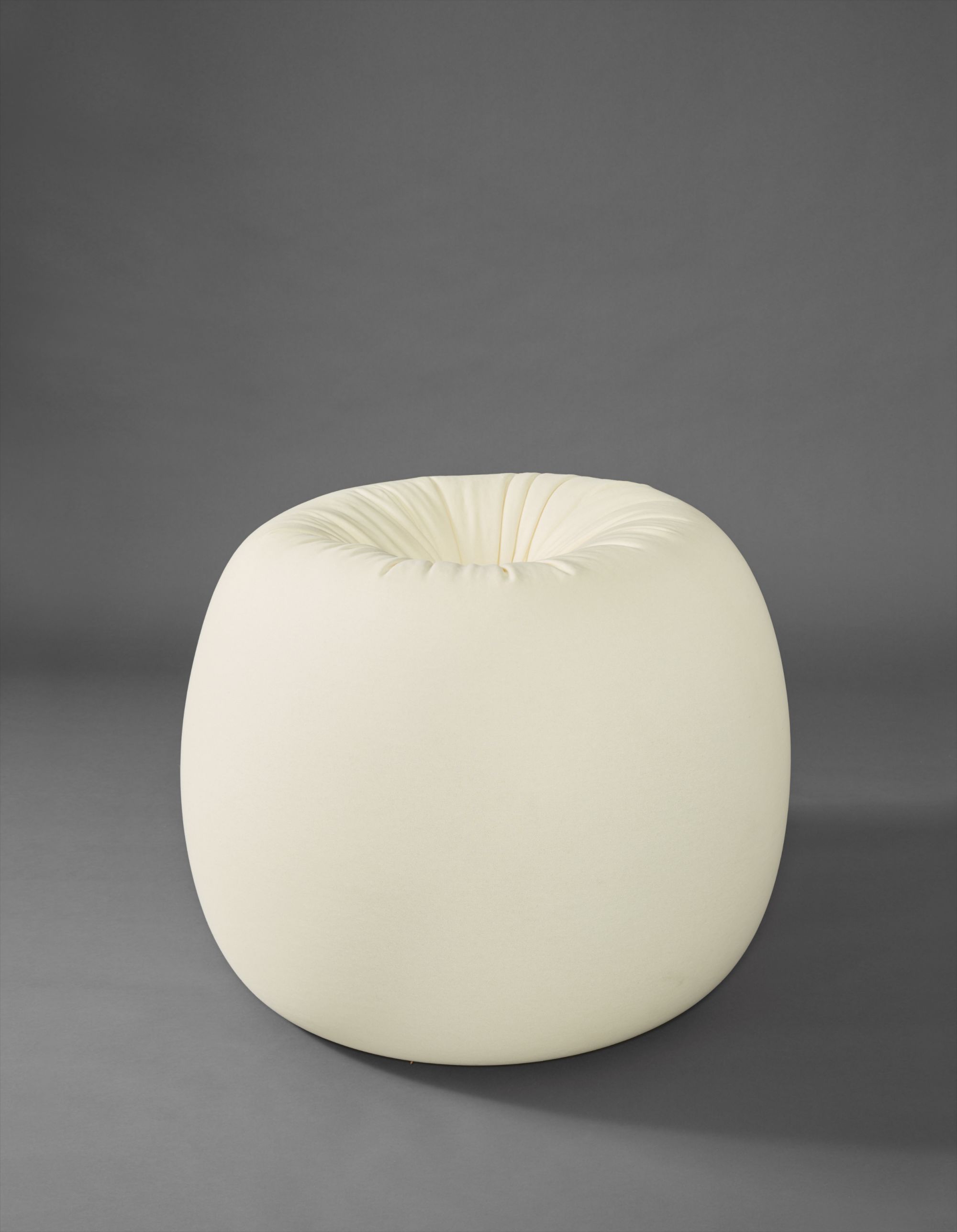
Glob (Cuminho)
The intellectual culture he encountered there was already in dialogue with the legacy of the Brazilian Neo Concrete movement, a lineage that would prove foundational to everything he would go on to make. The Neo Concrete movement, which flourished in Rio in the late 1950s and early 1960s, had proposed a radical rethinking of the relationship between art and viewer. Lygia Clark and Hélio Oiticica, its most celebrated figures, argued that the artwork was not a finished object to be contemplated at a distance but a relational proposition, something that only completed itself through the participation of a body in space and time. For Neto, this inheritance was not merely theoretical.
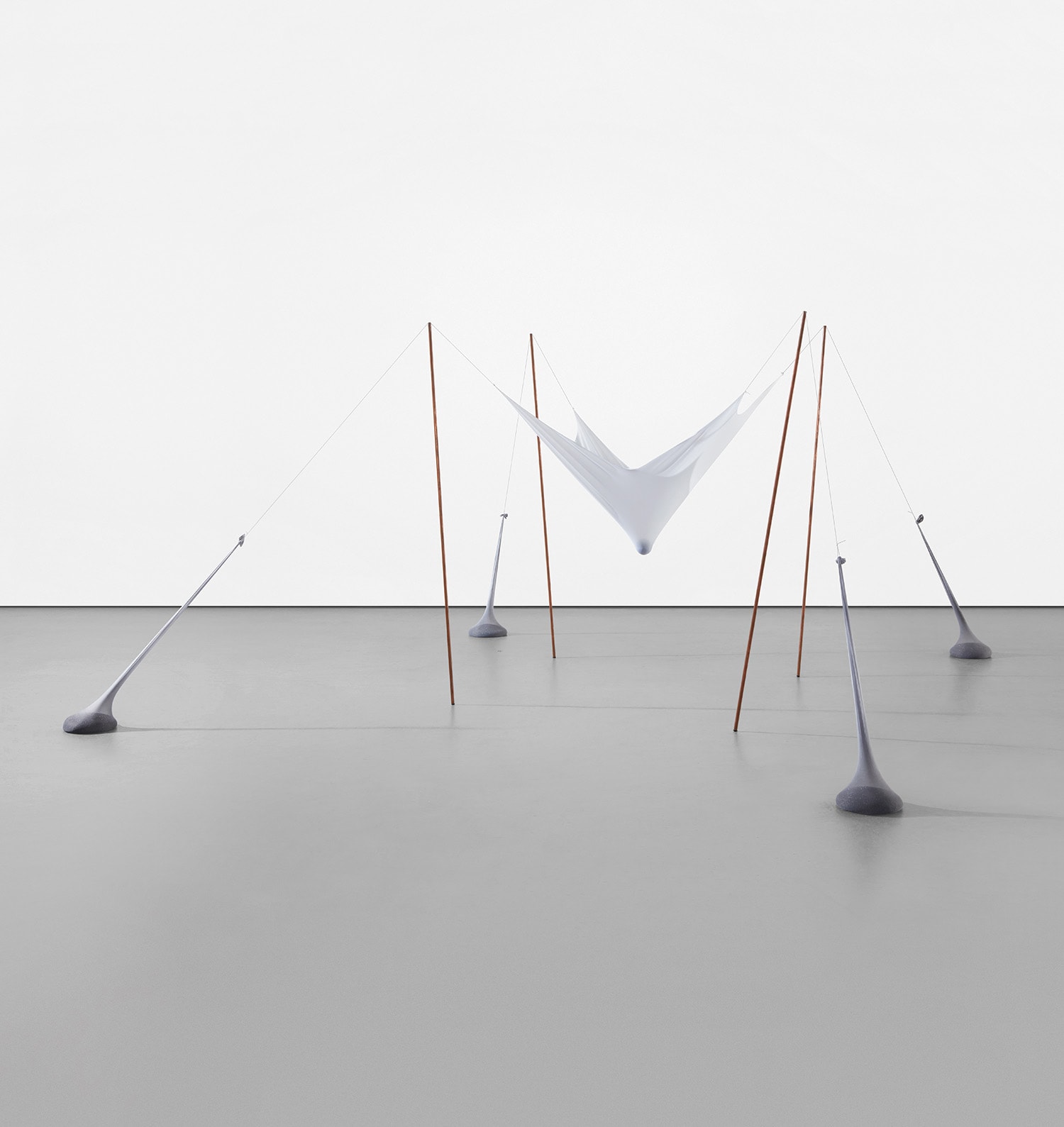
It was structural. His early works from the late 1980s, including the canvas painting Barrabola from 1988 and works on paper from the following years, already show an artist probing the boundary between the geometric and the organic, the rigid and the yielding. By the early 1990s, with works like the 1992 piece Topologic Fluency on a Structural Camp for High Density Point, a title that reads almost like a scientific notation for something fundamentally sensual, he was finding the formal language that would define his mature career. The signature Neto installation arrived in fullness with the stretched fabric sculptures of the late 1990s and 2000s.
Ernesto Neto
Topologic fluency on a structural camp for high density point, 1992
Works like Anatomia Do Aconchego from 1998, whose title translates roughly as the anatomy of coziness or snugness, announced a new vocabulary. The word aconchego appears again and again in Neto's titles and it is worth pausing on. It is a Portuguese word without a clean English equivalent, suggesting warmth, the comfort of closeness, a sheltered intimacy. It is the feeling of being held.
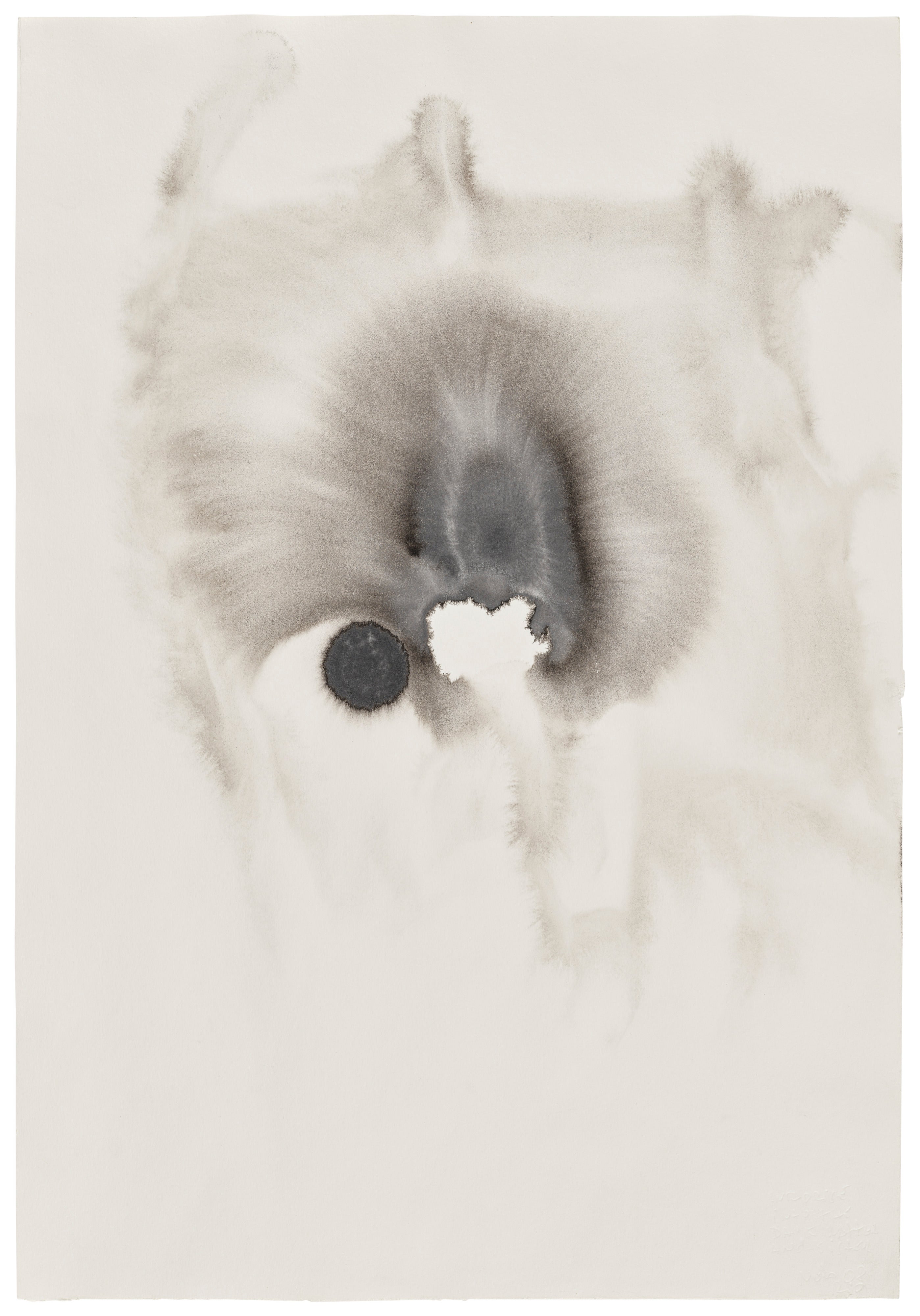
Neto has built an entire artistic philosophy around producing that feeling in strangers who walk into his rooms. The large scale installations he became known for globally involve viscous translucent nylon fabric stretched over frames or suspended from ceilings, filled with fragrant spices whose weight pulls the material into swelling, pendulous, body like forms. Visitors are invited not just to look but to press, to lean, to enter chambers and lie down. The work asks for trust.
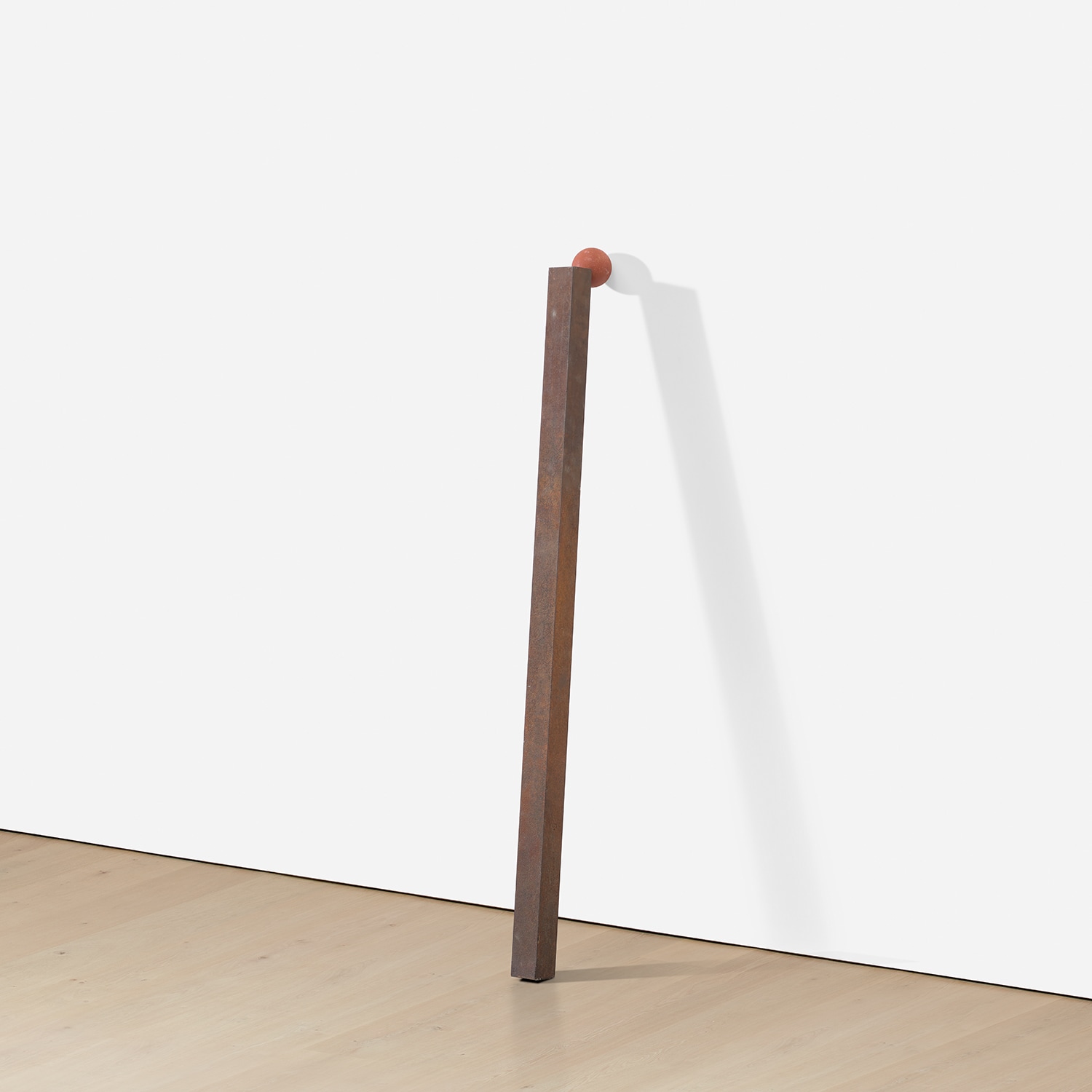
Ernesto Neto
Barrabola, 1988
That trust was extended on a monumental scale at the Park Avenue Armory in New York, where Neto created one of the most discussed immersive environments of its era. The vast drill hall of the Armory, a space that has hosted some of the most ambitious installation work of the past two decades, proved a fitting theater for his vision. Critics and visitors alike described a quality of sacred spaciousness inside the work, a sense that the installation had temporarily reorganized the ordinary hierarchies of a gallery visit. Neto has spoken of wanting his spaces to function like bodies, like ecosystems, like places of quiet spiritual negotiation.
This ambition is visible in later works as well. The Parkett Editions multiple Phytuziann, created in 2006 and published by Parkett in a signed and numbered edition, brought his formal ideas into an intimate and collectible scale, presenting the stretched net and organic protrusion in a form that could enter a private home. Once in Love, Broto Extase, and the remarkable ink drawing Surprise into the Dark Matter and Sister demonstrate the breadth of his practice across mediums, from drawing to sculpture to large scale fabric work. From a collecting perspective, Neto occupies a particularly interesting position.
His unique works on paper and smaller fabric sculptures offer access to the full intellectual and emotional range of his practice without the spatial demands of his monumental installations. The India ink drawing Surprise into the Dark Matter and Sister is a compelling example: in a single sheet, it condenses the biomorphic tension and the reaching, tendril like formal curiosity that animate his room sized works. Collectors who came to Neto early, through institutions like MoMA and the Guggenheim, which hold his work in their permanent collections, recognized that his blend of rigorous art historical grounding and immediate sensory pleasure was something rare. The market for his editions and unique works on paper has strengthened steadily, and the relative accessibility of works in these categories makes them an intelligent point of entry.
His works reward close looking and close living: the more time you spend with them, the more you notice. In the broader arc of contemporary art history, Neto belongs to a rich conversation. His inheritance from Clark and Oiticica connects him to one of the most important strands of postwar experimentation. His interest in materials, in smell and touch as aesthetic categories, places him in dialogue with Arte Povera and with figures like Franz West, whose furniture like sculptures similarly blurred the line between artwork and bodily prop.
The community centered turn in his later work, particularly the ceremonial and ritual installations created in dialogue with indigenous Huni Kuin communities in Brazil, aligns him with a global conversation about art's capacity to hold and transmit cultural knowledge. He is not an artist who belongs to a single conversation. He belongs to many, and enriches all of them. What endures about Neto is something harder to categorize than style or movement.
It is a quality of generosity. His work is made to be entered, touched, smelled, and shared. In an art world that can sometimes feel aggressively intellectual or deliberately alienating, he insists on warmth, on the body's intelligence, on the radical idea that an artwork's highest purpose might be to make you feel, briefly and completely, at home. That insistence, held over more than three decades of consistent and evolving practice, is its own kind of statement.
Collectors, curators, and first time visitors alike leave his installations changed in some small and genuine way. That is no small achievement.