Eric Fischl
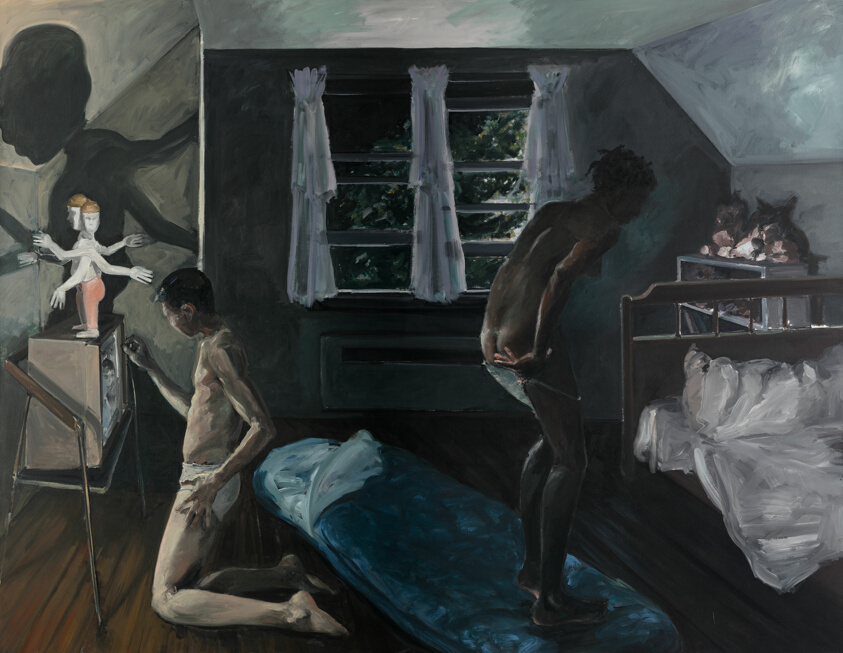
Eric Fischl Paints the World As It Is
Artist Spotlight · The Collection Editorial
“I wanted to paint the embarrassment of being alive.”
Eric Fischl, interview with The New York Times
There is a particular kind of courage required to paint suburban American life honestly, and Eric Fischl has made that courage the foundation of one of the most consequential careers in contemporary painting. His recent years have seen renewed critical attention, with institutions and collectors alike returning to his canvases with fresh eyes and a growing sense that his project, begun in the late 1970s, has only become more urgent. In a cultural moment when figurative painting has reasserted itself at the very center of the art world, Fischl stands as one of its original architects, a painter who never wavered from the human figure when it was deeply unfashionable to champion it. Fischl was born in New York in 1948 and grew up in the suburbs of Long Island and later Phoenix, Arizona.
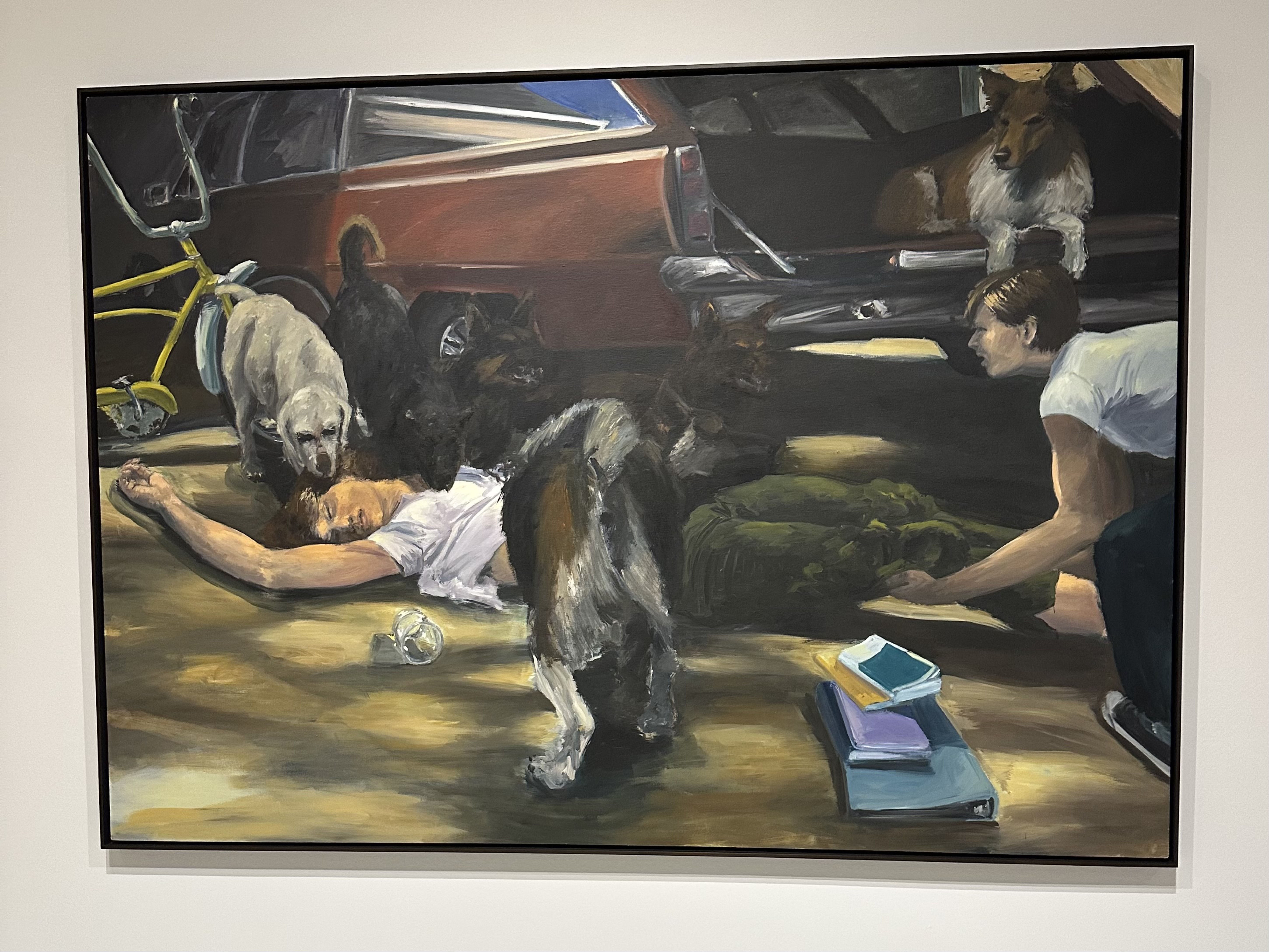
Eric Fischl
Dogs in Garage (or similar — exact title unconfirmed)
That suburban upbringing was not merely biographical backdrop but the very material of his art. He came of age in households where appearances were maintained with great effort and where the tensions beneath the surface of middle class life were rarely named aloud. He studied at the California Institute of the Arts, graduating in 1972, where he encountered a generation of artists grappling with the legacy of both Abstract Expressionism and Conceptualism. Fischl looked at those movements and chose instead the directness and vulnerability of the human body, a decision that would take years to fully vindicate itself in the marketplace and in critical discourse.
His artistic development in the 1970s was marked by a genuine searching quality. He taught at Nova Scotia College of Art and Design through much of the decade, a period that sharpened his thinking about what painting could do that no other medium could. By the early 1980s he had arrived at the visual language that would define him: large scale oil paintings populated by figures caught in unguarded, psychologically loaded moments. The scenes were recognizable, even mundane on the surface, backyard swimming pools, suburban bedrooms, beach vacations, and yet they vibrated with an almost unbearable emotional intensity.
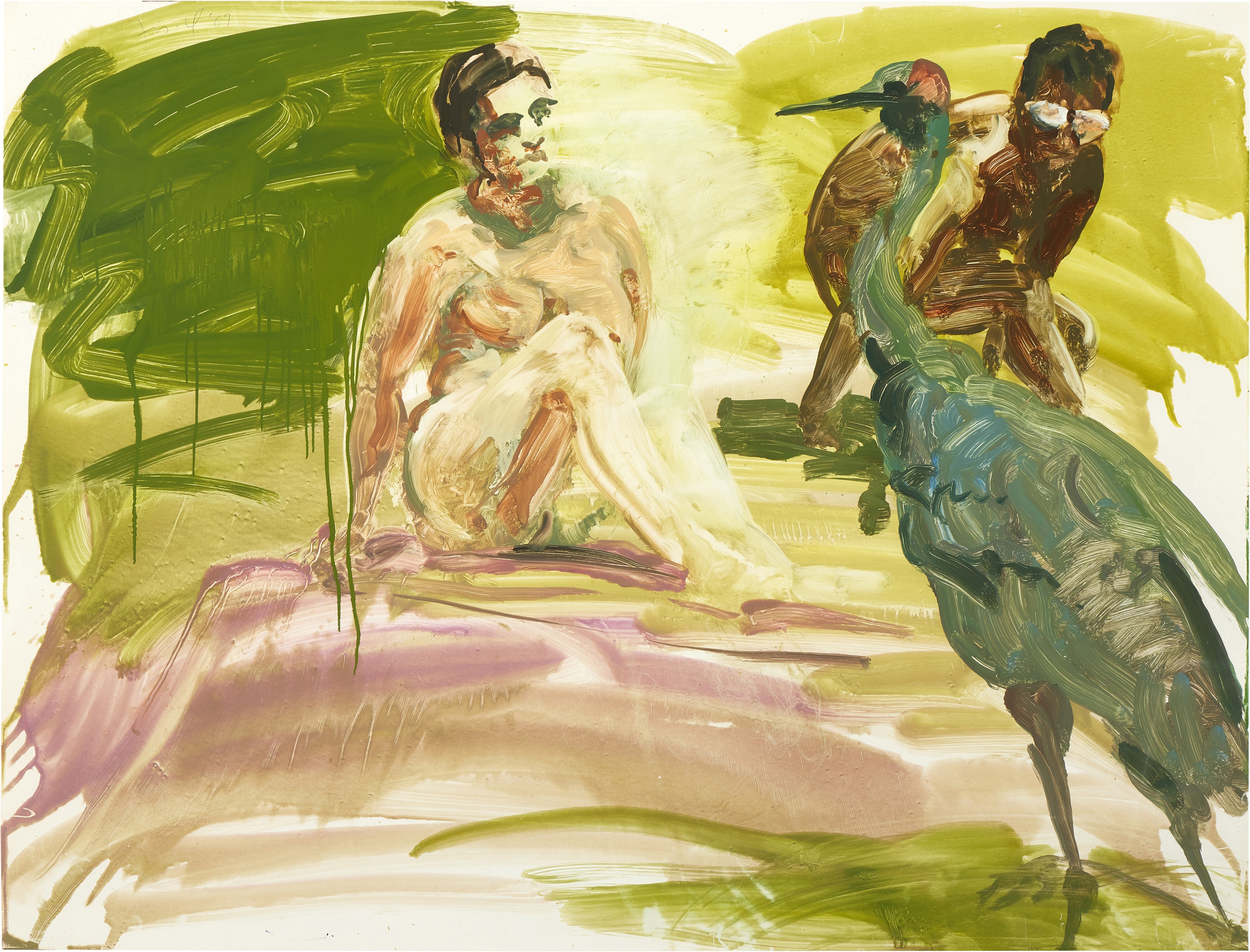
Eric Fischl
Study for The Life of Pigeons, 1987
Fischl understood that the ordinary was where the deepest human dramas played out, and he brought a novelist's sensitivity to those scenes. The work that announced him to the broader art world was Bad Boy, painted in 1981. The painting depicts a naked woman lying on a bed while a young boy rifles through her belongings, his back to the viewer, his posture simultaneously furtive and bold. It is a painting about looking, about desire, about the way children absorb and misread the adult world around them.
“The suburban experience taught me that normalcy is a performance, and underneath it is everything.”
Eric Fischl, lecture, Yale University
Bad Boy is now held in a major private collection and reproduced endlessly in surveys of Neo Expressionist and contemporary American painting. It remains one of the most discussed paintings of its decade, a benchmark against which Fischl's subsequent work is inevitably measured, though his career has produced dozens of works that rival its power. His 1983 painting Slumber Party, available through The Collection in its original oil on canvas form, captures a similar charged stillness, a group of girls at rest and yet somehow profoundly awake to the world's complexities. Fischl has been exhibited at the Whitney Museum of American Art, the Museum of Modern Art, and in major international venues across Europe and Asia.
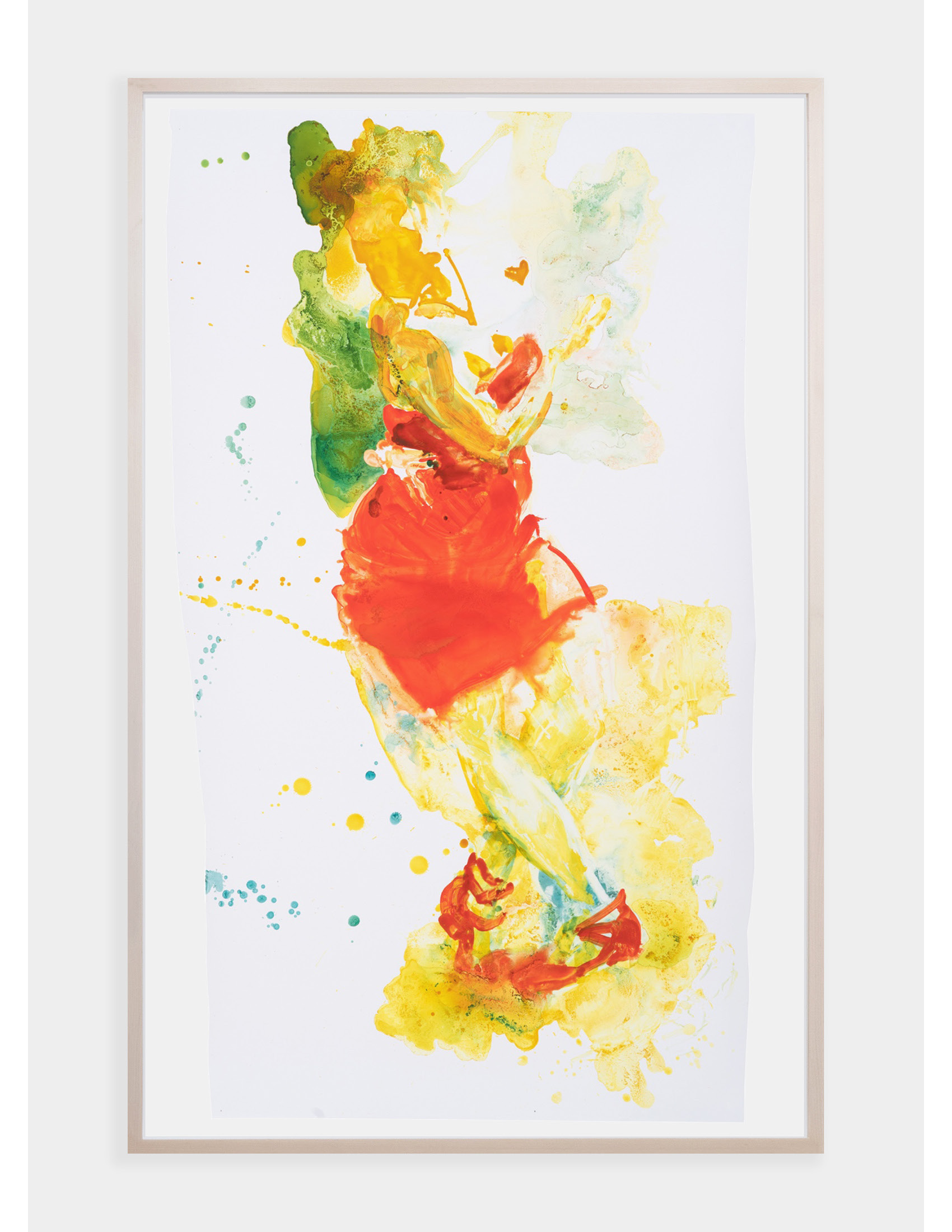
Eric Fischl
Red Shoes, 2020
His relationship with the Mary Boone Gallery in New York during the 1980s placed him at the center of one of the most electrically charged moments in the American art market, alongside painters like Julian Schnabel and David Salle. Yet where some of his contemporaries seemed to court spectacle for its own sake, Fischl remained committed to a quieter, more demanding kind of attention. His works reward sustained looking in a way that distinguishes them from the decade's more bombastic productions. Through the 1990s and into the 2000s he continued to evolve, producing a remarkable body of work that included paintings made in India and abroad, expanding his examination of social dynamics beyond the American suburban context.
For collectors, the Fischl market offers both depth and range. His prints and works on paper, including the exquisite etchings and aquatints he produced in editions such as Digging Kids and the Four Aquatints series published by Parasol Press, represent an accessible entry point into a body of work that commands serious respect. These editioned works demonstrate the full sophistication of his draftsmanship and his compositional intelligence without the price barriers that his major canvases now attract. His oil paintings on canvas and linen, including studies like The Cattle Auction (A Study) and the searching Untitled (Drowning Man) on paper, offer collectors something rarer still: direct evidence of a master painter thinking in real time, working through problems of figure, light, and psychological space.
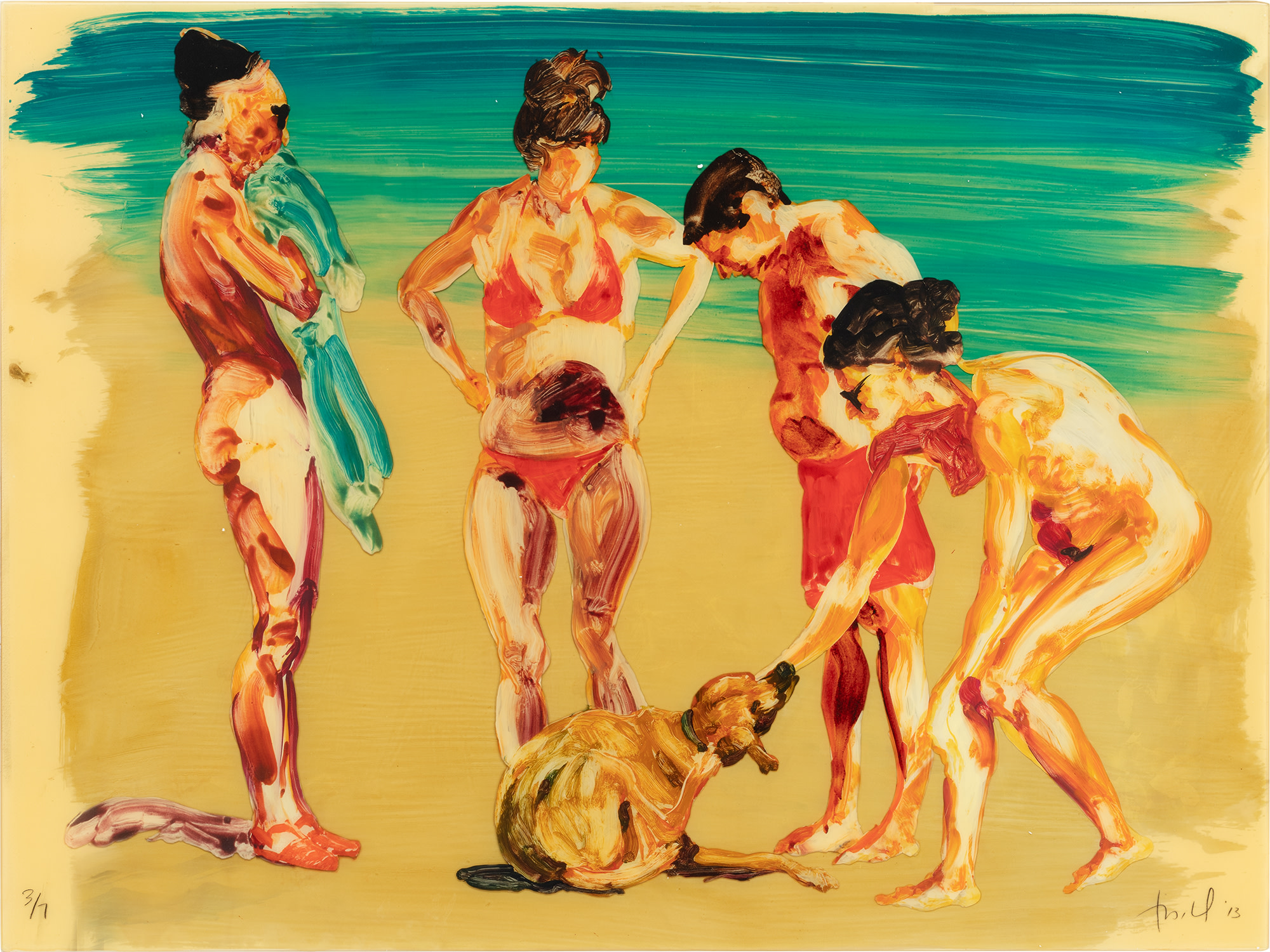
Eric Fischl
On the Beach, Blue
The Study for The Life of Pigeons from 1987 is a particularly fine example of his mid career confidence, the paint applied with an assurance that never tips into facility. In art historical terms, Fischl belongs to a generation of American painters who reasserted the primacy of the painted image at a moment when many had declared painting's death. His peers and contemporaries include Cindy Sherman, whose photographic work shares his interest in performed identity and social theater, and painters like Luc Tuymans and Marlene Dumas, who in Europe were pursuing similarly unflinching examinations of the human condition through figuration. Fischl predates many of the younger figurative painters now commanding enormous auction premiums, artists like Lynette Yiadom Boakye or Jordan Casteel, and his influence on their generation, even when unacknowledged, runs deep.
He demonstrated that a painter could hold the full complexity of social life in a single image without reducing it to illustration or polemic. What makes Fischl matter today, perhaps more than ever, is his insistence on the dignity of discomfort. His paintings do not offer easy consolations or flattering self images. They ask viewers to recognize themselves in scenes they might prefer to look away from, and they do so with a warmth and craft that makes that recognition bearable and even illuminating.
As figurative painting continues its triumphant return to the center of institutional and collector attention, Fischl's work stands as a reminder that the tradition being celebrated has deep roots and serious practitioners who never abandoned it. His canvases have lost none of their charge. If anything, they feel more alive now than when they were first unfurled.
Explore books about Eric Fischl