Enoc Pérez
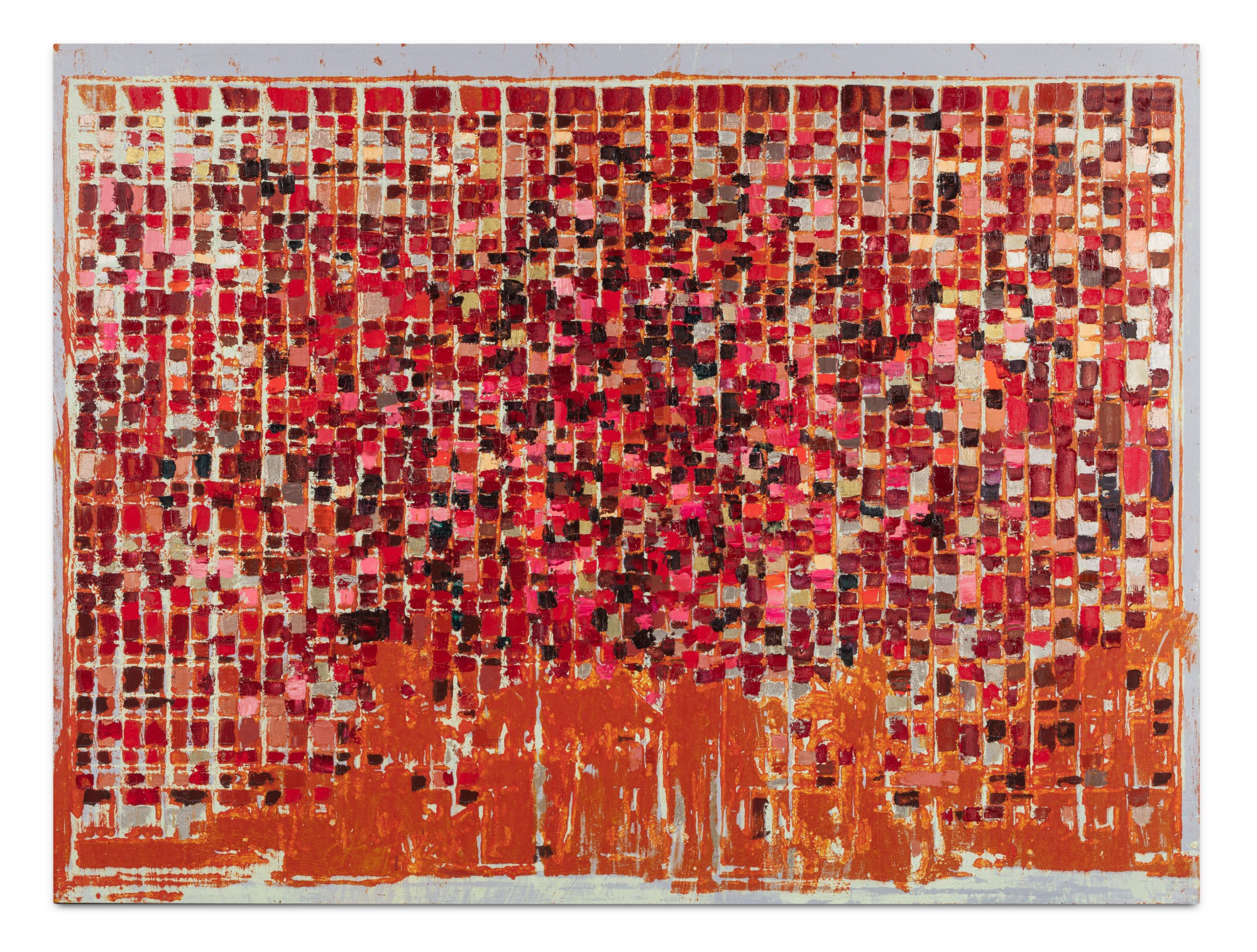
Enoc Pérez Paints the World Luminous
Artist Spotlight · The Collection Editorial
In the years since his paintings first began appearing in serious New York collections, Enoc Pérez has quietly become one of the most distinctive voices in contemporary painting. His large scale canvases of modernist hotels, poolside terraces, and iconic architectural monuments carry a warmth and sensuality that feels utterly singular, a vision of the twentieth century filtered through longing, memory, and an almost devotional attention to surface. Recent years have brought renewed institutional focus on his practice, with his work finding homes in major collections across the United States, Europe, and Latin America, and his reputation continuing to deepen among collectors who understand that what he is doing is both historically grounded and genuinely new. Pérez was born in Puerto Rico in 1967, and the island's relationship to mid century modernism, its postwar optimism made physical in concrete and glass, left a permanent impression on his visual imagination.
Enoc Pérez
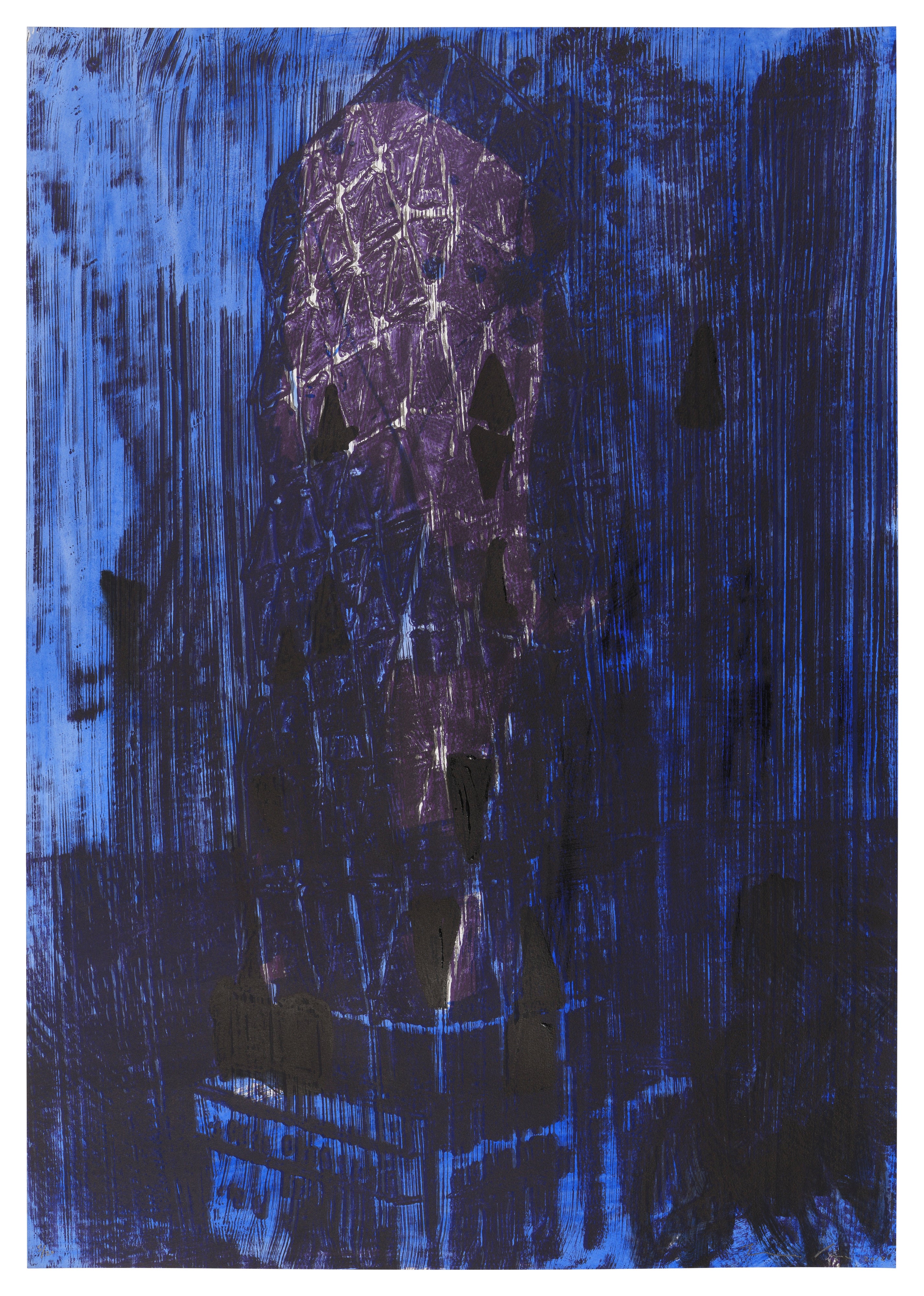
Hearst Tower
He came of age surrounded by a culture that embraced American leisure aesthetics while remaining distinct from the mainland, a duality that would later animate so much of his painted imagery. He studied in New York and eventually made the city his base, absorbing the lessons of the downtown art world while always maintaining a perspective shaped by his Caribbean origins. That distance, geographical and cultural, gave him a particular kind of clarity about the American century and its most seductive myths. His early work in the 1990s announced a painter willing to take risks with surface and scale.
Works such as Accident from 1999 revealed an artist already thinking seriously about the relationship between violence, beauty, and the painted mark, figures and forms caught in states of flux and tension. Over time, his practice shifted toward the architectural subjects that would define his reputation, though the underlying preoccupations remained consistent. He became fascinated by source material culled from vintage photographs and postcards, those fugitive documents of places and moments already half consumed by nostalgia. From these images he constructed paintings that were simultaneously faithful and transformed, the original photograph dissolved into something richer and stranger.
Enoc Pérez
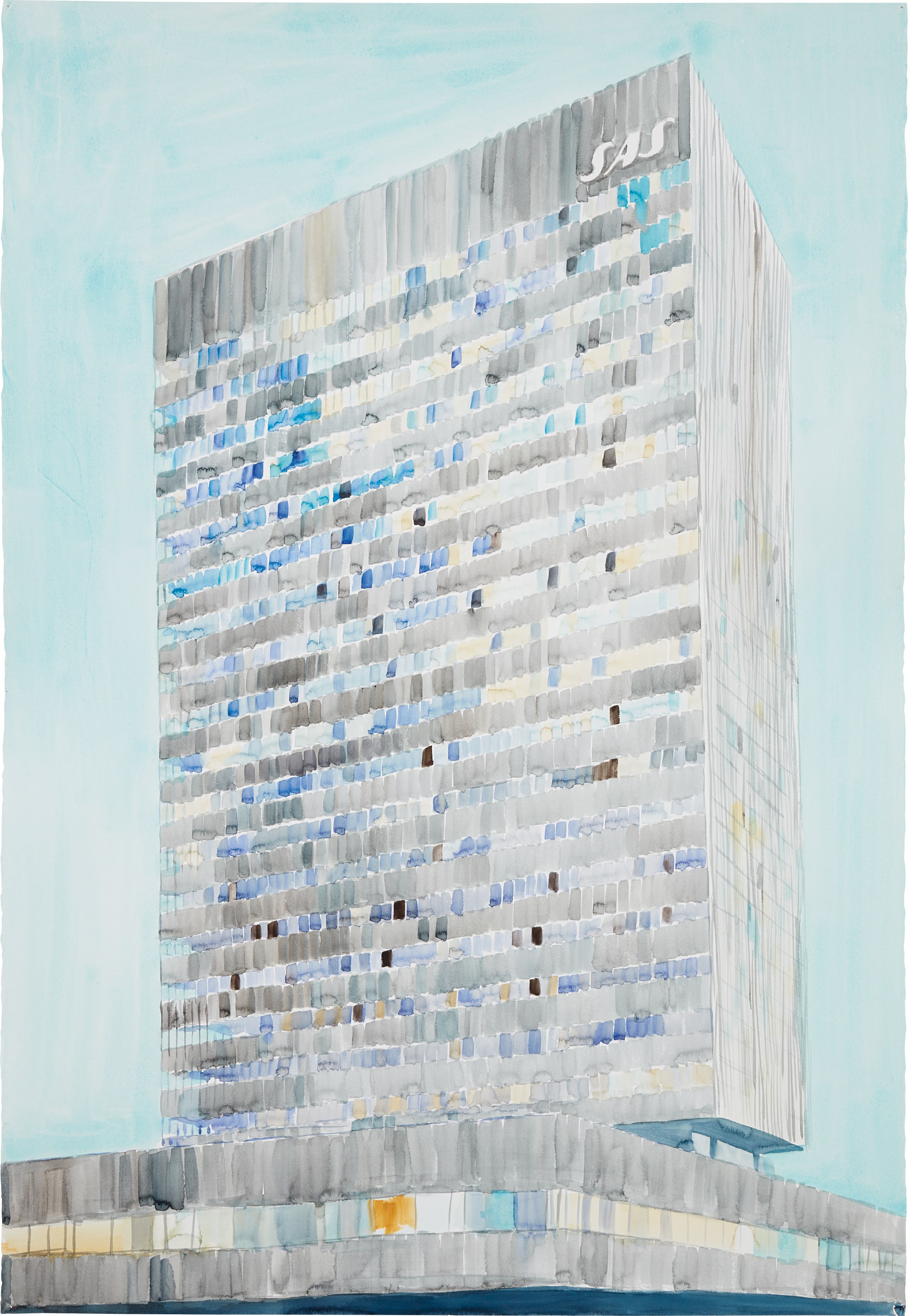
SAS Royal Hotel, Copenhagen, 2005
The signature technique Pérez developed involves pressing inked paper onto canvas to transfer imagery, then working back into the surface with oil paint in ways that preserve the ghostly, layered quality of the transfer. The result is a surface that appears to glow from within, textures that catch light differently depending on how you move around the canvas. This process suits his subjects perfectly: the great modernist hotels of Miami and Havana, the Scandinavian functionalist masterpieces of Arne Jacobsen, the gleaming towers of mid century corporate ambition. His painting of the SAS Royal Hotel in Copenhagen from 2005 is a quietly extraordinary work, Jacobsen's landmark building rendered with a reverence that is also a kind of love letter to the entire postwar project of design as utopia.
The Fontainebleau Hotel in Miami has appeared in his work across multiple media and formats, each version finding new light in that famous curved facade. Crystal House Miami from 2016 demonstrates how fully Pérez inhabits his chosen territory. The building, designed by Igor Polevitzky in the 1930s, is rendered with a luminosity that elevates it from architectural subject to icon, a monument to the belief that beauty and function could coexist. His more recent canvas Piña Colada from 2022 shows the painter expanding his vocabulary, bringing the colors and associations of Caribbean culture into dialogue with his ongoing meditation on leisure and pleasure.
Enoc Pérez
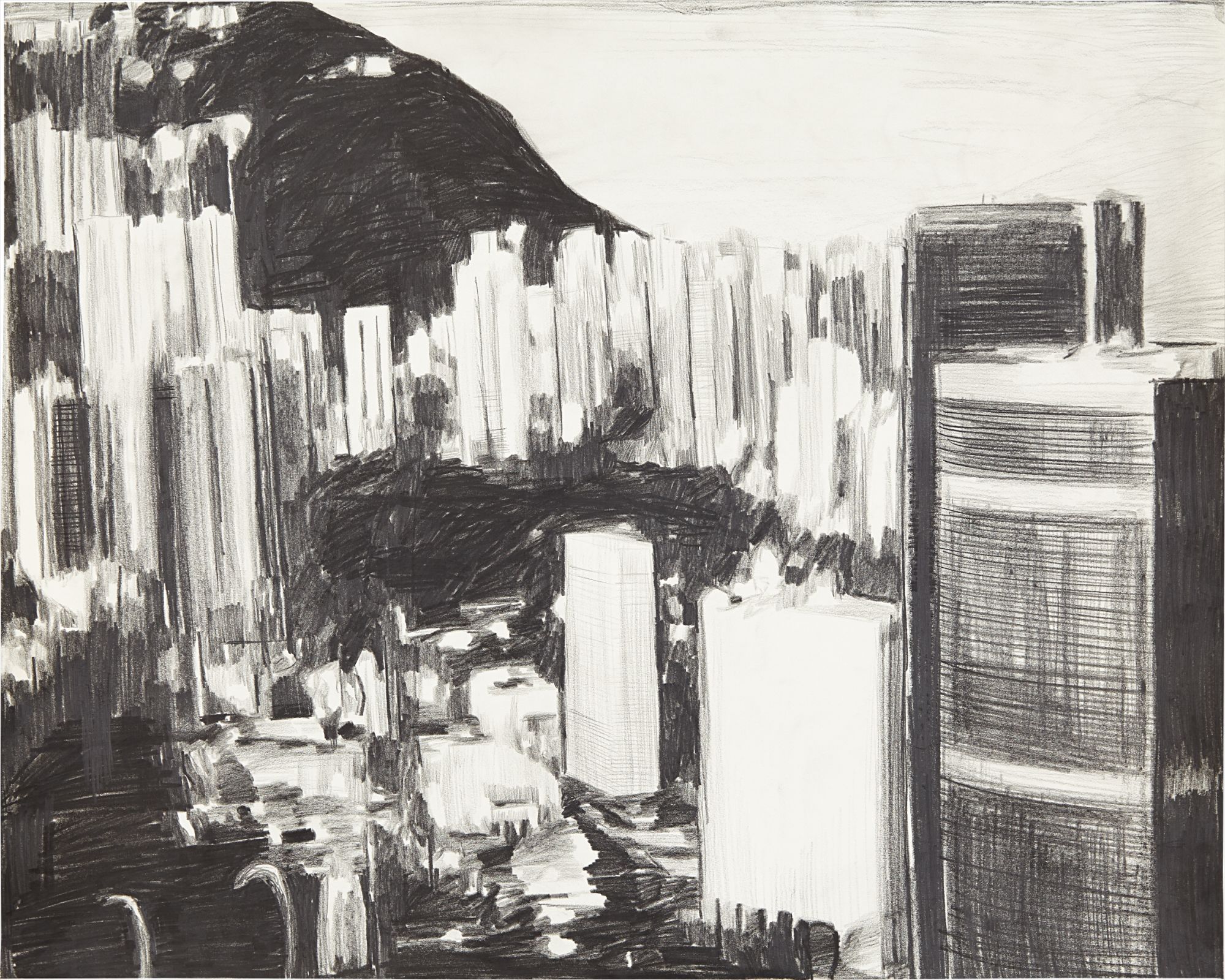
City
Works on paper, including watercolors and the pencil drawing City, reveal a draftsman of real sensitivity, someone for whom drawing is thinking made visible rather than a preparatory step toward something else. His prints, produced in collaboration with respected printmaking studios, extend his imagery into editions that make his vision accessible to a broader range of collectors without sacrificing any of his characteristic depth. The collecting community that has grown around Pérez's work is sophisticated and genuinely passionate. His canvases have appeared at auction with increasing frequency and increasing prices, reflecting the growing recognition that his best works occupy a significant place in the history of painting since 1990.
Collectors are drawn first by the beauty of the surfaces, then held by the intellectual richness of what lies beneath. His paintings reward sustained looking in the way that great paintings always do, each session revealing new details, new tensions, new evidence of the painter's hand working through a problem. For collectors building collections with genuine historical depth, a Pérez canvas from the early 2000s, when his mature style was crystallizing, represents a particularly compelling acquisition. His works on paper and prints offer exceptional entry points, combining the intimacy of smaller formats with the full force of his imagination.
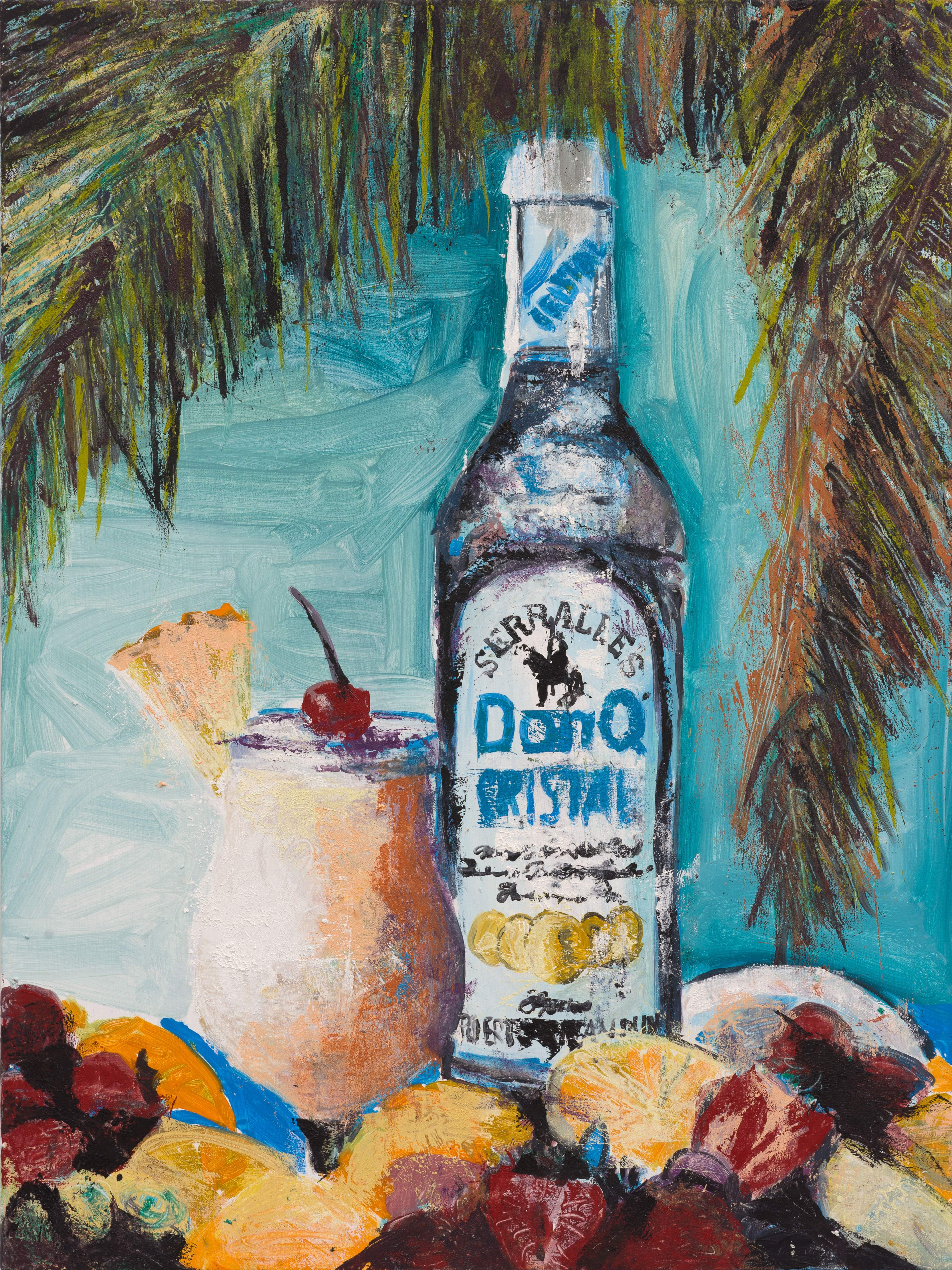
Enoc Pérez
Piña Colada, 2022
In terms of artistic lineage, Pérez belongs to a tradition that includes painters who found ways to use photography as a departure point without becoming enslaved to it. Gerhard Richter's photo paintings and the pop inflected architecture paintings of artists such as Ed Ruscha are relevant reference points, as is the legacy of Philip Guston in terms of a commitment to figuration at a moment when abstraction was dominant. But Pérez has developed a voice so particular that comparisons ultimately fall short. His relationship to Puerto Rican identity, to the complex pleasures of a modernism not originally designed with him in mind, gives his work a critical dimension that is never polemical and never undermines the sheer visual pleasure of the canvases themselves.
What Pérez has built over three decades is a body of work that functions as a sustained meditation on how we construct and inhabit beauty. His hotels and towers are not simply architectural subjects but repositories of collective desire, places where the twentieth century stored its hopes for what the future might look like. By painting them with such care, such technical invention, and such obvious love, he transforms them into something that belongs to painting history rather than to any particular decade or movement. That is a rare achievement, and it is why his work continues to find new audiences and why the collectors who discovered him early feel, with good reason, that they were paying attention at exactly the right moment.