En Iwamura
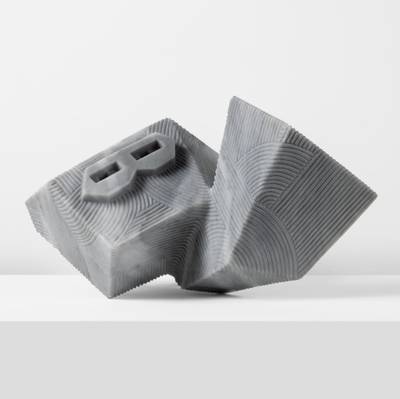
En Iwamura Shapes Dreams From Ancient Earth
Artist Spotlight · The Collection Editorial
Something quietly extraordinary is happening in contemporary Japanese art, and En Iwamura sits at the heart of it. Born in 1940, this artist has spent more than eight decades cultivating a practice that feels simultaneously ancient and urgently present, drawing from the deep wells of Japanese cultural memory while speaking to collectors and viewers who encounter the work fresh, often for the first time, with a sense of immediate recognition. With bronze sculptures, glazed ceramics, and painted works now appearing across Asian art market sales and attracting passionate private collectors, Iwamura's reputation continues to build in the way that matters most: through the slow, devoted attention of people who live with the work and find it changes them. Iwamura came of age in postwar Japan, a period of profound national reinvention.
En Iwamura
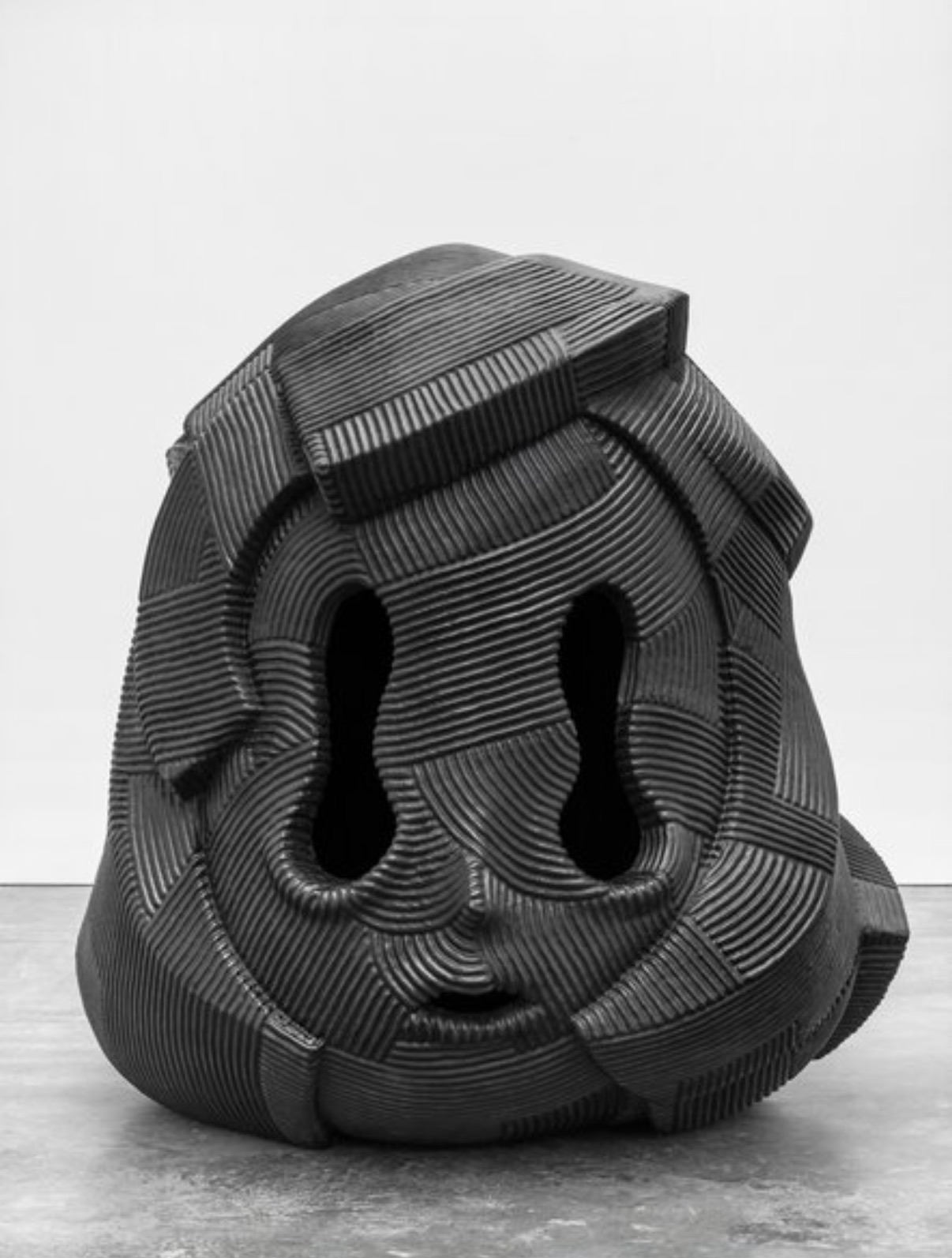
Still Dreaming, 2021
The Japan of 1940, the year of his birth, was a country on the edge of catastrophic conflict, and the Japan that shaped his formative artistic sensibilities was one rebuilding its identity from the ground up. That postwar crucible, which produced so many of the twentieth century's most significant Japanese artists, left its mark on Iwamura's instinct to look both backward and forward at once. The tension between ancestral forms and modern life is not a contradiction in his work; it is the generative engine at the center of everything he makes. The artist's development unfolded across the second half of the twentieth century and into the twenty first, tracing an arc that moves from painting into mixed media and sculpture with increasing confidence and formal ambition.
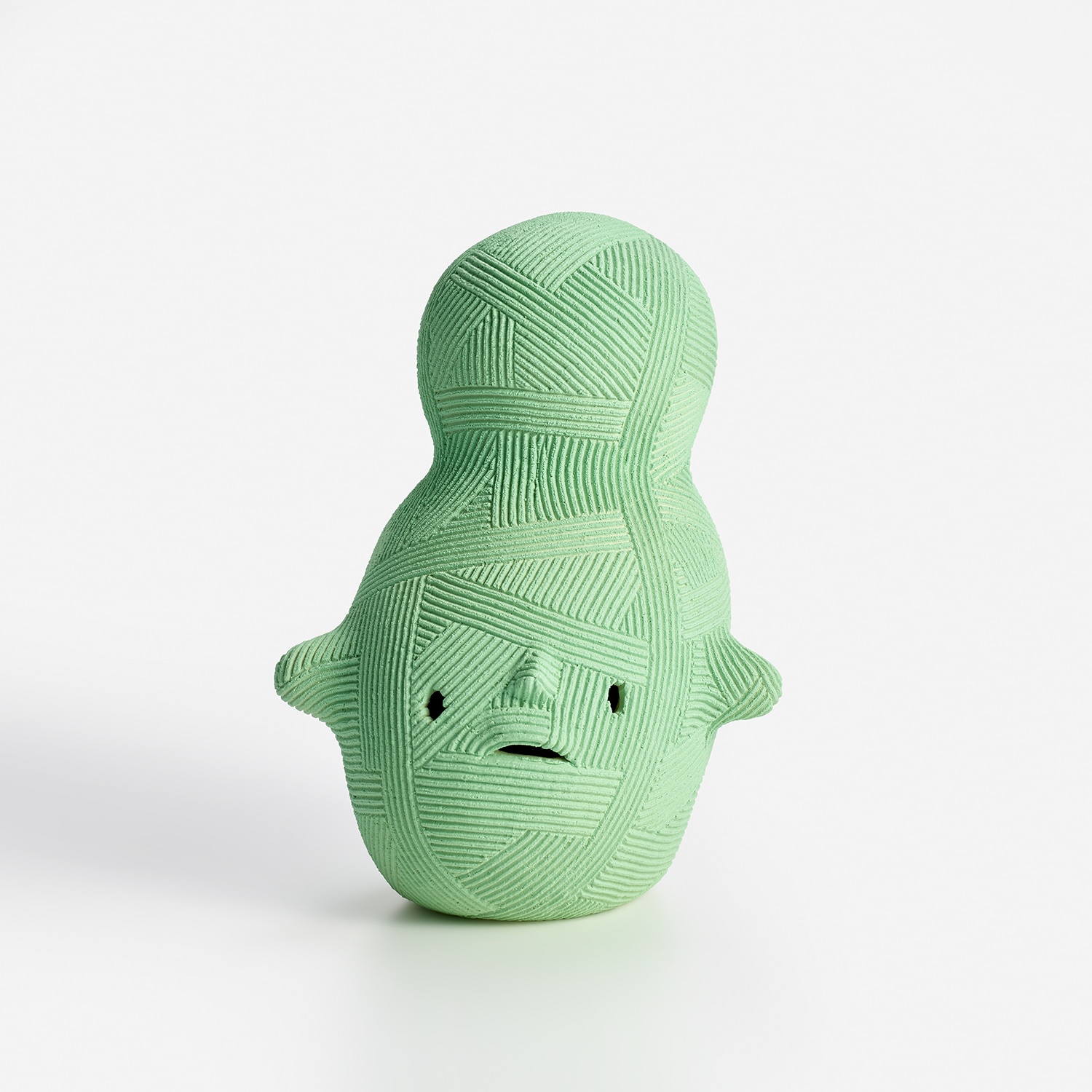
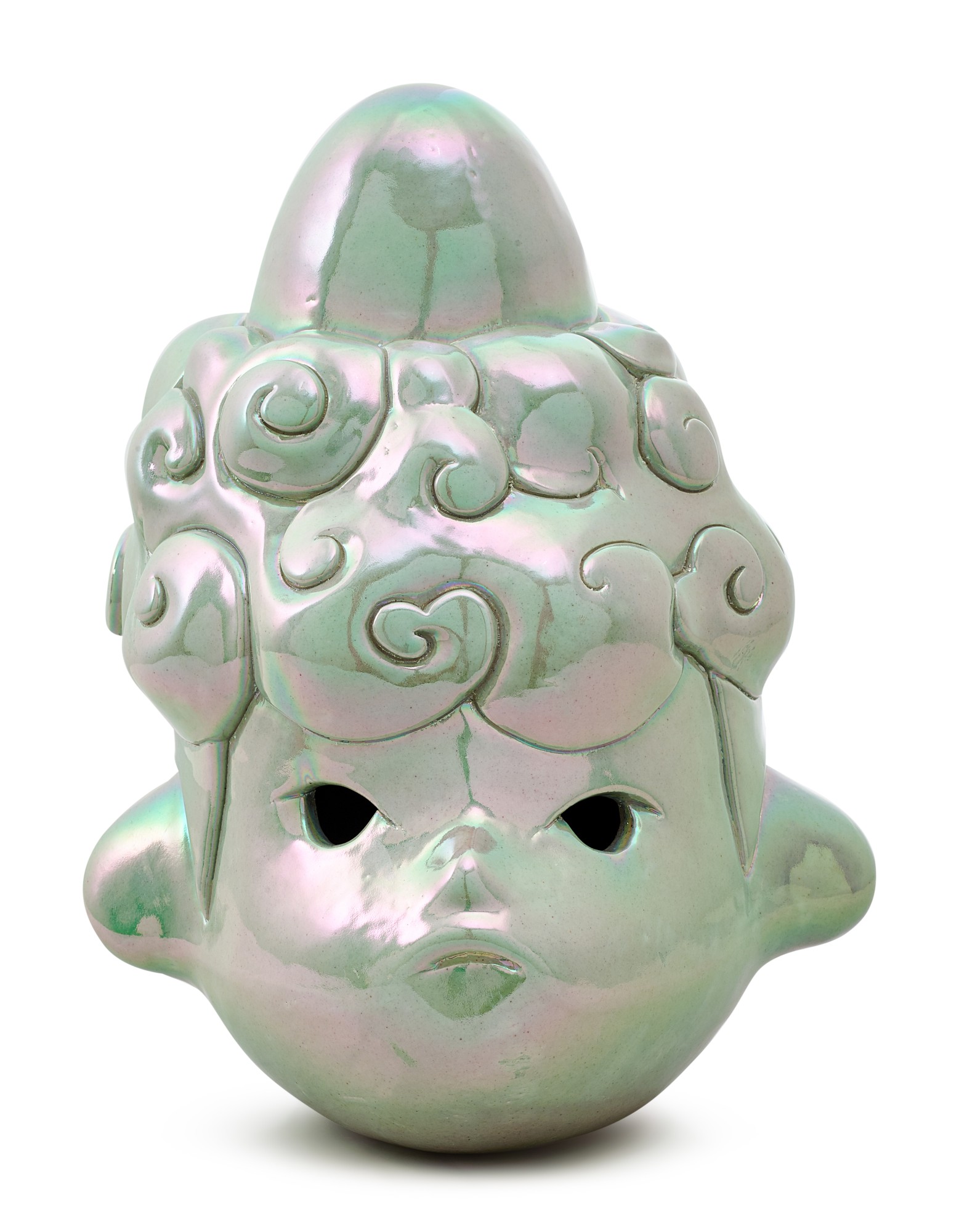
Iwamura's engagement with the Jomon period, the prehistoric era of Japanese culture dating back thousands of years, becomes one of his most distinctive and enduring preoccupations. The Jomon people produced some of the oldest known pottery in the world, and their vessel forms carry a kind of primal charge that Iwamura channels with both reverence and reinvention. His Neo Jomon series is not archaeological reconstruction; it is an act of living dialogue across millennia. The Neo Jomon works, including the celebrated Neo Jomon: Dreaming Girl from 2019, cast in bronze, and the striking Neo Jomon Green Face in ceramic, demonstrate the full range of Iwamura's sculptural intelligence.
En Iwamura
Neo Jomon - Green Face
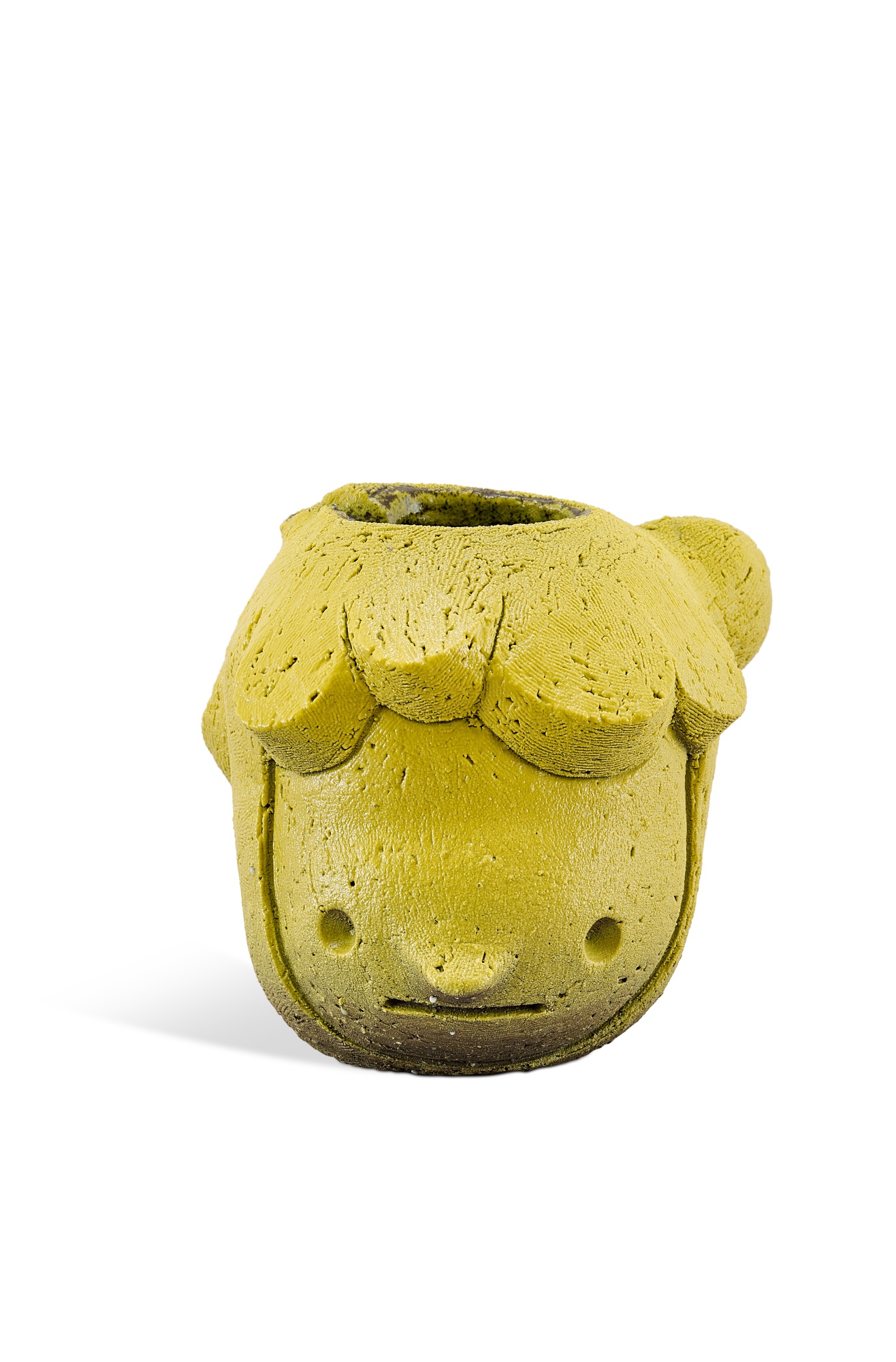
The Dreaming Girl is a figure suspended in a state of tender interior withdrawal, the face softened by sleep or reverie, the body carrying the weight and gravitas of ritual objects while remaining entirely, unmistakably human. These are not museum pieces in the distancing sense; they are companions, presences that earn their place in a room through emotional rather than merely aesthetic authority. The glazed surface of the ceramic works adds another dimension, the artist coaxing color and texture from the kiln in ways that feel both controlled and genuinely surprising. Iwamura's Ashtray Tribe series, represented here by works including Ashtray Tribe 16, offers a different register of the same abiding concerns.
The series takes an everyday object, the ashtray, and transforms it into a ceremonial or totemic form, finding in the mundane a doorway into the ritual and the mythological. There is humor in this, as well as a deeply Japanese sensibility around the elevation of quotidian objects, a tradition that runs through the country's ceramic history from tea ceremony wares to folk pottery. Still Dreaming from 2021, cast in bronze, extends these themes into his most recent work, suggesting that at more than eighty years of age Iwamura has lost none of his appetite for formal and conceptual exploration. For collectors approaching Iwamura's work, the entry points are numerous and the rewards are layered.
En Iwamura
煙灰缸部落16
The ceramic works, with their direct engagement with the artist's hand through the incised signatures and the evidence of the kiln's transformation, offer an intimacy that is rare in contemporary sculpture. Collectors drawn to the broader currents of modern Japanese art, and to artists who engage seriously with Japanese cultural and spiritual inheritance, will find Iwamura's practice in rich conversation with figures such as Yayoi Kusama, whose own mythological inner worlds have driven extraordinary market attention, and with ceramic traditions that trace back through the great twentieth century Japanese studio potters. The bronze works represent a more monumental register of the same sensibility and carry strong long term collecting appeal as Iwamura's profile continues to grow. Within the wider context of postwar and contemporary Japanese art, Iwamura occupies a position that feels genuinely independent.
He is not easily subsumed into any single movement or school, though his work resonates with the Mono Ha movement's interest in materials and presence, and with the broader international conversation around indigenous forms and contemporary art that has animated major institutions from the Mori Art Museum in Tokyo to the major international biennales. His willingness to work across bronze, ceramic, and painting gives his practice a plural energy; each medium asks something different of him, and he meets those demands on their own terms. What matters most, in the end, is the quality of attention that Iwamura's works demand and reward. These are not decorative objects, though they are often beautiful.
En Iwamura
三清山, 2019
They are not merely conceptual propositions, though they carry serious ideas with lightness and wit. They are things made by a person with a long, rich, and ongoing relationship with the materials and traditions of his culture, offered to the world without apology or explanation. Collectors who bring an Iwamura into their home or collection are entering into that relationship, becoming part of the audience that this artist has spent a lifetime addressing. That is a privilege, and an increasingly recognized one.