Emily Ludwig Shaffer
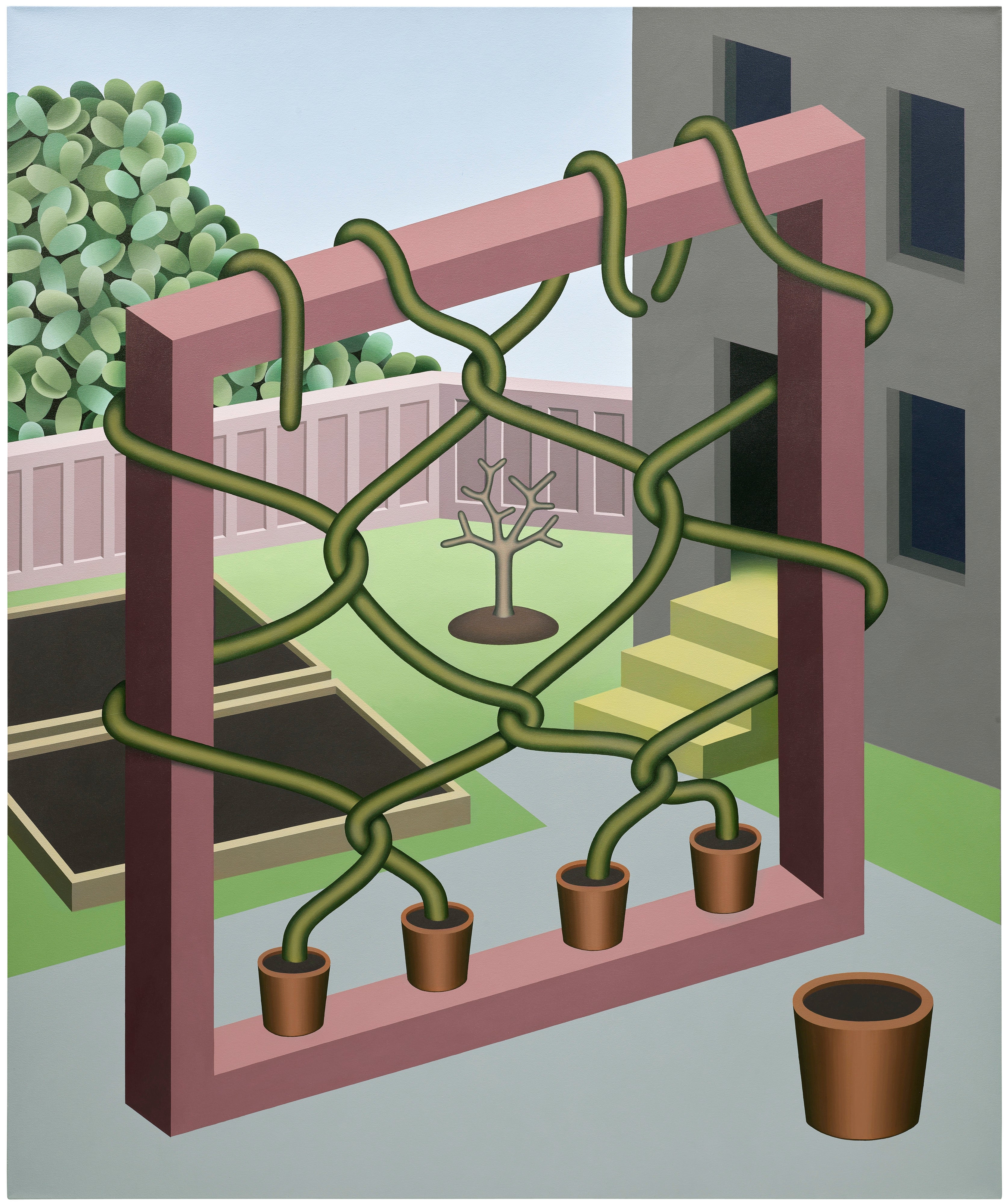
Emily Ludwig Shaffer Illuminates the Everyday Beautiful
Artist Spotlight · The Collection Editorial
Something quietly extraordinary has been happening in the studios and viewing rooms of the contemporary art world over the past several years, and collectors who have been paying attention already know the name at the center of it. Emily Ludwig Shaffer, the New York based painter whose richly layered canvases seem to hold light the way a warm room holds a conversation, has emerged as one of the most compelling figurative voices of her generation. Her work has appeared at major auction houses and galleries internationally, drawing sustained interest from collectors who recognize in her paintings a rare combination of art historical fluency and deeply personal vision. In a moment when the art market is hungry for painters who can make intimate subjects feel genuinely monumental, Shaffer has arrived with exactly the right answer.
Emily Ludwig Shaffer
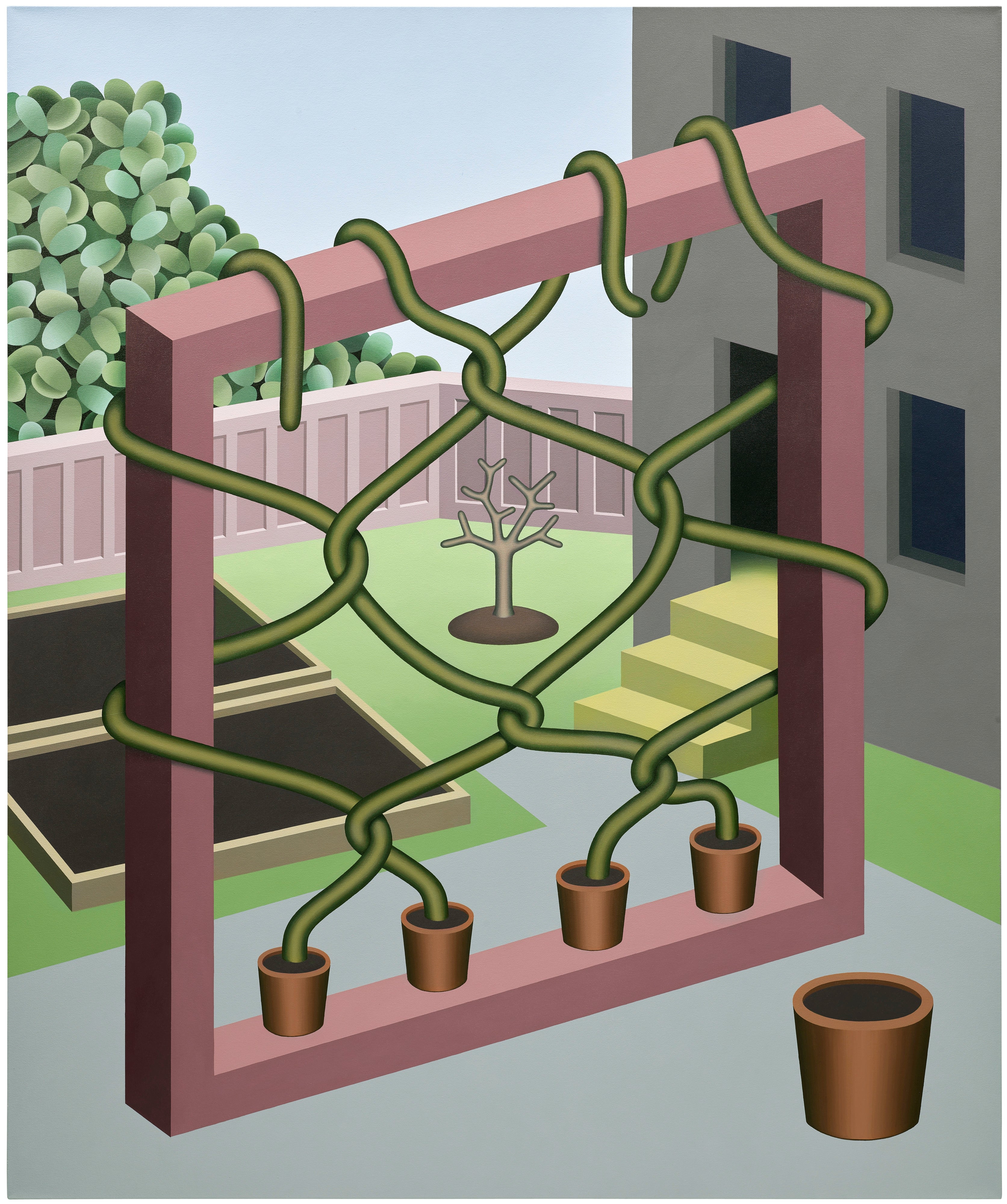
Just Before Spring, 2021
Born in 1985, Shaffer came of age during a period of intense reconsideration of what painting could and should do. The late 1990s and early 2000s saw figuration staging a confident return after decades of conceptual dominance, and for a young artist with a natural instinct for the observed world, that cultural atmosphere was formative. The domestic interior, the still life arranged on a kitchen table, the figure caught in a moment of private thought: these subjects were being reclaimed by a generation of painters who understood them not as nostalgic retreats but as sites of genuine psychological complexity. Shaffer absorbed those conversations and made them her own, developing a practice rooted in careful looking and an equally careful hand.
Her artistic development has been marked by a steadily deepening command of paint as a material and light as a subject. Working in both oil and acrylic on canvas, she has cultivated a palette that feels simultaneously warm and precise, luminous without tipping into sentimentality. The layering in her paintings is not merely technical virtuosity, though it is certainly that. It is a way of thinking about time and accumulation, about how a room or a figure or a windowsill carries the weight of everything that has happened near it.
Emily Ludwig Shaffer
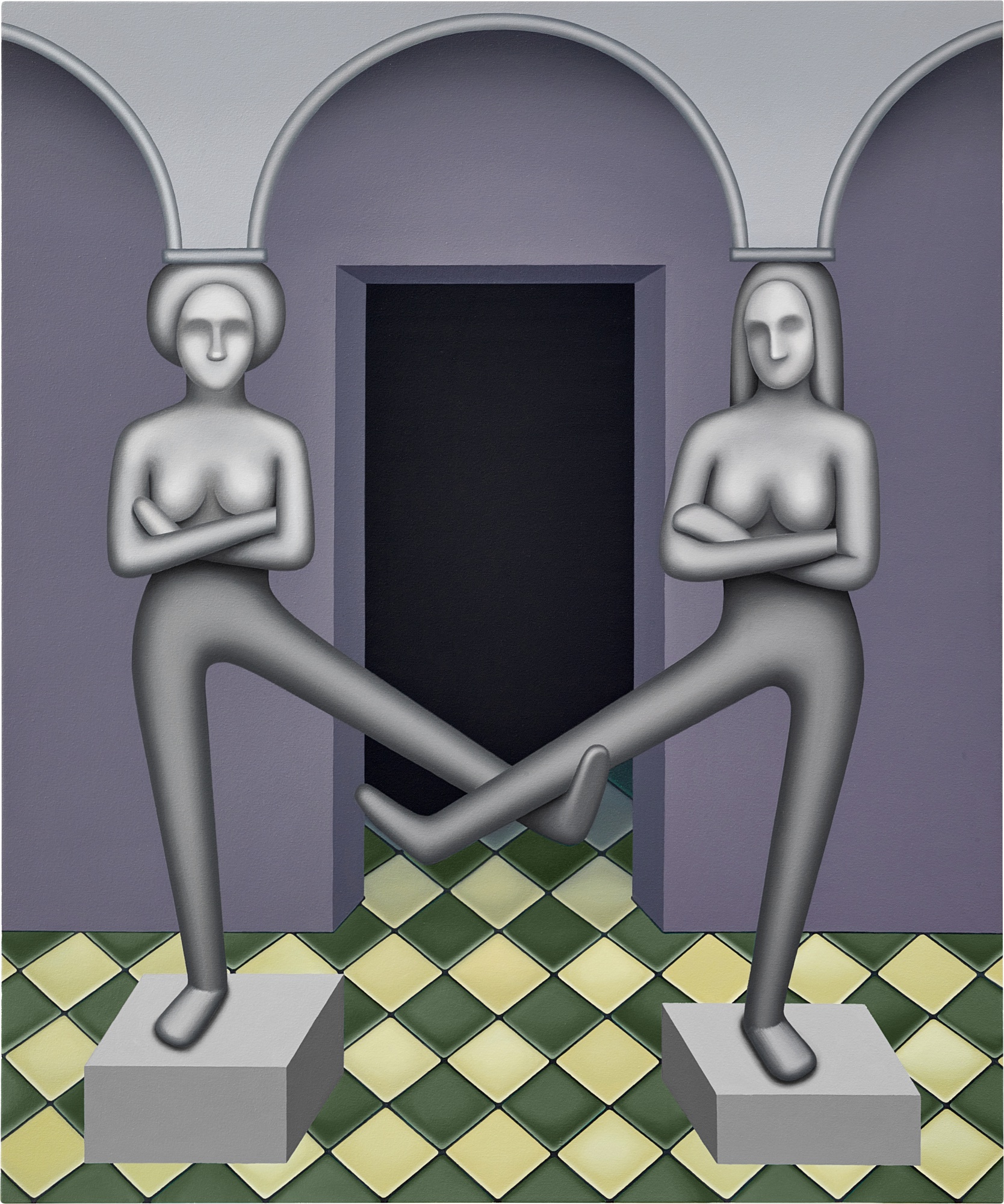
被女像柱拒绝
Her surfaces reward sustained looking, revealing glazes and passages of color that shift as the viewer moves and as the light in the room changes. This quality of aliveness in the paint itself is one of the things that distinguishes her work most clearly. Among her signature works, Bay Leaf Wrapped Night from 2018 offers a particularly vivid example of what she does at her most assured. The painting gathers domestic imagery into something that feels almost ceremonial, the ordinary transformed through attention and craft into something genuinely mysterious.
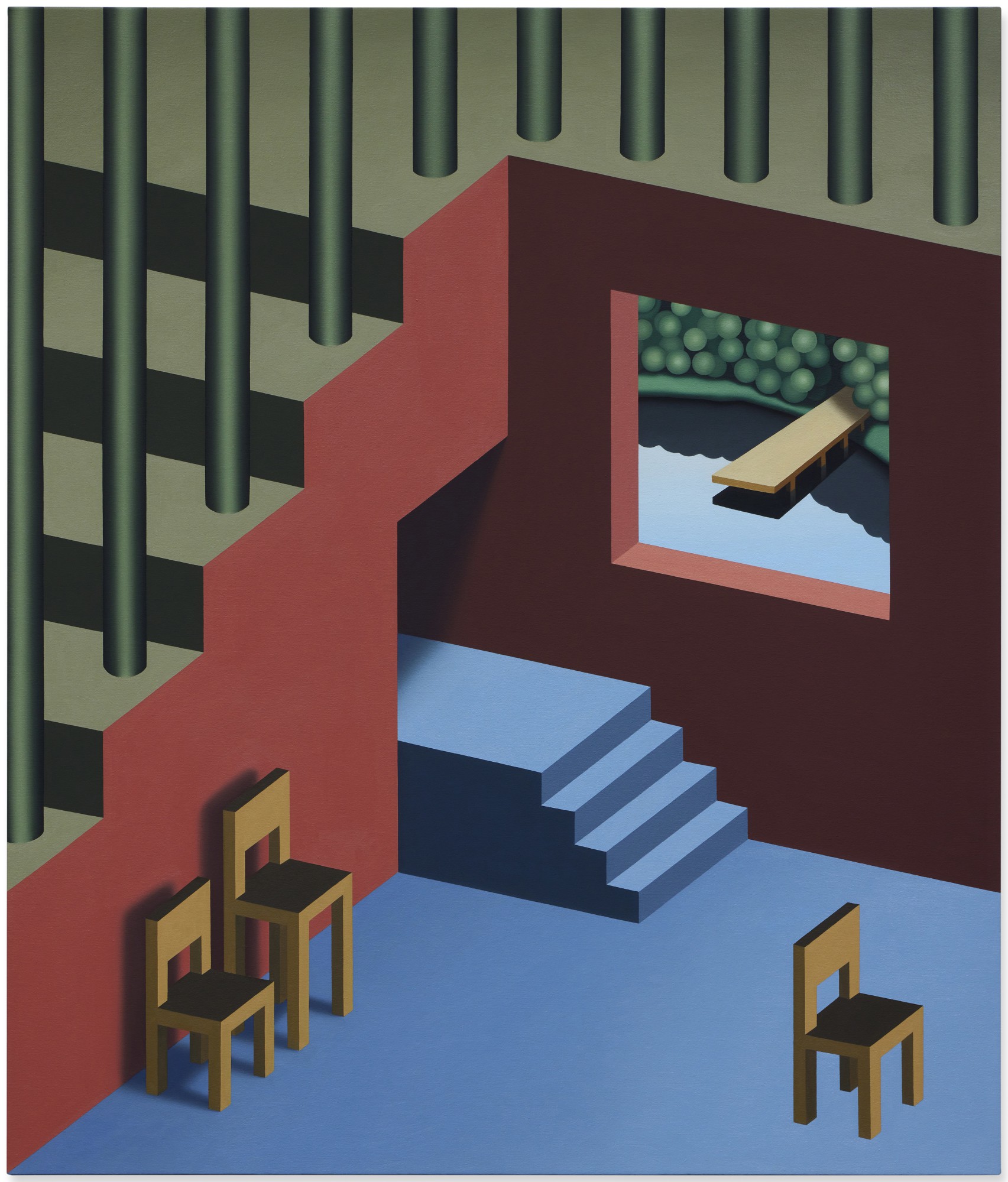
Hiding Away from 2020 and the pair of 2021 works, Just Before Spring and New Fence Finials, show an artist moving with increasing confidence across subject matter and scale, finding in each canvas a slightly different register of feeling while maintaining a coherent sensibility. Just Before Spring is especially admired, its title alone suggesting the particular emotional temperature Shaffer favors: not the drama of full bloom or the austerity of deep winter, but the charged, hopeful, almost unbearable moment just before arrival. A Peace In Cabin Fever Dreams and the strikingly titled work rendered in Chinese characters demonstrate her willingness to move between cultural references and tonal registers, bringing a cosmopolitan fluency to what might otherwise seem narrowly domestic subjects. For collectors, Shaffer's work occupies a genuinely appealing position.
Emily Ludwig Shaffer
A Peace In Cabin Fever Dreams
She is a painter whose prices reflect serious market attention while her body of work remains accessible enough that meaningful acquisitions are still possible for collectors at various levels of engagement. The paintings tend to hold their value in secondary market contexts precisely because they are not fashionable in a superficial sense. They do not depend on a trend or a moment. They are grounded in the long history of Western painting, in the light of Vermeer and the domestic gravity of Vuillard, in the still life traditions of Chardin and the more recent psychological intensity of painters like Luc Tuymans and Cecily Brown, while remaining unmistakably contemporary and unmistakably hers.
Collectors who acquire her work often describe the experience of living with it as increasingly rewarding over time, which is among the highest recommendations a painting can receive. Within the broader context of contemporary figurative painting, Shaffer belongs to a distinguished company of artists who have restored seriousness and ambition to the painted interior and the intimate subject. The conversation her work joins includes painters like Cecily Brown, whose figuration carries a similar historical weight, and artists working in the tradition of close domestic observation that runs from Bonnard through Fairfield Porter and into the present. Shaffer's contribution to this lineage is her particular quality of warmth, an ability to make a painting feel inhabited, to convince the viewer that the space depicted is one they have been in before or would very much like to visit.
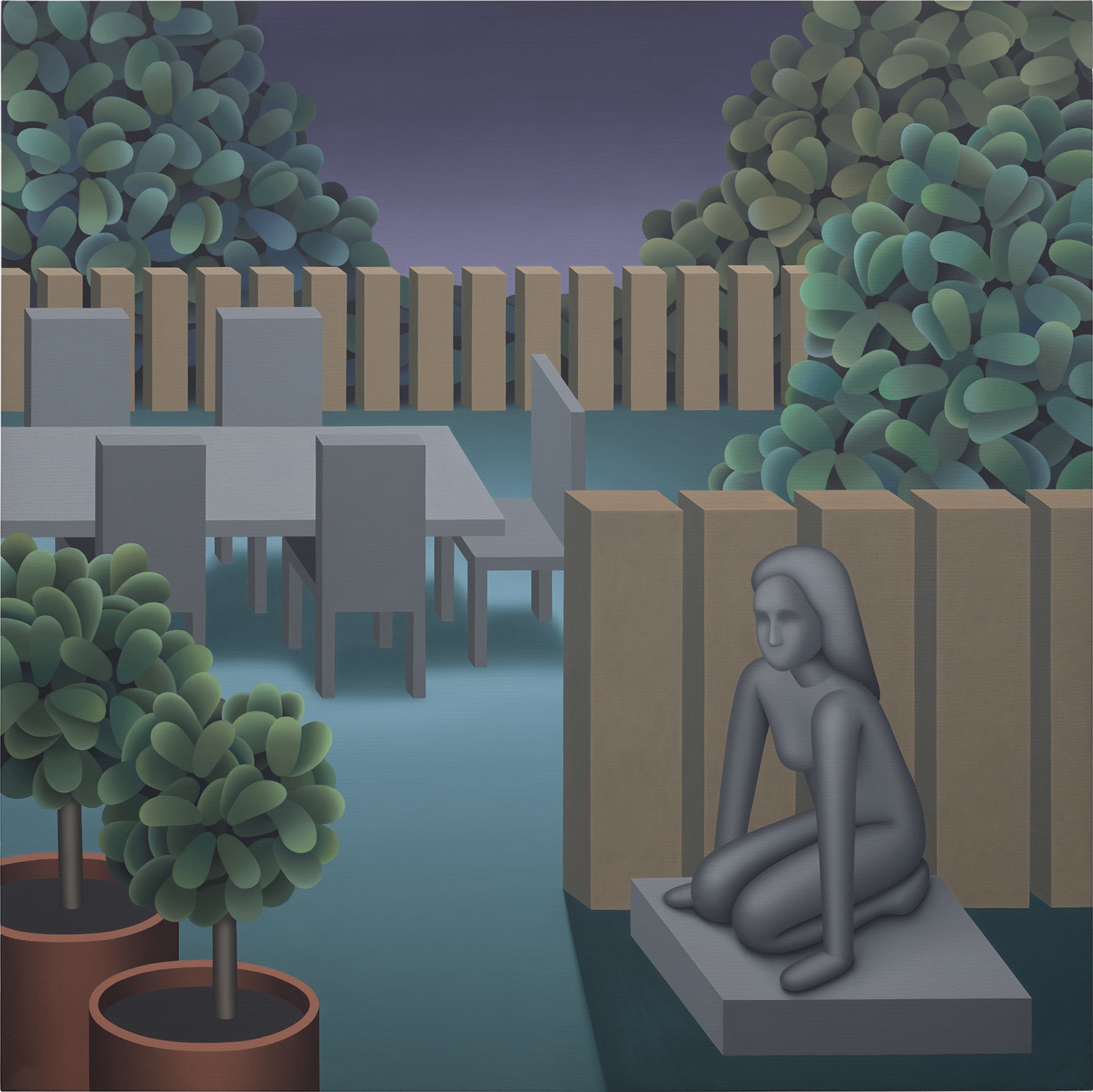
Emily Ludwig Shaffer
Hiding Away, 2020
That quality of invitation, of genuine hospitality extended through paint, is rarer than it sounds and more difficult to achieve than it appears. What Shaffer's work ultimately offers, both to the collector and to the broader culture, is a reminder that the subjects closest to us, the rooms we live in, the objects we arrange and rearrange, the people we glimpse in moments of unguarded privacy, are among the most inexhaustible sources of meaning available to art. She makes this case not through argument but through sensation, through the accumulated evidence of paintings that ask you to slow down, to look more carefully, and to trust that what you find in that careful looking will be worth the effort. That trust is well placed.
As her profile continues to grow and her work reaches new audiences through galleries and collecting platforms, the conversation around Emily Ludwig Shaffer is only becoming richer. For those who have been following her practice, that recognition feels not like a surprise but like a long and well deserved arrival.
Explore books about Emily Ludwig Shaffer