Ellen von Unwerth
Ellen von Unwerth: Glamour Meets Pure Joy
Artist Spotlight · The Collection Editorial
“I want women to look strong and beautiful and free.”
Ellen von Unwerth
There is a particular kind of electricity in a room where Ellen von Unwerth's photographs are gathered together. It happened most recently at a major retrospective presentation of her work, where decades of imagery spanning the catwalks of Paris to the sun drenched boulevards of Los Angeles were assembled to reveal not merely a career but a fully formed and deeply personal world. Visitors lingered longer than expected, drawn back to images they had already studied, sensing something beneath the surface sparkle that kept rewarding attention. That quality, warmth disguised as mischief, is the hallmark of one of the most distinctive voices in contemporary photography.
Ellen von Unwerth
Bubbly, Paris
Ellen von Unwerth was born in Frankfurt in 1954 and spent her early years moving through a series of foster homes, a childhood that by her own account cultivated both resilience and an acute sensitivity to the emotional registers of other people. She trained no camera on those years directly, but their influence is everywhere in her work: an instinctive understanding of vulnerability, of longing, of the way people perform themselves for the world. Before she ever held a camera professionally, she spent a decade as a model herself, working through the 1970s and into the 1980s. That experience proved to be the most formative education she could have received.
She understood the relationship between photographer and subject from the inside, and when she eventually crossed to the other side of the lens, she brought with her a hard won empathy that would define everything she made. Her transition to photography came in the late 1980s, and her ascent was remarkably swift. The story most often told is that she photographed Claudia Schiffer in 1989, a session that announced her arrival with an almost disarming confidence. Within a few years she was a fixture in the pages of Vogue, Vanity Fair, and i D, her images unmistakable among the more austere or conceptual work of her contemporaries.
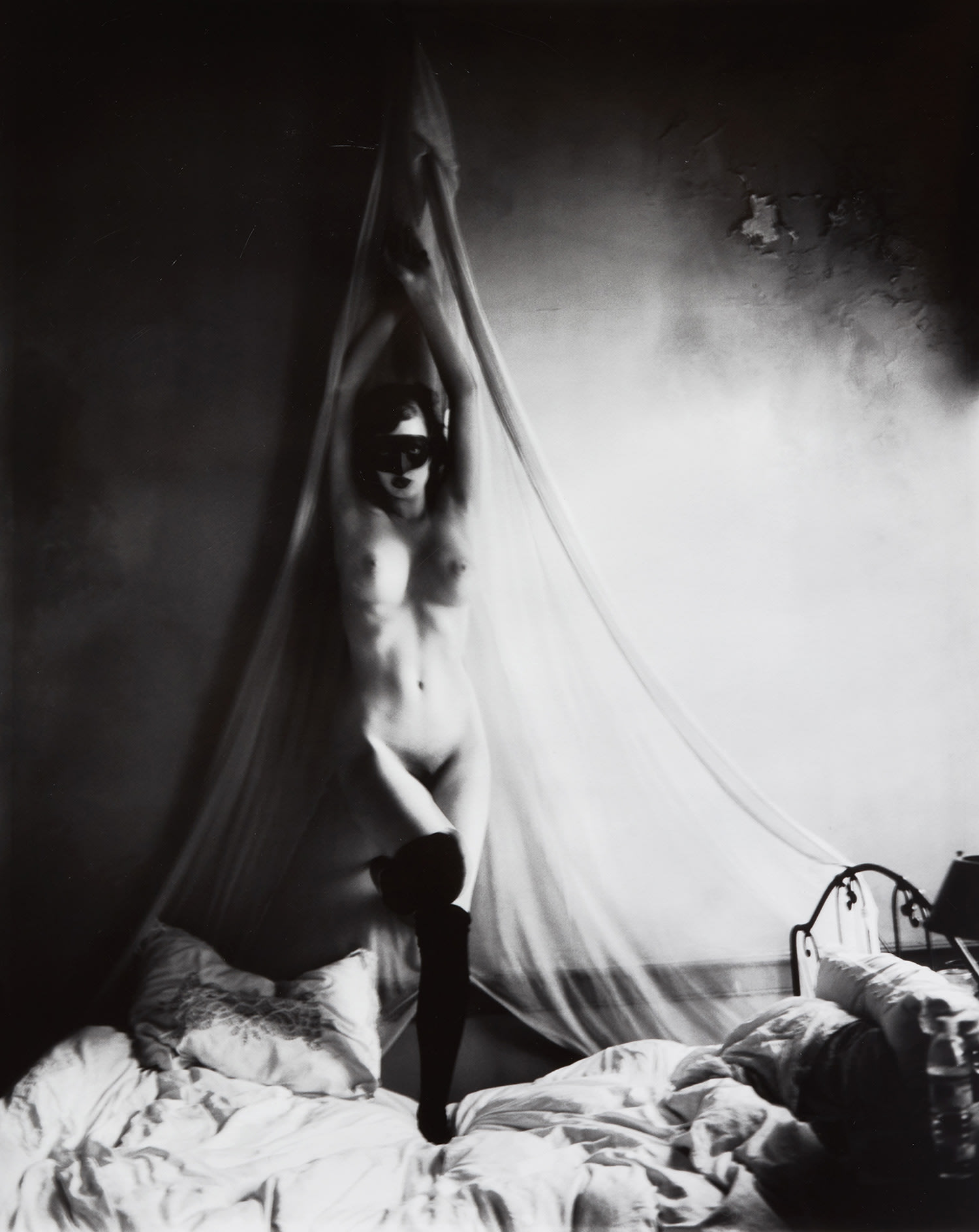
Ellen von Unwerth
Original Sin, New Orleans
Where much of the fashion photography of that era leaned toward cool detachment or studied minimalism, von Unwerth offered something warmer and more theatrical: images that felt like stills lifted from films that had not yet been made. Her cinematic sensibility was not merely decorative. It gave her subjects a kind of narrative agency, a sense that they were protagonists in their own stories rather than objects arranged for inspection. The 1990s cemented her reputation and produced some of the images that now define her legacy.
“I was a model for ten years, so I know how to make a girl feel comfortable in front of the camera.”
Ellen von Unwerth, Interview Magazine
Her photographs of Naomi Campbell, Christy Turlington, and Linda Evangelista captured the supermodel era with an intimacy that set her apart from her peers. Works such as Sunset Strip II, featuring Naomi Campbell in Los Angeles, and Dog Walkers, depicting Christy Turlington and Linda Evangelista in Cannes, are remarkable for the ease and humor they project. These are not merely documents of beautiful women in beautiful places. They are collaborative performances, and the women in them appear genuinely delighted to be there.
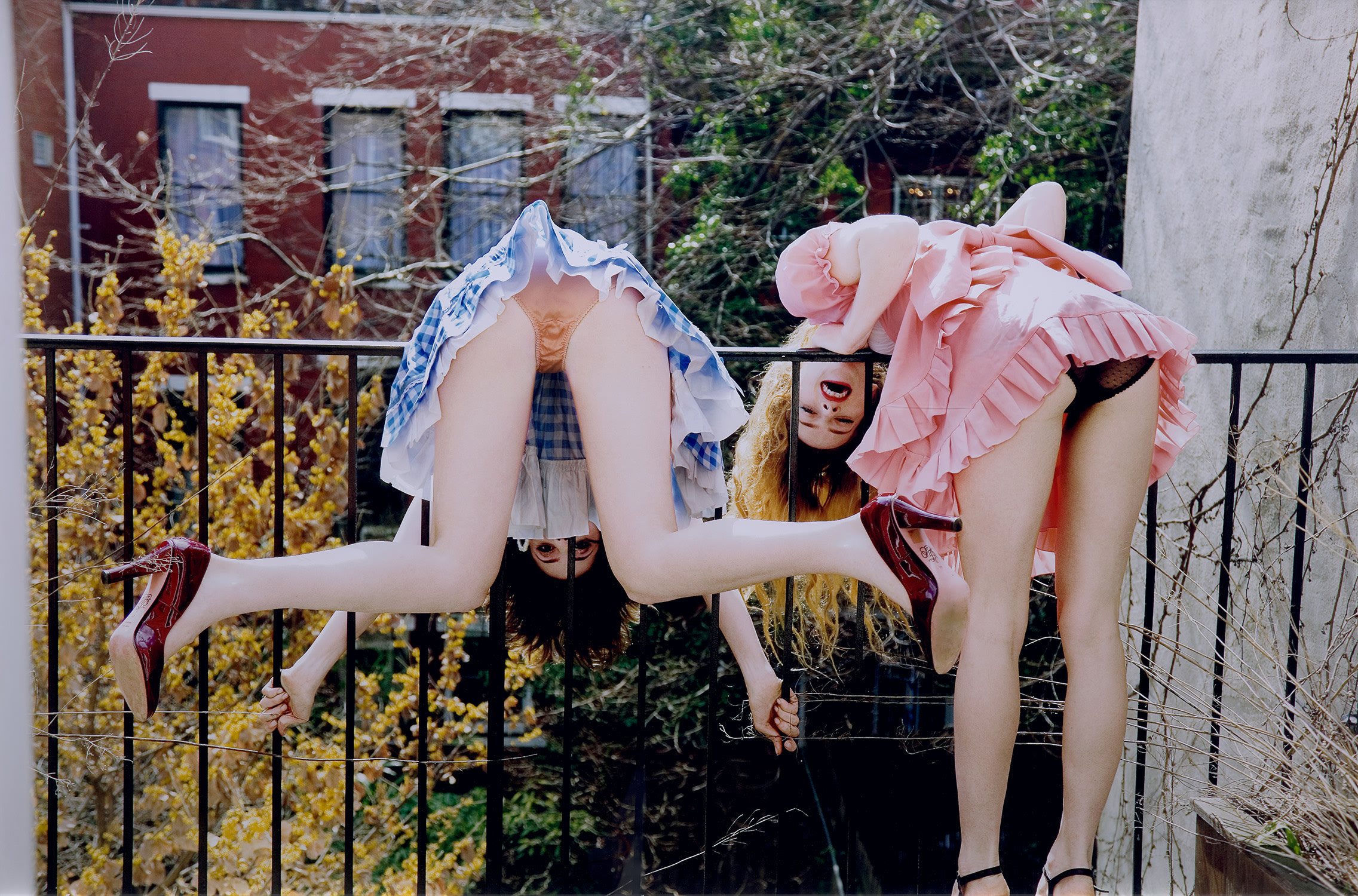
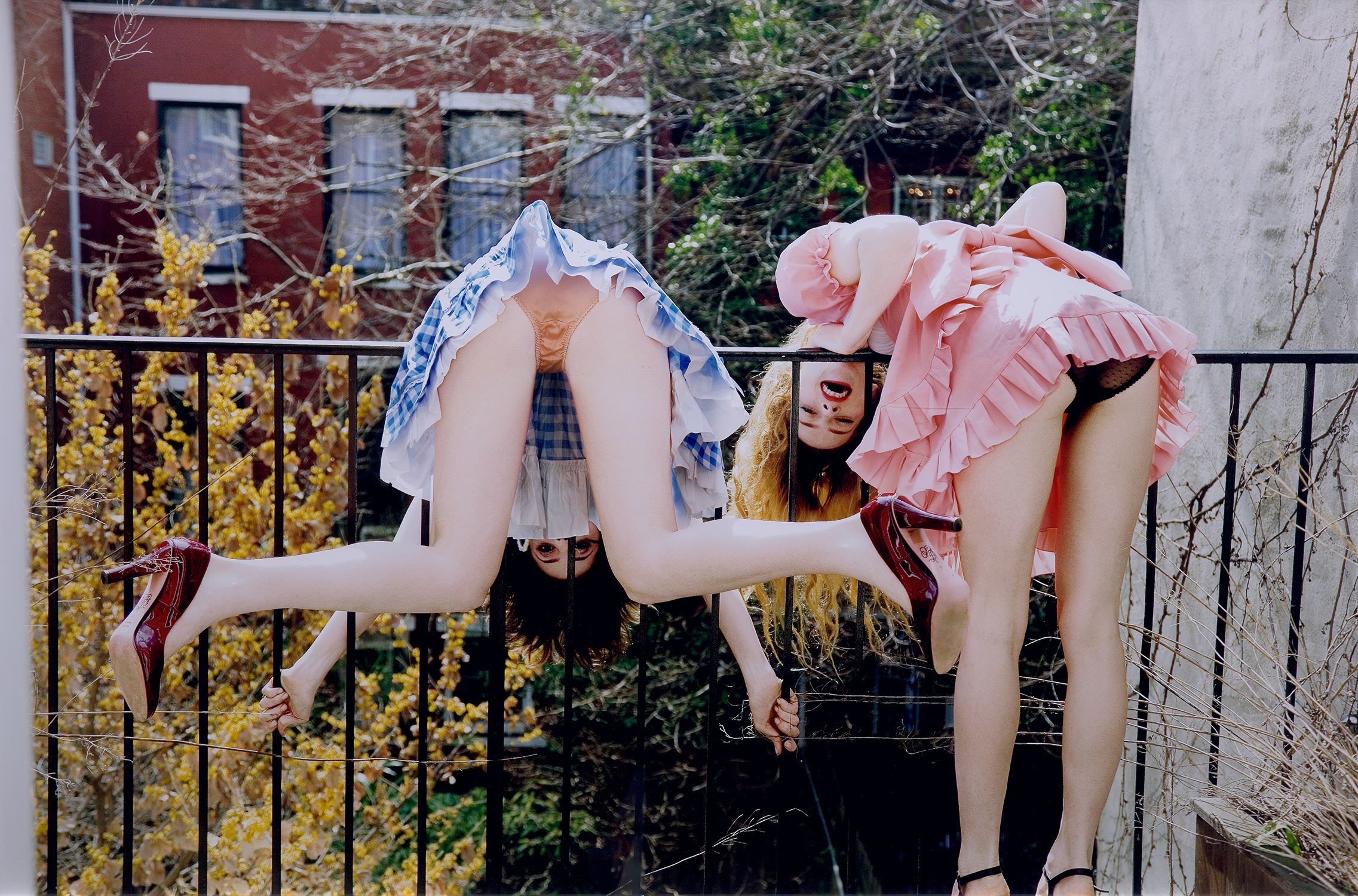
Ellen von Unwerth
Double Trouble, New York
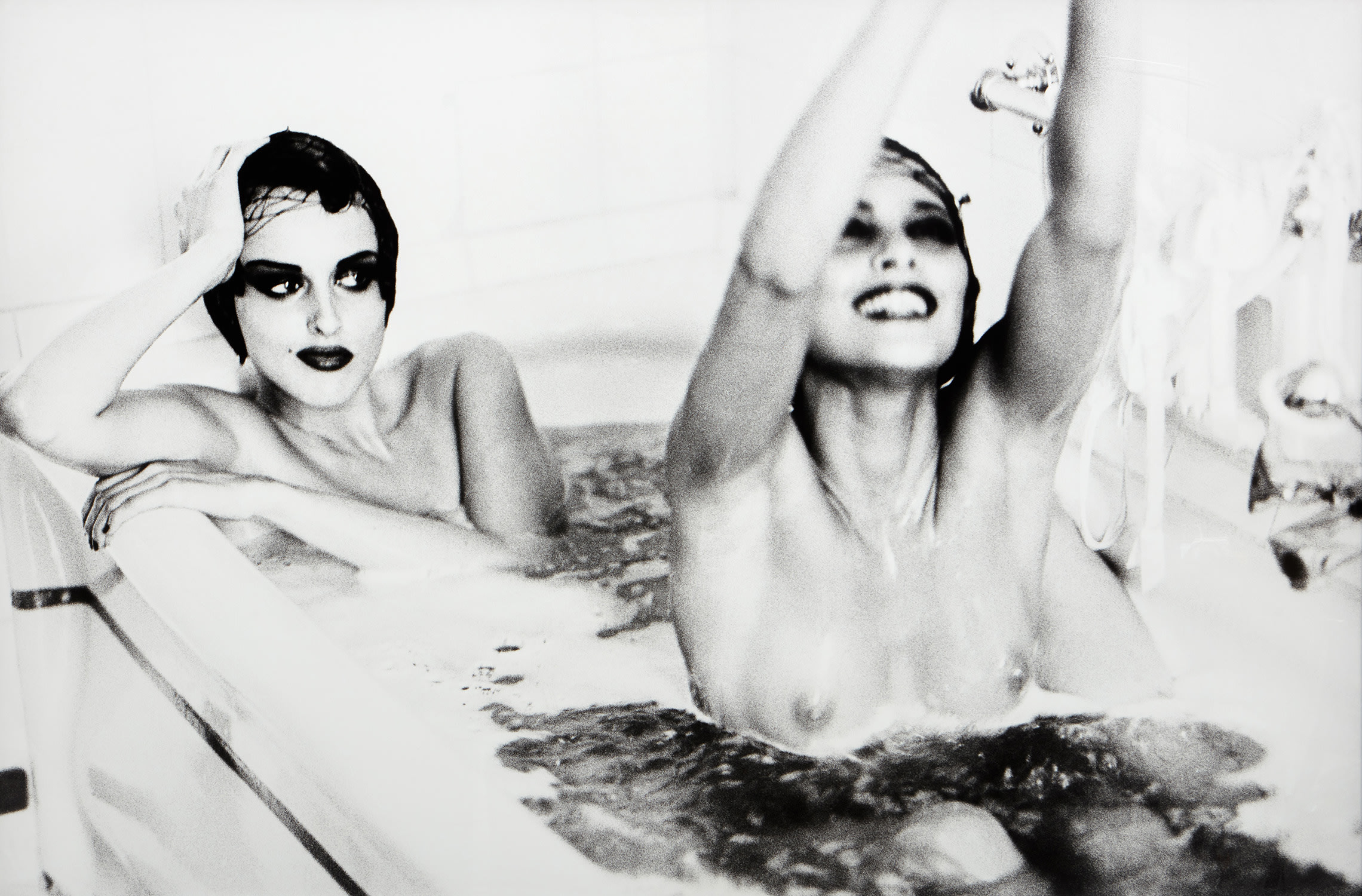
The same quality animates Smoking in Bed, her 1994 black and white image of Eva Herzigova, which achieves something rare in fashion photography: it feels both entirely staged and entirely true. Her monograph Revenge, published in 2003, stands as one of the definitive artifacts of her practice. A serialized narrative set in a brothel, it is playful and provocative and shot through with a feminist undercurrent that is easy to miss if one is distracted by its surface pleasures. The Selected Images from Revenge, printed as a suite of gelatin silver prints, have become among the most sought after works in her catalogue.
Also from 2003, Kate and David, her chromogenic print capturing Kate Moss and David Bowie together in New York, is a portrait of two icons at ease with each other and with von Unwerth's gaze, a testament to the trust she is able to generate in her subjects. Her ability to move between the worlds of fashion, celebrity portraiture, and fine art photography without diminishing any of them is one of the things that makes her so difficult to categorize and so consistently compelling to follow. For collectors, von Unwerth's work occupies an increasingly assured position in the market for contemporary photography. Her prints appear regularly at major auction houses and through specialist photography galleries, where gelatin silver prints from her earlier decades and archival pigment prints from later periods both attract serious attention.
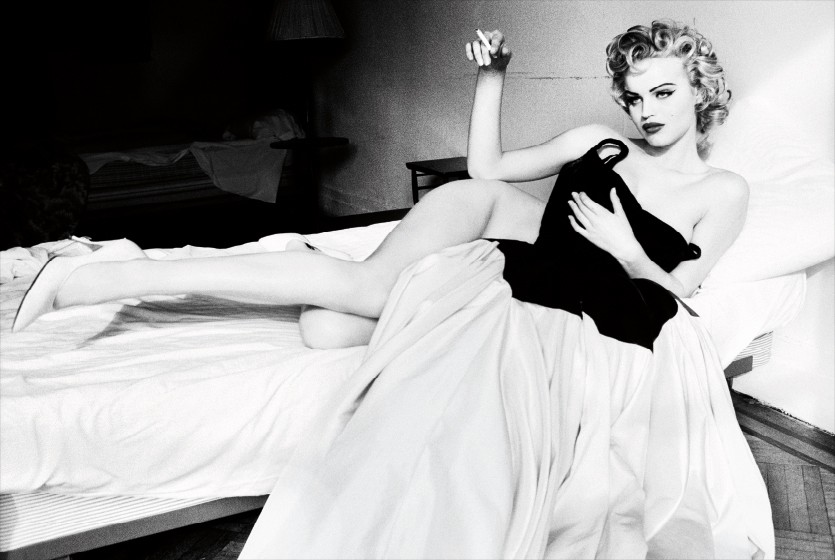
Ellen von Unwerth
Smoking in bed, Eva Herzigova, 1994
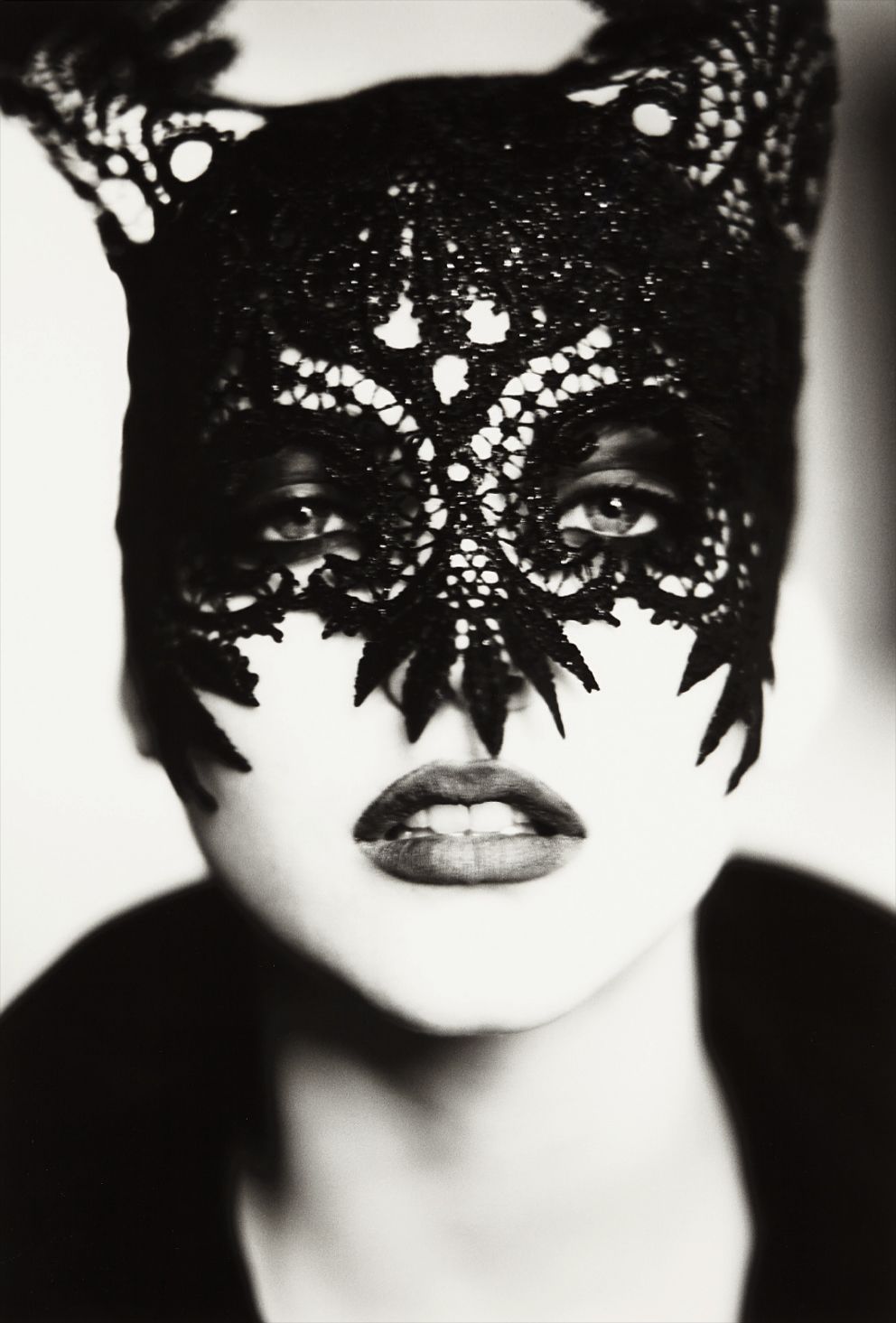
Works such as Mask, Paris, her 2012 gelatin silver print featuring Nadja Auermann, and Original Sin, New Orleans, printed in 2010, demonstrate the range of her formal vocabulary: the former is architecturally precise and slightly surreal, the latter lush and operatic. Collectors are drawn to her work not simply as decorative objects but as artifacts of a particular moment in cultural history, when the fashion photograph became a genuinely contested site of artistic ambition. Her prints are produced in limited editions and the earlier vintage prints command the strongest premiums, though later authorized prints remain accessible entry points for newer collectors building a photography practice. In the broader context of art history, von Unwerth sits in a distinguished lineage of photographers who understood fashion and portraiture as vehicles for something more searching.
Her work invites comparison with Helmut Newton, whose theatricality and provocations she both absorbed and argued with, and with Guy Bourdin, whose narrative surrealism shares something of her cinematic temperament. She is also meaningfully connected to photographers like Nan Goldin and Corinne Day, though her register is warmer and her relationship to glamour more openly affectionate. What distinguishes her from all of them is the humor: that irrepressible, generous sense of play that prevents her images from ever tipping into self importance. The case for Ellen von Unwerth's lasting significance rests on exactly this quality.
In an era when so much image making aspires to gravity or irony, her commitment to pleasure and to the genuine celebration of her subjects feels not like a limitation but like a form of courage. She has spent four decades insisting that joy is as worthy a subject as suffering, that femininity is a site of power and self determination rather than merely of objectification, and that a photograph can make you laugh and still be serious. Those are not small achievements. They are the foundation of a body of work that will be studied and collected and argued over long after the fashions that first occasioned it have receded from memory.
Featured Works