Edward S. Curtis
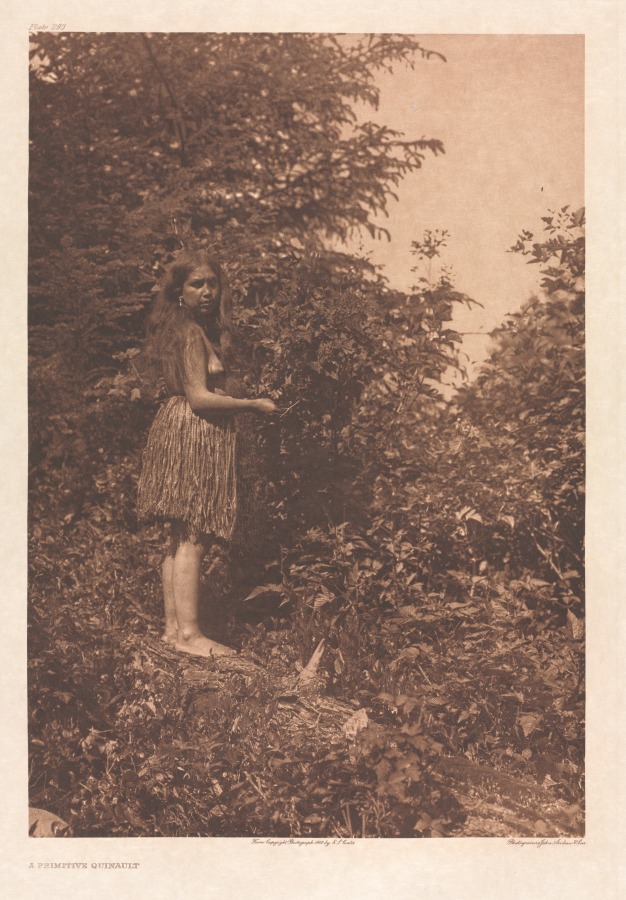
Shadow Catcher, Keeper of Living Light
Artist Spotlight · The Collection Editorial
“The information that is to be gathered must be collected at once or the opportunity will be lost.”
Edward S. Curtis, prospectus for The North American Indian, 1906
In the winter of 1900, a young photographer from Seattle made his way into the Cascade Mountains and returned with images that would alter the course of American visual culture forever. Edward Sheriff Curtis had already earned a reputation as a skilled portrait photographer, but something had shifted in him during those mountain excursions, where he encountered members of the Snohomish and Lummi peoples and recognized, with urgent clarity, that he was witnessing ways of life that the modern world was rapidly eroding. That recognition became a vocation, and that vocation became one of the most astonishing acts of sustained artistic commitment in the history of photography. More than a century later, his photogravures continue to appear at major auction houses, command serious collector attention, and anchor significant exhibitions at institutions from the Library of Congress to the Smithsonian.
Edward S. Curtis
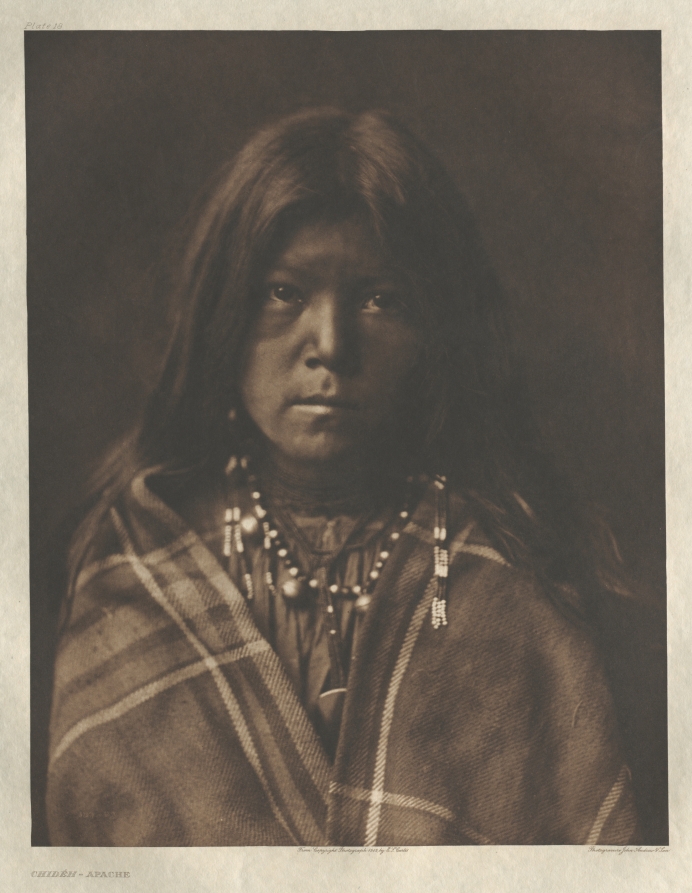
Portfolio I, Plate 18: Chideh-Apache, 1903
The work has never felt more alive. Curtis was born on February 16, 1868, near Whitewater, Wisconsin, the son of a Civil War veteran and itinerant minister named Johnson Curtis. His childhood was one of modest means and constant movement, the family eventually settling in the Pacific Northwest when Edward was in his teens. There was little formal schooling and no classical artistic training.
What he had instead was an almost instinctive affinity for the camera, a tool he first encountered in boyhood and never truly put down. By 1891 he had established himself as a photographer in Seattle, and his studio quickly became the finest portrait establishment in the city. Seattle in the 1890s was a boomtown on the edge of an immense and largely undocumented wilderness, and Curtis was ideally positioned, geographically and temperamentally, to look outward from it. The decisive turning point came in 1898 when Curtis encountered a group of distinguished scientists lost on Mount Rainier and guided them to safety.
Edward S. Curtis
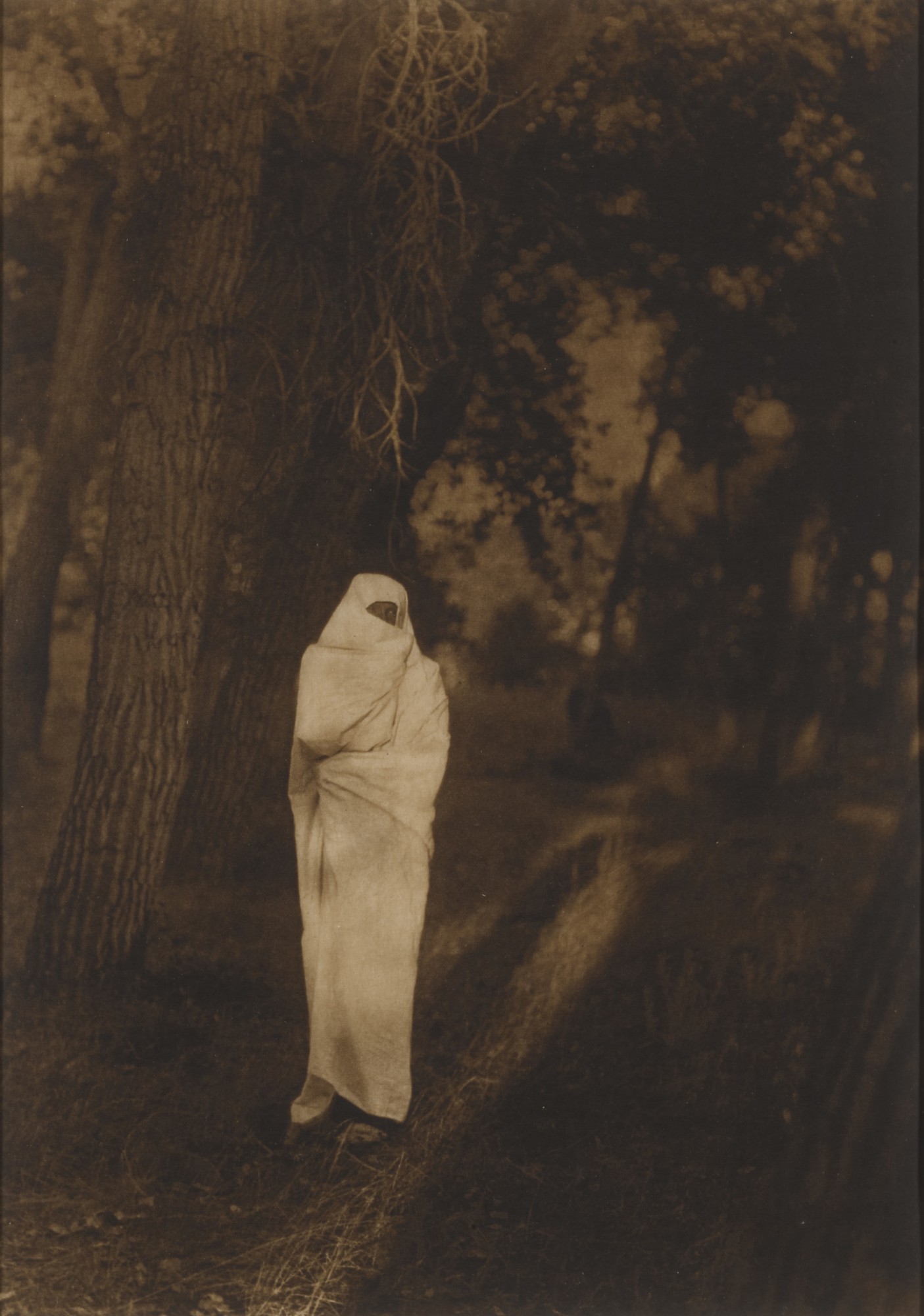
'Waiting in the Forest - Cheyenne'
Among them was George Bird Grinnell, the noted ethnologist and editor of Forest and Stream magazine. Grinnell recognized something extraordinary in Curtis and invited him to accompany a 1900 expedition to observe the Sun Dance ceremony of the Blackfoot people in Montana. The experience was transformative. Curtis returned from that journey with a sense of purpose that would define the next three decades of his life.
“As the photographer I have two main objects in view. First, to record by means of the camera that which is fast becoming a thing of the past.”
Edward S. Curtis, introduction to The North American Indian
He began to conceive of a project of breathtaking ambition: a comprehensive photographic and ethnographic record of the indigenous peoples of North America, tribe by tribe, territory by territory, before the relentless pressures of assimilation and displacement made such a record impossible. With critical support from President Theodore Roosevelt, who wrote the foreword to the first volume, and financial backing secured through the patronage of J.P. Morgan, Curtis embarked on what would become The North American Indian.
Edward S. Curtis
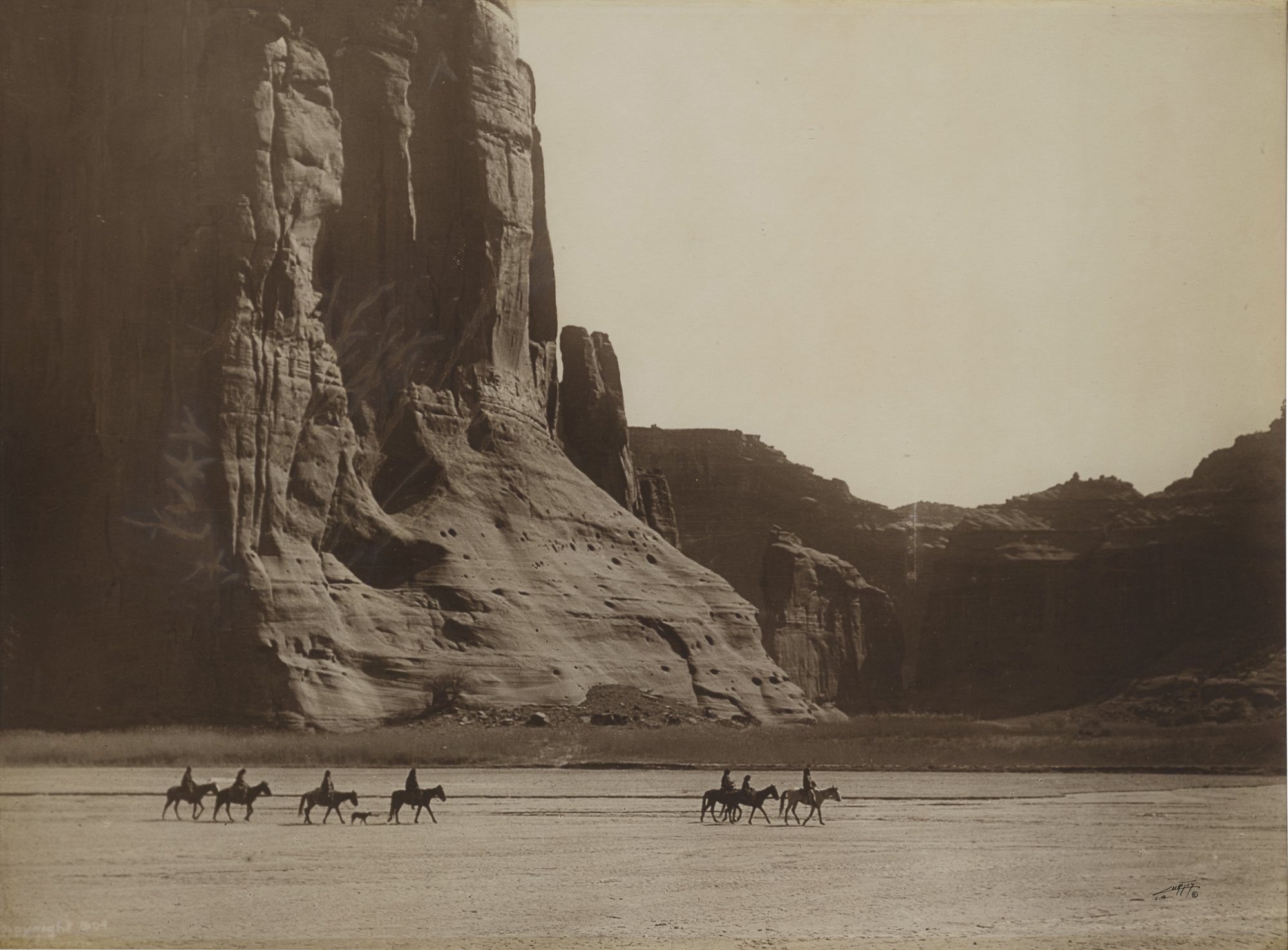
Canyon de Chelly
Published in twenty volumes between 1907 and 1930, with an accompanying portfolio series of stunning photogravures, the project encompassed more than 80 tribes across the continent. Curtis traveled relentlessly, learning languages, recording songs on wax cylinders, conducting thousands of interviews, and making approximately 40,000 photographic negatives. The sheer physical and logistical scale of the undertaking is almost impossible to comprehend. He financed much of the work himself, falling into serious debt, and the effort cost him his marriage and much of his health.
Yet the photographs endure as works of art that transcend the circumstances of their making. What distinguishes Curtis from his contemporaries is not simply diligence or documentary instinct. It is a profound and unmistakable pictorial intelligence. He worked in the tradition of Pictorialism, the movement that sought to elevate photography to the status of fine art through careful attention to composition, tone, and atmosphere.
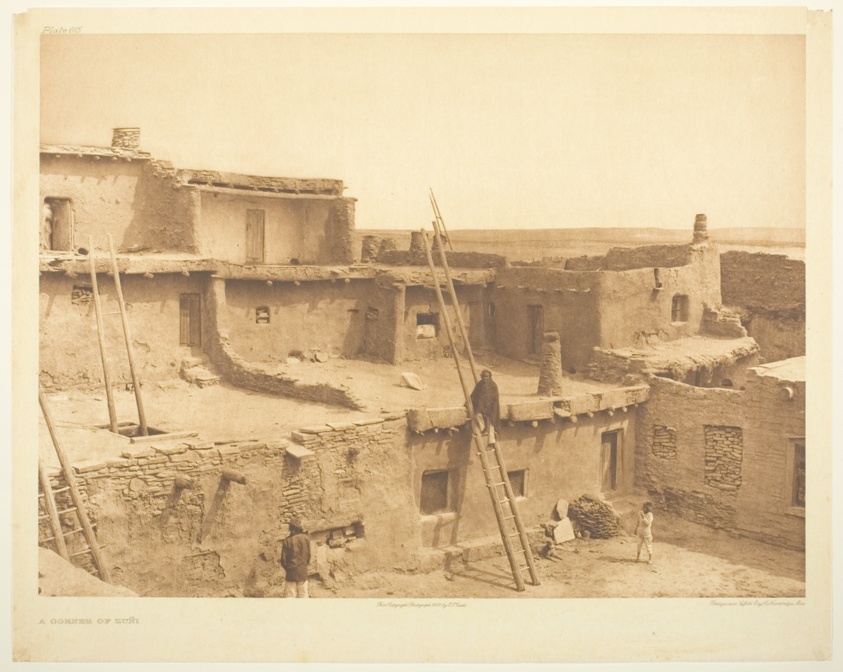
Edward S. Curtis
A Corner of Zuni, 1903
His images are suffused with a quality of light that feels almost spiritual: figures emerging from shadow, landscapes rendered in tones of silver and sepia that evoke both presence and memory simultaneously. Works such as Canyon de Chelly, with its tiny horsemen dwarfed by the towering sandstone walls of the Arizona canyon, and Waiting in the Forest Cheyenne, with its atmosphere of stillness and watchfulness, demonstrate a pictorial sensibility as refined as anything produced by the Pictorialist painters of his era. His photogravures, the intaglio prints made from his negatives and published in the portfolio volumes, are particularly prized for the richness of their tonal range and the velvety depth of their surfaces. Among collectors and scholars, certain works have become touchstones.
Portfolio I, Plate 18, Chideh Apache, made in 1903, is a masterpiece of intimate portraiture, the subject rendered with a dignity and psychological presence that challenges every stereotype of the period. Portfolio IX, Plate 318, Homeward, from 1898, is among his earliest mature works and shows the compositional confidence that would mark all his finest images. Acoma Water Carriers, from 1904, and In the Land of the Sioux, from 1905, demonstrate his gift for placing human figures within vast landscapes in ways that feel neither diminishing nor sentimental but genuinely monumental. The photogravures printed on vellum, as in A Corner of Zuni, are especially sought after for their warmth and translucency, and collectors willing to invest in fine impressions from the original portfolio volumes are acquiring objects of both historical significance and extraordinary visual beauty.
On the secondary market, Curtis photogravures have seen sustained and growing demand over the past two decades. Sotheby's, Christie's, and Swann Galleries have all handled important examples, with premium impressions from the original portfolio volumes regularly achieving strong five figure results and exceptional examples occasionally climbing higher. The diversity of his output means there are entry points across a range of budgets, from smaller individual plates to complete portfolio volumes that represent some of the most coveted objects in American photography collecting. Knowledgeable collectors look for sharp impressions with full margins, minimal foxing, and the characteristic warmth of the original vellum or Japan paper editions.
The work sits comfortably alongside that of contemporaries such as Gertrude Käsebier, Clarence White, and Alfred Stieglitz, all of whom shared Curtis's Pictorialist sensibilities, though Curtis's subject matter and the epic scope of his project place him in a category genuinely his own. The conversation around Curtis's legacy has grown more nuanced and more honest in recent decades. Scholars and Indigenous scholars and community members have rightly raised questions about the degree to which his images shaped, and sometimes idealized or simplified, the cultures he depicted. Curtis occasionally removed modern objects from his scenes, and his framing sometimes reflected the romantic assumptions of his era rather than the complex realities of the communities he visited.
These are serious considerations that contemporary audiences engage with openly and thoughtfully. Yet the work also preserves voices, songs, stories, and faces that would otherwise be entirely lost, and many Indigenous communities have found value in the archive he created. The richest approach to Curtis treats both the achievement and the complexity with equal seriousness, which is precisely what the best curatorial thinking around his work now does. He remains, by any measure, one of the great American artists of the twentieth century, a figure whose images continue to haunt and compel us precisely because they ask questions about beauty, loss, witness, and responsibility that we are still learning to answer.
Explore books about Edward S. Curtis
Edward S. Curtis: The Life and Work of a Shadow Catcher
Christopher M. Cardozo

The North American Indian
Edward S. Curtis
Edward S. Curtis: The Grand Project
Mick Gidley
In a Sacred Manner I Live: Native American Wisdom
Neil Philip

Masterpieces of the American West: Paintings and Sculpture
Peter H. Hassrick
Edward S. Curtis: One Hundred Masterworks
Joseph D. Horse Capture and Nicole M. Ewing
The Vanishing Race and Other Illusions
Christopher M. Cardozo