Édouard Boubat
Édouard Boubat, Poet of the Everyday
Artist Spotlight · The Collection Editorial
“Photography is a way of shouting, of freeing oneself, not a complicated, intellectual process. It is an expression of life.”
Édouard Boubat
There is a photograph taken in 1947 in the Luxembourg Gardens that stopped the French art world in its tracks. A small girl, her back to the camera, stands amid a cascade of autumn leaves, her dress a quiet flourish against the golden ground. The image, known as 'La Petite Fille aux feuilles mortes,' announced the arrival of a major sensibility: one that understood photography not as documentation but as tenderness made visible. Édouard Boubat was twenty four years old, and he had just found his voice.
Édouard Boubat
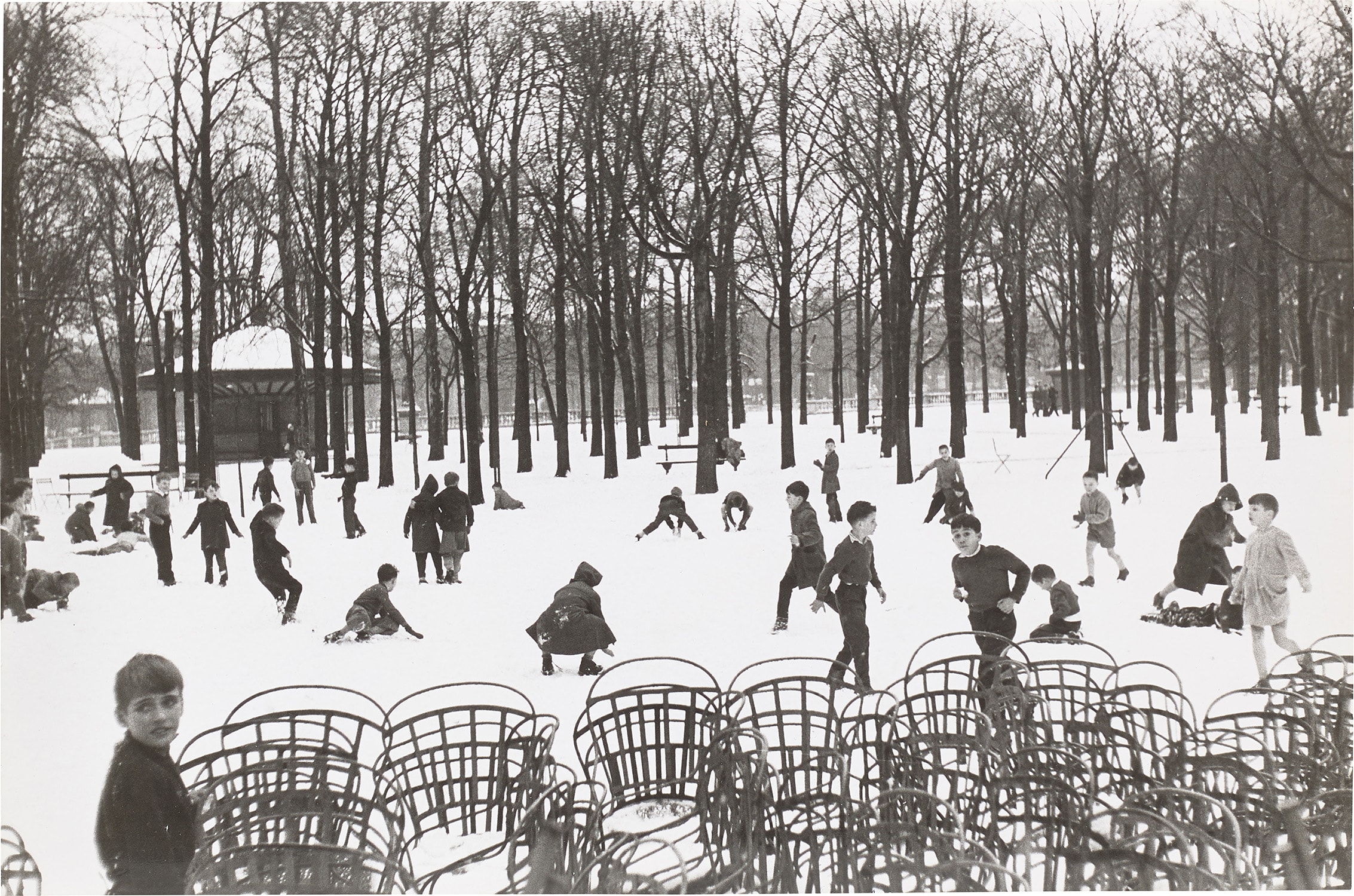
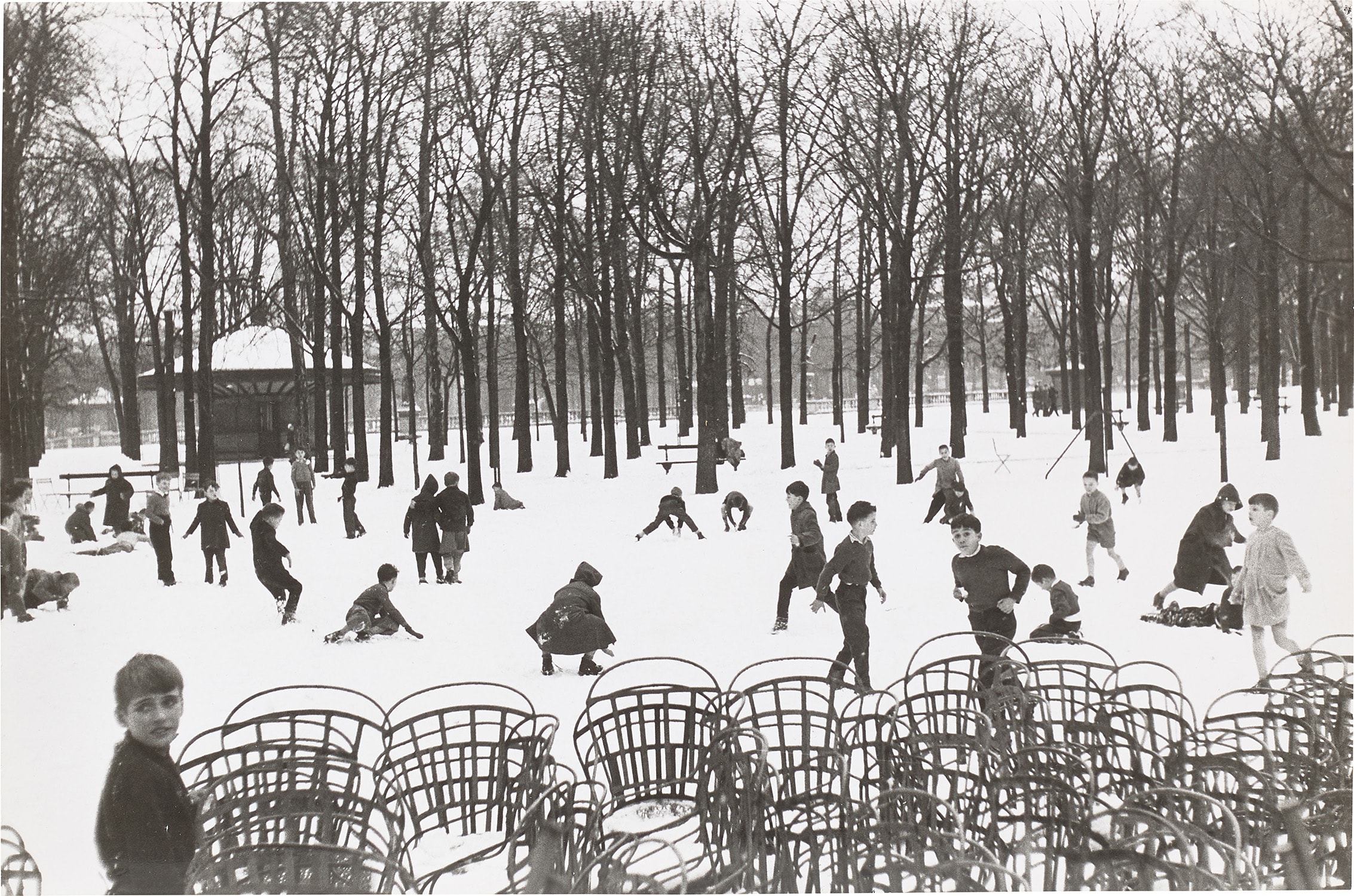
Jardin du Luxembourg, Paris
Boubat was born in Paris in 1923, in the Montmartre neighborhood, and the city would remain a central character in his life's work. He trained as a typographer at the École Estienne, an institution devoted to the graphic arts, where he developed a profound understanding of visual composition and the relationship between image and page. This training was not incidental. It gave Boubat an instinctive feel for balance, for the weight of light and shadow, and for the way an image breathes within its frame.
When he turned to photography in the years immediately following the Second World War, he brought to it a craftsman's precision married to a poet's eye. The postwar years in France were a moment of extraordinary creative ferment, and photography was at its center. Boubat emerged alongside a generation of image makers who believed that the camera could restore faith in human dignity after the catastrophe of war. He became associated with the movement now known as humanist photography, a loose but deeply felt tendency that included Henri Cartier Bresson, Robert Doisneau, Willy Ronis, and Izis.
Édouard Boubat
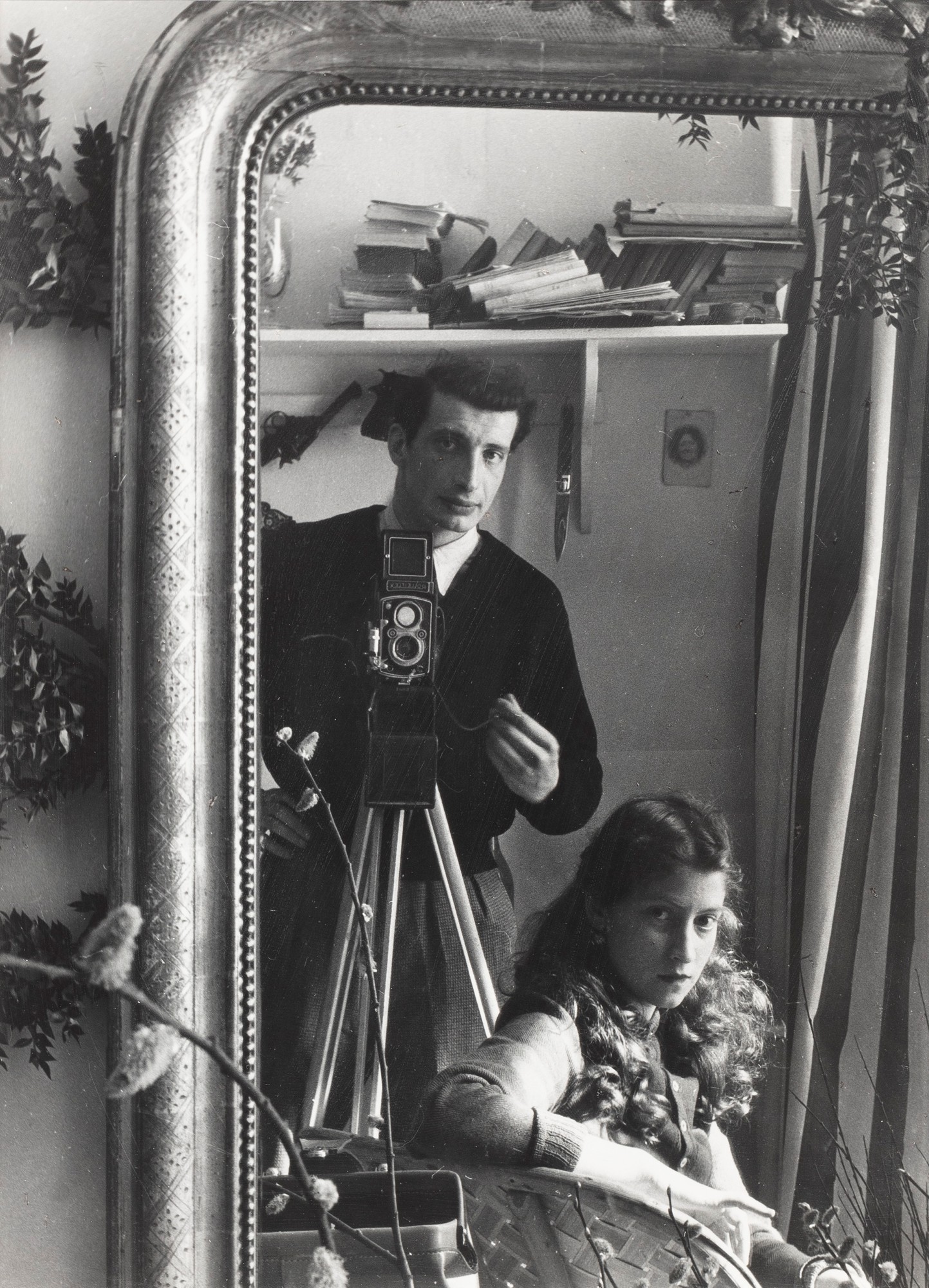
Autoportrait avec Leila, 1951
These photographers shared a belief that beauty and meaning resided not in grand events but in the textures of ordinary life: a child's gesture, a couple on a street corner, the fall of afternoon light on a familiar face. Boubat was perhaps the most lyrical of them all, the one whose images most consistently achieved the quality of a held breath. His career gained tremendous momentum when he was taken up by the magazine Réalités, one of the most prestigious illustrated publications in France during the postwar decades. As a photojournalist for Réalités, Boubat traveled extensively across Europe, Asia, Africa, and the Americas, producing reportage that never sacrificed intimacy for spectacle.
His journeys gave his archive an extraordinary geographic breadth, yet whether he was working in Brittany or Brazil, his images retained the same quality of attentive stillness. He photographed people the way a trusted friend might: without judgment, with patience, and with an obvious pleasure in their presence. His pictures from India, Japan, and Scandinavia are among the finest examples of travel photography as genuine cross cultural encounter rather than exotic spectacle. Among the works that have come to define his legacy, the portraits of Lella hold a special place.
Édouard Boubat
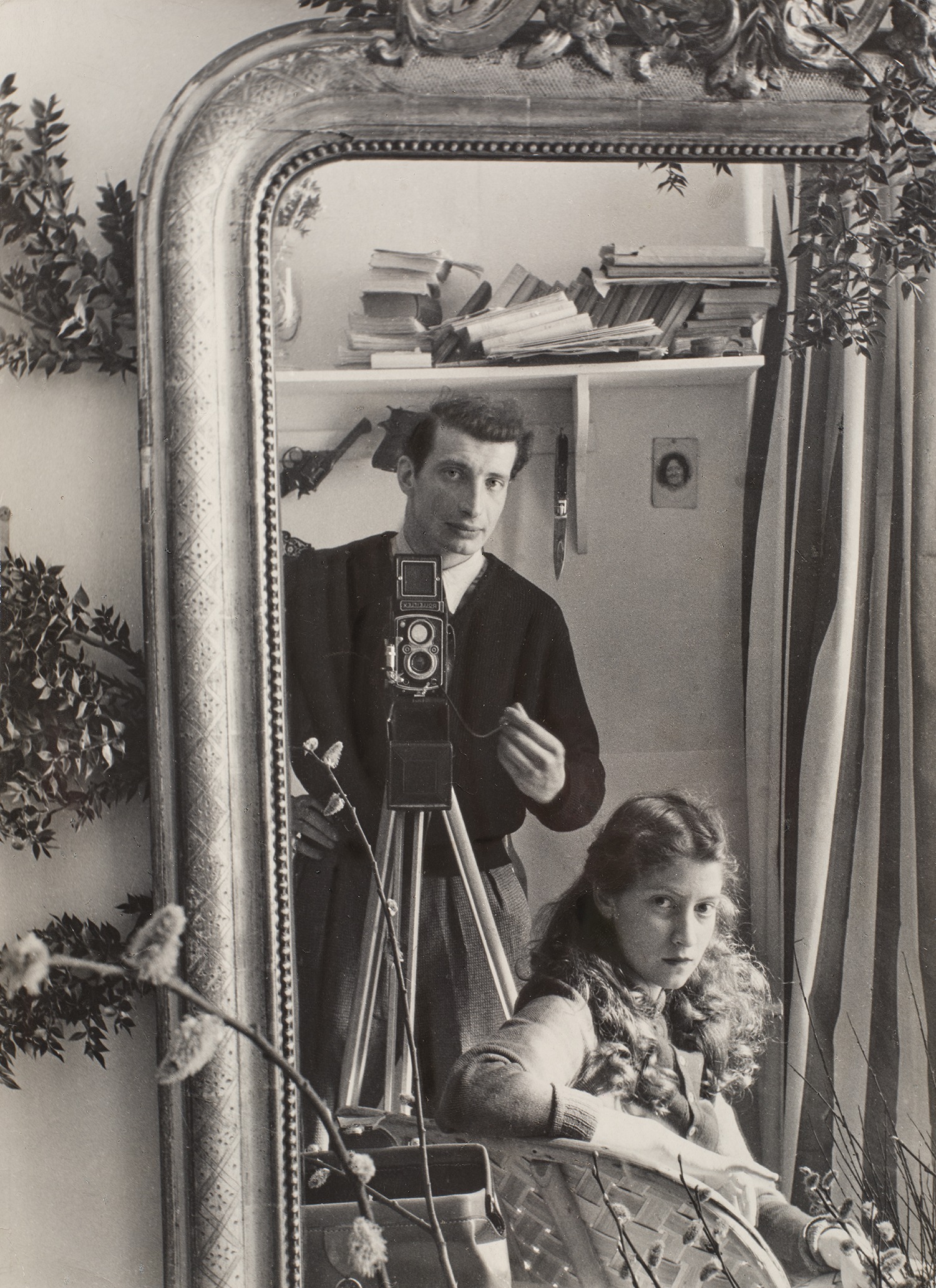
Autoportrait avec Leila
Lella, who became his companion, appears throughout his work in the early 1950s with a warmth and naturalness that speaks to the deep trust between photographer and subject. Images such as 'Lella, Bretagne' and 'Autoportrait avec Leila, 1951' are not simply portraits. They are records of intimacy, of two people constructing a shared world, and they rank among the most moving examples of the love portrait in the history of twentieth century photography. The gelatin silver print medium he favored suits these images perfectly: its tonal richness, its capacity for subtle gradation, gives his scenes a luminous depth that feels almost tangible.
Boubat's street photographs of Paris represent another essential dimension of his achievement. Works such as 'Jardin du Luxembourg, Paris' and 'Avenue de Clichy, Paris' demonstrate his mastery of urban observation. These are not photographs that hunt for the decisive moment in the Cartier Bresson sense, though Boubat was certainly capable of that kind of precision. They are something quieter and in some ways more demanding: images that ask the viewer to slow down, to notice, to find significance in the rhythm of daily life.
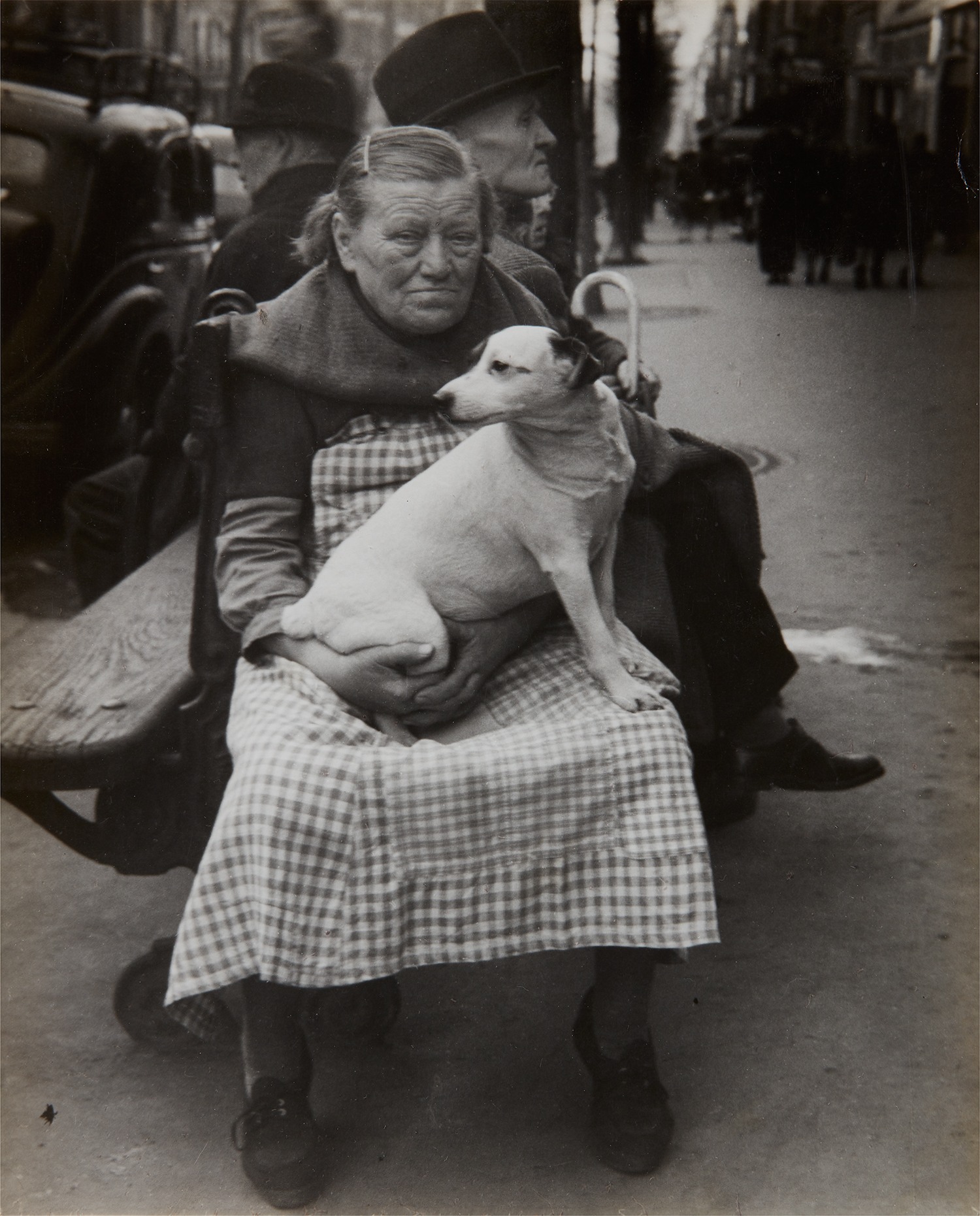
Édouard Boubat
Avenue de Clichy, Paris
The Luxembourg Gardens, which appear across his career, became for Boubat something like a personal theater, a place where children, lovers, and solitary walkers enacted the small dramas that he found endlessly worthy of attention. For collectors, Boubat's work presents a compelling opportunity to engage with one of the defining photographic sensibilities of the twentieth century. Gelatin silver prints from his major periods, particularly the late 1940s through the 1960s, represent the most sought after examples of his output. Printed later examples also circulate in the market and offer accessible entry points for collectors new to his work.
His prints have been handled by major auction houses and specialist photography dealers across Europe and the United States, with consistent demand reflecting both institutional recognition and the deep personal affection his images inspire. Unlike some of his contemporaries, Boubat's market remains approachable, making this a moment of genuine opportunity for serious collectors. Within the broader history of photography, Boubat occupies a position of quiet authority. He is rightly placed in conversation with Cartier Bresson and Ronis, yet his particular tone sets him apart.
Where Cartier Bresson pursued geometric perfection and Doisneau celebrated Parisian wit, Boubat was drawn above all to vulnerability and grace. His images of mothers and children, of solitary figures in open landscapes, of couples caught in unguarded moments, constitute a sustained meditation on what it means to be cared for and to care. This is photography as an ethical as well as aesthetic practice. Boubat died in Paris in 1999, leaving behind an archive of exceptional richness and consistency.
His work is held in major museum collections and continues to be exhibited internationally, with renewed scholarly interest reflecting a broader reassessment of humanist photography's place in the modernist canon. To encounter a Boubat print is to be reminded of something essential: that the camera, in the right hands, is not an instrument of capture but of recognition. He saw the world with love, and his pictures ask us to do the same.
Explore books about Édouard Boubat