Eddie Peake
Eddie Peake, the Body as Living Art
Artist Spotlight · The Collection Editorial
When Eddie Peake staged his landmark performance work at the Barbican Centre in London, audiences encountered something genuinely difficult to categorise. Nude performers moved through carefully choreographed sequences, their bodies becoming both subject and medium, vulnerable and assertive in equal measure. The work unsettled comfortable assumptions about spectatorship, desire, and what a gallery visit is supposed to feel like. It was the kind of experience that stayed with people for weeks, which is precisely the point.
Eddie Peake
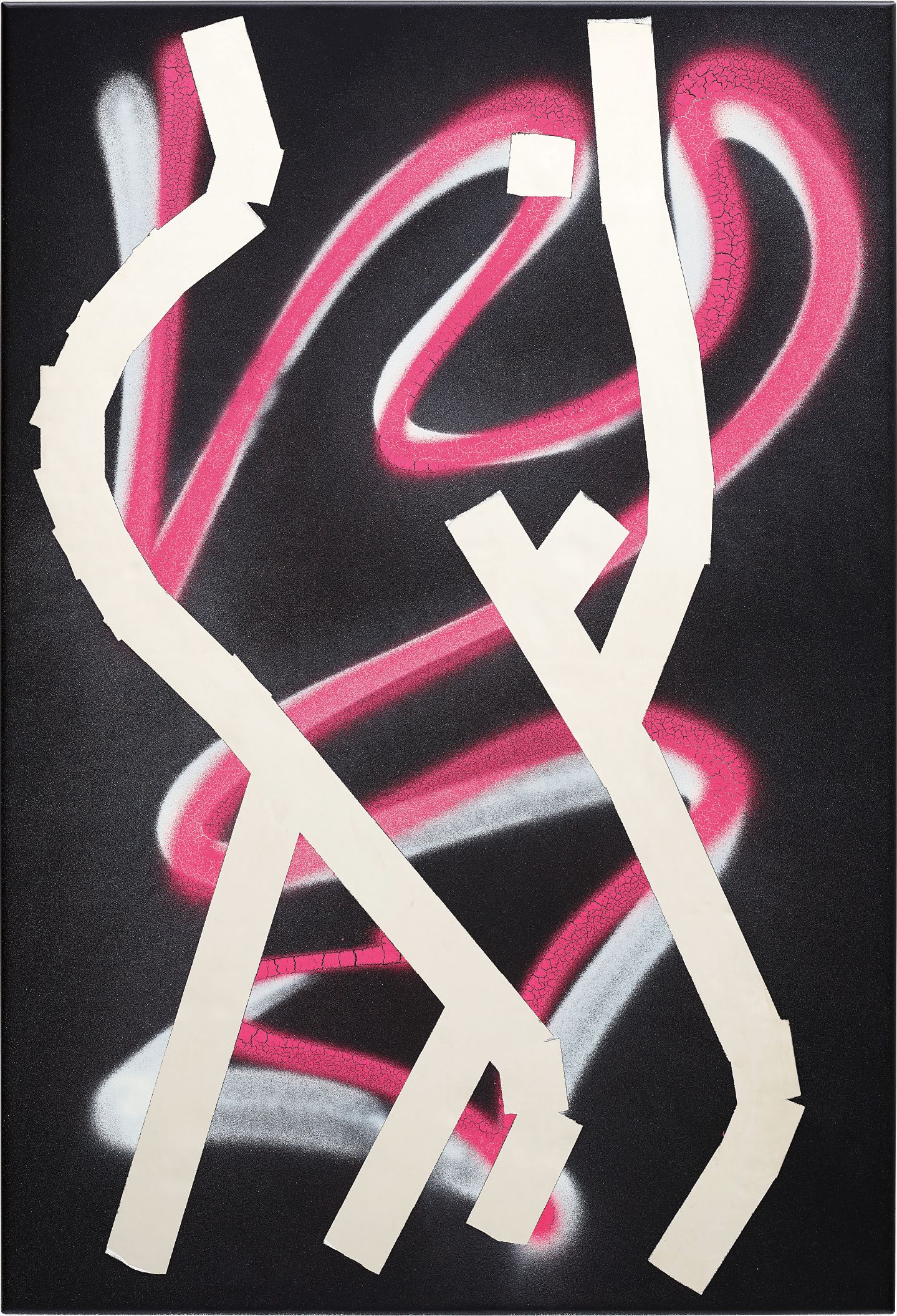
Grrrl, 2012
Peake was born in 1981 and grew up in Britain during a period of profound cultural shift, coming of age as debates around identity, sexuality, and the politics of the body moved from the margins toward the centre of public life. He studied at the Ruskin School of Art in Oxford and later at the Royal College of Art in London, institutions that gave him the technical and conceptual grounding to work across multiple disciplines simultaneously. London shaped him as much as any curriculum, a city that has long sustained artists willing to operate at the intersection of performance, sculpture, and visual culture. His practice resists easy summary, which is part of its lasting appeal.
Peake works in performance, sculpture, video, and painting, and the connections between these disciplines are never incidental. A recurring concern runs through all of it: the human body as a site of meaning, pleasure, tension, and political charge. He has spoken about the way nudity in his performances is never gratuitous but rather a strategy for removing the armour that clothing provides, forcing a more unmediated encounter between performer and viewer. The choreography in his live works is precise and often achingly beautiful, drawing on traditions of dance and theatre while remaining firmly within the conversation of contemporary art.
Eddie Peake
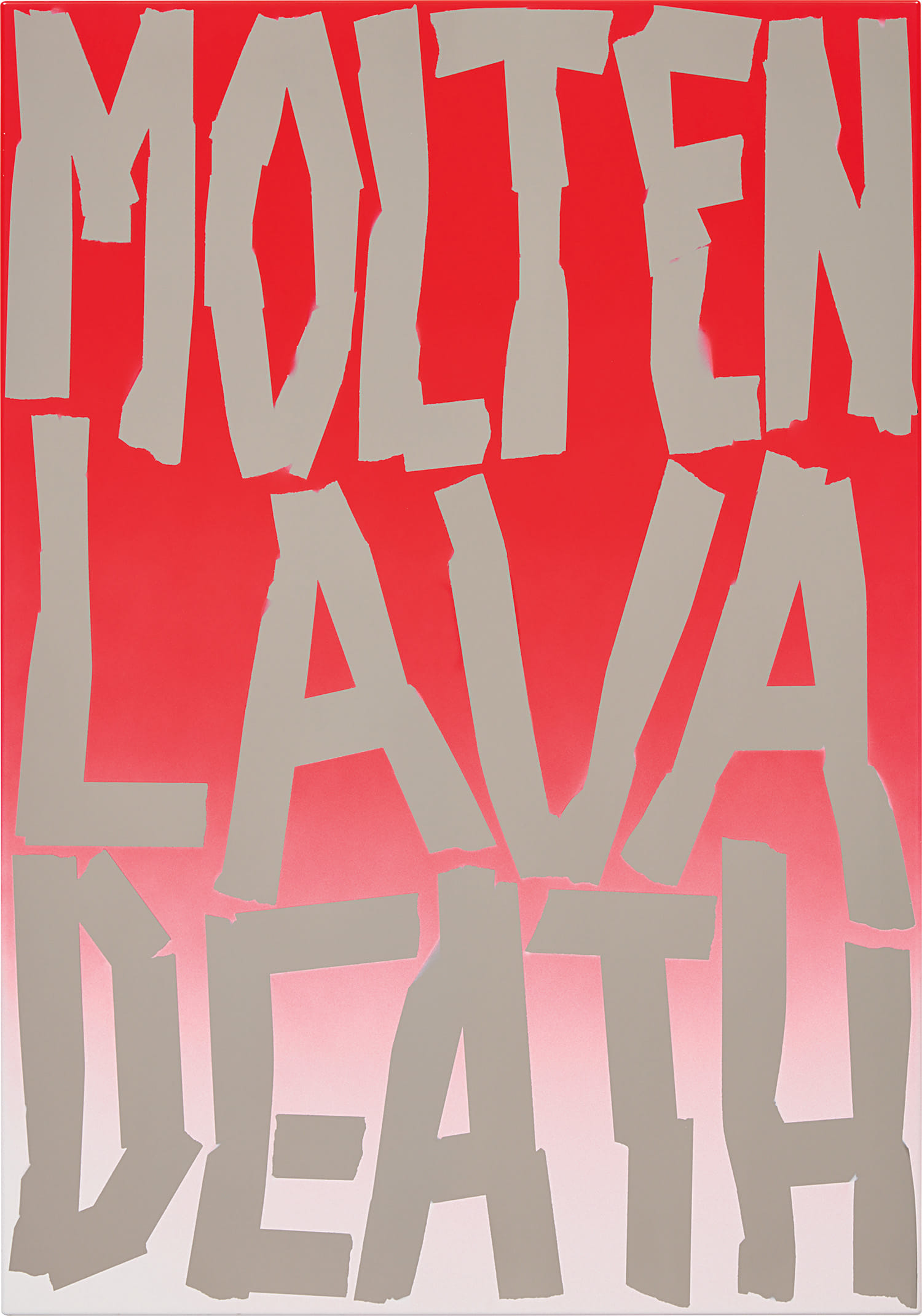
Molten Lava Death, 2013
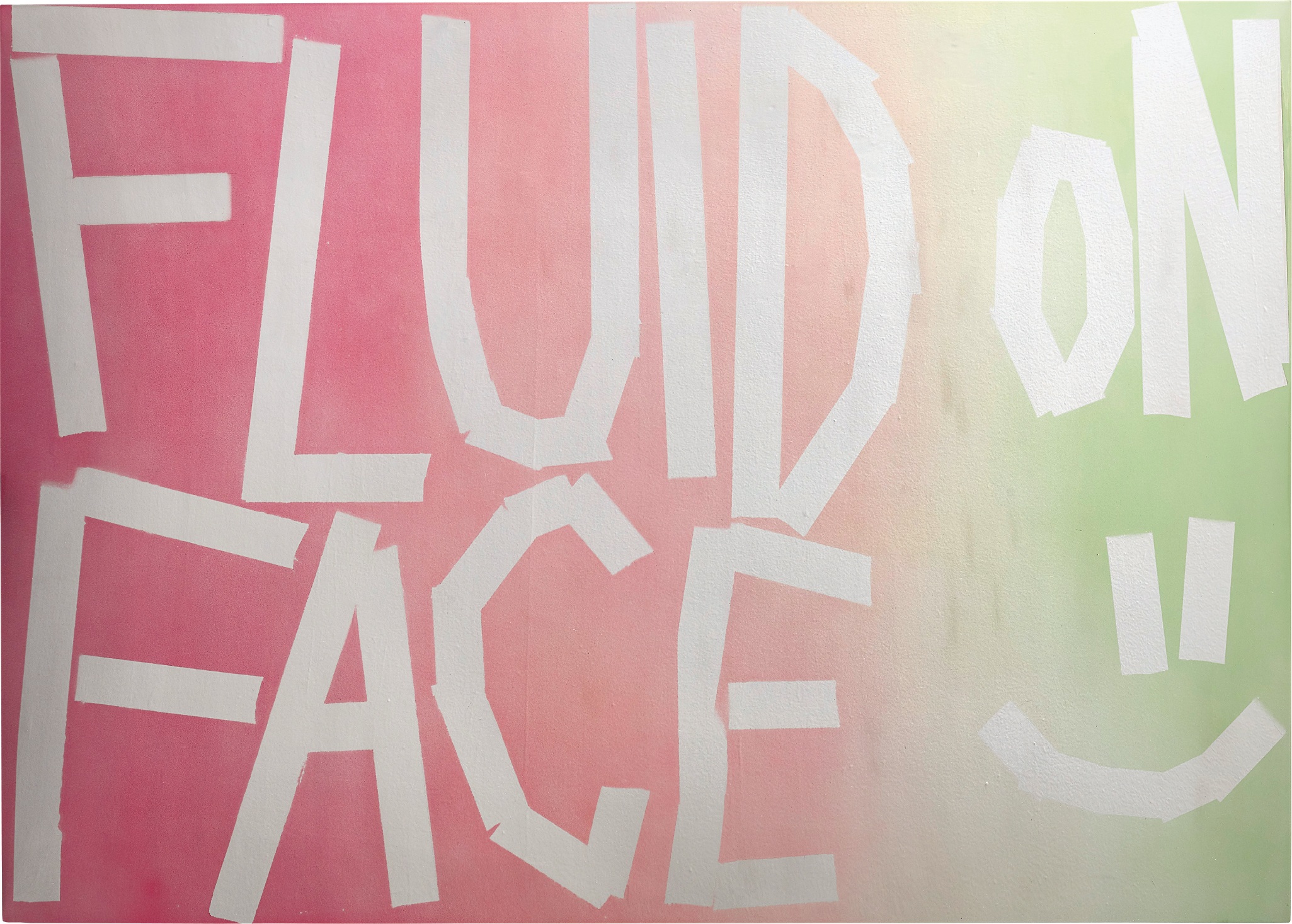
The sculptural works available on The Collection give a vivid sense of one strand of Peake's visual intelligence. Works such as Grrrl from 2012 and Molten Lava Death from 2013 use spray paint on polished stainless steel, a combination that produces images with an almost hallucinatory quality, caught between painting and object. The reflective steel surfaces fold the viewer into the work, literally, so that looking at the piece involves looking at yourself looking. Titles like Fluid On Face, Blood Spurt Over PPL, and Self Harm carry a rawness that contrasts with the cool glamour of the lacquered surfaces, and this tension is where much of the meaning lives.
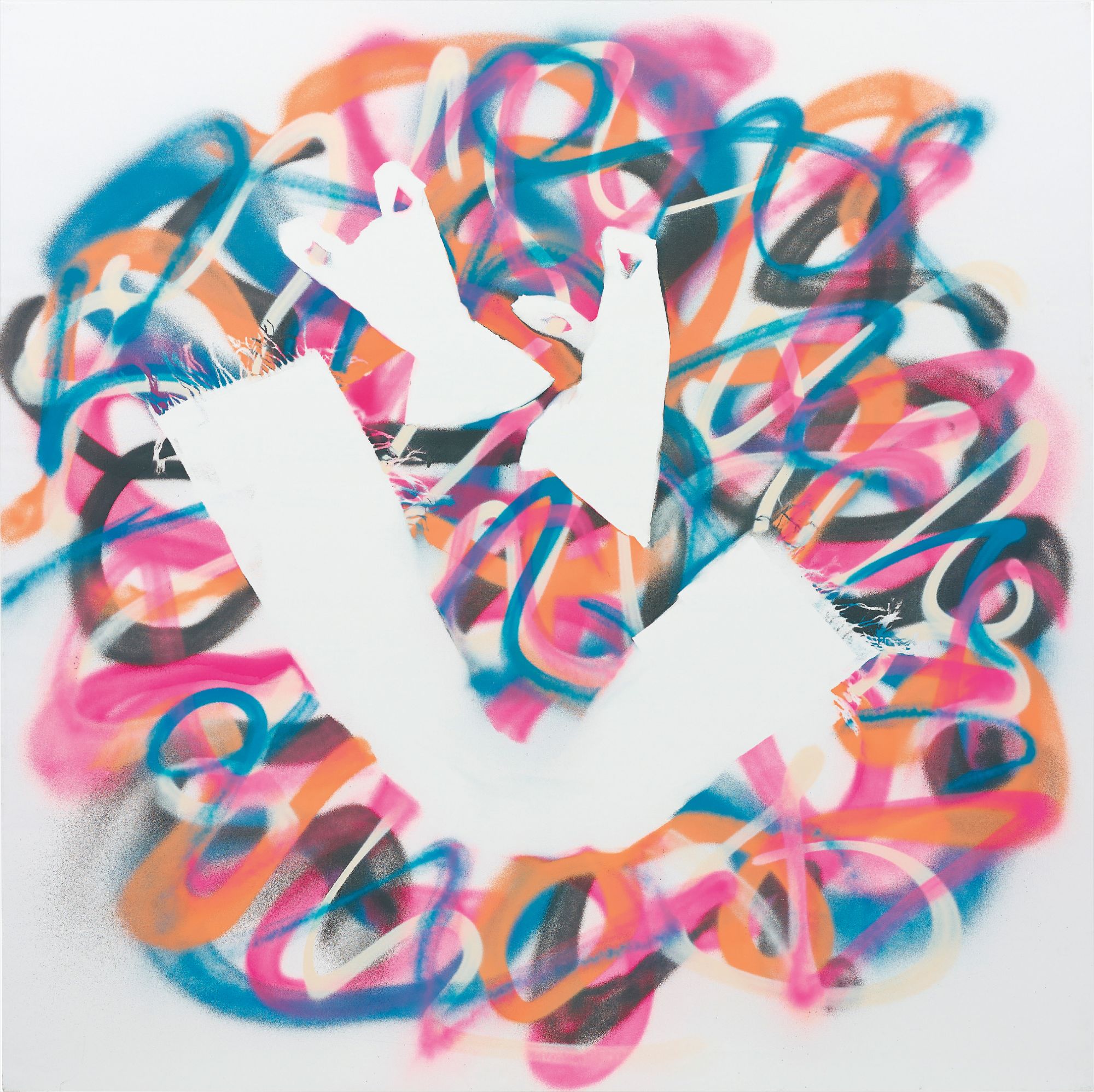
Peake is very good at making beautiful things that refuse to let you rest in the beauty alone. The canvas works from the same period, including Smiling Bacchante No. 2 and the Holding Her Hand in the Air in the Shape of a Gun series from 2012, show a painter with a genuine instinct for surface and gesture. The spray paint technique creates a diffused, atmospheric quality that feels simultaneously graffiti influenced and aligned with the traditions of abstract painting.
Eddie Peake
Fluid On Face, 2013
The Gun series in particular rewards sustained looking, the repeated motif accumulating meaning across the sequence, each variation a slightly different emotional register on the same underlying gesture. Tomboy 2, also from 2012, extends the LGBTQ plus concerns that run through much of Peake's output, the title alone opening onto questions of gender, performance, and the social construction of identity that his live works explore so directly. For collectors, Peake represents a genuinely compelling proposition. He is a London based artist with institutional credibility at the highest level, having shown at both the Barbican Centre and White Cube, one of the most influential commercial galleries in the world.
His works on steel have a material confidence and a strong visual identity that reads powerfully in domestic and institutional spaces alike. The spray paint on polished stainless steel pieces in particular occupy a satisfying position between painting and sculpture, giving collectors the flexibility to engage with the work in multiple ways. There is also the simple fact that Peake is still in mid career: born in 1981, he has decades of work ahead of him, and the trajectory of his practice suggests an artist who will continue to develop and surprise. Within the broader landscape of contemporary British art, Peake occupies a distinctive position.
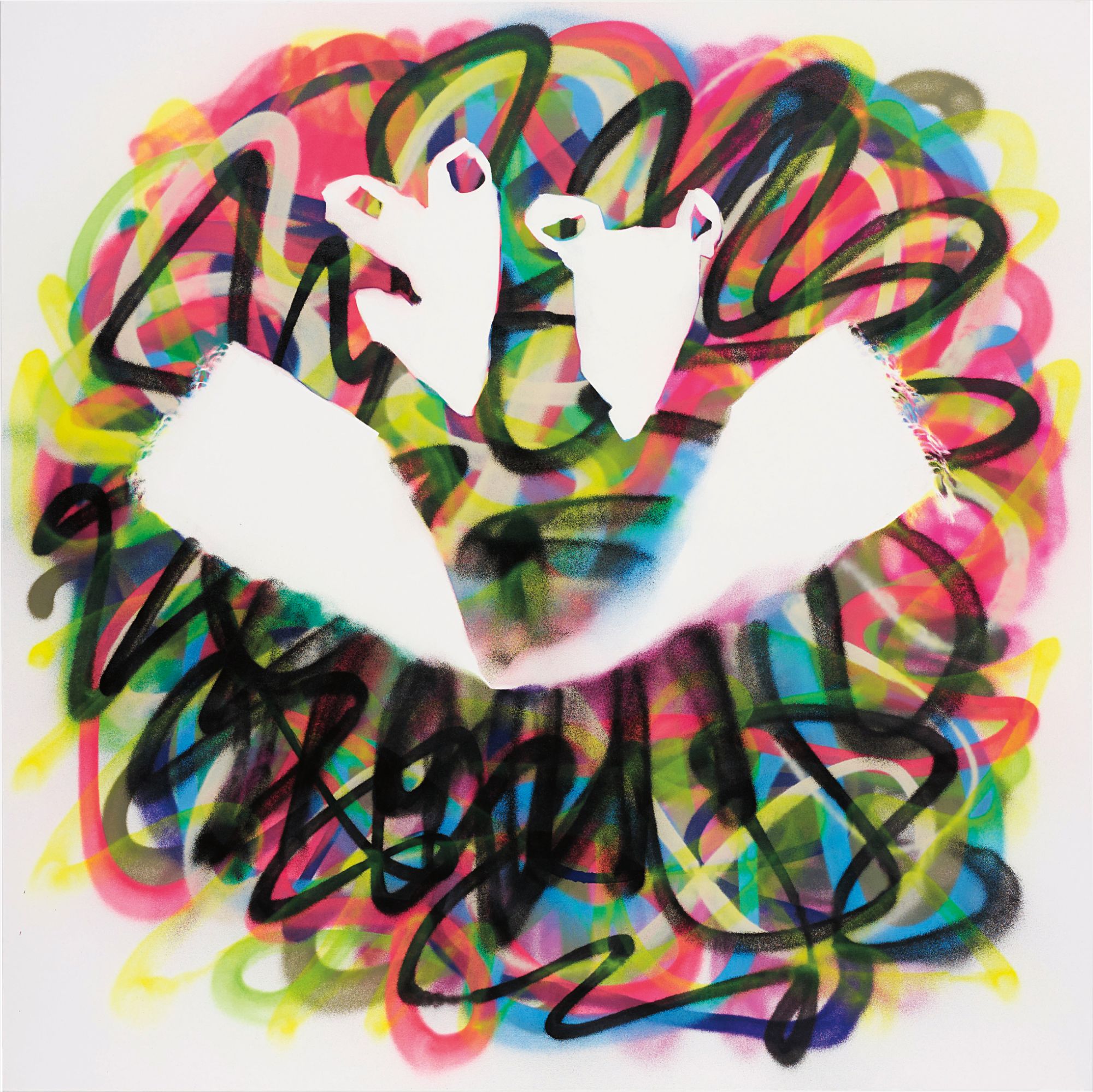
Eddie Peake
Queen 3
His engagement with the body places him in dialogue with artists like Anthea Hamilton and Ryan Gander, both of whom share his interest in theatricality and the constructed nature of experience. His use of choreographed nude performance connects him to a longer lineage running through the work of Carolee Schneemann and Yoko Ono, artists who insisted on the body as primary artistic material. But Peake brings to this tradition a specifically contemporary sensibility around queerness and identity, one that feels urgent and relevant in a cultural moment that is still very much in the process of working out what it means to be embodied, gendered, and desired. What makes Peake matter, ultimately, is the quality of his attention.
He is an artist who looks at people with real care, who choreographs vulnerability without exploiting it, who makes objects that are visually seductive but intellectually honest. His best works stay open, refusing the kind of neat resolution that flatters an audience rather than challenging it. The spray painted steels, the canvases, the performances and videos: all of them share a commitment to keeping the encounter alive, keeping something at stake. That is a rare quality in any artist, and it is why Peake's work continues to find new audiences and new advocates, one attentive viewer at a time.