Dutch School, 17th century
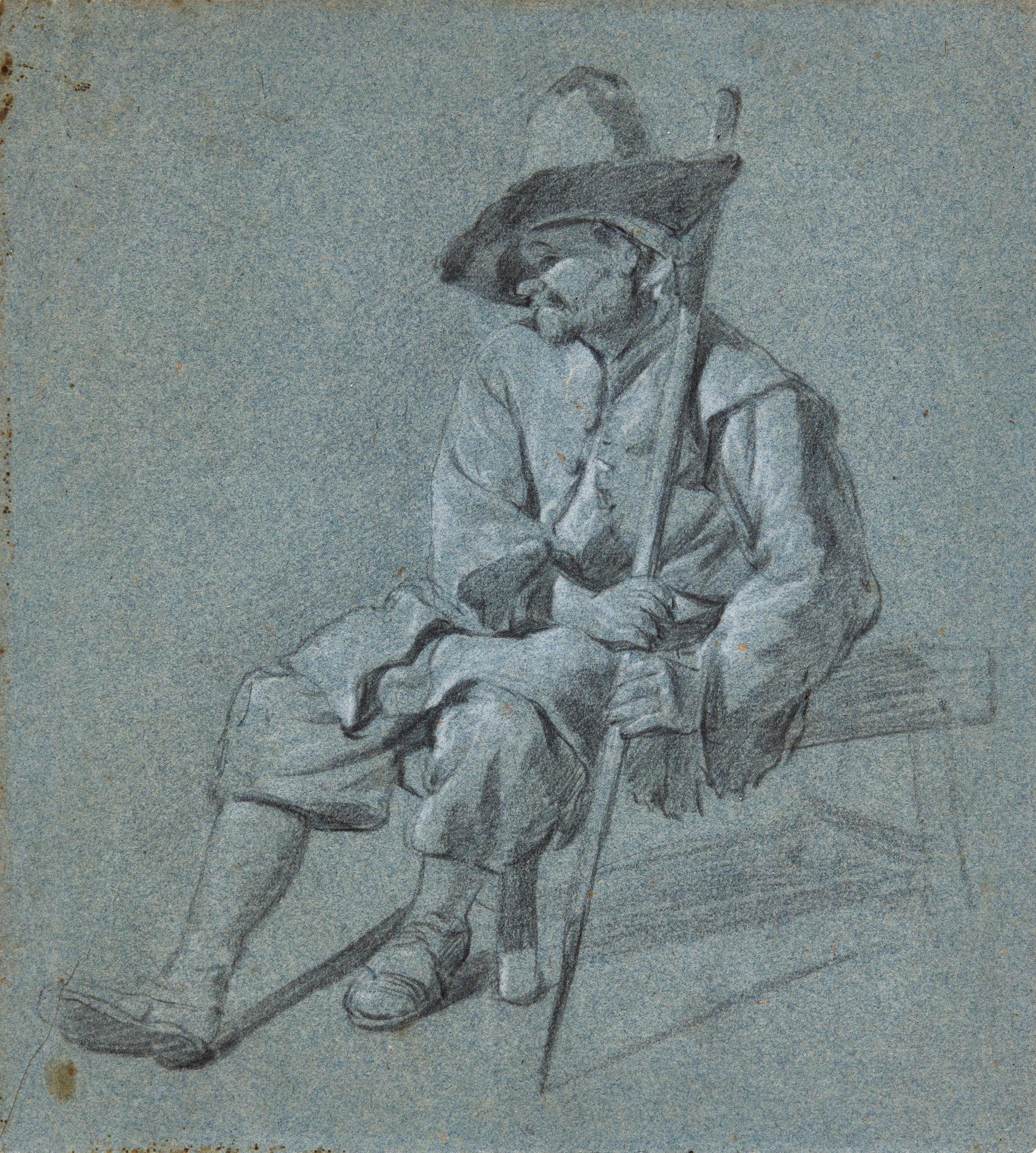
Golden Light, Enduring Vision, Timeless Dutch Mastery
Artist Spotlight · The Collection Editorial
Imagine standing in a modest Amsterdam canal house in 1660, morning light pressing through leaded glass windows and falling across a table set with pewter, bread, and a half peeled lemon. The painter at work in the corner is not famous yet, perhaps never will be in his own lifetime, but his eye is extraordinary. He sees the way shadow pools beneath a silver cup, the way cloth catches and releases light, the way ordinary life contains something very close to the divine. This is the world of the Dutch School, 17th century, and its power to move us has not diminished by a single degree in four hundred years.
The story of Dutch Golden Age painting cannot be separated from the remarkable political and economic transformation of the Dutch Republic in the early 1600s. Following independence from Spanish rule, the northern provinces of the Netherlands became one of the wealthiest and most commercially dynamic societies in the world. Amsterdam grew into a global trading hub, its port crowded with ships carrying spices, textiles, and exotic goods from every corner of the earth. This prosperity created something unprecedented in European art history: a vast, hungry middle class of merchants, lawyers, and skilled tradespeople who wanted art for their homes, not just for churches and aristocratic palaces.
Painters responded to this new market with imagination and discipline, developing genres and techniques suited to domestic interiors and personal ambition rather than grand theological programmes. The formation of the great Dutch painters was shaped by apprenticeship, guild membership, and the competitive vitality of city workshops. Rembrandt van Rijn trained under Jacob van Swanenburgh in Leiden before moving to Amsterdam, where he became the most celebrated portraitist of his age. Johannes Vermeer spent his entire life in Delft, working within a tight circle of local patrons and developing his miraculous command of interior light.
Frans Hals in Haarlem built a reputation for loose, vivid brushwork that captured personality with startling immediacy. Jan Steen, Pieter de Hooch, Gerard ter Borch, and dozens of their contemporaries each found their own corner of visual experience to illuminate with technical brilliance. What united them was a shared belief that the visible world, observed with honesty and patience, was worthy of the highest artistic ambition. The range of subjects mastered by Dutch School painters is breathtaking in its ambition and variety.
Portraiture was the economic backbone of the period, and works attributed to the Dutch School include individual likenesses, group portraits, and the beloved tronies, character studies of anonymous figures in exotic dress or theatrical expression. Still life painting reached a peak of philosophical and technical sophistication, with vanitas compositions reminding viewers of mortality through skulls, guttering candles, and overripe fruit placed alongside objects of beauty and luxury. Genre painting brought the interior lives of ordinary citizens onto canvas with warmth and wit, depicting market scenes, musical gatherings, domestic kitchens, and the quiet pleasures of a letter read by a window. Landscape painters including Jacob van Ruisdael and Meindert Hobbema developed a vision of the Dutch countryside, flat horizons, enormous cloud filled skies, and light moving across water and meadow, that would fundamentally shape the course of Western landscape art for centuries.
At auction, works attributed to Dutch School, 17th century occupy a particularly interesting and accessible position in the market. Major institutions including the Rijksmuseum in Amsterdam, the Mauritshuis in The Hague, the Gemäldegalerie in Berlin, and the Metropolitan Museum of Art in New York have long held distinguished collections of Golden Age paintings, and their scholarship has helped collectors understand the range of quality and attribution that characterises the period. Works sold under the Dutch School attribution can range from delightful cabinet pictures by gifted but undocumented painters to works by documented followers and workshop associates of major masters. Collectors who bring patience and a good eye to this area of the market often find remarkable value: a beautifully preserved still life or an atmospheric landscape from the period can offer genuine historical resonance and visual pleasure at prices well below those commanded by signed works from the same era.
Condition, provenance, and the strength of the composition are the primary considerations for any serious buyer. To collect in this area is to enter into a conversation with some of the most celebrated names in art history. The Dutch School's influence on later painting is immense and direct. The luminism of the Barbizon painters, the domestic intimacy of the Impressionists, the still life traditions running through Cézanne and beyond, all draw nourishment from the example set in 17th century Amsterdam, Delft, Haarlem, and Leiden.
Collectors drawn to Chardin, to Vermeer's more affordable contemporaries, or to the quiet realist traditions of 19th century European painting will find the Dutch Golden Age a natural and rewarding extension of their interests. The period also sits in productive dialogue with contemporary painters working in realist and figurative traditions, who return again and again to Dutch precedents for lessons in light, observation, and the dignity of everyday life. The legacy of the Dutch School in the 21st century is as vital as ever. The Rijksmuseum's celebrated reopening in 2013 after a decade long renovation brought renewed global attention to its extraordinary collection of Golden Age works, with Rembrandt's Night Watch and Vermeer's The Milkmaid attracting millions of visitors and generating widespread cultural conversation.
Scholarly interest remains intense, with ongoing research into attribution, workshop practice, and the social histories of individual works constantly enriching our understanding of the period. Digital imaging and technical analysis have opened new windows into the methods these painters used, revealing underdrawings, pentimenti, and layering techniques of remarkable sophistication. For collectors, for museum visitors, and for anyone who has stood before a small canvas showing a table, a window, and the everyday miracle of light, the Dutch School of the 17th century offers something that never grows old: the confirmation that ordinary life, seen clearly and painted with love, is endlessly worth looking at.
Explore books about Dutch School, 17th century
The Dutch Golden Age: Art and Literature in the Seventeenth Century
Simon Schama
Rembrandt's Enterprise: The Studio and the Market
Christopher White
Dutch Paintings of the Seventeenth Century
Bob Haak
The Age of Rembrandt: Art in Holland in the 17th Century
Jan Kelch
Dutch Art and Architecture 1600-1800
Rosalind Savignac
The Golden Age: Dutch Painters of the Seventeenth Century
Michael Levey
Dutch Landscape Painting of the Seventeenth Century
Wolfgang Stechow
Masters of Light: Dutch Painters in the Golden Age
Svetlana Alpers