Duane Hanson
Duane Hanson: America's Most Human Sculptor
Artist Spotlight · The Collection Editorial
“My work deals with people who lead lives of quiet desperation. I see frustration, emptiness, and the sameness of their existence.”
Duane Hanson, interview, 1970s
There is a particular moment, experienced by thousands of museum visitors over the past five decades, that no other artist in the twentieth century could reliably engineer. You are walking through a gallery, perhaps at the Neue Galerie in New York or the Kunsthalle in Hamburg, and you spot a woman slumped in a folding chair surrounded by flea market finds, or a broad shouldered man in board shorts clutching a surfboard. You prepare to excuse yourself. You hesitate.
Duane Hanson
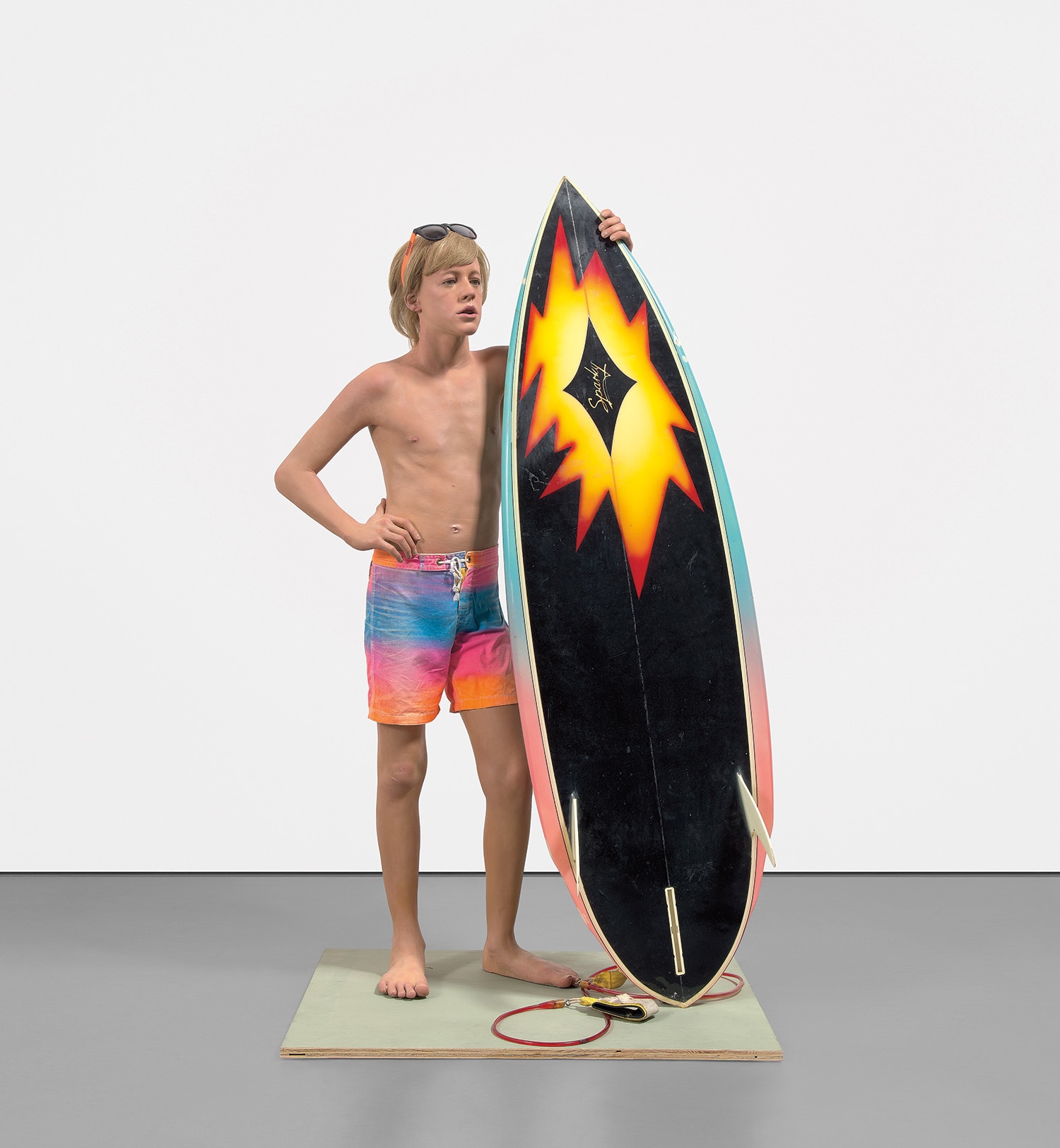
Surfer, 1987
Your brain recalibrates. That uncanny pause, that shimmer of genuine uncertainty about whether you are looking at a person or a work of art, is the singular gift of Duane Hanson, and it remains as potent today as it was when he first stunned the art world in the late 1960s. His legacy is being actively reexamined by a new generation of curators and collectors who recognize that his compassion for ordinary American life was itself a radical act. Hanson was born in 1925 in Alexandria, Minnesota, the son of a Swedish American dairy farmer.
The flat, working landscapes of the upper Midwest shaped his sensibility in ways that would prove lifelong. He was not born into privilege or proximity to the art world, and that distance gave him a perspective that remained clear eyed and unsentimental throughout his career. He studied at Luther College in Iowa, then at the University of Washington, and eventually earned his MFA from Cranbrook Academy of Art in Michigan in 1951. Cranbrook, with its emphasis on craft, materiality, and a deeply considered relationship between art and daily life, proved formative.
Duane Hanson
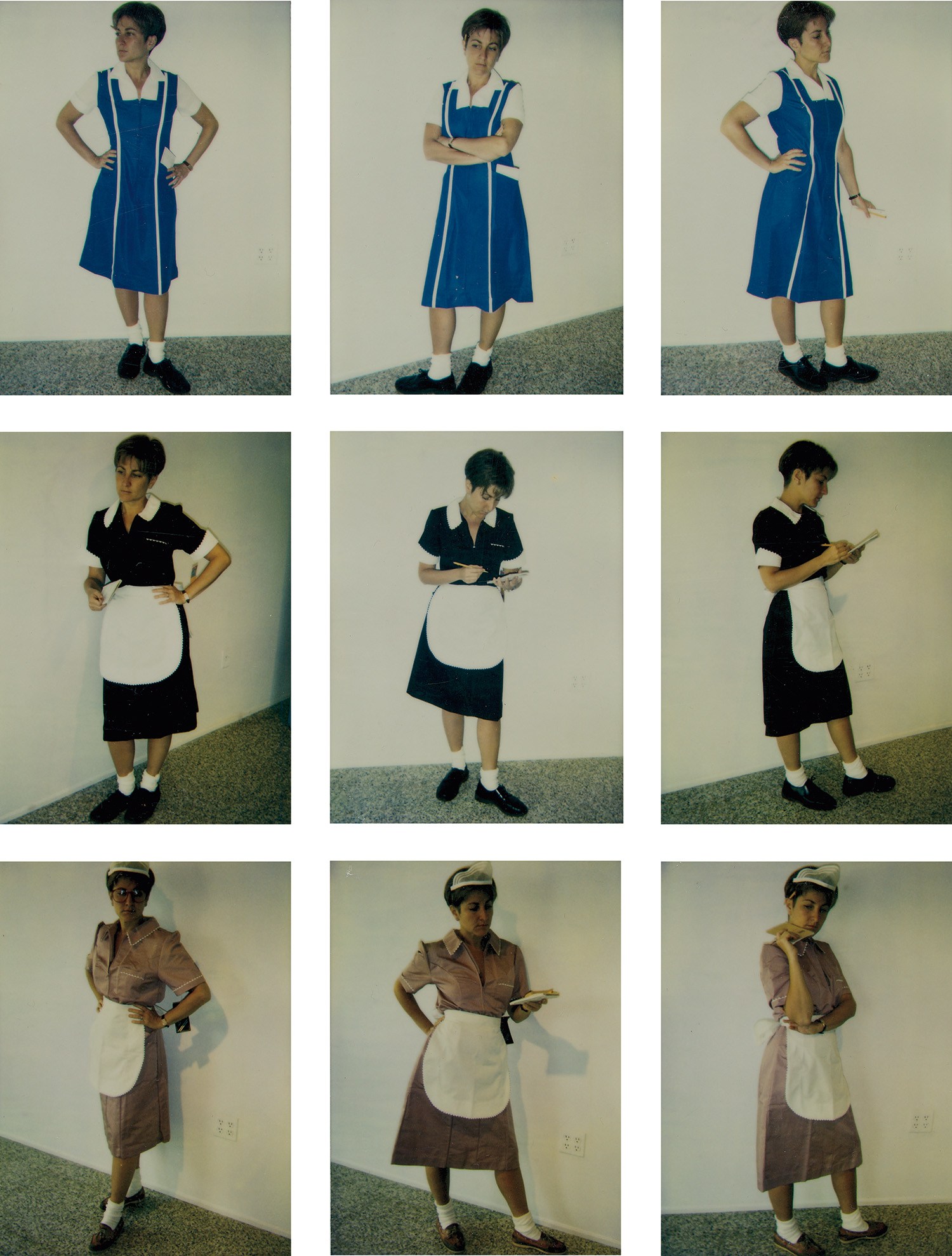
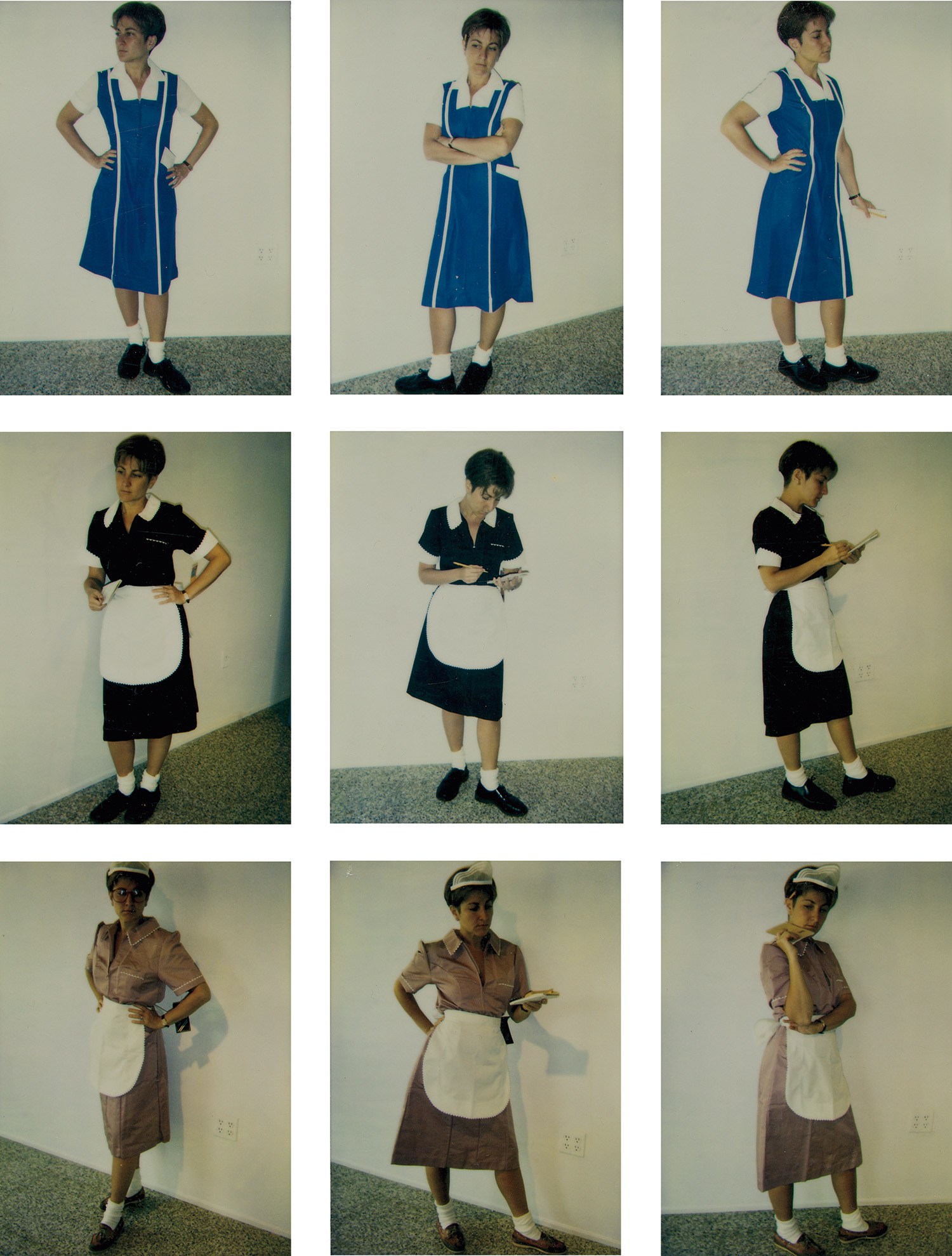
Waitress
Hanson spent time teaching in Germany during the 1950s, where he encountered European figurative traditions and the charged political climate that would inform his earliest mature work. By the mid 1960s, Hanson had settled in Florida and was beginning to push his sculptural practice toward something genuinely new. His early works, produced in fiberglass and polyester resin, were provocative tableaux addressing social violence, including pieces depicting war casualties and civil rights brutality. These works, raw and confrontational, brought him early attention in New York when dealer Ivan Karp exhibited them at OK Harris Gallery in SoHo around 1969.
The shock value of those early pieces was unmistakable, but Hanson quickly recognized that the deepest power in his approach lay not in spectacle but in stillness, not in drama but in the profound dignity of the unremarkable. He pivoted toward the subjects that would define his reputation: the supermarket shopper, the construction worker, the museum guard, the elderly tourist. What distinguishes Hanson from other artists working in figuration or even within the Superrealist movement is his radical empathy. Each figure was cast from a living model using meticulous life casting techniques, then finished with extraordinary attention to skin tone, hair, veins, and the specific weight of clothing worn over years.
Duane Hanson
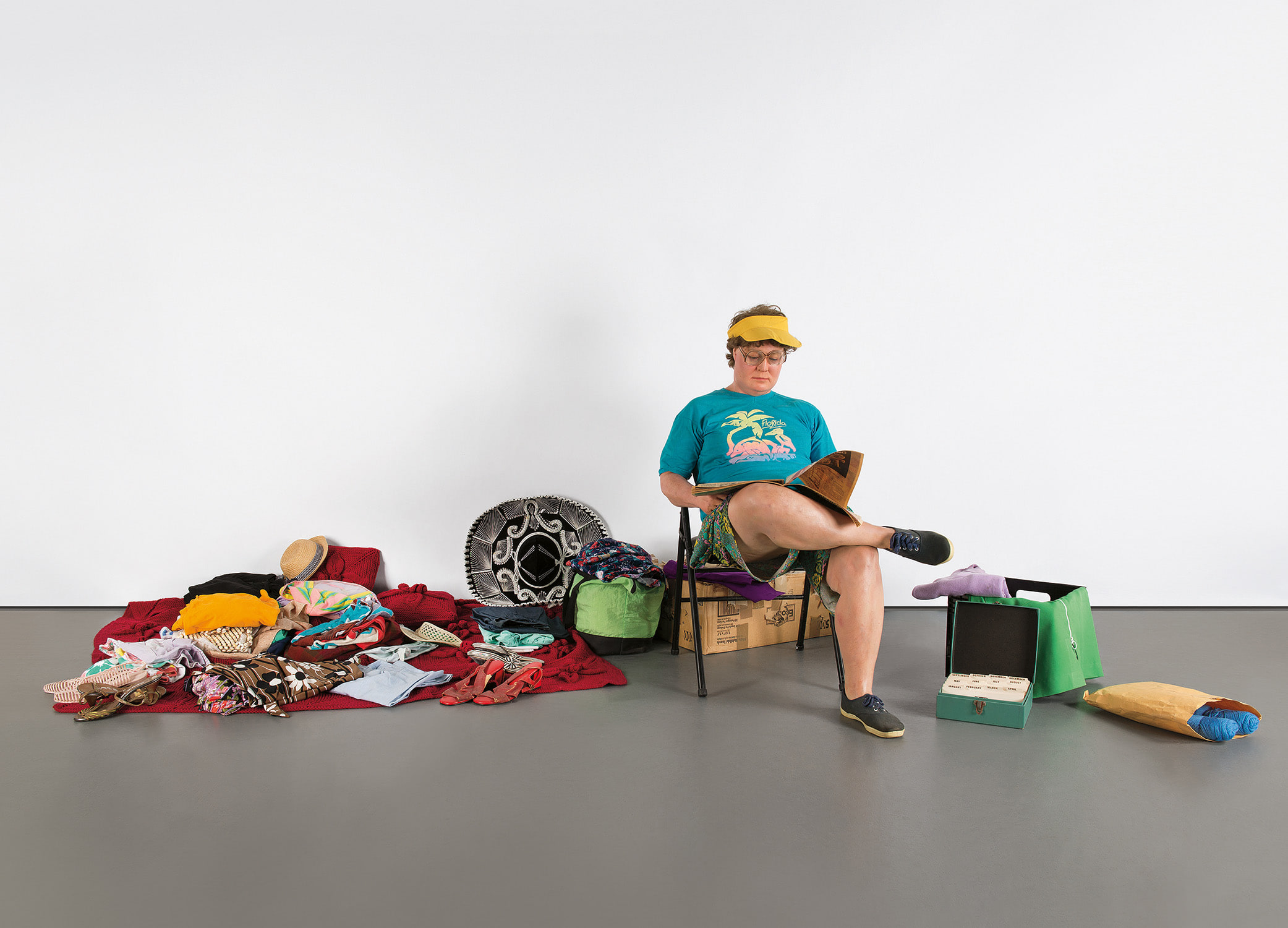
Flea Market Lady, 1990
He worked closely with polyester resin and fiberglass in his earlier decades, later shifting toward polychromed bronze and polyvinyl, which allowed for even greater naturalism and durability. His 1987 work Surfer, rendered in polychromed polyvinyl with mixed media accessories, captures a young man in that particular state of bored anticipation that belongs entirely to beach culture and to youth. The Flea Market Lady from 1990, composed of polychromed bronze, found textiles, newspaper, and a metal folding chair, is among his most tender achievements, a woman so complete in her world that she seems to require nothing from the viewer except recognition. These are not caricatures.
They are portraits of a country. The art historical context around Hanson is rich and worth understanding for any serious collector. He is consistently grouped with the Superrealist or Hyperrealist movement that emerged in the United States during the late 1960s and early 1970s, alongside painters such as Chuck Close and Richard Estes, who brought the same obsessive fidelity to the photographic image in two dimensions. In three dimensions, John De Andrea was his closest peer, though De Andrea gravitated toward idealized nude figures while Hanson remained committed to the clothed, the working, the aging, the overlooked.
Hanson's work also invites comparison with the Pop sensibility of artists like George Segal, who likewise cast figures from life, though Segal's ghostly white plaster forms operated in a register of abstraction that Hanson deliberately refused. Hanson wanted you to see the figure completely, to feel implicated in your own act of looking. From a collecting perspective, Hanson's market reflects the exceptional rarity and physical complexity of his output. He was not a prolific artist by the standards of the market.
Each work required months of labor, from initial casting sessions with models to the painstaking application of color, hair, and accessories. His sculpture appears regularly at the major auction houses, including Christie's and Sotheby's, where individual works have achieved prices well into the millions of dollars. Collectors are drawn not only to the virtuosity of the objects themselves but to their extraordinary presence, the way a single Hanson figure can anchor a room and transform every other work around it. Works on paper and photographic documentation related to his practice are also of collecting interest.
When evaluating a Hanson, provenance and condition of the surface polychromy are paramount, as the painted surfaces carry the full emotional weight of the work. Hanson's influence on contemporary art has been substantial and continues to grow. Artists working in hyperrealistic figuration today, from Ron Mueck to Maurizio Cattelan, owe a meaningful debt to the territory Hanson opened. Mueck in particular extends Hanson's interest in psychological vulnerability, though with a surrealist distortion of scale that Hanson never pursued.
What no one has quite replicated is Hanson's specific democratic commitment, his insistence that a woman resting in a folding chair with her shopping bags deserved exactly the same sustained artistic attention as any subject in the Western figurative canon. That argument, made in polyvinyl and bronze and found objects across a career of nearly four decades, still feels urgent. Duane Hanson died in Boca Raton, Florida in January 1996, leaving behind a body of work that has only grown in stature with time. Major institutions including the Smithsonian American Art Museum, the Whitney Museum of American Art, and the Tate Modern hold his work in their permanent collections.
His estate continues to work carefully to preserve and document his legacy. For collectors who believe that art should ask something of its audience, that it should make you stop, reconsider, and look again at the world you thought you already understood, Hanson remains one of the most rewarding figures in postwar American art. To live with a Hanson is to live with a sustained act of attention, and that is among the most generous things a work of art can offer.
Featured Works
Explore books about Duane Hanson
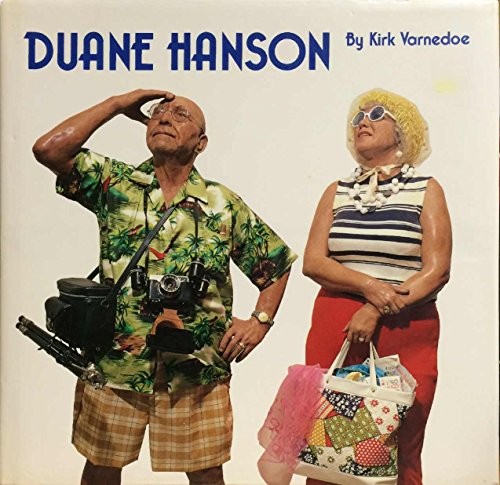
Duane Hanson
Kirk Varnedoe
Duane Hanson: A Survey of His Work
Janet Koplos
Duane Hanson: Sculptures and Drawings
Multiple authors
Super Realism: A Critical Anthology
Gregory Battcock

Duane Hanson: The Complete Sculpture
Robert McDonald Parker