Dorothea Lange
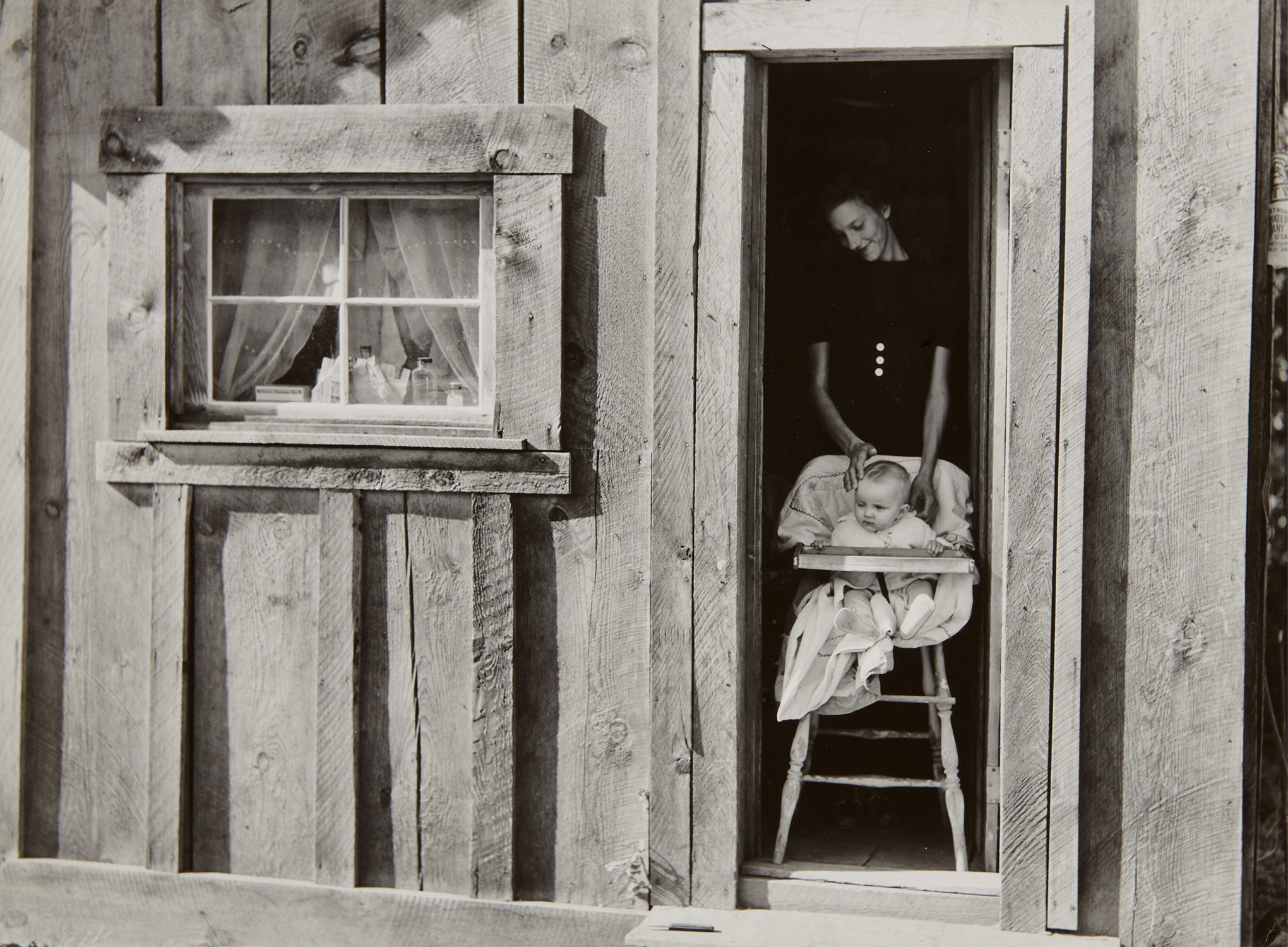
Dorothea Lange: A Lens Full of Humanity
Artist Spotlight · The Collection Editorial
“The camera is an instrument that teaches people how to see without a camera.”
Dorothea Lange
There are photographs that document, and then there are photographs that testify. Dorothea Lange belonged to the second and rarer tradition. When the Museum of Modern Art in New York staged its landmark retrospective of her work in 1966, just months after her death, the response from critics and visitors alike confirmed what many had long suspected: Lange had not simply recorded the American twentieth century, she had given it a conscience. Her gelatin silver prints remain among the most morally urgent images in the history of the medium, and their power has only deepened with time.
Dorothea Lange
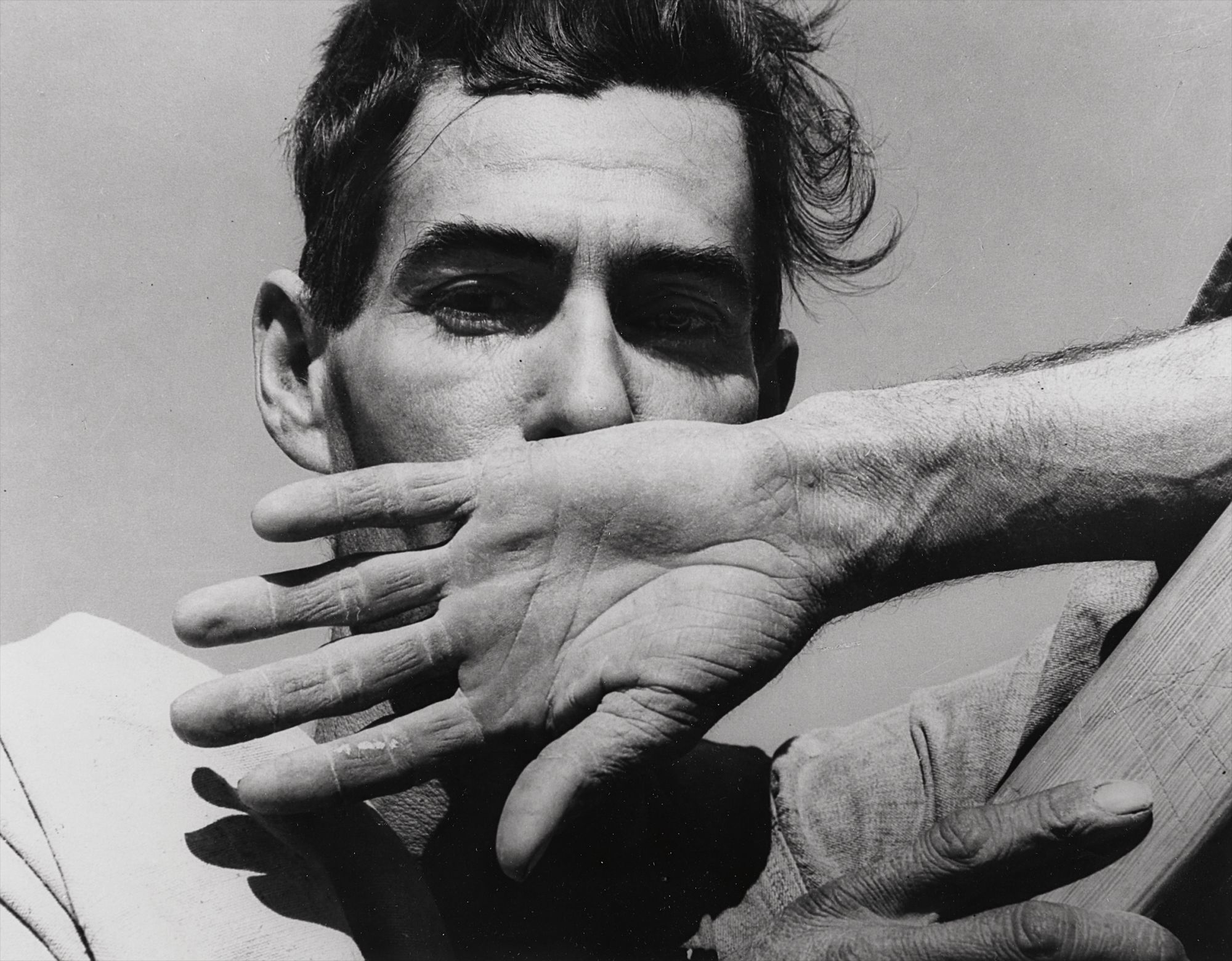
Migratory Cotton Worker, Eloy, Arizona
Lange was born in Hoboken, New Jersey in 1895, and her early life carried its own share of difficulty that would later inform her sensitivity to suffering. At the age of seven she contracted polio, leaving her with a permanent limp that she later described as one of the most important things that ever happened to her, shaping her capacity for empathy and her understanding of what it meant to exist on the margins. Her father abandoned the family when she was twelve, and she was raised largely by her mother in New York City, spending formative years moving between the Lower East Side and Hoboken. She studied at the New York Training School for Teachers, though she knew early on that photography, not the classroom, was her calling.
She apprenticed with the portraitist Arnold Genthe in New York and studied under Clarence H. White at Columbia University, absorbing the pictorialist traditions of the era before finding her own far more direct and socially alert voice. In 1918 she moved to San Francisco, where she established a successful portrait studio that served the city's wealthy clientele through the 1920s. But the Great Depression changed everything.
Dorothea Lange
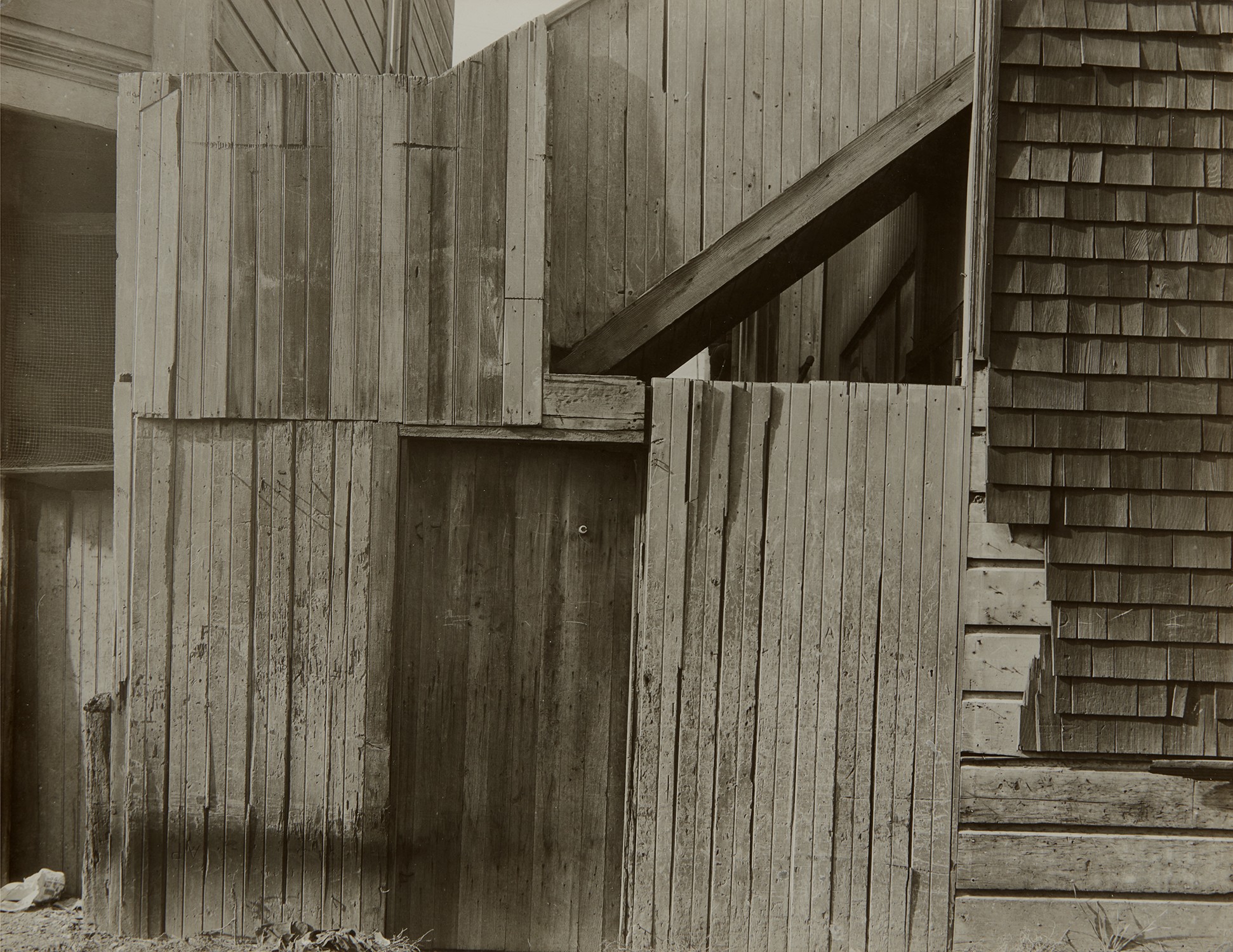
Mission District Firetrap, San Francisco, California
Around 1932, compelled by what she saw unfolding on the streets outside her studio window, she began photographing the unemployed men gathering in bread lines and on street corners. The shift from commissioned portraiture to documentary witness was the defining turn of her career. Her collaboration with the Farm Security Administration beginning in 1935 placed her at the center of one of the most ambitious documentary photography projects ever undertaken by an American government agency. Alongside contemporaries including Walker Evans, Ben Shahn, and Arthur Rothstein, Lange traveled through the agricultural landscapes of California, Arizona, and the broader American South, creating an archive of dispossession and resilience that would become foundational to the history of the medium.
“Which of my photographs is my favorite? The one I'm going to take tomorrow.”
Dorothea Lange
Her images of migrant farmworkers, drought refugees, and displaced families remain among the most searched and studied photographs in American cultural history. Works from this period held in the collection at The Collection, including pieces such as Migrant Cotton Worker Eloy Arizona, Cotton Picker San Joaquin Valley California November, and the extraordinary Missouri family of five near Tracy California from 1937, give a powerful sense of how she balanced formal rigor with emotional immediacy. Each print rewards close looking: the compositions are never accidental, the light always earned. The work that secured her place in the permanent conversation is of course Migrant Mother, Nipomo California, made in February 1936.
Dorothea Lange
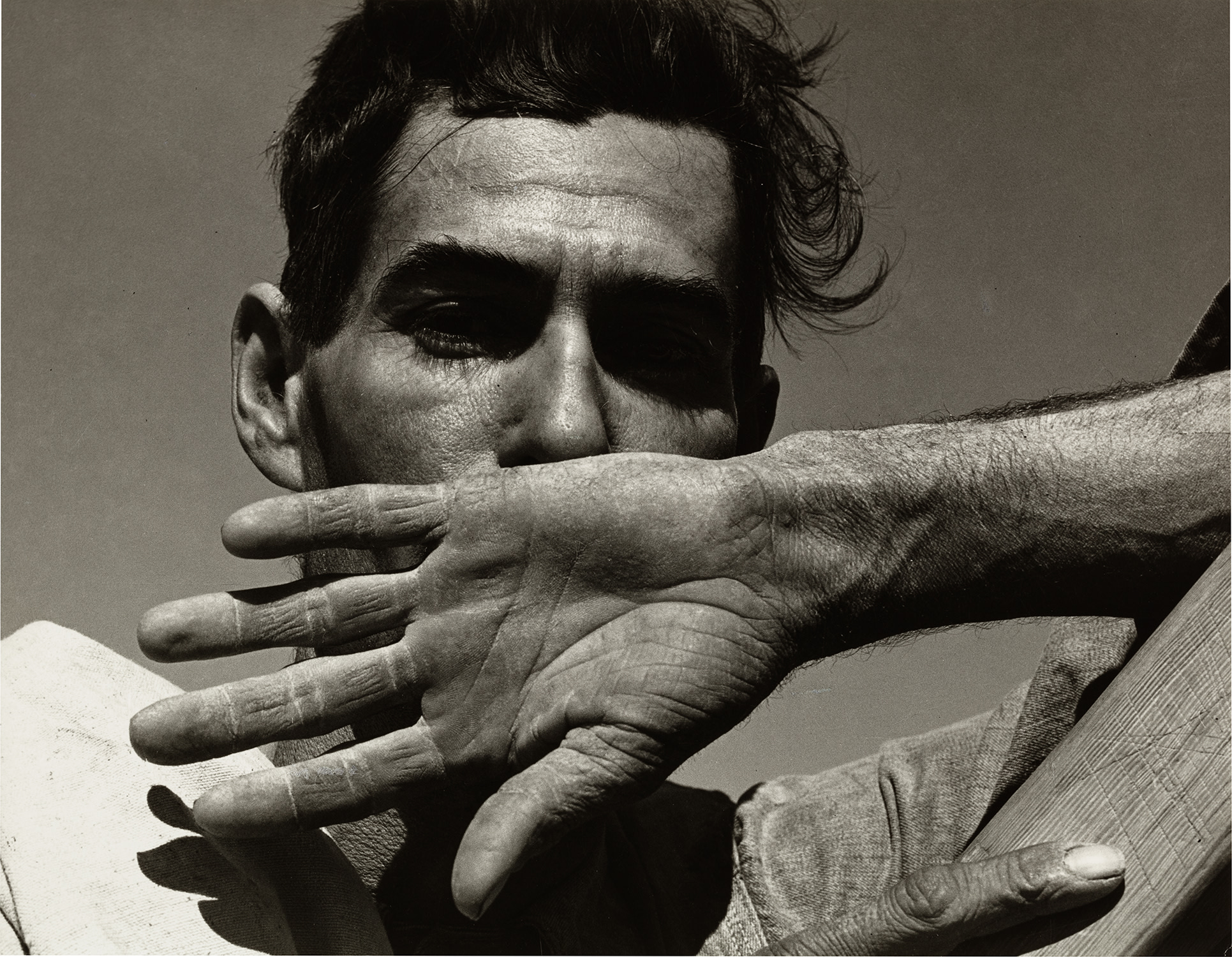
Migratory Cotton Picker, Eloy, Arizona
The image of Florence Owens Thompson and her children has become one of the most reproduced photographs in history, an icon of the Depression era and of photographic portraiture more broadly. What is sometimes lost in its ubiquity is how technically and compositionally precise it is, how the geometry of arms, faces, and fabric all pull toward a center of gravity that feels both intimate and monumental. Lange made six exposures that afternoon at a pea pickers camp in Nipomo; the final frame was the one that endured. Beyond that singular masterpiece, works like Funeral Cortege End of an Era in a Small Valley Town from 1938 reveal her range and her gift for narrative compression, capturing entire social histories within a single frame.
“A camera is a tool for learning how to see without a camera.”
Dorothea Lange, quoted in Aperture monograph
For collectors, Lange occupies a position of singular importance in the market for American photography. Vintage and early gelatin silver prints, particularly those bearing her Berkeley studio stamp or FSA documentation on the reverse, carry significant provenance weight and are increasingly sought after in the rooms at Christie's, Sotheby's, and Phillips. The market for her work has matured considerably over the past two decades, with major prints achieving results that reflect both their historical significance and their aesthetic authority. Collectors are drawn not only to the iconic FSA images but also to the lesser known California street work and her later projects, including the photographs she made in the American South, in Ireland, and in Asia during the 1950s and early 1960s.
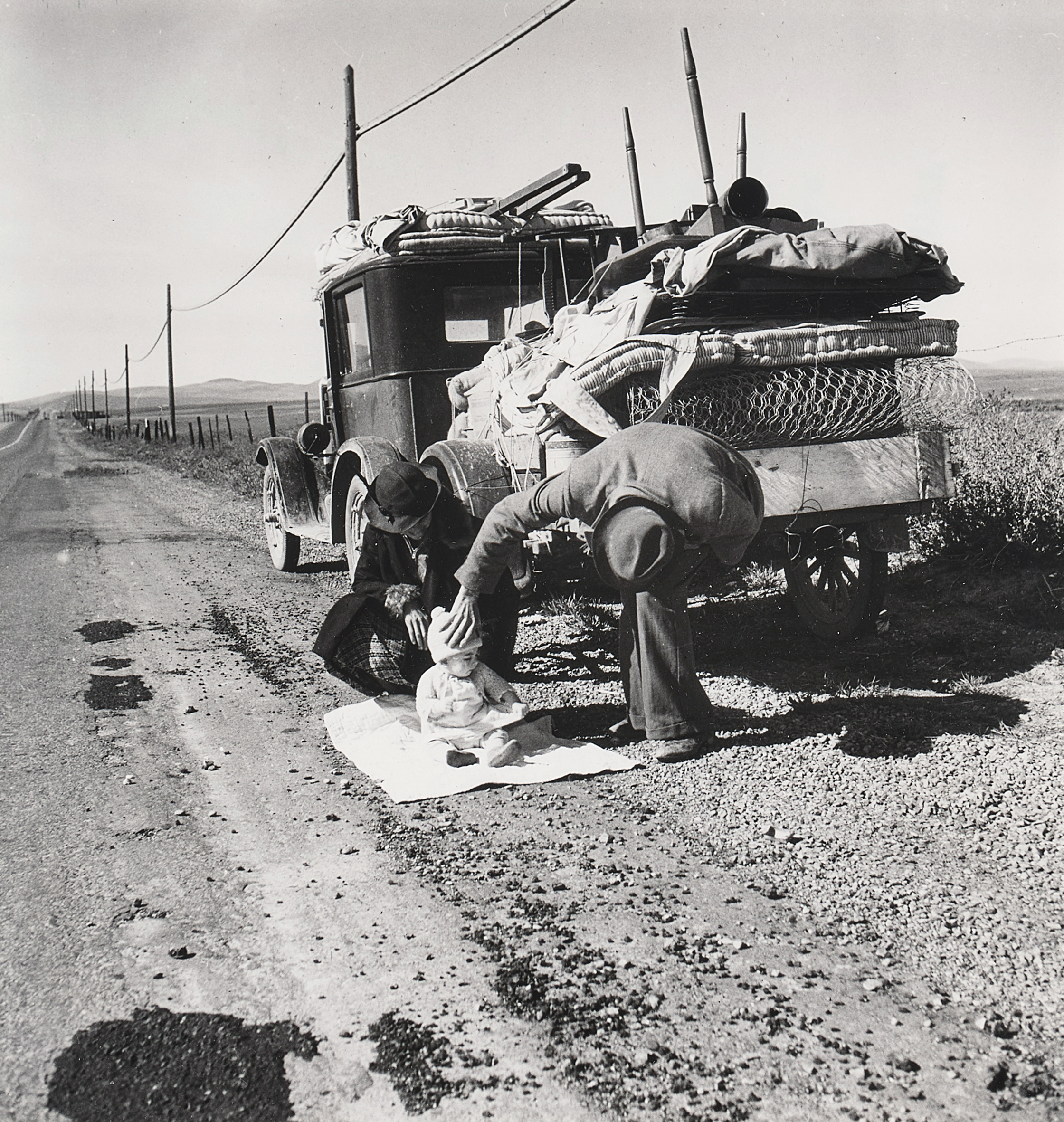
Dorothea Lange
Missouri family of five, seven months from the drought area, on U.S. Highway 99 near Tracy, California
What distinguishes a great Lange acquisition is the combination of strong provenance, print quality, and subject: works that demonstrate her compositional intelligence alongside her documentary commitment. Within the broader arc of photography history, Lange sits comfortably alongside Walker Evans as one of the two defining figures of American documentary practice in the twentieth century. Her work anticipates the engaged social photography of later practitioners including Gordon Parks, who shared her commitment to making visible what official culture preferred to look away from. She is also a crucial figure in the history of women in photography, having navigated professional structures that were far more hostile to women than is often acknowledged, achieving institutional recognition at a time when the field was dominated by men.
Her influence on subsequent generations of documentary photographers worldwide is incalculable. The reason Lange matters so urgently today has less to do with nostalgia than with relevance. The subjects she pursued, agricultural labor, displacement, poverty, the dignity of people in extremis, remain among the defining concerns of our present moment. Her photographs do not sentimentalize their subjects; they honor them.
She once described the camera as an instrument that teaches people how to see without a camera, and that instruction is exactly what her pictures continue to provide. To spend time with a Lange print is to be reminded that photography at its greatest is not a passive act of recording but an active, ethical, and deeply human one.
Featured Works
Migratory Cotton Worker, Eloy, Arizona
Mission District Firetrap, San Francisco, California
Migratory Cotton Picker, Eloy, Arizona
Missouri family of five, seven months from the drought area, on U.S. Highway 99 near Tracy, California
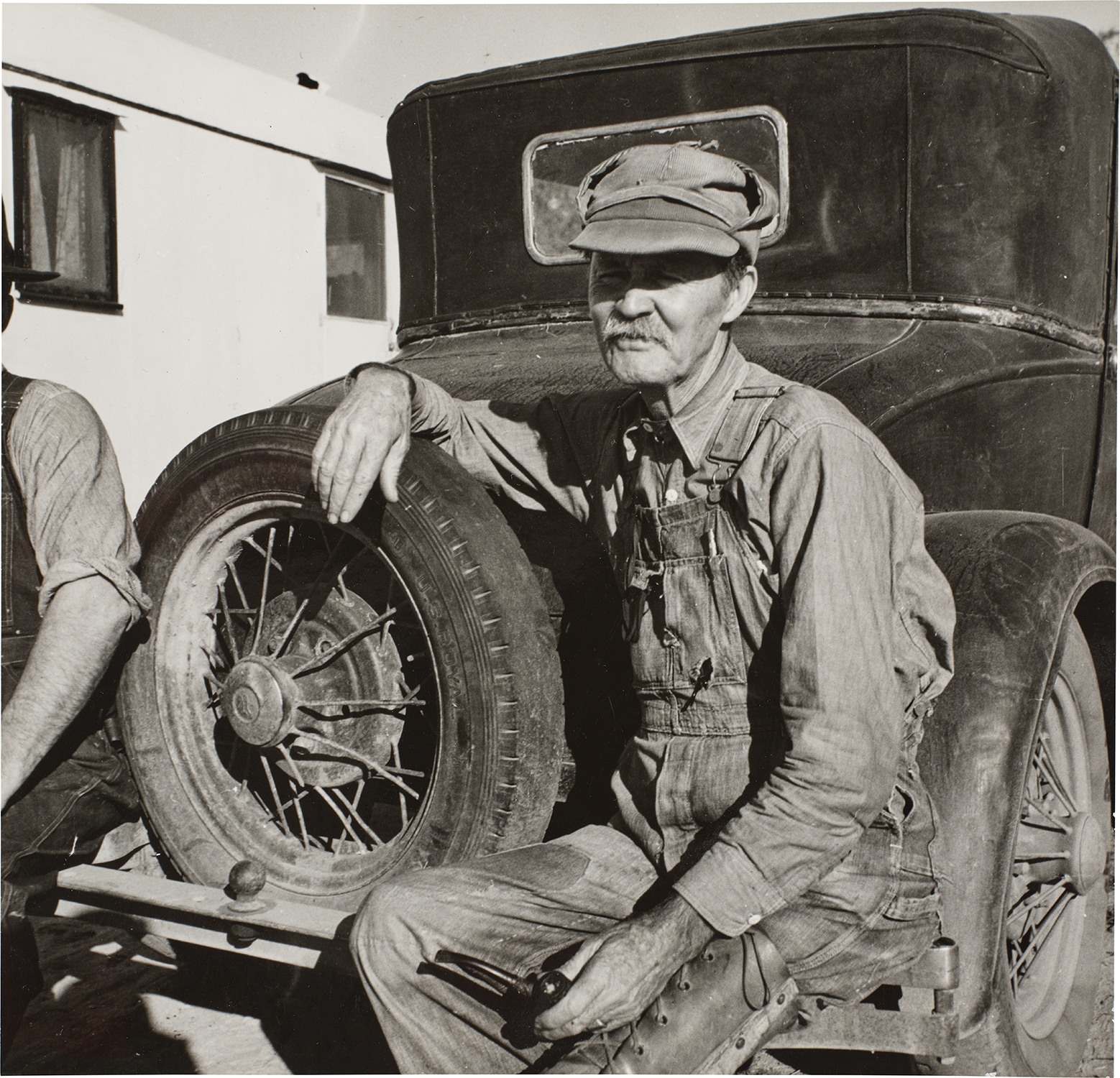
Oklahoman from Chickasha in Potato Pickers' Camp, Kern County, Spring
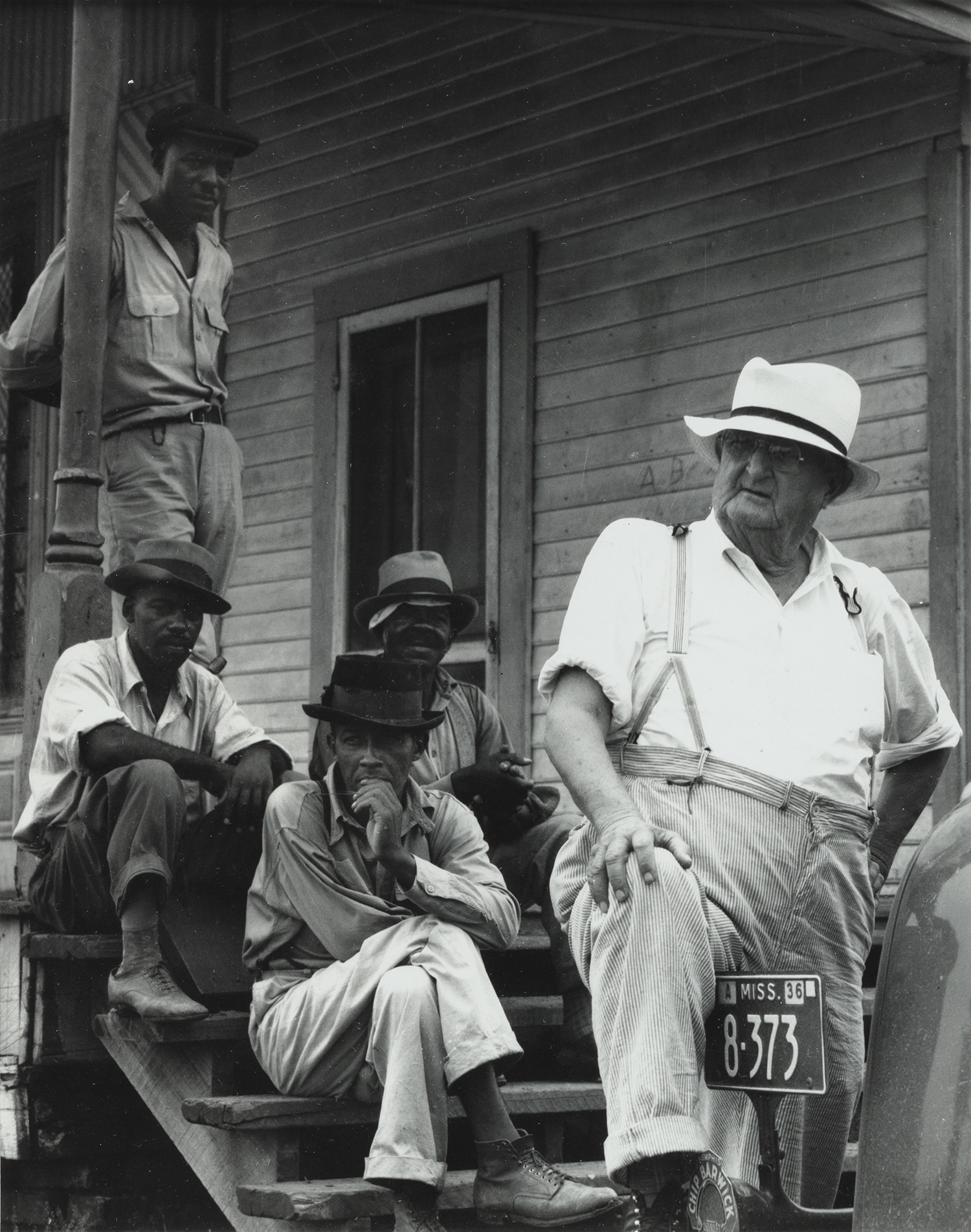
Plantation Overseer, Mississippi Delta, Near Clarksdale, Mississippi
Explore books about Dorothea Lange

Dorothea Lange: A Life Beyond Limits
Howard Levin and Katherine Northrup

Dorothea Lange: Photographs of a Lifetime
Robert Cormier
The Photographs of Dorothea Lange
Library of Congress
Dorothea Lange: The Making of a Documentary Photographer
Glenn G. Gilbert
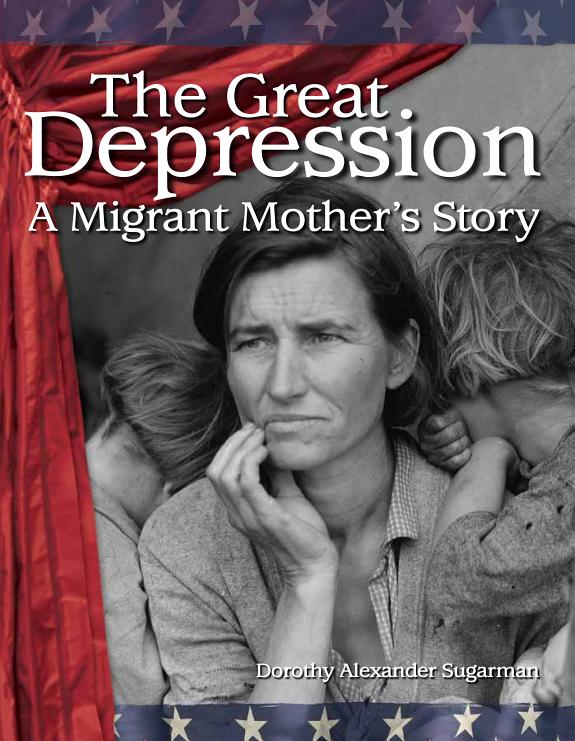
Migrant Mother: How a Photograph Defined the Great Depression
David Wolff
Dorothea Lange: Beyond the Lens
Anne Tucker