Dmitriy Grek
Dmitriy Grek: Tradition Alive With Feeling
Artist Spotlight · The Collection Editorial
There is a particular quality of attention that settles over a room when a bronze work by Dmitriy Grek is present. The surfaces carry weight not simply in the physical sense but in a deeper, more considered way, as if the material itself has been asked to remember something. Grek's sculptural and painted output, much of it produced in a concentrated period around 2014 and continuing into the latter part of the decade, speaks quietly but with unmistakable authority to collectors who prize the enduring traditions of the Russian academic school filtered through a genuinely personal sensibility. His presence in regional auction sales across Eastern Europe has been growing steadily, and those who have followed his practice closely describe the experience of encountering his work as something closer to recognition than discovery.
Dmitriy Grek
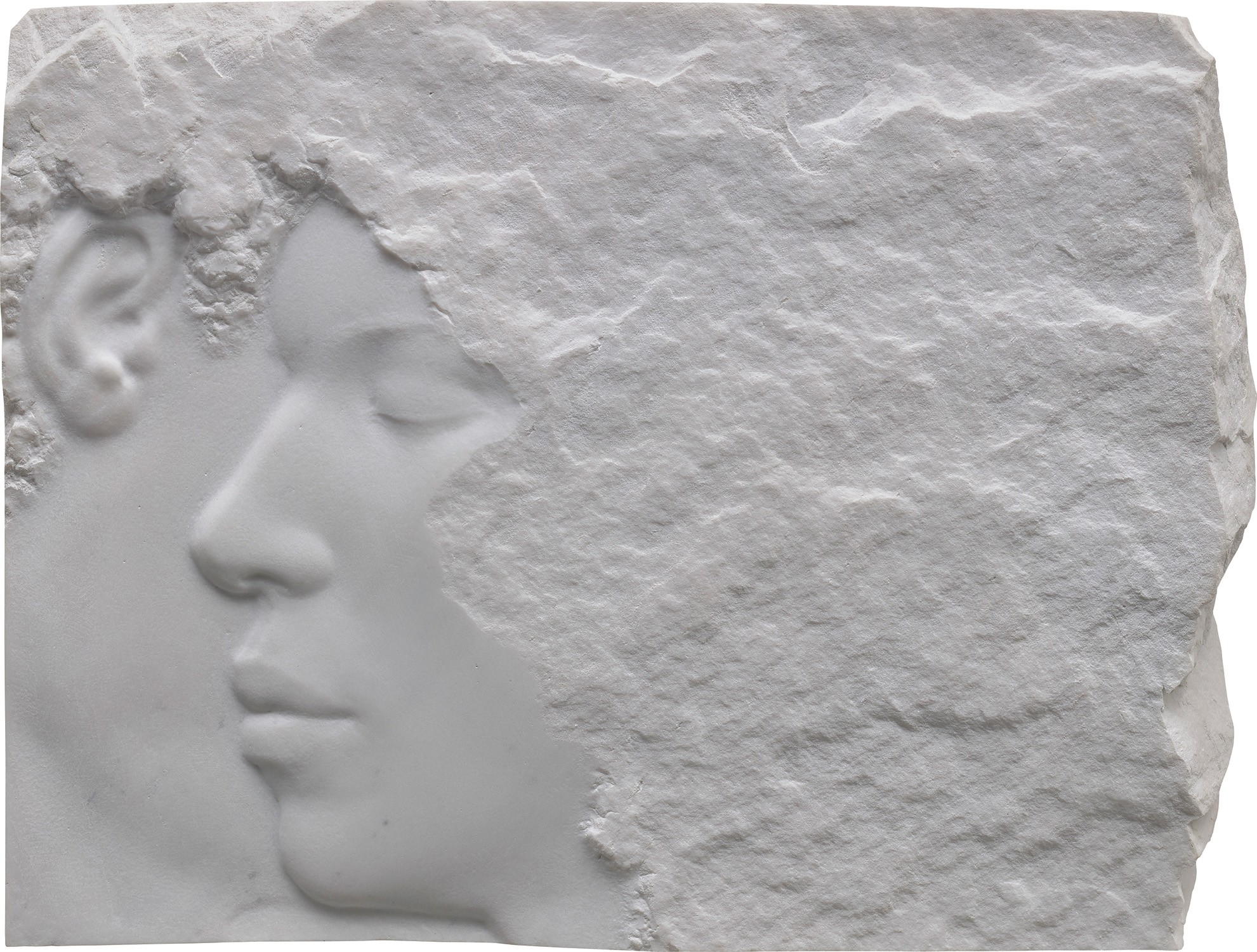
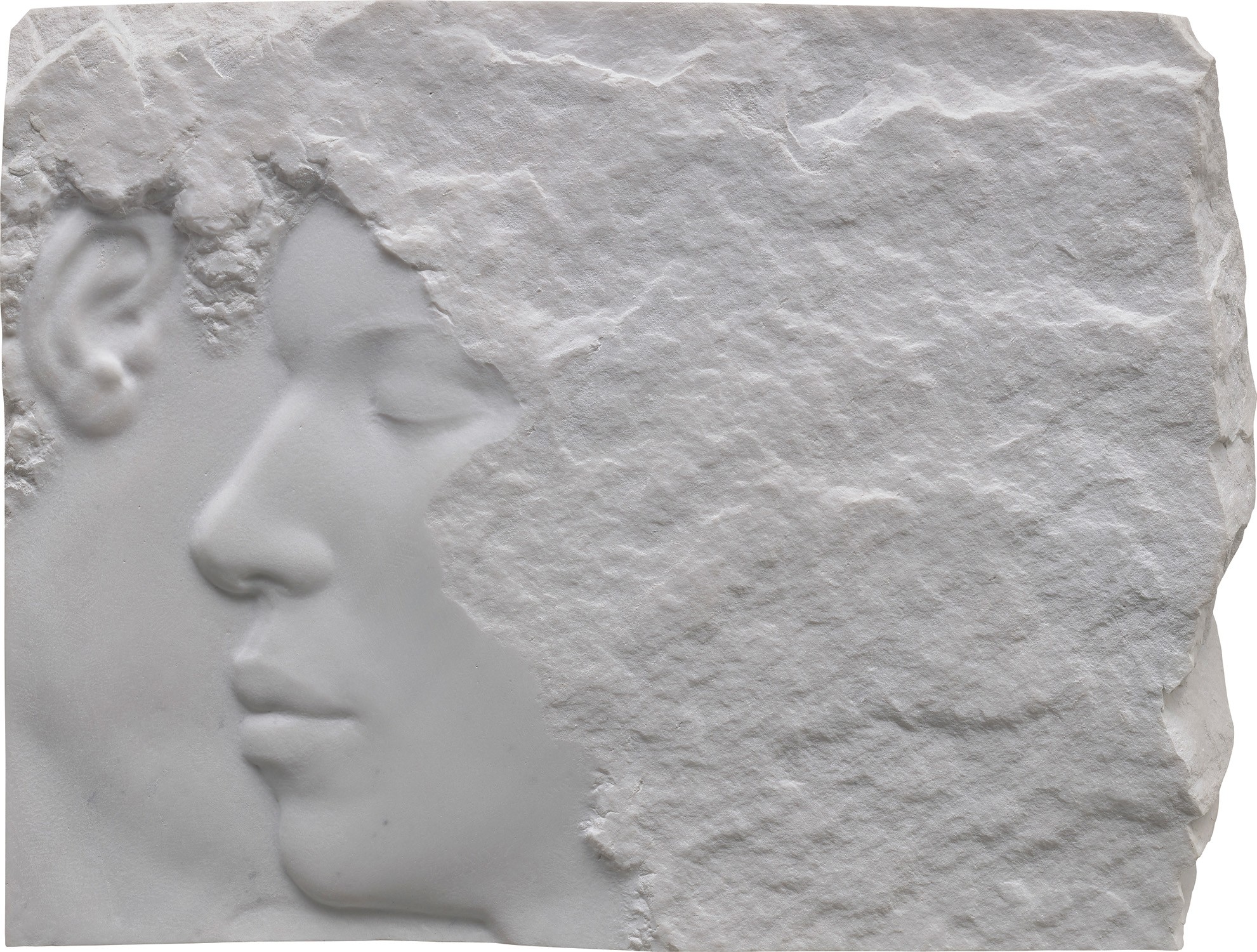
Contiguity, 2014
Grek emerged from the rich and demanding tradition of Russian figurative art, a lineage that traces its roots through the great realist painters of the nineteenth century and forward through the Soviet era academies that continued to prize draftsmanship, anatomical knowledge, and psychological depth long after Western contemporary art had moved in other directions. The Russian school of realism, exemplified by figures such as Ilya Repin and later carried into the twentieth century by painters working within and around the constraints of Socialist Realism, left a lasting infrastructure of technical rigor that shaped generations of artists. Grek belongs to a cohort that inherited this infrastructure not as a burden but as a foundation, using it to build something that feels both deeply rooted and genuinely their own. His development as an artist reflects the particular cultural and institutional landscape of post Soviet Russia, a period in which artists were simultaneously freed from ideological prescription and confronted with the challenge of finding new meaning within old forms.
Where some of his contemporaries turned toward irony or conceptual distance, Grek moved closer in. His figurative paintings demonstrate a commitment to the expressive possibilities of the painted surface itself, with a color palette that tends toward warmth and richness, earthy ochres and deep umbers punctuated by passages of unexpected luminosity. The brushwork in his canvases is confident and alive, never labored, suggesting an artist who has internalized his technical training so thoroughly that it no longer requires conscious effort. Among the works that best represent his range and ambition, the bronze sculptures from 2014 stand out with particular force.
Dmitriy Grek
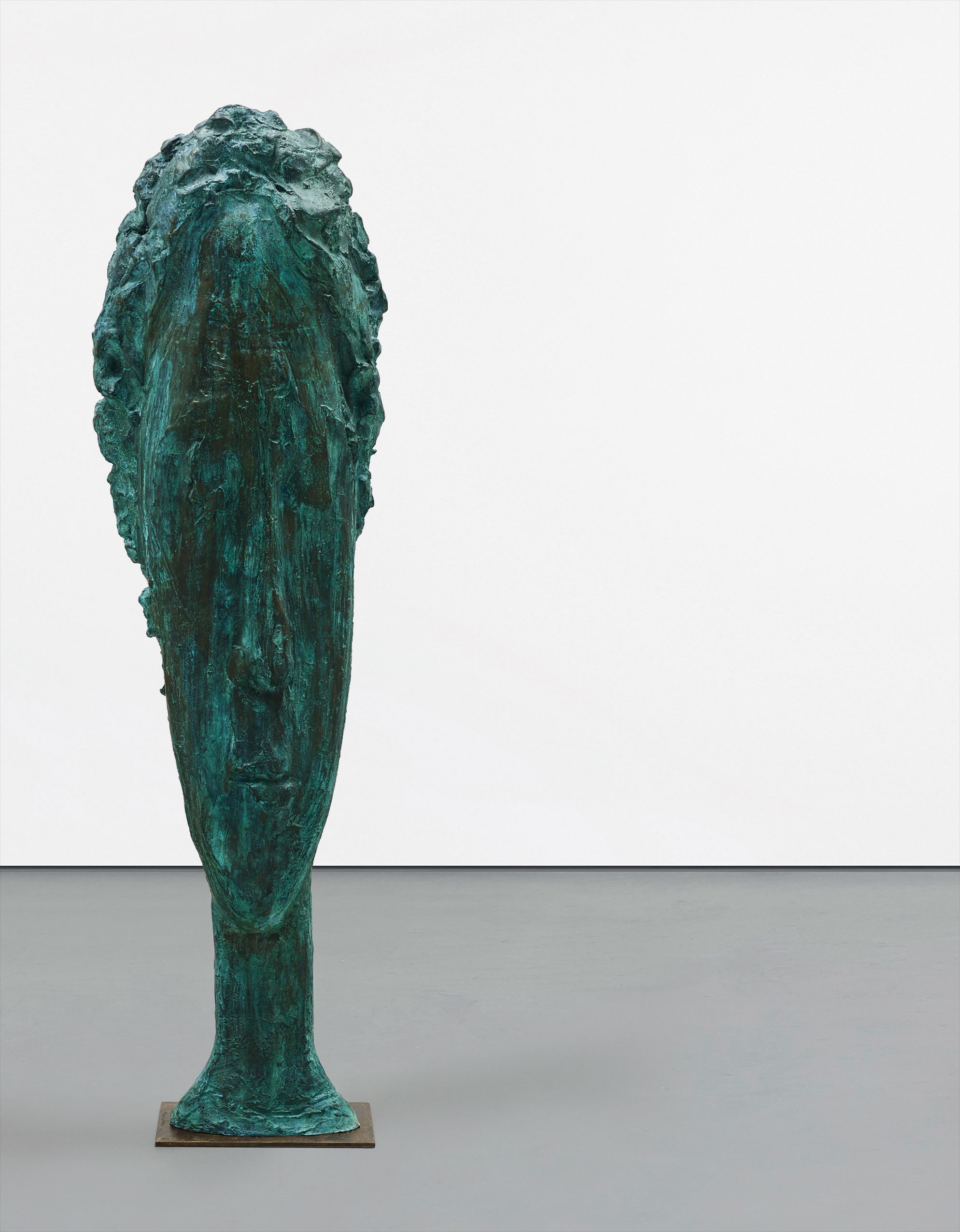
Portrait, 2014
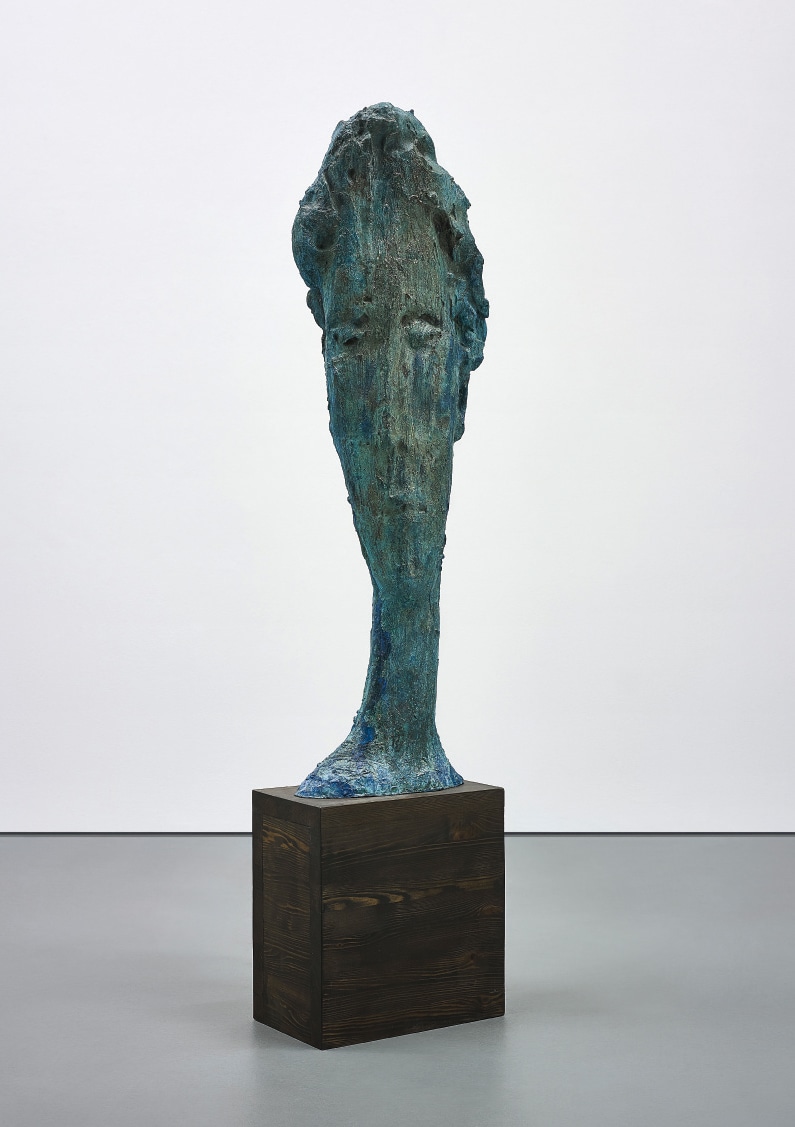
"Portrait" and "Portrait II," both created in that year, demonstrate Grek's fluency with the demands of sculptural portraiture, a discipline that requires the artist to resolve three dimensional form in a medium that is at once permanent and expressive. "Portrait II" benefits from its wooden plinth, which grounds the bronze head in a warm, organic contrast and signals a thoughtfulness about how objects exist in space and how they invite the viewer into relationship with them. The 2017 work "Adam's First Breath," executed in bronze with a blue patina, represents a more ambitious reach into symbolic and narrative territory. The blue patina distinguishes it visually from the 2014 bronzes and suggests an evolution in Grek's thinking about color as a sculptural rather than purely painterly tool.
The title invokes the oldest possible human story, creation itself, and the work carries that aspiration without strain. The marble work "Contiguity," also from 2014, is perhaps the most formally demanding piece in the known body of work available to collectors. White marble has an art historical weight that few materials can match, and choosing it for a work whose title points toward closeness and adjacency reveals an artist thinking carefully about the relationship between material and concept. The smoothness and luminosity of marble are inseparable from ideas of purity and continuity, and Grek's use of the material suggests a sensibility that is as intellectually engaged as it is technically accomplished.
Dmitriy Grek
Portrait II, 2014
For collectors building a collection with depth and conceptual coherence, "Contiguity" represents the kind of work that anchors and elevates everything around it. The collecting context for Grek's work sits within a broader and genuinely exciting category: post Soviet Eastern European art, a field that has attracted increasing serious attention from international collectors over the past two decades. Institutions and private collectors in Western Europe and North America have been reassessing the art produced in Russia and its neighboring regions during the late Soviet and post Soviet periods, recognizing that the critical infrastructure around this work has been slow to develop relative to its actual quality and interest. Artists working in the figurative and realist traditions, in particular, were often overlooked during periods when the Western art market was most focused on conceptualism and abstraction.
That oversight is being corrected, and collectors who position themselves thoughtfully in this space now have access to works of genuine quality at prices that are likely to look very different in a decade. Grek's peers and contemporaries within the Russian and Eastern European figurative tradition offer useful points of comparison for collectors situating his practice within a larger art historical frame. The sustained interest in academic and realist figuration among Russian artists connects Grek to a tradition that runs from the nineteenth century Wanderers through to contemporary practitioners who have maintained figurative discipline as a living and evolving practice rather than a nostalgic exercise. His work invites comparison with other post Soviet artists who have used portraiture and the human figure as a vehicle for psychological and emotional depth, producing objects that reward sustained looking and resist quick consumption.
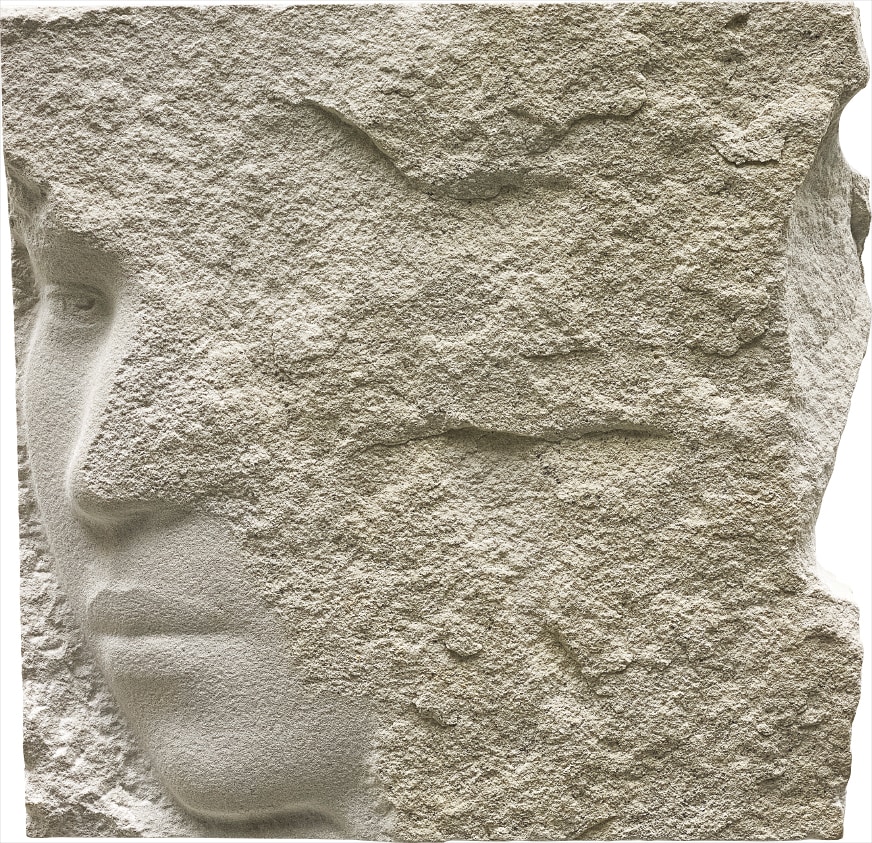
Dmitriy Grek
Looking Out, 2014
What makes Dmitriy Grek matter today is precisely the quality of patience and commitment his work embodies. In an art world that often rewards novelty and speed, there is something genuinely valuable about an artist who has devoted himself to understanding what the human figure can mean when rendered with care, knowledge, and real feeling. His bronzes will age beautifully. His paintings reward revisiting.
And as the broader market for post Soviet figurative art continues to find its footing among international collectors, the works of Grek stand as exactly the kind of discovery that thoughtful collecting is designed to make possible.