Desirée Dolron
Desirée Dolron: Light, Mystery, and Timeless Beauty
Artist Spotlight · The Collection Editorial
In the grand survey halls of major European photography institutions, the work of Desirée Dolron commands a rare kind of silence. Viewers slow down. They lean in. Her large scale photographs carry the gravitational pull of Old Master paintings, and yet they are unmistakably of this world, made with a photographer's patient eye and a philosopher's restless curiosity.
Desirée Dolron
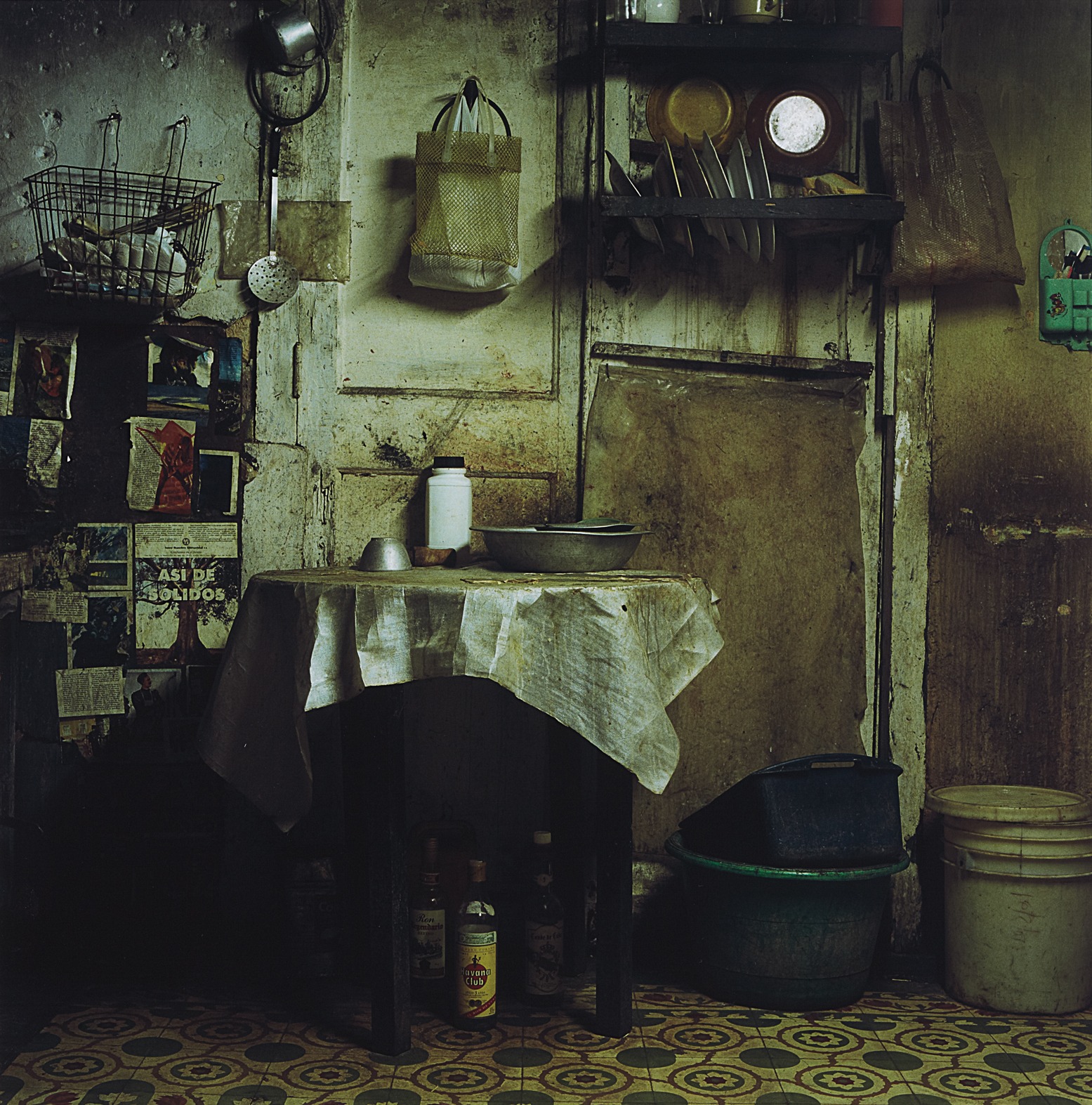
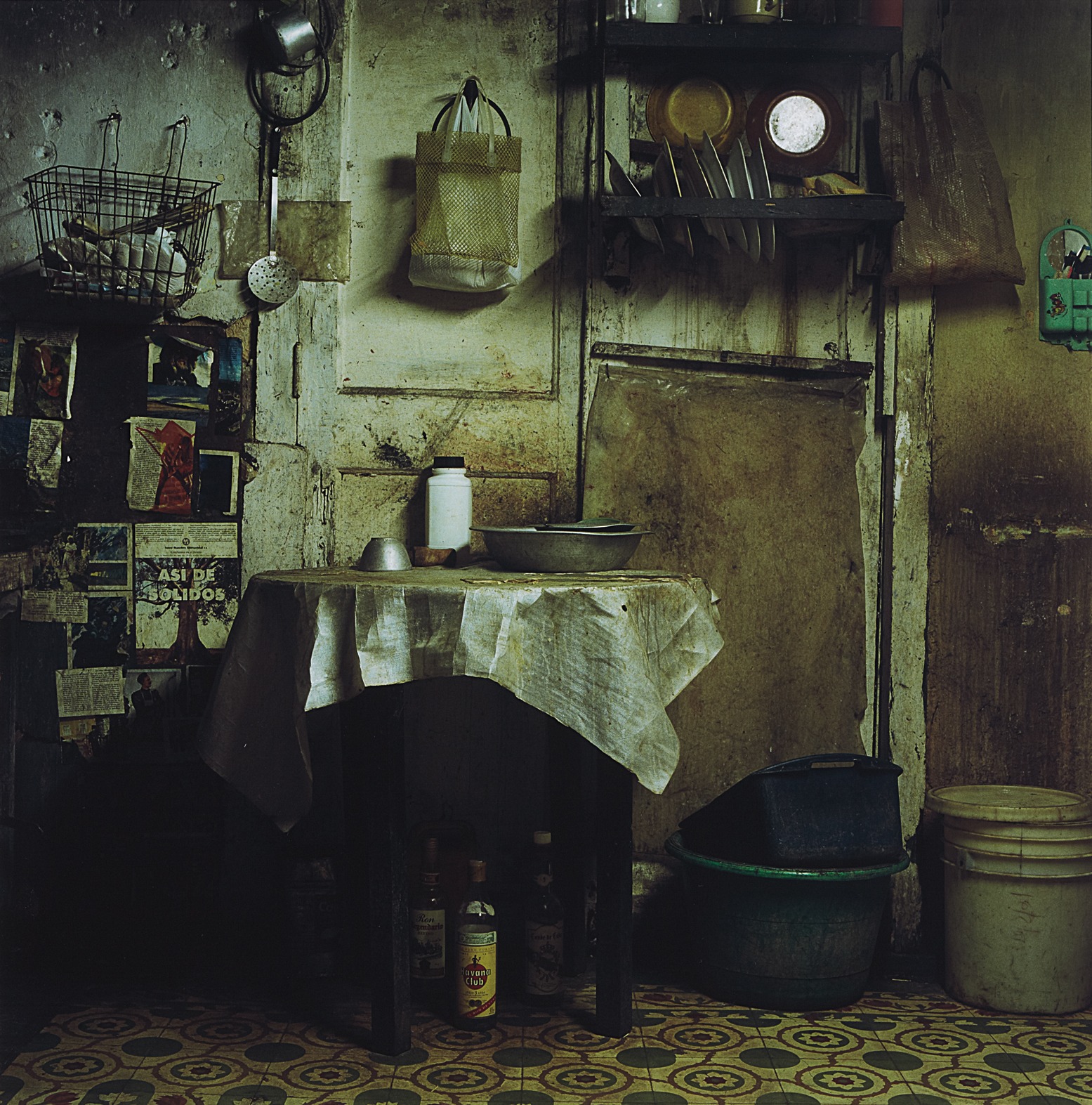
Cerca Trocadero
Over more than three decades, this Dutch artist has built one of the most distinctive and quietly influential bodies of work in contemporary fine art photography, one that continues to attract serious collectors and institutional attention in equal measure. Dolron was born in the Netherlands in 1963, coming of age in a country whose artistic DNA is inseparable from the painters who defined Western visual culture: Rembrandt, Vermeer, de Hooch, and the great Flemish baroque masters across the southern border. That inheritance was not merely ambient. It was formative.
Growing up surrounded by a culture that prizes pictorial precision, the quality of falling light, and the moral weight of the painted figure, Dolron absorbed a visual grammar that would eventually become the foundation of her entire photographic practice. Her formal training and early explorations brought her into dialogue with the conceptual traditions of late twentieth century Dutch art, a tradition that prizes intellectual rigour alongside aesthetic beauty. Her early career took her far beyond the Netherlands, literally and imaginatively. Travel became central to her method and her meaning.
Desirée Dolron
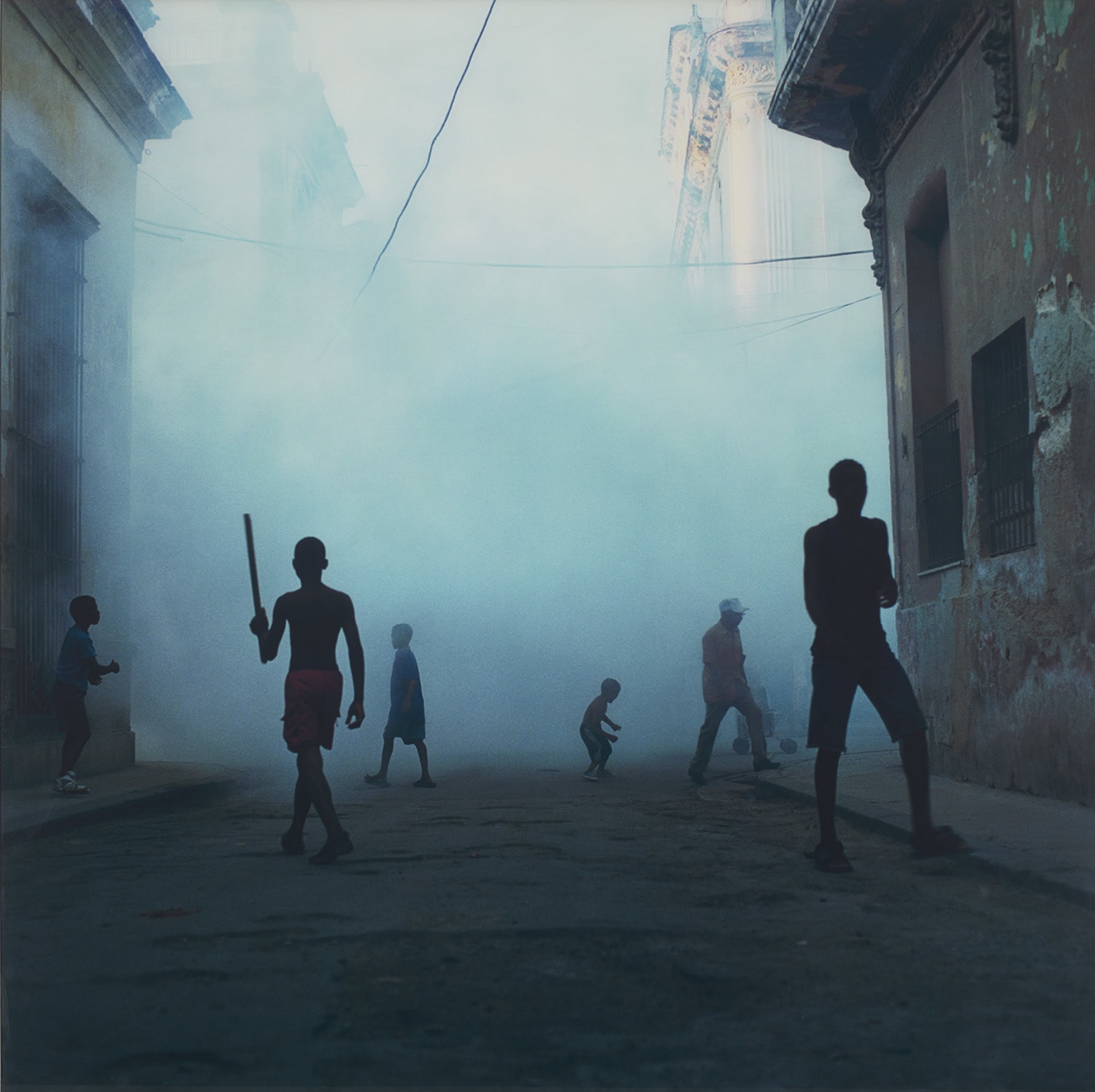
Cerca Muralla from Te Dí Todos Mis Sueños
Her series 'Gejagt vom Schicksal', a title drawn from German meaning something close to 'hunted by fate', emerged from an extended engagement with communities in China and offered images of extraordinary stillness and spiritual intensity. These were not documentary photographs in any conventional sense. They were constructed encounters, each image the result of meticulous preparation, specific lighting design, and a deep collaborative relationship with her subjects. The effect was cinematic and ceremonial at once, suggesting both the intimacy of portraiture and the grandeur of altarpiece painting.
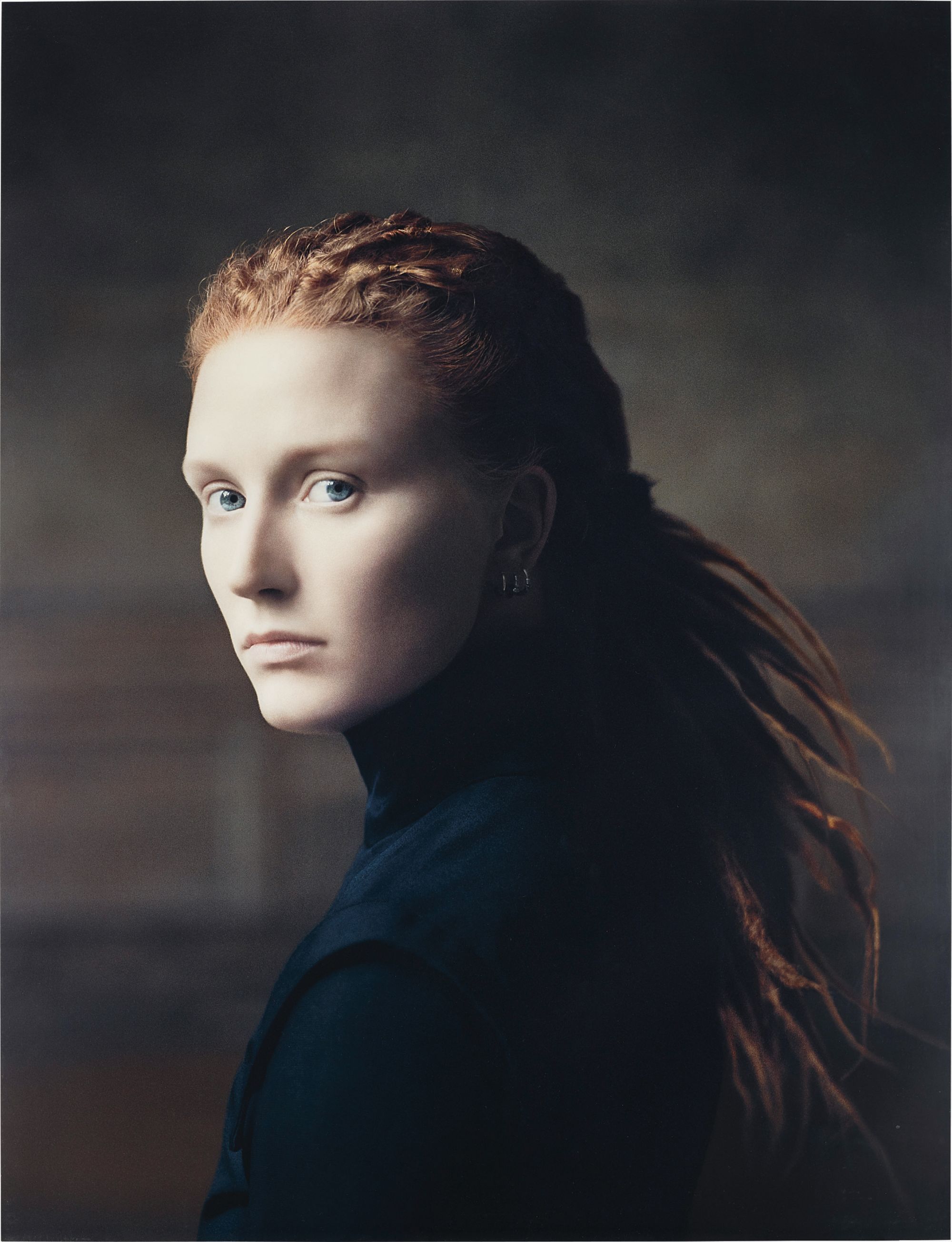
The series that cemented Dolron's international reputation and brought her to the sustained attention of the global collecting community is undoubtedly 'Xteriors'. Spanning many years and multiple editions, 'Xteriors' takes as its subject the surfaces of the built world: facades, walls, architectural interiors, and the human figures that inhabit or confront them. Works such as 'Xteriors I', 'Xteriors III', 'Xteriors IV', and 'Xteriors VII' demonstrate the full range of her technical mastery. Printed as large scale chromogenic prints, face mounted to Plexiglas or Diasec and flush mounted, these images achieve a luminosity and depth that feels closer to backlit stained glass than to conventional photography.
Desirée Dolron
Xteriors III
The scale is essential. Dolron's photographs demand to be experienced in person, where their textures and tonal gradations become immersive rather than merely decorative. Her series 'Te Dí Todos Mis Sueños', which translates as 'I Gave You All My Dreams', represents another significant chapter in her practice. Made in Cuba, the series captures the extraordinary visual richness of Havana: its crumbling grandeur, its resilient human presence, and the quality of Caribbean light falling across painted walls and weathered stone.
Works including 'Cerca Trocadero', 'Cerca Muralla', 'Cerca Plaza de la Revolución', and 'Librario Escuela Julio Mella' demonstrate how Dolron brings her baroque sensibility to bear on subject matter that could easily become merely picturesque in less disciplined hands. Instead, these images are suffused with a kind of elegy for beauty itself, a meditation on time, loss, and the persistence of the human spirit within crumbling architecture. The use of dye destruction printing and face mounting to Plexiglas gives these works their jewel like surface quality, and they have become among her most sought after pieces on the primary and secondary markets. For collectors, Dolron's work presents a compelling proposition on multiple levels.
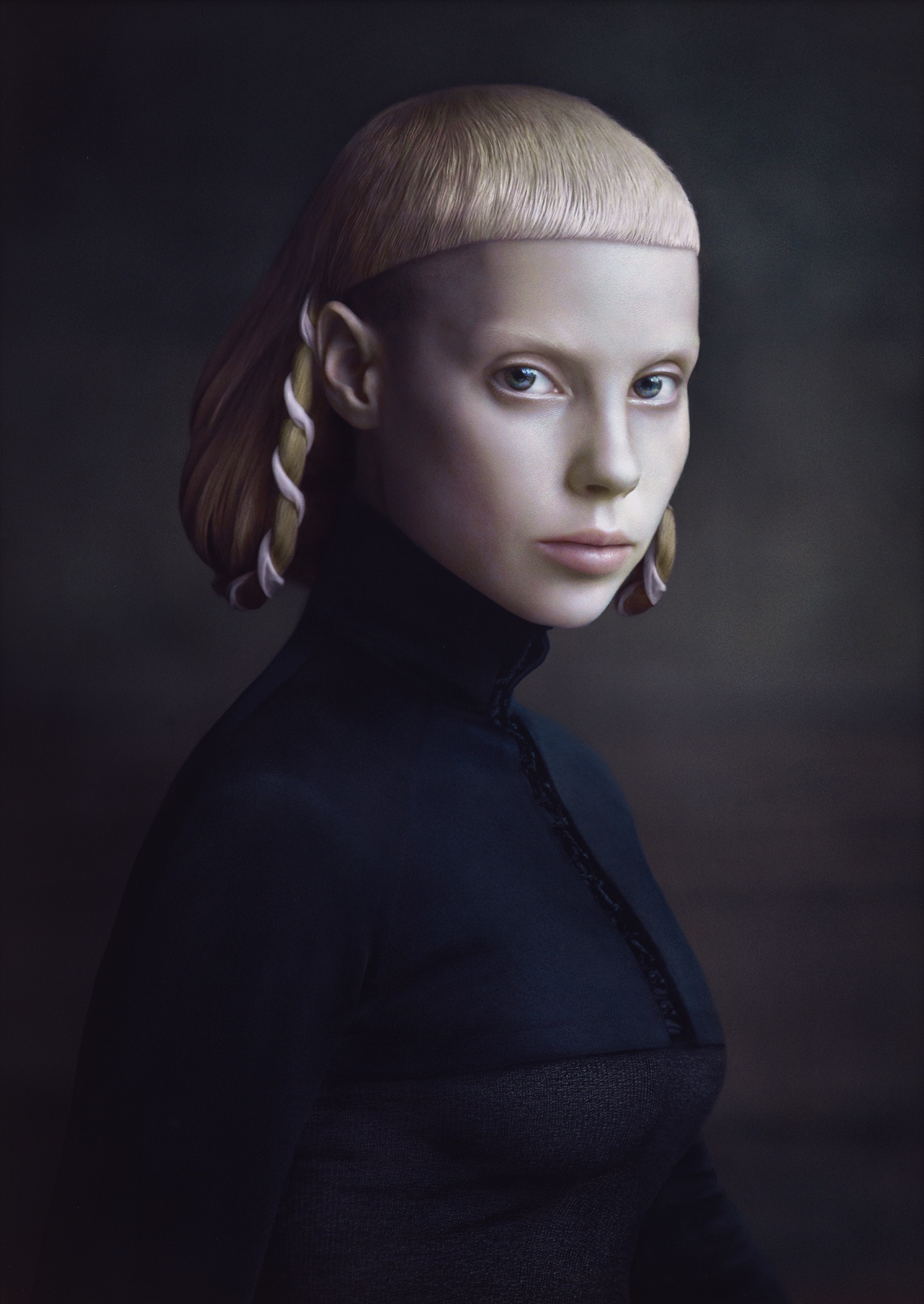
Desirée Dolron
Xteriors XVIII
Her technical processes are exacting and her editions are carefully controlled, lending her prints the scarcity that the serious market rewards. The choice of Diasec mounting, chromogenic printing, and dye destruction processes is never arbitrary. Each decision is made in service of the image's optical character, and the resulting objects are as beautiful as artifacts as they are as photographs in the intellectual sense. Collectors who have built relationships with her work frequently speak of the way it functions within domestic and institutional spaces: commanding without being aggressive, meditative without being passive.
Her practice occupies a significant space between the conceptual rigour of artists like Andreas Gursky or Thomas Struth and the more overtly painterly ambitions of photographers such as Gregory Crewdson or Hiroshi Sugimoto. The art historical conversation in which Dolron participates is a rich one. Her debt to Dutch and Flemish baroque painting is evident and acknowledged, but she transforms that inheritance through the very different registers of contemporary photography, digital production, and postcolonial travel. There is also a strong connection to the broader tradition of staged photography that emerged powerfully in the 1980s and 1990s, a tradition associated with the Düsseldorf School and the photographers who studied under Bernd and Hilla Becher.
Dolron shares with that tradition an absolute commitment to the idea that the photograph is a made thing, not a found one. Her images are constructed with the care of paintings, and they reward the kind of sustained looking that painting demands. Today, Dolron's place in the history of photography feels more secure and more significant than ever. Her work is held in important private collections across Europe, the United States, and beyond, and it has been exhibited in major international venues.
As the market for serious fine art photography continues to mature and deepen, her practice stands as a benchmark for what the medium can achieve when technical ambition and philosophical seriousness are brought into sustained collaboration. For new collectors approaching her work through platforms such as The Collection, the opportunity is to engage with an artist at the height of her powers, one whose photographs are not simply beautiful objects but genuine contributions to our understanding of light, time, and what it means to be human in the world.