Dennis Hopper
Dennis Hopper, Artist Behind the Lens
Artist Spotlight · The Collection Editorial
“I've always taken photographs. Since I was a kid. It was just something I did alongside everything else.”
Dennis Hopper
Long before the world caught up with him, Dennis Hopper was making art. While Hollywood knew him as the volatile genius behind Easy Rider and the unforgettable villain of Blue Velvet, a quieter and perhaps more enduring story was unfolding in his studio, on the streets of Los Angeles, and in the galleries and lofts of a mid century American avant garde that was rewriting the rules of what culture could be. Today, as institutions and collectors continue to reassess the postwar American scene, Hopper's photographic work stands with remarkable confidence alongside the paintings and sculptures of his closest friends, many of whom he documented with extraordinary intimacy and intelligence. Hopper was born in Dodge City, Kansas in 1936, and raised partly in Dodge City and partly in San Diego, where his grandmother took him to see art exhibitions and his mother encouraged a sensitivity that the flat plains of the Midwest might otherwise have swallowed whole.
Dennis Hopper
Biker Couple
He arrived in Hollywood as a teenager, apprenticed himself to the studio system, and by his early twenties had already clashed famously with the directors who wanted to contain him. But it was his friendship with James Dean, formed on the set of Rebel Without a Cause in 1955, that cracked something open in Hopper. Dean modeled a new kind of American seriousness, a belief that feeling and intelligence were not in opposition, and Hopper carried that lesson into every medium he touched for the rest of his life. Hopper bought his first camera in the late 1950s and began photographing the world around him with the same instinctive hunger he brought to acting.
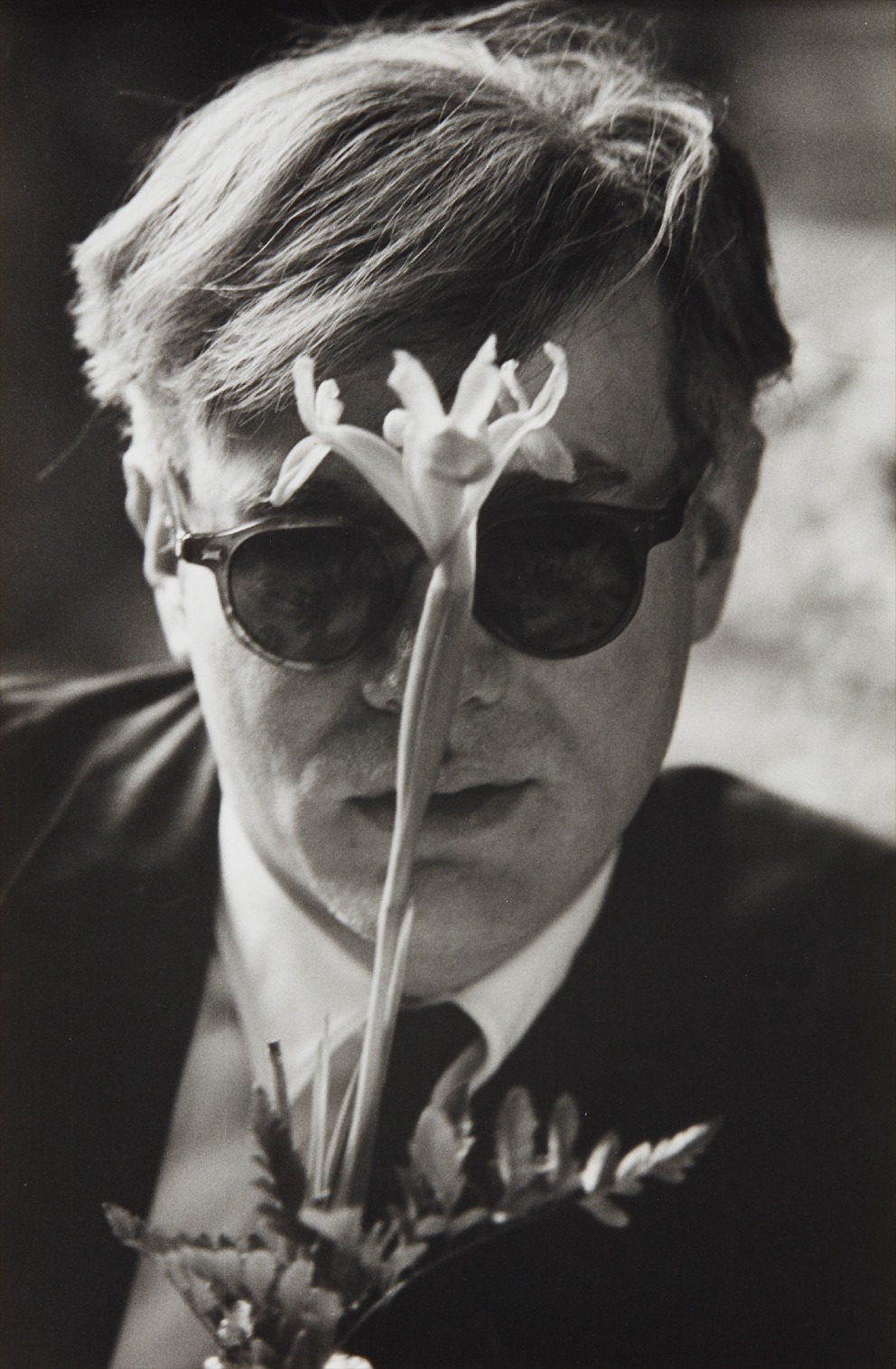
What distinguished his photographic eye almost immediately was access. He was not a journalist or an outside observer. He was a participant, a peer, a friend to the people he photographed, and the resulting images carry a warmth and an ease that formal portrait photography rarely achieves. His work from the early 1960s onward documents the emergence of the Los Angeles art scene, the New York Factory world of Andy Warhol, and the broader cultural upheaval of a decade that was transforming American life from the inside out.
Dennis Hopper
Paul Newman
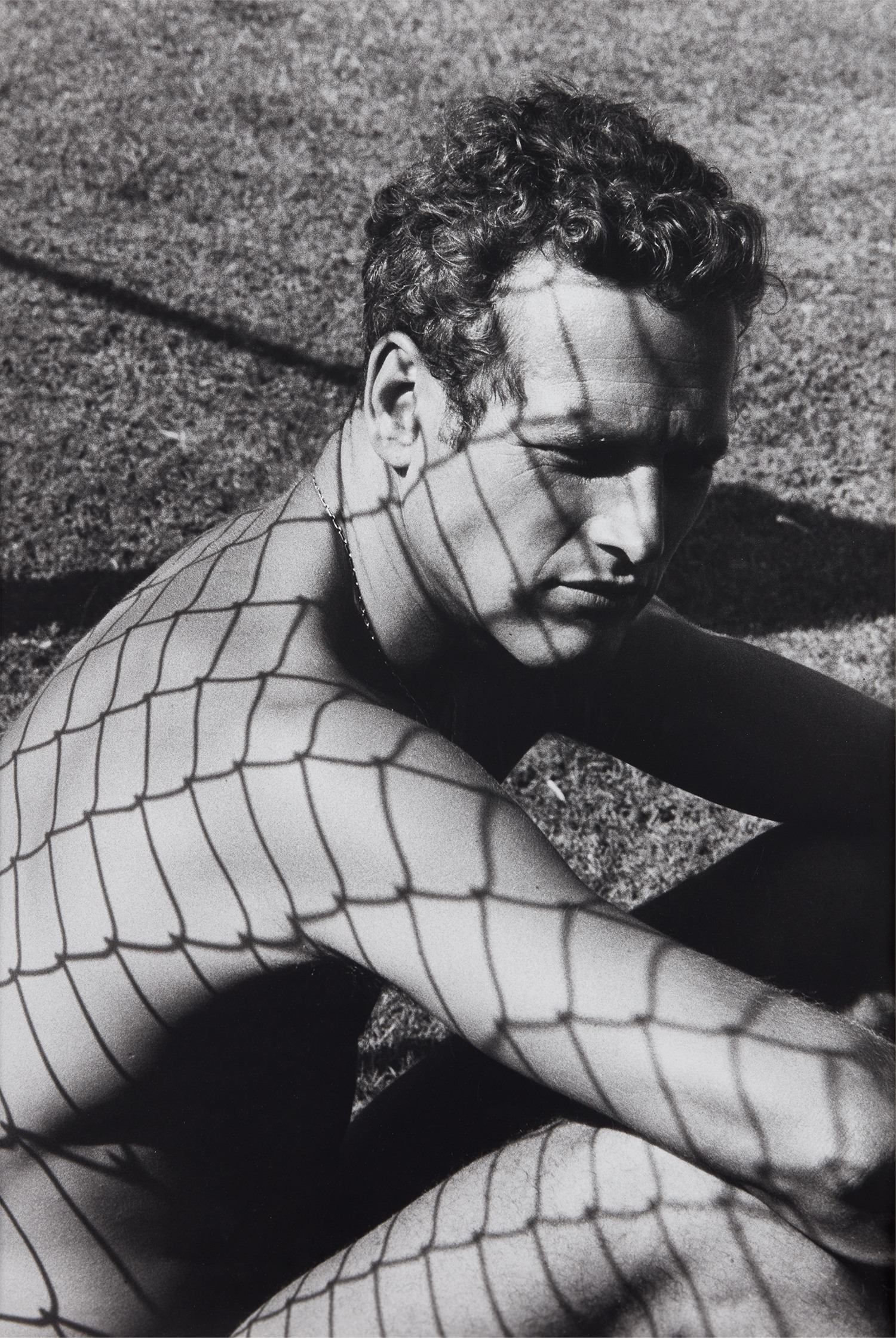
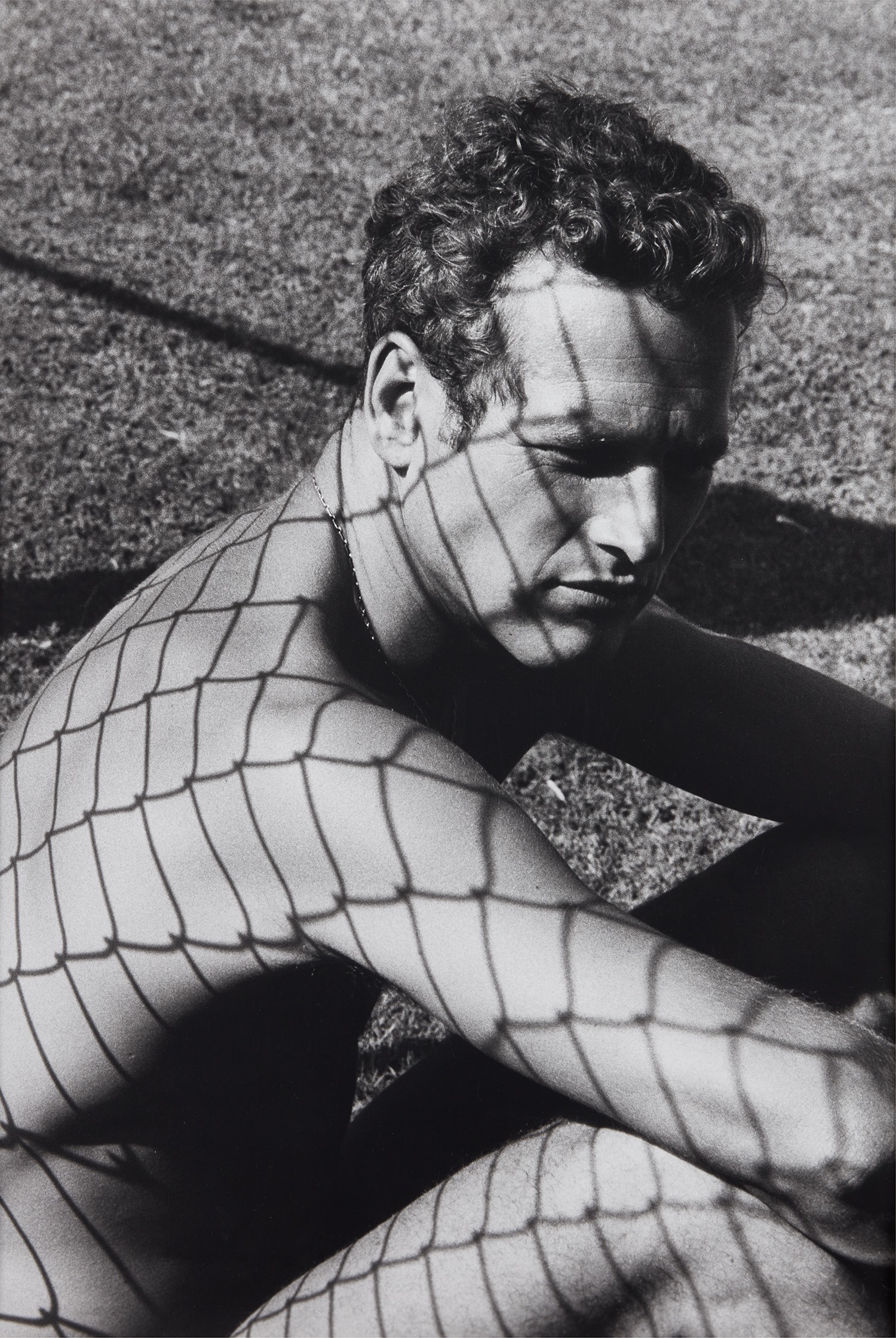
These were not documents made for posterity. They were acts of attention, made in real time, by someone who understood exactly what he was witnessing. The photographs themselves are studies in clarity and feeling. Works such as Paul Newman and the multiple iterations of Andy Warhol and Members of the Factory capture their subjects at moments of genuine repose, not the performed casualness of the studio portrait but something closer to actual life caught in passing.
“When I first got to Hollywood, I wanted to be a painter. I thought movies were a lesser art form.”
Dennis Hopper, Interview Magazine
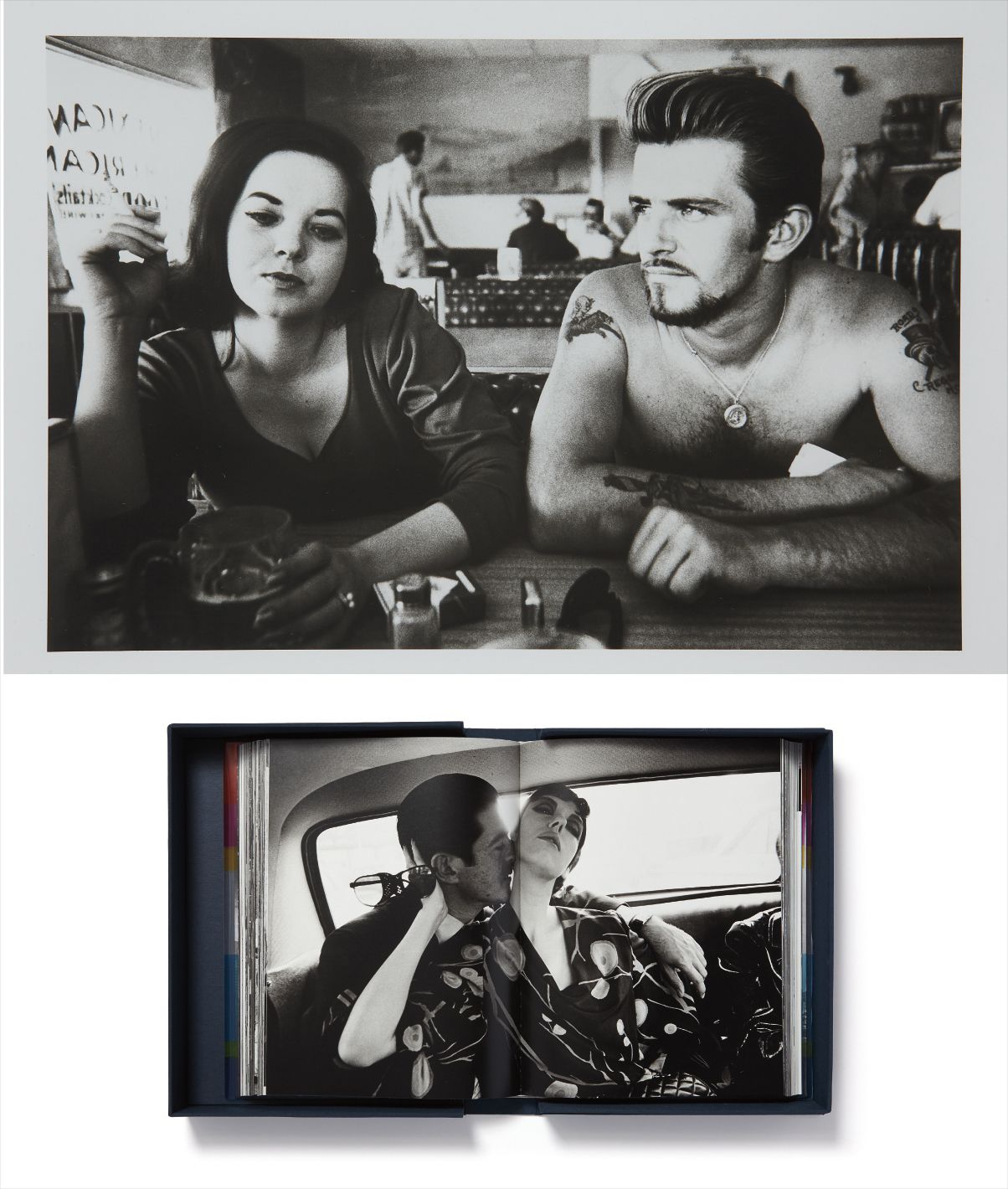
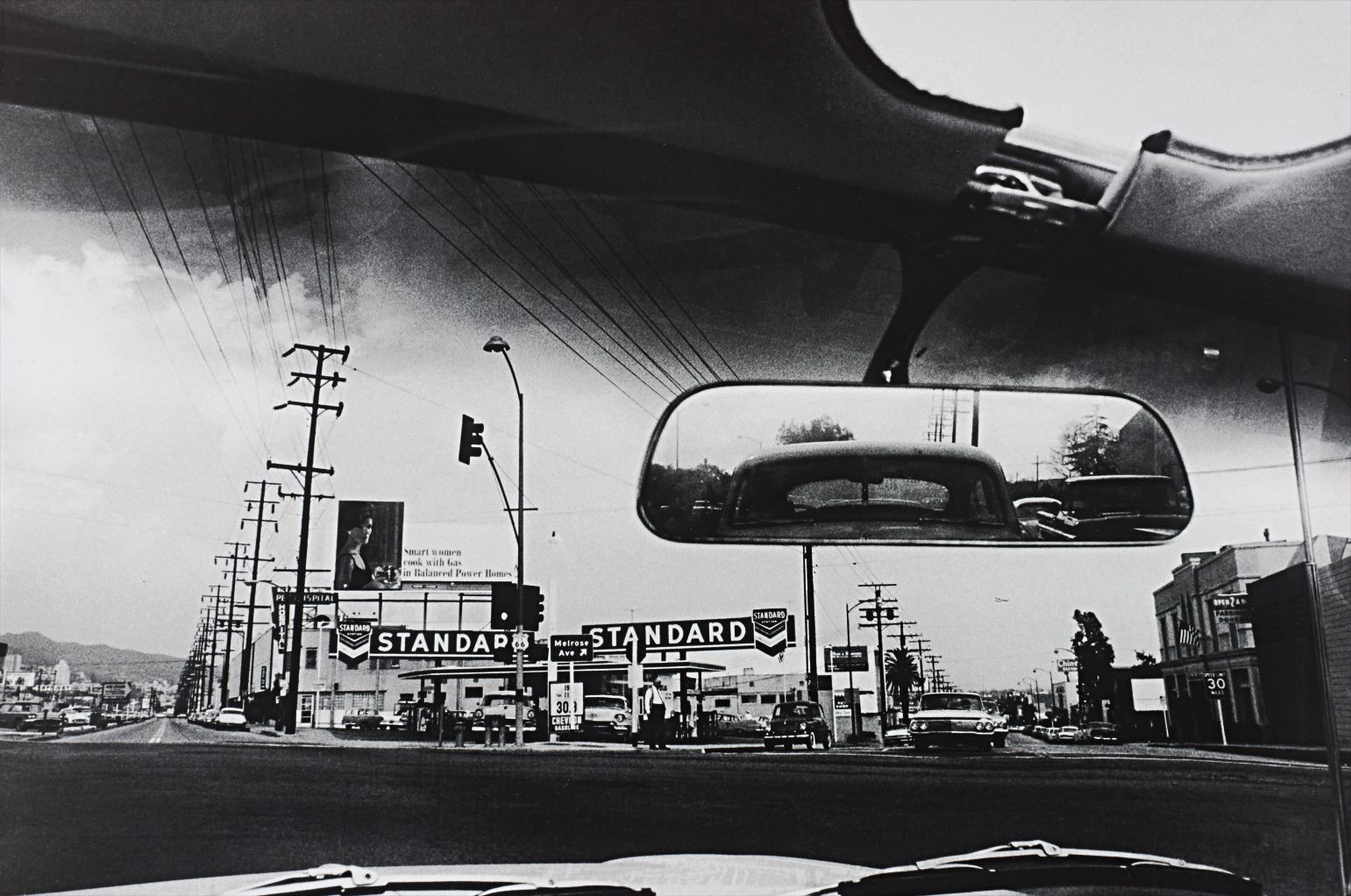
His image of Ed Ruscha, a fellow Los Angeles artist whose conceptual cool Hopper both admired and shared, feels like the record of a genuine friendship rendered in light and shadow. Double Standard, one of his most celebrated single images, turns the mundane landscape of Los Angeles roadside signage into a meditation on American commercial culture, anticipating the concerns of artists like Ruscha and the broader Pop sensibility by framing the everyday as worthy of contemplation. Biker Couple, from the same era, captures the counterculture not as spectacle but as texture, as lived reality, and stands among the most humanizing documents of a moment that is too often reduced to mythology. For collectors, Hopper's photographic work offers something genuinely rare: the convergence of historical importance and aesthetic quality in objects that remain, by the standards of major postwar photography, relatively accessible.
Dennis Hopper
Double Standard
The gelatin silver prints that make up the core of his photographic legacy were produced in limited editions and in some cases printed later from the original negatives, a practice common among photographers of his generation and one that does not diminish their significance. What matters is the image itself, and in Hopper's case the images are consistently strong. His work has appeared at major auction houses and has found permanent homes in serious collections, but it has not yet reached the stratospheric prices of some of his contemporaries, which means that thoughtful collectors entering the market now are doing so at a compelling moment. The chromogenic prints, such as Venice, show Hopper's engagement with color as a distinct formal language, and add a dimension to a collecting focus that might otherwise center entirely on his black and white work.
To understand where Hopper fits within the broader history of American photography and visual culture, it helps to think about the company he kept and the sensibility he shared. His Los Angeles was the same Los Angeles that produced Ed Ruscha's photographs of every building on the Sunset Strip, and the same city where artists like Wallace Berman and Bruce Conner were making work that blurred every boundary between media and discipline. His New York was Andy Warhol's New York, a place where the studio and the social world were continuous with each other and where the camera was as natural a tool as the paintbrush. Hopper understood both worlds from the inside, and his photographs are among the most reliable records we have of how those worlds actually felt to the people who inhabited them.
Dennis Hopper
Andy Warhol
In that sense he belongs in the conversation not only with other photographer artists but with the entire generation of postwar American creators who understood that making art and living a certain kind of life were inseparable propositions. Dennis Hopper died in Santa Monica in May 2010, having lived long enough to see the critical reassessment of his visual art well underway. The Cinematheque Francaise and the Museum of Contemporary Art in Los Angeles were among the institutions that gave serious attention to the full range of his creative output in the years before and after his death, and the scholarly conversation around his photography has only deepened since. What endures is not the mythology of the rebel, though that mythology is real enough, but the quality of the looking.
Hopper looked at his world with generosity and precision, and he left behind a body of photographic work that asks us to look again at a moment in American culture that still shapes everything we make and value. For collectors who care about that moment, his prints are not merely documents. They are the thing itself.
Explore books about Dennis Hopper
Dennis Hopper: Full Circle
Michael Almereyda
Dennis Hopper: A Madness to His Method
Winter
Out of the Sixties
Peter Halley and others
Dennis Hopper: Photographs 1961-1967
Dennis Hopper
Dennis Hopper: The Film Works
Tom Gunning and others
Easy Rider: The Screenplay
Peter Fonda, Dennis Hopper, Jack Nicholson