David Wojnarowicz
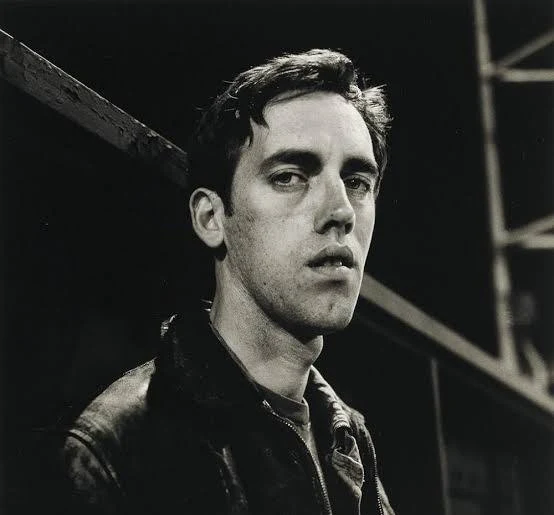
David Wojnarowicz, A Voice That Endures
Artist Spotlight · The Collection Editorial
“I'm losing time. I feel like a person who wakes and suddenly realizes the house is on fire.”
Close to the Knives: A Memoir of Disintegration, 1991
In 2018, the Whitney Museum of American Art staged "History Keeps Me Awake at Night," the first major retrospective of David Wojnarowicz's work in over two decades, drawing enormous crowds and a new generation of admirers to an artist whose vision had never felt more urgent. The exhibition moved through the Whitney's sprawling galleries with the force of a manifesto, gathering paintings, photographs, films, installations, and writings into a portrait of one of the most singular minds American art has ever produced. Critical reception was overwhelming in its admiration, and the retrospective confirmed what devoted collectors had long understood: Wojnarowicz is not a period piece but a permanent presence, a conscience embedded in the fabric of contemporary culture. David Wojnarowicz was born in Red Bank, New Jersey in 1954 into a childhood marked by upheaval and hardship.
David Wojnarowicz
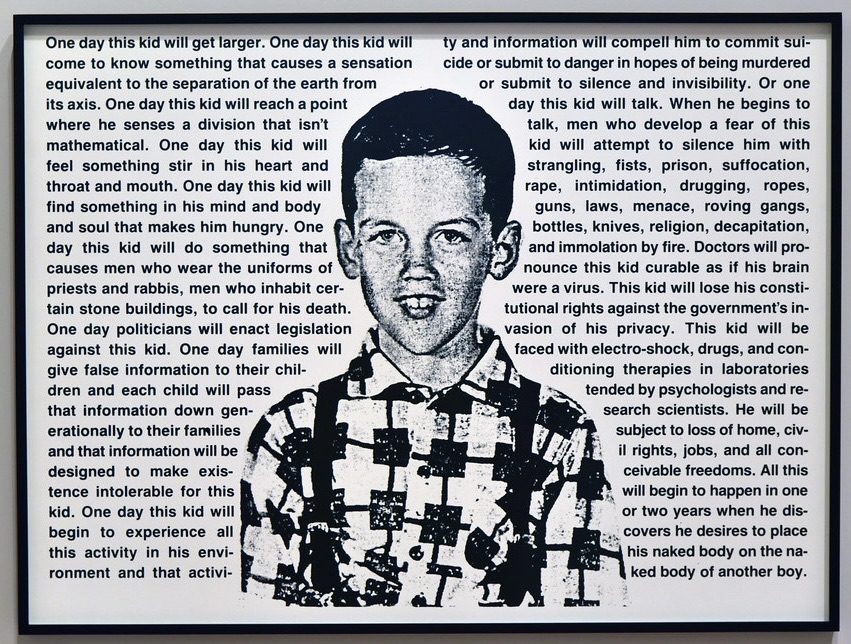
Untitled (One Day This Kid...), 1990
His early years were defined by an abusive father, periods of homelessness as a teenager in New York City, and survival by any means available on the streets of Times Square. These formative experiences did not break him; they gave him a vocabulary of raw, unmediated experience that would animate everything he made. He was largely self taught, drawn to literature, cinema, and the visual arts through instinct rather than institution, and that self determination became a structural principle of his entire practice. By the late 1970s, Wojnarowicz had found his footing in the East Village, a neighborhood then crackling with the energy of punk music, graffiti, performance art, and underground publishing.
He became part of a circle of artists that included Jean Michel Basquiat, Keith Haring, and his deeply formative collaborator and partner Peter Hujar, the photographer whose influence on Wojnarowicz was profound and lasting. Through Hujar's example, Wojnarowicz came to understand the camera as an instrument of testimony, and he began producing photographs and Super 8 films that documented the marginal, the overlooked, and the transcendent in equal measure. The East Village in those years was a crucible, and Wojnarowicz absorbed everything it had to offer. His artistic development accelerated rapidly through the 1980s, encompassing an astonishing range of media and methods.
David Wojnarowicz
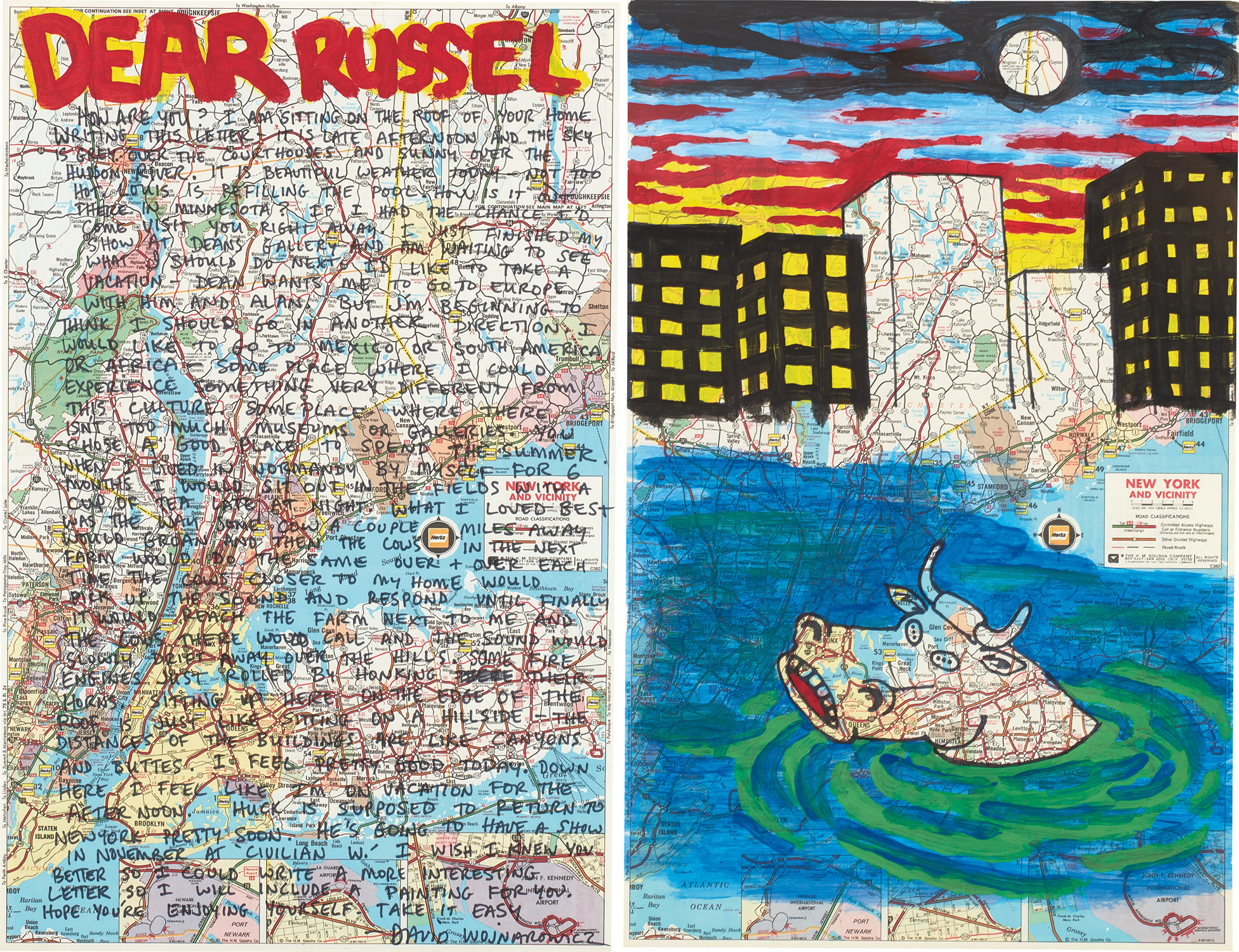
Dear Russell, 1984
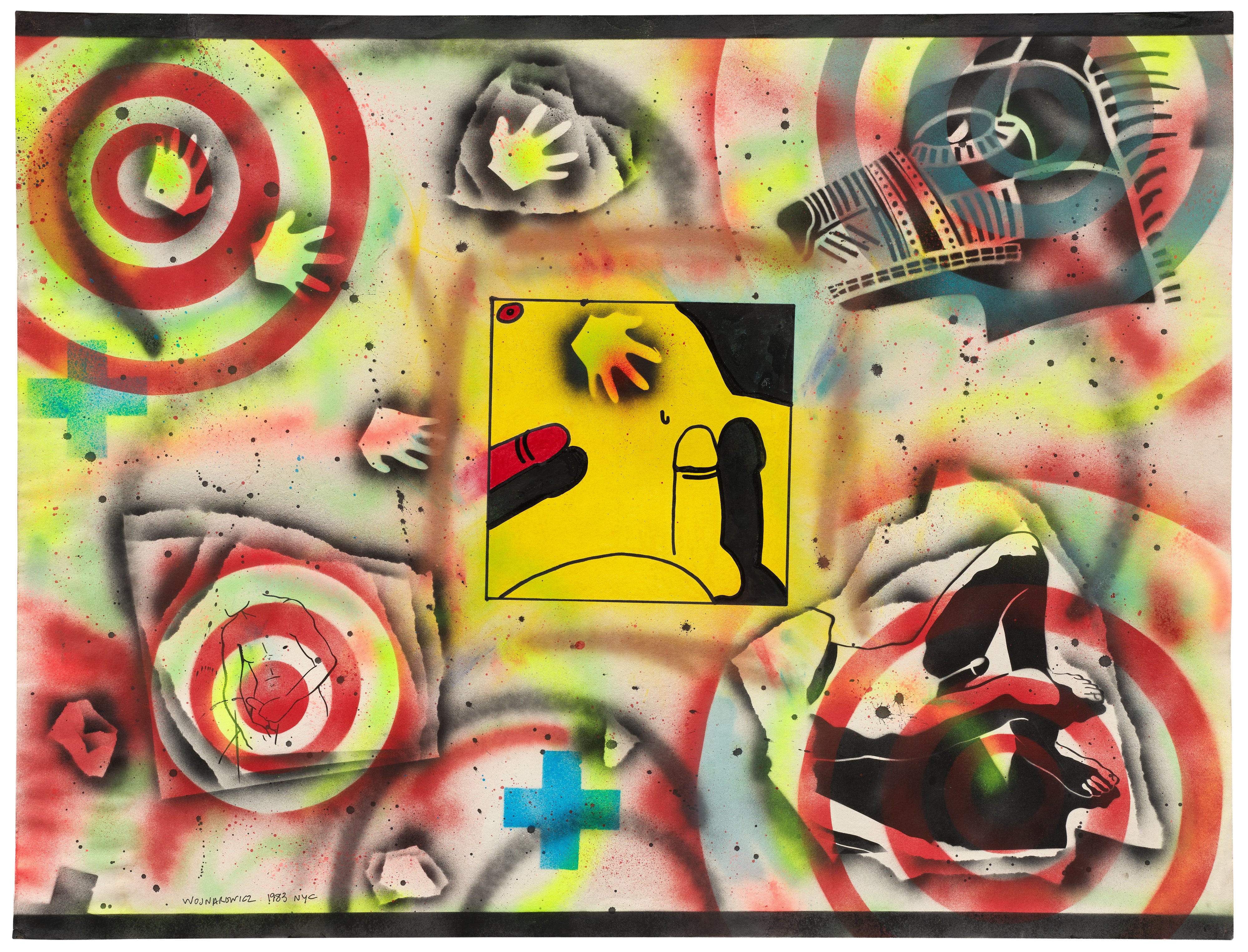
He painted on found objects, maps, and unstretched canvas; he combined spray paint, acrylic, collage, and text in works that felt simultaneously visceral and rigorously constructed. His practice was never confined to a single mode. Works such as "Untitled" from 1983, rendered in spray paint, marker, and acrylic on paper, demonstrate his ease with materials that carry the energy of the street, while the 1987 acrylic and paper collage "The Anatomy and Architecture of June 19, 1953" engages history directly, its very title invoking the execution of Julius and Ethel Rosenberg as a meditation on state power and the individual body. These works are layered, allusive, and formally inventive, demanding sustained attention.
“We're all going to die. All of us. What a circus. That alone should make us love each other.”
Close to the Knives: A Memoir of Disintegration, 1991
Among the most discussed works of his career is "Untitled (One Day This Kid...)" from 1990, a photograph surrounded by a block of text that imagines the future persecution the young boy depicted, Wojnarowicz himself as a child, would face simply for being who he was. The work is devastating in its clarity and economy, and it became one of the defining images of the AIDS crisis era, circulated widely by ACT UP and reproduced as a poster in an edition of 100 that stands today as a collectible artifact of activist art history. The intersection of autobiography, prophecy, and political rage in that single piece exemplifies what made Wojnarowicz irreplaceable among his contemporaries.
David Wojnarowicz
Untitled
His mixed media works on New York City maps, including the 1984 piece "Dear Russell," reveal another dimension of his practice: the intimate and the geographic folded together, personal address mapped onto the physical terrain of the city that shaped him. The Four Elements lithograph series, produced as color prints on Rives BFK paper, demonstrates that his sensibility translated powerfully into the discipline of printmaking, with the diptych pairings of Earth and Wind and Fire and Water carrying his characteristic combination of elemental force and conceptual rigor. Collectors who have sought out these works on paper have found them to be among the most accessible entry points into his vision, without any sacrifice of depth or ambition. On the market, Wojnarowicz has attracted sustained and growing collector interest, particularly as institutional recognition has deepened.
Works on paper, photographs, and multiples associated with ACT UP have performed strongly at auction, reflecting both art historical significance and the emotional resonance these objects carry for collectors who lived through that era and for younger collectors encountering his work through retrospectives and critical reappraisal. The breadth of his practice means that collectors at various levels can find meaningful points of entry, from limited edition prints published by Printed Matter, New York, to significant paintings that represent the full measure of his ambition. What distinguishes serious Wojnarowicz collecting is an understanding that rarity and context are inseparable: his works were often made in urgency and under conditions of scarcity, which gives each object a biographical and historical weight that purely aesthetic considerations cannot fully account for. Wojnarowicz belongs to a generation of New York artists who transformed American art in the 1980s, and his closest affinities are with figures who shared his commitment to the body, mortality, and political witness.
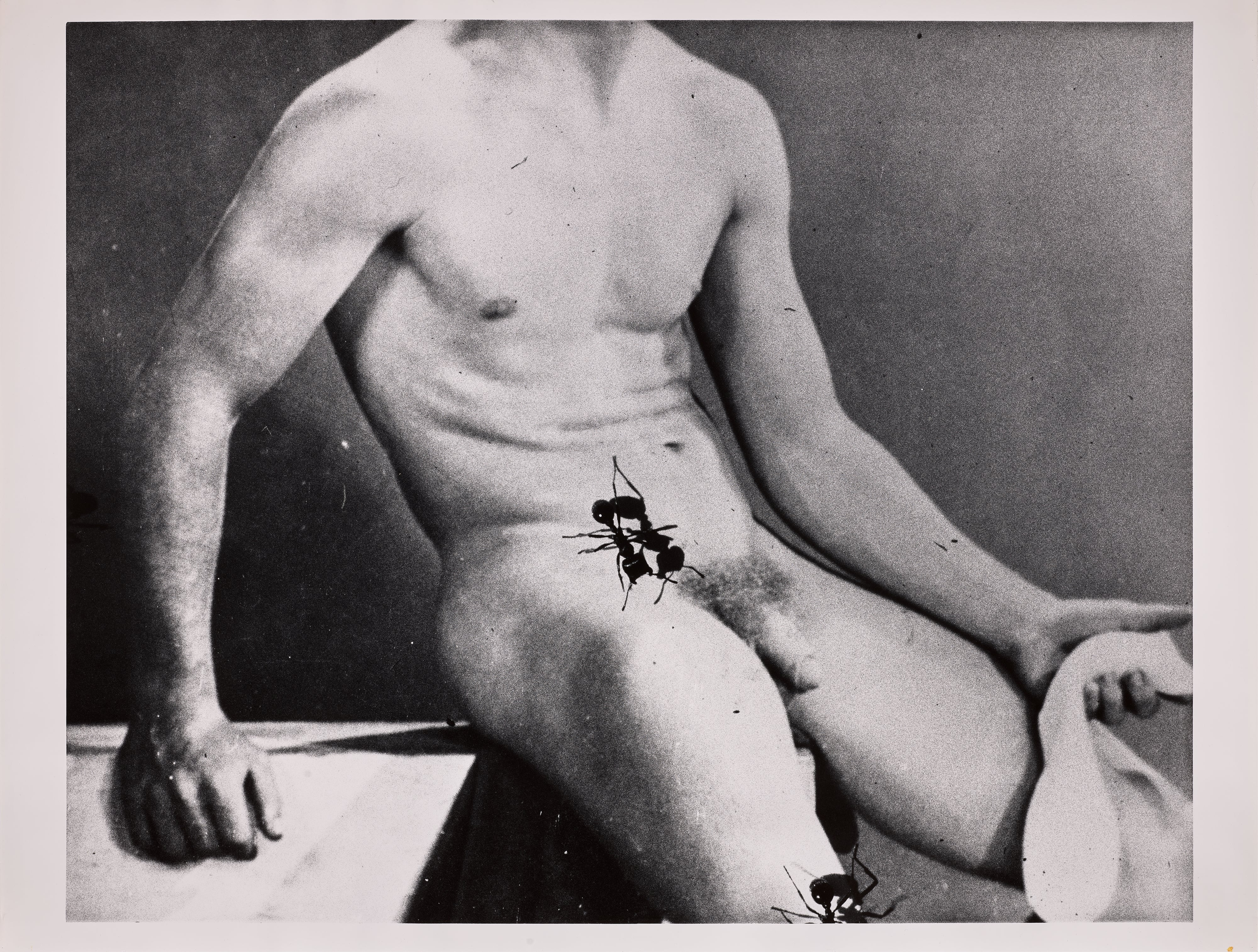
David Wojnarowicz
Untitled (Desire) from Ant Series
Peter Hujar's photographic legacy intertwines with his in ways that make the two artists natural points of comparison. The emotional directness of Basquiat, the activist clarity of Group Material, and the confessional impulse in the work of Nan Goldin all share territory with Wojnarowicz's project, even as his voice remains entirely his own. He was equally at home in the tradition of American literature, drawing inspiration from Arthur Rimbaud and William S. Burroughs, and that literary dimension gives his visual work an unusually rich resonance.
David Wojnarowicz died of AIDS related complications in 1992 at the age of 37, leaving behind a body of work of extraordinary variety and power. His estate, managed with care and seriousness, has continued to place his work in contexts worthy of his legacy. Decades on, his insistence that art could be simultaneously personal, political, and formally rigorous feels not like a historical position but like a living challenge. For collectors who believe that art should tell the truth about human experience without flinching, Wojnarowicz remains one of the most essential voices of the twentieth century, and his works continue to reward and to demand.
Featured Works
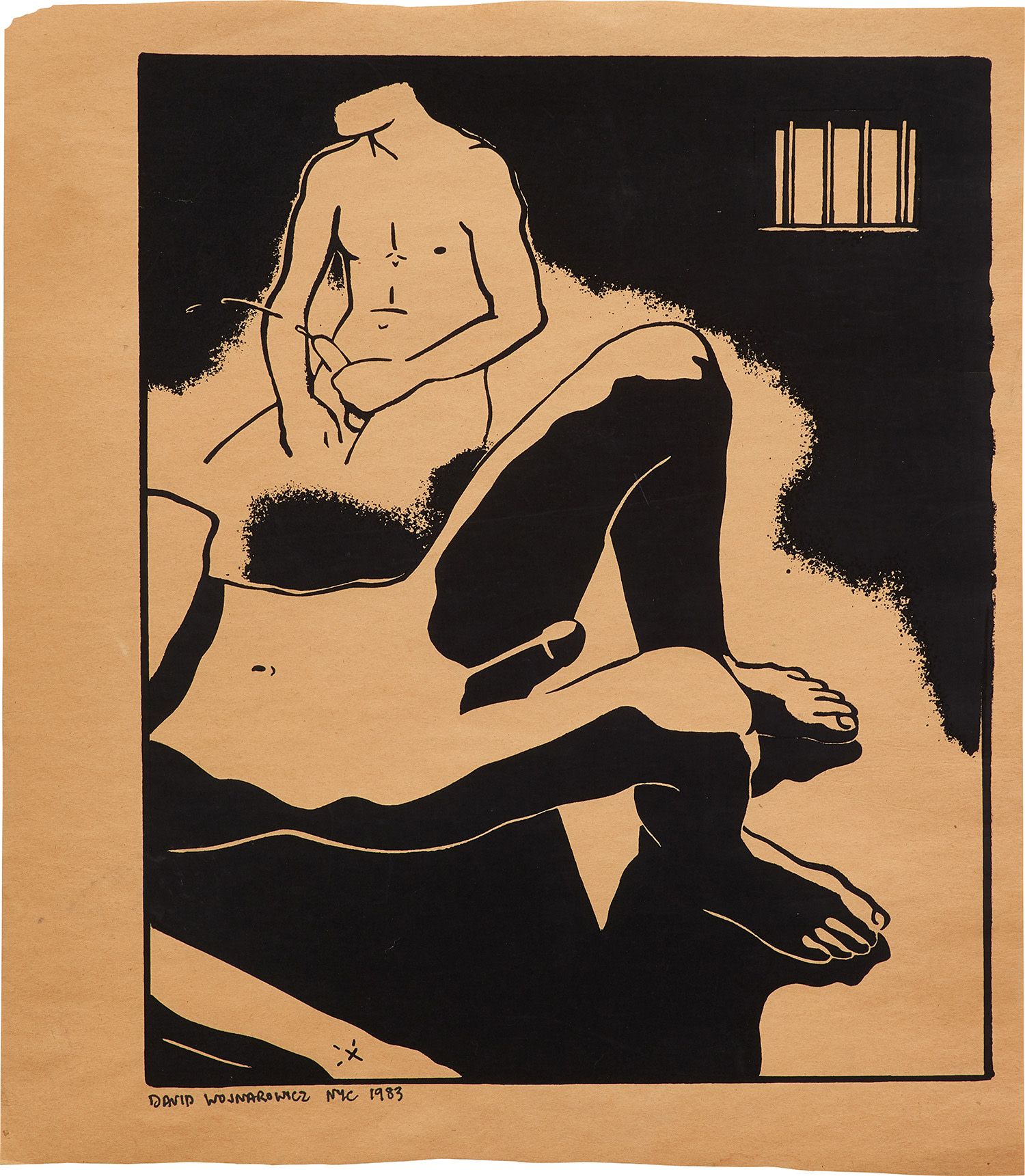
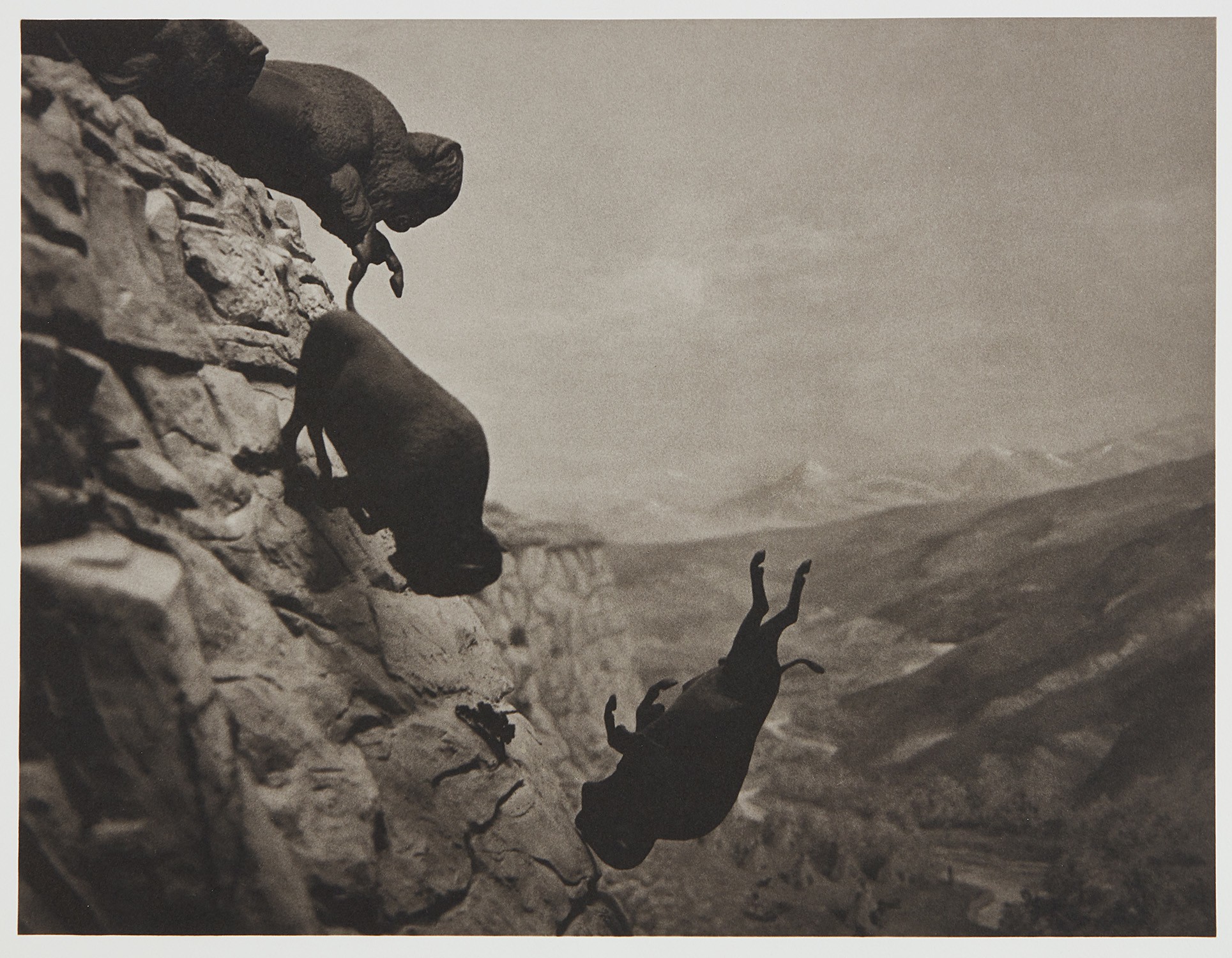
Explore books about David Wojnarowicz

Close to the Knives: A Memoir of Disintegration
David Wojnarowicz
David Wojnarowicz: Tongues of Flame
Jennifer Katz
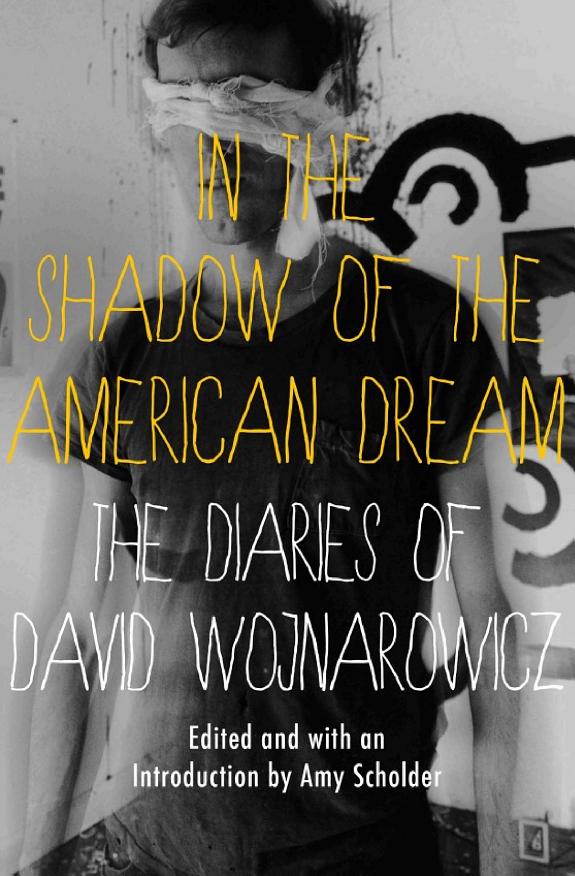
In the Shadow of the American Dream: The Diaries of David Wojnarowicz
David Wojnarowicz
David Wojnarowicz: A Definitive Retrospective
Cahan, Susan
Sounds in the Distance
David Wojnarowicz

David Wojnarowicz: An American Odyssey
Various authors
The Complete Film and Video Work of David Wojnarowicz
David Wojnarowicz