David Smith
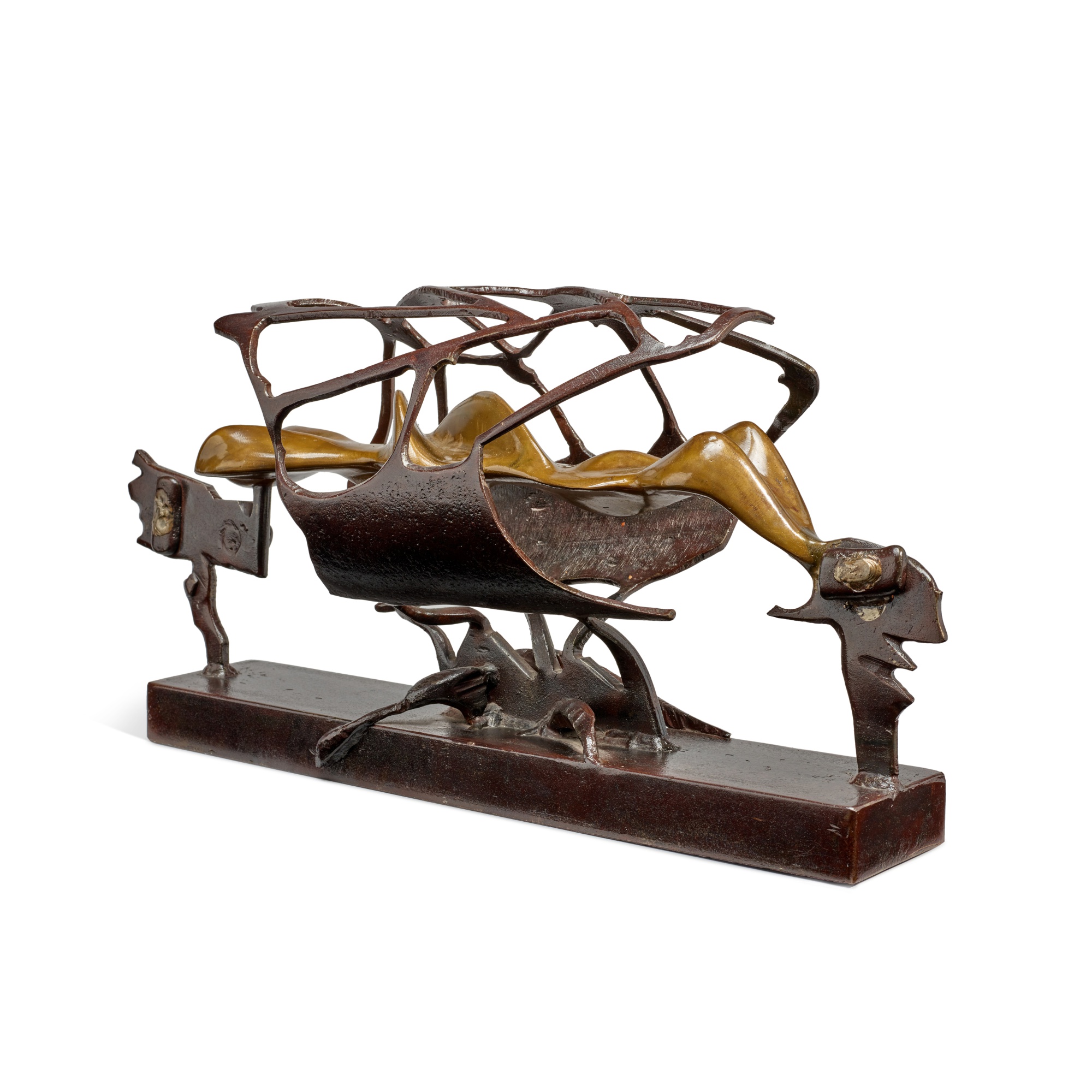
David Smith: Steel, Vision, and Pure Freedom
Artist Spotlight · The Collection Editorial
“The sculpture I admire is a statement of the artist's most intense experience, fused in principle and made into an object.”
David Smith, writings collected in David Smith by David Smith, 1968
Stand in the fields of Bolton Landing, New York, and you can almost feel the presence of David Smith still at work among the hills. The Storm King Art Center in Mountainville, New York, has long honored his legacy with outdoor installations that let visitors experience Smith's sculptures as he intended: breathing open air, catching changing light, insisting on their own monumental existence. In recent years, major retrospectives at the Museum of Modern Art and sustained scholarly attention from institutions including the Whitney Museum of American Art have kept Smith firmly at the center of conversations about twentieth century American art. He is not a figure who recedes quietly into history.
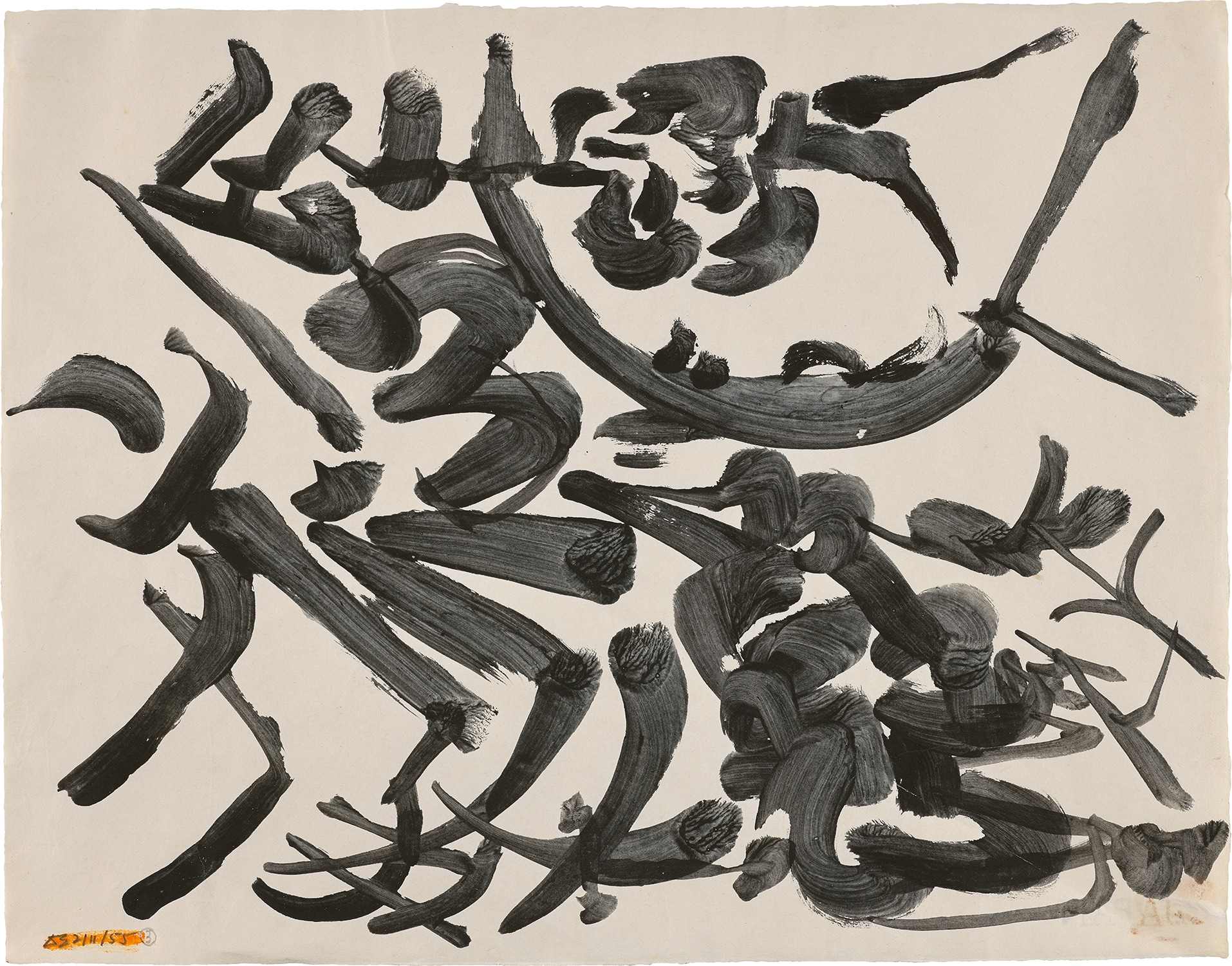
David Smith
Executed on February 11, 1955.
He roars forward. David Smith was born in 1906 in Decatur, Indiana, a midwestern upbringing that would quietly inform everything he made. He studied at Ohio University before moving to Washington, D.C.
, and eventually New York, where the city's ferment of ideas in the late 1920s and early 1930s reshaped his ambitions entirely. A pivotal moment came when he encountered reproductions of welded iron sculptures by Pablo Picasso and Julio González in the pages of the French journal Cahiers d'Art in 1929. The image struck him like a revelation: metal could be as expressive, as personal, as painting. He had already been working as a painter, and that dual identity, sculptor and painter at once, would never fully leave him.
David Smith
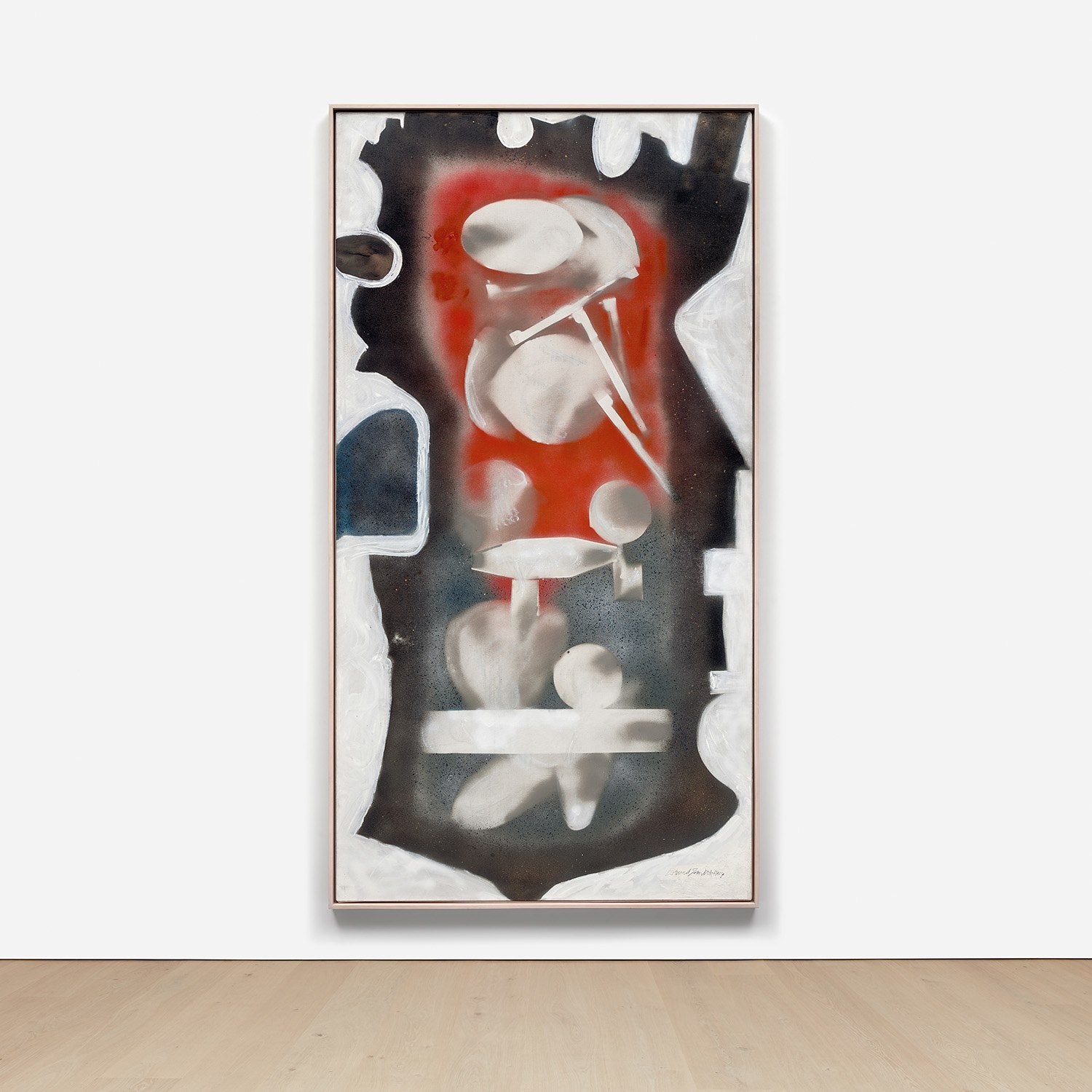
Main Pribilof, 1959
Smith trained as a welder and metalworker at the Studebaker plant in South Bend, Indiana, during one college summer, a practical education that gave him an unusually direct, unromantic relationship with industrial materials. He moved to Brooklyn and eventually established a studio at the Terminal Iron Works, a commercial welding shop whose gritty, purposeful atmosphere suited him perfectly. By the late 1930s he was exhibiting welded steel sculpture at a time when almost no other American artist was working seriously in the medium. His friendship and dialogue with painters including Willem de Kooning and Franz Kline placed him squarely within the Abstract Expressionist generation, even as his primary material set him apart from the canvas and brushstroke world they inhabited.
“I belong with the painters, in a sense, because my student life was with them.”
David Smith, interview with Thomas B. Hess, ARTnews, 1964
He bridged those two worlds with exceptional ease and genuine conviction. The sweep of Smith's career is breathtaking in its range and restlessness. His early Medals for Dishonor series, completed between 1937 and 1940, showed a politically engaged, almost surrealist sensibility: these bronze medallions depicted war's horrors with unflinching force. Through the 1940s and into the 1950s his work grew progressively more abstract, more architectural, more confident in its occupation of space.
David Smith
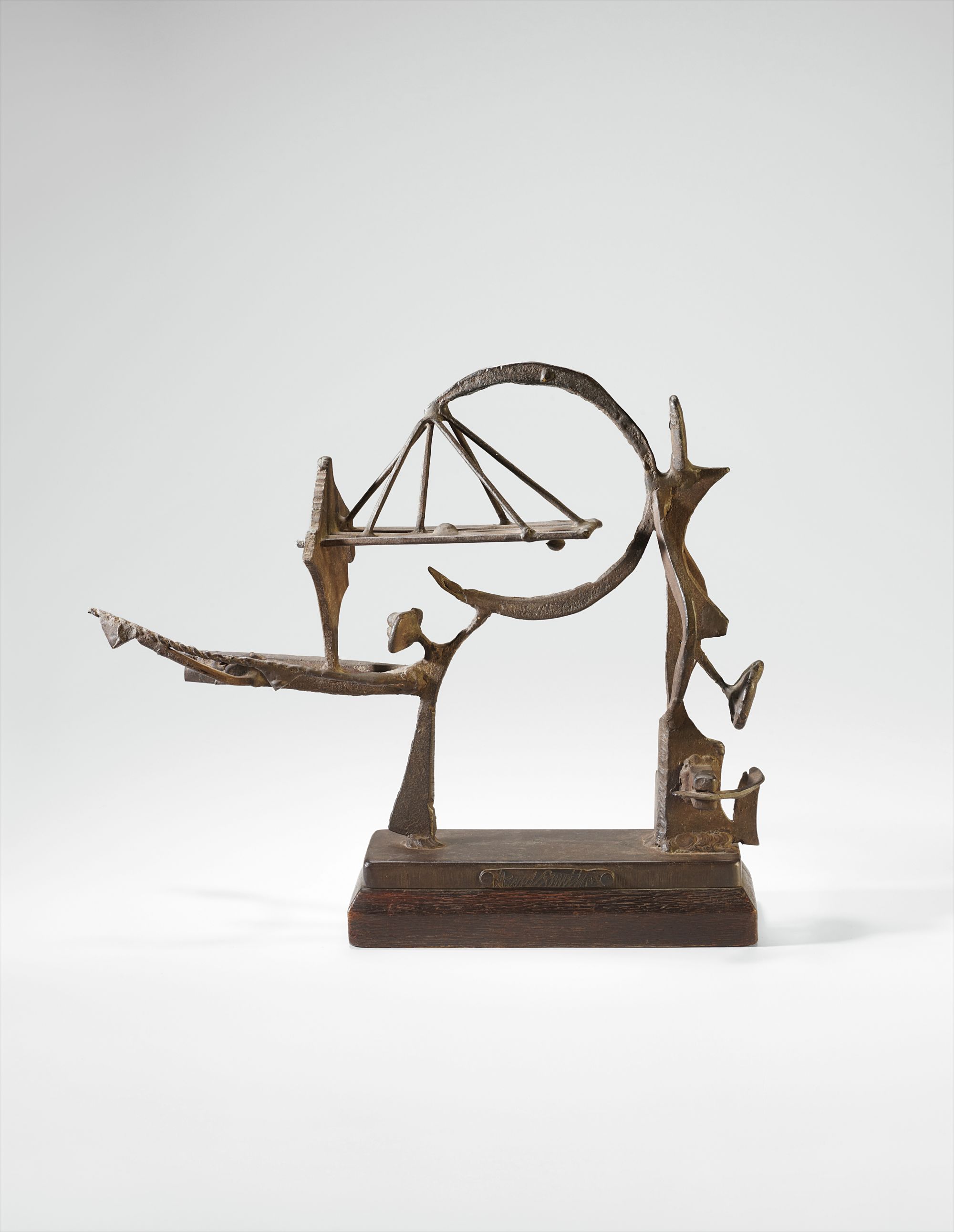
Abandoned Foundation (Landscape)
Works like Cloistral Landscape from 1946, combining steel, stainless steel, bronze, and paint, demonstrate how fluidly Smith moved between materials and metaphors, building pictorial sculptures that feel like three dimensional drawings. His Tanktotem series from the 1950s used actual industrial tank parts as structural elements, celebrating found material without disguising it. Then came the Voltri sculptures in 1962, created during a residency in Voltri, Italy, where he worked with extraordinary speed in an abandoned factory, producing twenty seven works in thirty days. That residency produced some of his most joyful, confident work.
The Cubi series, his final and arguably most celebrated achievement, represents the culmination of a lifetime of thinking about sculpture, drawing, and light. These monumental stainless steel geometric forms, burnished by hand to catch and scatter sunlight, have the quality of events rather than objects. They mark time differently depending on where you stand and what the sky is doing. Smith was working on the Cubis until his death in a truck accident in May 1965, at the age of fifty eight, a loss that robbed American art of one of its most energetically productive minds at a moment when he was still accelerating.
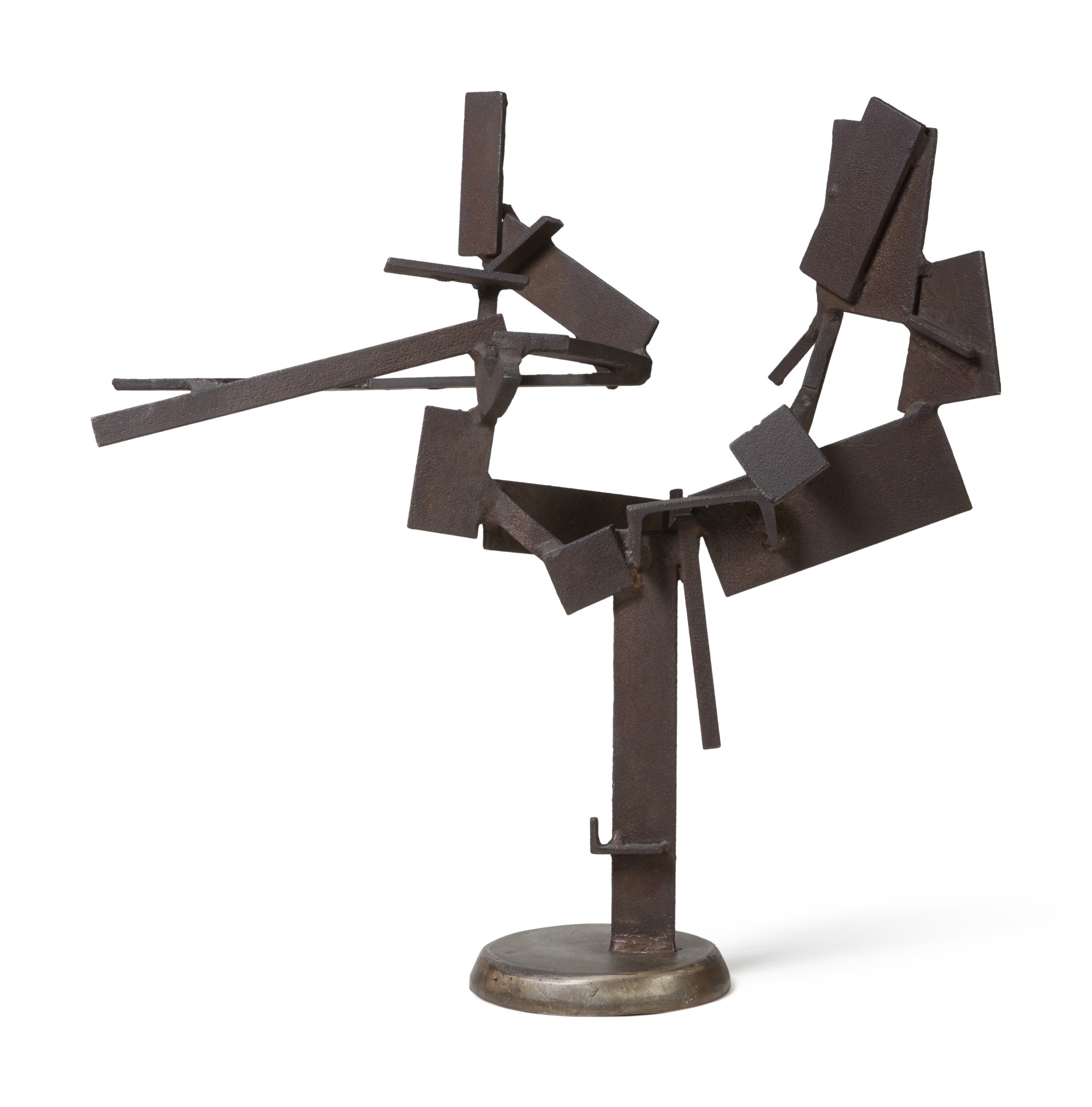
David Smith
Structure 38, 1956
Works on paper were central to his practice throughout: the spray enamel and oil painting Main Pribilof from 1959 and richly layered pieces in oil, egg ink, and tempera demonstrate that his mark making instincts were every bit as alive on paper as in the studio yard. For collectors, the breadth of Smith's output creates genuinely exciting opportunities at multiple levels of the market. His works on paper, including tempera compositions, spray enamel paintings, and unique ink and oil works on wove paper, offer entry into the artist's daily thinking in a way that the large sculptures cannot. These are not preparatory sketches dismissed as minor; they are fully realized expressions of the same formal intelligence.
Prints such as Juliette, available in rare early proof states, carry particular significance for those interested in Smith's graphic sensibility, and the careful notations and personal inscriptions that accompany certain works add layers of provenance and intimacy. At auction, major Smith sculptures have achieved prices well into the tens of millions of dollars, with the Cubi works commanding particular attention from institutional buyers and serious private collectors. Works on paper and smaller painted pieces represent a more accessible range while remaining genuine examples of a historically important practice. To understand Smith properly it helps to place him alongside his contemporaries and the sculptors who learned from him.
His dialogue with Abstract Expressionist painters like de Kooning and Kline was matched by his influence on the next generation: Anthony Caro, who worked briefly as Smith's assistant, took direct inspiration from the American's approach to open, unpedestaled sculpture. Mark di Suvero and John Chamberlain both extended Smith's investigations into industrial material and scale. Internationally, his kinship with the work of González, whose welded iron forms had first inspired him decades earlier, remains one of the great transatlantic artistic conversations of the century. Smith belongs in that company not as an imitator but as a titan who absorbed influence and transformed it entirely.
The ongoing vitality of David Smith's reputation rests on something deeper than institutional endorsement or auction room enthusiasm. It rests on the fundamental conviction his work carries: that making art is an act of full commitment, a daily physical and intellectual labor that demands everything. His Bolton Landing fields, where finished sculptures stood in the grass like a private outdoor museum, remain one of the most powerful images in American artistic history, a single artist's vision made visible and inhabitable. Smith believed that sculpture should exist in the world as confidently as a tree or a building, not on a pedestal behind a velvet rope but out in open light.
That belief, generous and demanding at once, continues to shape how we think about art in space, and why it matters.
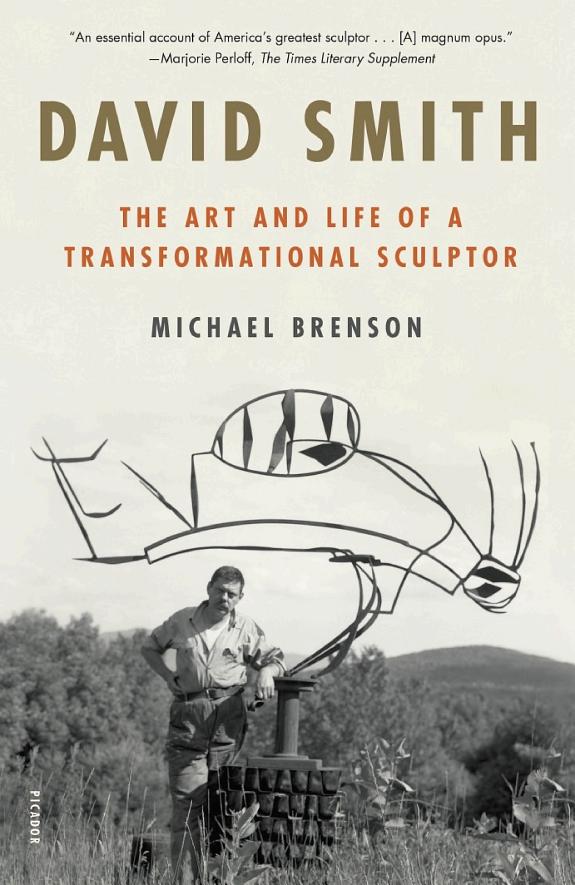
Explore books about David Smith
David Smith: A Retrospective
Rosalind E. Krauss
David Smith
E. A. Carmean Jr.

The Sculpture of David Smith: A Catalogue Raisonné
Candida N. Smith
David Smith and the Tradition of Sculpture
Jeremy Lewison
David Smith: The Formative Years
Paul Cummings

David Smith
Stanley Meltzoff

Drawing and Sculpture of David Smith
Rosalind E. Krauss