David LaChapelle
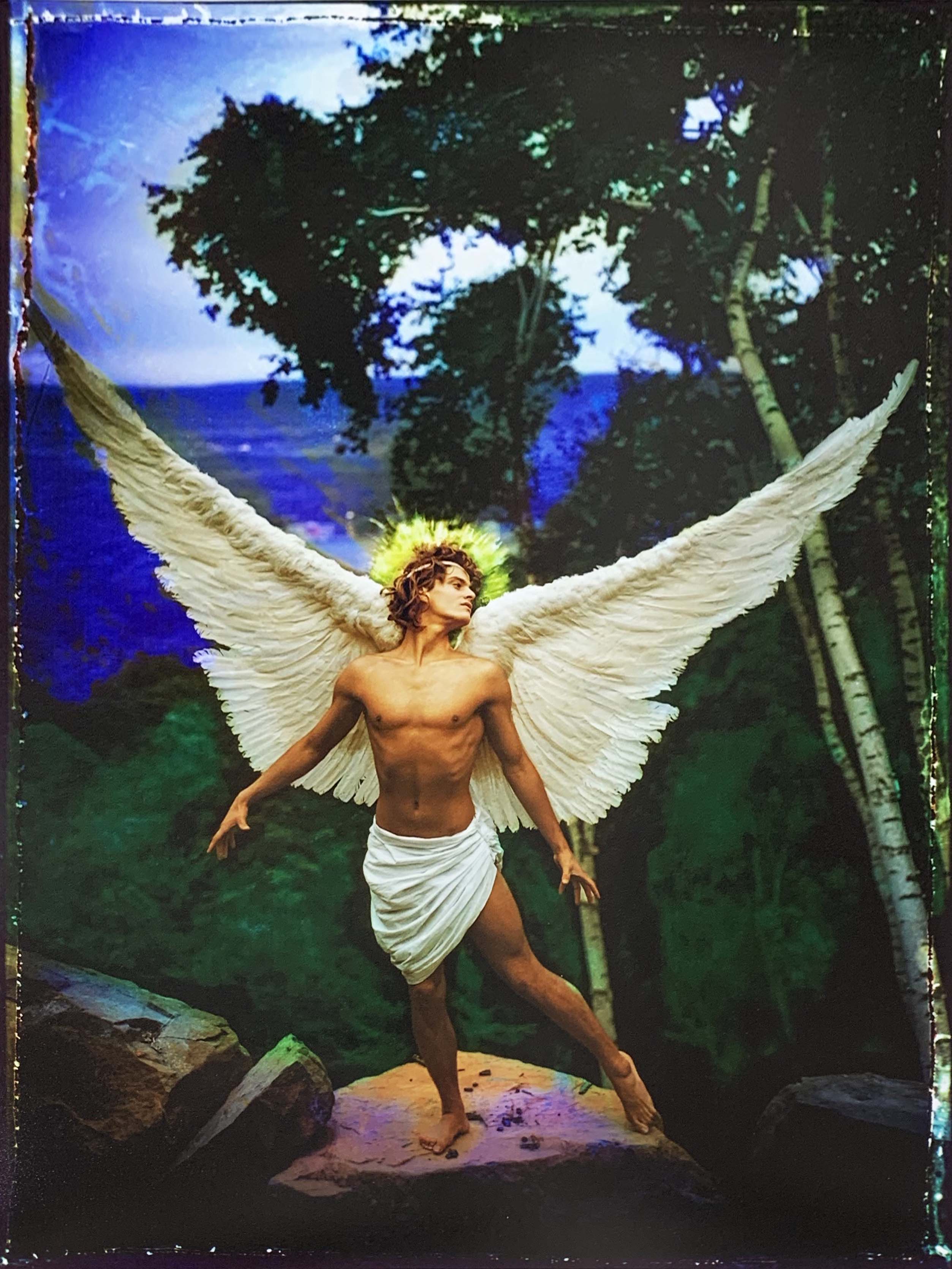
David LaChapelle: Spectacle Elevated to Sacred Art
Artist Spotlight · The Collection Editorial
“I want to create images that are more real than reality. I want people to feel something.”
David LaChapelle
In the spring of 2023, a large format chromogenic print by David LaChapelle sold at auction for a price that confirmed what serious collectors had long understood: his photographs occupy a rare space where commercial fluency and genuine artistic ambition reinforce rather than diminish each other. Museums from the Kunsthalle Wien to the Museo de Bellas Artes de Bilbao have staged major retrospectives of his work over the past two decades, and interest has only deepened with time. LaChapelle remains one of the most collected photographers of his generation, and the secondary market for his signed, editioned prints continues to reward those who recognized his importance early. David LaChapelle was born in 1963 in Fairfield, Connecticut, and his childhood was marked by a restless creativity that found few natural outlets in suburban New England.
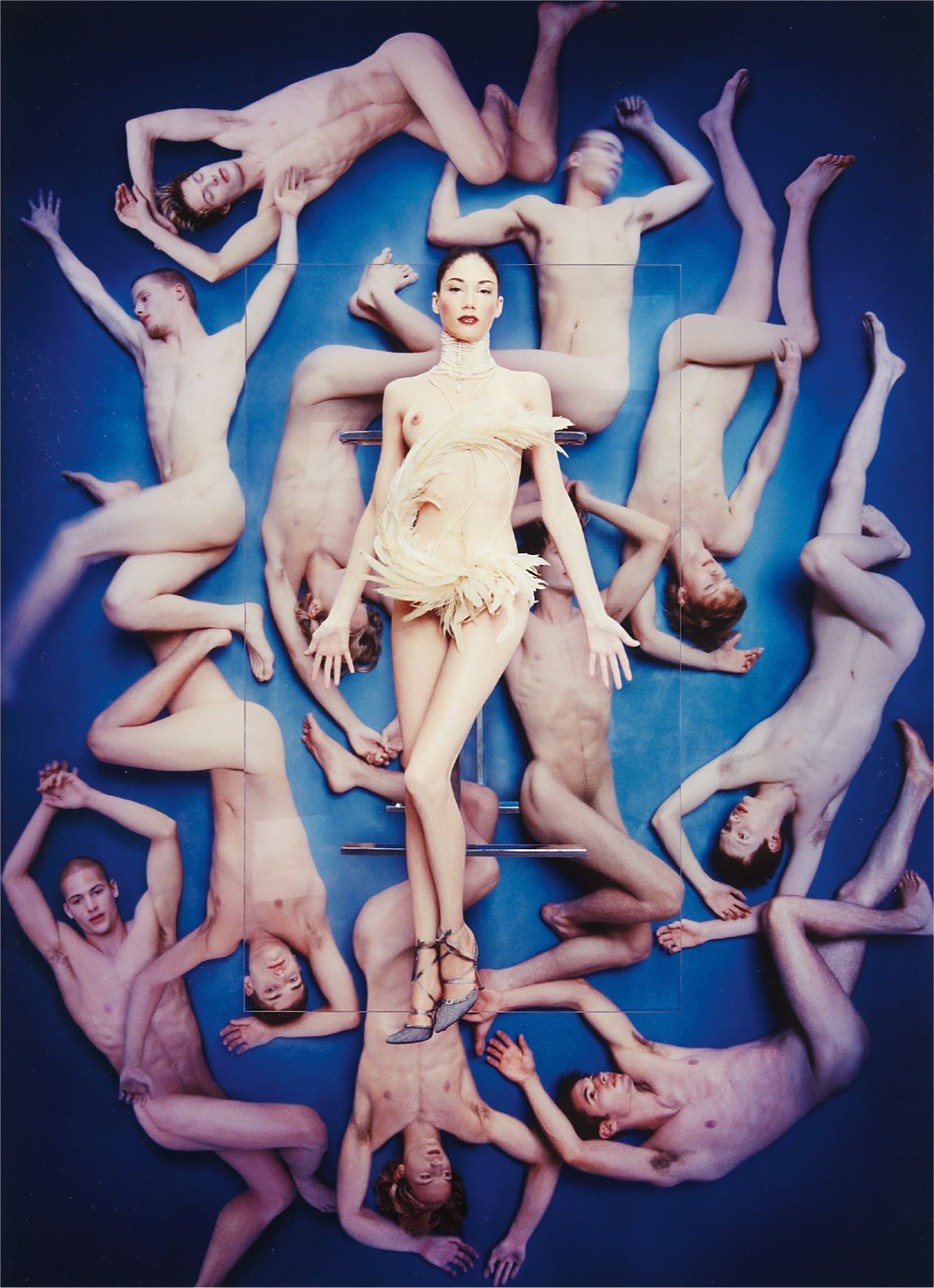
David LaChapelle
1000 B.C., D&G, New York
He moved to New York City as a teenager, eventually enrolling at the North Carolina School of the Arts before returning to Manhattan, where the downtown art scene of the early 1980s would prove to be his true education. He found work at Studio 54 and later at the legendarily permissive Club 57, absorbing firsthand the intersection of fashion, nightlife, performance, and visual culture that defined that extraordinary moment in American cultural life. It was Andy Warhol who gave him his first professional break, hiring the young LaChapelle to shoot for Interview magazine, an apprenticeship that proved formative in the deepest sense. The Warhol connection was not merely biographical.
It shaped LaChapelle's understanding of celebrity as raw material, of commercial imagery as a legitimate vehicle for meaning, and of color as a primary emotional language. Through the late 1980s and into the 1990s, he developed a photographic practice built on theatrical elaboration: elaborate sets constructed with almost architectural precision, lighting schemes of baroque intensity, and a casting sensibility that brought together supermodels, pop stars, and unknown faces with democratic generosity. His work for publications including Vogue, Rolling Stone, Vanity Fair, and GQ made him one of the most sought after photographers in the world, but the editorial commissions were always, for LaChapelle, a means rather than an end. The breakthrough into sustained critical recognition came as collectors and curators began to see what was happening beneath the gorgeous surface of his images.
David LaChapelle
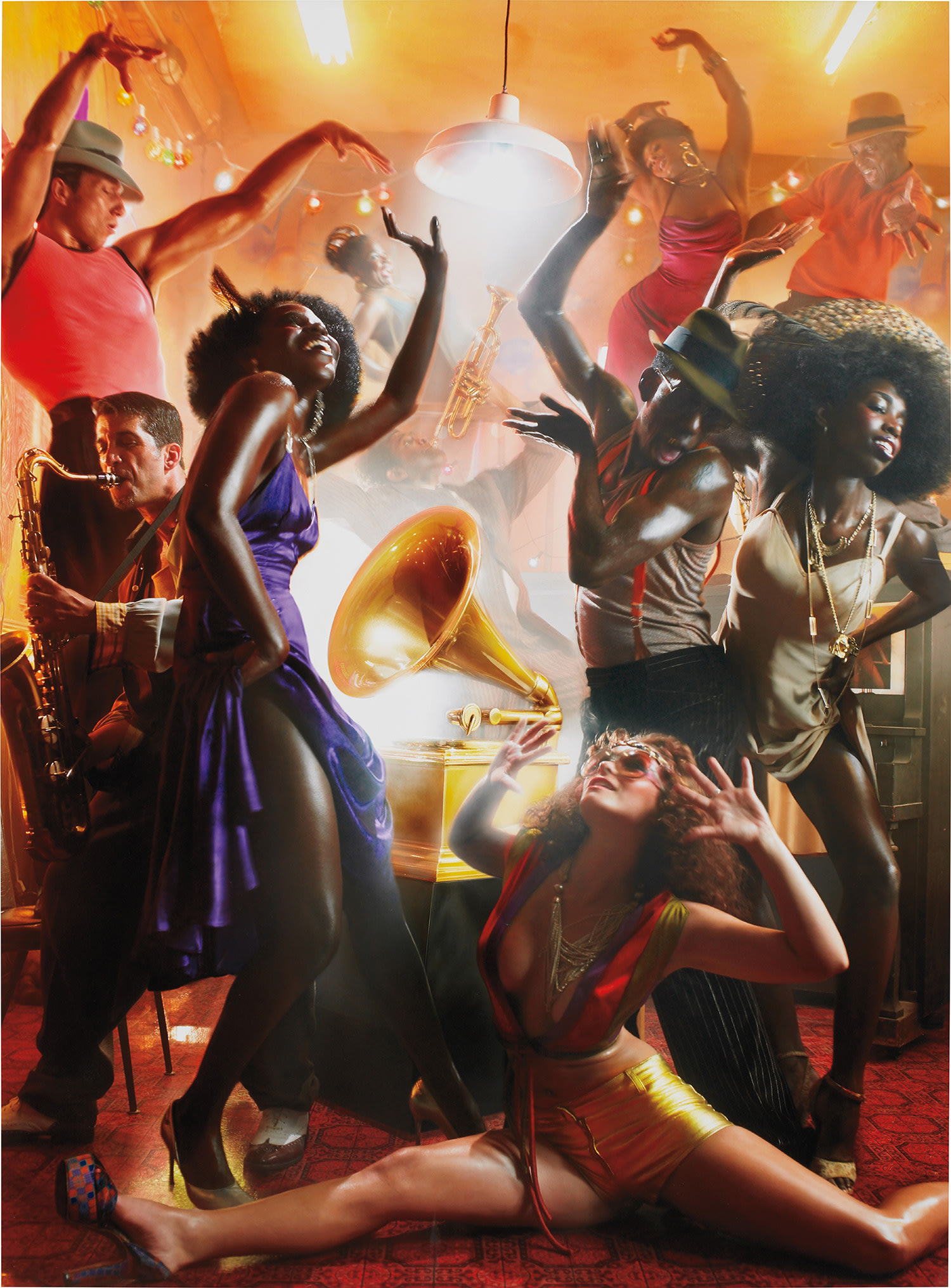
After Sugar Shack, 2005
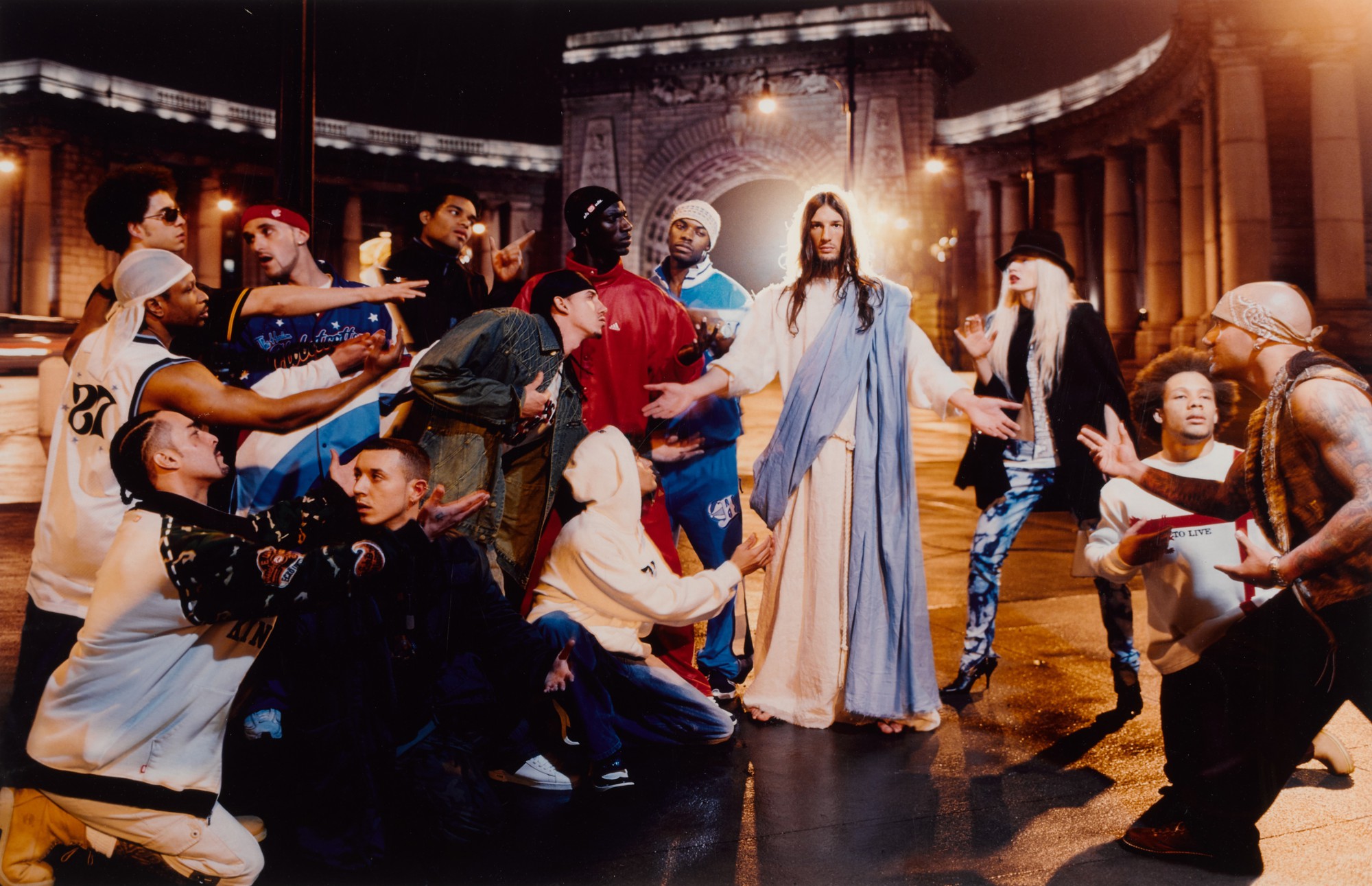
Works from the late 1990s and early 2000s, including his landmark Jesus Is My Homeboy series, demonstrated a sophisticated engagement with religious iconography, race, class, and American mythology that placed him in dialogue with artists far outside the fashion photography world. His 2003 piece Bridge, from that series, rendered the narrative of the Last Supper in contemporary street settings with a sincerity that disarmed cynicism entirely. The Last Supper of 2008, a monumental digital chromogenic print, extended this theological preoccupation into something closer to the devotional painting tradition of the Italian Renaissance, inviting comparison with Caravaggio in its handling of darkness and revelation. Among the works available through The Collection, several stand out as exemplary entry points into his practice.
“Photography is my way of bearing witness to the joy and chaos and beauty of the world around me.”
David LaChapelle
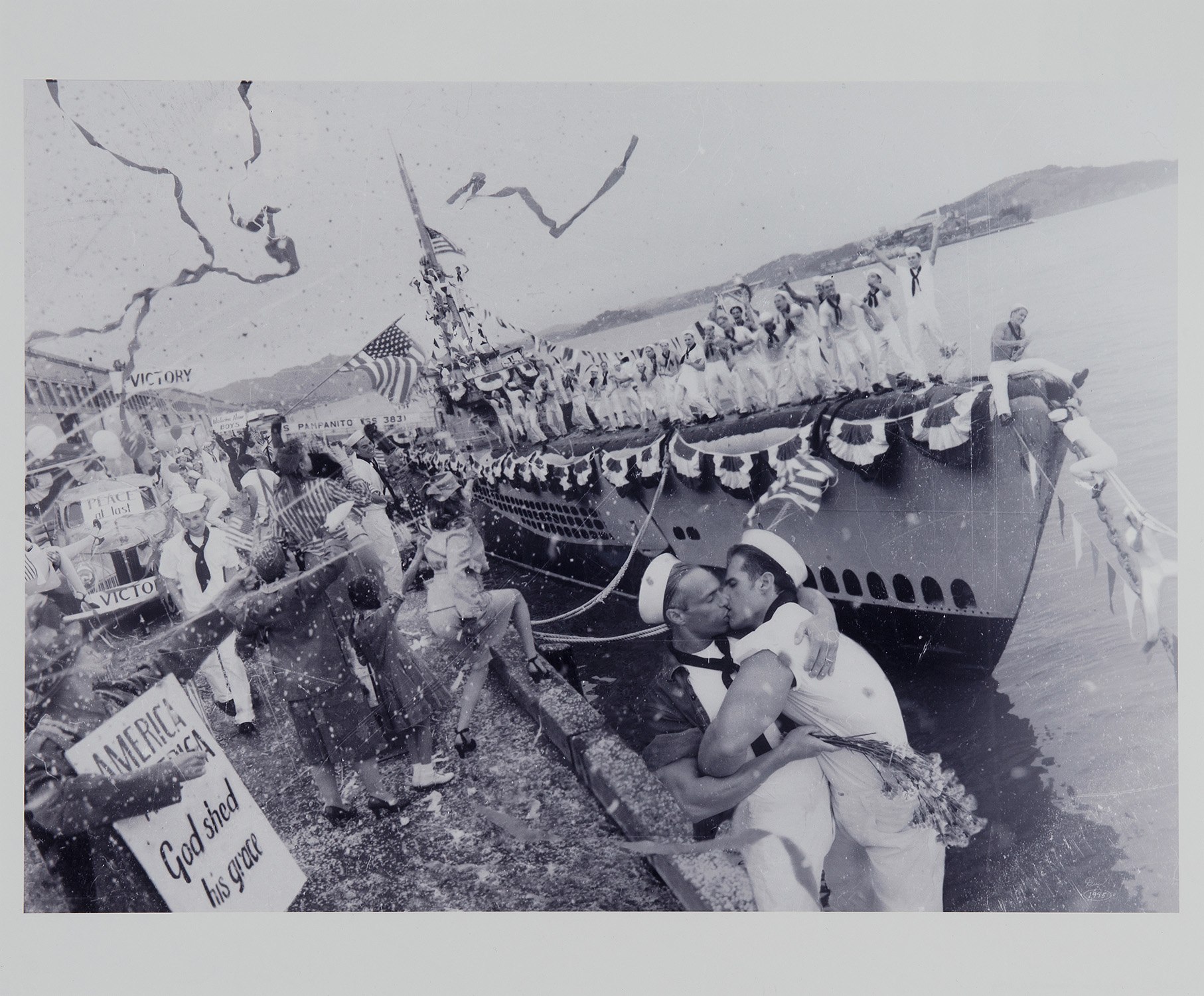
After Sugar Shack from 2005 engages directly with Ernie Barnes's beloved 1976 painting, transposing its celebration of Black joy and communal dancing into LaChapelle's signature photographic idiom, a work that is both homage and transformation. Deluge, Los Angeles belongs to a series that brought the apocalyptic tradition of European history painting into Los Angeles interiors rendered half submerged in floodwater, images that feel almost prophetic in the era of climate anxiety. The Amanda as Liz works, including Amanda as Andy Warhol's Liz (Orange) from 2007, close the circle of his Warholian inheritance with a self aware wit: here is a photographer trained by Warhol producing a photograph that quotes Warhol's most famous series, collapsing time and influence into a single luminous image. His Diesel Jeans works and the 1000 B.
David LaChapelle
Diesel Jeans, Victory Day 1945, San Francisco
C., D&G, New York series demonstrate how LaChapelle consistently recontextualized the visual grammar of advertising to question consumerism even while deploying its seductions. For collectors, LaChapelle's market offers a combination of pleasures that is genuinely rare. His prints are produced in carefully managed editions, typically ranging from small runs of fifteen to thirty, and the presence of his signature, title, date, and edition number on the reverse of the frame is a hallmark of the most desirable examples.
Condition matters enormously with chromogenic and digital chromogenic prints, and works that have been properly stored and framed, ideally with face mounting that preserves the luminosity of the image surface, command meaningful premiums. The scale of the work is also a significant collecting consideration: LaChapelle's images are conceived for large format presentation, and the full force of their visual argument is most legible at the dimensions for which they were intended. Collectors who have focused on the Jesus Is My Homeboy series, the Earth Laughs in Flowers series, and the Pieta related works have found that these bodies of work carry the strongest long term critical and market momentum. Within the broader context of late twentieth and early twenty first century photography, LaChapelle belongs to a generation that also includes Cindy Sherman, Andreas Gursky, Jeff Wall, and Gregory Crewdson, artists who understood the photograph as a constructed, staged, and deeply intentional object rather than a capture of the world as found.
David LaChapelle
"Bridge" (from Jesus is my Homeboy), 2003
Like Sherman, he uses elaborate disguise and theatricality to interrogate identity. Like Gursky, he embraces the monumental scale that commands the viewer's full attention. Like Crewdson, he builds entire worlds for the camera to inhabit. Yet his chromatic exuberance and his fluency in the language of popular culture give his work a warmth and accessibility that distinguishes him sharply from the cooler registers of much contemporary art photography.
What LaChapelle has built over four decades is something that becomes clearer with each passing year: a body of work that holds its contradictions together with remarkable grace. He is simultaneously a master technician and a visionary, a commercial success and a serious artist, a satirist of consumer culture and someone who finds genuine transcendence in beauty. He stepped back from commercial photography around 2006 and relocated to a farm in Maui, a withdrawal that allowed the artistic ambitions of the work to move fully to the foreground. The photographs that followed from that recalibration, including the Recollections in America series and the ongoing Heaven to Hell body of work, confirmed that the spectacle had always been in service of something deeper: a genuine inquiry into what it means to live, suffer, worship, and rejoice in contemporary America.
For collectors, for institutions, and for anyone who believes that photography can carry the full weight of artistic seriousness, LaChapelle's work rewards sustained attention and rewards it generously.
Explore books about David LaChapelle