David Hockney
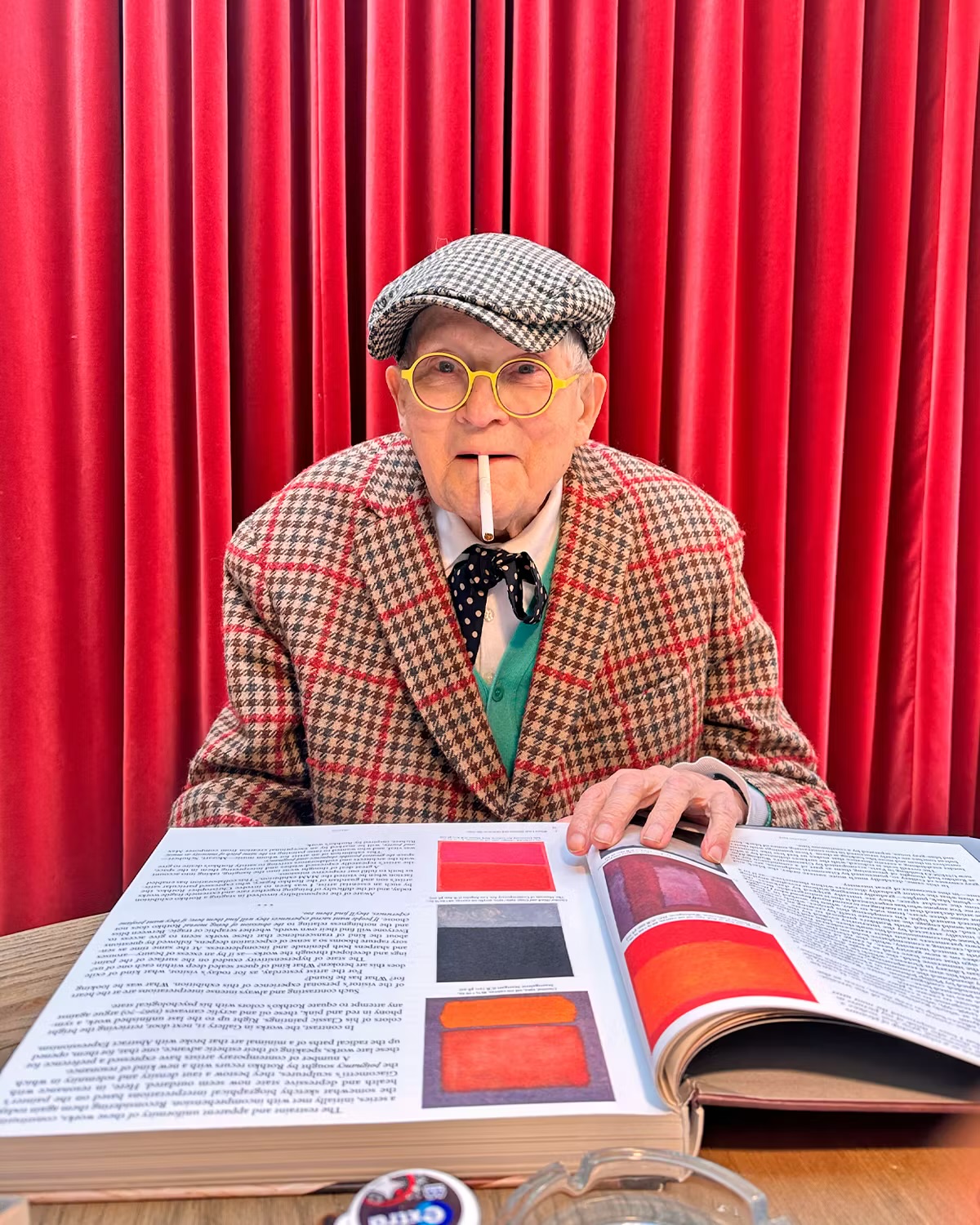
David Hockney, Forever Young at Heart
Artist Spotlight · The Collection Editorial
“All you can do is work and hope that you see something you have not seen before.”
David Hockney, interview with Martin Gayford
In the spring of 2023, the Centre Pompidou in Paris drew some of the longest queues the museum had seen in years. The occasion was a sweeping retrospective of David Hockney's work, a survey spanning six decades that reminded a new generation why this Bradford born painter remains one of the most vital and beloved artists alive. The show moved from his early etchings and Pop inflected canvases through to the luminous iPad paintings he has been producing with the devotion of a man who has never once stopped looking at the world with astonishment. At eighty six, Hockney continues to work every day, and the art world knows it has the rare privilege of watching a genuine master still in full flight.
David Hockney
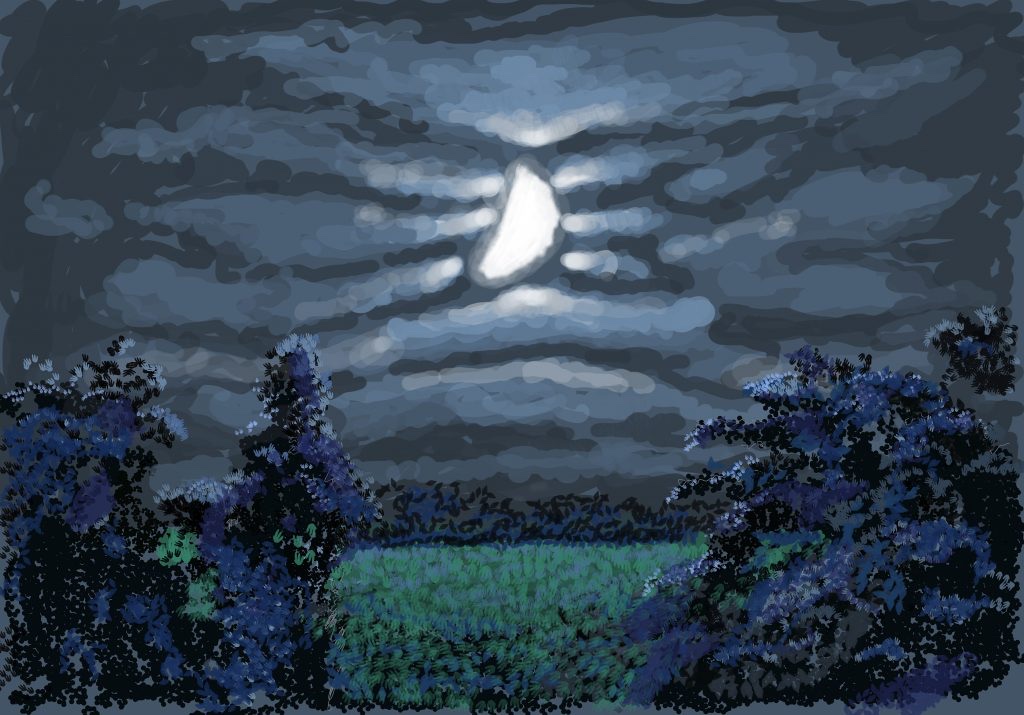
2nd May 2020, 2020
Hockney was born in Bradford, Yorkshire, in 1937, the fourth of five children in a working class family. His father, Kenneth, was a committed pacifist and an enthusiastic if amateur draughtsman, and the household was one where creative curiosity was quietly encouraged. From Bradford Grammar School he won a place at Bradford College of Art, and then, in 1959, he arrived at the Royal College of Art in London, entering at one of the most electric moments in postwar British cultural life. The RCA in those years was a crucible, drawing together future luminaries including R.
B. Kitaj, Peter Blake, and Allen Jones. Hockney thrived, winning the gold medal upon graduation in 1962 and arriving on the London scene already recognised as a talent of uncommon force. His association with British Pop Art was immediate and genuine, though from the very beginning Hockney operated on his own terms.
David Hockney
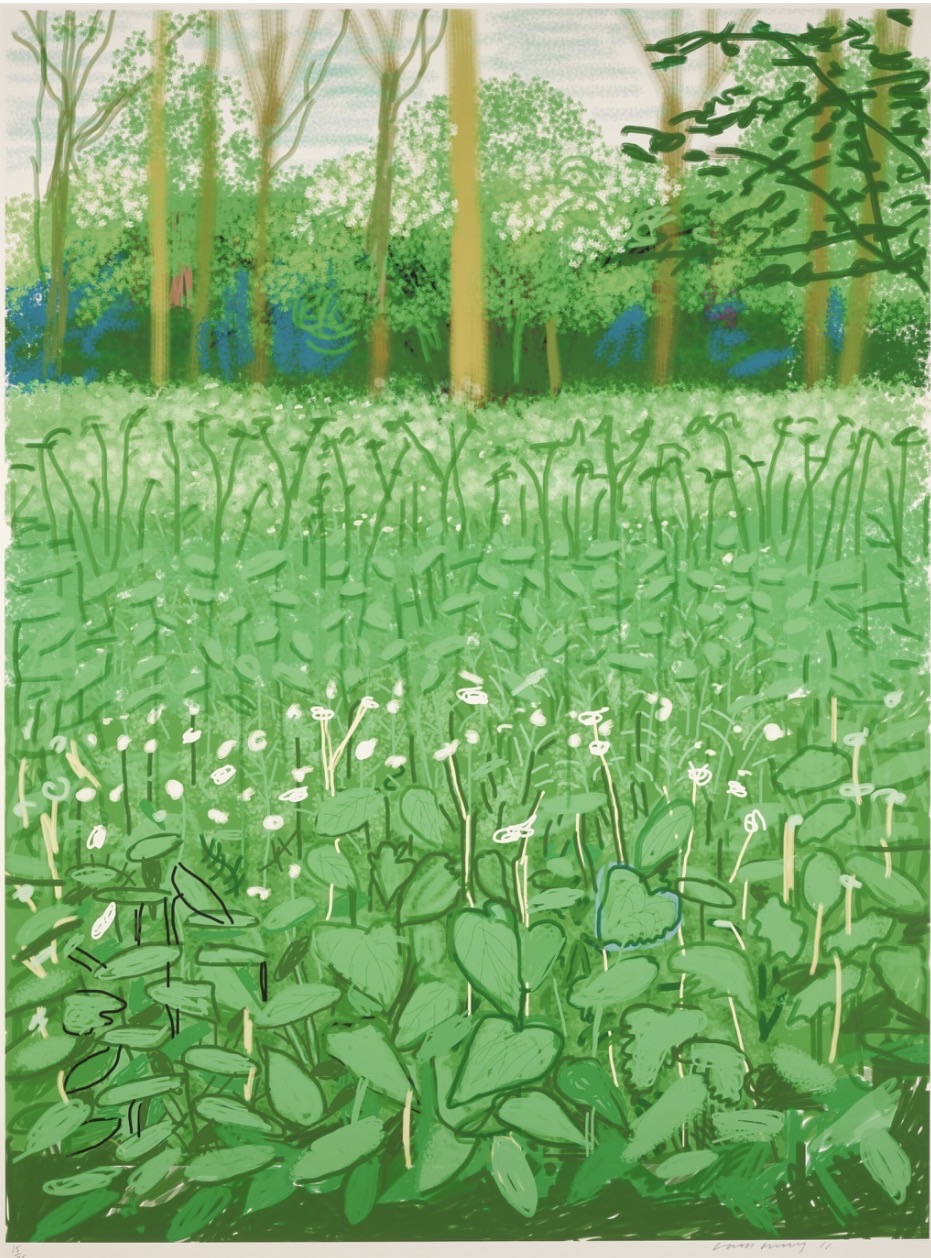
The Arrival of Spring in Woldgate, East Yorkshire in 2011 (twenty eleven) - 6 May, 2011
While his contemporaries were seduced by advertising imagery and mass media iconography, Hockney was drawing on Walt Whitman, on personal desire, on autobiography. His early series of etchings, including the celebrated "A Rake's Progress" from 1963, showed a draughtsman of wit and psychological precision. That same year he made his first visit to Los Angeles, and the city changed him. The light, the swimming pools, the particular quality of Californian leisure and longing spoke directly to something in his imagination, and he began the long body of work that would make him famous the world over.
“I am an optimist. I choose to be. There is a lot of darkness in our world, but I choose not to dwell on it.”
David Hockney, interview with The Guardian
The paintings of swimming pools produced through the late 1960s represent one of the great sustained achievements in postwar figuration. Works such as "A Bigger Splash" from 1967 and "Portrait of an Artist (Pool with Two Figures)" from 1972 combine rigorous pictorial intelligence with a surface pleasure that is instantly legible and deeply satisfying. Hockney understood that the shimmer of water and the hard geometry of a California pool offered him a way to explore light, representation, and perception simultaneously. The double portrait of 1972 was, at its 2018 Christie's auction, the most expensive work by a living artist ever sold at that time, achieving just over ninety million dollars.
David Hockney
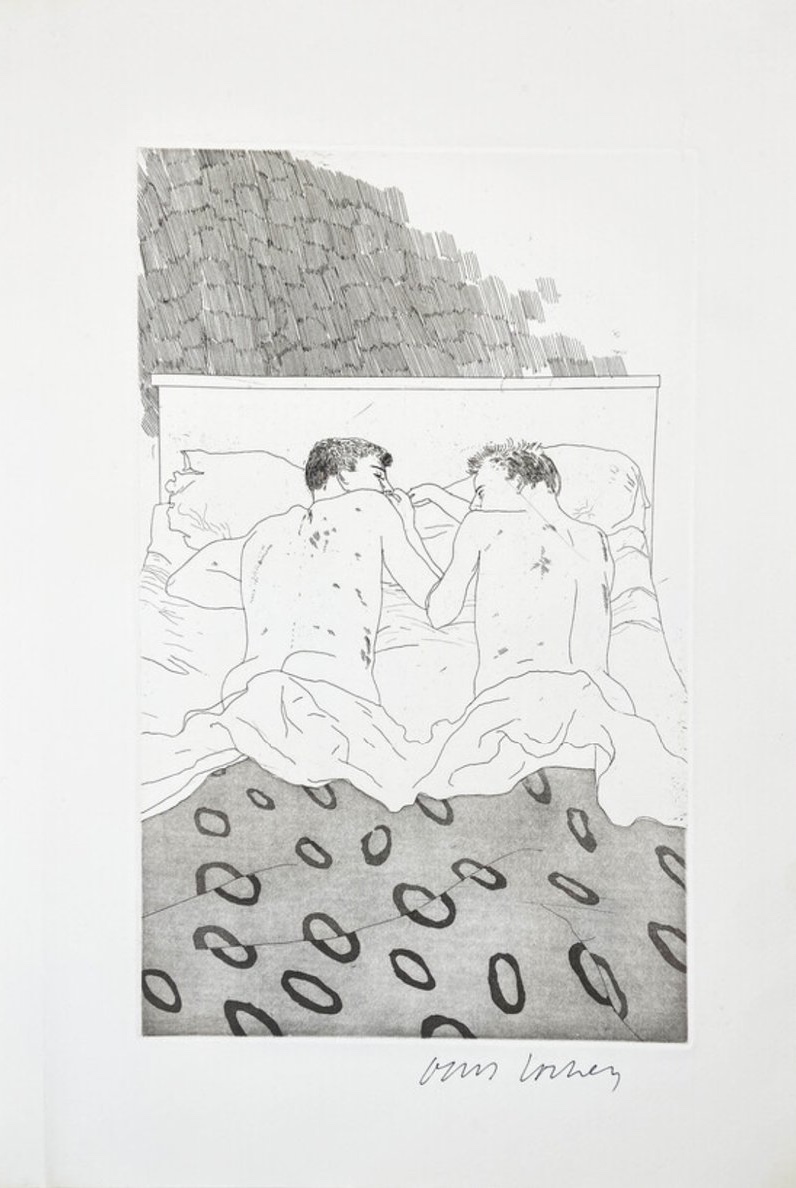
Two Boys Aged 23 or 24, 1966
It remains a benchmark of what the market and the culture together can recognise as irreplaceable. His portraiture, from the intimate double portraits of friends and lovers to the monumental group canvases of the 1970s, revealed a painter who truly loved the people he depicted, and that warmth is felt across the surface of every canvas. Hockney has never been an artist content to refine a successful formula. Through the 1970s and 1980s he pursued questions of perspective and representation with the tenacity of a theorist, exploring Cubist spatial ideas in his "joiners," large composite photographic collages that challenged the camera's monocular view of the world.
“Drawing makes you see things clearer, and clearer and clearer still, until your eyes ache.”
David Hockney
His 1980 print "Pool Made with Paper and Blue Ink for Book" exemplifies his ability to distil the essence of a subject through economy and wit, the swimming pool reduced to a graphic poem. His investigations into optics and the history of representation led to his 2001 book "Secret Knowledge," a serious and provocative argument that Old Masters used optical devices as aids, a thesis that sparked genuine debate among art historians. For Hockney, looking was never passive; it was always an argument. The arrival of the iPhone and then the iPad in the late 2000s gave Hockney what he described as an entirely new way to draw, and his response was characteristically wholehearted.
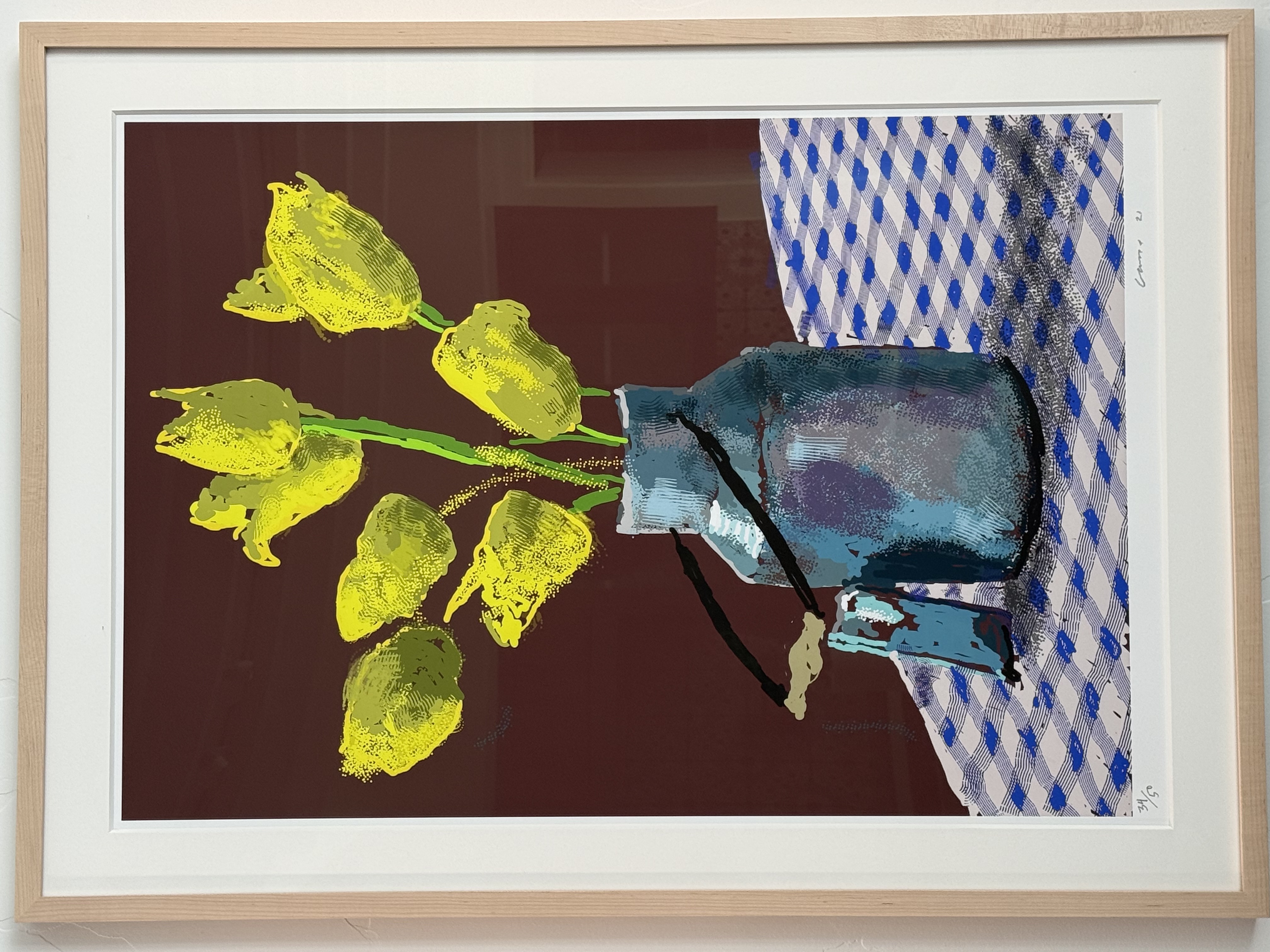
David Hockney
21st April 2021, Yellow Flowers in a Small Milk Churn, 2021
He began producing daily drawings on the iPad's screen with a commitment that recalled the discipline of a nineteenth century landscape painter, sending the images directly to friends each morning as a kind of luminous correspondence. These works, including "The Arrival of Spring in Woldgate, East Yorkshire in 2011" and the ongoing series of flowers and Yorkshire landscapes produced during and after the pandemic lockdowns of 2020 and 2021, such as "2nd May 2020" and "24th February 2021, Red, Yellow and Purple Flowers on a Blue Tablecloth," are genuinely new additions to his language. Printed on paper and mounted on Dibond, they carry the energy of drawing with the physical presence of an edition, and they represent some of the most joyful works he has ever made. For collectors, Hockney offers a rare combination of art historical significance and genuine emotional accessibility.
His market is global and deep, supported by major institutions including Tate Britain, the Los Angeles County Museum of Art, the Metropolitan Museum of Art, and the Ludwig Museum in Cologne. Works on paper and prints, including the etchings from the 1960s such as "Two Boys Aged 23 or 24" and "In Despair," offer entry points that carry genuine weight both critically and historically. The iPad editions represent a particularly compelling area of the market: they are works of a mature master in a genuinely exploratory mode, and they carry the additional resonance of being made by a man who, having survived so much of the twentieth century, chose to respond to a global crisis with colour, observation, and daily beauty. Condition, provenance, and edition size are the key considerations, and works that have passed through major auctions at Christie's, Sotheby's, and Phillips carry transparent price histories that reward careful research.
To place Hockney within art history is to recognise how few artists have managed to remain both critically serious and genuinely beloved across so long a career. His dialogue with Picasso is one of the great conversations across time in modern art; his connection to Matisse's use of colour and domestic warmth is evident in every flower painting. Collectors who are drawn to the figurative traditions of Lucian Freud, R.B.
Kitaj, or Frank Auerbach will find in Hockney a natural companion, one who shares their commitment to the observed world but who approaches it with a brightness and wit entirely his own. He belongs, too, in a lineage of artists for whom personal identity and lived experience were central to the work: his openness about his sexuality from the earliest years of his career was courageous and historically significant, and it gave his art an authenticity that resonates as powerfully today as it did in the 1960s. David Hockney's legacy is secure, but what makes him remarkable is that he refuses to be merely a legacy. He is still in his studio in Normandy, still drawing the same lane of trees through every season, still sending paintings to friends, still arguing about what it means to look.
The Collection is proud to represent a substantial body of his work across all periods, from the intimate early etchings through to the most recent iPad paintings, offering collectors the opportunity to engage with one of the defining artistic imaginations of our time. To own a Hockney is to own a piece of what it has felt like to be alive and paying attention during an extraordinary century of art.
Explore books about David Hockney
David Hockney: A Retrospective
Maurice Tuchman and Stephanie Barron
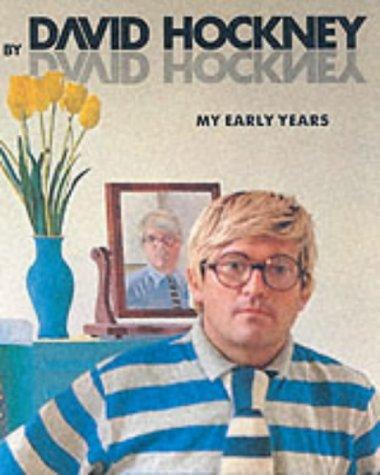
David Hockney by David Hockney
David Hockney and Nikos Stangos
The Bigger Picture
David Hockney and Martin Gayford
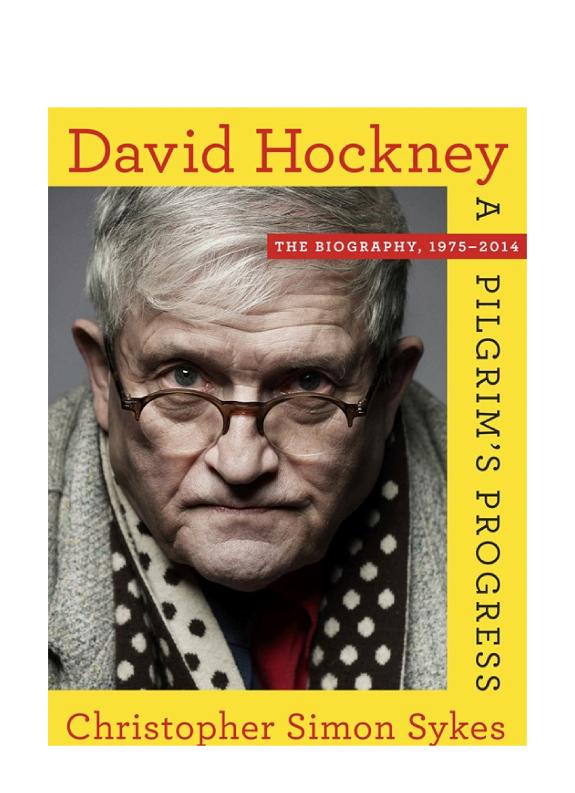
David Hockney: A Life
Christopher Simon Sykes

Hockney on Photography
David Hockney and Paul Joyce

David Hockney: Paintings 1960-1968
Various
That's the Way I See It
David Hockney and Peter Webb
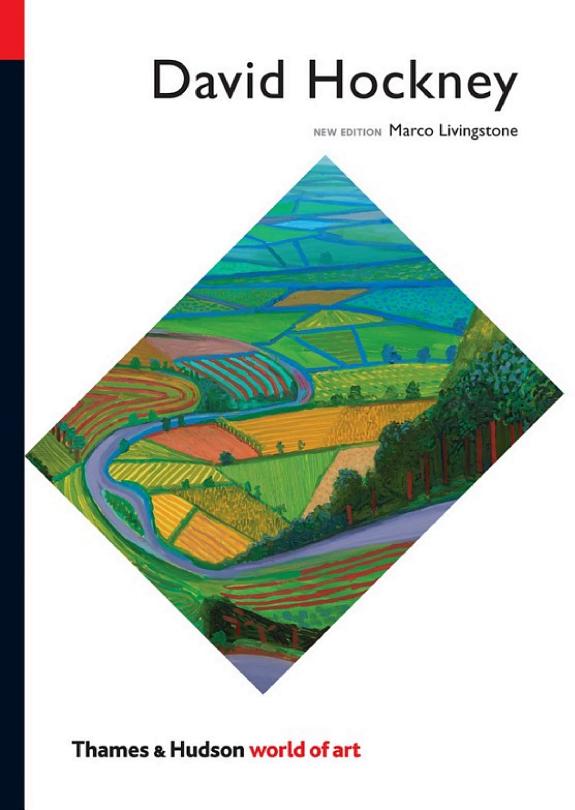
David Hockney: Secret Knowledge
David Hockney and Charles Falco