David Bailey
David Bailey: A Lens That Defined an Era
Artist Spotlight · The Collection Editorial
“I never cared about technical perfection. What I care about is whether a picture has life.”
David Bailey
There are photographers who document the world, and then there are those who remake it entirely. David Bailey belongs to the second, rarer category. Now in his ninth decade, Bailey remains a vital and celebrated figure in both the art market and the broader cultural conversation, his vintage prints commanding serious attention at auction and his archive continuing to yield works of startling freshness. A major retrospective of his portraiture at the National Portrait Gallery in London drew record crowds and reminded a new generation why Bailey's eye is so singular, so uncompromising, and so deeply pleasurable to encounter.
David Bailey
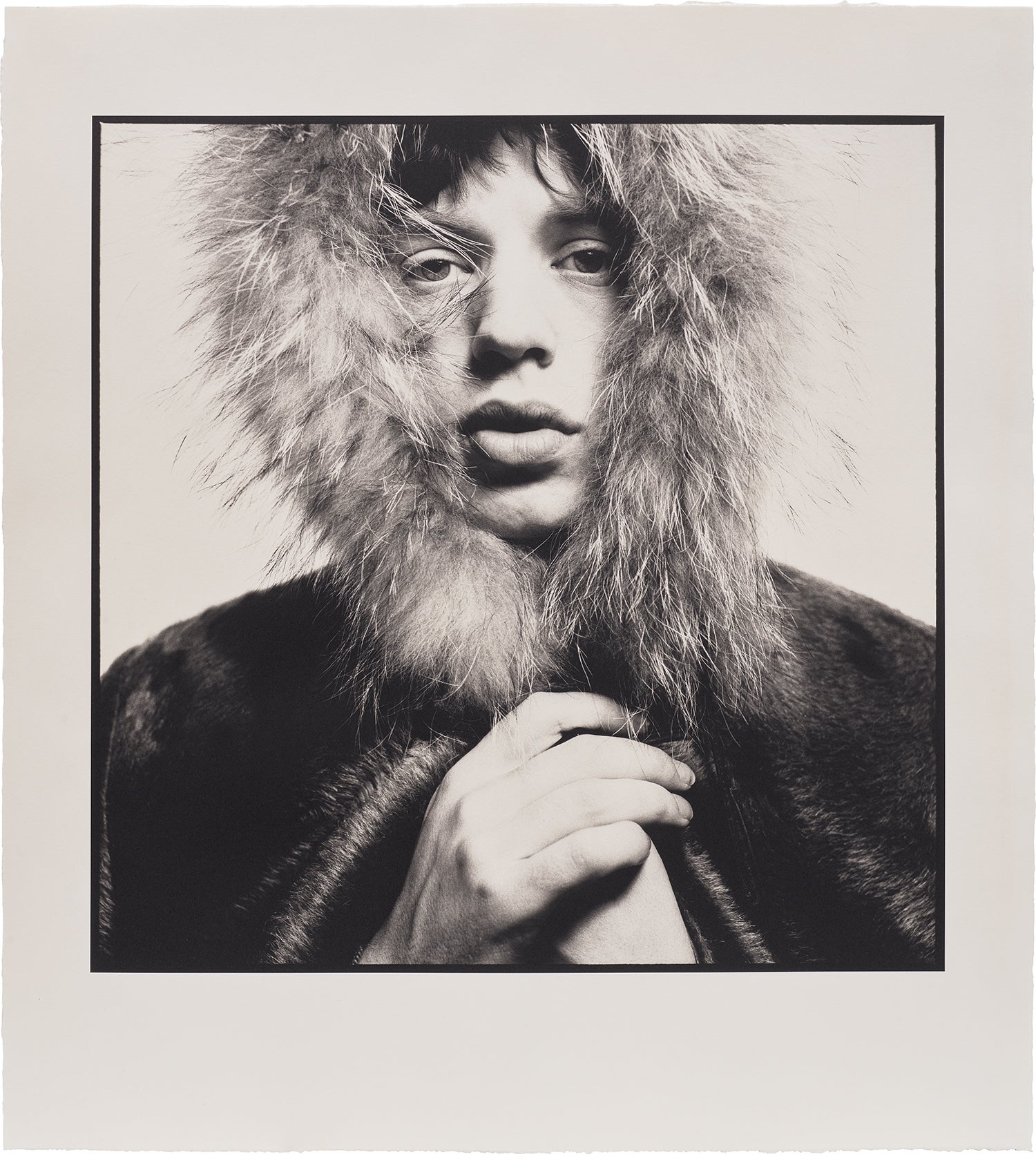
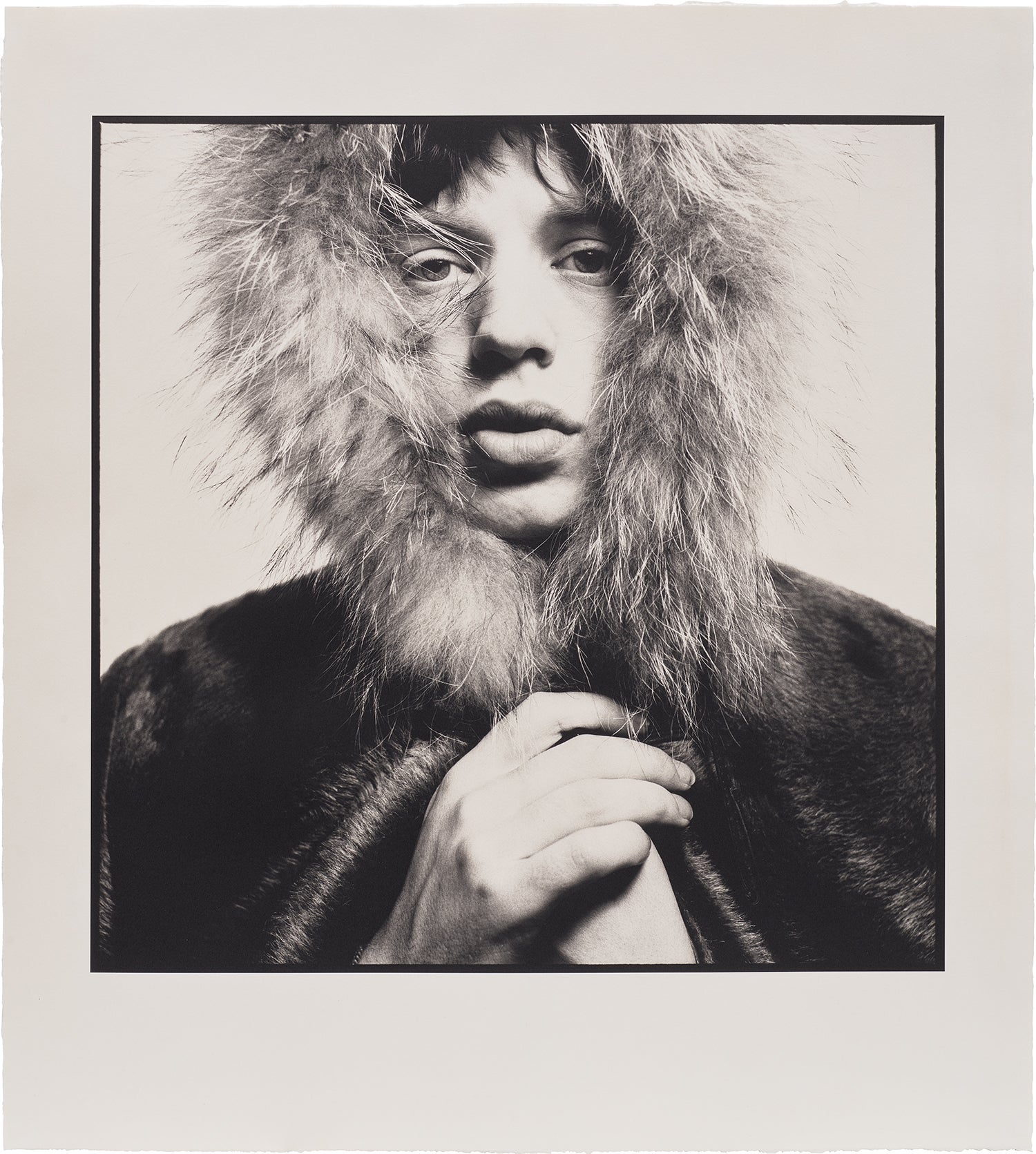
Mick Jagger, 1964
Bailey was born in Leytonstone, East London, in 1938, into a working class family that offered few obvious pathways toward the glamour he would later inhabit so effortlessly. His childhood was marked by the austerity of postwar Britain, and he has spoken often about how his East End upbringing gave him both a directness and an outsider's hunger. Diagnosed with dyslexia at a time when the condition was poorly understood, he found little comfort in formal education. What saved him, by his own account, was a camera.
After a brief stint in the Royal Air Force, he assisted the photographer David Weiss before landing at John French's studio, where he learned the technical discipline that would underpin even his most spontaneous seeming work. His ascent was rapid and decisive. By the early 1960s, Bailey had joined Vogue as a staff photographer, and it was there that he began his legendary collaboration with Jean Shrimpton, the model who would become the face of a generation and his most celebrated subject during those years. Together they helped invent the visual grammar of Swinging London: informal, energetic, seductive, and thoroughly modern.
David Bailey
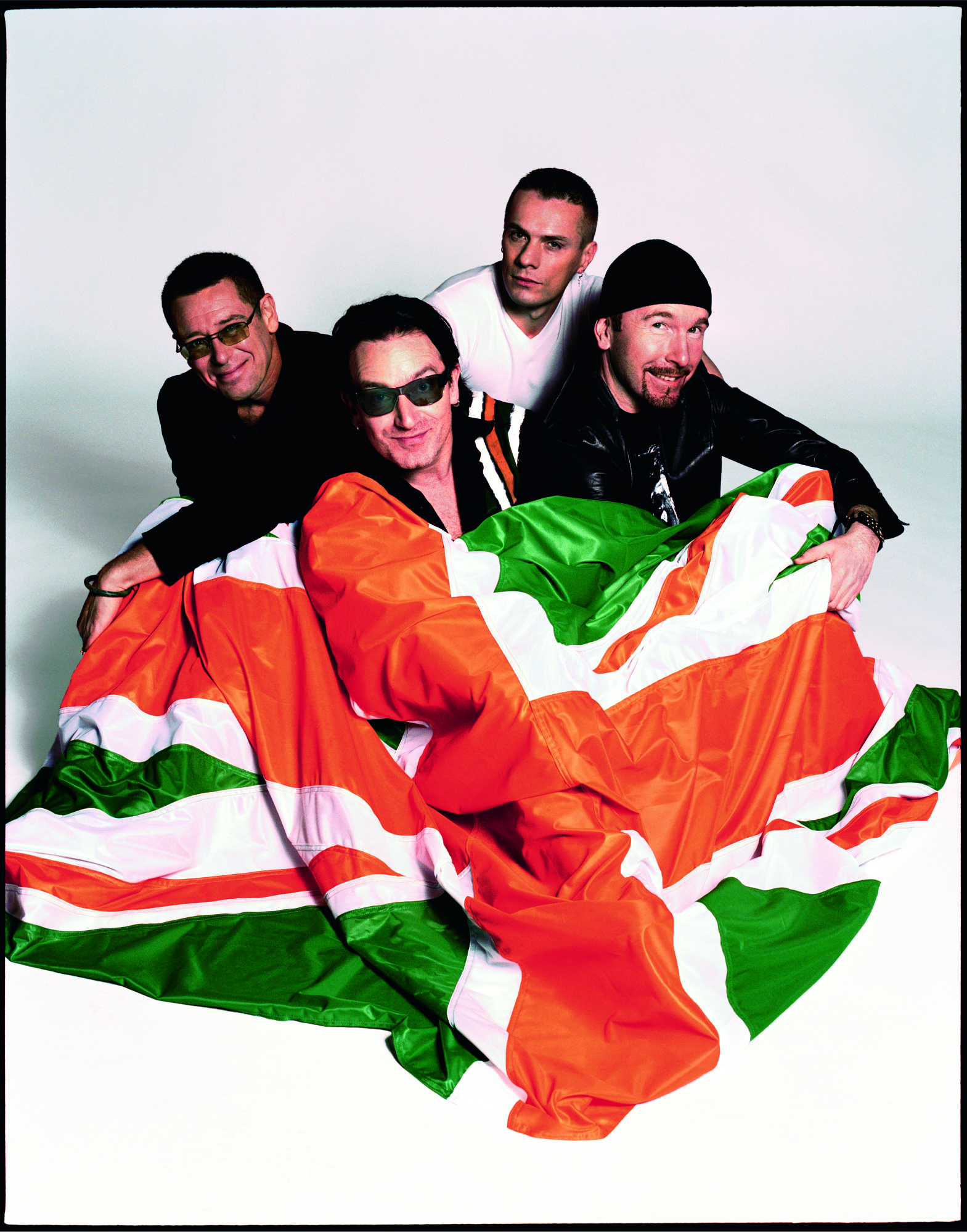
U2, 2001
Where fashion photography had previously favored stiff elegance, Bailey introduced movement, personality, and a sense of real life crackling just beneath the surface. The industry had simply never seen anything quite like it. The mid 1960s represent the apex of Bailey's cultural influence, though his artistic evolution continued long afterward. His 1965 publication Box of Pin Ups, a portfolio of portraits of the era's most compelling figures, from the Rolling Stones to the Kray twins, reads today as a kind of sociological document as much as an artistic one.
“I wanted to be a jazz musician, and I ended up being a photographer. Photography is jazz with a camera.”
David Bailey, Interview
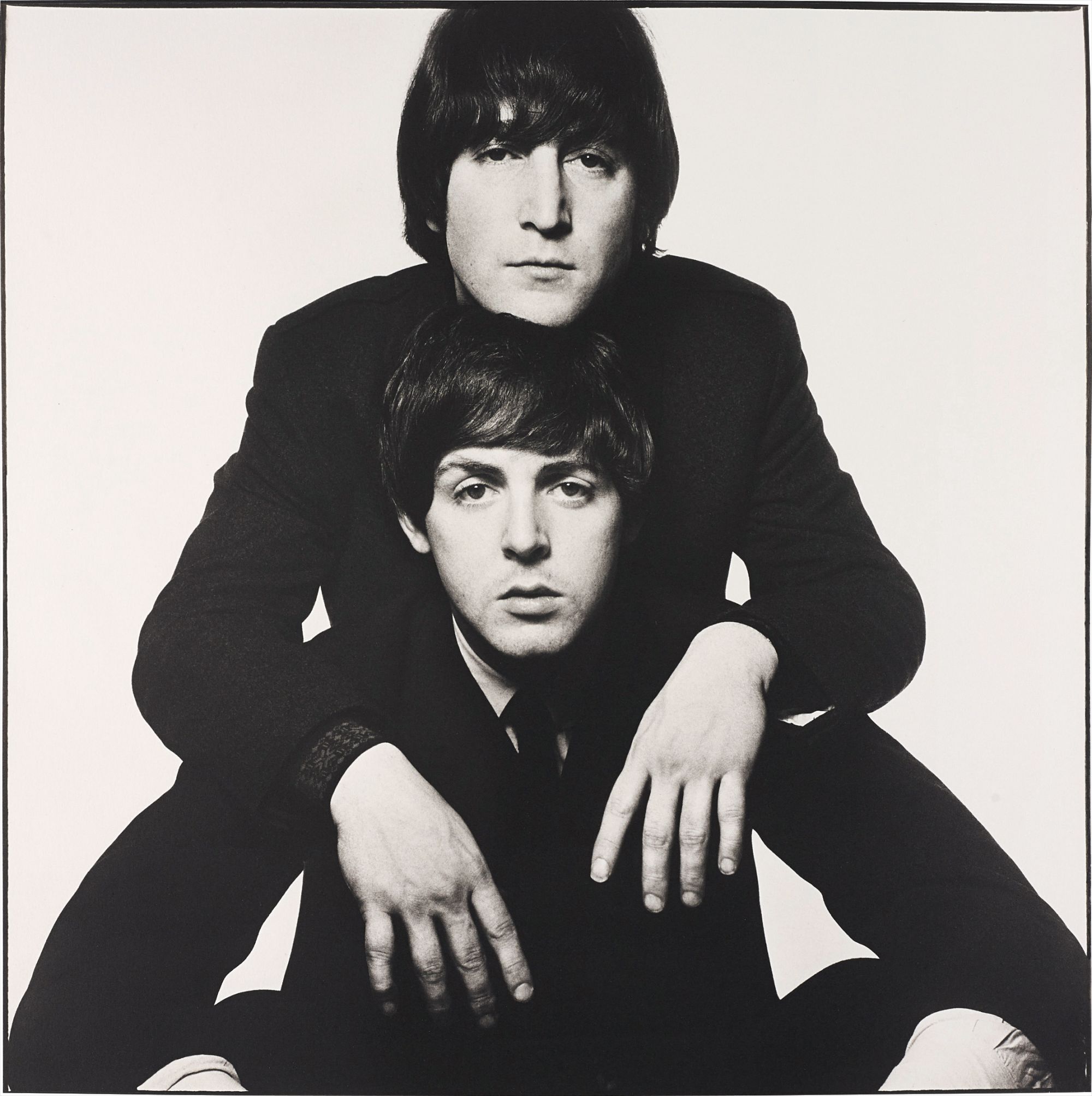
It captured a moment when celebrity, danger, art, and style were all in wild circulation together, before anyone had codified what that meant. His portrait of Mick Jagger from 1964, all insolent beauty and restless intelligence, is among the most reproduced images in British photographic history. His images of John Lennon and Paul McCartney, including the quietly authoritative versions made in both 1965 and later revisited in 1990, demonstrate that his gift for capturing the interior life of his subjects only deepened with time. What distinguishes Bailey's finest work from that of his contemporaries is his understanding of the collaborative nature of portraiture.
David Bailey
John Lennon and Paul McCartney, January, 1990
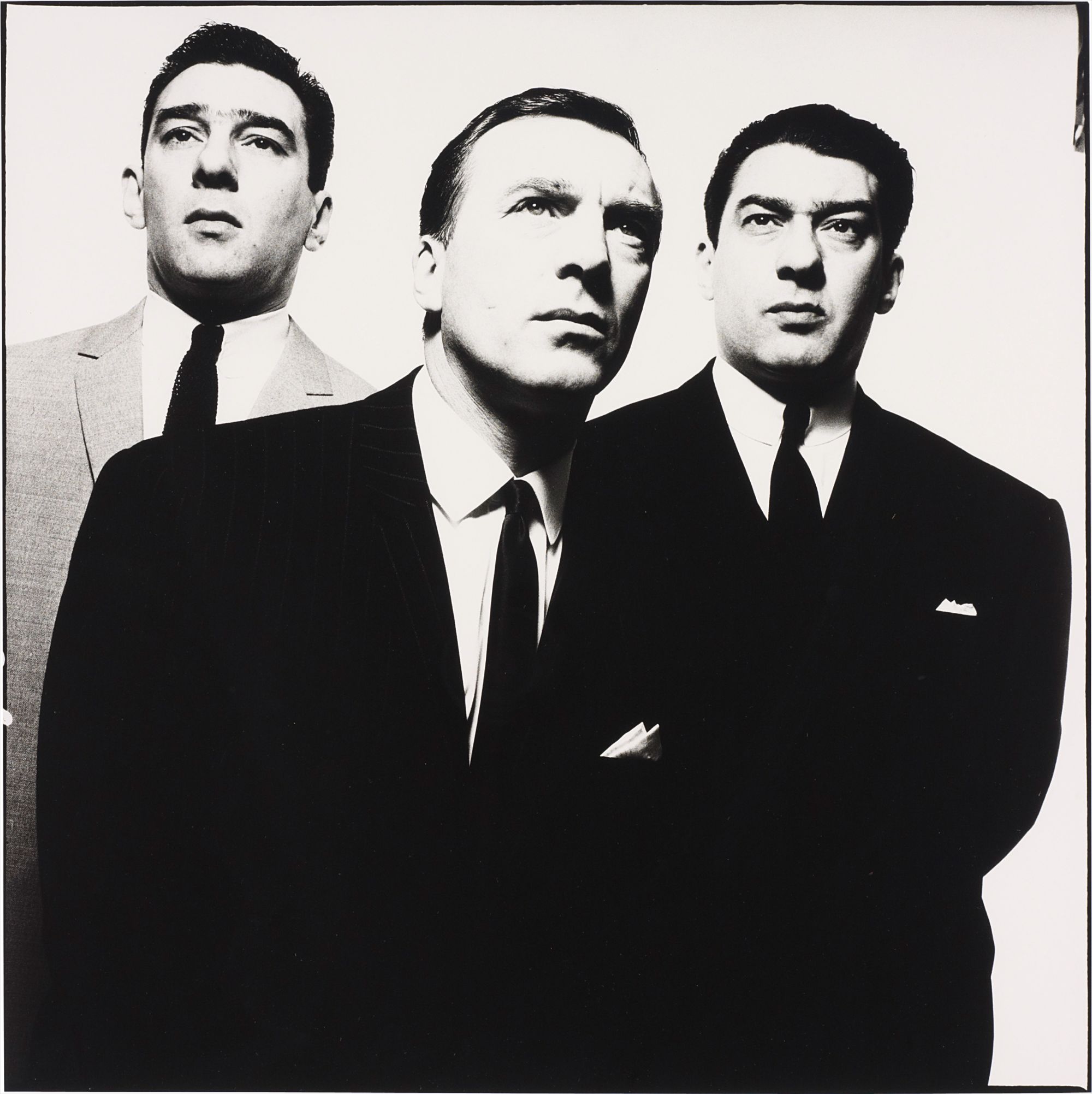
He has always insisted that the best photographs happen because of a genuine exchange between photographer and subject, not despite one party's dominance over the other. His gelatin silver prints carry this quality in their very surface: there is warmth in the contrast, a feeling of proximity and trust that makes even his most famous subjects feel newly knowable. His 1989 printed version of The Kray Brothers is a case in point. Where another photographer might have leaned into menace or mythology, Bailey's image holds something more complex: recognition, almost tenderness, alongside the unflinching acknowledgment of who these men were.
For collectors, Bailey's work occupies a particularly compelling position in the market. His prints span a wide range of mediums and editions, from classic gelatin silver prints to later archival inkjet works such as his portrait of U2 from 2001, offering entry points at various price levels without any compromise on the quality of the archive they represent. Works from the 1960s, particularly those associated with his Vogue years or with figures of enduring cultural magnetism such as Lennon, Jagger, or Shrimpton, tend to attract the strongest bidding at auction. Editions that are signed, numbered, and accompanied by clear provenance command a significant premium.
David Bailey
The Kray Brothers
Collectors drawn to British photography of the twentieth century will find Bailey an essential anchor, a figure without whom no serious collection of the period is truly complete. Within the broader history of photography as art, Bailey belongs in the company of figures such as Richard Avedon, whose American glamour ran parallel to Bailey's British street energy, and Helmut Newton, whose fashion work shared Bailey's willingness to assert a strong authorial voice. Irving Penn's portrait discipline offers another useful point of comparison, though Penn's studio formalism stands in deliberate contrast to Bailey's more instinctive approach. Closer to home, photographers such as Terry O'Neill and Norman Parkinson were working in adjacent territory during the same decades, but Bailey's combination of cultural access, artistic ambition, and sheer longevity sets him apart.
He is not simply a photographer of celebrities but a portraitist of genuine psychological depth whose subjects happen to have been among the most recognizable people of the last sixty years. Bailey's legacy is not a matter of historical record alone. He continues to work, to exhibit, and to provoke, and the market for his prints reflects that ongoing vitality. Institutions from the Victoria and Albert Museum to the Museum of Modern Art hold examples of his work, and the academic literature around his practice grows more sophisticated with each passing year.
For those encountering his photographs for the first time, the experience is often described as a kind of recognition: these images feel already known, already part of the texture of cultural memory, even before you can name the specific photograph. That is the mark of a truly great visual artist, someone whose way of seeing has become inseparable from how the rest of us see as well. David Bailey made the world look at itself differently, and the world has never quite looked the same since.
Explore books about David Bailey
David Bailey: Chasing Shadows
David Bailey
David Bailey Portraits
David Bailey
Trouble and Strife
David Bailey
David Bailey: The Birth of Cool Photography
Martin Harrison
David Bailey: East End Nudes
David Bailey
The Sixties: London and Paris
David Bailey
David Bailey: Black and White Memories
David Bailey