David Altmejd
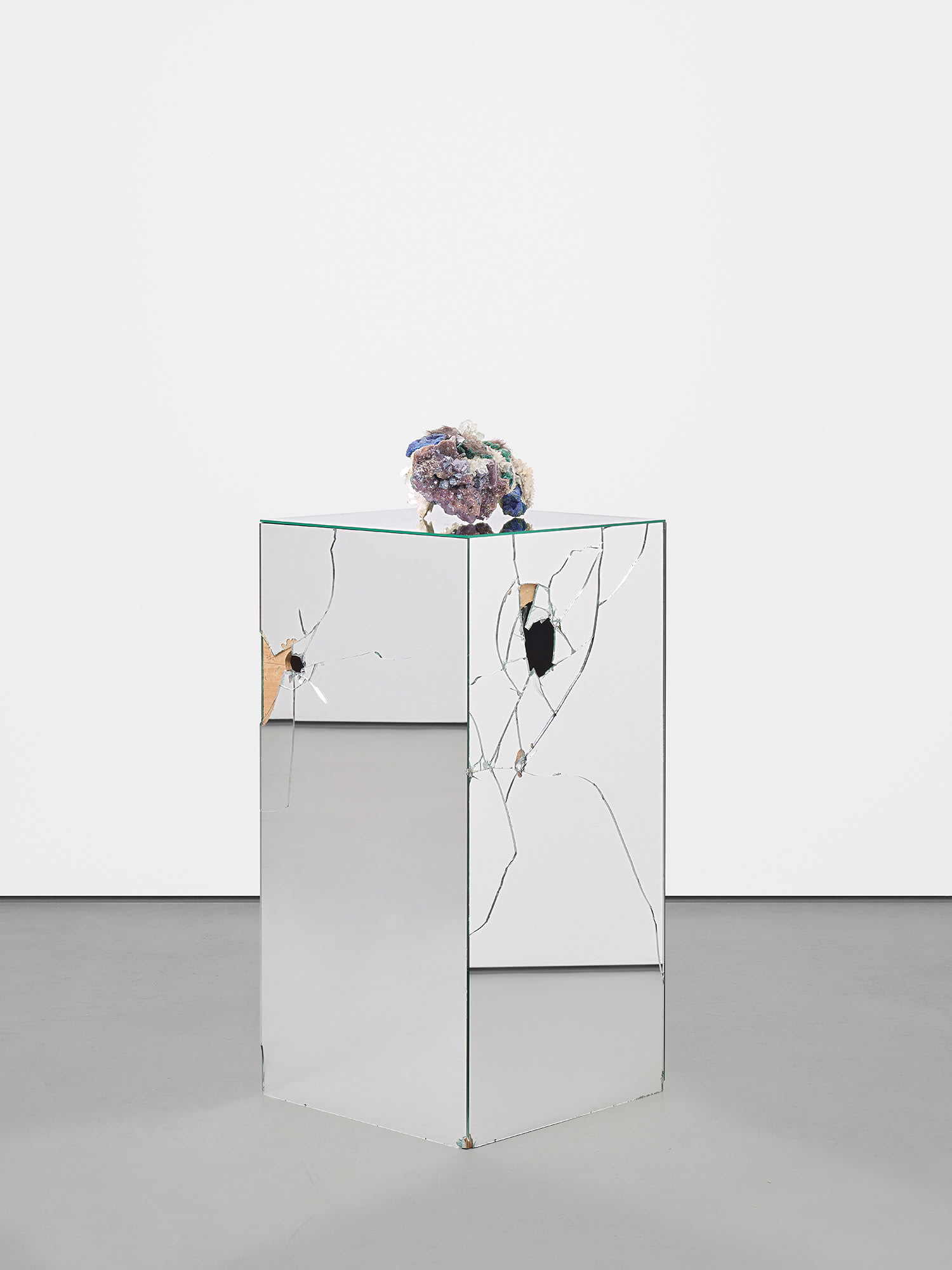
David Altmejd's Dazzling World of Endless Transformation
Artist Spotlight · The Collection Editorial
“I want the work to have a kind of biological energy, like it could grow and expand on its own.”
David Altmejd, interview with Kaleidoscope
When David Altmejd represented Canada at the 51st Venice Biennale in 2005, the international art world encountered something it had not quite seen before. His installation for the Canadian Pavilion, anchored by monumental werewolf figures encrusted with mirror shards, synthetic hair, and cascading crystal formations, stopped visitors in their tracks. Critics reached for new language. Here was a sculptor working simultaneously in the registers of horror and beauty, mortality and regeneration, pop mythology and serious art historical discourse, and making it feel not only coherent but genuinely thrilling.
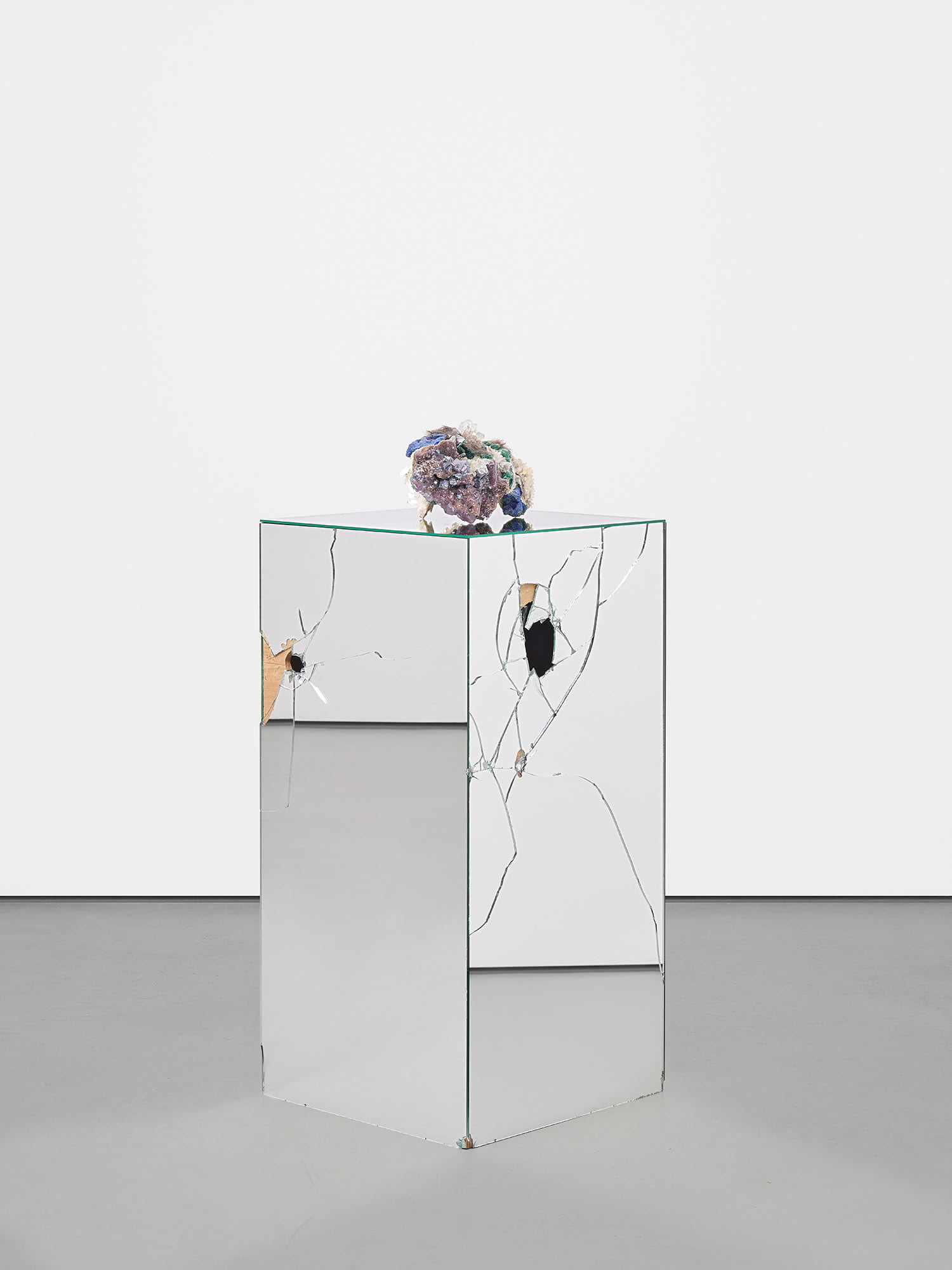
David Altmejd
mineral crystals, polystyrene, epoxy clay, paint and synthetic hair, 2008
Altmejd was born in Montreal in 1974, and the cultural landscape of Quebec left a lasting imprint on his sensibility. He pursued his undergraduate studies at the Université du Québec à Montréal before moving to New York, where he completed his MFA at Columbia University in 2001. New York gave him proximity to a generation of sculptors rethinking the body and materiality, but Altmejd always retained something distinctly his own, a gothic exuberance rooted as much in the imagery of classic horror cinema and natural history museum dioramas as in the lineage of contemporary art. The tension between those worlds became, in time, the engine of his entire practice.
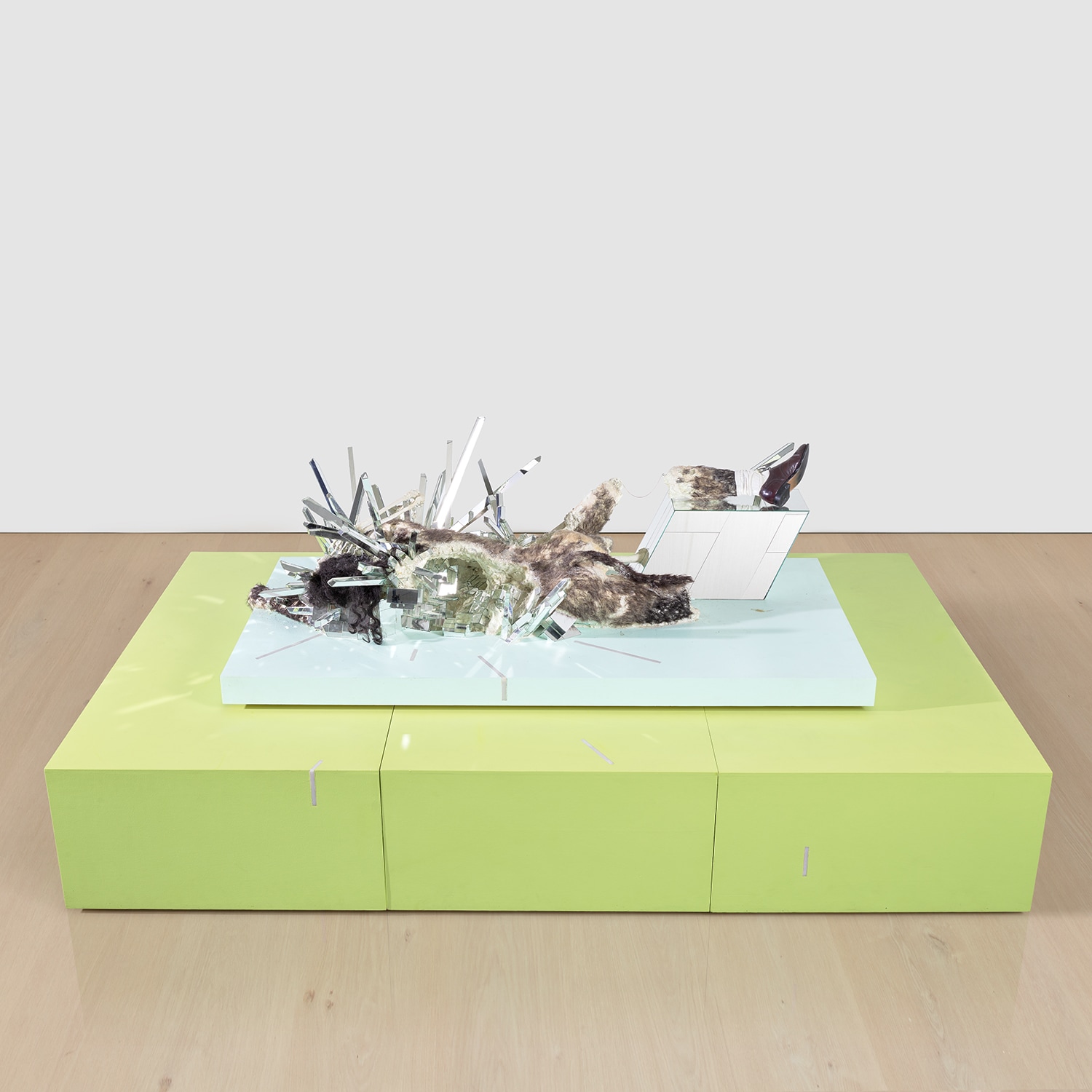
His early breakthrough works drew on the figure of the werewolf as a vehicle for exploring transformation, not as a symbol of menace but as an emblem of perpetual becoming. These figures were never simply monstrous. They were architecturally conceived, their hollowed torsos functioning as chambers through which light traveled, their surfaces colonized by quartz crystals and mirrored fragments that multiplied reflections endlessly. The 2005 work known as The Settlers, composed of wood, Plexiglas, clay, mirror, foam, resin, synthetic hair, electric lighting, and an almost novelistic inventory of found and crafted objects, exemplifies this approach.
David Altmejd
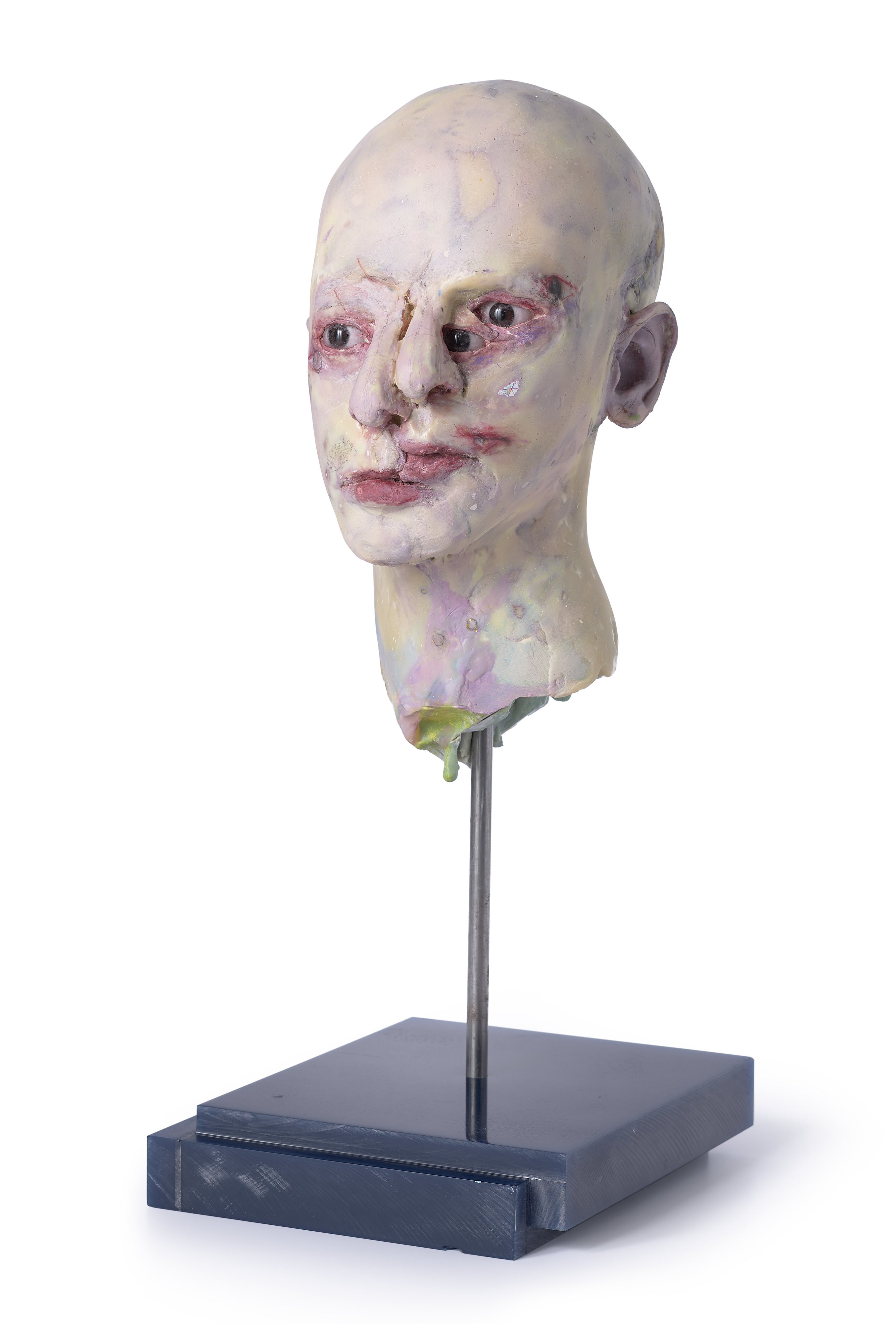
Vampire, 2017
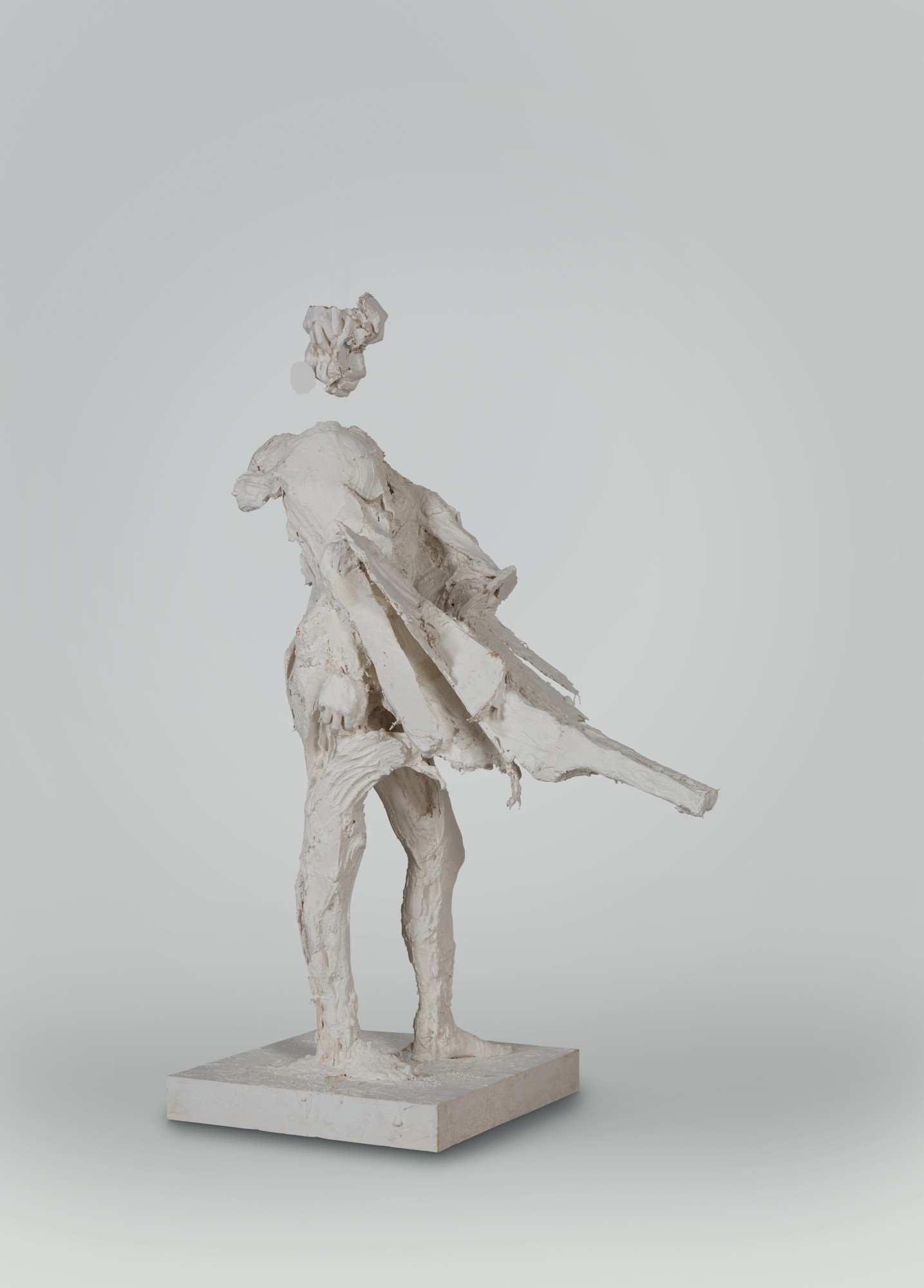
The sculpture is less a static object than an ecosystem, a contained world with its own internal logic of growth and decay. Over the subsequent decade Altmejd expanded his vocabulary significantly while deepening his signature concerns. Works from around 2008 and 2009 pushed further into the fragmented body, with plaster figures emerging from or dissolving back into their supporting structures, limbs articulated with a strange anatomical precision that made them feel simultaneously classical and uncanny. His plaster and burlap works, including pieces from 2009 and 2011 such as Untitled 7 (The Watchers), bring to mind the long tradition of figurative sculpture from Rodin through Giacometti while insisting on their own entirely contemporary terms.
There is a generosity in these works, a willingness to let the viewer feel the hand of the maker, the marks of process left visible as evidence of thought. The Plexiglas sculptures and installations of 2010, including Le souffle et la voie and La chambre d'hôte, represent another facet of Altmejd's restless intelligence. These works use transparent acrylic as a kind of spatial theater, suspending delicate constructions of metal wire, thread, chain, and painted elements within vitrines that function as both protective frame and active formal element. They are intimate in scale yet architecturally ambitious in conception, miniature worlds that reward sustained looking.
David Altmejd
The Settlers, 2005
The French titles signal a comfort with the full breadth of Altmejd's bilingual cultural inheritance, and a refusal to be pinned to any single artistic community or tradition. By the time Altmejd produced the Vampire series in 2017, his command of materials had reached a new level of audacious complexity. These works incorporate polyurethane foam, epoxy clay, epoxy gel, epoxy resin, quartz, steel, glass eyes, glass paint, and acrylic gel into figures of remarkable psychological intensity. The vampire, like the werewolf before it, is chosen not for cheap shock but because it carries centuries of cultural freight about the boundary between the living and the dead, about hunger, transformation, and the persistence of the self across time.
Altmejd mines that freight with genuine philosophical seriousness. His exhibition at the Musée d'Art Moderne de Paris confirmed his standing among the most significant sculptors of his generation, bringing his work into dialogue with the great history of European figurative and surrealist sculpture. From a collecting perspective, Altmejd's work presents a singular opportunity. His practice spans an impressive range of scales and material registers, from intimate Plexiglas works and plaster studies to monumental installations, meaning that collectors at various levels of engagement can find meaningful entry points.
David Altmejd
Untitled 7 (The Watchers), 2011
Works on paper and smaller mixed media pieces from the mid to late 2000s have attracted consistent institutional and private interest, and the market has responded to his work with steady appreciation reflecting both critical consensus and genuine collector passion. The material complexity of his sculptures, the use of crystals, mirrors, synthetic hair, and light, means that condition and provenance are worth careful attention, and works in excellent condition from key periods command particular regard. Altmejd's place within the broader context of contemporary sculpture rewards thinking about. His combination of the abject and the beautiful places him in productive conversation with artists like Matthew Barney, whose mythological and corporeal concerns run parallel, and Paul McCarthy, though Altmejd's tone is ultimately warmer and more wonder struck than either.
His use of the grotesque recalls the lineage running from Hieronymus Bosch through the Surrealists to artists like Kiki Smith, while his architectural ambition and interest in the miniature bring him close to the cabinet of curiosities tradition. He is, in the best sense, an artist who has assimilated a vast amount of art history and transformed it into something unmistakably personal. What makes Altmejd matter today, and what will ensure his work continues to matter, is its fundamental optimism. For all the skulls and fractured limbs and gothic iconography, these are works about possibility.
They propose that the body is not a fixed thing but a site of continuous transformation, that beauty emerges from accumulation and process, and that the imagination has the power to remake the world. At a moment when so much contemporary art traffics in irony or detachment, Altmejd makes sculptures that ask to be believed in. Collectors who have lived with his work consistently report that it changes the room it inhabits, charging the surrounding space with a sense of energy and attention. That is a rare quality, and it is the surest measure of an artist who has found his own truly original voice.