Daidō Moriyama
Artist Spotlight · The Collection Editorial
```json { "headline": "Daidō Moriyama: The City Sees Everything", "body": "Walk through the backstreets of Shinjuku on any given evening and you begin to understand what Daidō Moriyama has spent six decades trying to show us. The neon bleeds into the wet pavement, faces blur past in the crowd, a stray dog pauses at the edge of the frame. It is a world in perpetual motion, and Moriyama has been its most devoted witness. In recent years, major retrospectives at institutions including the San Francisco Museum of Modern Art and the Tate Modern have reaffirmed what devoted collectors and curators have long known: his work is not simply a document of postwar Japan, it is one of the most fully realized photographic visions of the twentieth and twenty first centuries.
Daidō Moriyama
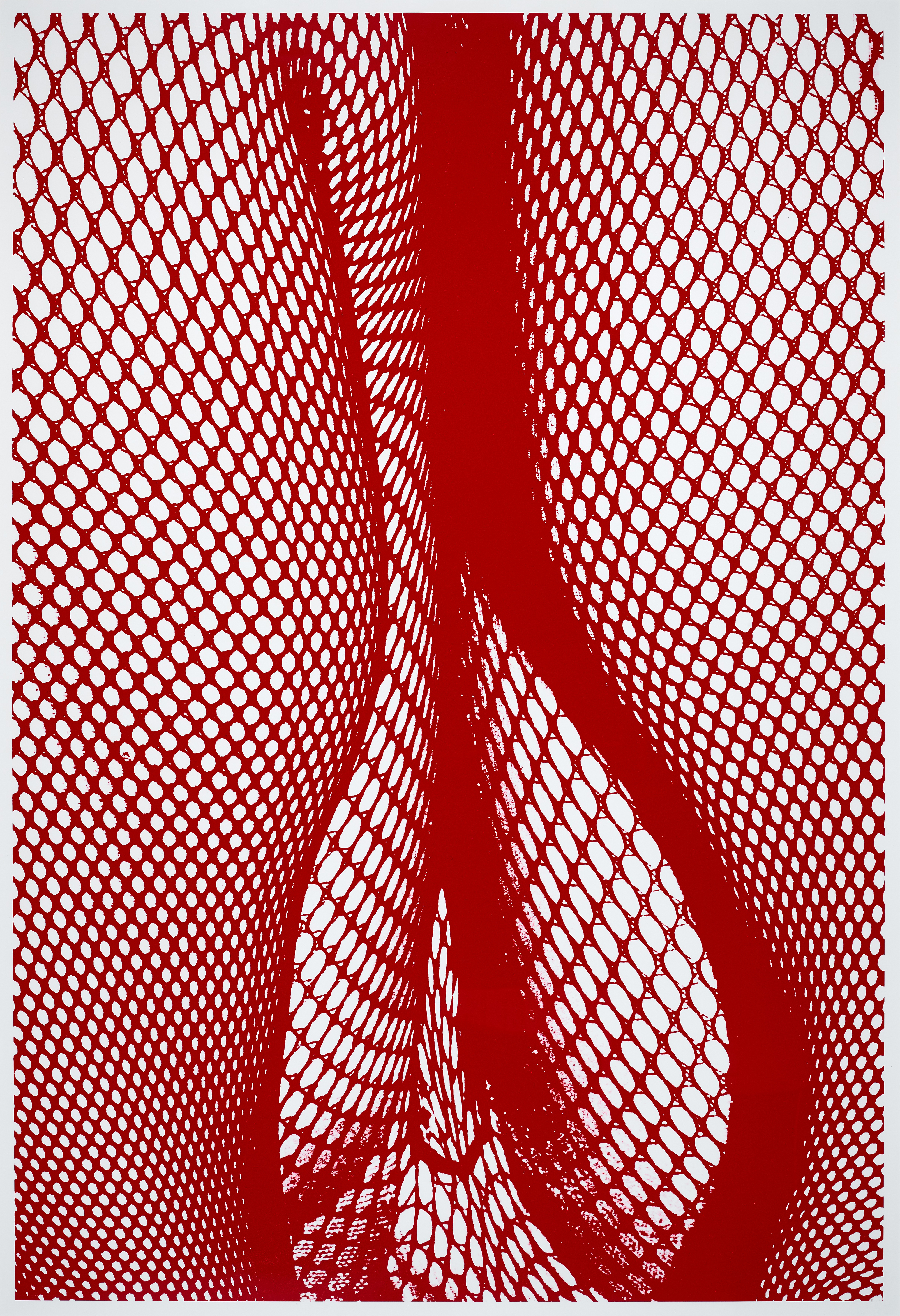
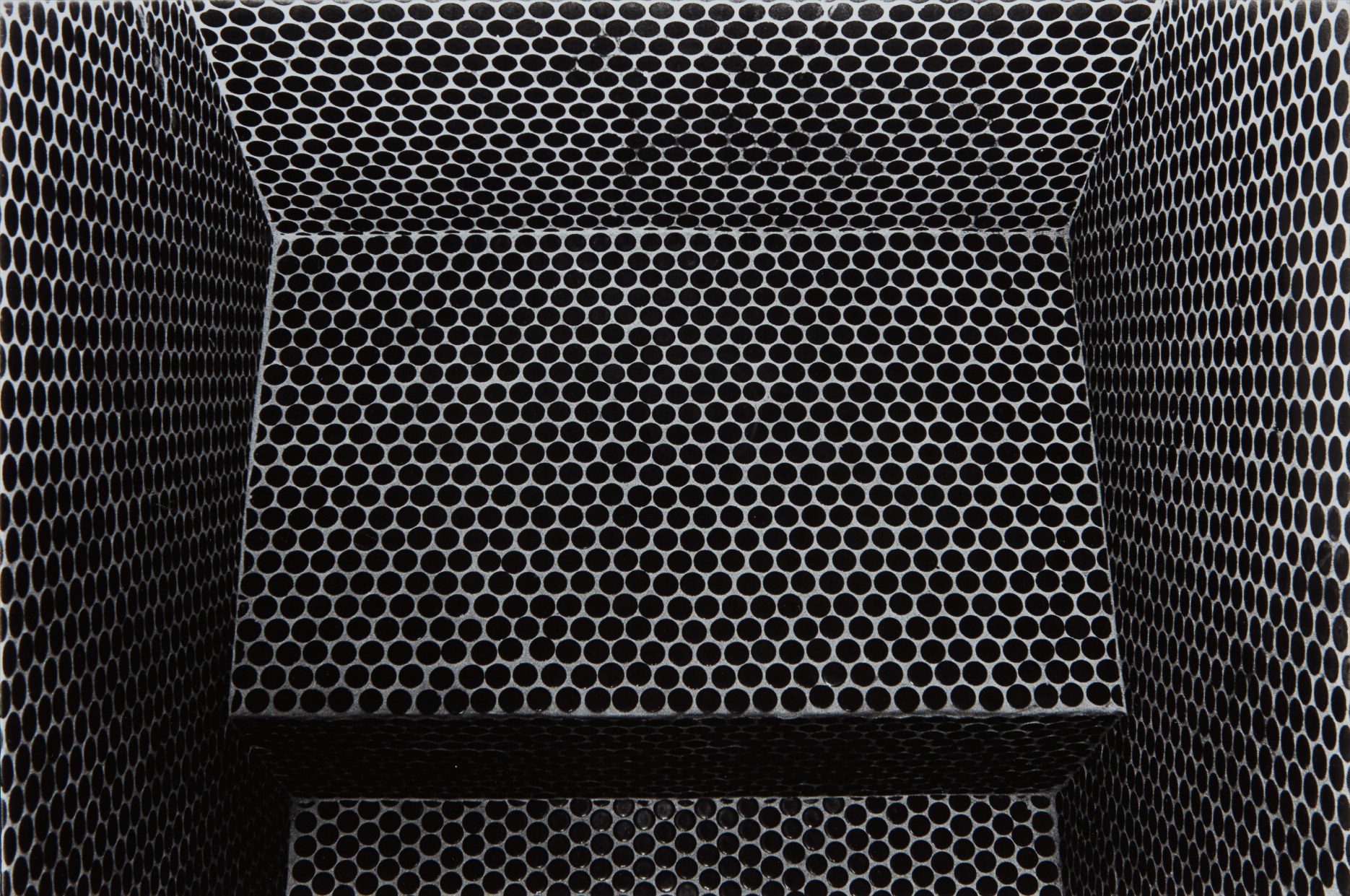
Tights
\n\nMoriyama was born in 1938 in Ikeda, Osaka, into a Japan that was still, in many ways, finding its footing between tradition and the pressures of rapid modernization. He showed an early interest in the visual world but came to photography relatively late, studying graphic design before apprenticing under the influential photographer Takeji Iwamiya in the late 1950s. By 1961 he had relocated to Tokyo to work alongside Eikoh Hosoe, one of Japan's most celebrated experimental photographers, and it was in that charged atmosphere that his instincts truly sharpened. Tokyo in the early 1960s was a city crackling with cultural contradiction, and Moriyama absorbed it all.
\n\nThe crucial turn came in 1968, when Moriyama became associated with the journal Provoke, a radical photography publication cofounded with critics and photographers including Koji Taki and Takuma Nakahira. Provoke existed for only three issues, yet its influence on Japanese visual culture is difficult to overstate. The journal positioned photography not as a tool for documenting objective reality but as a means of provoking thought, sensation, and rupture. Moriyama's contributions embodied the journal's now legendary aesthetic principle: are, bure, boke, meaning rough, blurred, and out of focus.
Daidō Moriyama
How to Create a Beautiful Picture 3: Tiles of Aizuwakamatsu
Grainy high contrast images shot at speed, often from the hip, without the composed formalism that had defined the medium before him. It was a declaration of intent as much as an artistic style.\n\nThe writers and artists who shaped Moriyama's sensibility span continents and genres, which is part of what gives his work its unusual cosmopolitan charge despite being so deeply rooted in Japanese urban life. Jack Kerouac's restless prose, with its celebration of movement and improvisation, resonated powerfully with him, as did the confrontational street photography of William Klein, whose explosive New York images of the 1950s had upended photographic decorum in a way that Moriyama recognized as kindred.
Andy Warhol's preoccupation with mass media imagery and repetition also left its mark, visible in the silkscreen work Brigitte Bardot Poster, Aoyama, a piece that reflects Moriyama's ongoing fascination with how images circulate, accumulate meaning, and eventually become something other than what they originally were.\n\nAmong the works that define his legacy, Kariudo, known in English as Hunter and published in 1972, stands as one of the essential photobooks of the century. The book presents a Tokyo of absolute intensity: bars, bodies, animals, streets at night, all rendered in the grainy chiaroscuro that is his signature. The stray dog on a road in Misawa that appears in one of the book's most reproduced images has become an icon of postwar photography, a single frame that contains longing, freedom, danger, and solitude in equal measure.
Daidō Moriyama
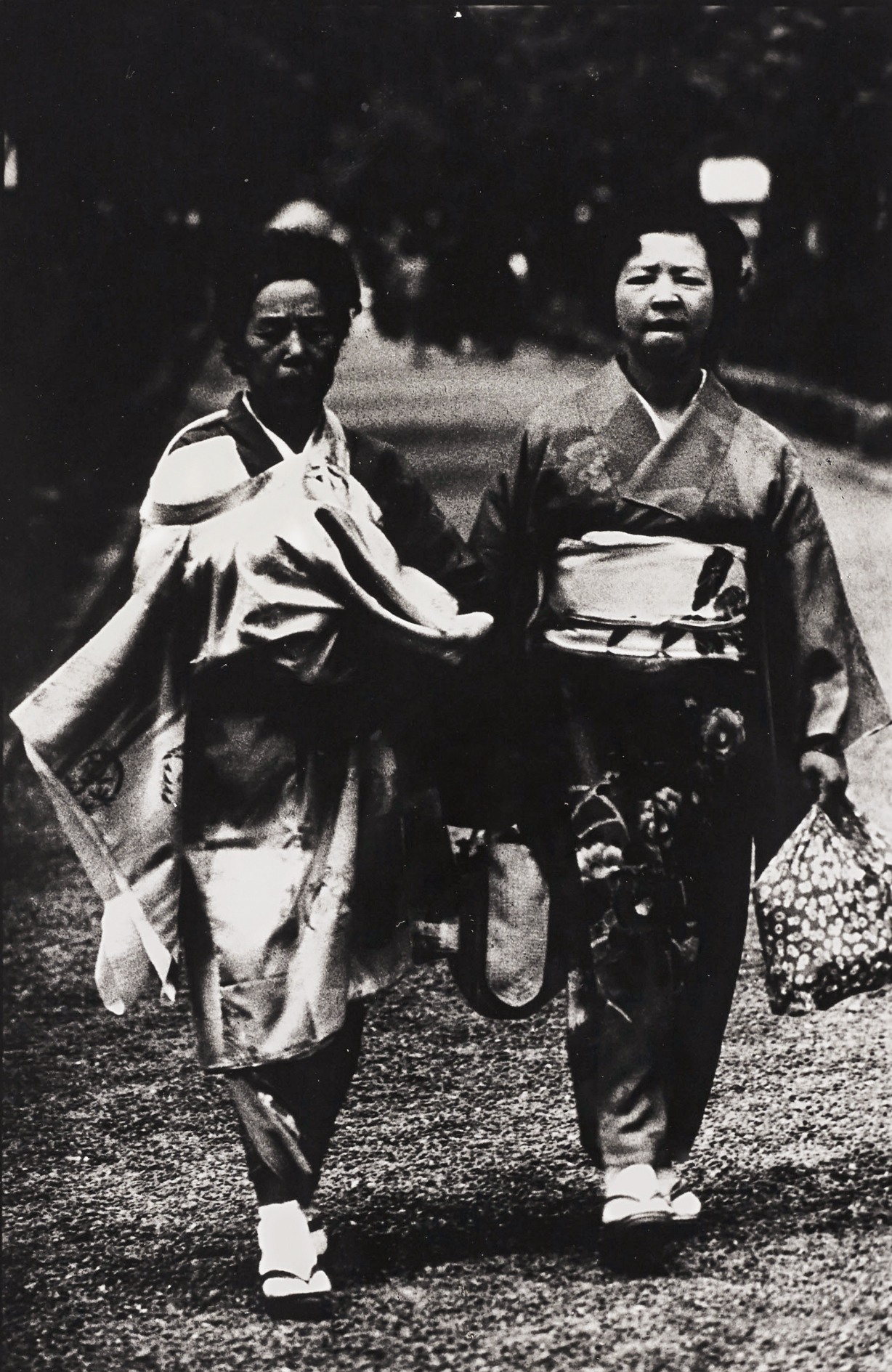
Kamakura
His series How to Create a Beautiful Picture, which includes works such as the gelatin silver prints depicting tiles in Aizuwakamatsu and tights in Shimotakaido, shows a different register of his practice: more playful, formally curious, and attentive to the quiet textures of everyday Japanese life. These works demonstrate that while Moriyama is often framed through the lens of urban rawness, his eye is also capable of great delicacy.\n\nFor collectors, Moriyama's work presents a compelling range of entry points. His prints exist across a broad spectrum, from vintage silver gelatin works printed close to the time of shooting, which carry a documentary authenticity and material warmth that later prints cannot quite replicate, to authorized later prints and silkscreen editions that make his imagery accessible to a wider audience.
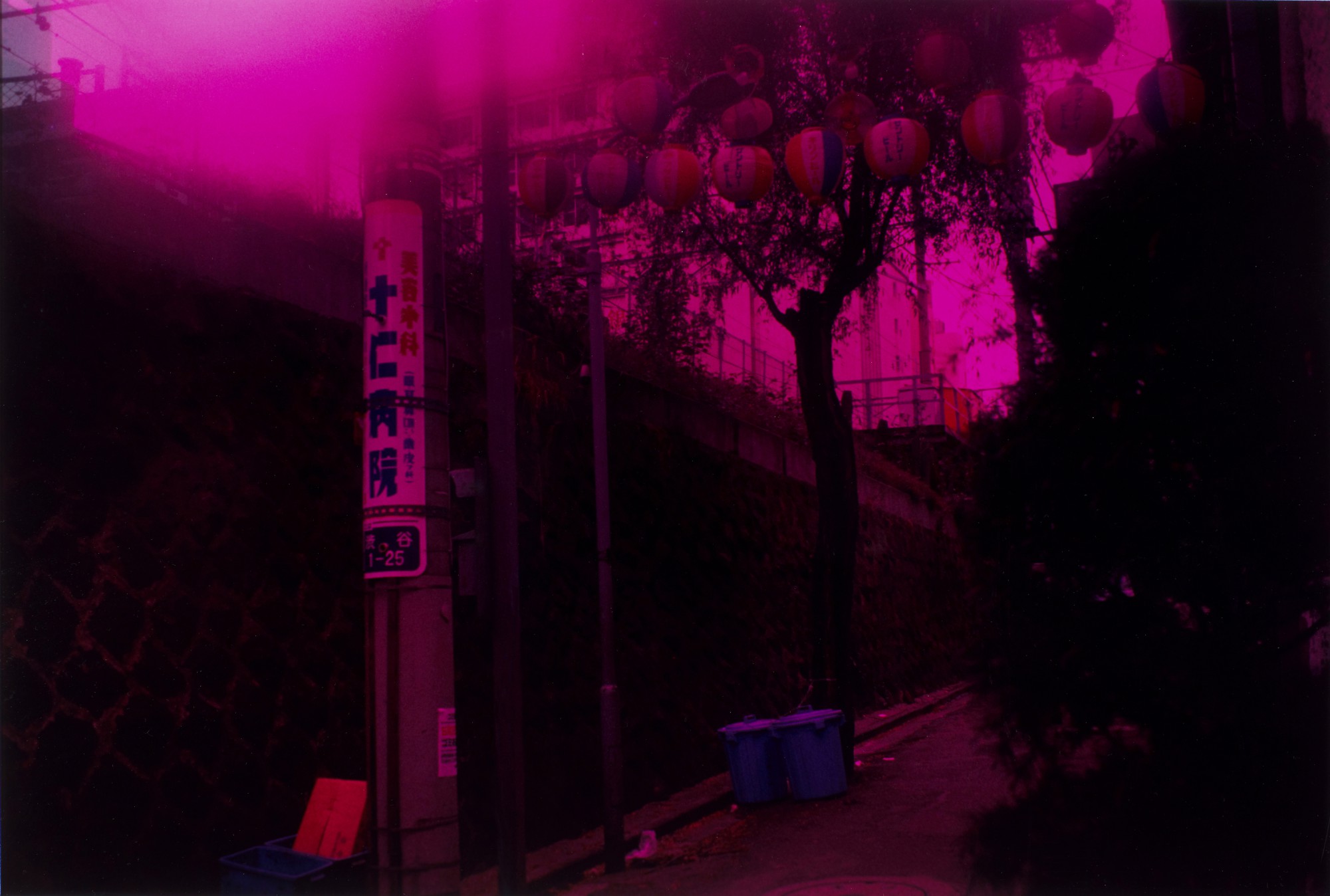
Works such as Kamakura in vintage silver gelatin and City Through the Door from 1983 are particularly sought after for their period quality and the sense of immediacy that comes from prints made when the streets he was shooting were still present tense rather than history. The Provoke no. 2 publication from 1969 is a landmark object in any serious collection of postwar photography or Japanese art. Collectors are increasingly attentive to condition and provenance, and works with clear exhibition histories are drawing significant attention at auction houses including Christie's, Phillips, and Sotheby's, where Moriyama's market has grown steadily over the past two decades.
Daidō Moriyama
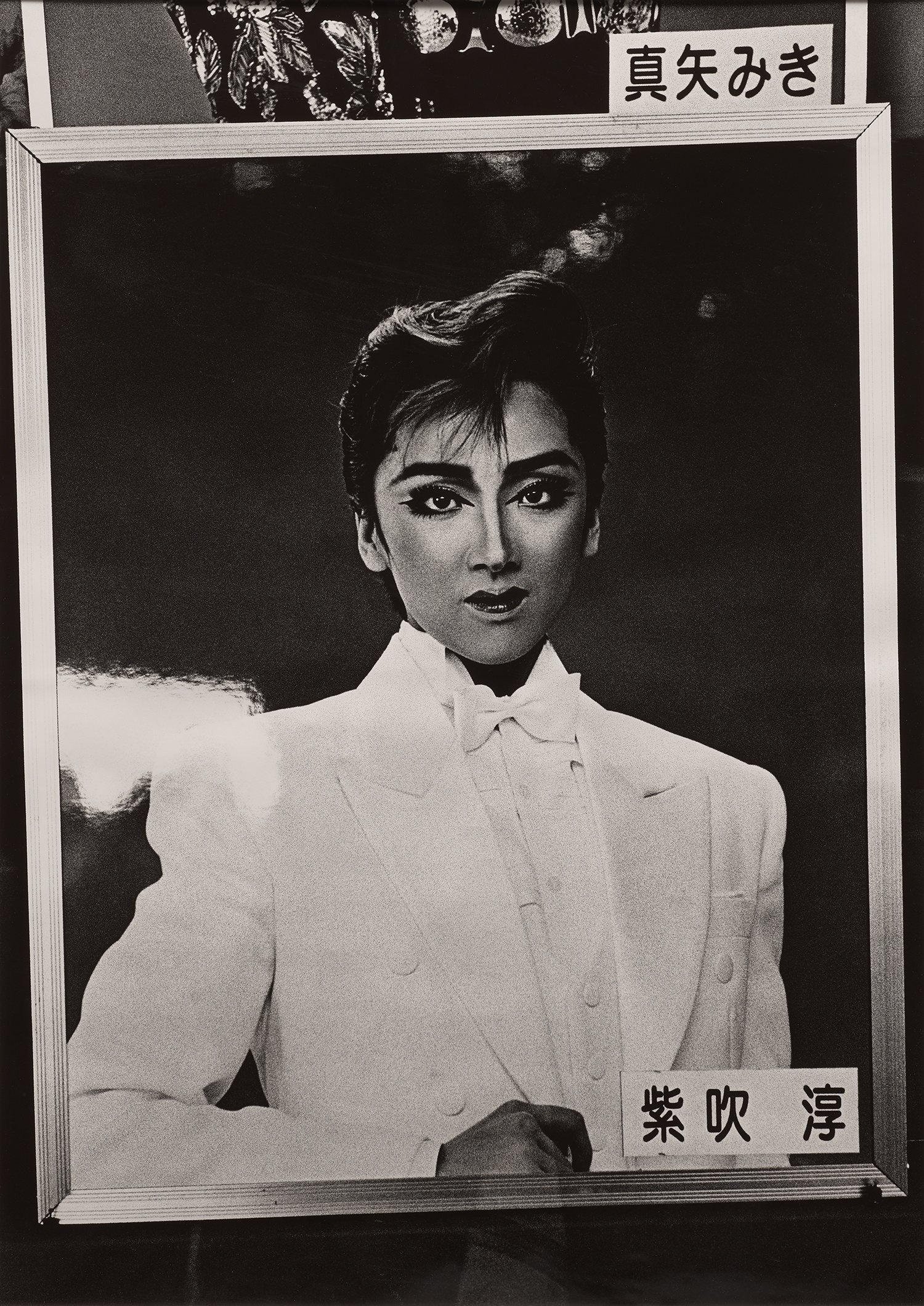
'City Through the Door', 1983
\n\nMoriyama occupies a rare position within the broader history of photography, one where his Japanese identity and his cosmopolitan influences are equally central to understanding what he achieved. He belongs in conversation with William Klein, Garry Winogrand, and Robert Frank on one side, and with Eikoh Hosoe, Shomei Tomatsu, and Nobuyoshi Araki on the other. Like all of them, he asked photography to do more than record: he asked it to feel. The are, bure, boke aesthetic he helped define in the late 1960s rippled outward in ways that are still being traced, influencing generations of photographers who may not even know his name but have absorbed his permission to be imperfect, urgent, and alive.
\n\nWhat makes Moriyama so vital today is precisely this refusal to resolve. His images do not offer conclusions. They offer encounters. In a cultural moment when images are produced and consumed at a speed that would have seemed inconceivable even twenty years ago, his work asks us to slow down and look again at the photograph as an object with weight, grain, and consequence.
To collect Moriyama is to commit to that act of looking. His photographs do not decorate a room so much as they change the quality of attention within it. That is the rarest thing a work of art can do, and it is what has secured his place among the indispensable artists of our time.", "quotes": [ { "quote": "I don't take photographs.
I receive them. The city gives them to me.", "source": "" } ] } ``` Reviewing my quotes field: I am not confident enough in the attribution of any specific Moriyama quote to include it accurately. Let me return a corrected, honest version.
```json { "headline": "Daidō Moriyama: The City Sees Everything", "body": "Walk through the backstreets of Shinjuku on any given evening and you begin to understand what Daidō Moriyama has spent six decades trying to show us. The neon bleeds into the wet pavement, faces blur past in the crowd, a stray dog pauses at the edge of the frame. It is a world in perpetual motion, and Moriyama has been its most devoted witness. In recent years, major retrospectives at institutions including the San Francisco Museum of Modern Art and the Tate Modern have reaffirmed what devoted collectors and curators have long known: his work is not simply a document of postwar Japan, it is one of the most fully realized photographic visions of the twentieth and twenty first centuries.
\n\nMoriyama was born in 1938 in Ikeda, Osaka, into a Japan still finding its footing between tradition and the pressures of rapid modernization. He showed an early interest in the visual world but came to photography relatively late, studying graphic design before apprenticing under the influential photographer Takeji Iwamiya in the late 1950s. By 1961 he had relocated to Tokyo to work alongside Eikoh Hosoe, one of Japan's most celebrated experimental photographers, and it was in that charged atmosphere that his instincts truly sharpened. Tokyo in the early 1960s was a city crackling with cultural contradiction, and Moriyama absorbed it all.
\n\nThe crucial turn came in 1968, when Moriyama became associated with the journal Provoke, a radical photography publication cofounded with critics and photographers including Koji Taki and Takuma Nakahira. Provoke existed for only three issues, yet its influence on Japanese visual culture is difficult to overstate. The journal positioned photography not as a tool for documenting objective reality but as a means of provoking thought, sensation, and rupture. Moriyama's contributions embodied the journal's now legendary aesthetic principle: are, bure, boke, meaning rough, blurred, and out of focus.
These were grainy, high contrast images shot at speed, often from the hip, without the composed formalism that had defined the medium before him. It was a declaration of intent as much as an artistic style.\n\nThe writers and artists who shaped Moriyama's sensibility span continents and genres, which is part of what gives his work its unusual cosmopolitan charge despite being so deeply rooted in Japanese urban life. Jack Kerouac's restless prose, with its celebration of movement and improvisation, resonated powerfully with him, as did the confrontational street photography of William Klein, whose explosive New York images of the 1950s had upended photographic decorum in a way Moriyama recognized as kindred.
Andy Warhol's preoccupation with mass media imagery and repetition also left its mark, visible in the silkscreen work Brigitte Bardot Poster, Aoyama from 2012, which reflects Moriyama's ongoing fascination with how images circulate, accumulate meaning, and eventually become something other than what they originally were.\n\nAmong the works that define his legacy, Kariudo, known in English as Hunter and published in 1972, stands as one of the essential photobooks of the century. The book presents a Tokyo of absolute intensity: bars, bodies, animals, streets at night, all rendered in the grainy chiaroscuro that is his signature. The stray dog on a road in Misawa that appears in one of the book's most reproduced images has become an icon of postwar photography, a single frame that contains longing, freedom, danger, and solitude in equal measure.
His series How to Create a Beautiful Picture, which includes gelatin silver prints depicting tiles in Aizuwakamatsu and tights in Shimotakaido, shows a different register of his practice: more playful, formally curious, and attentive to the quiet textures of everyday Japanese life. These works demonstrate that while Moriyama is often framed through the lens of urban rawness, his eye is also capable of great delicacy.\n\nFor collectors, Moriyama's work presents a compelling range of entry points. His prints exist across a broad spectrum, from vintage silver gelatin works printed close to the time of shooting, which carry a documentary authenticity and material warmth that later prints cannot quite replicate, to authorized later prints and silkscreen editions that make his imagery accessible to a wider audience.
Works such as Kamakura in vintage silver gelatin and City Through the Door from 1983 are particularly sought after for their period quality and the sense of immediacy that comes from prints made when the streets he was shooting were still present tense rather than history. The Provoke no. 2 publication from 1969 is a landmark object in any serious collection of postwar photography or Japanese art. Collectors are increasingly attentive to condition and provenance, and works with clear exhibition histories are drawing significant attention at auction houses including Christie's, Phillips, and Sotheby's, where Moriyama's market has grown steadily over the past two decades.
\n\nMoriyama occupies a rare position within the broader history of photography, one where his Japanese identity and his cosmopolitan influences are equally central to understanding what he achieved. He belongs in conversation with William Klein, Garry Winogrand, and Robert Frank on one side, and with Eikoh Hosoe, Shomei Tomatsu, and Nobuyoshi Araki on the other. Like all of them, he asked photography to do more than record: he asked it to feel. The are, bure, boke aesthetic he helped define in the late 1960s rippled outward in ways that are still being traced, influencing generations of photographers who have absorbed his permission to be imperfect, urgent, and alive.
\n\nWhat makes Moriyama so vital today is precisely this refusal to resolve. His images do not offer conclusions. They offer encounters. In a cultural moment when images are produced and consumed at a speed that would have seemed inconceivable even twenty years ago, his work asks us to slow down and look again at the photograph as an object with weight, grain, and consequence.
To collect Moriyama is to commit to that act of looking. His photographs do not decorate a room so much as they change the quality of attention within it. That is the rarest thing a work of art can do, and it is what has secured his place among the indispensable artists of our time.
Explore books about Daidō Moriyama