Claire Fontaine
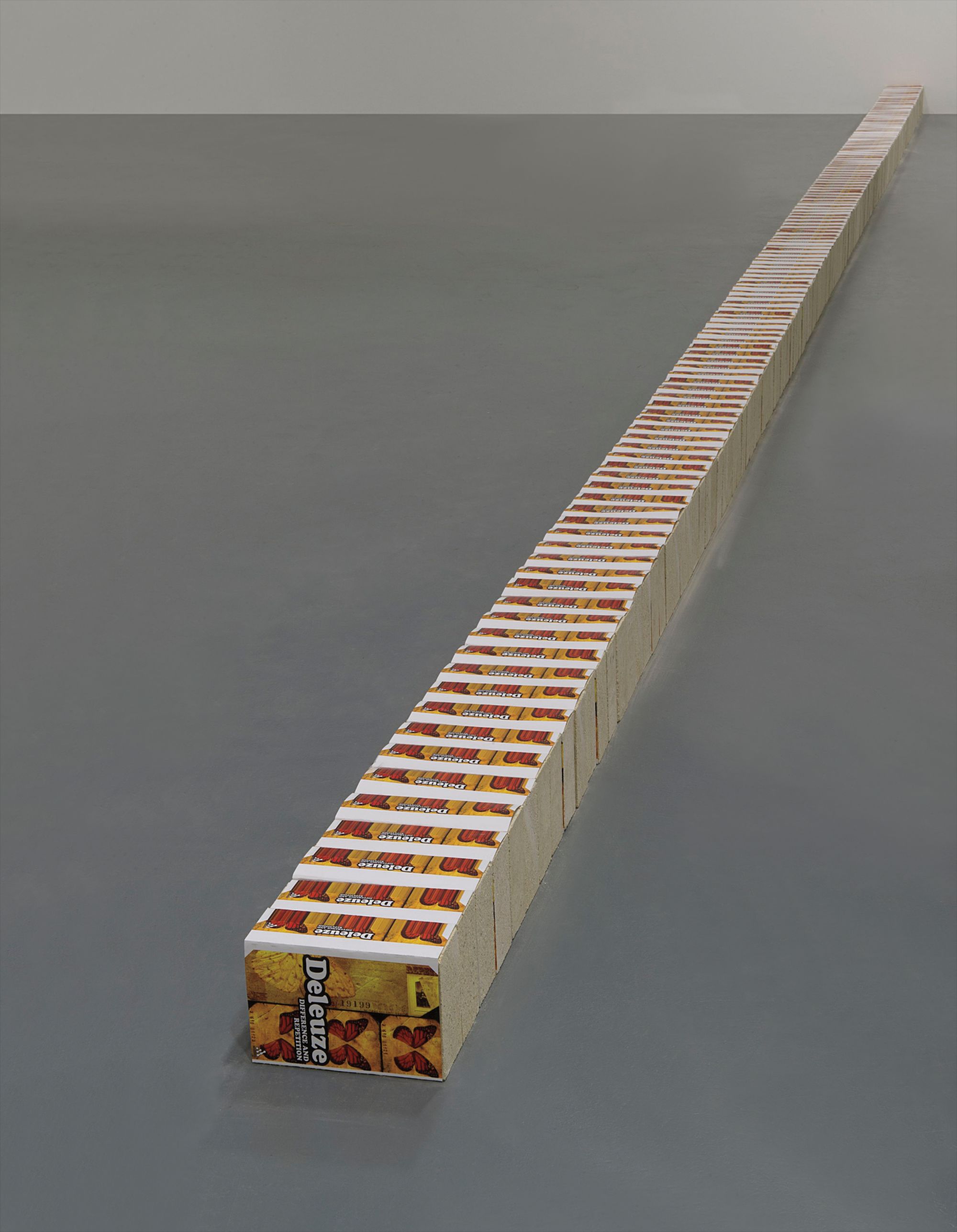
Claire Fontaine: Art That Refuses to Stay Still
Artist Spotlight · The Collection Editorial
“We are interested in a kind of strike, a withdrawal of productivity from the social factory.”
Claire Fontaine, interview with e-flux
In the spring of 2023, visitors to a major European institution found themselves stopped in their tracks by a glowing neon sign that read, simply and devastatingly, 'Capitalism Kills.' The work, cool and clinical in its pink and white light, felt less like a provocation than a diagnosis. That is the peculiar genius of Claire Fontaine, the Paris based collective whose practice has spent two decades making the familiar feel suddenly, uncomfortably legible. At a moment when institutional critique has never felt more urgent or more necessary, Claire Fontaine occupies a rare position: a collective that is both rigorously theoretical and viscerally immediate, at home in the white cube and entirely suspicious of it.
Claire Fontaine
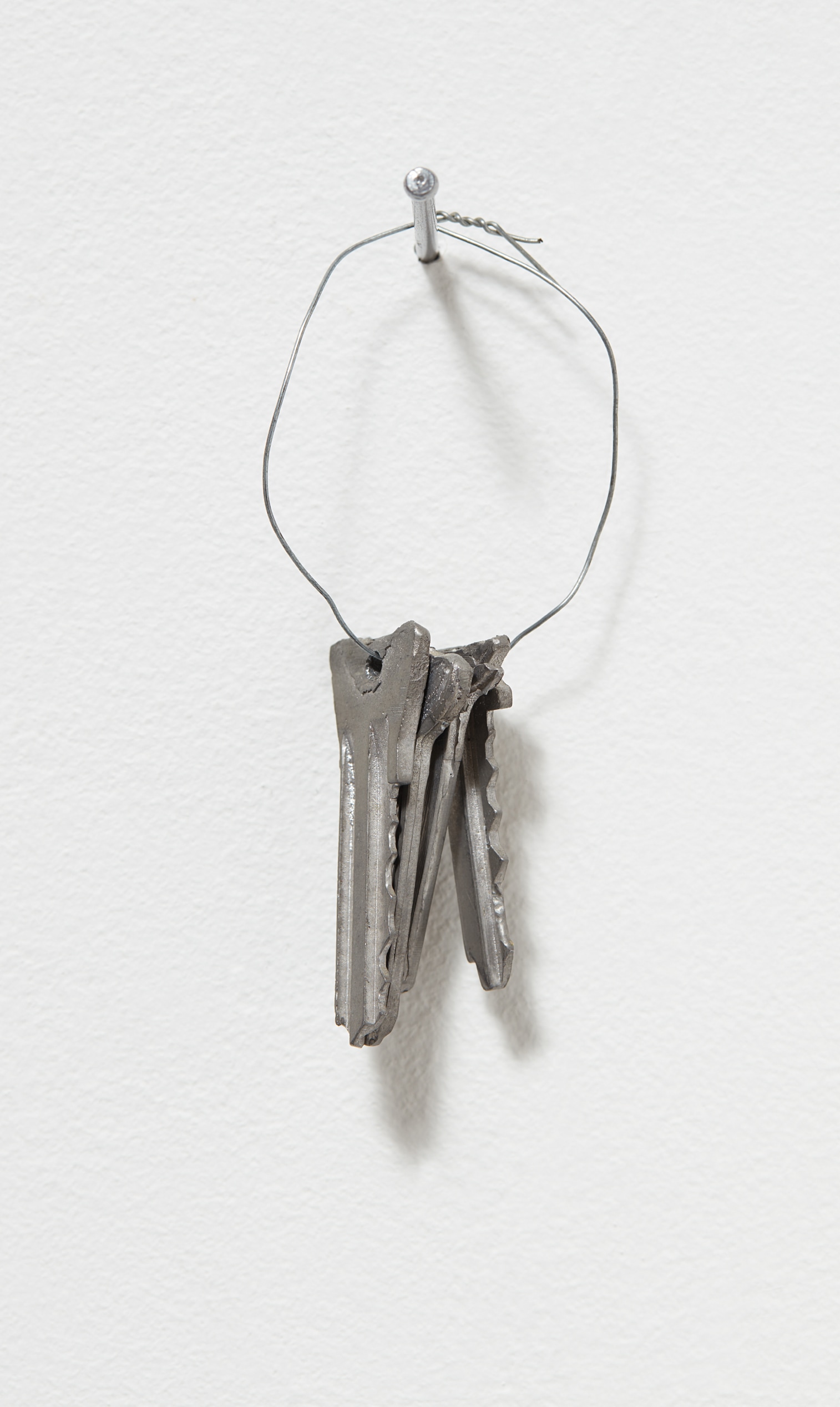
10 rue Charlot / 5 rue saintonge (The keys open the Chantal Crousel gallery), 2007
Claire Fontaine was founded in Paris in 2004 by artists Fulvia Carnevale and James Thornhill, though to describe them simply as its founders risks misrepresenting the project's central conceit. The collective operates as a fictional persona, a readymade artist in the tradition of Marcel Duchamp, adopting the name of a ubiquitous French stationery brand to signal, from the very outset, that authorship, identity, and originality are all available for questioning. The choice of name is characteristic of the collective's wit: Claire Fontaine, the brand, is so common in France as to be nearly invisible, a product on every school desk, a thing no one truly sees. To adopt that name for an artistic practice is to insist that invisibility and ubiquity are themselves worthy of serious attention.
Carnevale and Thornhill came to the project with backgrounds steeped in political philosophy and critical theory. Their practice draws extensively on the thought of Giorgio Agamben, whose concepts of bare life and the state of exception resonate throughout their work, and on the Situationist legacy of Guy Debord, whose analysis of the spectacle feels like a constant interlocutor. This intellectual inheritance is worn lightly but carried seriously. Claire Fontaine does not illustrate theory so much as give it a body, a temperature, and occasionally a sense of dark, flickering humor.
Claire Fontaine
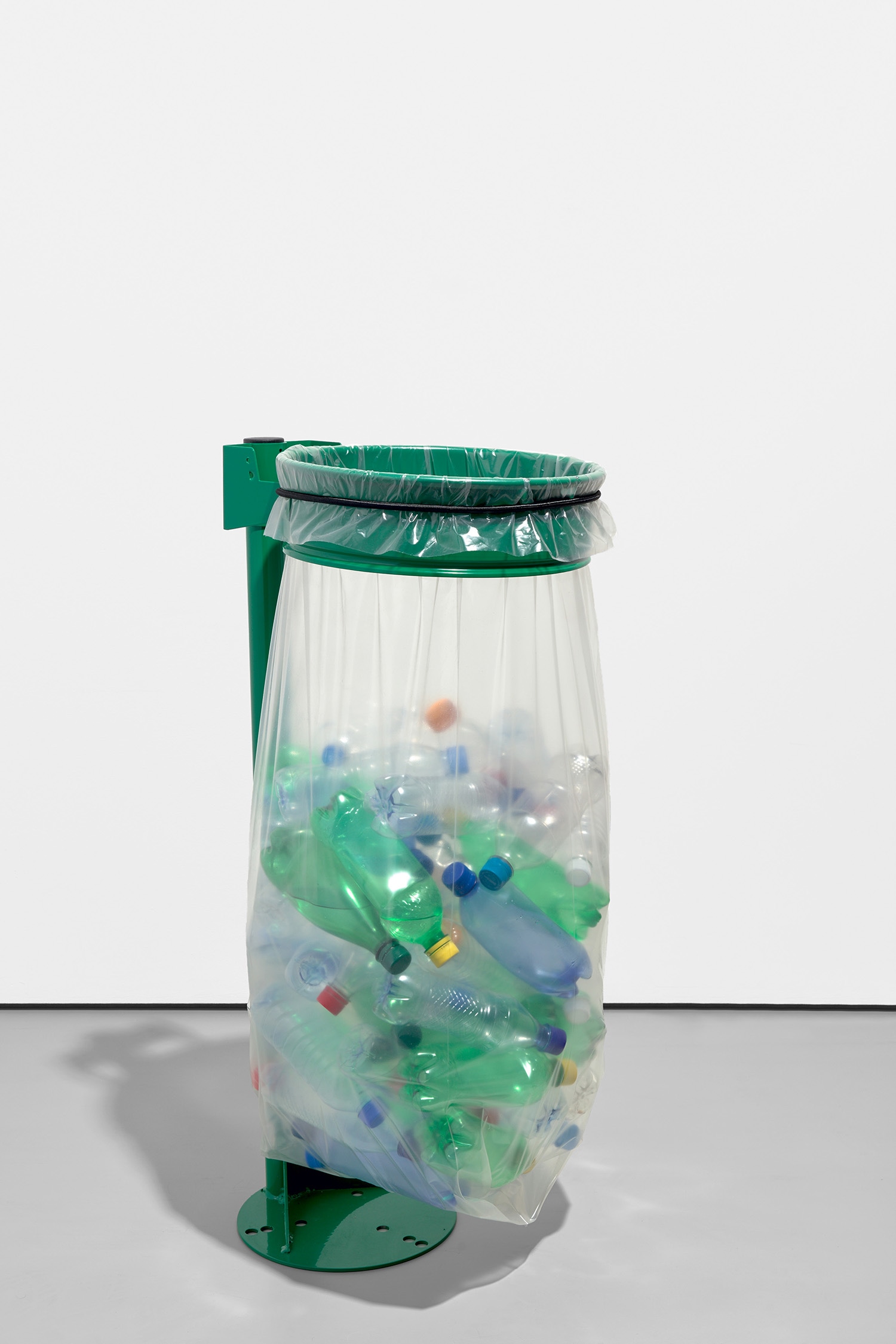
Les refusés, V. I, 2007
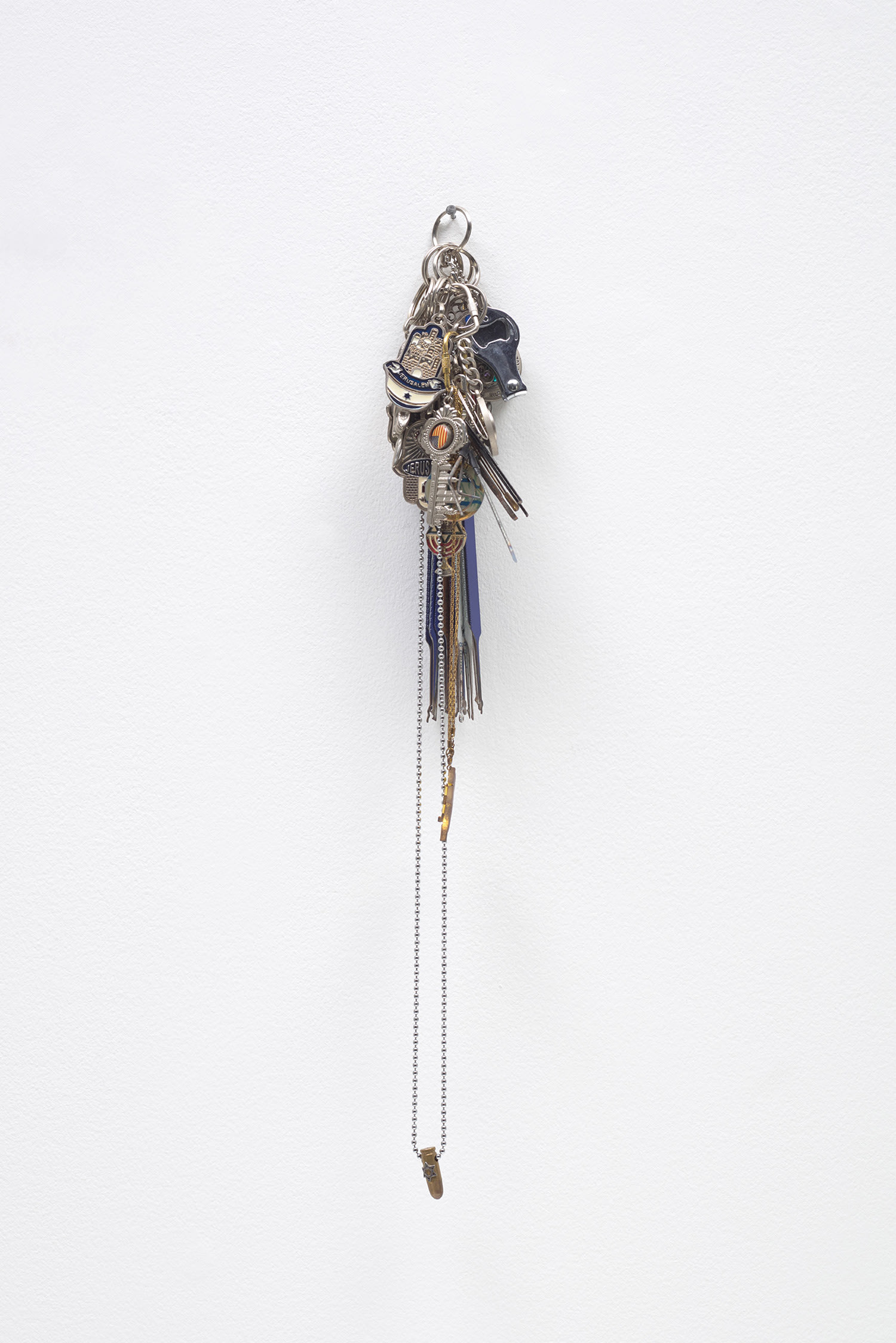
The collective emerged in a Parisian milieu attuned to both continental philosophy and the residual energies of the avant garde, and their early work announced an ambition to operate across both registers at once. The development of Claire Fontaine's practice has been defined by a commitment to altered found objects, neon text, and video, forms chosen precisely because they arrive pre loaded with cultural and commercial associations. Among the most celebrated early works is 'If You See Something, Say Something' from 2005, which repurposes the post 9/11 public surveillance slogan that became ubiquitous in New York and London transit systems, reframing a phrase designed to produce social compliance as something stranger and more ambiguous. Similarly, the 'Passe Partout' series, which includes works referencing Jerusalem and Paris among other locations, presents actual functioning keys that unlock the doors of real galleries, turning the mechanisms of institutional access into sculptural and conceptual objects.
'Passe Partout (Jerusalem)' from 2008 and 'Passe Partout (Paris 3ème)' sit within this series as quietly extraordinary propositions about what it means to hold a key, to be inside or outside, to belong or to be excluded. The works involving gallery keys deserve particular attention for the way they collapse the distance between critique and complicity. '10 rue Charlot / 5 rue saintonge (The keys open the Chantal Crousel gallery)' from 2007 and '371 Grand, (The keys open the Reena Spaulings gallery)' from 2006 present actual keys to actual galleries, galleries that represent and champion the collective's work, as sculptural objects available for acquisition. The gesture is recursive and generous at once: the institution is named, its physical access made literal, and the collector who acquires the work holds in their hands both a critique of the art market and a token of genuine belonging within it.
Claire Fontaine
Passe-Partout (Jerusalem), 2008
'Les refusés, V. I' from 2007, with its reference to the legendary Salon des Refusés of 1863 where Manet and Whistler showed alongside artists rejected by the official Salon, places the collective's practice within a long history of productive refusal. 'Laver (version britannique)' from 2010 extends the collective's interest in labor, the body, and political gesture into territory that feels at once domestic and charged with implication. For collectors, the appeal of Claire Fontaine is rooted in precisely the qualities that make the work feel urgent rather than merely decorative.
These are objects that generate conversation, that produce discomfort and delight in roughly equal measure, that ask to be thought about rather than simply looked at. The neon works in particular, including 'Capitalism Kills' with its transformer and its cool commercial glow, occupy the wall with the confidence of advertising and the unease of a confession overheard. Collectors drawn to the work of artists such as Barbara Kruger, whose text based interventions similarly occupy the space between political statement and aesthetic object, or to the institutional critiques of Hans Haacke and Andrea Fraser, will find in Claire Fontaine a practice that extends and complicates those lineages. The collective also shares sensibilities with Reena Spaulings, the New York based collective that is itself a gallery, an artist, and a fictional character simultaneously, an affinity made explicit by the key work referencing that gallery's Grand Street address.
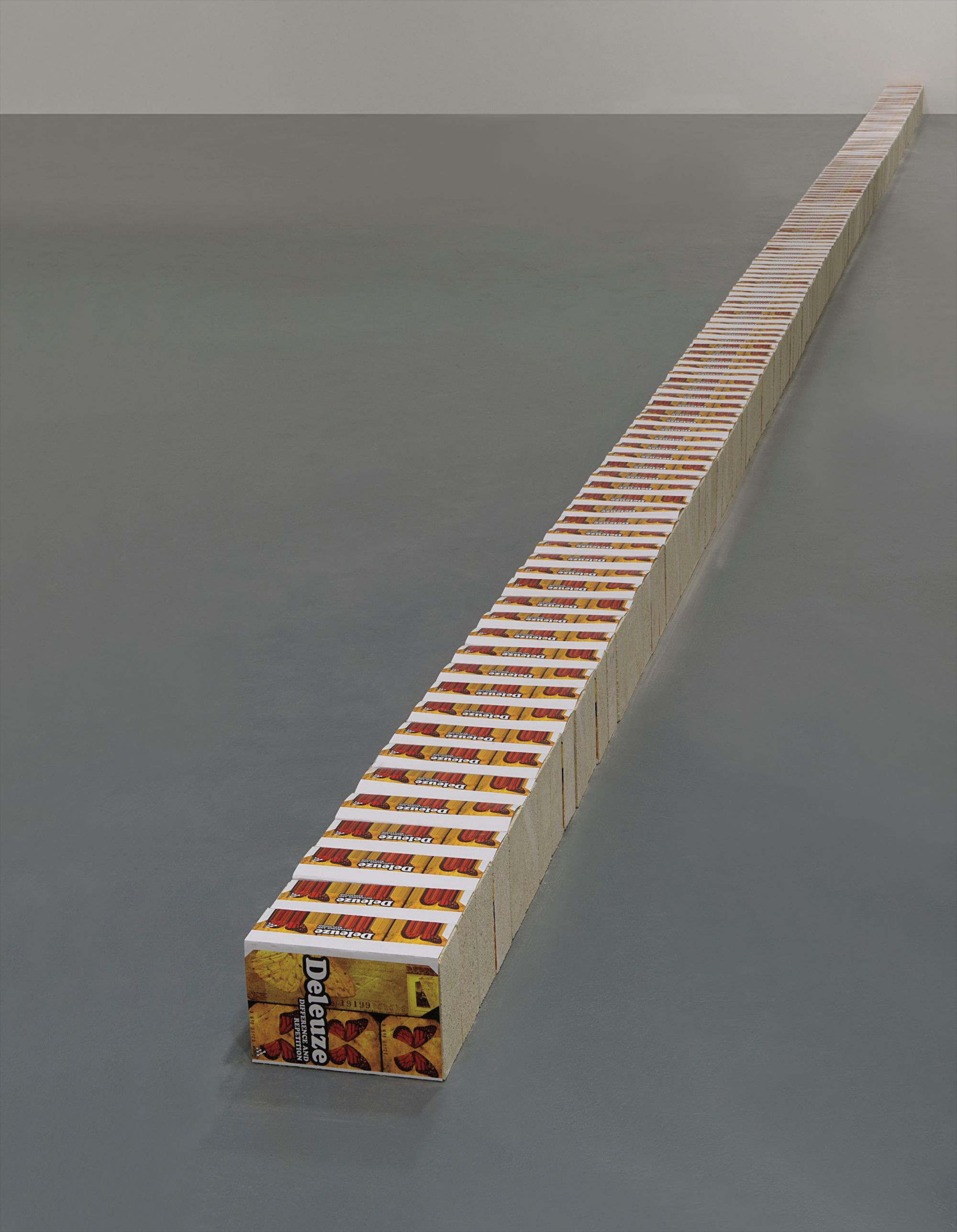
Claire Fontaine
Laver (version britannique), 2010
The market for Claire Fontaine has developed steadily among collectors who value conceptual rigor alongside formal presence. The neon works command attention in both primary and secondary markets, and the key based sculptures, modest in material but enormous in implication, represent some of the most genuinely original multiples produced in the first decade of the twenty first century. Institutions including the Centre Pompidou and major European kunsthalles have shown sustained interest in the collective's output, and their presence in international surveys of political and conceptual art has only deepened over time. For a collector assembling a thoughtful account of art made under conditions of late capitalism, work by Claire Fontaine is not an optional addition but something closer to essential punctuation.
What endures about Claire Fontaine, two decades into a practice that has never settled for easy answers, is the quality of the collective's attention. They notice what the rest of us have learned not to see: the slogan on the subway wall, the key on the hook, the neon sign in the shop window, the brand name on the cover of a notebook. They hold these things up to the light and ask what they are actually doing to us, and what we might do differently. In an art world that sometimes mistakes busyness for urgency, Claire Fontaine's patient, precise, and genuinely radical practice remains a standard worth measuring against.