Chase Hall
Chase Hall Paints the World Warm
Artist Spotlight · The Collection Editorial
“Coffee has a history. It comes from somewhere and carries that with it onto the canvas.”
Chase Hall, Interview Magazine
In the spring of 2023, Chase Hall's solo exhibition at David Kordansky Gallery in Los Angeles drew the kind of quiet, sustained attention that signals an artist has moved beyond the realm of emerging talent into something more permanent. Collectors lined the walls not just to acquire but to study, to sit with paintings that seemed to breathe at their own temperature. Hall, still in his early thirties, had already become one of the most discussed figurative painters working in America today, his canvases arriving into the world richly stained, deeply considered, and impossible to look away from. Hall was born in 1993 and grew up between the American Midwest and the South, a geography that would leave a lasting imprint on his sensibility.
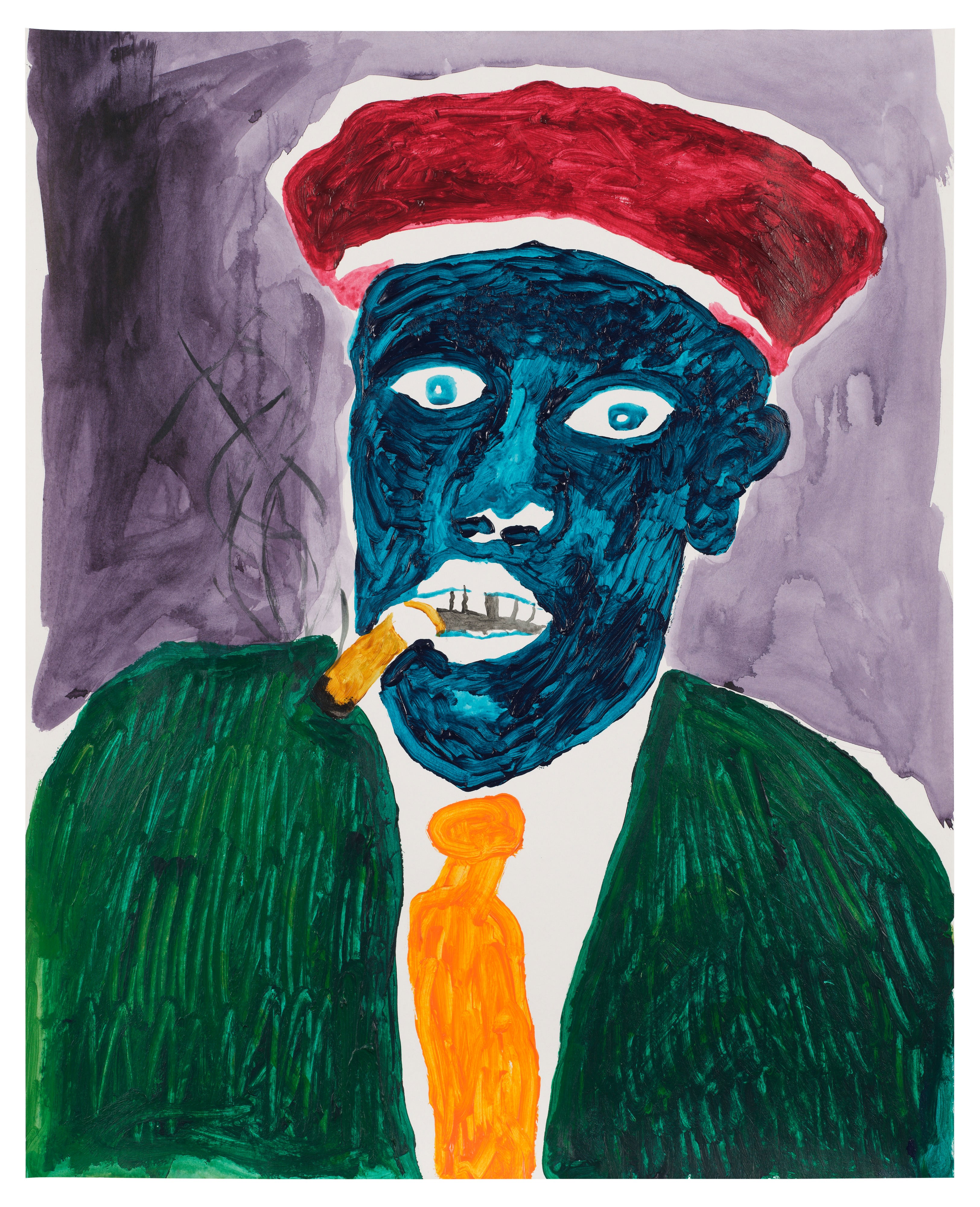
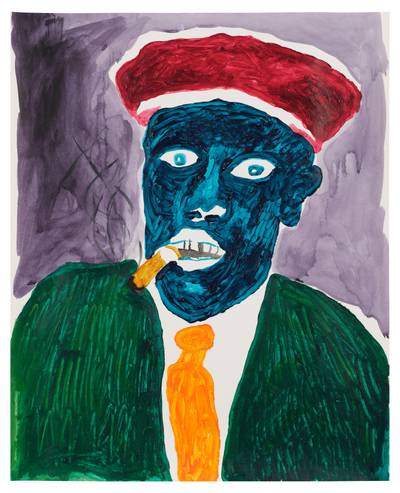
Chase Hall
Uncle Chuck, 2019
The particular quality of light in those landscapes, the textures of domestic life, the complexity of Black American identity lived not as abstraction but as daily embodiment: all of it found its way into his developing eye. He studied at the School of the Art Institute of Chicago, an institution with a long tradition of nurturing artists who resist easy categorization, and it was there that he began to work through what painting could do that other media could not. What distinguished Hall early in his career was not simply his subject matter but the radical intimacy of his approach. He was interested in portraiture as an act of care, in rendering Black subjects with the same psychological depth and monumental presence that Western art history had so routinely reserved for white European sitters.
He studied the conventions of that tradition closely, understanding its grammar well enough to rewrite it from within. His figures arrive with a gravity and dignity that feels earned rather than declared, and the paintings reward long looking in the way that only the most serious work does. The most transformative decision in Hall's practice was the incorporation of coffee into his painting process. Working with coffee and acrylic on canvas and cotton duck, he discovered a medium that was both conceptually loaded and visually extraordinary.
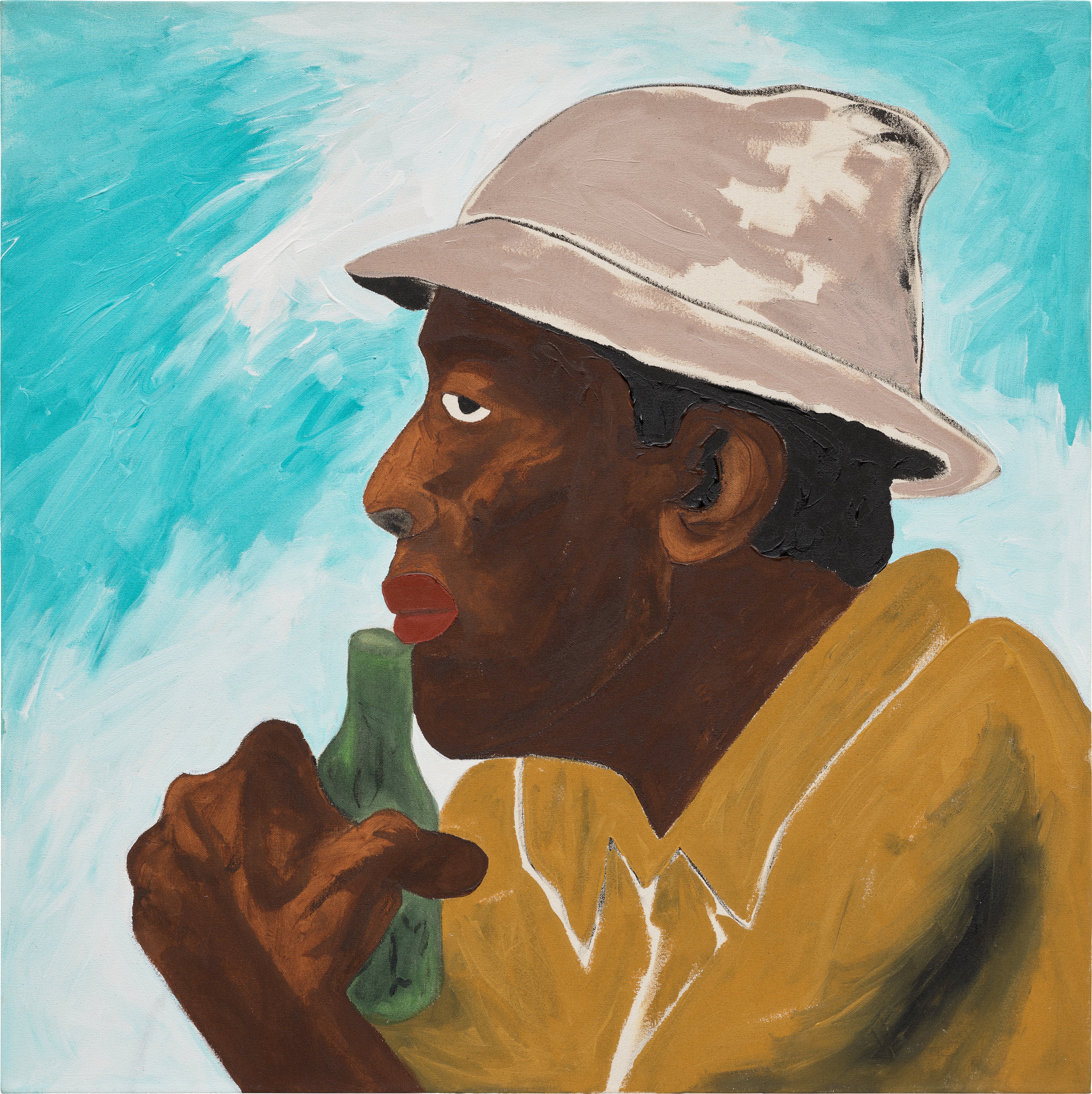
Chase Hall
James JR Smith, 2018
Coffee, with its deep roots in histories of labor, trade, colonialism, and Black domestic life, introduced a layer of meaning that could be felt even before a viewer read a wall label. The material stains the canvas in warm ochres and umbers, creating grounds that feel ancestral rather than manufactured. Works like Walrus from 2021 and Rustoleum from 2020 demonstrate how Hall uses this material not as gimmick but as genuine formal invention, the coffee bleeding and pooling in ways that animate the surface with a life of its own. Among the most celebrated works in Hall's growing body of work is Uncle Chuck from 2019, a painting on paper that captures a male subject with both tenderness and authority.
The work exemplifies what Hall does at his finest: he gives his subjects room to exist fully, without sentimentality, without the burden of representation reduced to symbol. James JR Smith from 2018 and Keep er Straight from 2020 similarly demonstrate his range across media and scale, from intimate studies to expansive canvases that fill a room with presence. Each work functions as both a portrait and a kind of offering, a declaration that these lives and faces are worthy of the most sustained painterly attention. From a collecting perspective, Hall occupies a position of real significance in the current market for contemporary figurative painting.
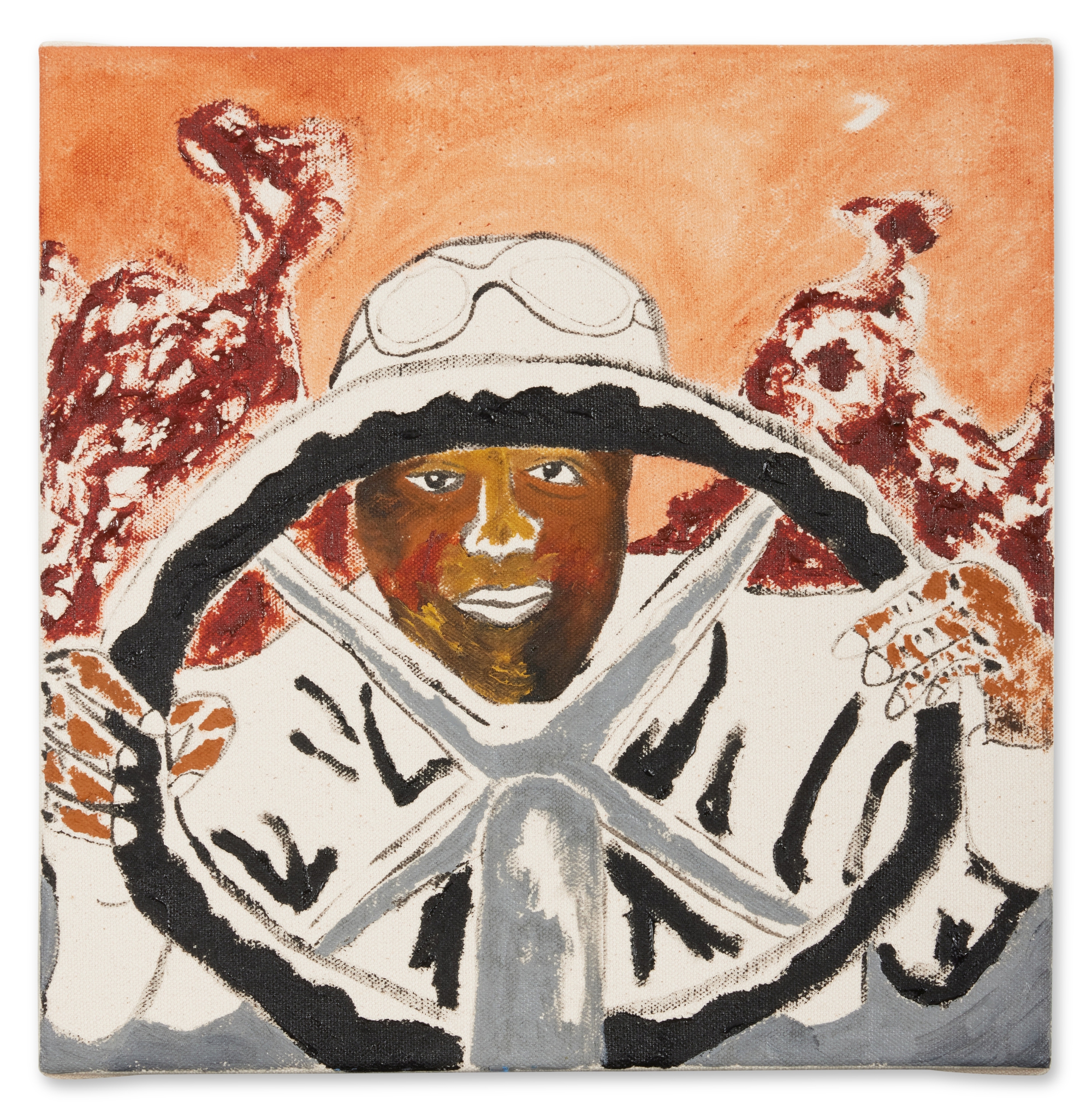
Chase Hall
Keep er Straight, 2020
His work entered serious collecting conversations in the late 2010s and has appreciated steadily as institutional support and critical recognition have deepened. Galleries including David Kordansky in Los Angeles have provided the infrastructure for his market to develop thoughtfully, and his works appear in the collections of serious private collectors across the United States and Europe. For collectors building around the current generation of figurative painters engaging with race and identity, Hall belongs in the same conversation as Jordan Casteel, Toyin Ojih Odutola, and Titus Kaphar, artists who are collectively reshaping what portraiture means and who it can serve. Within the broader arc of art history, Hall's work connects to a lineage of Black American painters who demanded that the figure be treated with full humanity.
The legacy of artists like Barkley L. Hendricks, whose monumental portraits of Black subjects electrified American painting beginning in the 1970s, runs through Hall's practice in ways both acknowledged and transformed. Hall is also in dialogue with the great colorists and materialists of the twentieth century, painters who understood that the physical substance of a work is never neutral. His coffee grounds connect him to artists who have insisted on the political charge embedded in materials themselves.
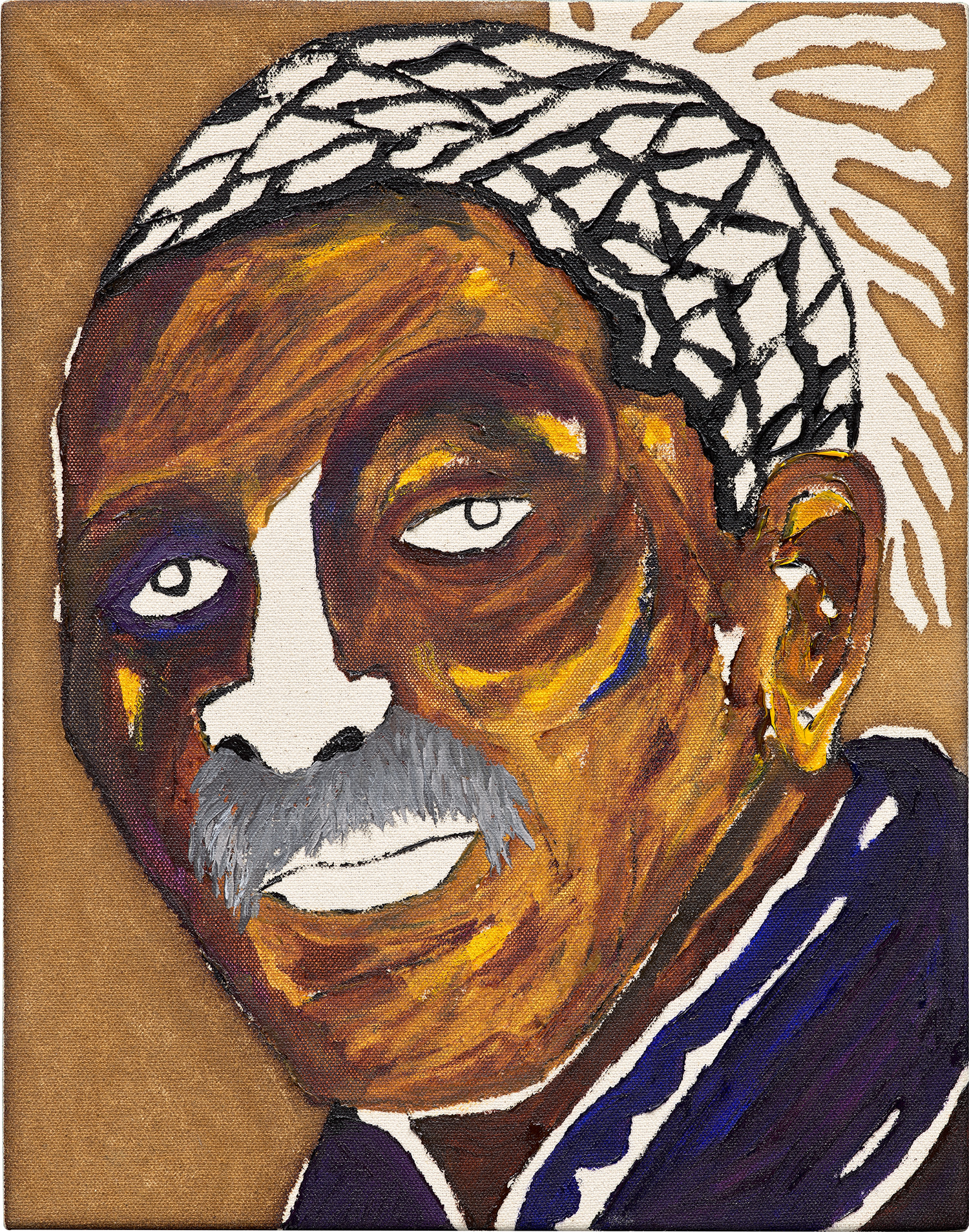
Chase Hall
Walrus, 2021
What makes Chase Hall's work matter today is precisely its combination of formal ambition and ethical seriousness. He is not a painter who uses social themes as a substitute for craft; he is a painter whose craft is so rigorous that it creates the conditions for those themes to resonate fully. At a moment when the art world is paying more sustained attention to whose stories get told and how, Hall's paintings offer something rare: beauty that does not flinch, intimacy that does not sentimentalize, and a vision of Black American life that is as complex and luminous as any subject painting has ever attempted. He is, by any serious measure, one of the defining painters of his generation.