Catherine Opie
Catherine Opie Sees All of Us
Artist Spotlight · The Collection Editorial
“I think about photography as a way of bearing witness. It's about being present and paying attention.”
Catherine Opie, Aperture interview
In the autumn of 2023, the Smithsonian American Art Museum continued to burnish Catherine Opie's reputation as one of the most essential documentary voices in contemporary photography, with her work appearing in major institutional contexts across the United States and Europe. Galleries from Los Angeles to London have long competed to place her prints, and the critical consensus that once felt like a prediction now reads as simple fact: Opie is among the defining image makers of her generation. Her camera has always been a tool of witness, turning toward the people and places that mainstream culture preferred to overlook, and in doing so, she has quietly redrawn the boundaries of what portraiture is permitted to say. Born in Sandusky, Ohio in 1961, Opie grew up in a world far removed from the art circles she would later inhabit.
Catherine Opie
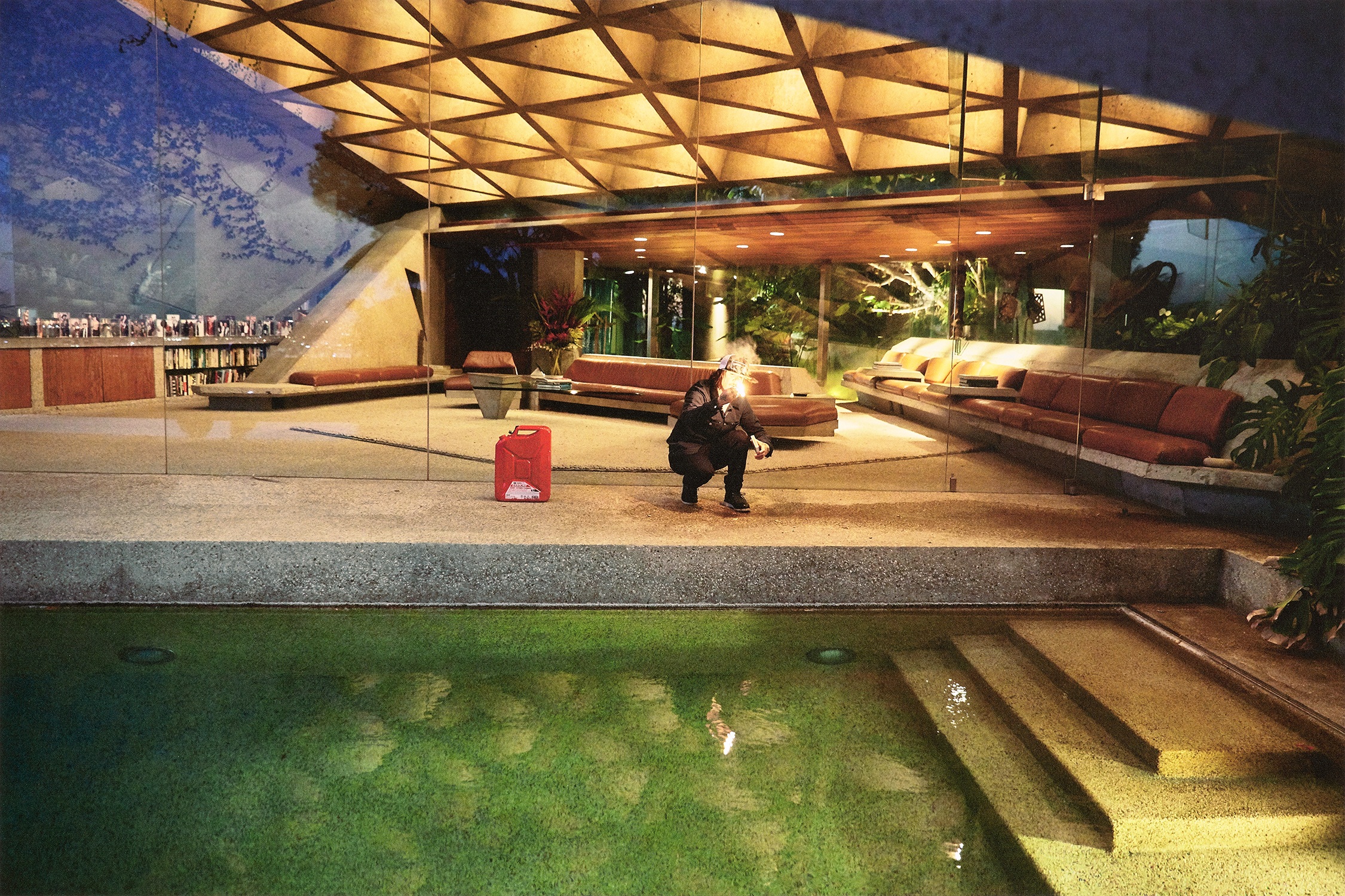
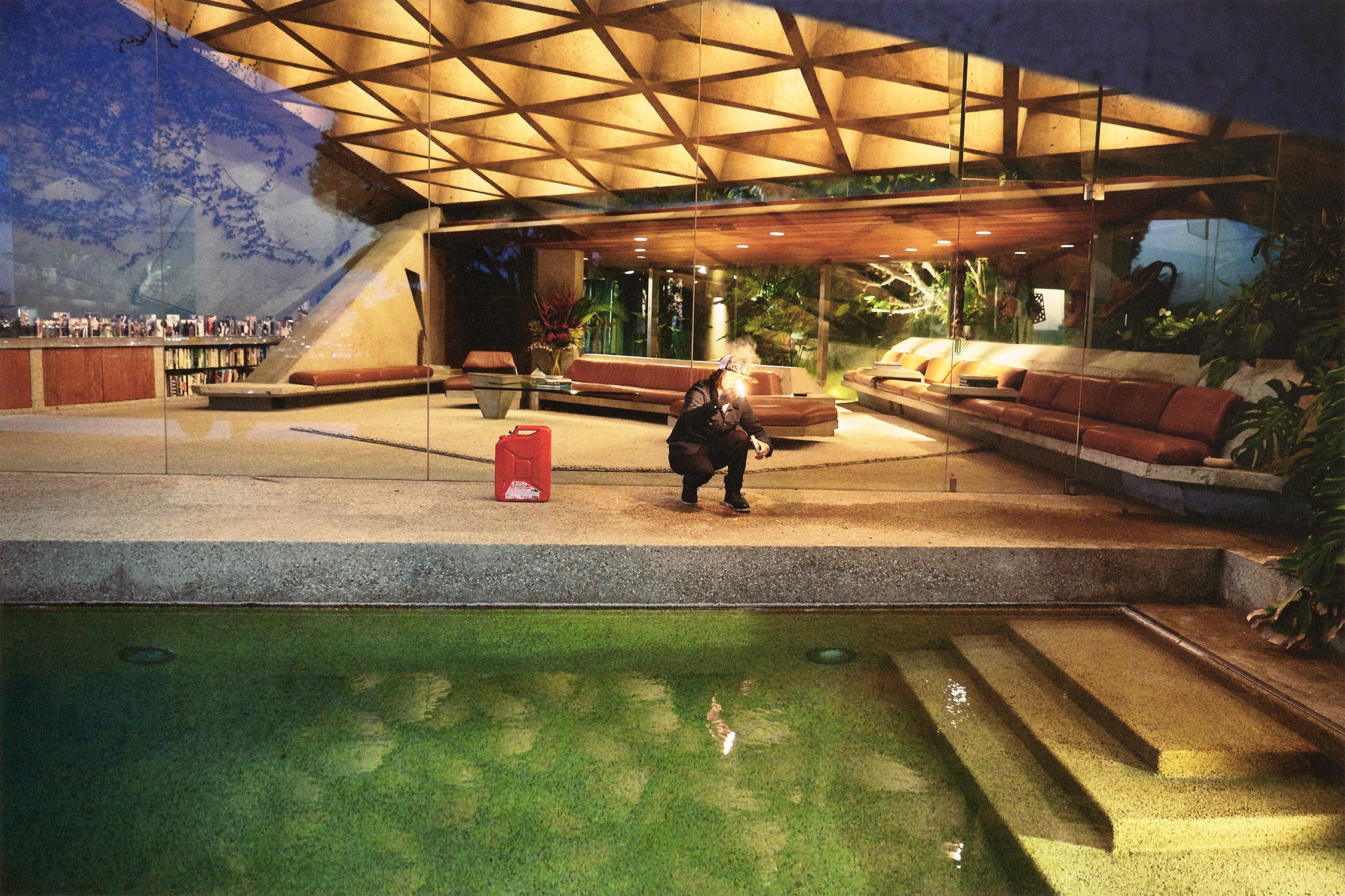
Sheats-Goldstein #4 (The Modernist)
Her family moved frequently, and she spent formative years in both the Midwest and California, developing an early sensitivity to the way place shapes identity. She studied at the San Francisco Art Institute before completing her MFA at the California Institute of the Arts in 1988, where she encountered a rigorous conceptual tradition that sharpened her instincts without blunting her warmth. The Los Angeles she arrived in was a city in the midst of profound cultural and political upheaval, and Opie absorbed its energy entirely. The early 1990s marked Opie's breakthrough into public consciousness, when she began photographing the queer and leather communities of San Francisco and Los Angeles with a formality and tenderness that was entirely without precedent.
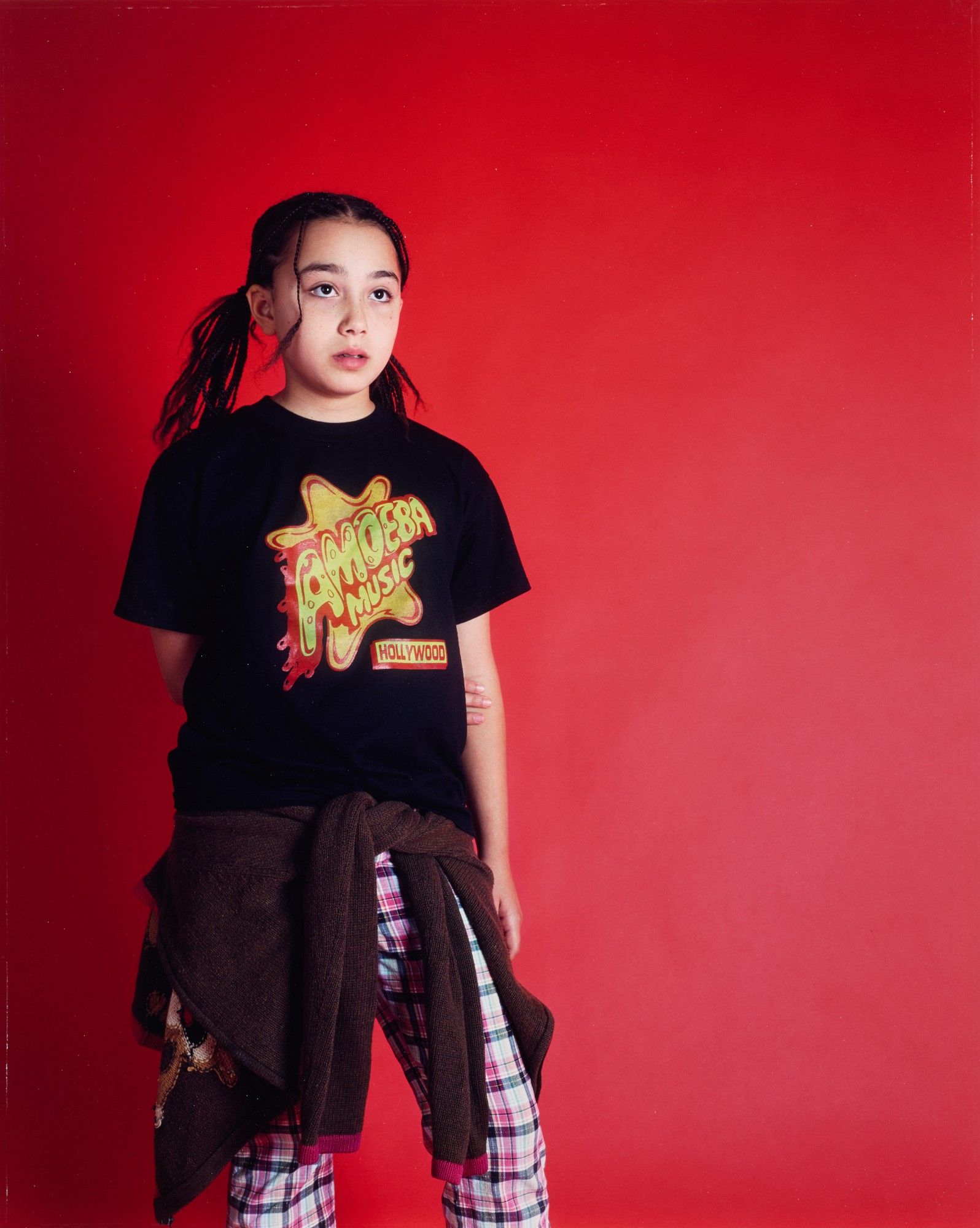
These portraits, shot against flat, saturated backgrounds that recalled the gravity of Old Master painting, refused the voyeurism that had previously dominated documentary images of LGBTQ life. Instead they offered dignity, specificity, and a kind of love. Works from this period, including her portraits of drag queens, transgender individuals, and leather community members, were exhibited at the Regen Projects gallery in Los Angeles, a partnership that has endured and defined much of her career. Lehmann Maupin later extended her institutional reach to New York and beyond, ensuring that her work found the global audience it deserved.
Catherine Opie
Sula
Opie's practice has never been content to rest in a single mode. Through the late 1990s and into the 2000s, she turned her lens toward the suburban landscape with her celebrated Freeways series, in which the concrete infrastructure of Los Angeles became a subject of strange, abstract beauty. Her Domestic series, begun in 1998, brought the same formal rigor to intimate scenes of lesbian domestic life, documenting couples, children, and the quiet architecture of chosen family. The chromogenic print Emily, Sts, and Becky, Durham, North Carolina from 1998 stands as one of the most affecting works from this body of work, a portrait of tenderness and everyday life elevated to something monumental.
“I am completely obsessed with the idea of community and what it means to belong.”
Catherine Opie, LACMA interview
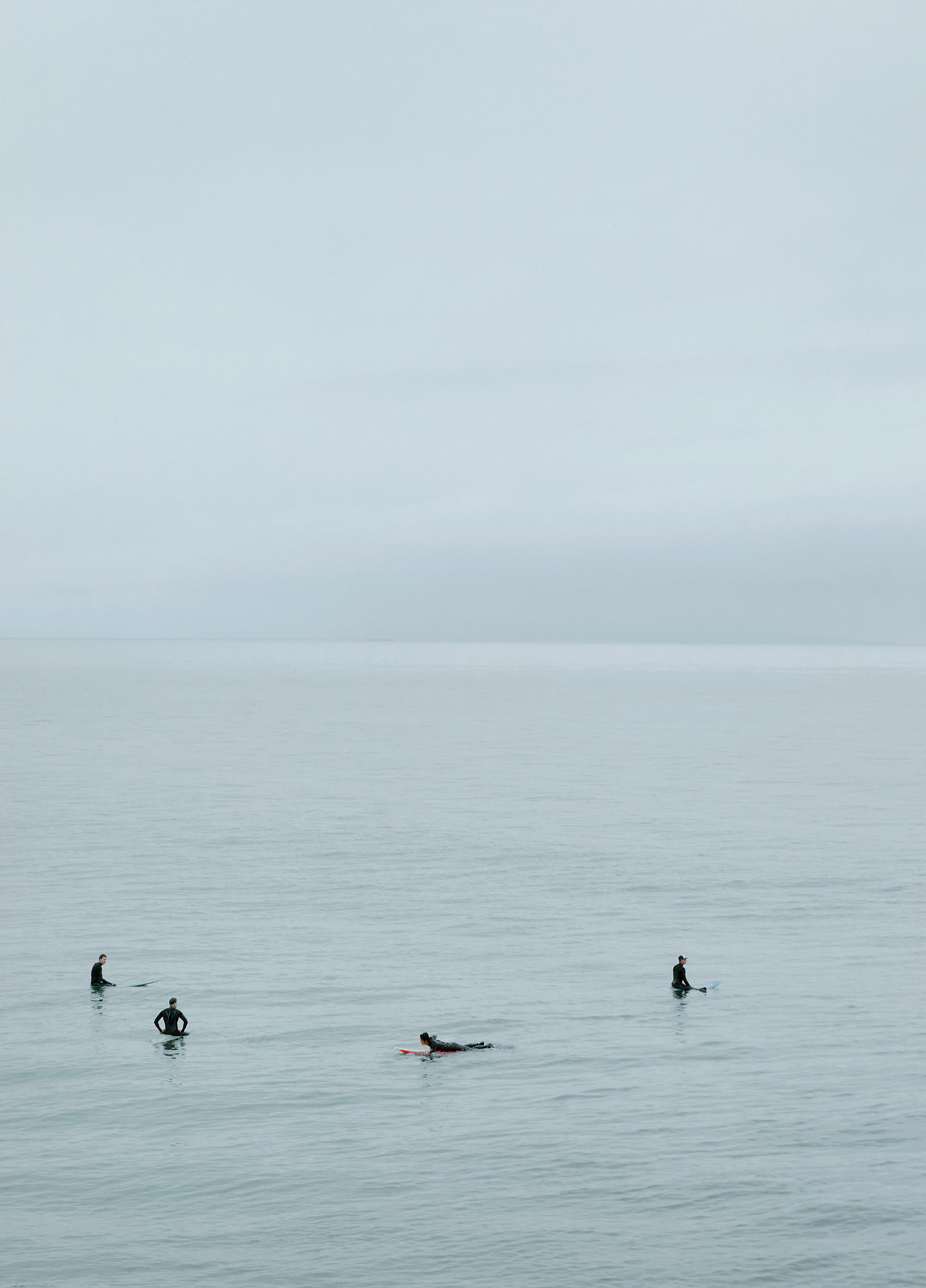
Around the same time, her Surfers series demonstrated the full range of her visual intelligence: where the Domestic works were warm and interior, the Surfers images were oceanic, vast, and strangely meditative, the figures small against Pacific swells. Her ongoing engagement with American landscape photography represents a parallel and equally important strand of her work. Images such as Mendenhall Glacier and Waterfall reveal Opie working in a tradition that reaches back to Ansel Adams and Carleton Watkins, but inflected with a contemporary awareness of climate, loss, and the fragility of natural systems. Her architectural work, including the Sheats Goldstein series documenting the iconic John Lautner designed home in the Hollywood Hills, demonstrates her gift for finding psychological depth in built environments.
Catherine Opie
Surfers
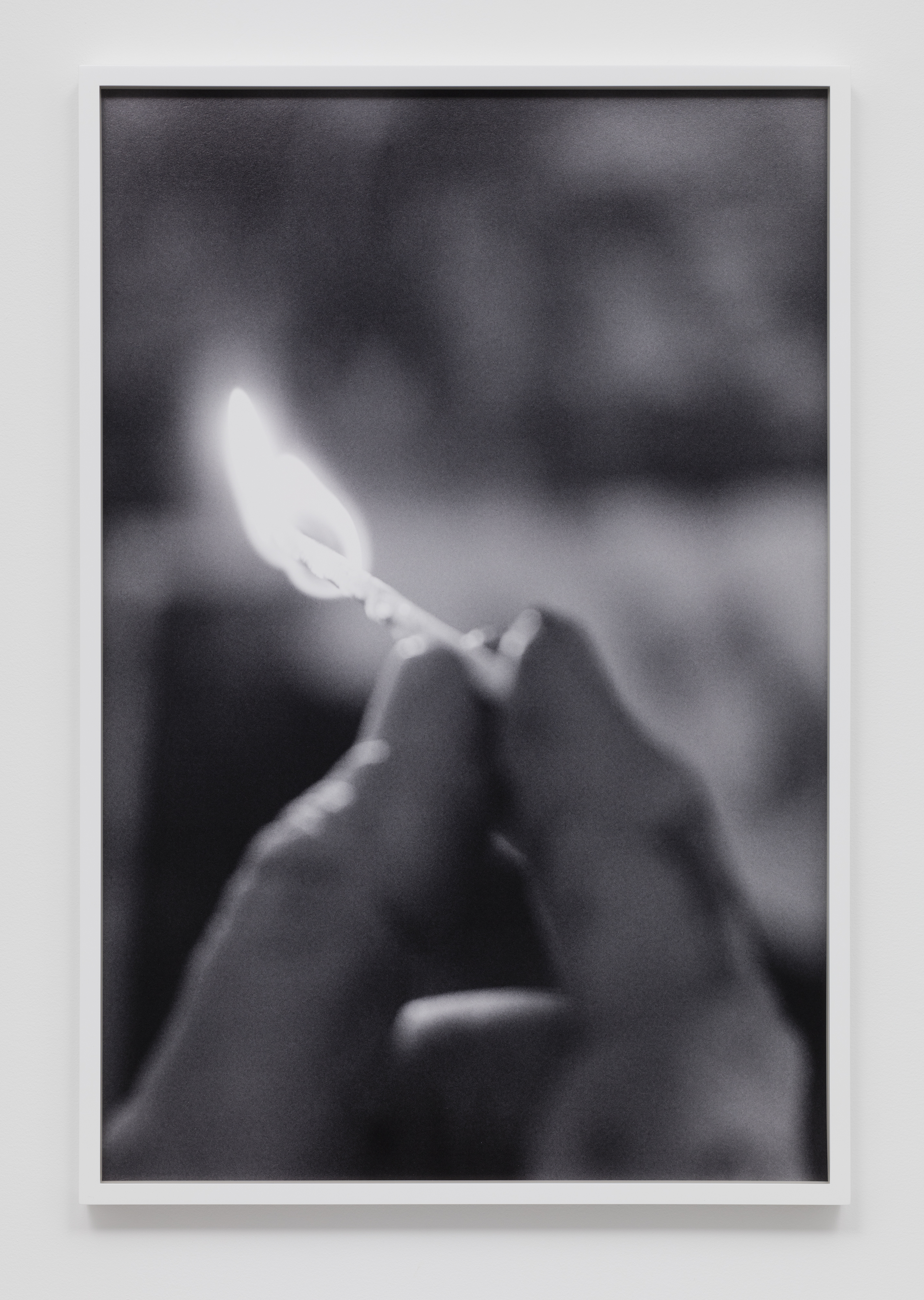
Sheats Goldstein number 4, subtitled The Modernist, is a luminous pigment print that rewards sustained looking, the geometry of the house rendered with the same attentiveness she brings to human subjects. Match Fire number 2 from the same series, made in 2016, extends this inquiry into the dramatic nocturnal possibilities of the property. For collectors, Opie's work offers something genuinely rare: a practice that is both historically significant and emotionally immediate. Her prints exist in carefully limited editions, and works from the early portrait series now command serious attention at auction.
Major examples from the 1990s have appeared at Christie's and Phillips, where chromogenic prints from the Being and Having and Portraits series have achieved results that reflect both their cultural importance and their visual power. Collectors who have acquired her work over the past two decades have found it to be among the most consistently appreciated photography of its era, not only in market terms but in the deepening richness of meaning each image accumulates as culture changes around it. The work available on The Collection spans the full arc of her practice and represents an exceptional opportunity to engage with an artist at the height of her reputation. In the broader context of art history, Opie occupies a position alongside photographers such as Nan Goldin, Wolfgang Tillmans, and Zanele Muholi, all artists who have used portraiture as a form of activism and affirmation.
Catherine Opie
Match fire #2 (The Modernist), 2016
Like Goldin, she understands that intimacy is its own form of argument. Like Tillmans, she moves fluidly between the personal and the political, the microscopic and the vast. Her influence on a younger generation of photographers working with questions of identity, community, and landscape is difficult to overstate, and her presence in major museum collections, from the Guggenheim to the Whitney to the Museum of Contemporary Art Los Angeles, confirms her place in the permanent record of American art. What makes Opie genuinely extraordinary is the consistency of her moral vision across radically different subjects and formats.
Whether she is photographing a glacier receding into meltwater, a surfer dissolving into foam, or a couple in their living room with a newborn child, she brings the same quality of attention, the same refusal to simplify or sentimentalize. Her photographs ask us to look carefully and to take seriously the full range of American lives and American landscapes. At a moment when both are under pressure and in flux, that invitation feels not just generous but necessary.
Explore books about Catherine Opie