Carroll Dunham
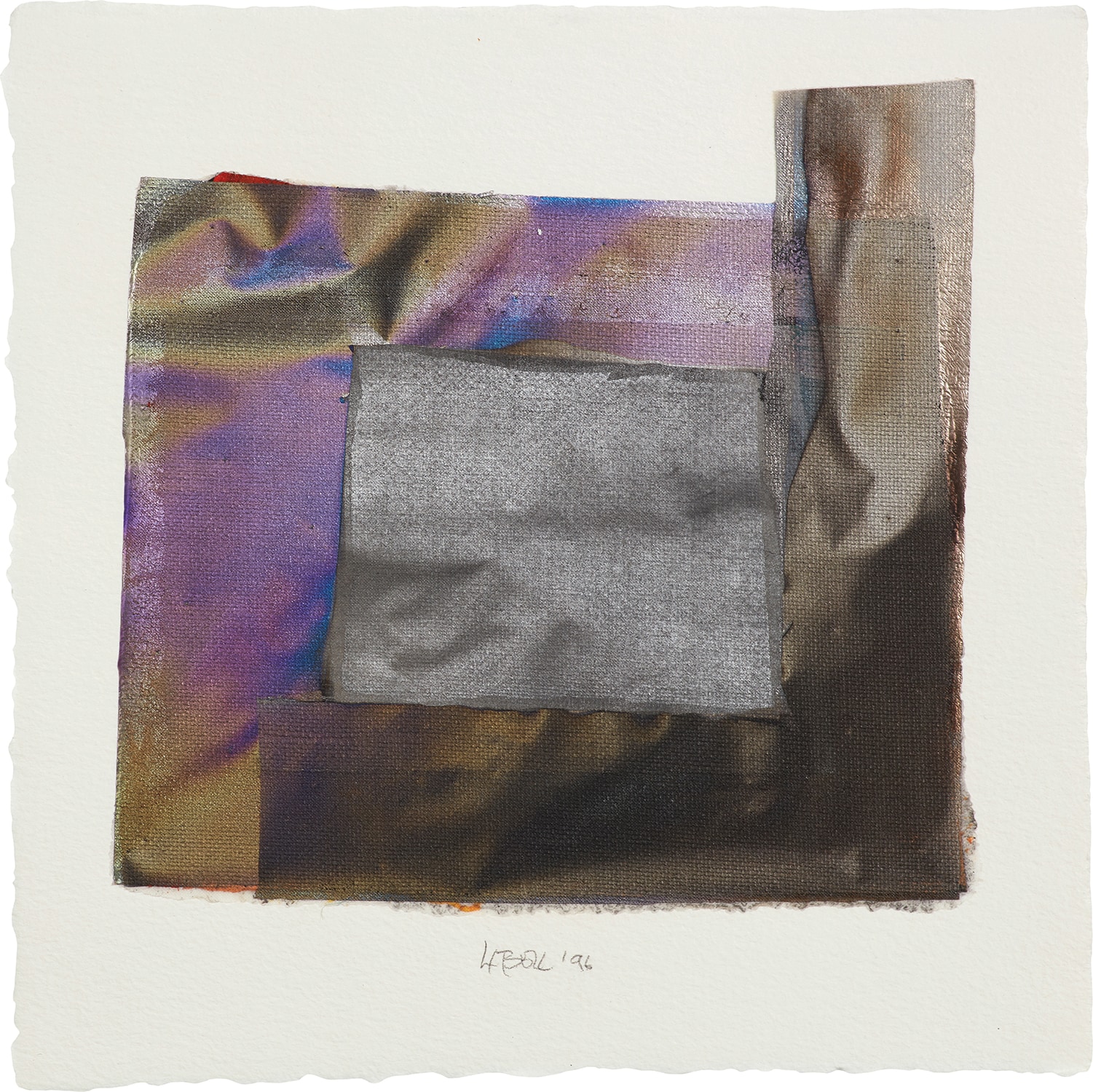
Carroll Dunham, Where Everything Comes Alive
Artist Spotlight · The Collection Editorial
There is a particular electricity in a Carroll Dunham exhibition that is difficult to describe and impossible to forget. When the New Museum mounted a major survey of his work, visitors encountered a body of painting that seemed to operate by its own internal logic, a visual language so fully realized and so defiantly personal that it demanded a new kind of looking. Dunham has spent more than four decades constructing that language, and the result is one of the most singular practices in American art. In a cultural moment when painting is once again asserting its centrality, his work stands as proof that the medium still contains multitudes.
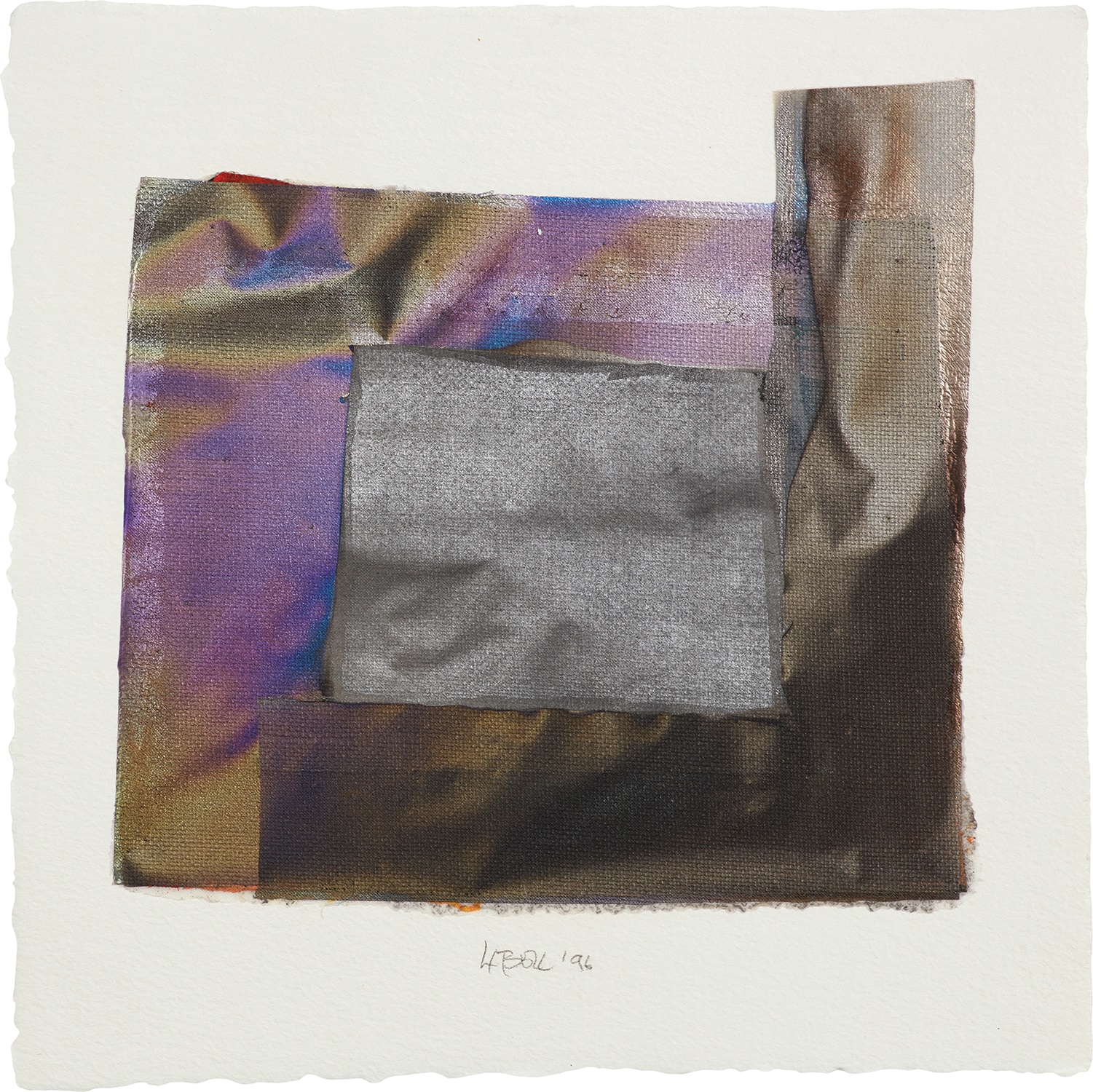
Carroll Dunham
Red Shift (K. A11)
Born in 1949, Carroll Dunham came of age in a mid century America whose artistic landscape was being remade in real time. He studied at Trinity College in Hartford, Connecticut, graduating in 1971, and arrived in New York during one of its most fertile and turbulent decades. The city in the 1970s and early 1980s was a hothouse of competing ideas about what art could and should be, and Dunham absorbed them all with the appetite of someone who understood he was living through a hinge moment. He found community among painters, sculptors, and critics who were pushing against the orthodoxies of both high modernism and the emerging art market, and that early formation gave his practice a restless, questioning quality it has never lost.
His earliest mature paintings emerged from a fascination with wood grain, using the physical surface of wood panel as both ground and subject. These works from the early 1980s feel almost geological, as though the artist were excavating something that was already present in the material, coaxing organic forms out of the natural patterns of the wood. Abstract shapes with a biomorphic, almost cellular quality began to appear within those grain patterns, and the tension between the found surface and the painted mark gave the work an uncanny energy. It was a genuinely original starting point, one that owed a debt to surrealism while belonging entirely to its maker.
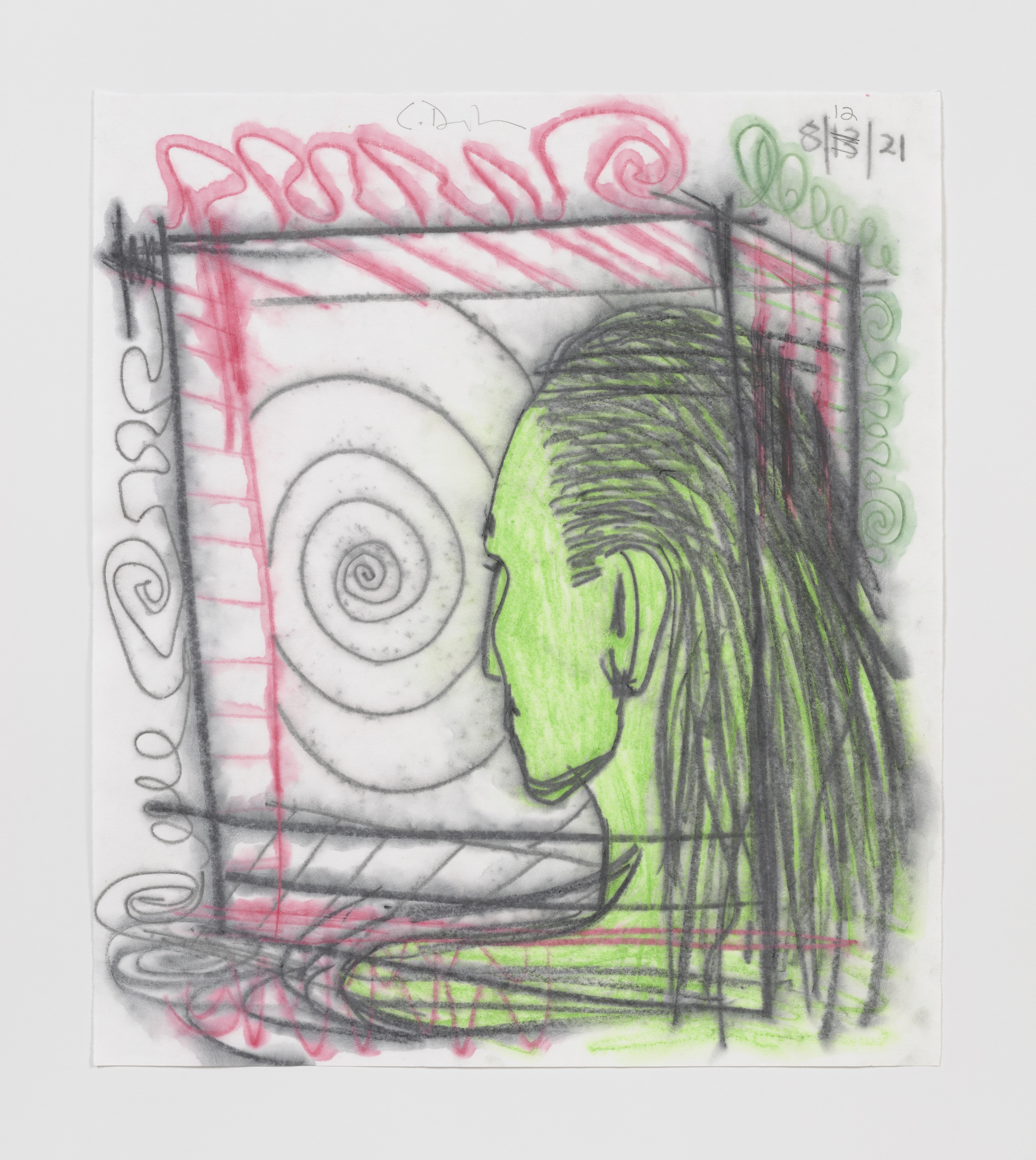
Carroll Dunham
Female Self Model, 2021
Over the following decade, Dunham's forms became increasingly figurative without ever fully abandoning abstraction. Phallic and bodily shapes proliferated, drawn with a graphic boldness that recalled comic illustration and underground cartooning as much as fine art painting. This was not provocation for its own sake. The sexual imagery in Dunham's work carries the weight of genuine inquiry, an attempt to locate the body and its drives within the larger systems of form and color that organize his canvases.
By the 1990s, cartoonish male figures with exaggerated features had become recurring presences, wrestling with each other and with the picture plane itself in compositions of remarkable formal intelligence. The Museum of Contemporary Art Chicago recognized the significance of this development, and the work found its way into serious institutional and private collections throughout this period. The shift in Dunham's practice that has drawn the most sustained critical attention is his turn toward female figures, particularly the series of women in outdoor landscapes that has occupied him in the 2000s and into the present. These paintings represent a profound deepening of his visual thinking.
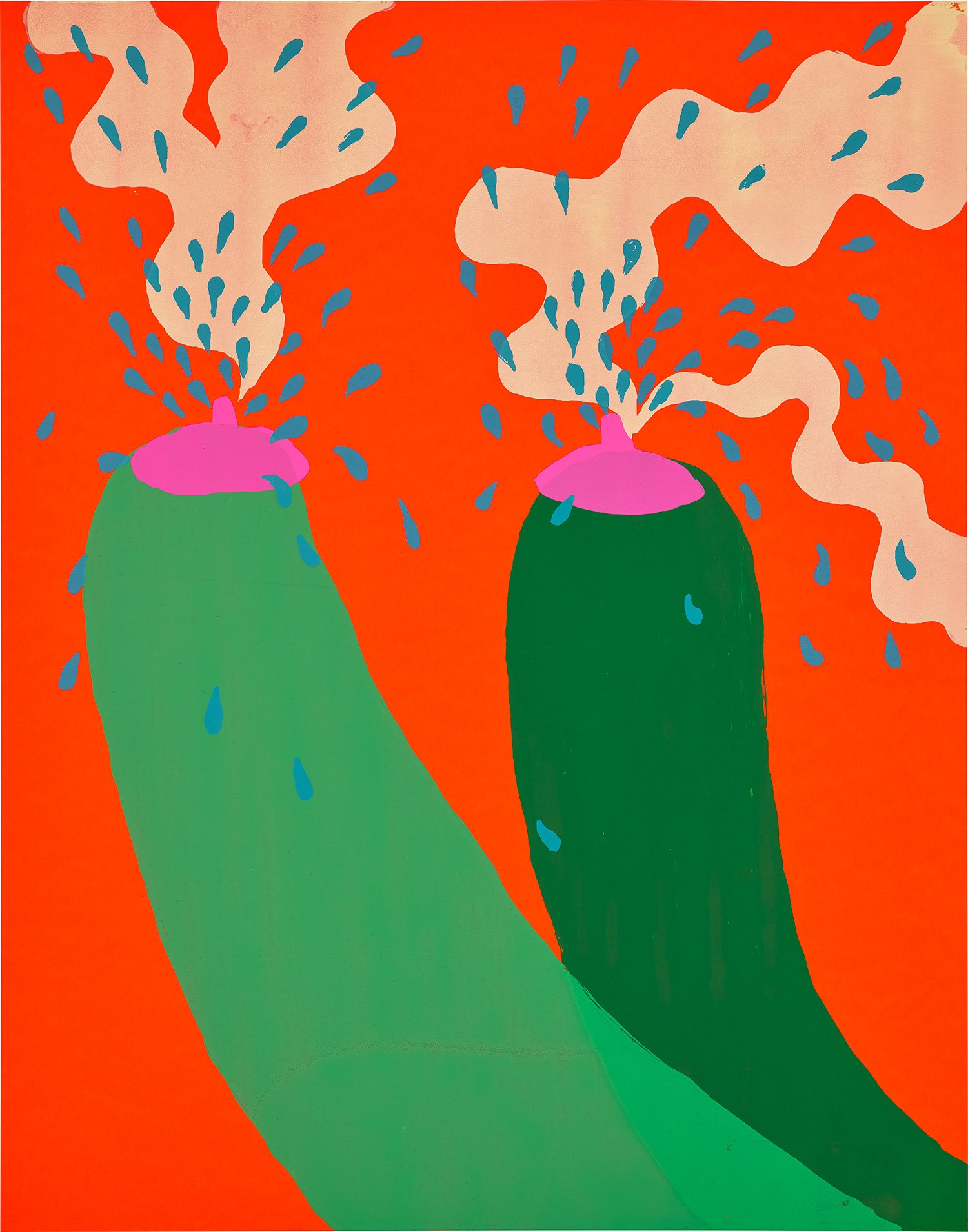
Carroll Dunham
Island (K. A64)
The women are rendered with the same graphic intensity as his earlier figures but carry a different emotional register, monumental and self possessed, inhabiting landscapes that feel both primordial and psychologically charged. Works in the Bather series, including the monumental screenprint available on The Collection, demonstrate how completely Dunham has mastered the challenge of making figures that feel simultaneously archaic and urgently contemporary. The influence of Paul Gauguin and Henri Matisse is present but thoroughly digested, transformed into something that could only have come from this artist at this moment. Dunham's printmaking practice deserves special attention and is particularly well represented for collectors.
His long collaboration with Universal Limited Art Editions in West Islip, New York, one of the most distinguished print publishers in American art history, produced a body of work of exceptional quality and ambition. Works such as Red Shift, Seven Places, and Analysis demonstrate the full range of his graphic imagination, combining the spontaneity of his drawing with the precision that the best printmaking demands. His etchings, including Island on Arches Et Tout Cas paper and At the Edge on Angoumois à la Main paper, reveal a draughtsman of real sensitivity working within a tradition that stretches back centuries. The works produced with Pace Editions, including the Interior triptych, show a painter fully at home in the collaborative intimacy that fine printmaking requires.
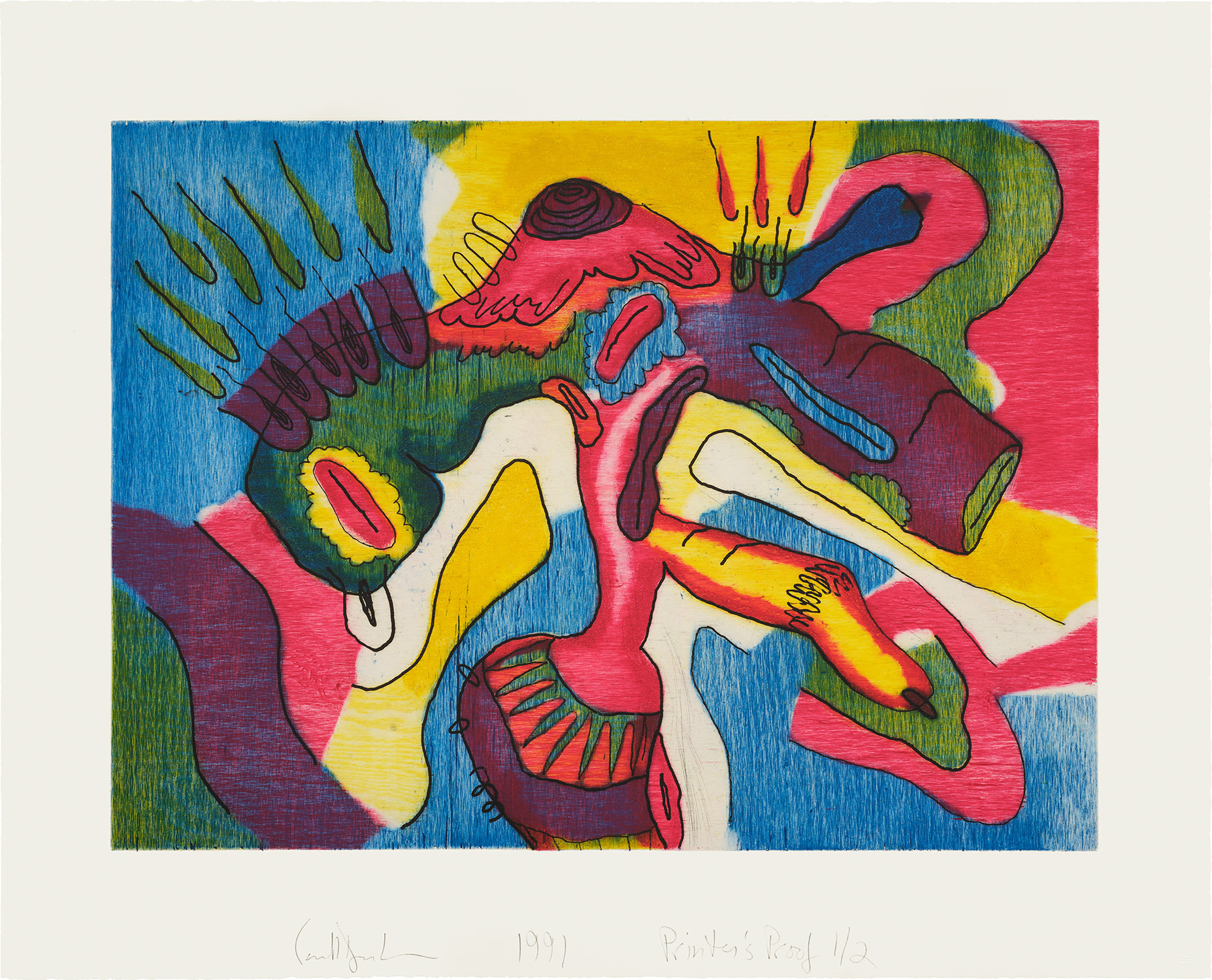
Carroll Dunham
Analysis (K. A24)
For collectors, Dunham represents an unusually compelling proposition. His work operates across multiple price points and formats, from rare printer's proofs of major print editions to watercolors and works on paper such as the 2021 Female Self Model, a piece in watercolor, water soluble crayon, and pencil that shows his draftsmanship at its most direct. The Untitled drawing from 1998 in ballpoint pen demonstrates that even Dunham's most casual seeming works carry the full charge of his vision. Collectors are drawn to the work's combination of formal rigor and libidinal energy, a combination that has kept it vital and surprising across decades of intense looking.
The printer's proofs from Universal Limited Art Editions are particularly prized, as they represent the artist's most intimate engagement with each composition. Dunham's place in art history becomes clearer when considered alongside artists who share his commitment to figuration inflected by surrealism and psychological intensity. His practice resonates with the work of artists like Peter Saul, whose similarly graphic and transgressive imagery paved part of the same road, and with the generation of painters including Sue Williams and Lisa Yuskavage who emerged in the 1990s and pushed figurative painting into contested psychological territory. He belongs to a lineage that runs from the surrealist body through American underground culture and out the other side into something genuinely new.
His influence on younger painters working today in similarly graphic and figurative modes is substantial and still growing. What makes Carroll Dunham matter in the present moment is precisely what makes him difficult to categorize: his absolute refusal to separate formal intelligence from psychological and even carnal content. He has never treated composition and meaning as separate problems, never allowed the pleasure of a beautiful mark to exist apart from what that mark is trying to say about desire, fear, and the strangeness of being alive in a body. At 75 years of age, he remains one of American painting's most productive and unpredictable voices.
The work collected under his name on The Collection offers an extraordinary opportunity to engage with that voice across the full span of a remarkable career.
Explore books about Carroll Dunham