Bruce Davidson
Bruce Davidson: America Seen With Open Eyes
Artist Spotlight · The Collection Editorial
“I don't just take a picture. I become part of the situation. I enter the life of the person I'm photographing.”
Bruce Davidson, Magnum Photos
There are photographs that document the world, and then there are photographs that change the way we understand it. Bruce Davidson belongs firmly to the second category. His prints have been celebrated in major retrospectives at the International Center of Photography in New York, acquired by the Museum of Modern Art, and collected by institutions and private hands across the world. Yet what continues to draw new audiences to his work is something that no institution can manufacture: a quality of trust, almost palpable in every frame, between photographer and subject that remains among the most extraordinary achievements in the history of American photography.
Bruce Davidson
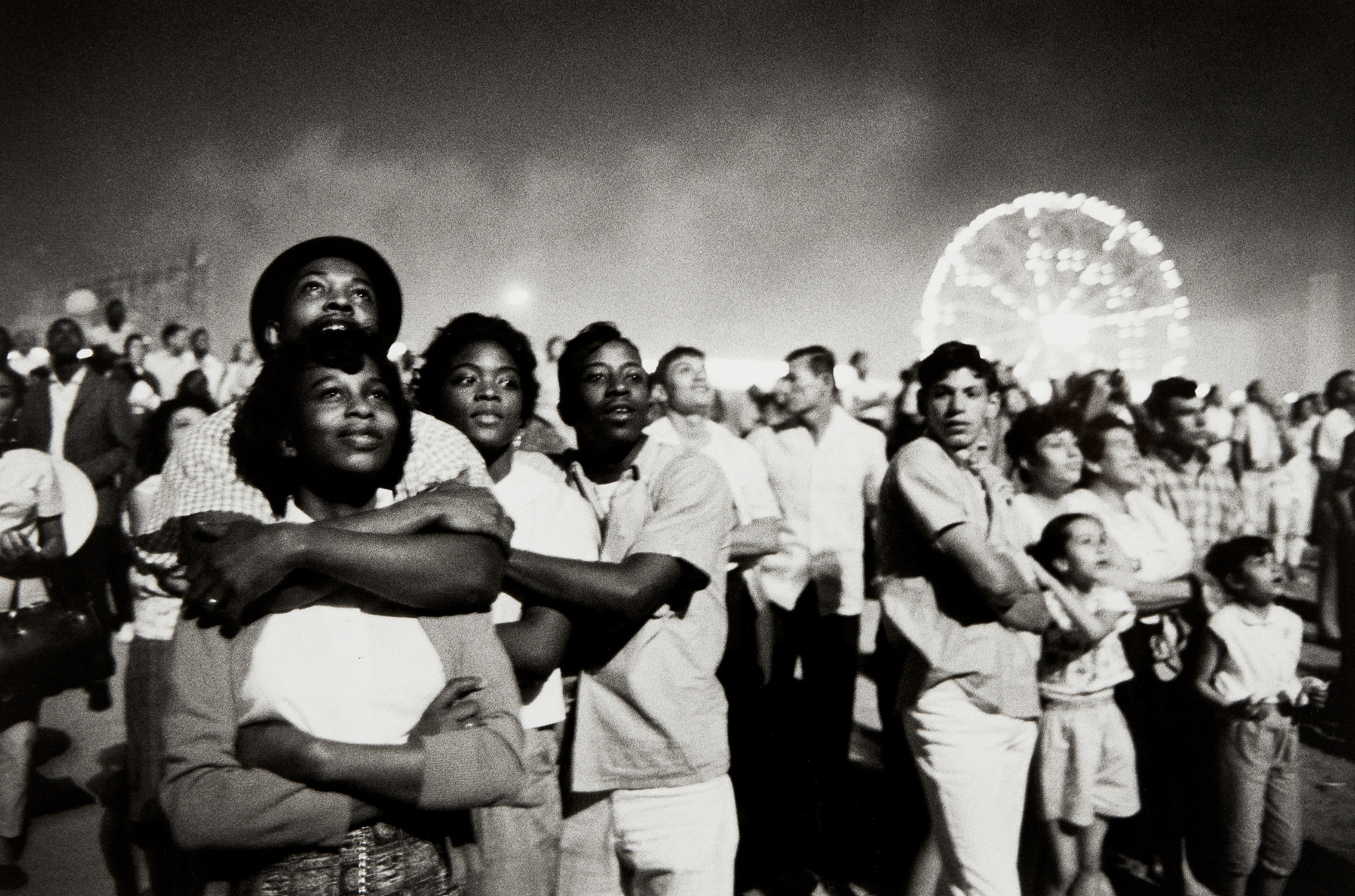
Fourth of July fireworks, Coney Island, New York
Davidson was born in Oak Park, Illinois, in 1933, and showed an early, consuming interest in photography that led him to study at the Rochester Institute of Technology and later at Yale University. He served in the United States Army, where he made photographs of soldiers and their lives, already demonstrating the patient attentiveness that would define his entire career. It was his subsequent move to New York and, crucially, his joining of the Magnum Photos agency in 1958 that announced his arrival as a photographer of serious ambition. Magnum, founded the previous decade by Henri Cartier Bresson, Robert Capa, and others, was the most rigorous and humanistic collective in the photographic world, and Davidson fit its ethos with quiet precision.
The work that first brought Davidson widespread recognition was Brooklyn Gang, a project he began in 1959 after spending months earning the confidence of a group of teenagers in Brooklyn who called themselves the Jokers. He did not arrive with an agenda or a predetermined narrative. He arrived with a camera and an open willingness to be present. The resulting photographs are astonishing in their intimacy: young men and women caught in moments of tenderness, boredom, bravado, and longing, their lives rendered without condescension or sentimentality.
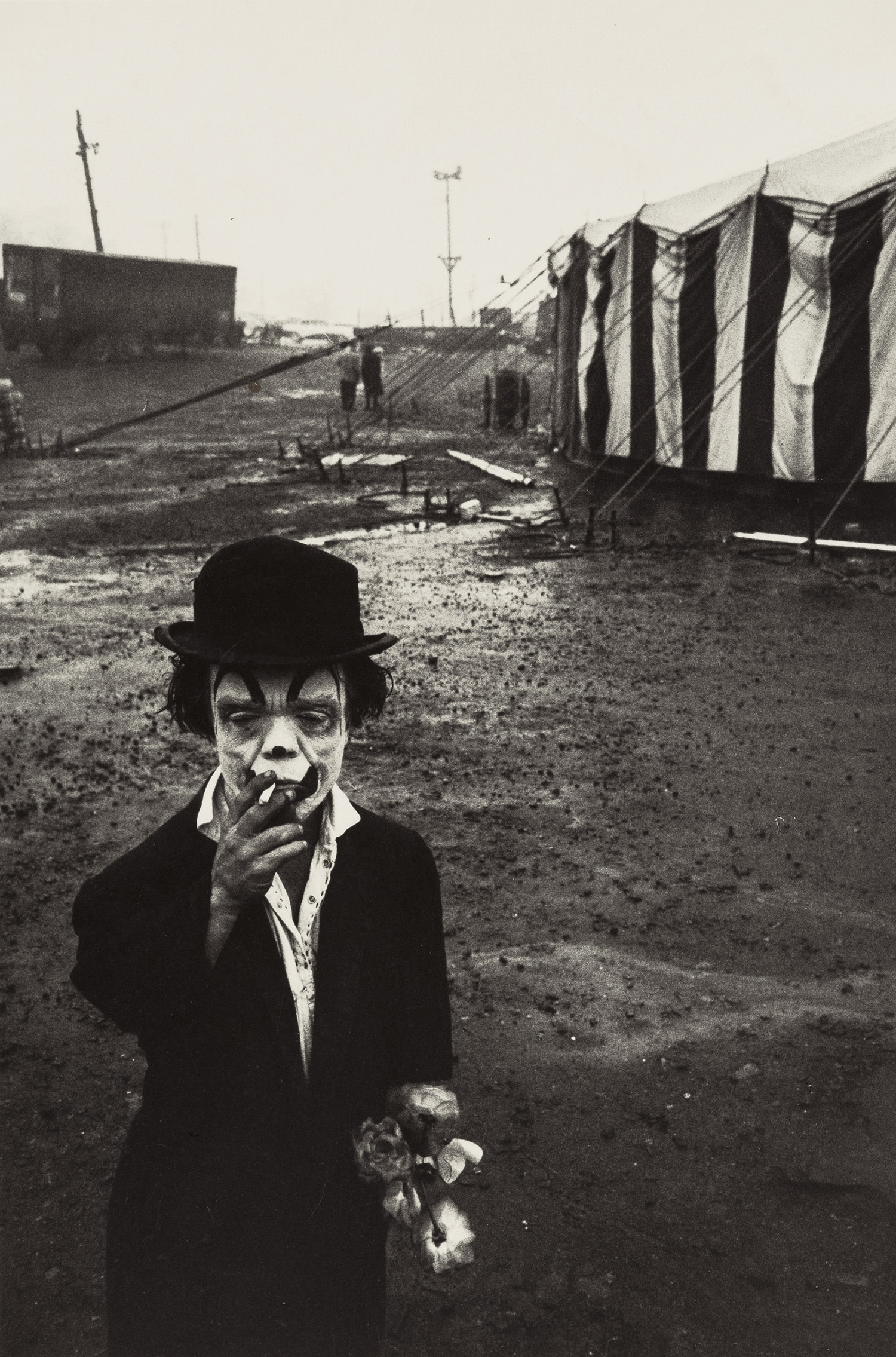
Bruce Davidson
Jimmy Armstrong, 'The Dwarf,' Palisades, New Jersey, USA
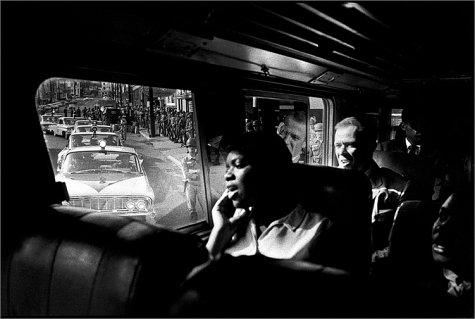
These gelatin silver prints, several of which are available through The Collection, carry an emotional directness that feels entirely contemporary decades after they were made. In 1961, Davidson traveled south to document the Freedom Rides, the courageous civil rights campaign in which integrated groups of activists boarded interstate buses to challenge segregation. His photographs from that period stand alongside the most important documentary work produced during the civil rights movement, capturing both the dignity of the activists and the charged, often violent atmosphere surrounding them. Then, from 1966 to 1968, he turned his attention to East 100th Street in East Harlem, a project of remarkable sustained commitment in which he spent two years photographing the residents of a single block.
“The camera is a license to explore.”
Bruce Davidson
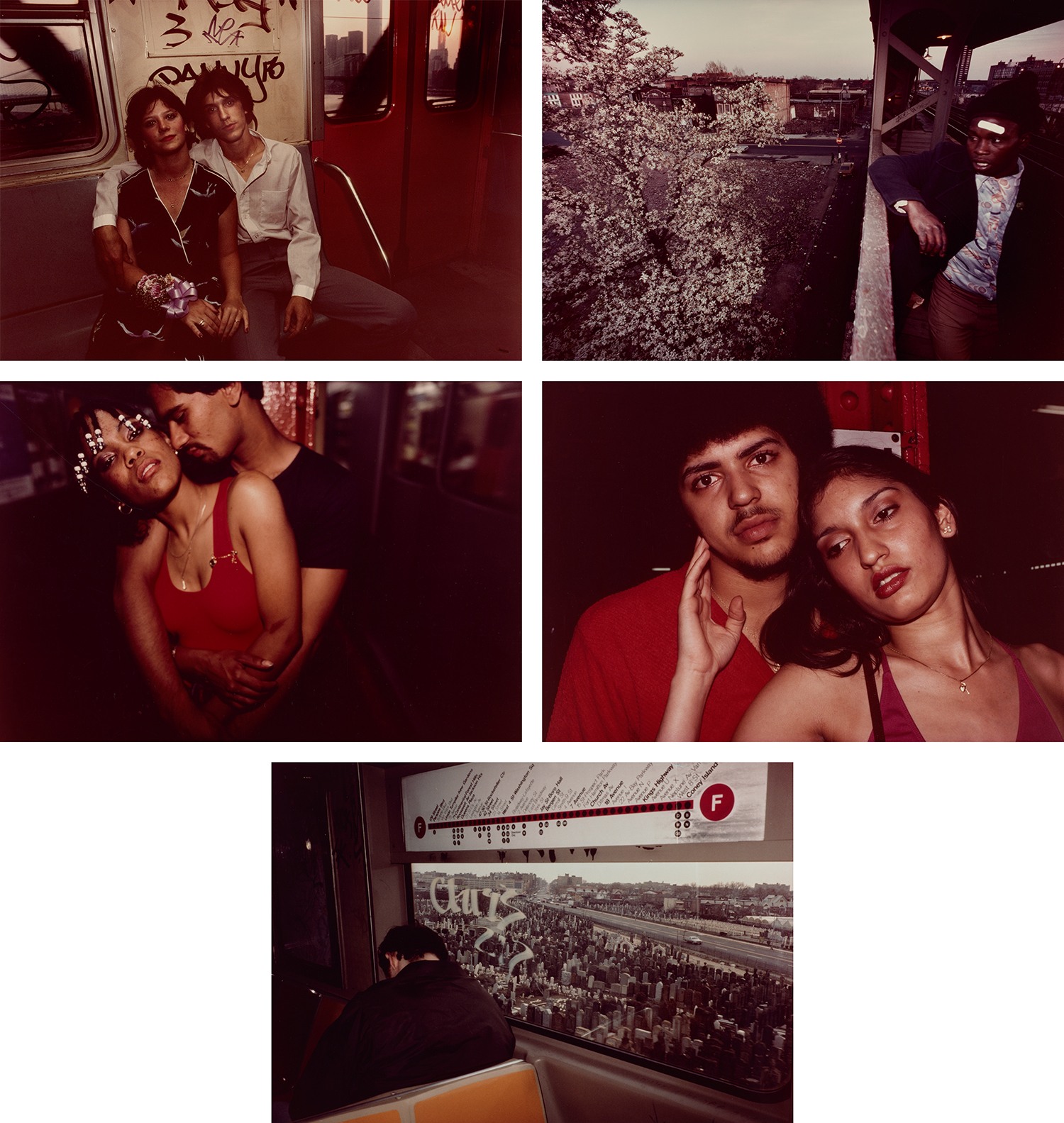
The resulting book, published in 1970, is considered a landmark of documentary photography and remains deeply moving as both a social document and a work of art. Perhaps the most visually electric body of work in Davidson's long career is Subway, produced between 1980 and 1984. Working in the New York City subway system during one of its most turbulent eras, Davidson used a medium format camera and color film to produce images that are simultaneously grimy and gorgeous, tense and tender. The Subway prints, including the selected chromogenic works available through The Collection, introduced a new chromatic richness to his practice, with the fluorescent lights, the layered graffiti, and the compressed human drama of the cars creating a visual world unlike anything else in the photographic canon.
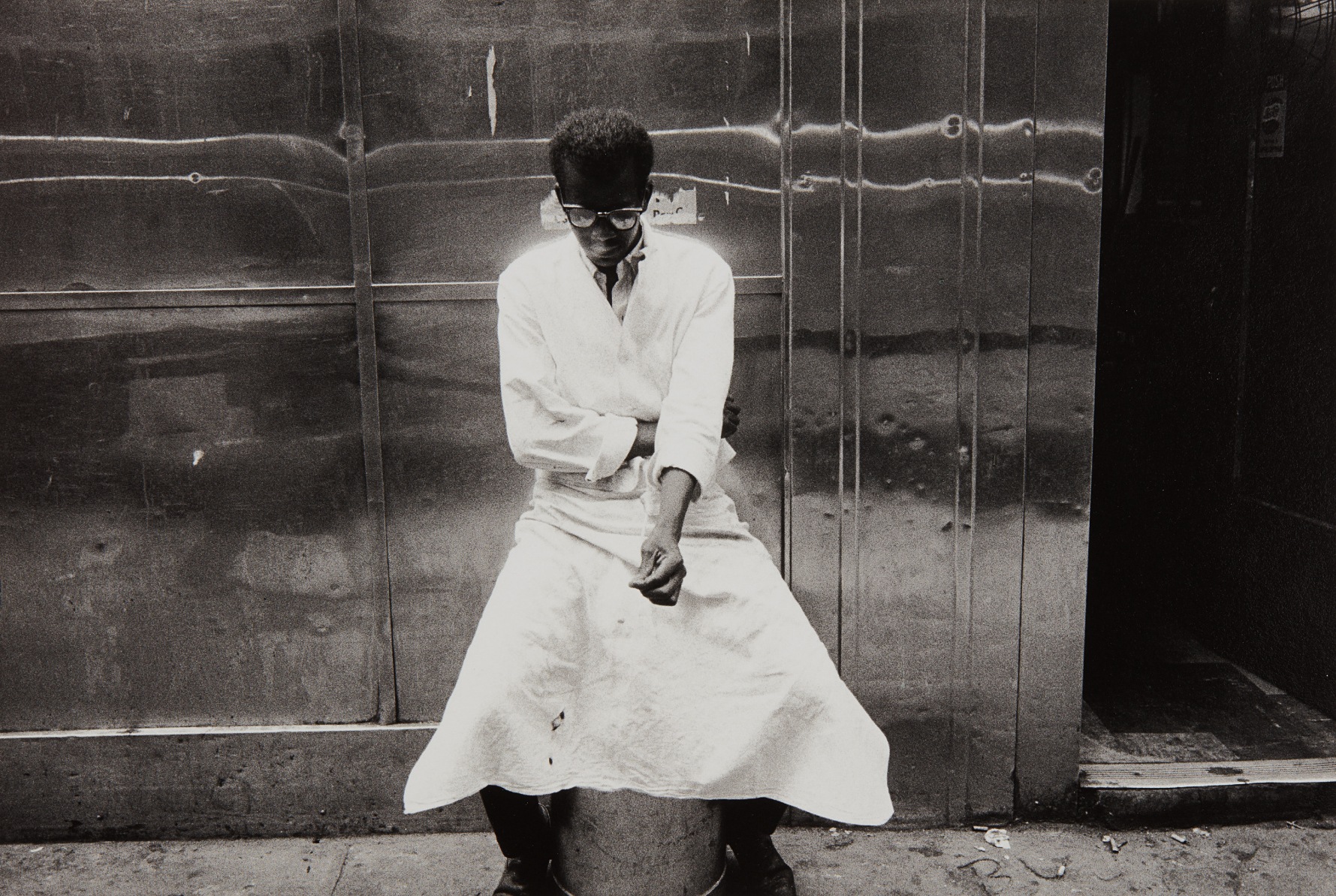
Bruce Davidson
Man Outside Luncheonette, New York
The project was published as a book in 1986 and is now regarded as one of the defining visual records of New York City in the twentieth century. For collectors, Davidson's work represents a compelling intersection of art historical significance and enduring aesthetic power. His gelatin silver prints from Brooklyn Gang and East 100th Street are among the most sought after photographs on the primary and secondary markets, prized for their tonal richness and the sense of lived reality they convey. The Subway chromogenic prints offer something different: a more saturated, almost cinematic palette that appeals to collectors drawn to the visual energy of color photography.
Works such as Fourth of July Fireworks, Coney Island and the intimate portrait Jimmy Armstrong, The Dwarf, Palisades, New Jersey demonstrate the range of Davidson's empathetic gaze, moving freely between the celebratory and the quietly marginal. When assessing Davidson's prints, condition and printing date matter enormously, and works printed closer to the time of shooting carry particular weight for serious collectors. Davidson's practice invites meaningful comparison with several of the great photographers of his generation. Garry Winogrand shared his commitment to the streets of New York and the theater of American public life, though Winogrand's approach was more kinetic and ironic where Davidson's is patient and warmhearted.
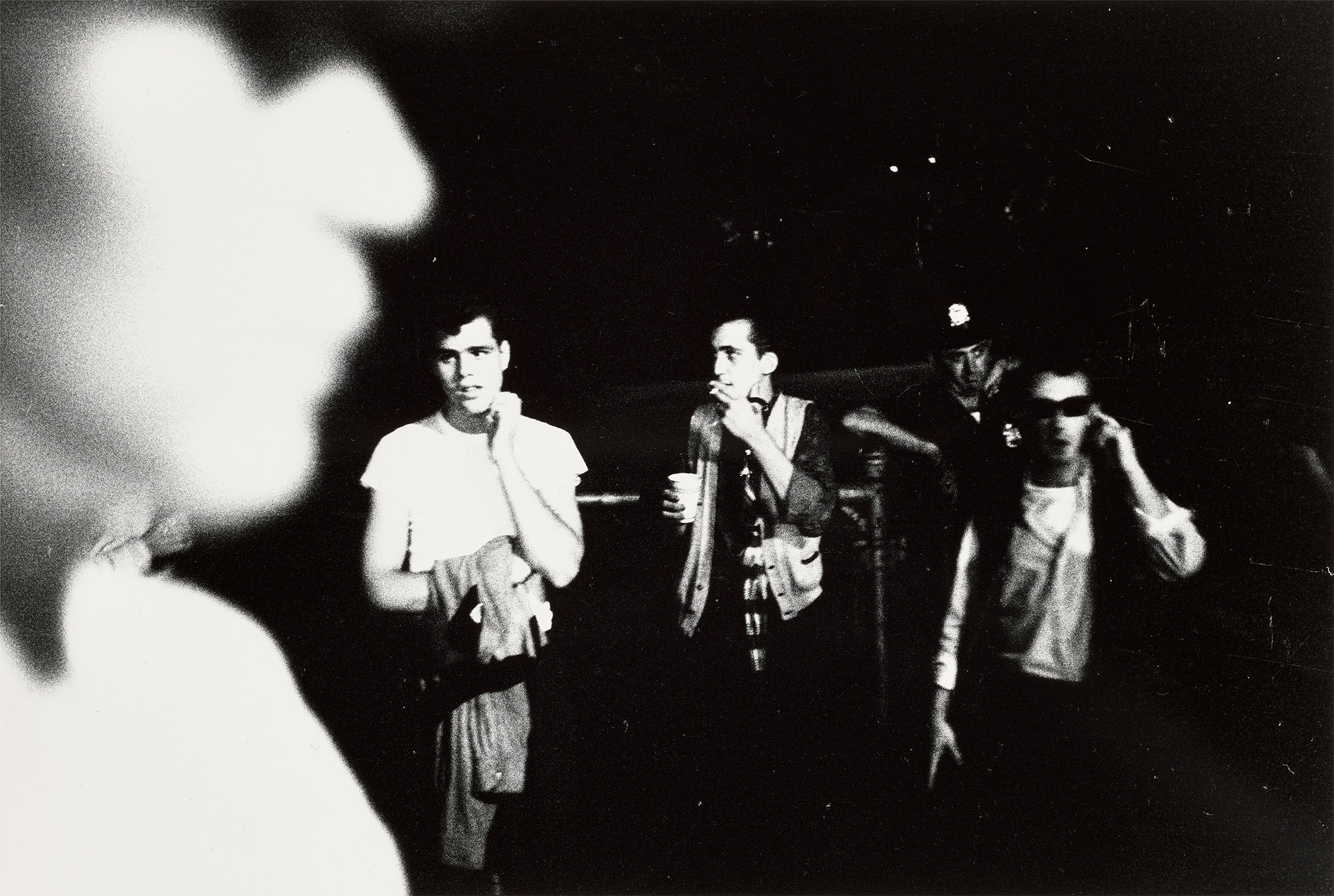
Bruce Davidson
Brooklyn Gang (gang members on street)
Diane Arbus also worked with marginalized subjects during the same decades, but her work carries a psychological edge that feels quite distinct from Davidson's fundamentally empathetic stance. Perhaps the closest spiritual kin is Gordon Parks, whose long career at Life magazine produced photographs of Black American life that combined documentary rigor with genuine artistic beauty in ways that resonate deeply with Davidson's own project. All of these photographers are now understood as central figures in a golden era of American documentary photography, and Davidson stands among the most beloved and respected of them. What makes Davidson matter so urgently today is not simply the historical importance of what he photographed, though that importance is real and substantial.
It is the quality of attention he modeled. In an era when images are produced and consumed at a speed that precludes genuine looking, Davidson's entire career stands as an argument for slowness, for presence, for the radical act of staying long enough to truly see. His subjects were not props or symbols. They were people who granted him access to their lives, and he honored that access with photographs of extraordinary grace.
To collect Bruce Davidson is to bring into your home a reminder that photography at its finest is not about capturing the world but about bearing witness to it.
Explore books about Bruce Davidson