Bruce Conner
Bruce Conner: Radical Vision, Enduring Wonder
Artist Spotlight · The Collection Editorial
“I have always been a scavenger. I use what is available to me.”
Bruce Conner, interview circa 1960s
In 2016, the San Francisco Museum of Modern Art mounted what many considered a long overdue homecoming: a sweeping retrospective of Bruce Conner's work that drew tens of thousands of visitors and confirmed what devoted collectors and curators had known for decades. The show, which traveled to the Museum of Modern Art in New York, presented Conner as one of the most restlessly inventive American artists of the twentieth century, a figure whose refusal to stay in any single lane had made him perpetually difficult to categorize and endlessly rewarding to encounter. Standing before his assemblages and films, audiences found work that felt simultaneously of its moment and urgently alive today. That retrospective reignited serious critical and market attention, and the appetite for his prints, assemblages, and photographs has continued to grow in the years since.
Bruce Conner
Bruce Conner
Bruce Conner was born in McPherson, Kansas in 1933, and came of age in a postwar America electric with both possibility and dread. He studied at the University of Nebraska and later at the Brooklyn Museum Art School before arriving in San Francisco in 1957, a move that would prove transformative. The Bay Area in the late 1950s was a crucible of countercultural energy, and Conner threw himself into it completely. He fell in with the Beat Generation poets, artists, and musicians who gathered in North Beach, absorbing their ethos of spontaneity, their skepticism toward institutional power, and their conviction that art could be made from anything at hand.
This sense of creative democracy, the idea that the cast off and the overlooked deserved as much attention as the pristine and the celebrated, would animate his practice for the rest of his life. Conner's early assemblages, made in the late 1950s and into the 1960s, established him almost immediately as a force to reckon with. Working with nylon stockings, wax, torn fabric, feathers, and other discarded materials, he built dense, layered objects that hummed with psychological intensity. His assemblage work drew on the Dada tradition and the surrealist object, but Conner infused these influences with a distinctly American darkness, one attentive to consumer culture, mortality, and the grotesque beauty lurking inside everyday debris.
Bruce Conner
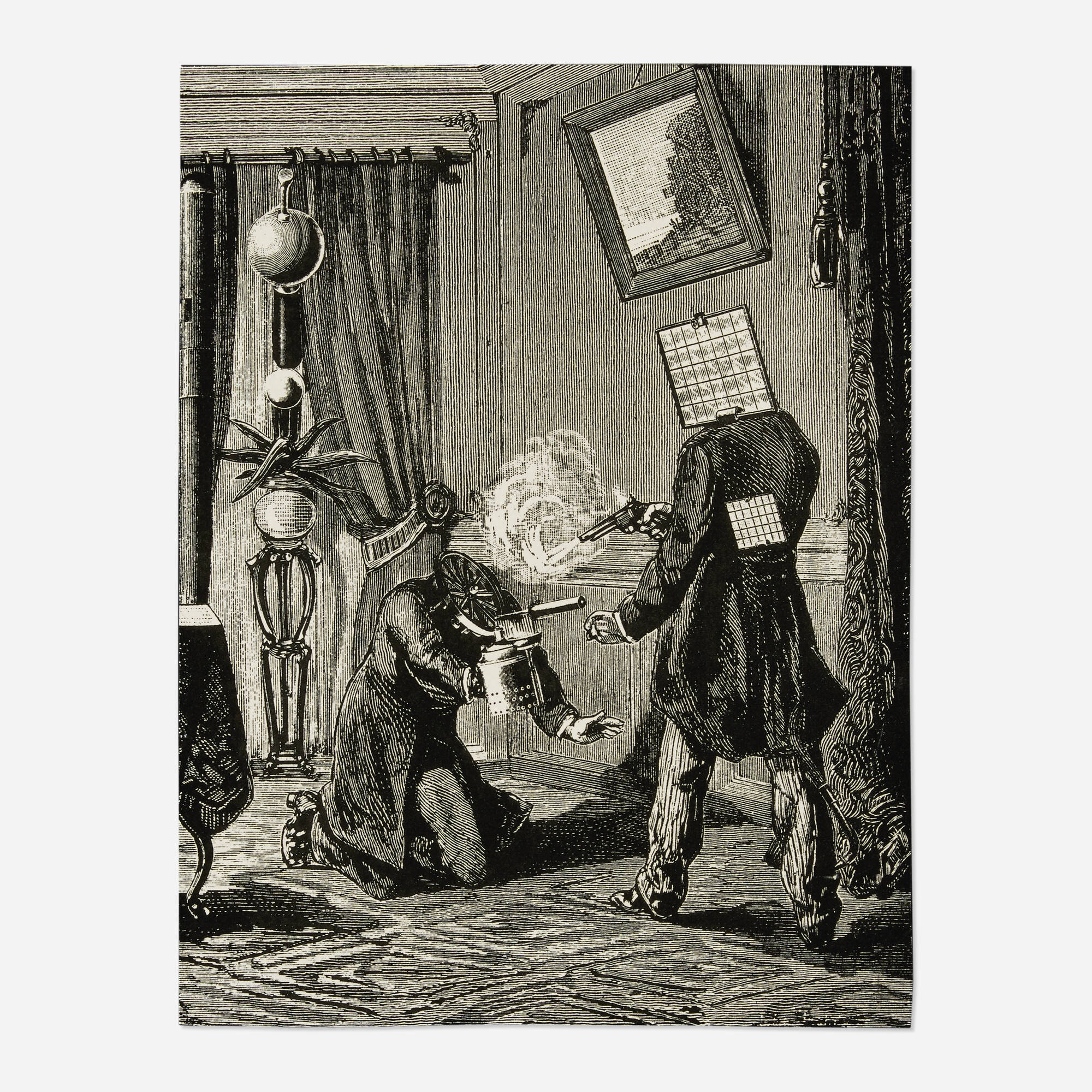
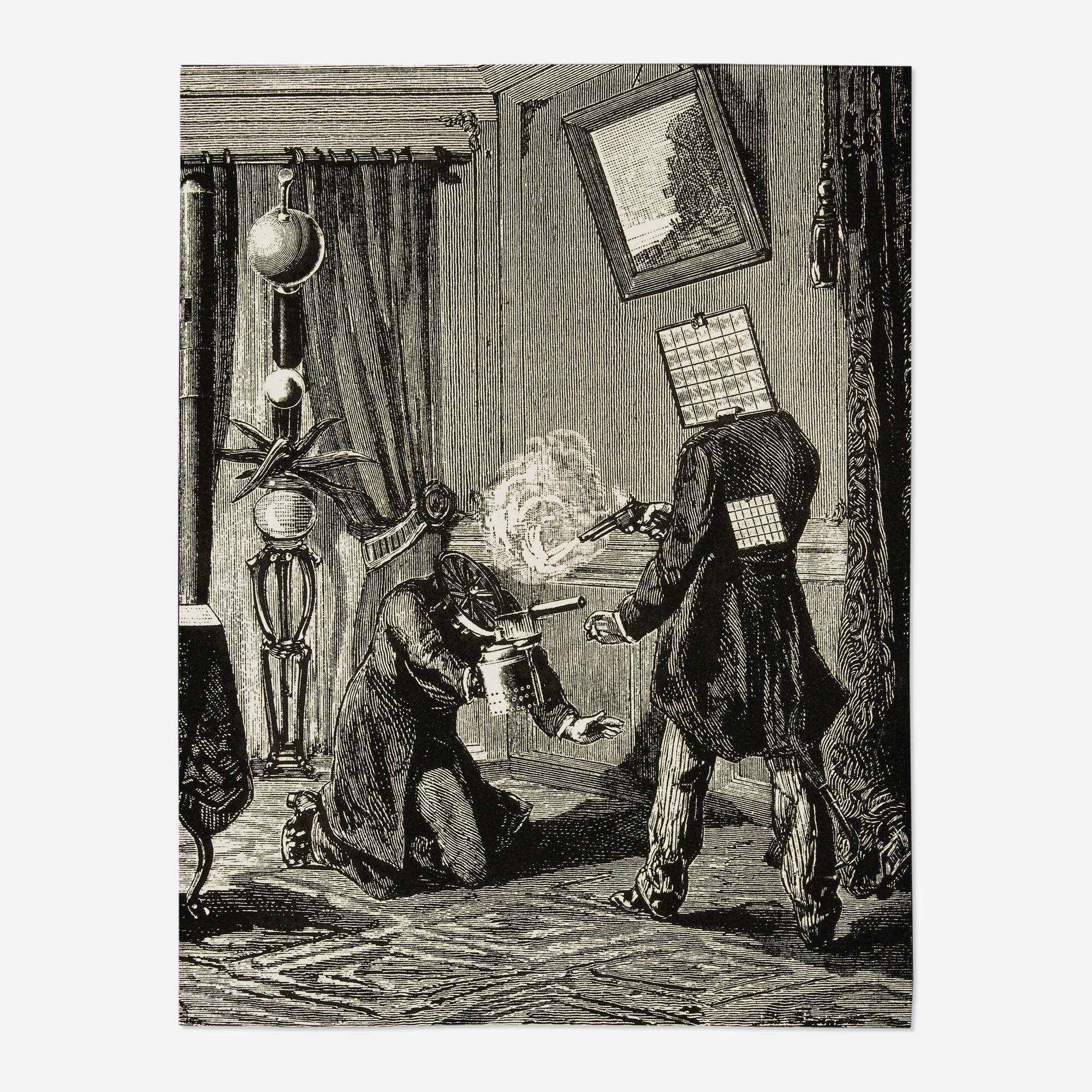
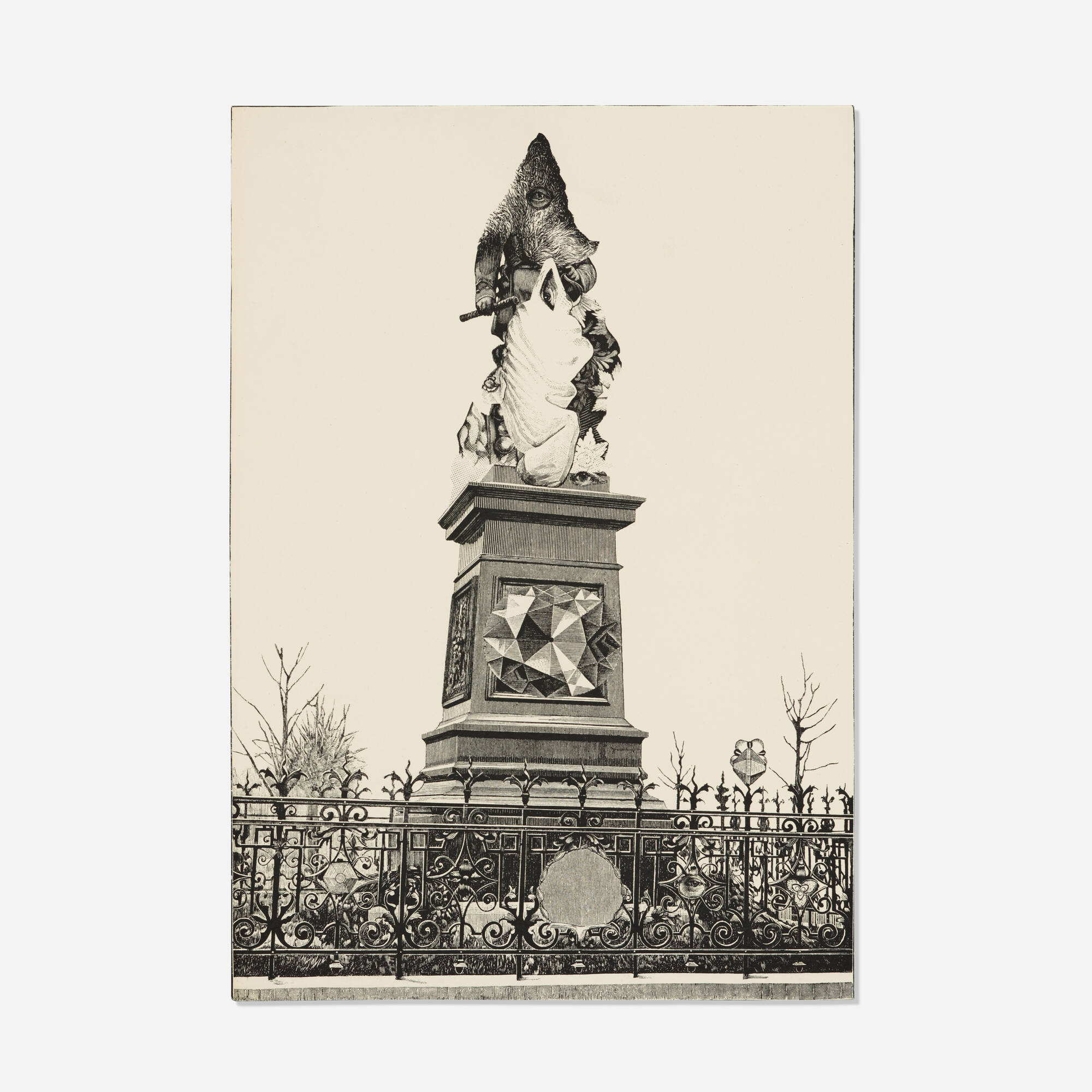
Image I (from The Dennis Hopper One Man Show, Volume II), 1972
Works from this period circulated through the galleries of North Beach and attracted early champions who recognized something genuinely new was happening. His participation in the landmark 1961 group exhibition at the Oakland Museum helped consolidate his reputation as a central figure in the Bay Area assemblage movement alongside artists such as Jay DeFeo and Wallace Berman. Alongside his assemblage practice, Conner began making films in 1958, and it is arguably this body of work that secured his place in art history most permanently. His debut film, A MOVIE, assembled found footage from disparate sources into a work of startling montage poetry, playful and ominous at once.
The film anticipated music video culture by two decades, and its influence on experimental filmmakers, from Kenneth Anger's circle to later video artists, is incalculable. BREAKAWAY, made in 1966 and featuring the dancer and singer Toni Basil, became another touchstone, a celebration of movement and female energy that filmmakers and choreographers still reference today. Conner's film practice was inseparable from his visual art: both were about collage at the deepest level, about finding meaning in the juxtaposition of things that do not obviously belong together. His printmaking deserves special attention, particularly the series produced in collaboration with Dennis Hopper.
Bruce Conner
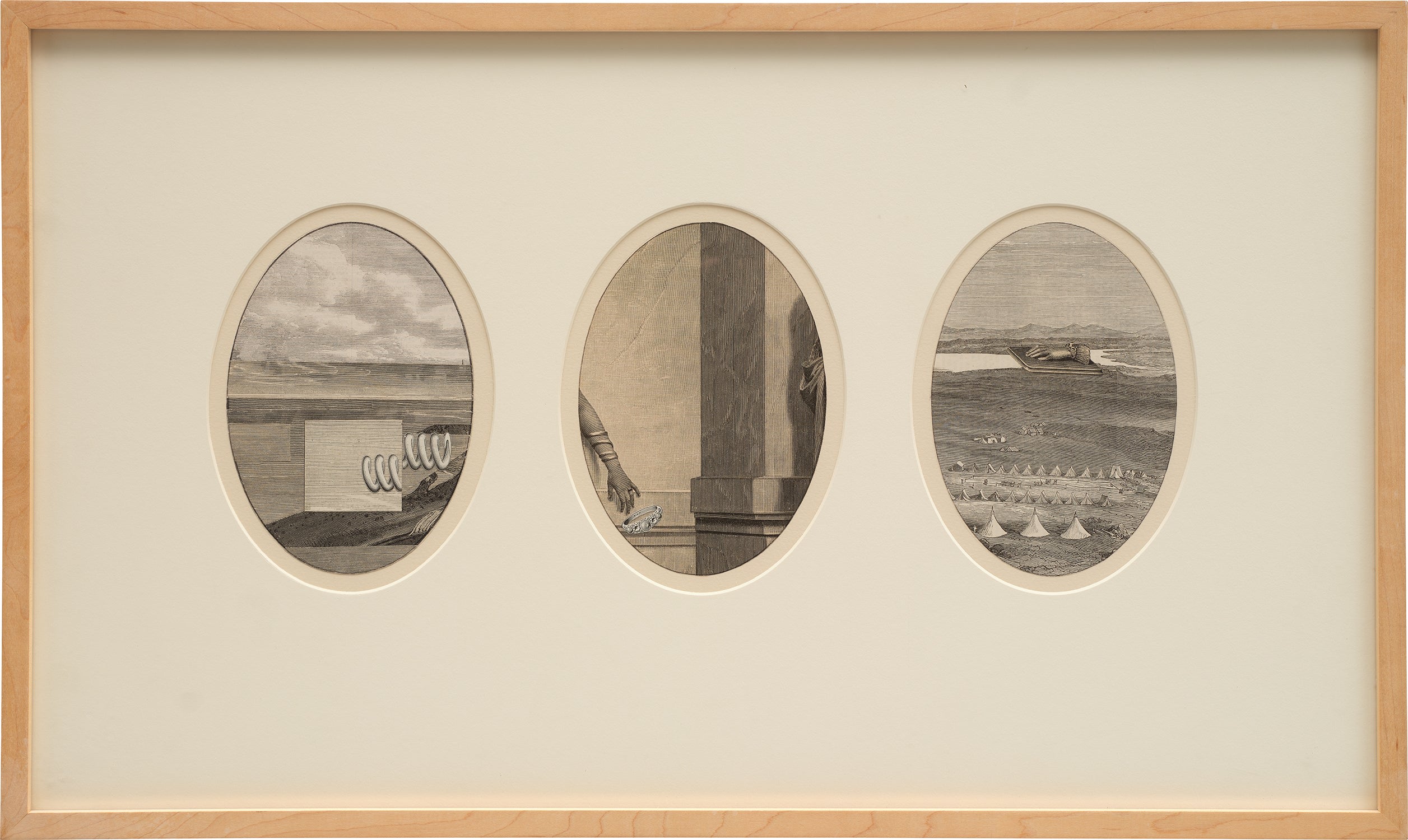
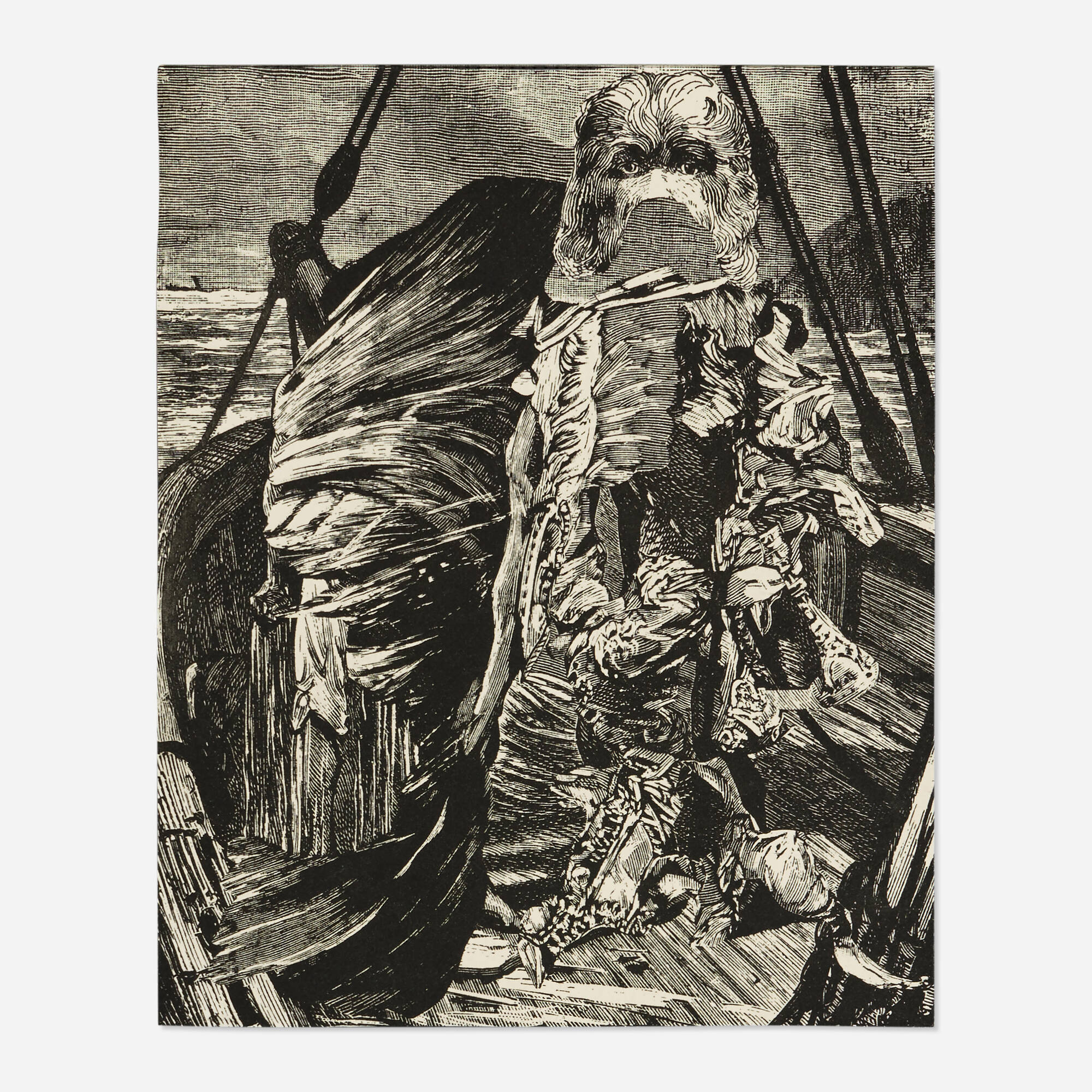
Disengagement, 1987
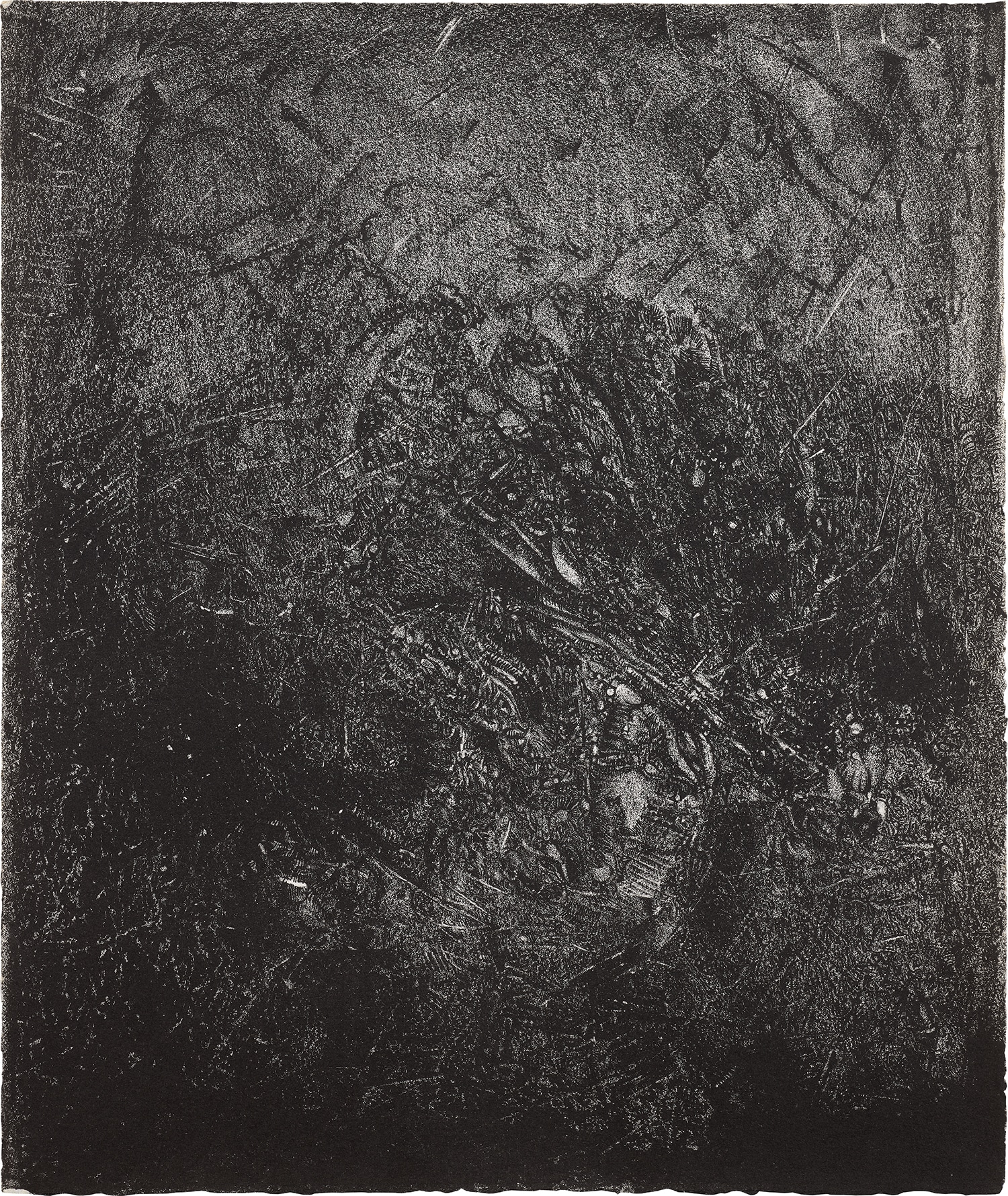
The photoetchings from The Dennis Hopper One Man Show, produced across 1971 and 1972, represent some of the most fascinating documents of the intersection between the Hollywood counterculture and the fine art world of that era. Conner used photographic imagery with the same editorial intelligence he brought to his film work, creating prints that feel at once intimate and monumental. His lithographs from the late 1960s and early 1970s, including works produced on BFK Rives paper, show a comparable mastery of tone and texture. For collectors, these works on paper offer an exceptionally accessible point of entry into Conner's universe, pieces that reward close looking and hold their own in any serious collection.
From a market perspective, Conner remains what knowledgeable advisors sometimes call a discovery that keeps on giving. His auction record has strengthened considerably since the SFMOMA retrospective, with assemblages and unique works commanding serious attention at the major houses. His prints and works on paper, however, still represent genuine value relative to the historical importance of the artist, making them attractive to both institutional buyers and private collectors building with a long view. The rarity of his assemblages means that when significant examples appear on the market, competition is real and decisive.
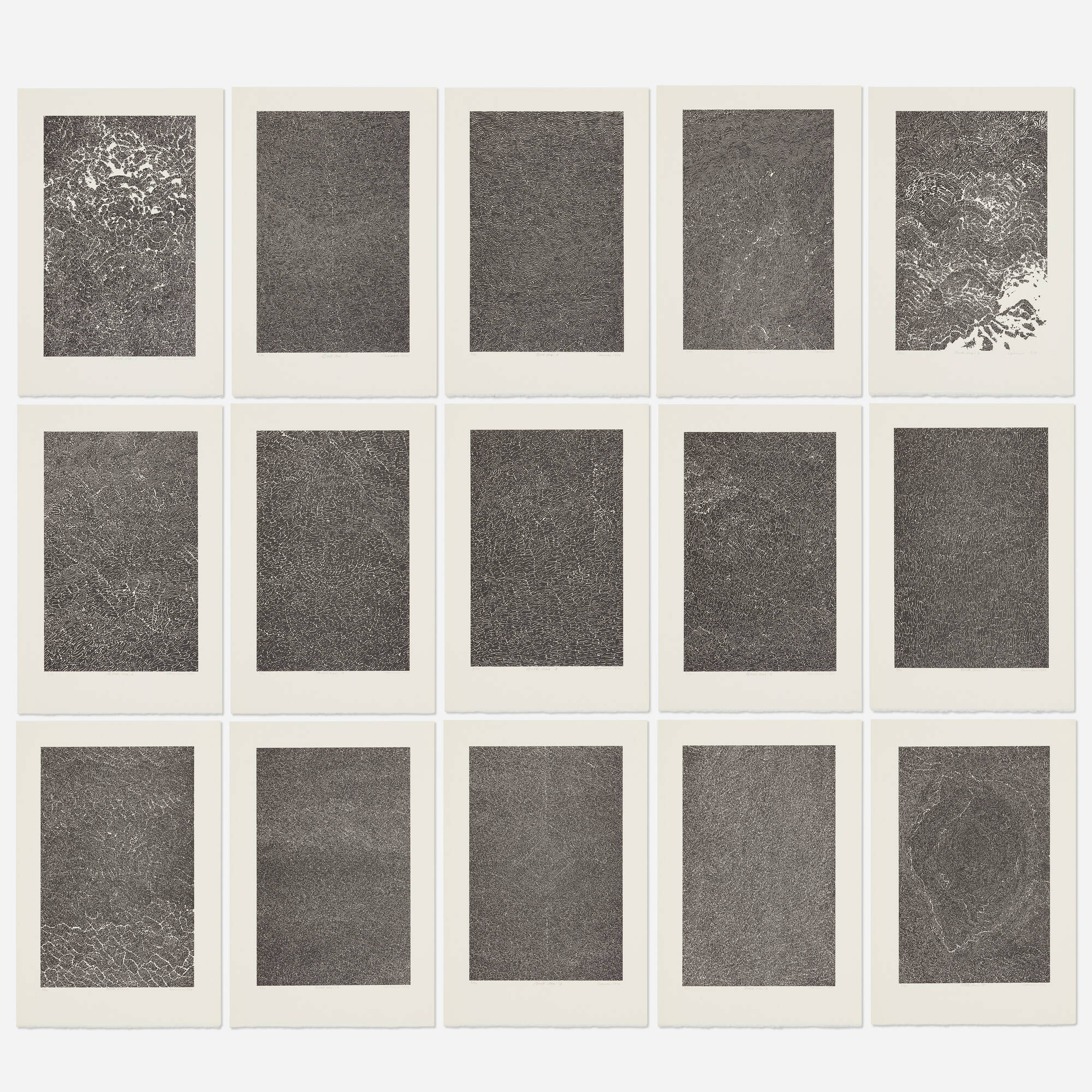
Bruce Conner
BOOK ONE, 1970
Collectors who have been drawn to related figures such as Joseph Cornell, Ed Kienholz, Wallace Berman, or John Baldessari often find Conner's work speaks directly to the same sensibility: a taste for the poetic, the subversive, and the deeply American. Conner's relationship with the art world was famously complicated. He periodically withdrew from exhibiting, submitted works under pseudonyms, and refused awards he felt compromised his independence. These gestures, which might look like eccentricity, were in fact deeply consistent with a lifelong commitment to artistic integrity over commercial or institutional reward.
He continued working prolifically until his death in San Francisco in 2008, leaving behind a body of work that spans assemblage, film, drawing, photography, performance, and conceptual provocation. His ink drawings, particularly the dense mandala like works he produced from the 1960s onward, are increasingly recognized as masterpieces of meditative mark making. What makes Conner matter today, more than fifteen years after his death, is precisely his resistance to easy categorization. He was a Beat artist who anticipated punk, a collagist who invented music video grammar, a California bohemian who made work that belongs in the same conversation as Rauschenberg and Cornell.
His practice reminds us that the boundaries between high and low, between fine art and popular culture, between the sacred and the discarded, were always invented constraints waiting to be dissolved. For collectors, owning a work by Bruce Conner is owning a piece of that liberating intelligence, an invitation to see the world as endlessly available for transformation.
Featured Works
Explore books about Bruce Conner
Bruce Conner: A Visual Record
Michael Auping
Bruce Conner: His Film, Video, Performance and Experimental Works
Steve Anker, Michael Auping
Bruce Conner: Assemblage, Film, Photography
Various

Bruce Conner: Prints and Multiples
Susan Snodgrass
Bruce Conner: Drawing
Various
Bruce Conner: Deus Ex Machina
David Antin