Brian Calvin
Brian Calvin Finds Beauty in the Pause
Artist Spotlight · The Collection Editorial
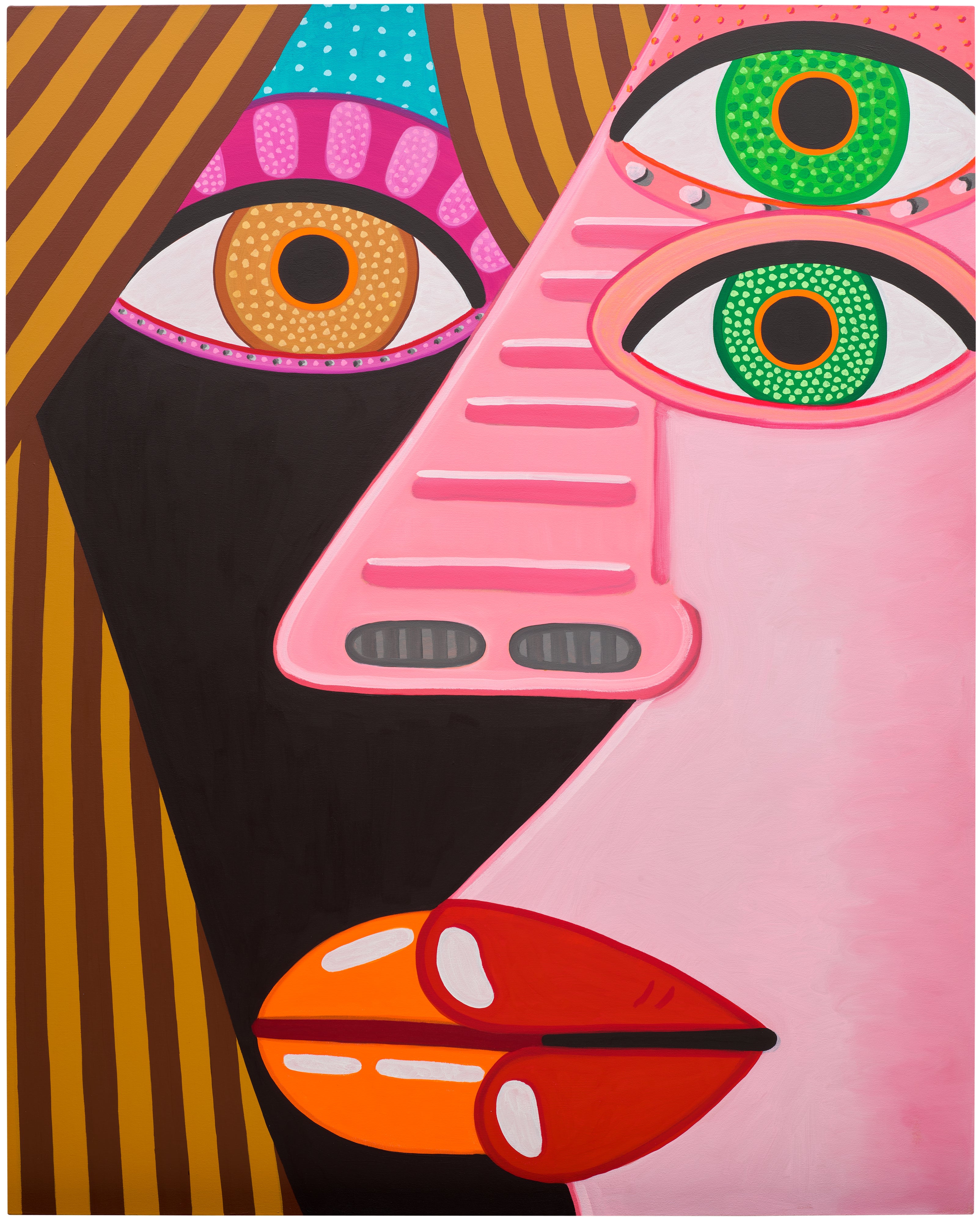
Something quietly extraordinary is happening in contemporary figurative painting, and Brian Calvin is at the center of it. His 2023 painting "Moving Forward" signals an artist in full command of his vision, the canvas alive with that signature combination of stillness and psychological tension that has made his work so compulsively watchable over the past three decades. Galleries in Los Angeles, London, and Tokyo have all hosted his work in recent years, and collectors who discovered him early speak of his paintings the way others speak of a favorite album: something they return to again and again, finding new meaning with each encounter. Calvin was born in 1969, and came of age as an artist during one of the most fertile periods of American painting.
Brian Calvin
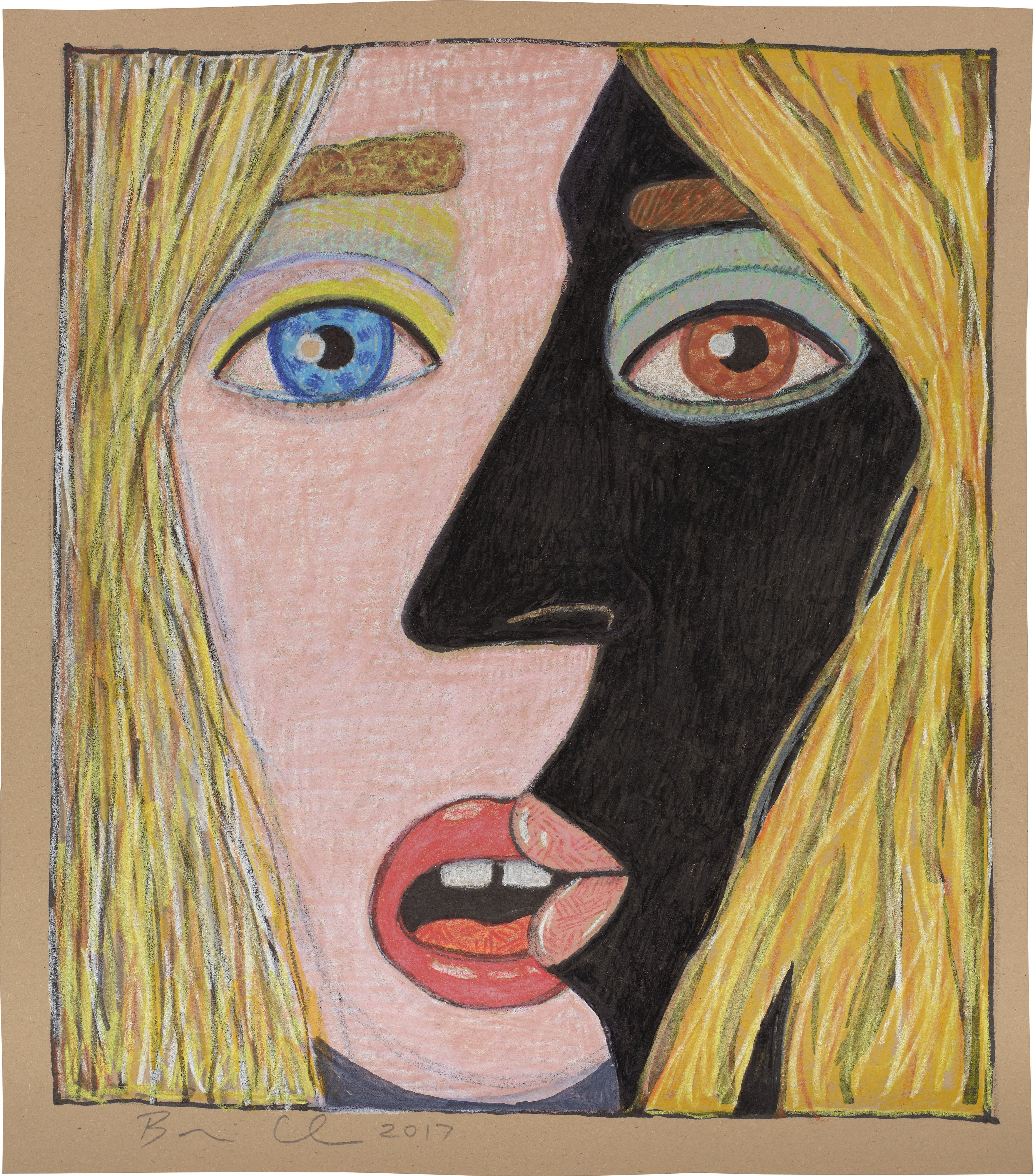
Duet, 2017
He is closely associated with Los Angeles, a city whose particular quality of light and whose complex relationship to image culture seems to have soaked into his practice at a foundational level. California has always produced artists who think carefully about surfaces, about the relationship between the painted mark and the reproduced image, and Calvin inherited that tradition while pushing it somewhere entirely his own. His early formation drew on a wonderfully eclectic range of sources: the flat, expressive economy of comics and illustration, the psychological weight of European modernism, the pared back clarity of mid century graphic design. Calvin's development as a painter traces a remarkably consistent arc.
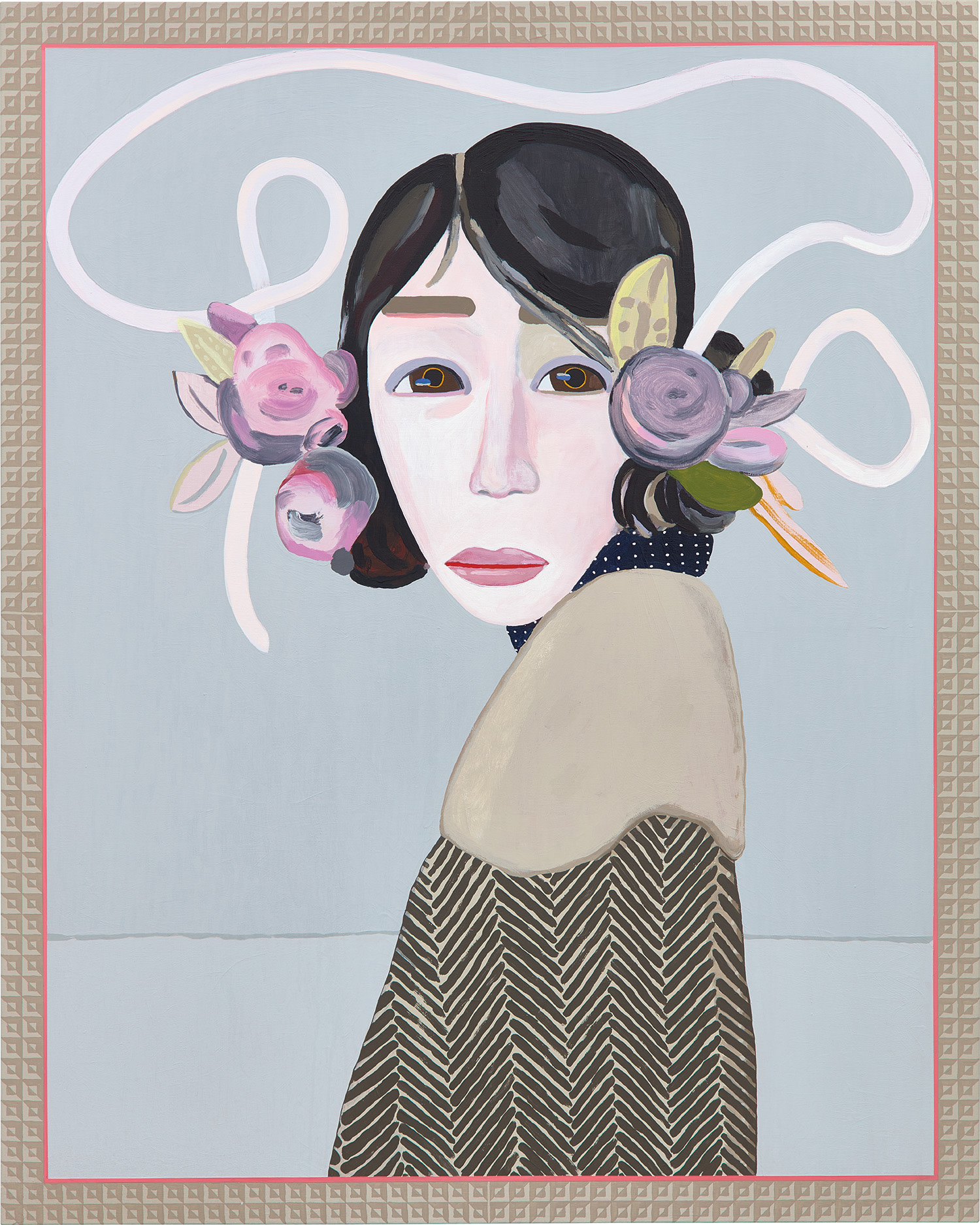
From his early work in the 2000s, when pieces like "Broad Daylight" (2004) on mylar announced a painter willing to work against convention in both material and mood, he has refined and deepened a visual language that is instantly recognizable and yet never static. The choice of mylar for "Broad Daylight" was characteristic of a painter always thinking about surface and transparency, about what it means to hold an image at a slight remove from the viewer. By the time of "Sky" (2007) and "Thing (II)" (2007), Calvin had settled into acrylic on canvas with a confidence that allowed him to pursue increasingly subtle emotional registers without sacrificing any of his formal clarity. The figures in Calvin's paintings are among the most distinctive in contemporary art.
Brian Calvin
Sky, 2007
Elongated, androgynous, and rendered in a spare economy of line and flat color, they inhabit a space between the recognizable and the archetypal. They are never quite portraits in the traditional sense, and yet they feel deeply human, caught in moments of interiority or quiet exchange that resist easy narrative resolution. "Pale Magnolia" (2015) is a masterclass in this quality: the figure exists in a kind of luminous suspension, the title suggesting the fragile, specific beauty of a particular moment. "Florist" (2016) and "Peripheral Vision" (2018) extend this exploration, placing figures in relationship to their environments and to one another in ways that feel both casual and charged.
"Together Again" (2018), with its bilingual title in English and Chinese, gestures toward the universality of reunion and connection, a theme that runs quietly through much of his work. The works on paper and in other media reveal an artist whose sensibility is not confined to any single format. "Duet" (2017), executed in color pencil and marker on paper, demonstrates that the intimacy and precision of his approach translates beautifully to smaller, more immediate works. These pieces have attracted serious attention from collectors who appreciate both their accessibility as entry points into his practice and their genuine autonomy as works in their own right.
Brian Calvin
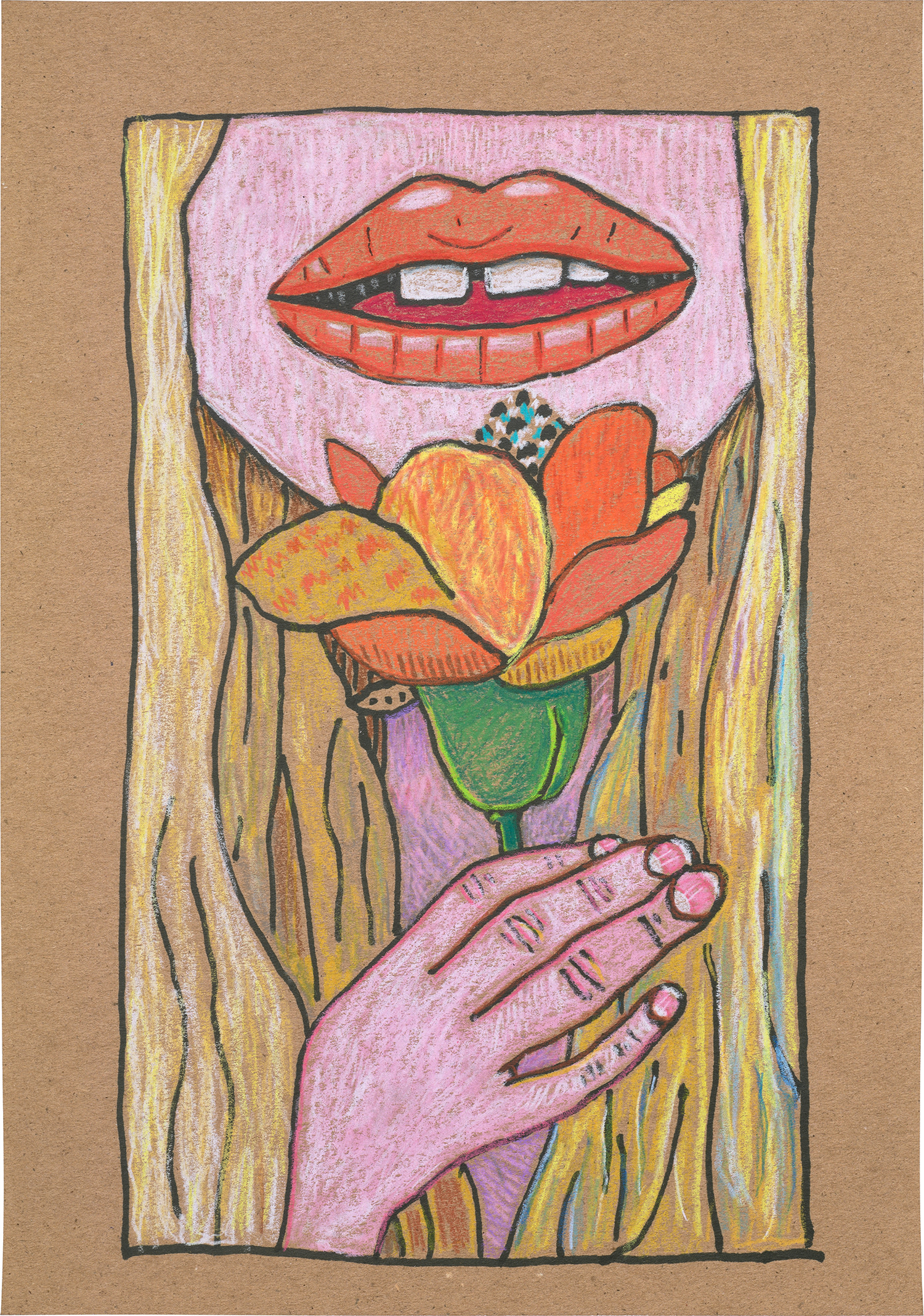
Bloomer
The archival pigment print "Bloomer" offers yet another dimension, showing how Calvin's imagery carries across reproductive processes without losing its essential character. For collectors building a thoughtful holdings across an artist's practice, the breadth of his output across media offers genuine and rewarding possibilities. In terms of market positioning, Calvin occupies a respected and steadily appreciated place in the landscape of contemporary painting. His work is held in significant private and public collections internationally, a testament to the broad appeal of a practice that manages to feel both intellectually rigorous and genuinely pleasurable to live with.
Collectors are drawn to his work for reasons that tend to persist: the paintings do not exhaust themselves quickly. They have a quality of reserve, of holding something back, that rewards long acquaintance. Works from the mid 2000s have aged particularly well, and pieces like "Broad Daylight" and the 2007 canvases now read as pivotal moments in the broader story of contemporary figuration. Calvin's place in art history becomes clearer when considered alongside the generation of painters who helped revitalize figurative painting in the late 1990s and 2000s.
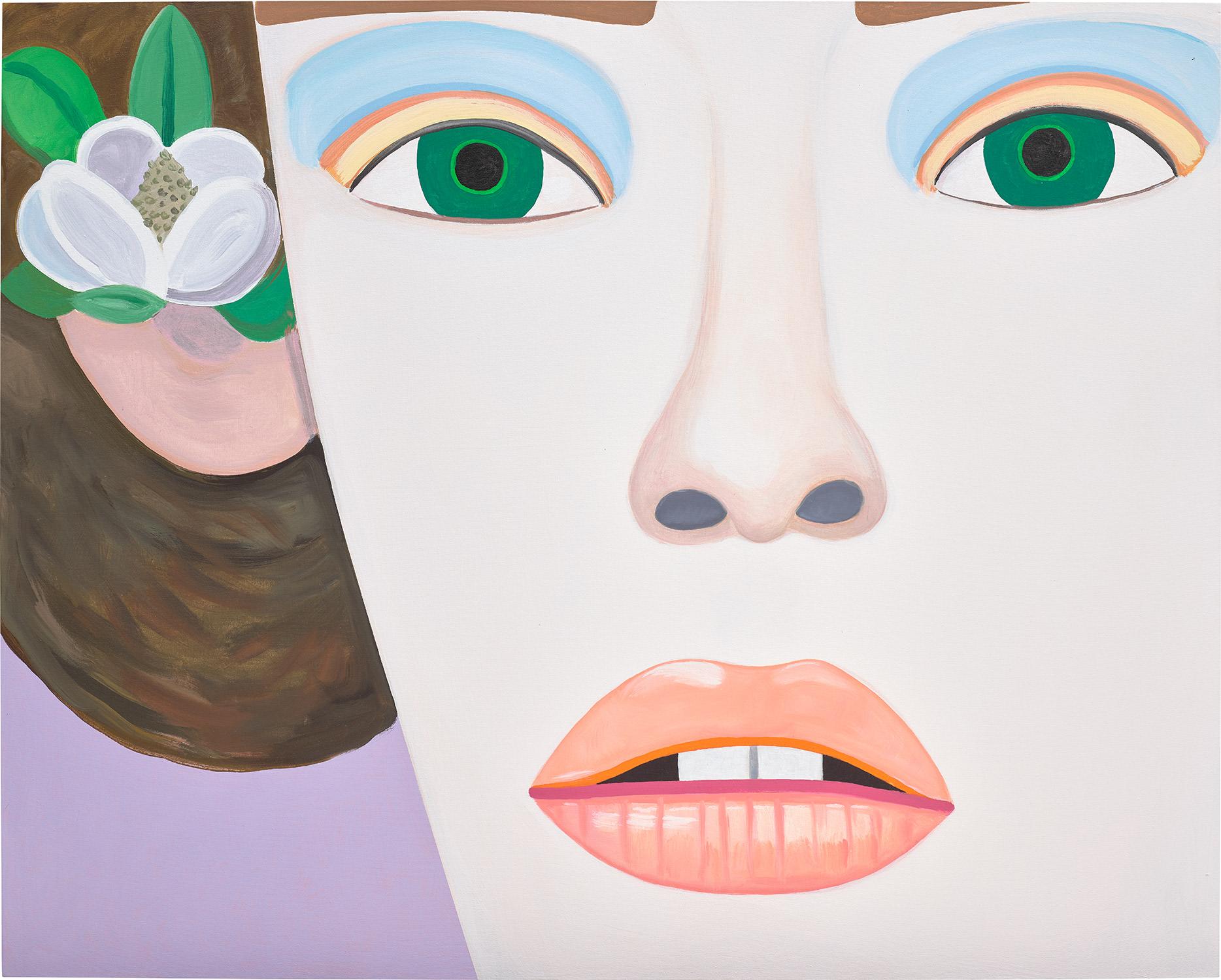
Brian Calvin
Pale Magnolia, 2015
His sensibility shares something with artists like Dana Schutz and Tala Madani in its willingness to take the figure seriously as a vehicle for psychological and emotional content, while his debt to the flat, graphic traditions of illustration and design connects him to a lineage that includes artists such as Alex Katz and the quieter strains of California painting represented by figures like Ed Ruscha. Calvin is neither nostalgic nor fashionably ironic about these influences; he absorbs them and produces something that feels genuinely contemporary and genuinely his. What ultimately makes Brian Calvin matter, and matter in a lasting way, is his fidelity to a particular kind of human experience: the moment before speech, the glance that carries more than words can hold, the solitude that is chosen rather than suffered. In a period when painting has often been asked to be loud, argumentative, or theoretically legible at a distance, Calvin makes the case for quiet authority.
"Moving Forward" in 2023 is not a statement of ambition in the conventional sense; it is something rarer, a confirmation that an artist has found his territory and continues to explore it with deepening sophistication. For collectors, that combination of consistency, depth, and ongoing vitality is precisely what distinguishes a truly significant practice from a merely fashionable one.