Bob Dylan
Bob Dylan, Painter of the American Soul
Artist Spotlight · The Collection Editorial
“I consider myself a poet first and a musician second. I live like a poet and I'll die like a poet.”
Bob Dylan
When the Halcyon Gallery in London mounted a major exhibition of Bob Dylan's paintings in recent years, the crowds that gathered were not simply fans of a legendary recording artist. They were collectors, curators, and serious admirers of a visual practice that had quietly deepened over decades into something wholly its own. Dylan's paintings and works on paper hold a mirror to the American landscape, its roads and rivers, its diners and rail yards, rendered with an instinctive energy that places him in a genuinely important conversation within contemporary figurative art. The critical and commercial response to these exhibitions confirmed what a growing community of collectors had already sensed: this is not a musician dabbling at the easel.
Bob Dylan
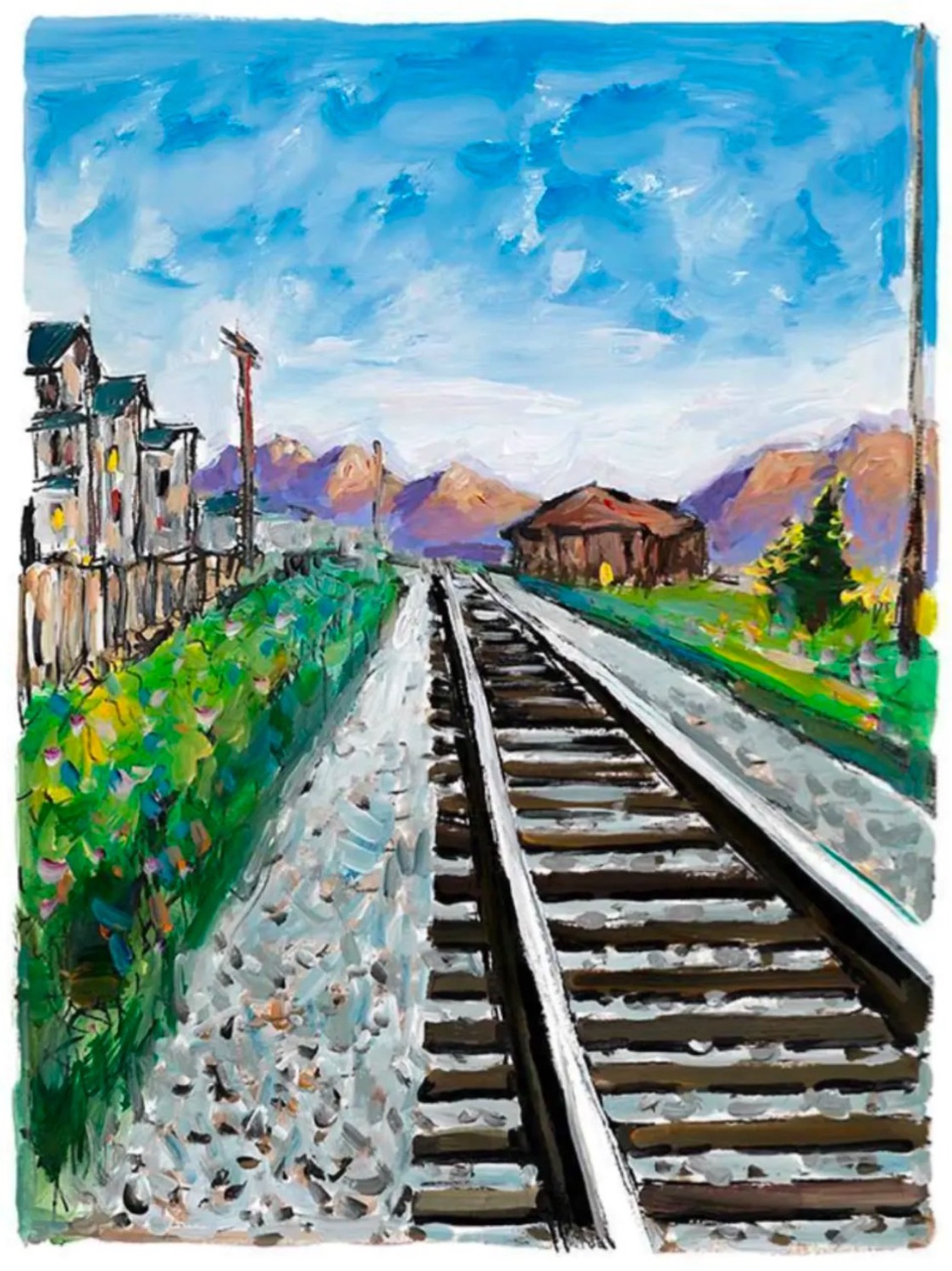
Train Tracks 2018 (blue), 2018
This is an artist with a fully formed vision. Robert Allen Zimmerman was born on May 24, 1941, in Duluth, Minnesota, a cold and muscular port city on the western tip of Lake Superior. He grew up in the iron range town of Hibbing, a place shaped by industrial labor, immigrant culture, and the vast and melancholy beauty of the northern wilderness. The landscape of his childhood, all sky and open road and the particular loneliness of the American interior, would never leave him.
It surfaces again and again in his visual work, as insistently as it does in his most celebrated songs. From early adolescence Dylan was drawn to visual art alongside music, and he carried sketchbooks throughout his life, filling them with drawings made on the road, in hotel rooms, backstage, and during the long hours of touring that defined so much of his adult existence. Dylan's visual art career developed in a way that mirrors his musical one: restlessly, on his own terms, and with a consistent refusal to be categorized. He began drawing seriously in the 1960s, and his early sketches showed the influence of American folk illustration as well as the raw draftsmanship associated with artists working outside formal academic traditions.
Bob Dylan
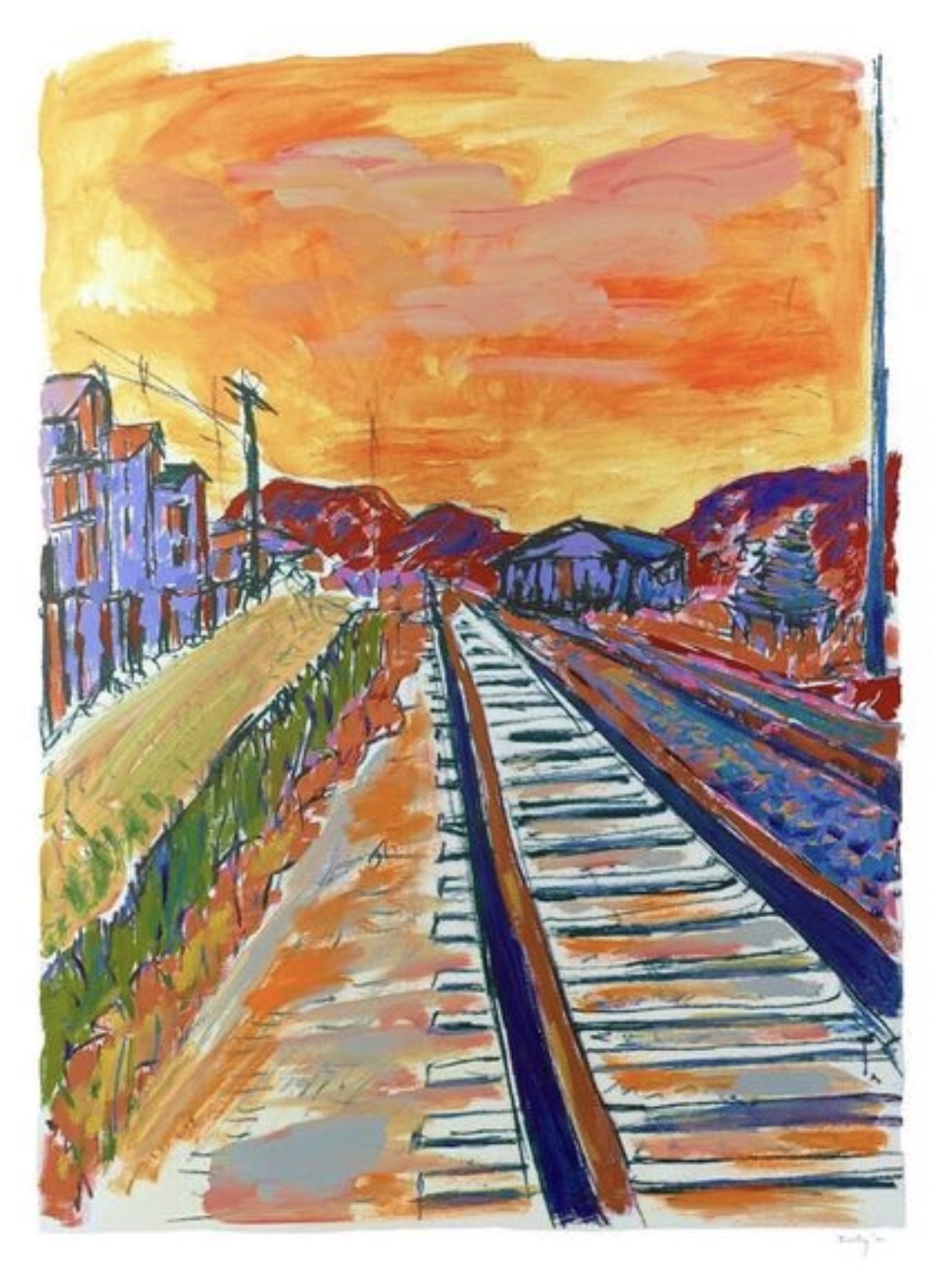
Side Tracks, 14 April 2007, Sheffield, 2015
His work sits comfortably within the lineage of Outsider Art, not because he lacks sophistication, but because he brings to the canvas the same unmediated directness that outsider practitioners have always prized. Over time his practice expanded into oil painting and sculpture, each medium revealing a different facet of his preoccupation with American identity, the figure in the landscape, and the textures of everyday life observed from the window of a moving vehicle or the stool of a roadside counter. The Drawn Blank Series represents one of the most significant chapters in Dylan's visual art career. Originally a collection of drawings and watercolors made between 1989 and 1992, the series was exhibited publicly for the first time in 2007 at the Kunstsammlungen Chemnitz in Germany, where it was received with considerable critical seriousness.
“The songs are my lexicon. I believe in the songs.”
Bob Dylan, Interview with Bill Flanagan, 2009
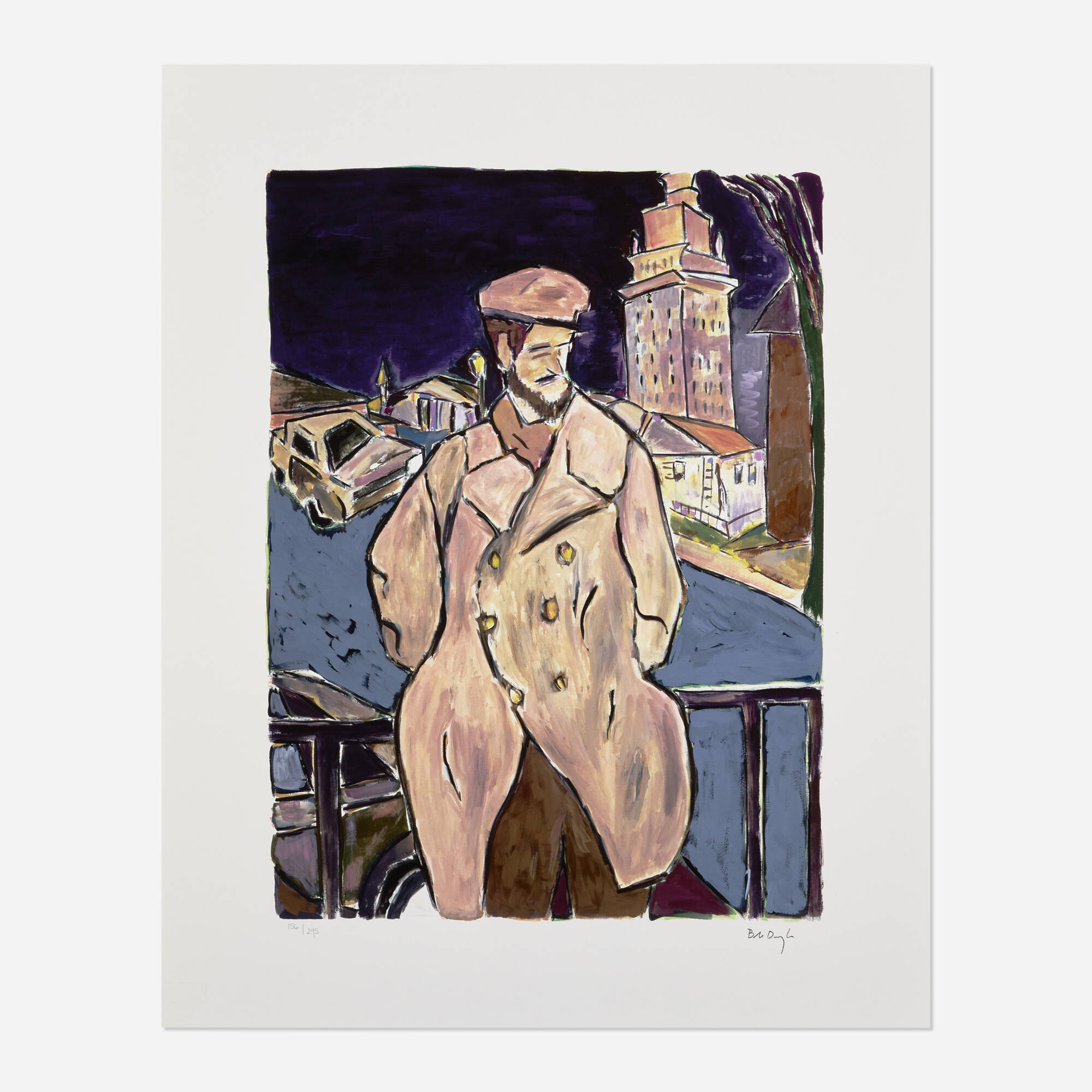
The works in this series are intimate and observational, capturing figures at rest, cityscapes glimpsed in passing, interiors suffused with a quiet, almost melancholic light. Works such as Man On A Bridge, later published as an offset lithograph on Hahnemuhle Museum Etching paper, exemplify the series' strength: a directness of line, an economy of means, and a warmth toward the human subject that feels both journalistic and deeply personal. These are not grand statements. They are the notations of a perpetual traveler who has learned to see.
Bob Dylan
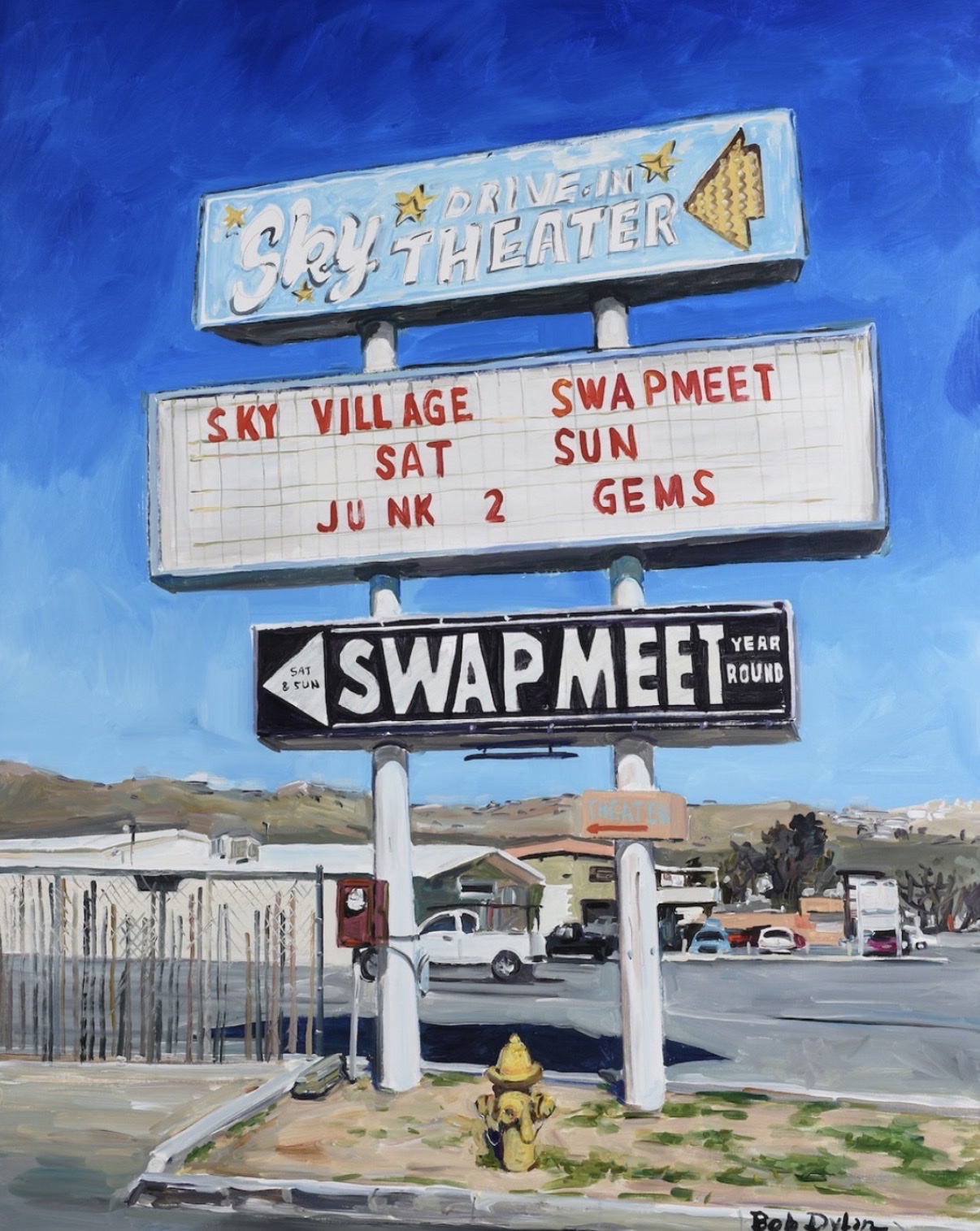
Sky Drive-In Theater / Swap Meet
His railroad imagery deserves particular attention from collectors. Works such as Train Tracks 2018 (blue) and Side Tracks, 14 April 2007, Sheffield, both produced as giclees on Hahnemuhle 350gsm museum etching paper, bring together Dylan's longstanding fascination with American infrastructure, movement, and the romance of transit. The railroad in American cultural mythology carries enormous weight, connecting blues music, labor history, migration, and the geography of longing, and Dylan navigates this iconography with authority. The Sheffield work is notable for its specificity, grounded in a precise date and location, which gives it the quality of a document as much as a composition.
His oil paintings, including Sky Drive In Theater and Swap Meet, extend this sensibility into broader scenes of American vernacular life, painted with a loose, confident hand that draws comparisons to American realist traditions while remaining stubbornly individual. From a collecting perspective, Dylan's work occupies a compelling position in the market. He is a blue chip name with a recognition factor that transcends the art world, which means his editions and original works carry strong secondary market demand. His limited edition prints, particularly those produced on Hahnemuhle museum etching paper with hand embellishment, represent an accessible entry point for new collectors while offering the quality and provenance that serious collections require.
Bob Dylan
Man On A Bridge (from the Drawn Blank series), 2011
Original oil paintings are rarer and correspondingly sought after. Collectors drawn to work that bridges the worlds of American music, cultural history, and visual art will find Dylan's practice uniquely rewarding. His work sits naturally alongside that of other artist musicians and American figurative painters who have explored the vernacular landscape, and it rewards close looking in a way that purely celebrity art rarely does. Within the broader context of art history, Dylan's visual practice finds meaningful company among American self taught painters and draftsmen who have worked outside institutional structures while producing work of genuine power.
His figurative approach, his interest in portraiture and landscape, and his feel for the gritty textures of American working life connect him to a tradition that includes folk artists, Depression era documentarians, and the generation of painters who found beauty in the overlooked corners of the country. He shares a sensibility with artists who prize directness over refinement and who understand that a drawing made quickly on the road can capture something that a studio work labored over for months may never achieve. Dylan's legacy as a visual artist is still being written, which is part of what makes collecting his work so exciting now. He received the Nobel Prize in Literature in 2016, a recognition that acknowledged the full breadth of his creative contribution and introduced a new global audience to his work across all disciplines.
As museums and galleries continue to take his visual practice seriously, and as scholarship around the intersection of music and visual art deepens, Dylan's paintings, drawings, and prints are likely to be understood with increasing clarity as the work of a genuinely original visual mind. To collect his art today is to participate in that ongoing recognition, and to own a piece of a creative life that has, for more than six decades, illuminated what it means to move through America with open eyes and an unquiet heart.
Explore books about Bob Dylan

Chronicles: Volume One
Bob Dylan
The Dylan Companion
Elizabeth Thomson and David Gutman
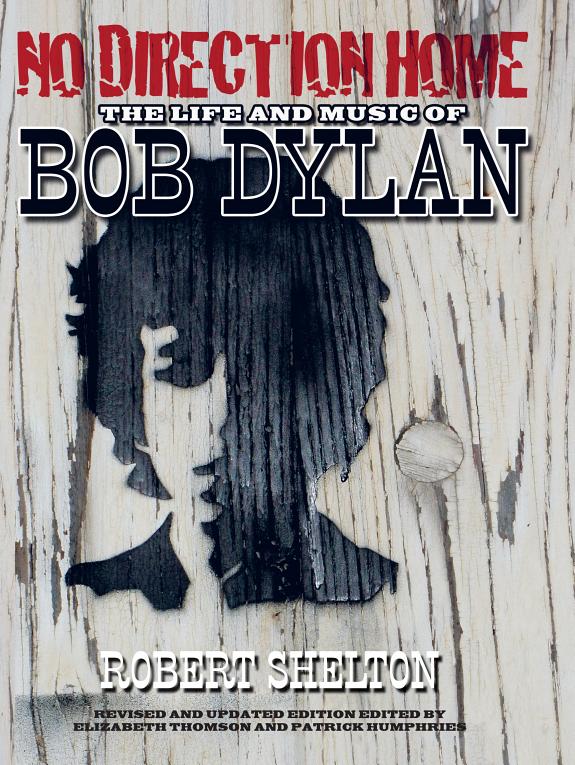
No Direction Home: The Life and Music of Bob Dylan
Robert Shelton
Positively 4th Street
David Kinney
The Cambridge Companion to Bob Dylan
Kevin J. H. Dettmar
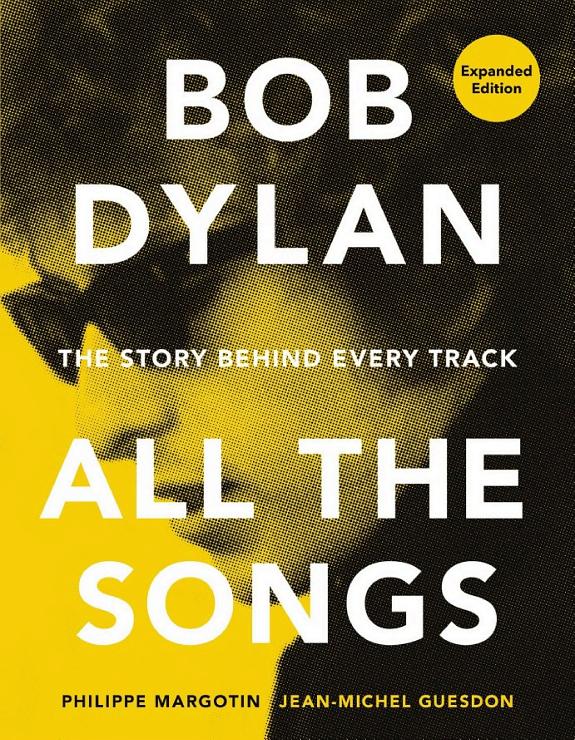
Bob Dylan: All the Songs
Philippe Margotin and Jean-Michel Guesdon
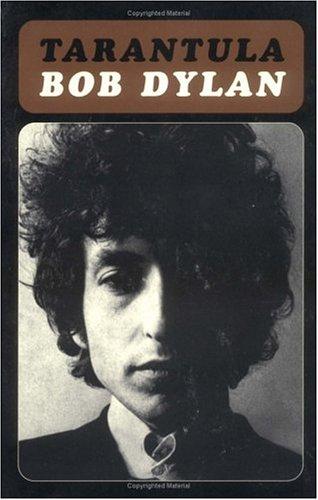
Tarantula
Bob Dylan