Bill Viola
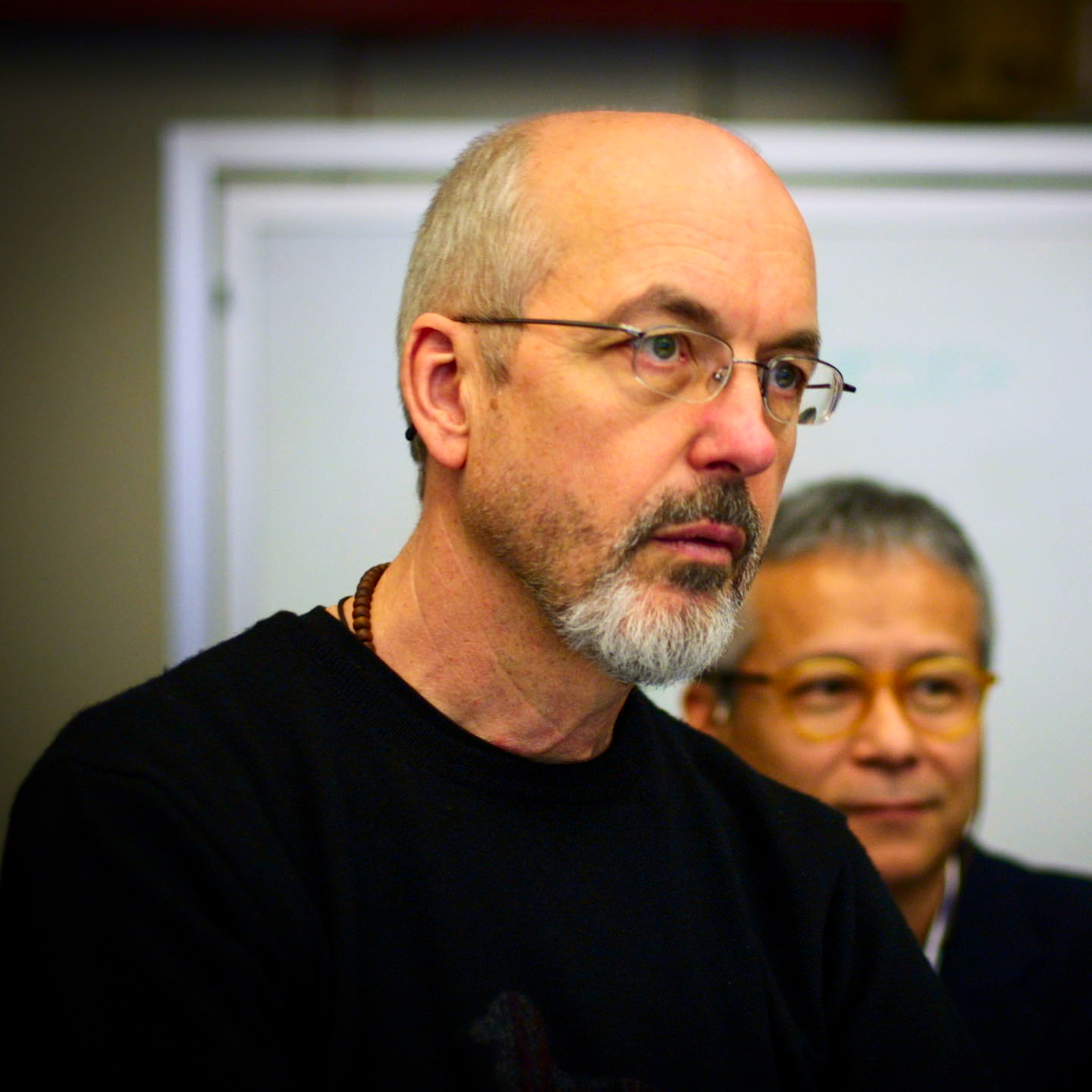
Bill Viola, Prophet of the Luminous Screen
Artist Spotlight · The Collection Editorial
“The image on the screen is not the subject of the work. The subject of the work is the viewer.”
Bill Viola, interview with John Walsh, 2003
When the Getty Center mounted its landmark survey of Bill Viola's work, visitors reportedly stood in silence before his slow, radiant video panels for far longer than they paused before any painting in the adjacent galleries. That response, quiet, transfixed, almost devotional, is perhaps the most honest measure of what Viola achieved across a career spanning more than five decades. He did not simply make art about the human condition. He created environments in which that condition could be felt, physically and spiritually, in real time.
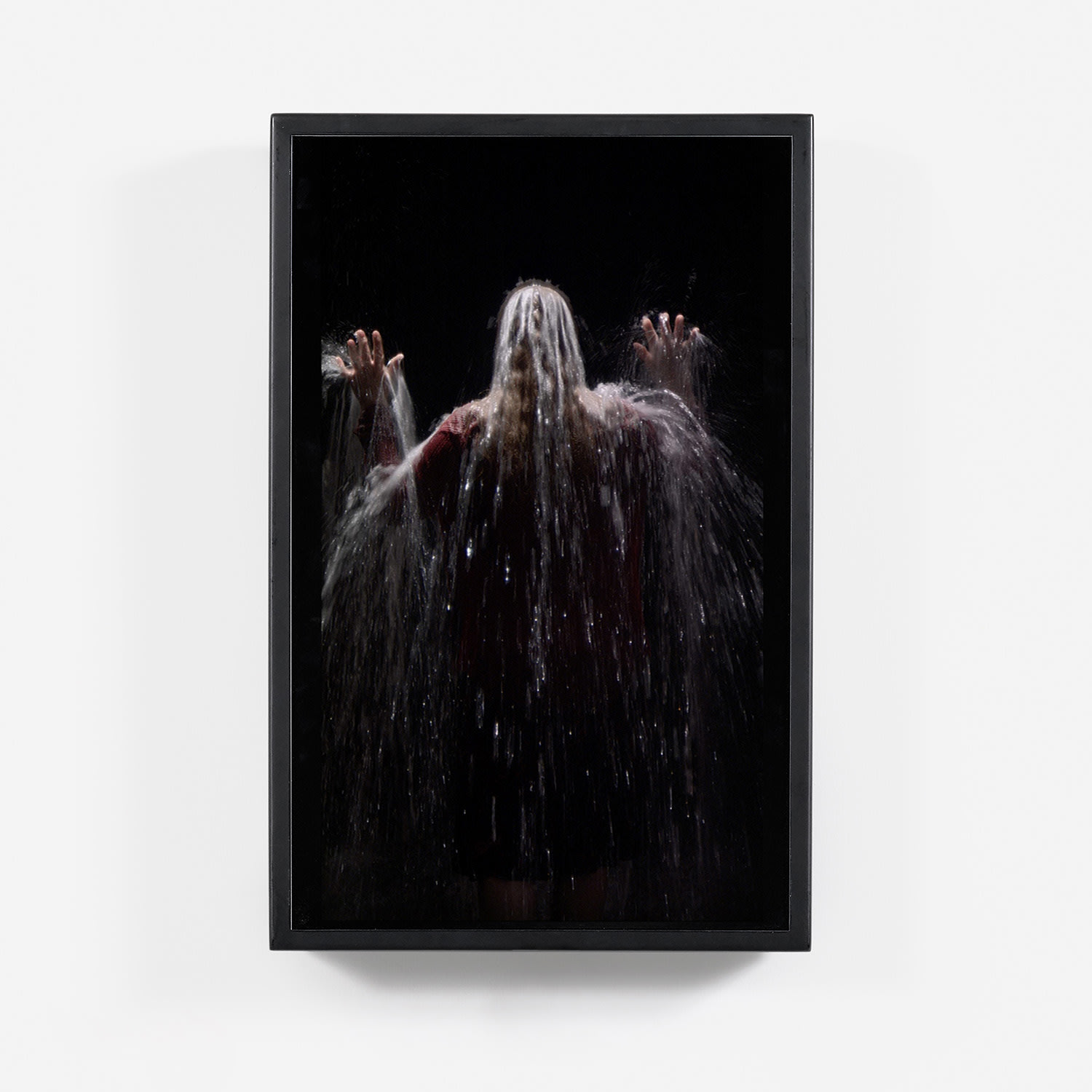
Bill Viola
Addie
His death in 2024 closed one of the most singular chapters in the history of contemporary art, yet his work has never felt more alive or more necessary. Bill Viola was born in New York in 1951 and grew up in the city before pursuing his studies at Syracuse University, where he earned his Bachelor of Fine Arts in 1973. His early formation was shaped by an encounter that became something close to legend within his own biography: as a young child, visiting a lake in Italy with his family, he peered into the water and saw a shimmering, inverted world beneath the surface. Rather than fearing it, he was enchanted.
That image, the world reflected and transformed by water, never left him. It became a persistent symbol threading through decades of work, standing in for consciousness, for the boundary between life and death, for the threshold states that most interested him as both an artist and a seeker. After university Viola worked as a technical director at Art/Tapes/22 in Florence, one of the first studios in Europe dedicated entirely to video art. That residency placed him at the beating heart of a new medium at the very moment it was inventing its own language.
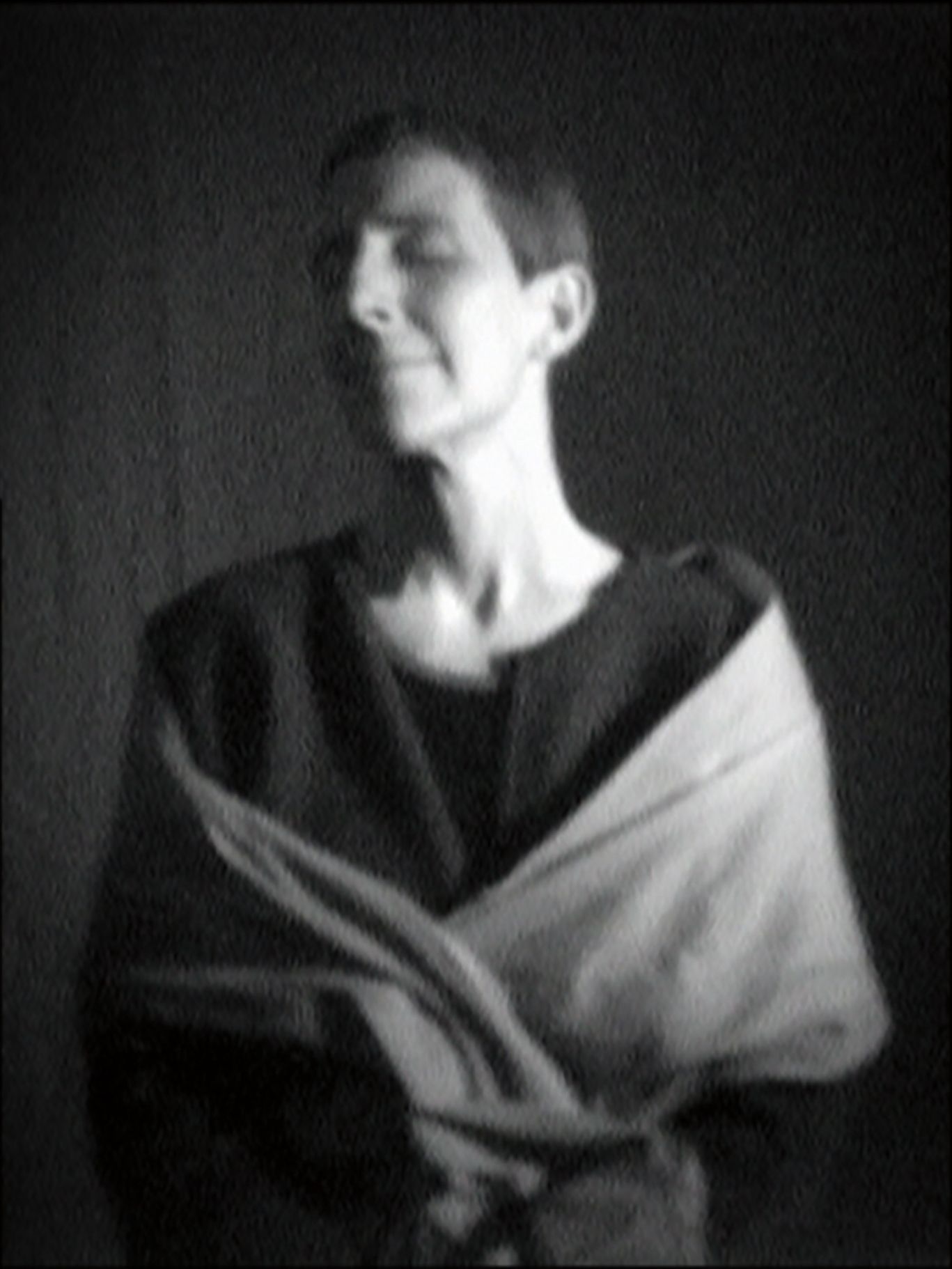
Bill Viola
Catherine's Dream
He studied with and worked alongside figures who were reimagining what art could do with time and with the body. He traveled extensively through the Solomon Islands, Java, and Japan, immersing himself in Buddhist and Sufi thought, in Zen practice, and in the visual traditions of the Renaissance. These were not peripheral interests. They became the architecture of his entire practice, the framework through which he understood birth, consciousness, suffering, and transcendence as subjects worthy of the most rigorous artistic attention.
“Video is part of my body. It is intuitive and unconscious.”
Bill Viola
Viola's development through the 1980s and 1990s charted an increasingly ambitious and technically refined body of work. His early single channel videos gave way to immersive multi channel installations that transformed entire rooms into experiential spaces. The Nantes Triptych of 1992, one of the watershed moments of his career, placed the viewer between imagery of birth on one panel and death on another, with the human figure suspended in water at the center. It drew directly on the formal structure of Renaissance altarpieces while deploying the specificity of video's temporal duration to create something no painting could achieve: the actual passage of time as a medium.
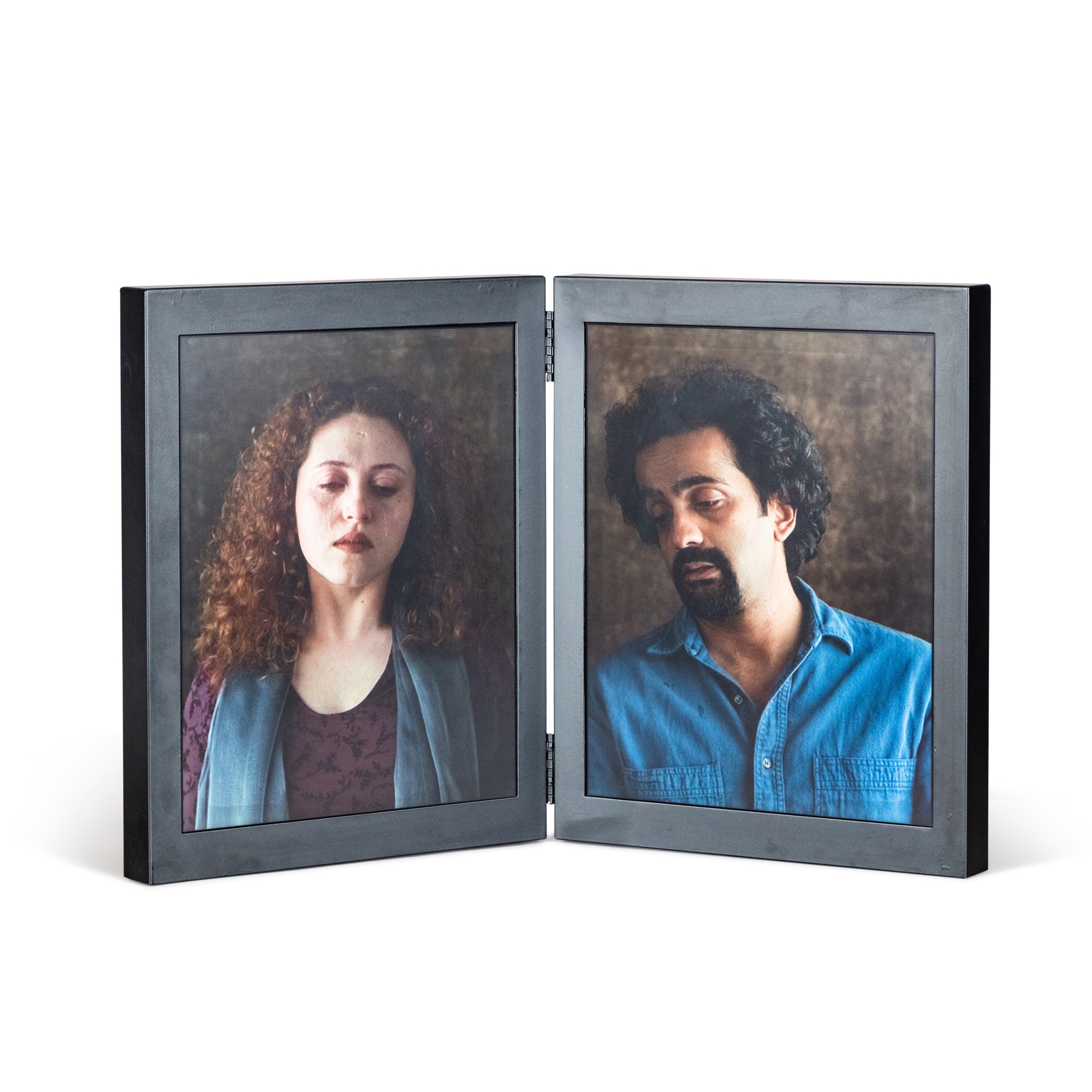
Bill Viola
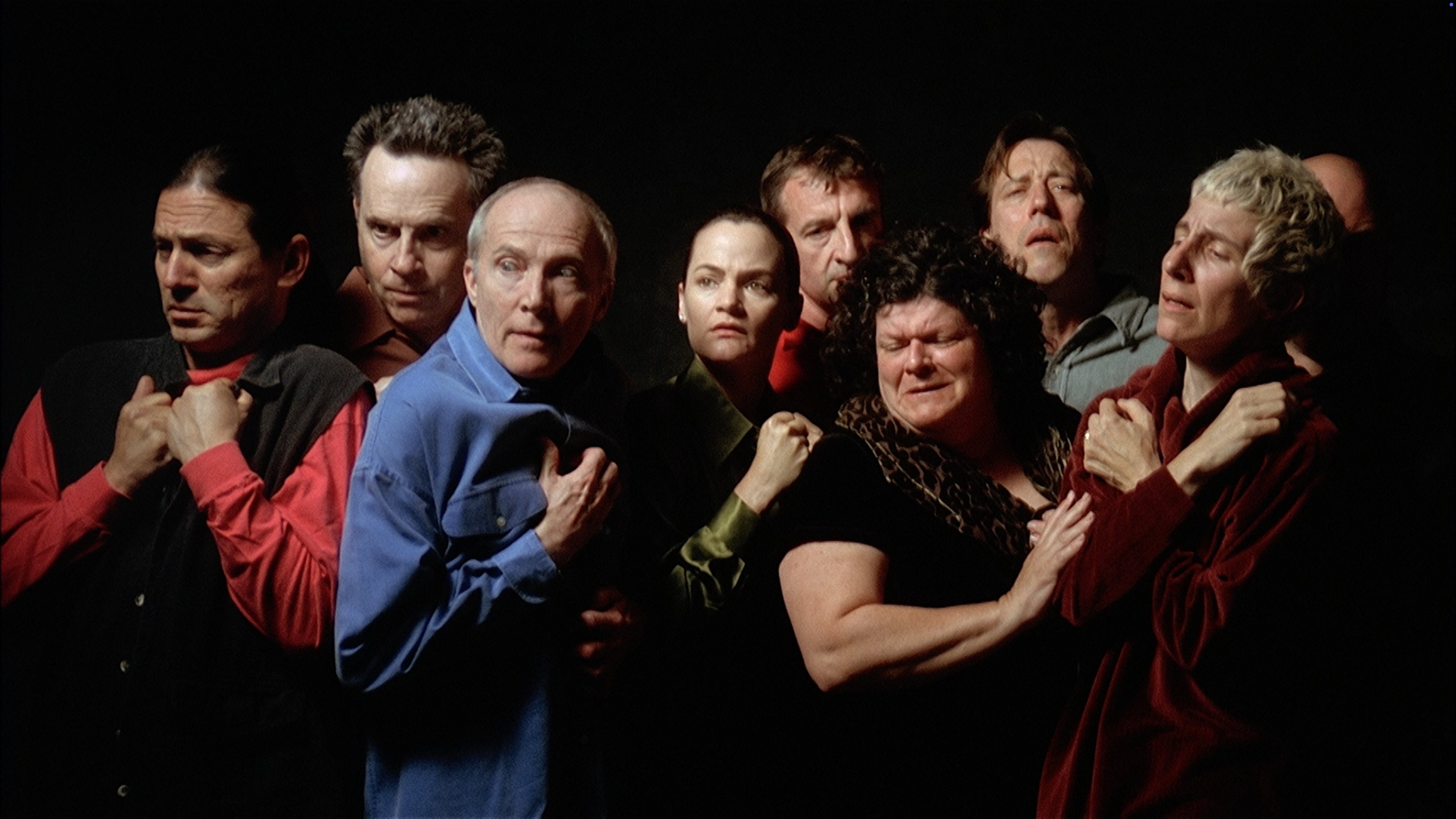
Dolorosa, 2000
Major institutions including the Museum of Modern Art in New York, the Tate Modern in London, and the San Francisco Museum of Modern Art became devoted champions of his practice. His representation by James Cohan Gallery in New York brought his work to a broad and dedicated collecting audience. The works now held across significant private and institutional collections reveal the full breadth of his formal invention. Pieces such as Dolorosa from 2000 deploy slow motion video on LCD panels set into painted wood frames that echo the devotional objects of the Italian masters Viola so deeply admired, the faces of a grieving man and woman weeping in near real time, their tears gathering with agonizing slowness.
Catherine's Dream, presented as black and white video on a wall mounted panel, achieves a dreamlike stillness that feels more like a painting than anything digital. Unspoken, the diptych presented on gold and silver leaf panels, demonstrates his gift for combining the materials of sacred art with the technology of the present tense. Works like Addie, Ablutions, and Dialogues each occupy a distinct emotional register, from tender intimacy to elemental force, yet they share a consistent investment in the slow revelation of inner states that cannot be spoken, only witnessed. The Silent Sea from 2002 continues this meditation, its single figure submerged in a vast and quiet expanse that asks the viewer to contemplate what lies beneath the visible surface of experience.
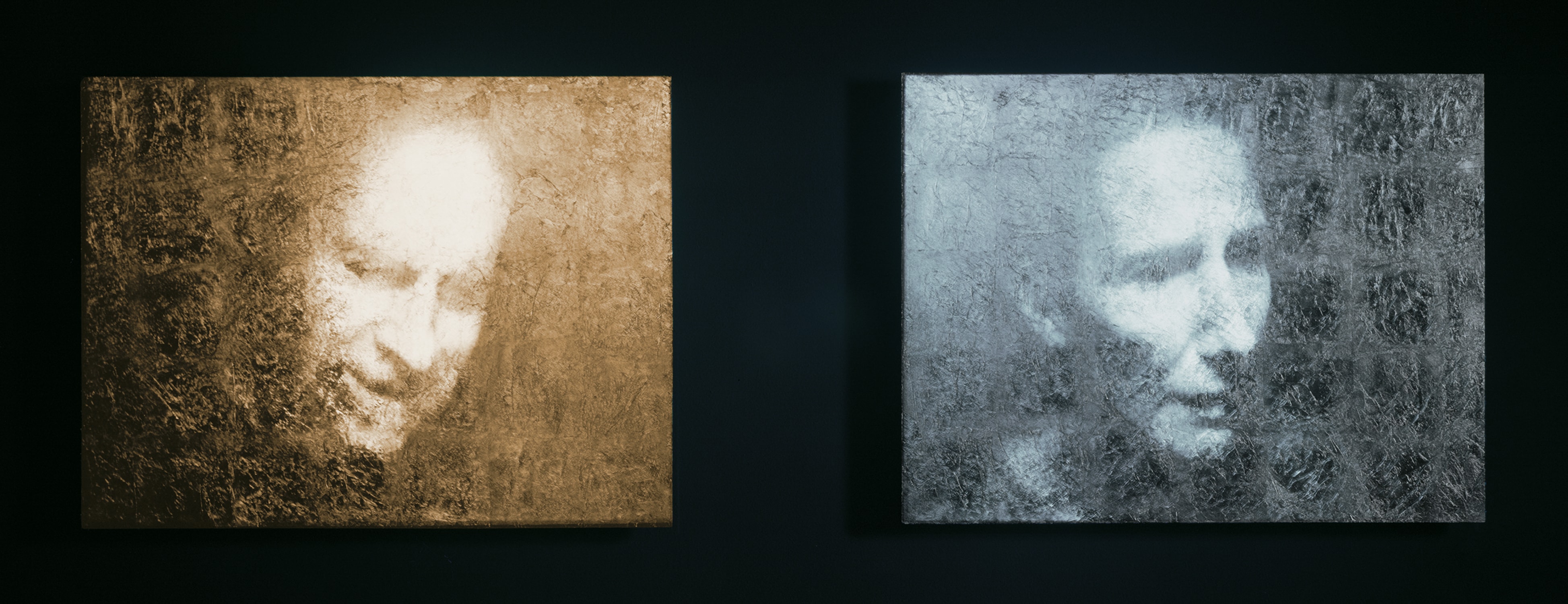
Bill Viola
Unspoken (Silver and Gold)
For collectors, Viola's work represents one of the most intellectually and emotionally rewarding commitments available in the contemporary market. His editions are carefully controlled, and the technical requirements of his video installations are managed with exceptional documentation, making acquisition and long term stewardship relatively straightforward for institutions and serious private collectors alike. His prices at auction have reflected the sustained demand that accompanies artists of genuine historic importance. Works from his mature period, particularly the large scale LCD panel pieces and the diptych and triptych formats that invoke devotional art history, are the most avidly sought.
Collectors drawn to artists working at the intersection of philosophy and perception, those who admire the rigor of James Turrell's light installations or the existential weight of Hiroshi Sugimoto's long exposure photography, will find in Viola a practice of comparable depth and a similarly enduring market presence. Viola occupies a unique position in art history as the figure who most completely legitimized video as a medium for transcendent artistic experience. Where Nam June Paik, his great predecessor, celebrated the irreverent and the chaotic potential of television, Viola turned the screen toward the interior life. Where Bruce Nauman used video to interrogate the body with cool, conceptual rigor, Viola embraced warmth, vulnerability, and the full weight of spiritual tradition.
His closest artistic cousins are those drawn to duration, to light, and to the liminal: artists like Gary Hill in the experimental video lineage, or painters like Mark Rothko and Fra Angelico, whose work Viola explicitly acknowledged as touchstones. He built a bridge between centuries, between the altarpiece and the plasma display, and he walked across it with complete conviction. The legacy of Bill Viola is, at its core, a reminder that technology in the hands of genuine vision becomes invisible. Viewers do not stand before his works and think about screens or software or frame rates.
They think about their mothers, about the light on a face they have loved, about the water they have looked into and the world they have glimpsed beneath. That is the rarest achievement in art: the complete subordination of means to meaning. His work will be studied, collected, and quietly worshiped for generations, not as a document of a particular technological moment, but as testimony to what it means to be briefly alive and paying attention.
Featured Works
Explore books about Bill Viola
Bill Viola: Installations and Videotapes
Bill Viola, Peter Sellars
Bill Viola: A 25-Year Survey
Bill Viola, Robert Violette
Bill Viola: Unseen Images
Bill Viola
Bill Viola: Going Forth By Day
Bill Viola, Philip Glass
Bill Viola: The Passions
Bill Viola, John Walsh
Bill Viola: Three Score
Bill Viola, Robert Violette
Bill Viola: Reason for Knocking at an Empty House
Bill Viola, Kira Perov