Bill Henson
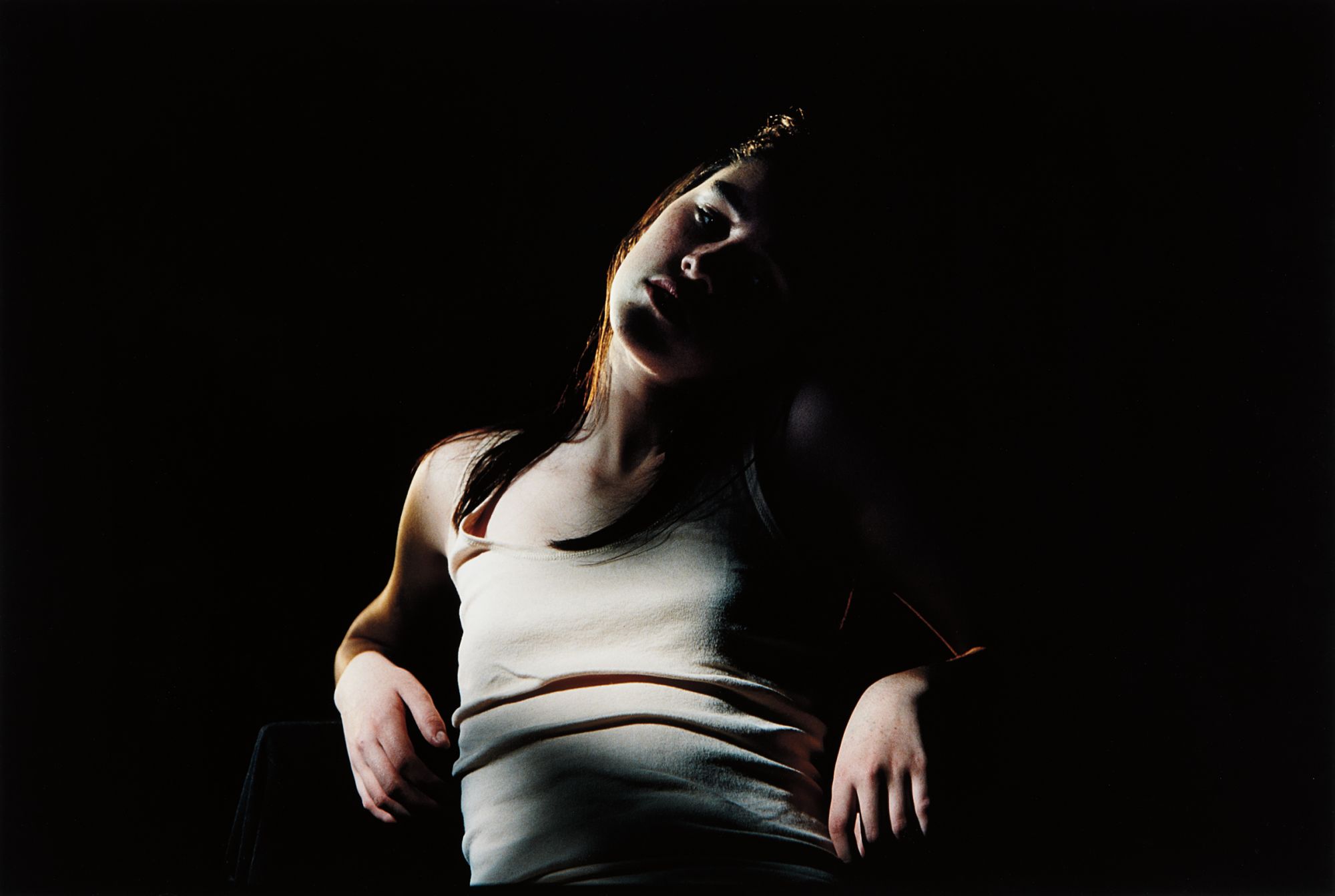
Bill Henson: Light Found in Darkness
Artist Spotlight · The Collection Editorial
“The real subject of any photograph is always time.”
Bill Henson, interview with The Monthly
In 2023, a major survey of Bill Henson's work at the Art Gallery of New South Wales drew sustained attention from collectors, curators, and critics across the globe, reaffirming what those close to the Australian art world have long understood: that Henson occupies a singular and irreplaceable position in the history of photography. His large format chromogenic prints, suffused with a velvety chiaroscuro that recalls the Old Masters as much as it does contemporary art, have come to define a certain vision of what photography at its most ambitious can achieve. Institutions from Melbourne to Paris have sought his work, and each time a significant edition reaches the secondary market, it draws fierce interest from collectors who recognise the rarity of a practice this sustained and this uncompromising. Bill Henson was born in Melbourne in 1955, growing up in a city that was, in the postwar decades, quietly building the cultural infrastructure that would eventually support artists of his ambition.
Bill Henson
Bill Henson
He showed an early and intense interest in visual art, and by his late teens he was already developing the photographic sensibility that would come to define his entire career. He did not follow a conventional academic path in the way many of his contemporaries did, instead immersing himself in the act of looking, spending long hours in galleries and libraries absorbing the history of painting as much as the history of the lens. The influence of Caravaggio, Rembrandt, and the broader tradition of Northern European baroque painting is unmistakable in his mature work, and it is clear that these were formative encounters that shaped his understanding of light as the primary subject of any image. Henson's early exhibitions in Melbourne during the 1970s announced a photographer who was already thinking well beyond the documentary traditions that dominated Australian photography at the time.
He was interested in atmosphere, in the liminal, in those suspended moments between one state of being and another. His work from this period showed a young artist grappling seriously with the tension between presence and absence, between the physical fact of a body and the ineffable quality of consciousness that animates it. By the time he was included in the 1995 Venice Biennale, representing Australia in one of the most prestigious contexts in the international art world, his reputation was firmly established not merely as a local talent but as a photographer of global significance. The works from the late 1990s, including the chromogenic prints executed between 1997 and 1998 that have become among his most sought after, represent a peak of formal achievement in his practice.
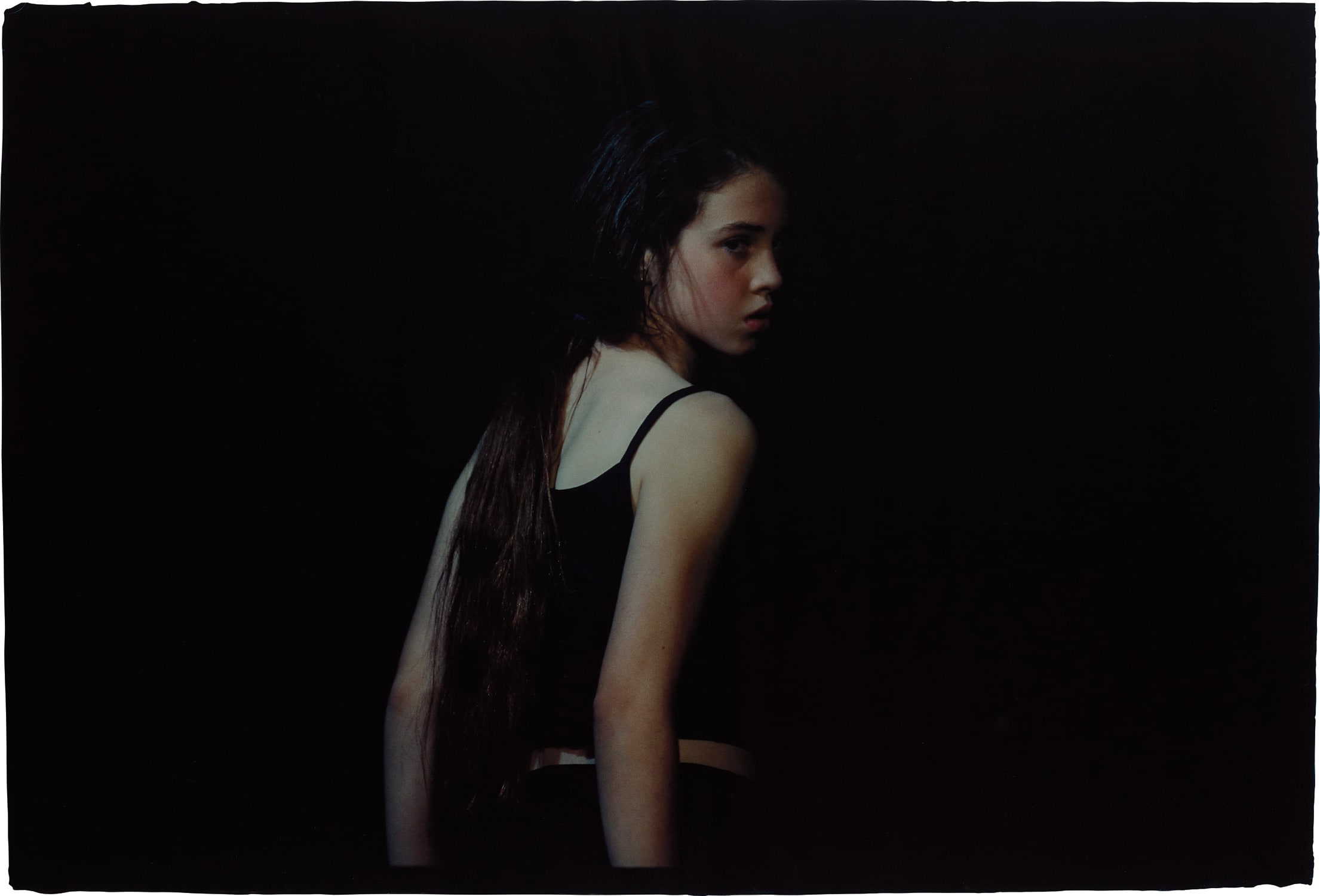
Bill Henson
c-print, 1998
These images, typically produced in small editions of five plus two artist's proofs, demonstrate the extraordinary care and deliberateness with which Henson approaches every aspect of production. The archival pigment and chromogenic processes he employs are chosen not merely for technical reasons but because they allow the image to hold light in a particular way, to glow from within as a painting might. Figures emerge from darkness in these works, and the quality of that emergence, tentative, luminous, caught at some threshold of experience, gives each print an almost sacred quality that rewards sustained looking. For collectors, what distinguishes a Henson acquisition is the combination of formal mastery and genuine emotional depth that is extraordinarily rare in photographic work of any era.
“I think beauty is a form of truth. It is not decoration. It is not an ornament.”
Bill Henson, artist statement
The small edition sizes mean that institutional and private collectors are often competing for the same prints, and works from key series of the 1990s and early 2000s command significant prices at auction in both Australia and internationally. The National Gallery of Victoria holds important examples of his work, as does the Art Gallery of New South Wales, the Museum of Contemporary Art Australia, and numerous significant international collections. When works from these periods appear at major auction houses such as Sotheby's Australia or Menzies Art Brands, they reliably attract competitive bidding from collectors who understand that Henson's editions, once dispersed into institutional hands, rarely return to the market. For the private collector, this scarcity is both a challenge and a powerful indicator of enduring value.
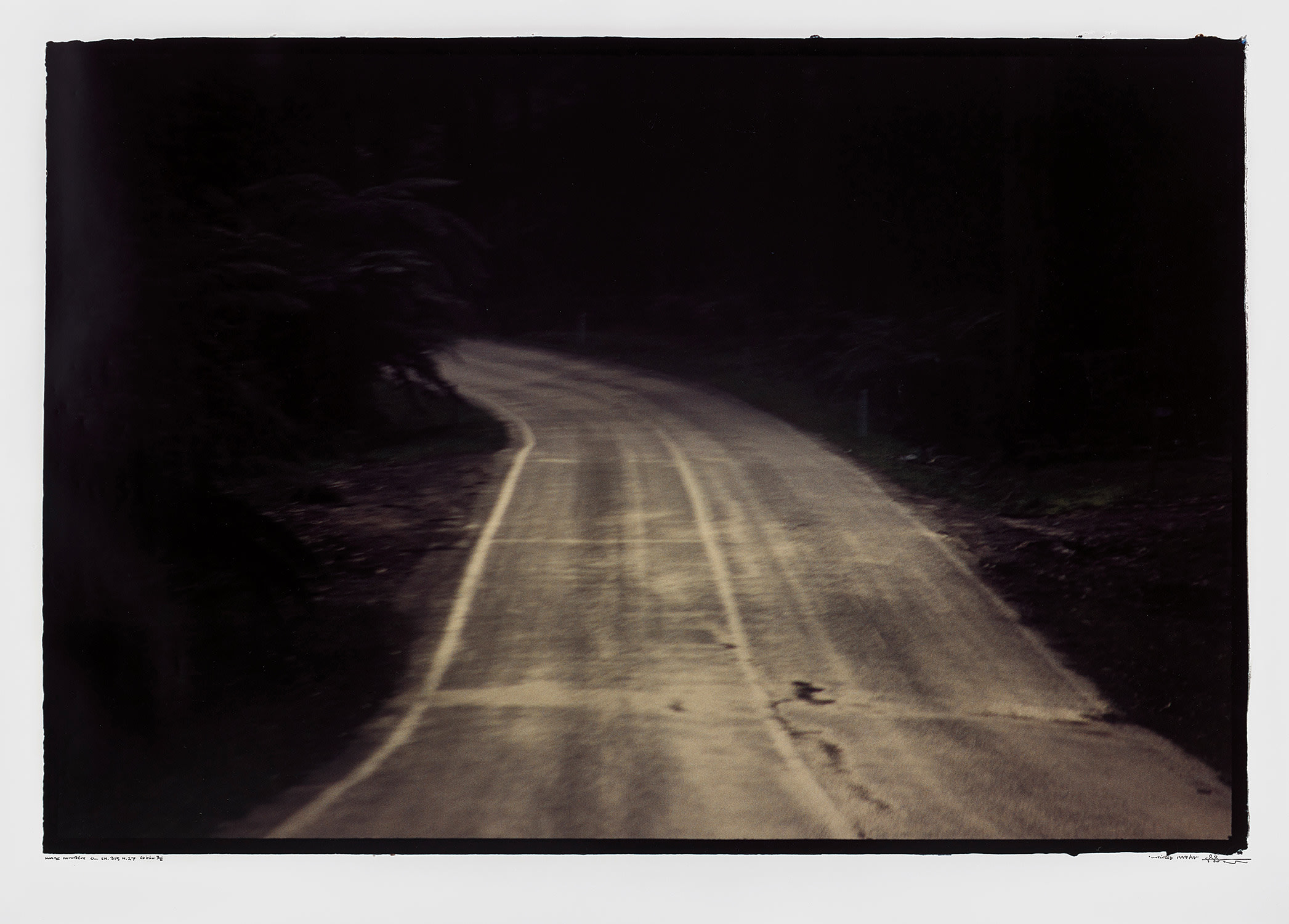
Bill Henson
Executed between 1997-98, this work is number 3 from an edition of 5 plus 2 artist's proofs.
To understand Henson's place in art history is to situate him within a broader conversation about photography's relationship to painting, and about the particular capacity of the photographic image to carry philosophical and emotional weight. His work invites comparison with artists such as Gregory Crewdson, whose large scale American tableaux similarly explore darkness and psychological atmosphere, and with the German photographer Thomas Ruff, who also interrogates what the photographic surface can and cannot reveal. Closer to home, Henson's practice helped to legitimise a generation of Australian photographers who understood the medium as capable of the same ambition and seriousness as any other art form. His influence on subsequent Australian artists working with the figure and with constructed light is considerable and continues to be felt.
What makes Henson genuinely important in 2024 and beyond is not simply the beauty of the individual works, remarkable as that beauty is, but the consistency and integrity of a practice sustained across five decades without concession to trend or commercial pressure. He has continued to work and exhibit on his own terms, producing images that ask serious questions about adolescence, memory, time, and the nature of visual experience. His photographs do not offer easy resolution or comfort; they offer instead something more valuable, which is the feeling of having been in the presence of genuine artistic intelligence. For any collector building a body of work that will endure and deepen in meaning over time, a Henson print is not merely an acquisition but a commitment to a particular quality of attention and seriousness that defines the very best of what collecting can be.
Explore books about Bill Henson