Barbara Morgan
Barbara Morgan: She Made Movement Eternal
Artist Spotlight · The Collection Editorial
“I was not photographing dance. I was trying to photograph the spirit of the dance.”
Barbara Morgan
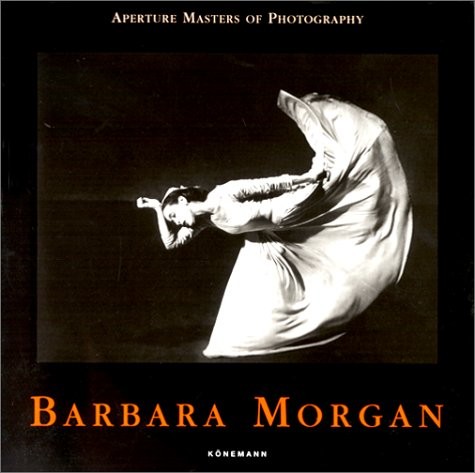
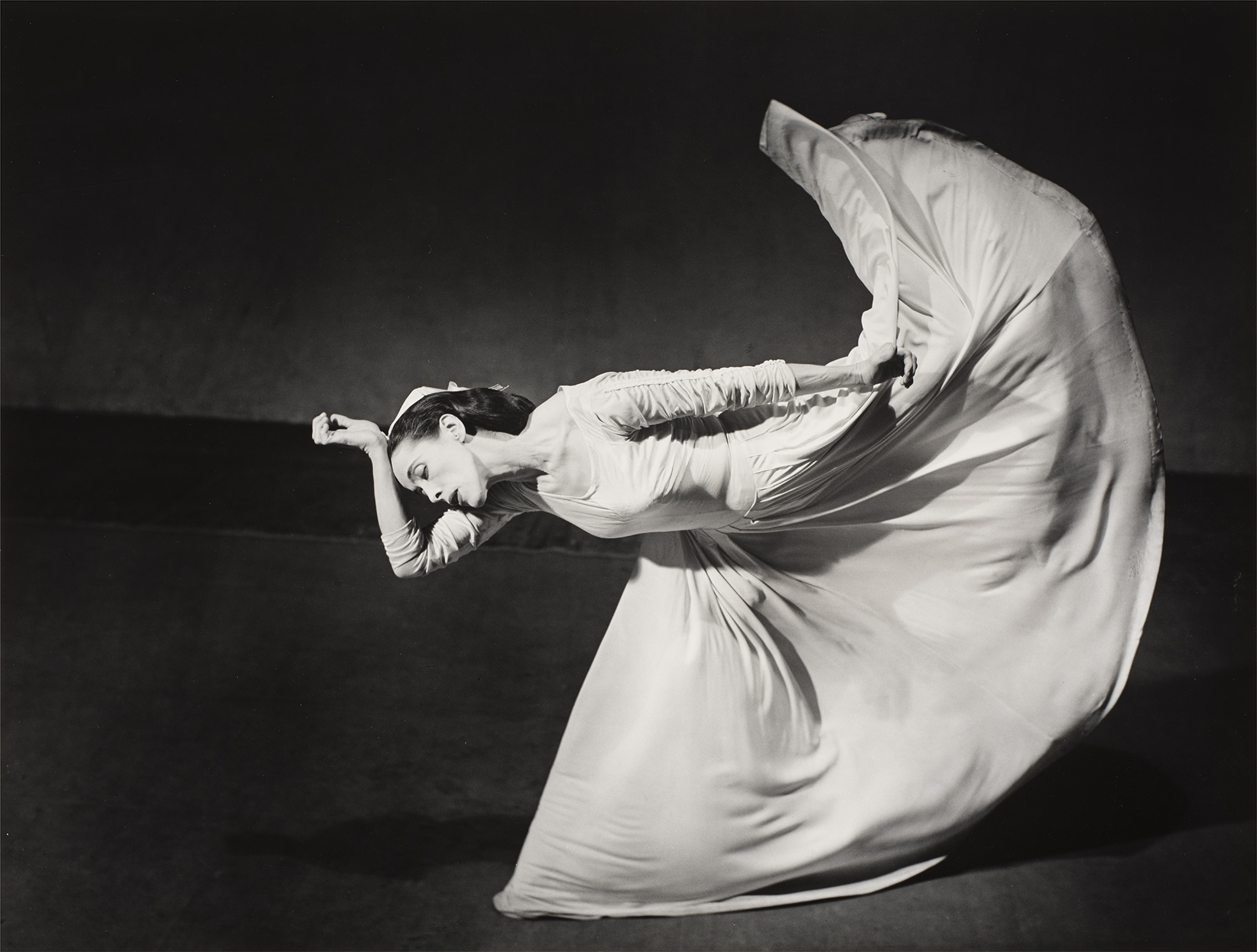
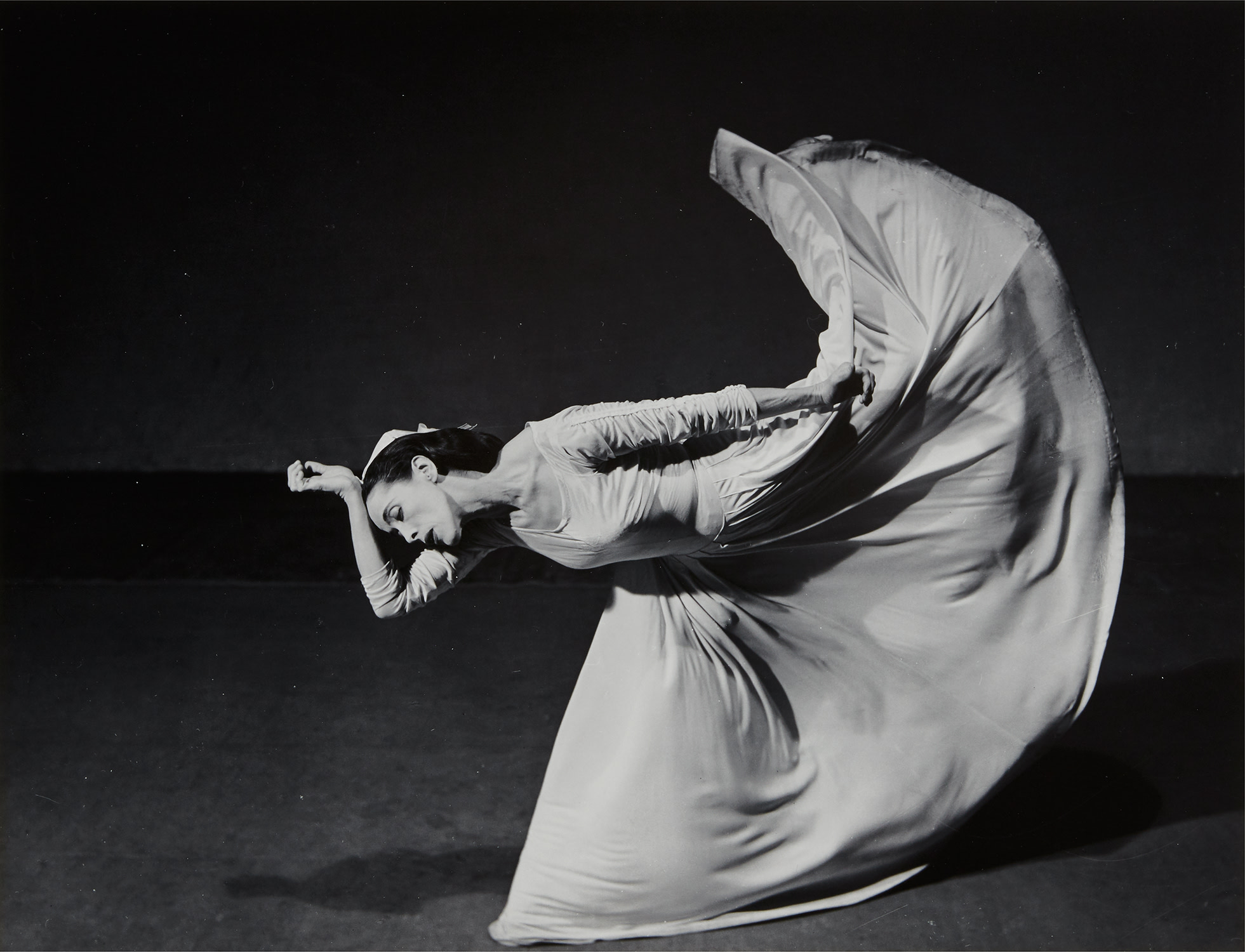
There is a photograph that stops time. Martha Graham, caught mid kick in her 1940 work Letter to the World, her white dress flung into an arc of pure force, her body a drawn bow against a dark ground. Barbara Morgan made that image, and in doing so she produced one of the most recognizable pictures in the entire history of American photography. Decades after it was made, the image retains every volt of its original charge.
Barbara Morgan
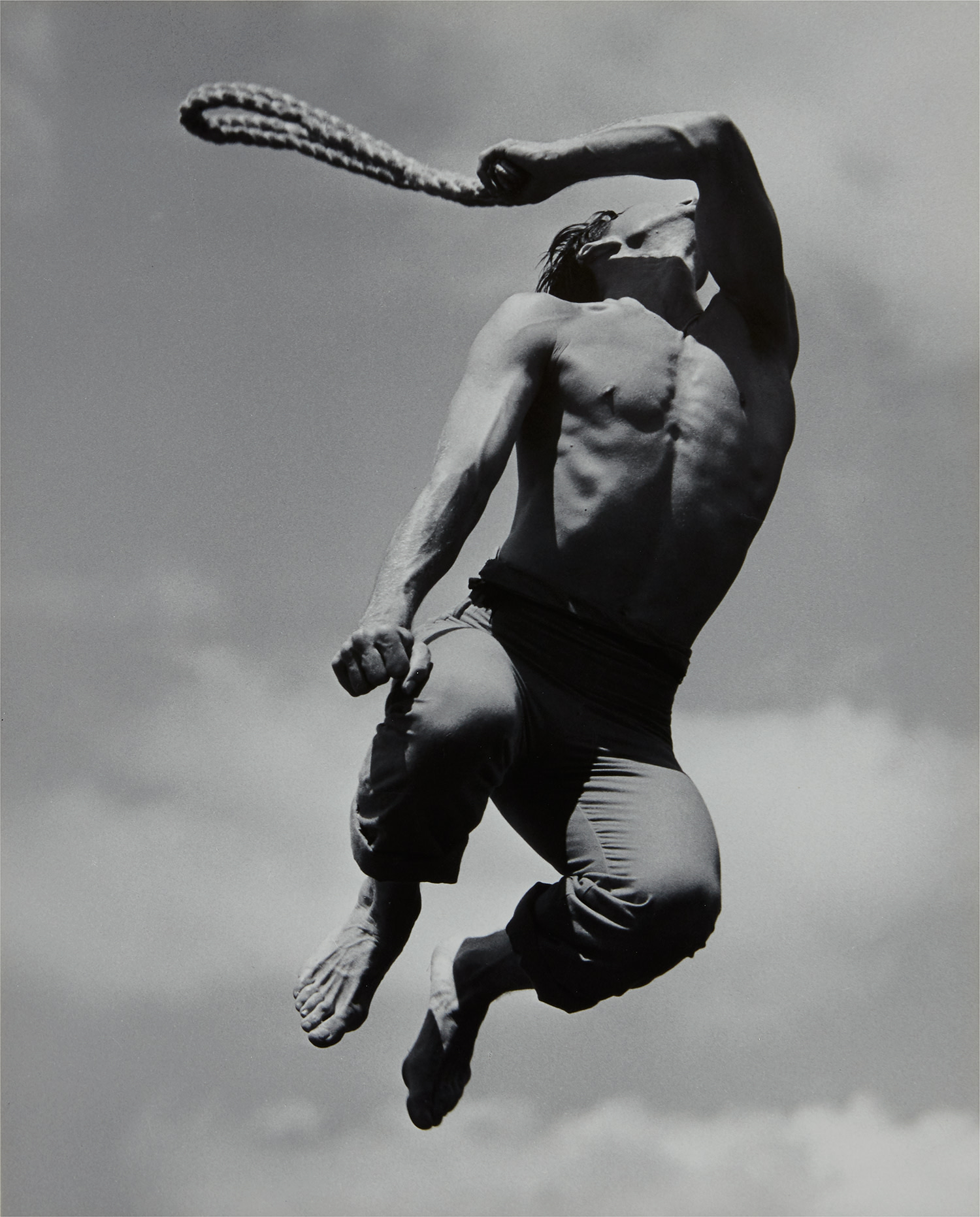
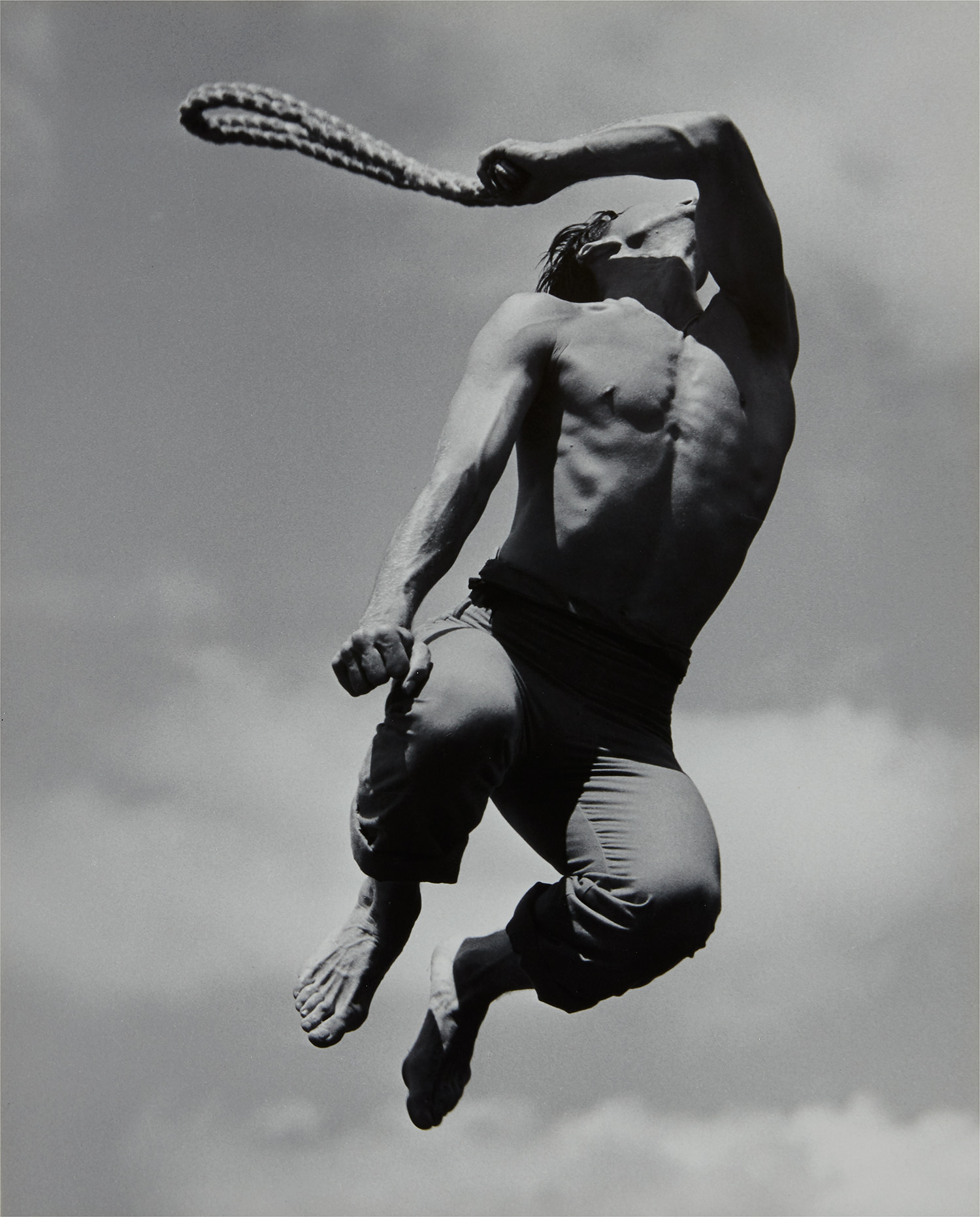
Erick Hawkins, 'El Penitente'
It is the kind of work that reminds you what photography, at its most ambitious, is actually capable of doing. Barbara Morgan was born Barbara Brooks Johnson in Buffalo, Kansas in 1900, and grew up in Southern California, where the landscape, vast and luminous, made an early impression on her sense of light and space. She studied at the University of California, Los Angeles, where she trained as a painter and printmaker, and in 1925 she joined the faculty there to teach art. Her earliest serious work was rooted in landscape and in the visual traditions of the American Southwest, and she remained deeply connected to the natural world throughout her life.
Her marriage to writer and photographer Willard Morgan in 1925 brought photography increasingly into her orbit, and by the time the couple moved to New York City in 1930, she was ready to pursue the medium with full commitment. New York in the 1930s was electric with modernist energy, and Morgan absorbed it all. She encountered the work of László Moholy Nagy and the Bauhaus experimenters, whose ideas about light, motion, and abstraction aligned with instincts she had already developed. She also discovered modern dance, and that discovery was the catalyst that transformed her practice entirely.
Barbara Morgan
Martha Graham - Letter to the World (Kick)
After seeing Martha Graham perform, Morgan understood immediately that here was a subject equal to her ambitions. Dance, with its compression of emotion into physical gesture, its radical manipulation of space and time, demanded a photographer who could think in equivalent terms. Morgan was precisely that photographer. The collaboration between Morgan and Graham that unfolded primarily between 1935 and 1945 stands as one of the great creative partnerships in twentieth century American art.
“Photography is the art of the moment. You must be totally present, totally alive.”
Barbara Morgan
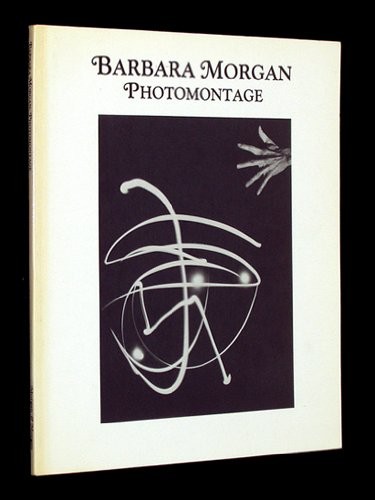
Morgan did not simply document Graham's choreography. She worked with Graham in the studio, often during non performance sessions staged specifically for the camera, and together they constructed images that distilled the essence of each dance into a single, perfectly weighted moment. Morgan used multiple exposures, photomontage, and light drawing, techniques borrowed from experimental photography and adapted to her own expressive purposes, to render in still images what film at the time could not adequately capture: the felt experience of movement as an emotional and spiritual event. Her images of Graham in Lamentation, in Ekstasis, in Frontier, and in Letter to the World are not records of performances.
Barbara Morgan
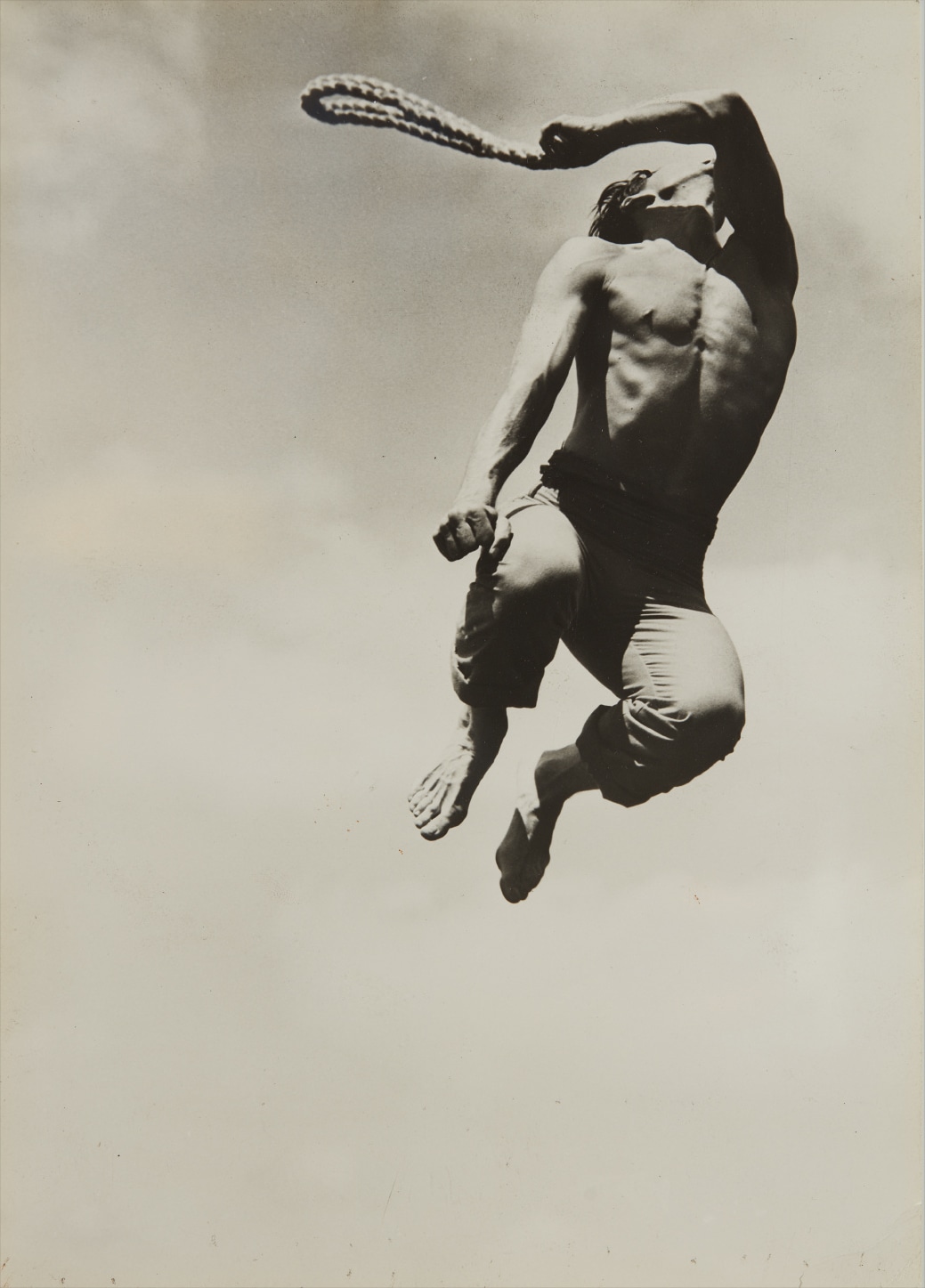
Graham - "El Penitente" (Solo - Hawkins - "El Flagellante"), 1971
They are independent works of art. Among the works that collectors and institutions have prized most highly, Letter to the World, known in its most iconic form as The Kick, occupies a special place. The gelatin silver prints produced from Morgan's original negatives, including later printed editions that continue to circulate through major collections and auction rooms, carry the full weight of the original vision. Her photographs of Erick Hawkins in El Penitente, made during the same fertile period, reveal another dimension of her talent: her ability to find in the male dancer a comparable architecture of tension and release.
These images, precise in their formal intelligence and overwhelming in their emotional directness, demonstrate why Morgan's work belongs in serious conversation with Alfred Stieglitz, Edward Weston, and Berenice Abbott as a foundational figure of American modernist photography. Morgan's technical innovations deserve particular attention from collectors approaching her work. Her light drawings, in which she used handheld light sources to paint directly onto photographic paper in darkened rooms, produced abstract images of remarkable beauty that anticipate later experiments in conceptual and process based photography. Her photomontages, combining multiple negatives into single images, were political as well as aesthetic gestures, responding to the upheavals of the 1930s and 1940s with visual arguments about American life and culture.
Barbara Morgan
Martha Graham - Letter to the World (The Kick), 1970
This range, from the lyrical intimacy of the dance photographs to the formal boldness of the abstract work, marks Morgan as an artist of exceptional breadth. Collectors who focus only on the dance images are missing half the story. In 1952, Morgan co founded Aperture, the photography magazine and publisher that would become the most important platform for serious photographic discourse in the United States. Alongside Minor White, Ansel Adams, Dorothea Lange, and others, she helped to establish photography as a legitimate fine art medium at a moment when that claim was still contested in museums and the academy.
Her contribution to that institutional project was as significant as her contribution to the medium itself, and it underlines the degree to which she was not merely a brilliant practitioner but a genuine intellectual force in American visual culture. On the collecting market, Morgan's gelatin silver prints appear with regularity at major auction houses and through specialist photography dealers, with the dance photographs commanding the strongest interest and the most sustained prices. Printed later editions of her most celebrated images remain accessible to collectors building serious photography collections, while vintage prints from the 1930s and 1940s represent genuinely rare opportunities. Her work is held in depth at the George Eastman Museum in Rochester, the Museum of Modern Art in New York, and the Library of Congress, among many other institutions, which anchors her market firmly in the top tier of twentieth century photography.
Barbara Morgan died in 1992, but her relevance has only grown in the decades since. At a moment when photography's relationship to truth, to time, and to the body is more contested and more interesting than ever, her work offers a model of photography that is neither purely documentary nor purely abstract but something more demanding: an art that insists on the full complexity of human experience. She understood that the camera could be an instrument of vision rather than simply of record, and she used it accordingly. To encounter her photographs today, whether in a museum gallery, an auction catalogue, or in the intimate context of a private collection, is to be reminded of what it feels like when an artist operates at the full height of their powers.
Featured Works
Explore books about Barbara Morgan