Baltasar Lobo
Baltasar Lobo, Sculptor of Eternal Human Grace
Artist Spotlight · The Collection Editorial
In the grand sculpture hall of the Musée des Beaux Arts de Reims, a bronze figure curves gently inward, as though holding the weight of the whole world within its stillness. The work belongs to Baltasar Lobo, and it does what all of his finest pieces do: it makes you slow down, breathe differently, and feel the warmth of human presence in cold metal. Decades after his death in 1993, institutions across France and Spain continue to affirm his place among the most quietly essential sculptors of the twentieth century, and a growing community of collectors is rediscovering the depth and tenderness of a body of work that deserves far wider recognition. Lobo was born in 1910 in Cerecinos de Campos, a small village in the Castilian province of Zamora, Spain.
Baltasar Lobo
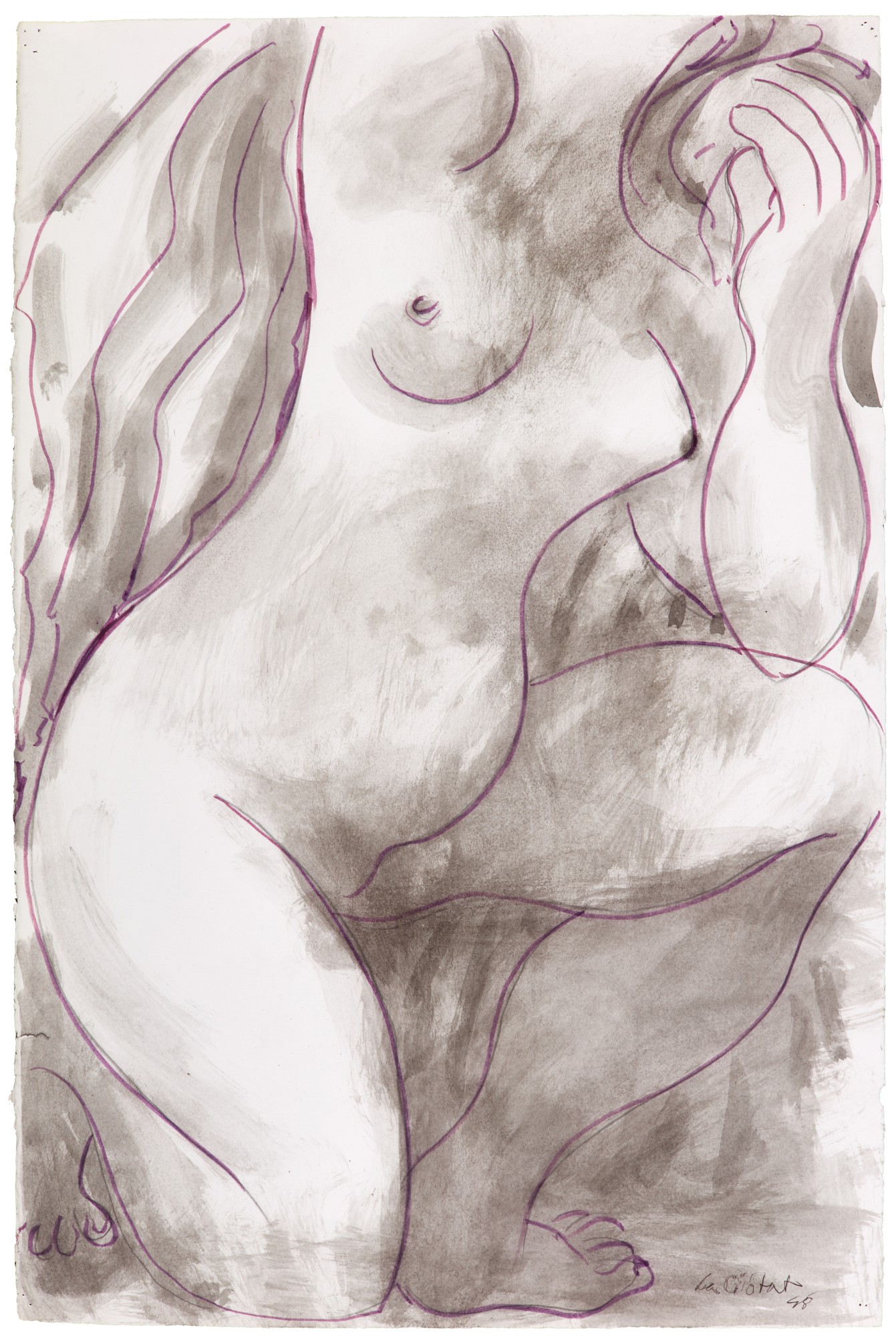
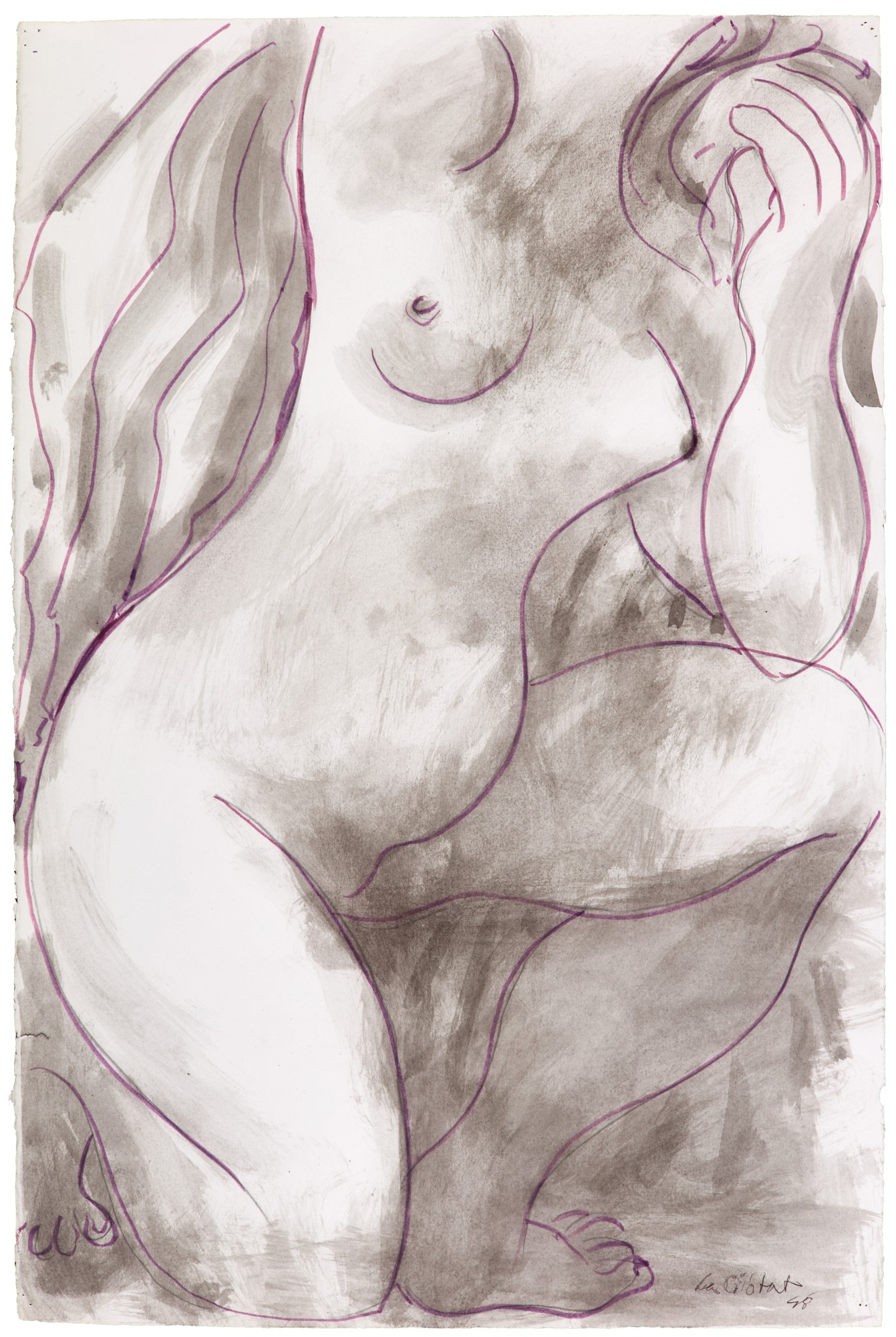
Nude
He studied at the School of Arts and Crafts in Zamora and later at the School of Fine Arts in Madrid, where he encountered the formative tensions of a Spain on the brink of catastrophe. When the Spanish Civil War erupted in 1936, Lobo, like so many artists and intellectuals of his generation, found himself swept into exile. He settled eventually in Paris, the city that would become his true home and the crucible of his artistic identity. France received him, and he received France in return, absorbing its sculptural traditions while never surrendering the deep Iberian gravity he carried within him.
In Paris, Lobo entered into the remarkable orbit of artists working in and around Montparnasse, a world still vibrating with the energies of Rodin, Maillol, and Brancusi. He became close to Pablo Picasso, who recognised in Lobo a kindred spirit shaped by the same Spanish soil, and their friendship endured for many years. He also worked alongside Henri Laurens, whose lessons in rhythmic, organic form left a lasting impression. By the late 1940s and through the 1950s, Lobo had developed a mature and unmistakable voice: a dedication to the human figure, rendered with simplified, flowing volumes that sit somewhere between the classical and the modern, never cold in their abstraction and never sentimental in their naturalism.
Baltasar Lobo
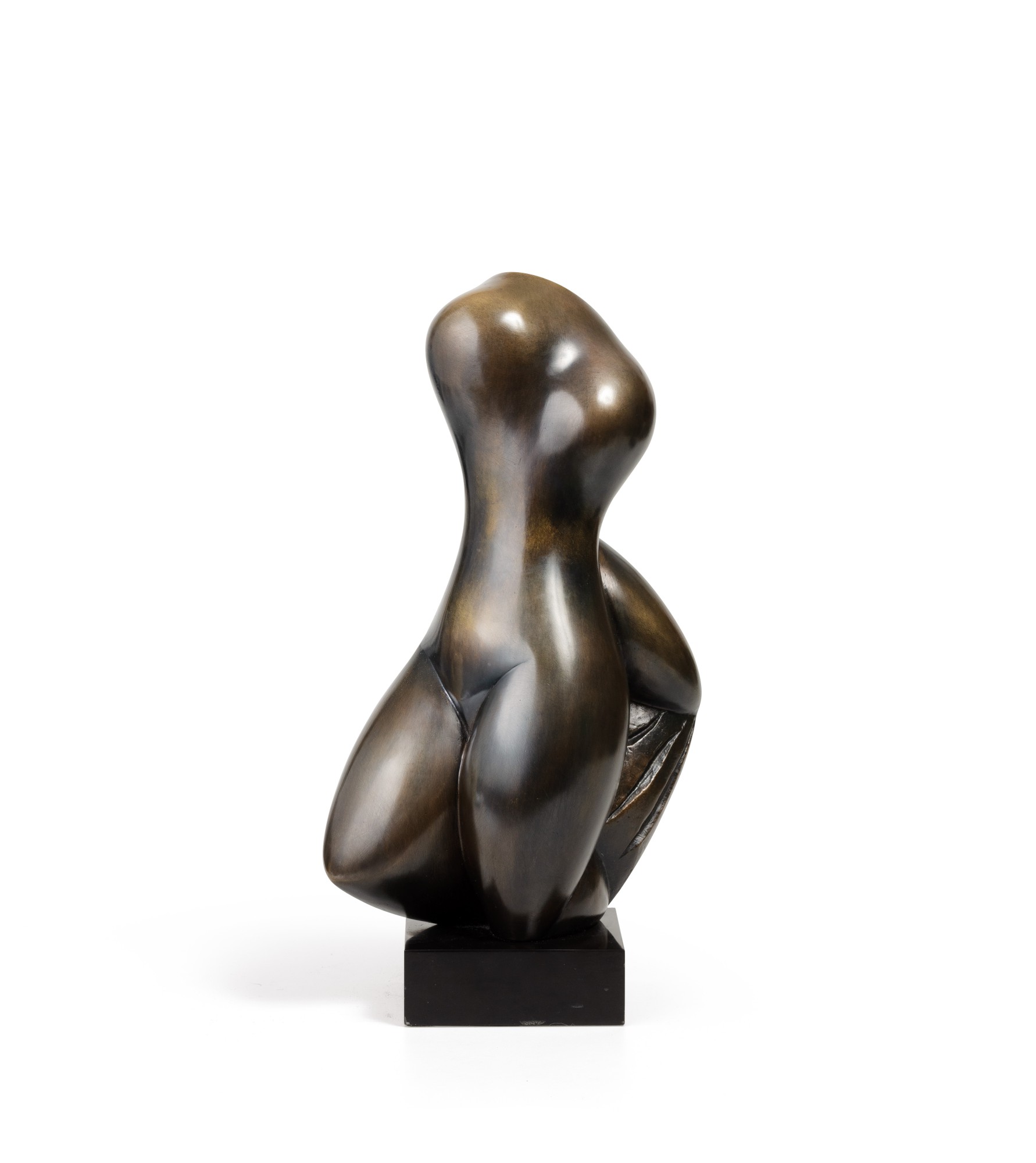
Torse à la draperie, 1972
Lobo's subject matter is, in its way, radical in its simplicity. He returned again and again to the female figure, to maternity, to rest, to the body in repose or in quiet contemplation. Works such as Maternity, cast in bronze with a rich brown green patina, and The Cradle, with its soft green surface, speak to the cycles of life with a directness that bypasses rhetoric entirely. His 1956 bronze Contemplation is one of the finest expressions of inward stillness in postwar sculpture, the figure folded into itself not with grief but with a profound and generous self possession.
Torse à la draperie from 1972 demonstrates his mastery of surface and implied movement, the cloth suggesting breath and warmth against the permanence of bronze. Later works such as Au soleil sur socle and Le Rêve, grand, both from 1988 and 1989, show no loss of conviction or sensitivity as he moved into the final years of his career, only a deeper assurance and ease. Among his works on paper, the watercolour and pen and ink Nude reveals a draughtsman of exceptional refinement. The line is confident without being aggressive, and the colour washes bring the same warmth that characterises his sculpture.
Baltasar Lobo
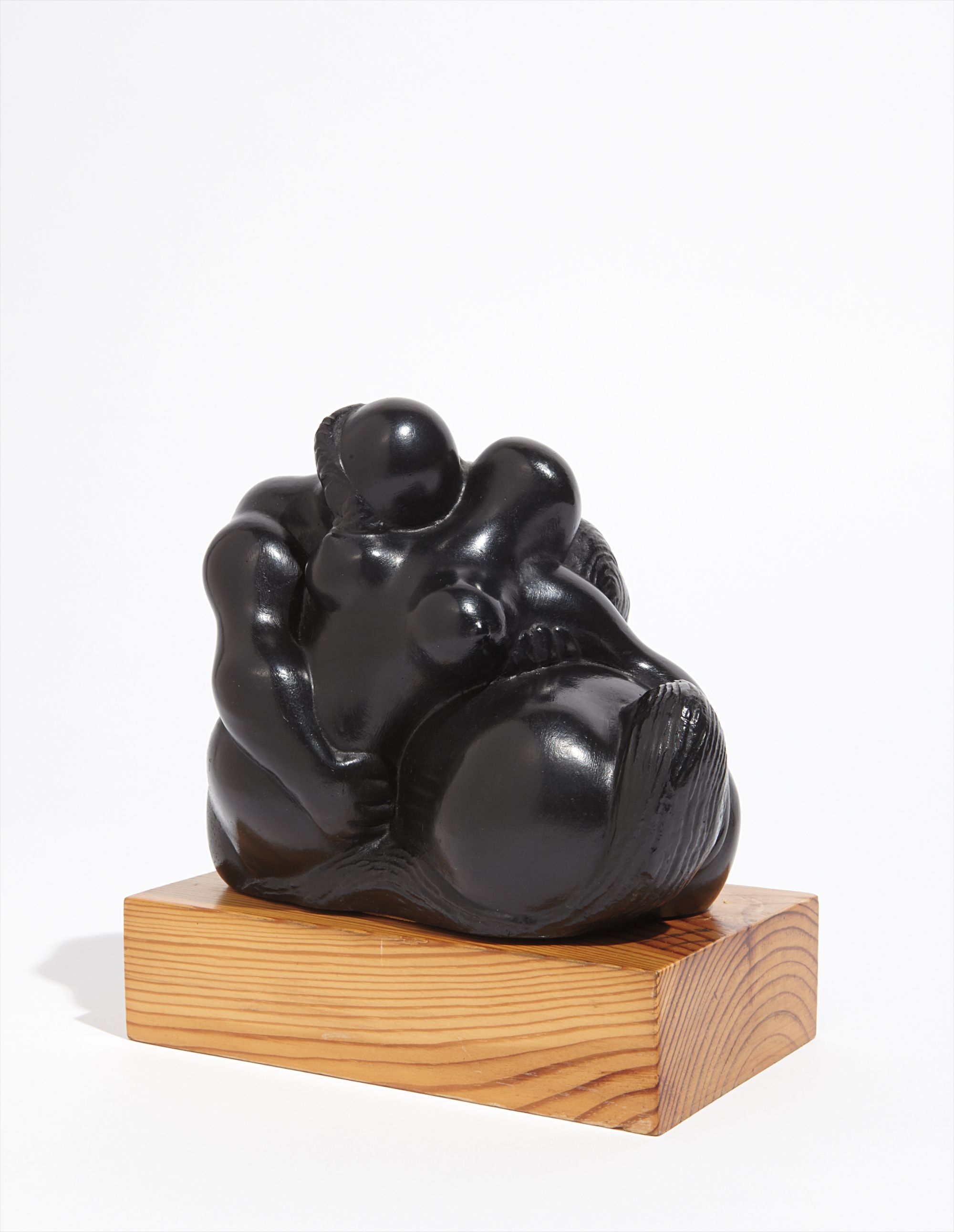
La Femme et le Centaure
For collectors who wish to enter Lobo's world through a more intimate and accessible medium, works on paper offer a window into his process and sensibility. They show how he thought about the body, not as an object to be studied but as a presence to be felt. La Femme et le Centaure, meanwhile, demonstrates his engagement with classical mythology filtered through a modern poetic consciousness, the centaur figure given a tenderness that transforms an ancient archetype into something personal and alive. From a collecting perspective, Lobo occupies a position of genuine opportunity.
He is revered in France and Spain, held in museum collections of real distinction, and his works appear regularly at auction houses including Christie's, Sotheby's, and Artcurial in Paris, where his bronzes attract serious attention from European collectors. Yet outside of those markets he remains less widely known than his historical importance warrants, which means that collectors with vision and taste can still acquire significant works without competing in the frenzied atmosphere that surrounds more fashionable names. His bronzes, particularly those with their original rich patinas intact, are the works that command the strongest interest, but condition and provenance matter enormously, and working with advisors who know his catalogue deeply is essential. Lobo sits naturally in the company of sculptors such as Aristide Maillol, whose celebration of the rounded female form shares much of the same humanist warmth, and Henri Laurens, whose influence Lobo himself acknowledged.
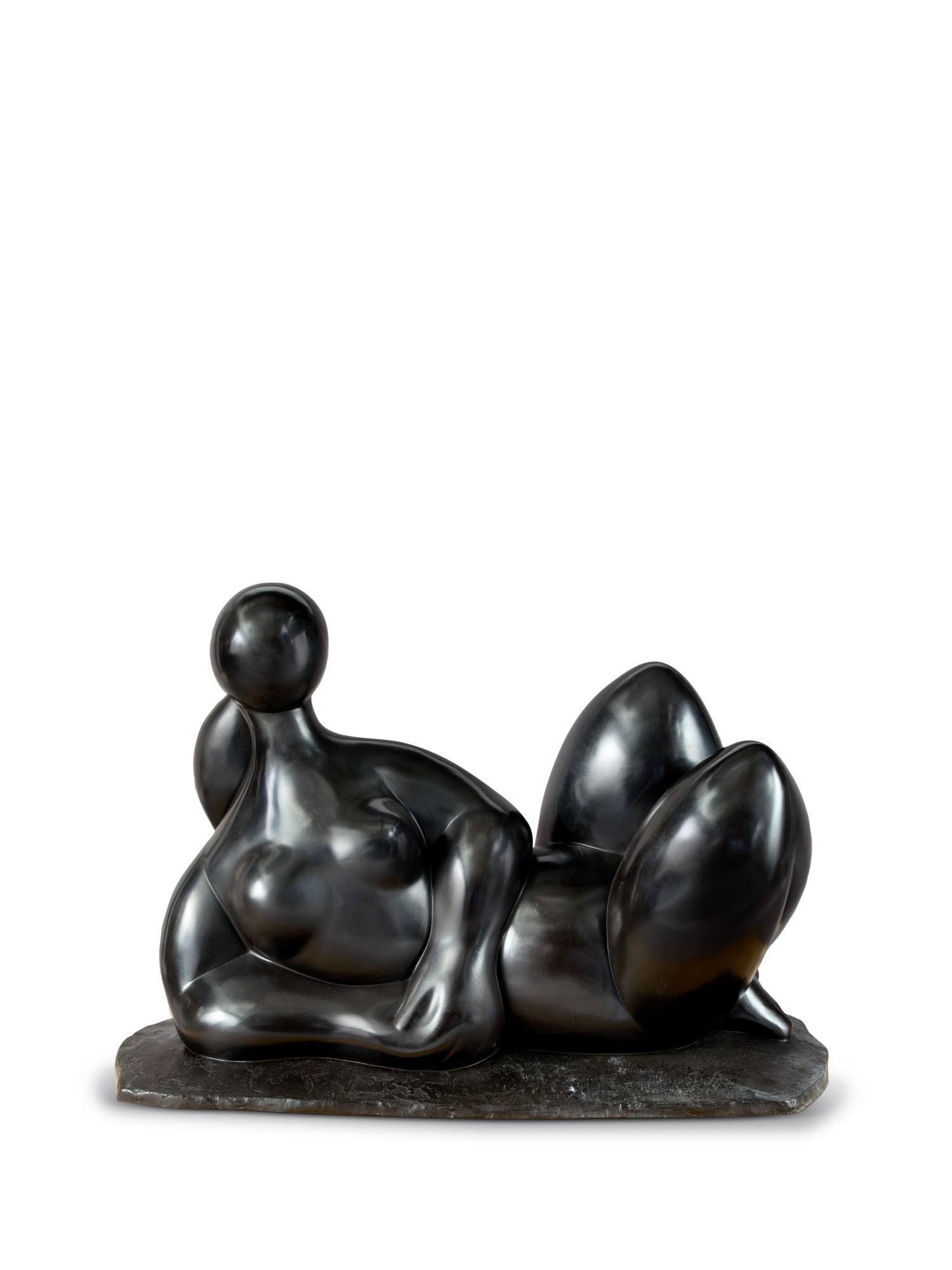
Baltasar Lobo
Repos, 1988
Comparisons to Ossip Zadkine are also instructive, given the shared experience of exile and the shared commitment to figuration in an era when abstraction was often positioned as the only serious path. Among Spanish artists, he belongs in conversation with Pablo Gargallo and Juli González, pioneers of modern Spanish sculpture who also found Paris essential to their formation. Lobo is not a minor figure in this constellation. He is one of its most luminous and enduring presences.
What makes Lobo matter today, perhaps more than ever, is the quality of attention his work demands and rewards. In an art world often drawn to the loud, the disruptive, and the conceptually elaborate, his sculptures ask for something quieter and more sustained. They ask you to be present with another human body, to recognise tenderness as a form of strength, and to find in the female figure not an object but a subject of infinite depth. The Repos of 1988, a reclining figure at rest, is a work that repays repeated looking over years and decades.
For collectors who seek art that genuinely enriches daily life, that deepens rather than merely decorates the spaces it inhabits, Baltasar Lobo offers something rare and irreplaceable.
Explore books about Baltasar Lobo
Baltasar Lobo: Sculptor
Henry Moore
Baltasar Lobo: Catalogue Raisonné
Juan Manuel Bonet
Baltasar Lobo: La escultura y el espacio
Francisco Calvo Serraller
Baltasar Lobo: Obra Completa
María de los Ángeles Layuno Rosas