Ayan Farah
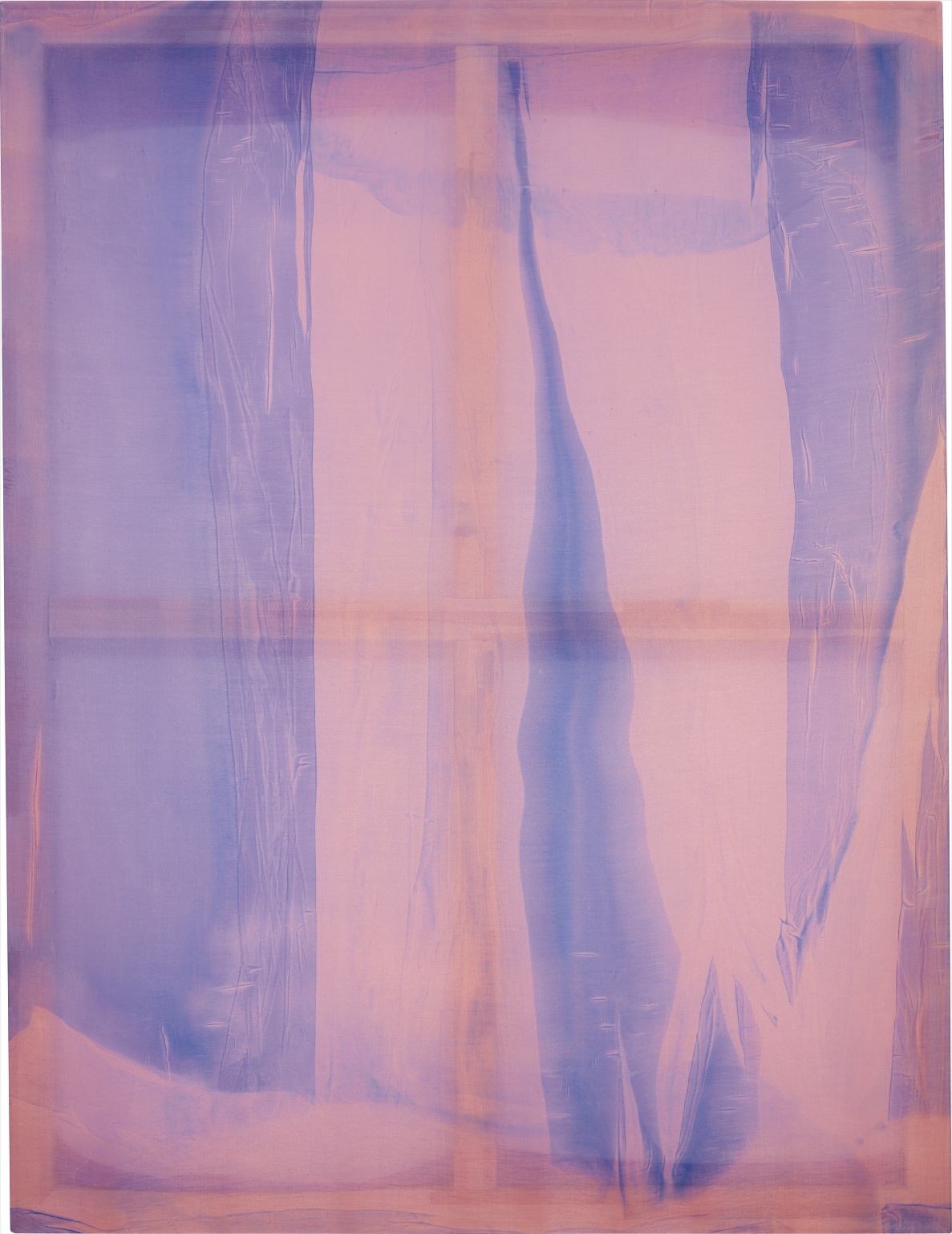
Ayan Farah Saturates the World With Color
Artist Spotlight · The Collection Editorial
There is a particular quality of light that appears in Ayan Farah's textile paintings, something between a stain and a glow, as if the fabric itself has been asked to hold more than fabric ordinarily can. In recent years, institutions and collectors across Europe and the United States have turned their attention with growing seriousness toward her practice, recognizing in her saturated cotton silks and voiles a formal intelligence that is genuinely rare. Her work occupies a space that few artists have claimed so fully: neither purely painting nor purely sculpture, but something that insists on being both at once, and on its own terms. Farah was born in 1978 and carries a Somali and American inheritance that informs her relationship to material, place, and belonging without ever reducing her work to biography.
Ayan Farah
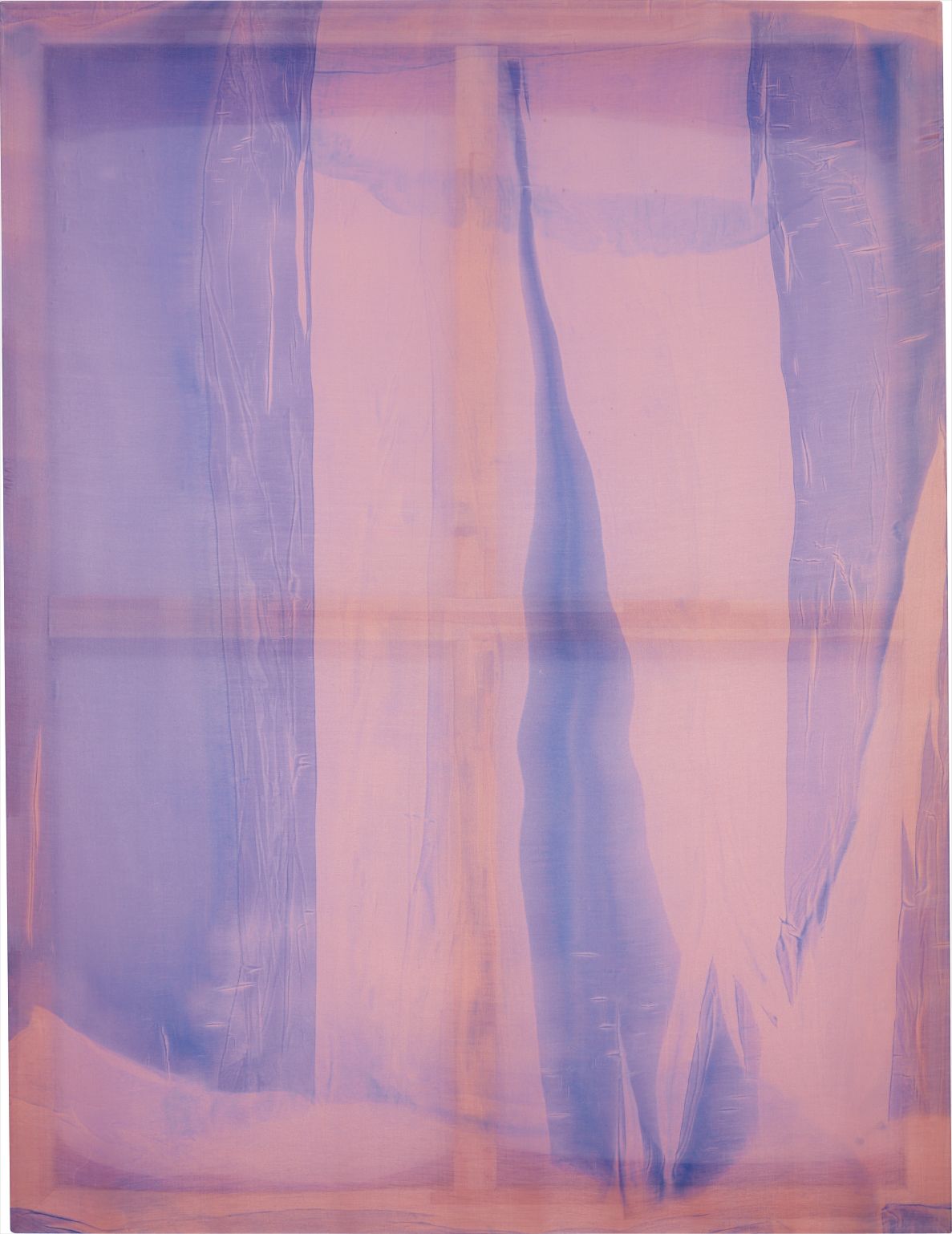
Solluminus (Air), 2013
Growing up across cultures means developing a particular sensitivity to what holds things together and what allows them to move, and that sensitivity runs through every aspect of her practice. She arrived at her mature approach through sustained attention to the properties of fabric, dye, and chemistry, through questions about what happens when you introduce vinegar, alcohol, and pigment to a surface that breathes and shifts rather than remaining fixed. These are not incidental technical choices. They are the philosophical architecture of her work.
Farah's artistic development has been marked by a commitment to process that places her in a long conversation with artists who understood painting as a performative act rather than a fixed outcome. She works by saturating fabric with pigment, allowing the materials to interact through absorption, resistance, and spread, so that the final composition is partly directed and partly discovered. This method recalls the stain painters of the 1960s, particularly Helen Frankenthaler and Morris Louis, who poured and soaked paint into unprimed canvas to achieve an effect of luminosity and weightlessness. Farah inherits that legacy while pushing it in a distinctly contemporary direction, one that is more attuned to the body, to textile traditions, and to the political resonance of cloth as a carrier of identity and memory.
Ayan Farah
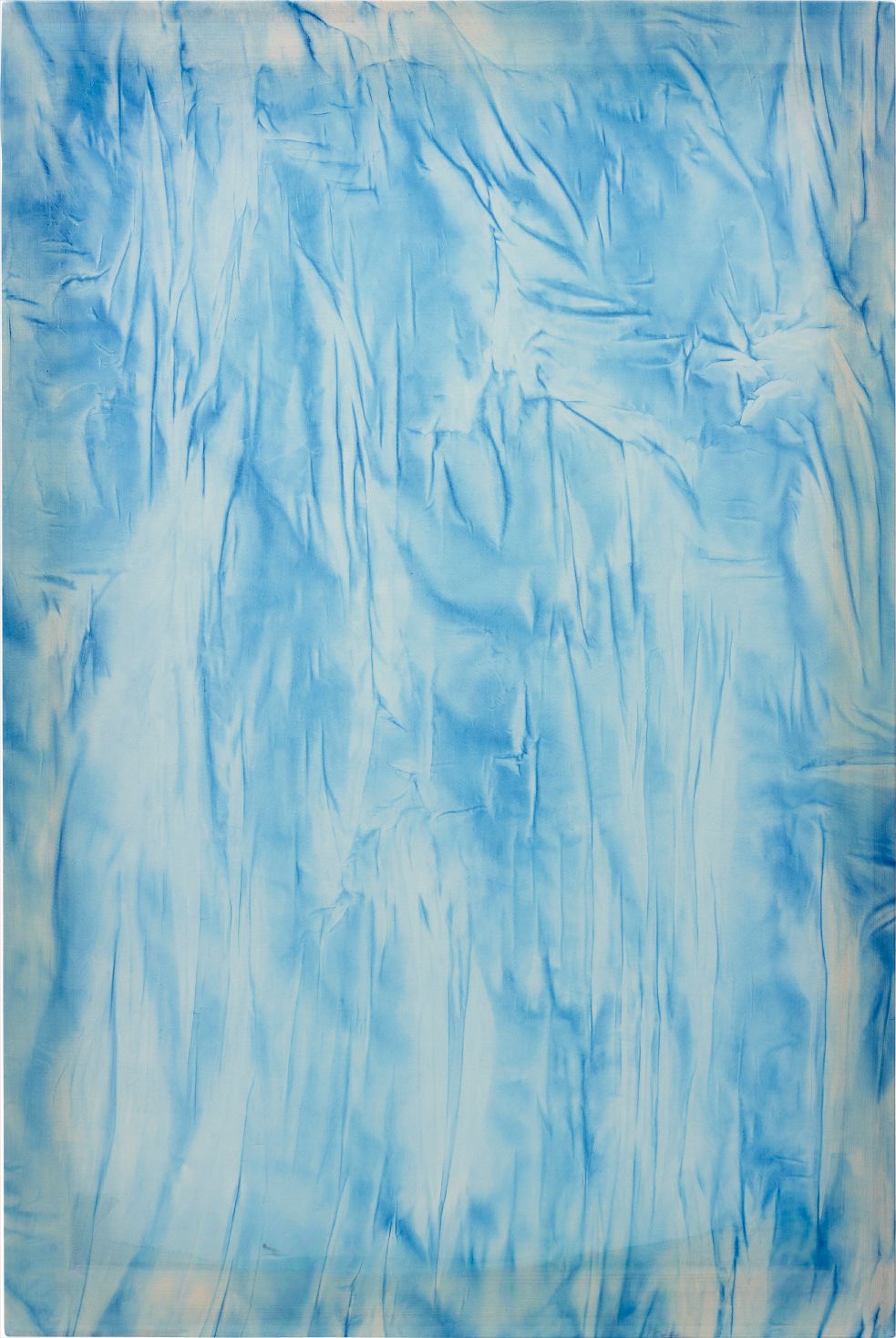
Hagar (Luft)
Her signature works from the early 2010s demonstrate the full range of what her process can achieve. "Solluminus (Air)" from 2013, made with acrylic, vinegar, alcohol, and fabric dye on cotton silk, exemplifies the way she builds luminous atmospheric fields from materials that resist easy combination. The title gestures toward light and breath, and the work delivers both, offering a surface that seems to shift as the viewer moves. "Hagar," also from 2013 and made with the same combination of acrylic, vinegar, alcohol, and fabric dye on cotton silk, carries a name weighted with history and spiritual resonance, invoking a figure of endurance and passage.
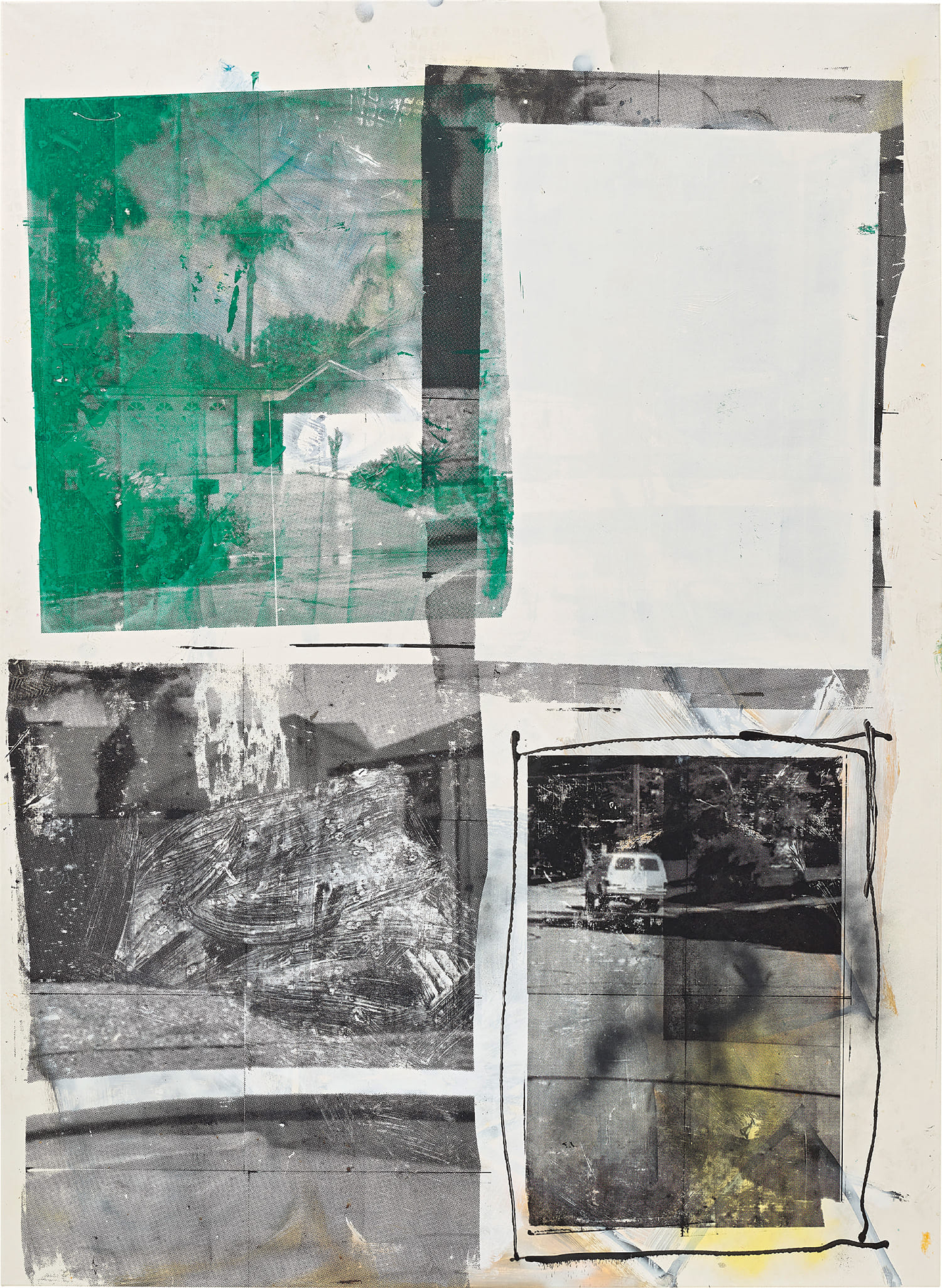
The 2014 works, including "Carmel," "Rhen," and "RaRy," each made on cotton silk or voile, show Farah refining her vocabulary with greater economy, achieving depth of color and surface complexity through restraint as much as abundance. "Raada," which incorporates ash alongside alcohol, vinegar, ink, and binder on cotton silk, introduces a more material rawness, a trace of burning alongside the chemical bloom of dye. What draws collectors to Farah's work is not simply its beauty, though the beauty is immediate and undeniable. It is the sense that these objects have genuinely been made, that they carry the evidence of a process that was fully inhabited.
Ayan Farah
Carmel, 2014
The fabric support means the works exist in a different relationship to the wall than a conventional stretched canvas: they can be presented in ways that acknowledge their textile nature, that allow them to hang with a certain softness, a slight movement. This quality is particularly prized by collectors who are building collections with a long view, who understand that works which resist easy categorization are often the ones that remain interesting across decades. Farah's palette, warm and deep and occasionally startling, also makes her works genuinely livable, objects that reward sustained proximity. Within the broader context of contemporary abstraction, Farah belongs to a generation of artists who have returned to questions of materiality and process with renewed seriousness, often in dialogue with the legacies of postwar abstraction but with expanded reference points.
Her work invites comparison with artists such as Theaster Gates, who also works with materials that carry social and cultural histories, and with fiber based practitioners who have pushed textile into the space of fine art. She is also in conversation with painters who have explored the body's relationship to mark making and surface, including Sam Gilliam, whose draped canvas works from the late 1960s onward created a precedent for thinking about painting as something that could inhabit space rather than simply occupy a wall. Farah's work is neither derivative of nor limited by these references. It uses them as a foundation for something entirely her own.
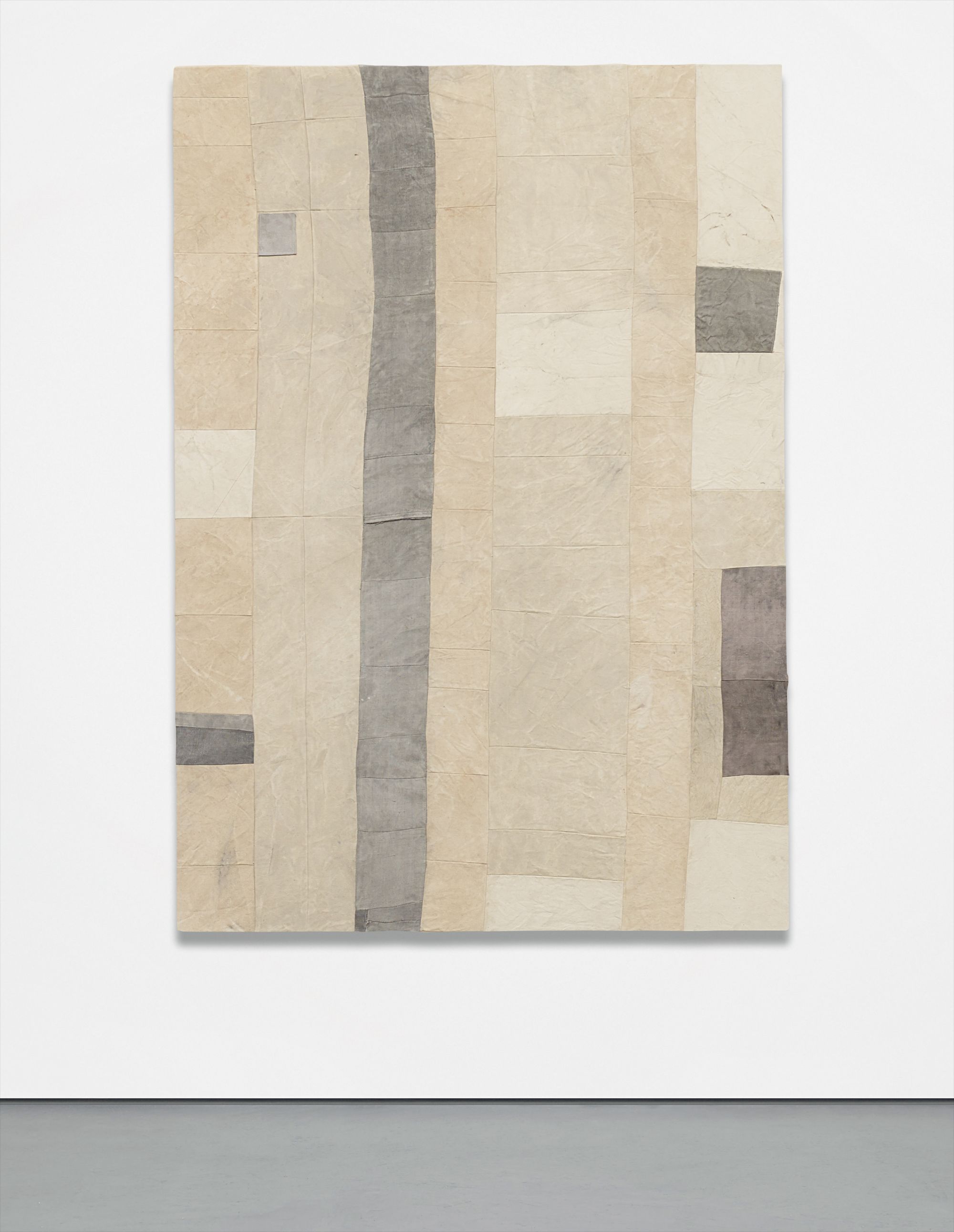
Ayan Farah
Saline
The question of legacy is always premature for a living artist, but it is also sometimes necessary to say clearly what is already evident. Farah has built a practice that addresses some of the most enduring questions in visual art: what is the relationship between the made object and the body that made it, between color and feeling, between the specific and the universal. Her use of materials that are genuinely responsive, that cannot be fully controlled, aligns her with an ethical position about what art making can be, a collaboration between intention and chance, between the artist and the world. In a moment when questions of identity, displacement, and belonging are urgent across culture and politics, her work offers something that goes beyond illustration or commentary.
It offers a direct experience of those questions held in form, in color, in the particular weight of dyed silk catching light. That is a rare and lasting achievement.