Austin Eddy
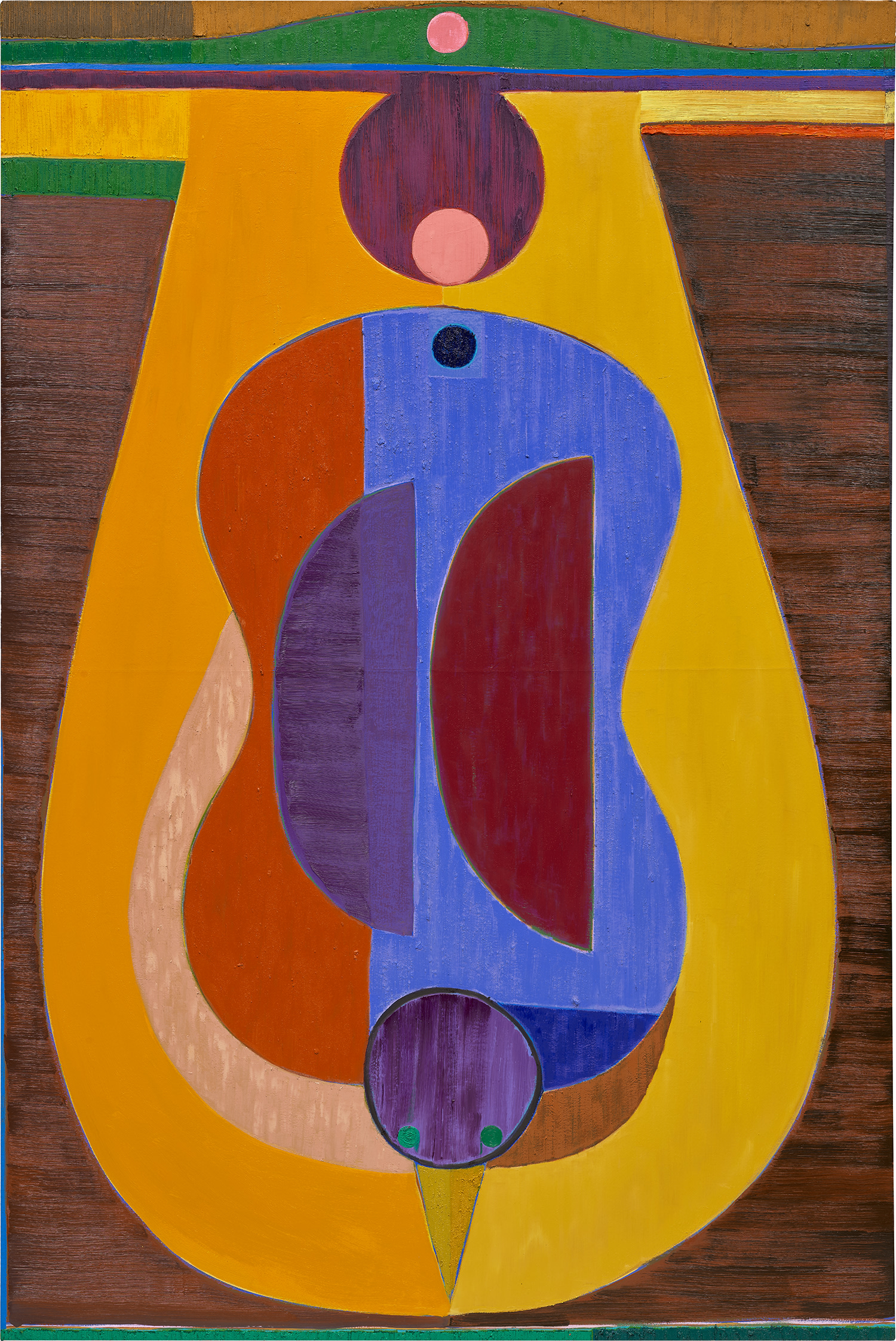
Austin Eddy Paints the Beautiful Quiet Within
Artist Spotlight · The Collection Editorial
There is a particular kind of attention being paid to Austin Eddy right now, and it feels well earned. The New York based painter has spent the better part of a decade building a body of work that resists easy categorization, weaving together portraiture, still life, and interior painting into something that feels entirely his own. His canvases have drawn sustained interest from collectors and institutions across the United States and Europe, and his reputation as one of the more thoughtful voices in contemporary American figuration continues to grow with each new body of work. For those who have followed his practice closely, the recognition feels not like a sudden arrival but like the natural unfolding of a vision that was always remarkably clear.
Austin Eddy
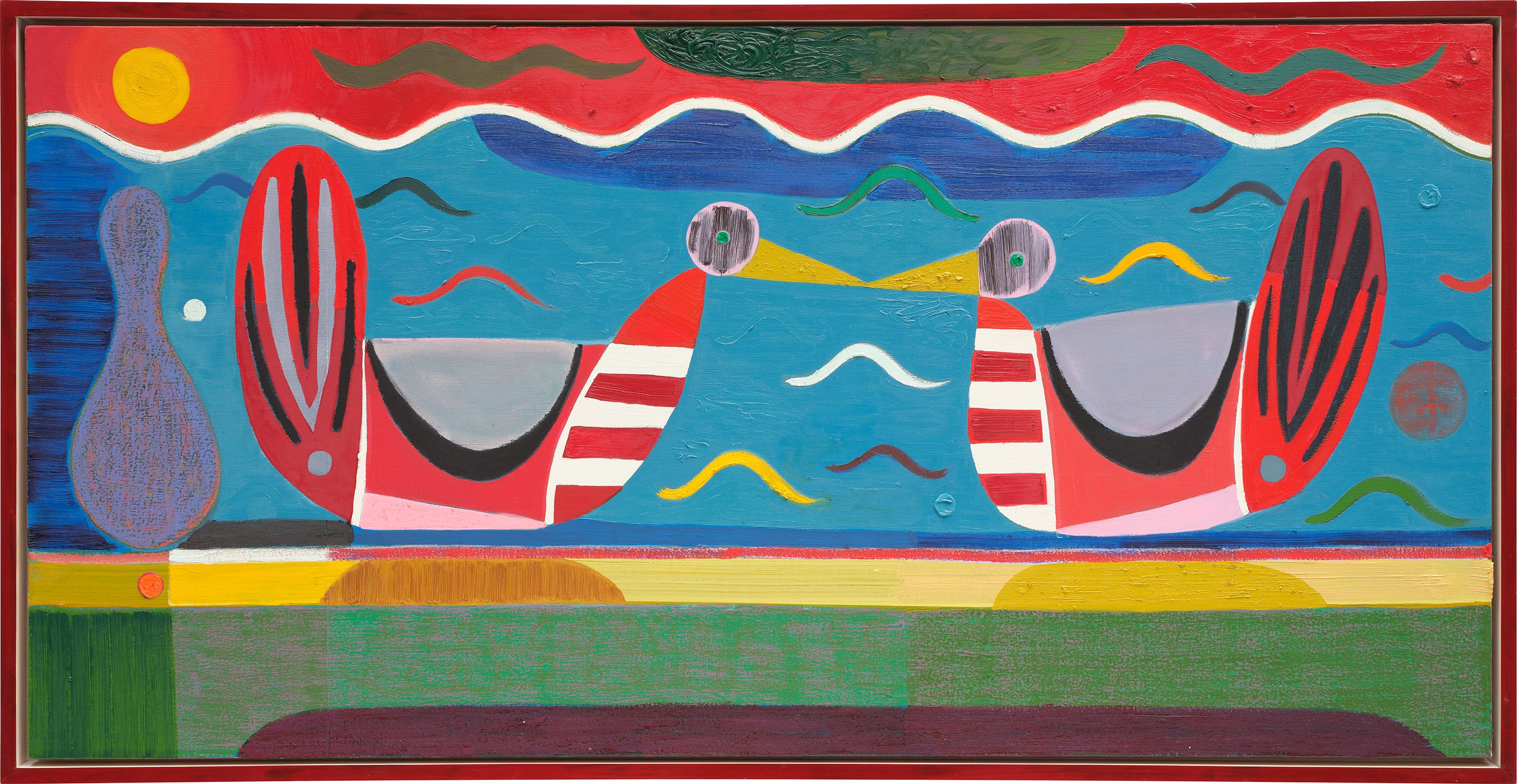
Red Birds Under a Red Sky No Longer Looking, 2019
Eddy was born in 1986, and his formation as an artist reflects the particular cultural moment of his generation, one shaped by a renewed seriousness about painting at a time when the medium was being fiercely debated and simultaneously celebrated. He came of age artistically in New York, a city that gave him access to the full sweep of art history while also surrounding him with a community of painters working through similar questions about what figurative painting could still do, what it could still say. The city's density of studios, galleries, and conversations clearly left its mark on his sensibility, giving his work a kind of urban interiority even when the subjects themselves are quiet and still. His artistic development shows a painter who moved deliberately toward his signature approach rather than stumbling upon it.
Early in his career, Eddy was testing the boundaries between representation and abstraction, finding ways to let the physicality of paint assert itself without surrendering the legibility of the figure. Over time, his palette settled into the muted, contemplative range for which he is now known, favoring earthy tones, soft greens, diffused reds, and the kind of gray that feels full of ambient light rather than absence. His brushwork became looser and more expressive without losing its intelligence, each mark feeling considered even when it appears spontaneous. This balance between control and release is one of the more difficult things to achieve in painting, and Eddy navigates it with genuine authority.
Austin Eddy
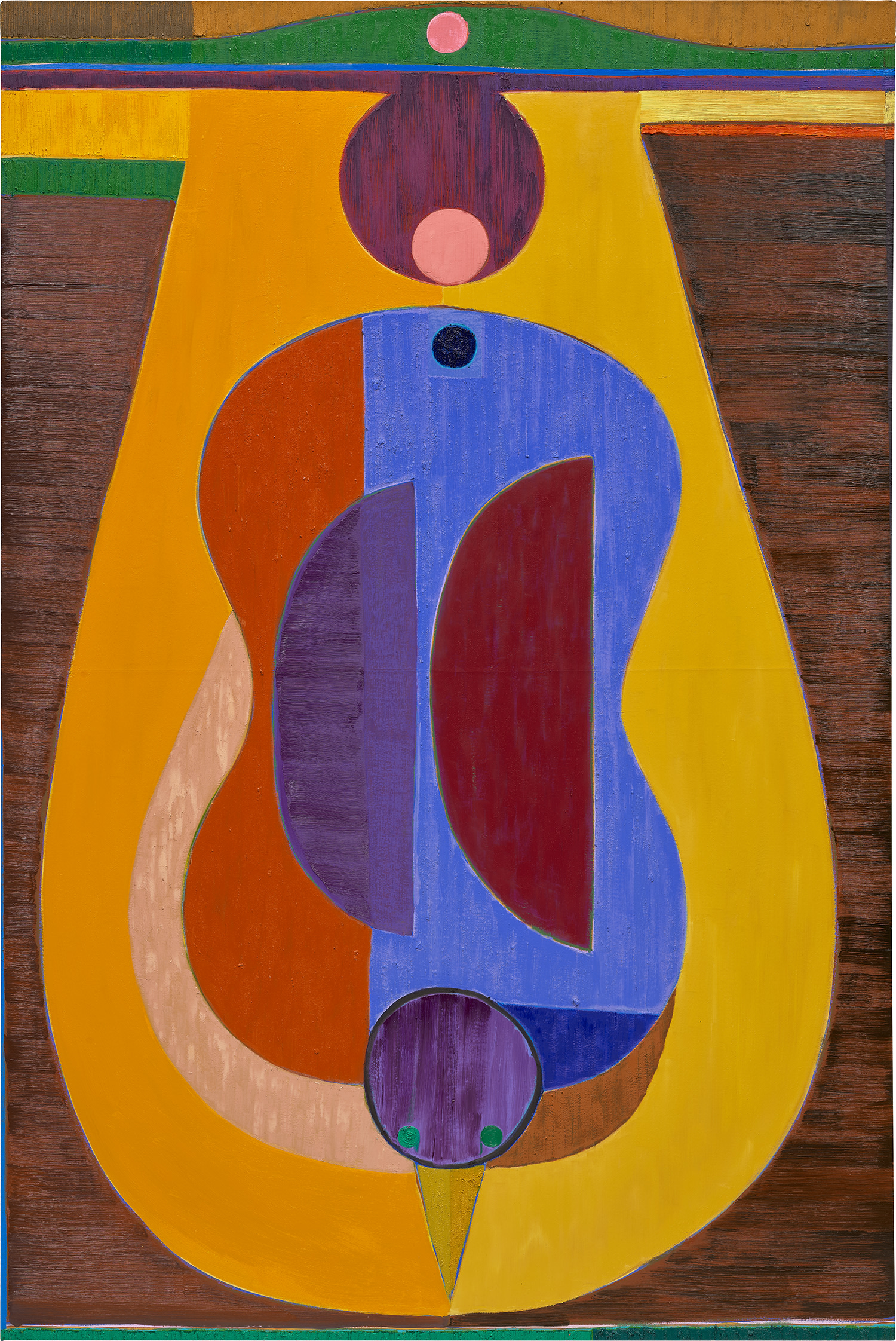
Setting Sun and Green Sky, 2020
Two works in particular offer a strong sense of what makes his practice so compelling. "Red Birds Under a Red Sky No Longer Looking," completed in 2019 and executed in oil, pastel, and Flashe on canvas, is a piece that rewards slow looking. The title itself carries a kind of melancholy lyricism, and the painting delivers on that promise with a scene that feels suspended between symbol and observation. The artist's choice to present it in his own handmade frame speaks to his investment in the total object, the idea that the painting does not simply end at its edge but continues into the space it occupies.
"Setting Sun and Green Sky" from 2020, made with oil, Flashe, and paper on canvas, demonstrates his willingness to experiment with materials and surface, layering media in ways that give the work a tactile richness that photographs can only approximate. Both works exemplify his ability to hold psychological tension and painterly beauty in the same breath. For collectors, Eddy's work represents something increasingly rare in the contemporary market: a coherent, evolving practice grounded in the history of painting but genuinely alive to the present. His use of Flashe, the vinyl paint favored by many postwar European painters, alongside oil and pastel speaks to a painter who has done his homework and found ways to make those lessons feel fresh.
Collectors drawn to artists like Peter Doig, Luc Tuymans, or Cecily Brown will recognize in Eddy a kindred seriousness about figuration and surface, even as his voice remains distinctly his own. His paintings tend to be intimate in scale and psychological register, which makes them particularly powerful in domestic settings, precisely the kind of spaces his painted figures themselves seem to inhabit. Within the broader arc of contemporary figuration, Eddy belongs to a generation of American painters who reasserted the figure not as a nostalgic gesture but as a genuinely exploratory one. His work engages with a lineage that runs from the introspective domestic paintings of Fairfield Porter through the psychologically loaded canvases of Eric Fischl and onward to contemporary peers who have pushed figurative painting into new emotional and material territories.
The solitary figures that populate his work carry echoes of that history while feeling rooted in the specific textures of contemporary life, its quietness, its interiority, its moments of unwitnessed pause. He is a painter deeply aware of what has come before him and equally committed to making something that could not have been made in another time. What makes Austin Eddy's practice matter today is precisely its refusal to perform urgency. In an art world that can sometimes reward spectacle and scale above all else, his paintings insist on the value of the quiet, the unresolved, the intimate.
They ask viewers to slow down, to sit with discomfort and beauty at the same time, to find meaning in the ordinary staging of a life. These are not small ambitions. His canvases demonstrate that figuration in the twenty first century can still carry genuine feeling, that paint on canvas can still be a site of discovery both for the painter making the work and for the person standing before it. For collectors and institutions investing in the art of this moment, Austin Eddy offers something that will only deepen with time.