Arthur Jafa

Arthur Jafa: Visionary of Black American Life
Artist Spotlight · The Collection Editorial
“I want to make Black art that has the same impact on the world as Black music.”
Arthur Jafa, Interview Magazine
In 2019, Arthur Jafa was awarded the Golden Lion at the Venice Biennale, one of the most prestigious honors in the international art world, for his expansive video installation presented at Gladstone Gallery's off site space. The recognition was both overdue and perfectly timed, arriving at a moment when the broader cultural conversation had finally begun to catch up with the decades of rigorous, searching work Jafa had been making largely on his own terms. For those already paying close attention, the prize felt less like a discovery and more like a formal confirmation of something they had long understood: that Jafa is among the most important artists working anywhere in the world today. Arthur Jafa was born in 1960 in Tupelo, Mississippi, and raised in Clarksdale, a small city in the Mississippi Delta that has produced a remarkable concentration of American creative genius, not least in the realm of the blues.
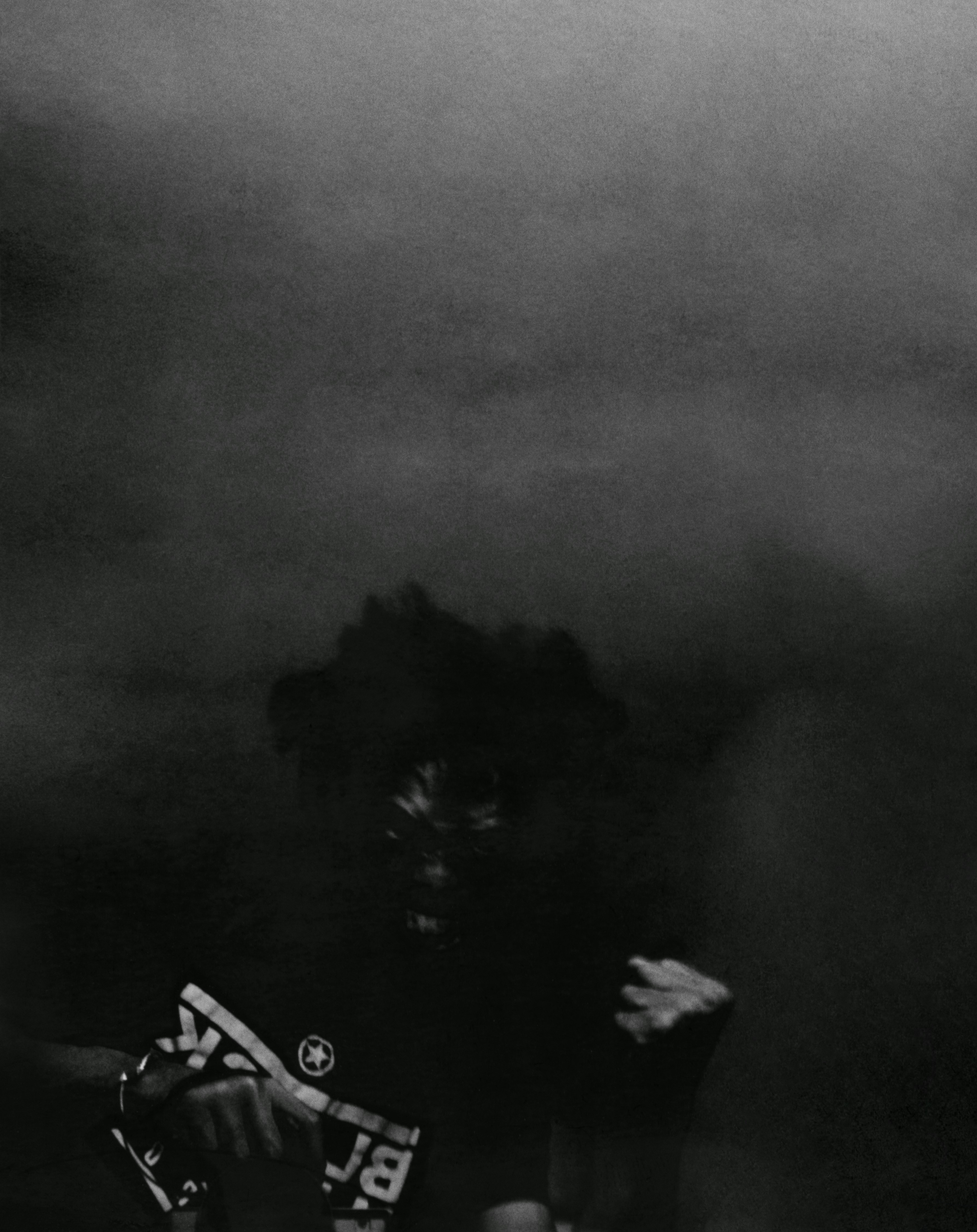
Arthur Jafa
Monster II, 2018
That geography matters enormously to understanding his practice. The Delta carries within it a compressed history of Black American life, of labor, survival, spirituality, and cultural invention, and these themes have remained central to Jafa's work across every medium he has touched. He studied architecture and film at Howard University in Washington, D.C.
, the historically Black institution that has shaped so many of the defining figures in African American intellectual and artistic life. Before he became known internationally as a visual artist, Jafa built a formidable career in cinema. He served as the director of photography on Julie Dash's landmark 1991 film "Daughters of the Dust," a project that would itself become one of the most celebrated works in the history of Black American filmmaking. The visual language he developed there, lyrical, patient, deeply attentive to the textures of Black embodiment and Black space, would later find its way into his gallery practice.
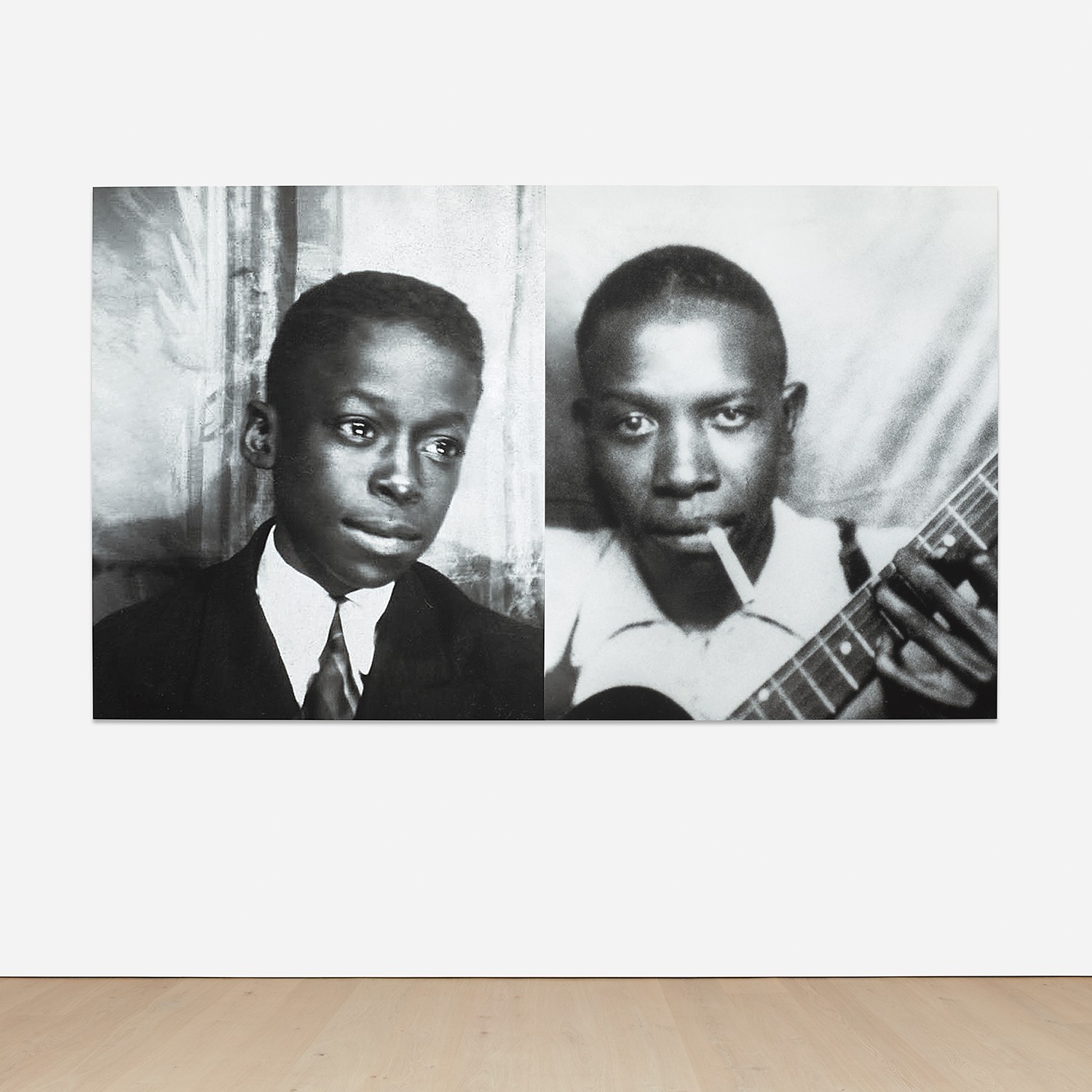
Arthur Jafa
Bloods, 2019
He also collaborated closely with Spike Lee, working as cinematographer on "Crooklyn" in 1994. These years behind the camera gave Jafa an unusually sophisticated understanding of how images accumulate meaning, how the speed and sequence of moving images can bypass intellectual resistance and land directly in the body. The work that brought Jafa to global attention in galleries and institutions was "Love Is The Message, The Message Is Death," created in 2016. Running approximately seven minutes, the piece is a montage of found footage spanning decades of Black American experience, set to Kanye West's gospel inflected track "Ultralight Beam.
“I think what I am trying to do is to find the cinematic equivalent of what the greatest Black music achieves.”
Arthur Jafa, Frieze
" The footage moves between extremes: footage of police violence and racial terror alongside footage of athletic transcendence, religious ecstasy, music, dance, and the specific gravity of Black joy. The effect is overwhelming in the most precise sense of the word. It does not ask audiences to process what they are seeing so much as to absorb it at a cellular level. The work toured major institutions including Serpentine Galleries in London and has been described as one of the defining artworks of the twenty first century.
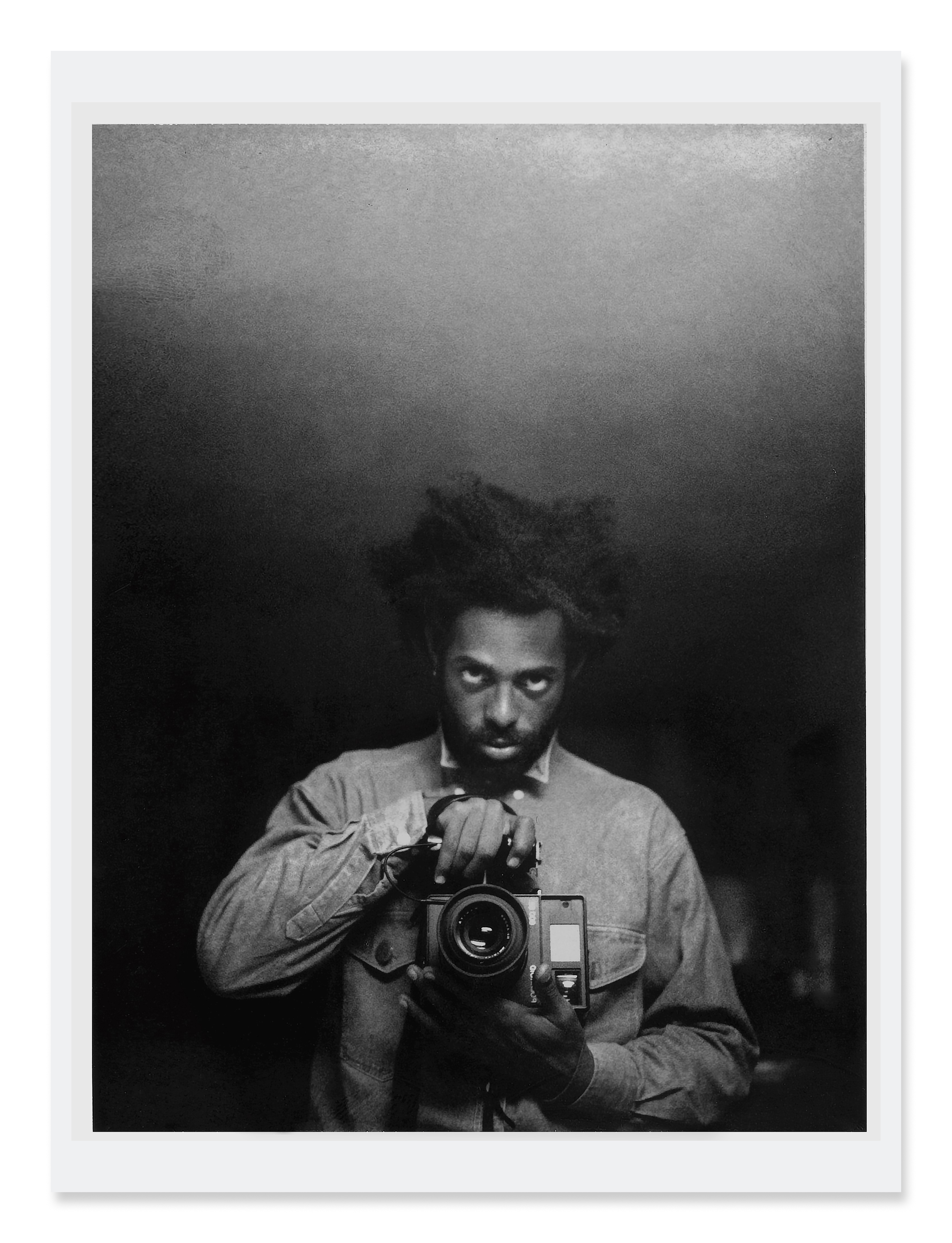
Arthur Jafa
Monster, 1988
Alongside his moving image work, Jafa has developed a significant practice in photography and print that rewards close attention from collectors. The works available through The Collection represent this dimension of his practice with particular clarity. "Monster" from 1988, a gelatin silver print mounted on aluminium, is among the earliest examples here, a document of Jafa's long engagement with the photographic image as a site of inquiry. The later "Monster II" from 2018, an Epson fine art print face mounted to Diasec acrylic on aluminum panel, returns to concerns first articulated three decades prior, but now filtered through a lifetime of accumulated thought and visual experience.
The Diasec process, which bonds the print to acrylic with exceptional optical clarity and depth, suits the ambition of these images, giving them a presence that commands a room. Similarly, the "Bloods" series, with works from 2019 and 2021, and the striking "HA Crow 8B" from 2018, demonstrate Jafa's facility with the fine art print as an object of real physical and conceptual weight. These are not reproductions of moving image work. They operate on their own terms, asking to be read slowly and with sustained attention.
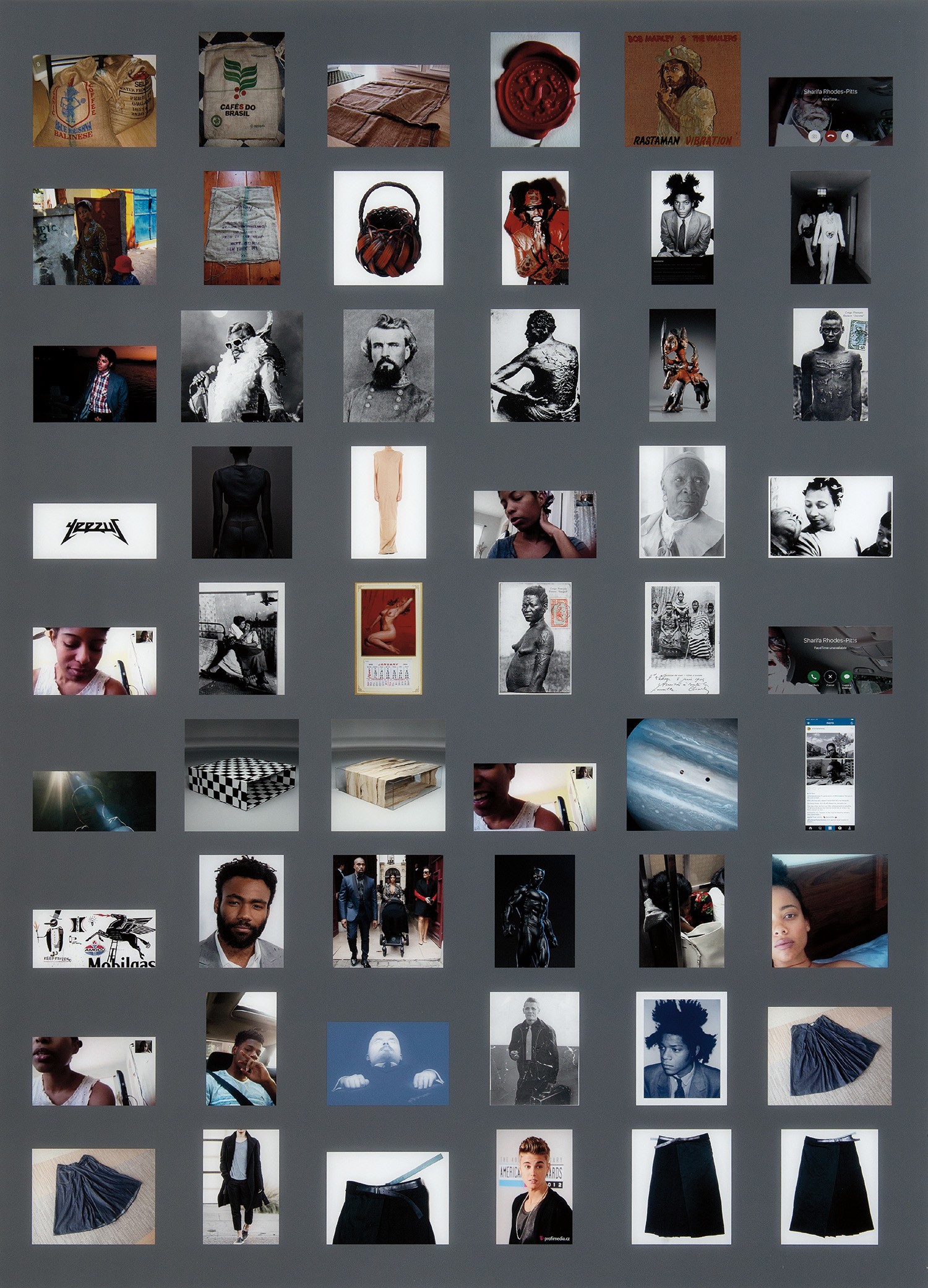
Arthur Jafa
HA Crow 8B, 2018
For collectors, Jafa's work occupies a genuinely rare position in the contemporary market. His primary market is handled by Gladstone Gallery, one of the most respected galleries in the world, with locations in New York, Brussels, and Seoul. His works have entered major institutional collections globally, which gives the broader body of work a degree of art historical legitimacy that translates into lasting market confidence. The photographic and print works represent an accessible entry point into a practice whose video installations are often produced in very limited editions.
There is also a sense, felt acutely by those who work most closely with the market, that Jafa's critical recognition has only recently begun to align with his commercial profile, suggesting that the works available now occupy a historically interesting moment. In terms of artistic lineage and conversation, Jafa's practice sits at a compelling intersection of influences and peers. His engagement with found imagery and cultural vernacular draws him into dialogue with artists like Glenn Ligon, whose text based works mine the language of Black American experience with comparable rigor. His interest in density, layering, and the politics of the Black gaze connects him to the photography of Carrie Mae Weems and the video practice of Hank Willis Thomas.
He has cited the work of Sun Ra and various figures from the tradition of the African American avant garde as foundational influences, and his thinking about what he has called "Black visual intonation" draws on a tradition of Black aesthetics that stretches back through the Harlem Renaissance and beyond. What Jafa offers, finally, is something that only the most serious artists can provide: a genuinely new way of seeing. His work does not illustrate Black American life so much as it creates the conditions in which that life can be felt, in all its complexity, its beauty, its weight, and its ongoing invention. To collect Jafa is to bring something of that transformative vision into a private space, to live alongside work that continues to ask questions long after the first encounter.
At a moment when artists who can hold both historical depth and urgent contemporaneity are rightly prized above almost all others, Arthur Jafa stands as one of the essential figures of our time.
Explore books about Arthur Jafa
Arthur Jafa: A Series of Utterly Improbable, yet Extraordinary Renditions
Arthur Jafa
Arthur Jafa: Love Is the Message, the Message Is Death
Various contributors
Black Looks: Race and Representation
bell hooks