Arnold Genthe
Arnold Genthe: A Lens on Living History
Artist Spotlight · The Collection Editorial
“The camera can be a mirror or a window, depending on who holds it.”
As I Remember, 1937
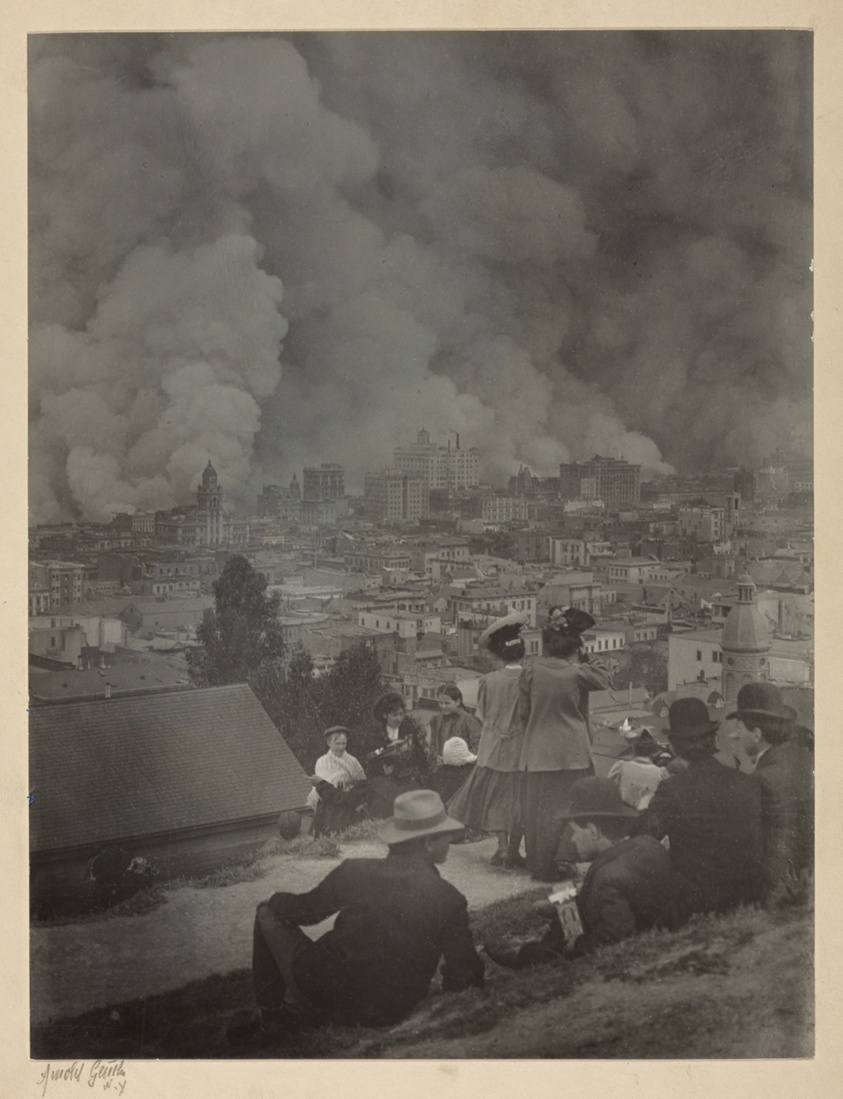
There are photographers who document the world, and then there are those who transfigure it. Arnold Genthe belonged unmistakably to the second category. When the earthquake struck San Francisco at 5:12 in the morning on April 18, 1906, Genthe borrowed a camera from a nearby shop, his own equipment having been destroyed in the disaster, and walked into the smoke and ruin to make some of the most haunting and essential photographs in American history. Those images, now held in collections ranging from the Library of Congress to prestigious private hands, remain among the defining visual documents of early twentieth century catastrophe and resilience.
Arnold Genthe
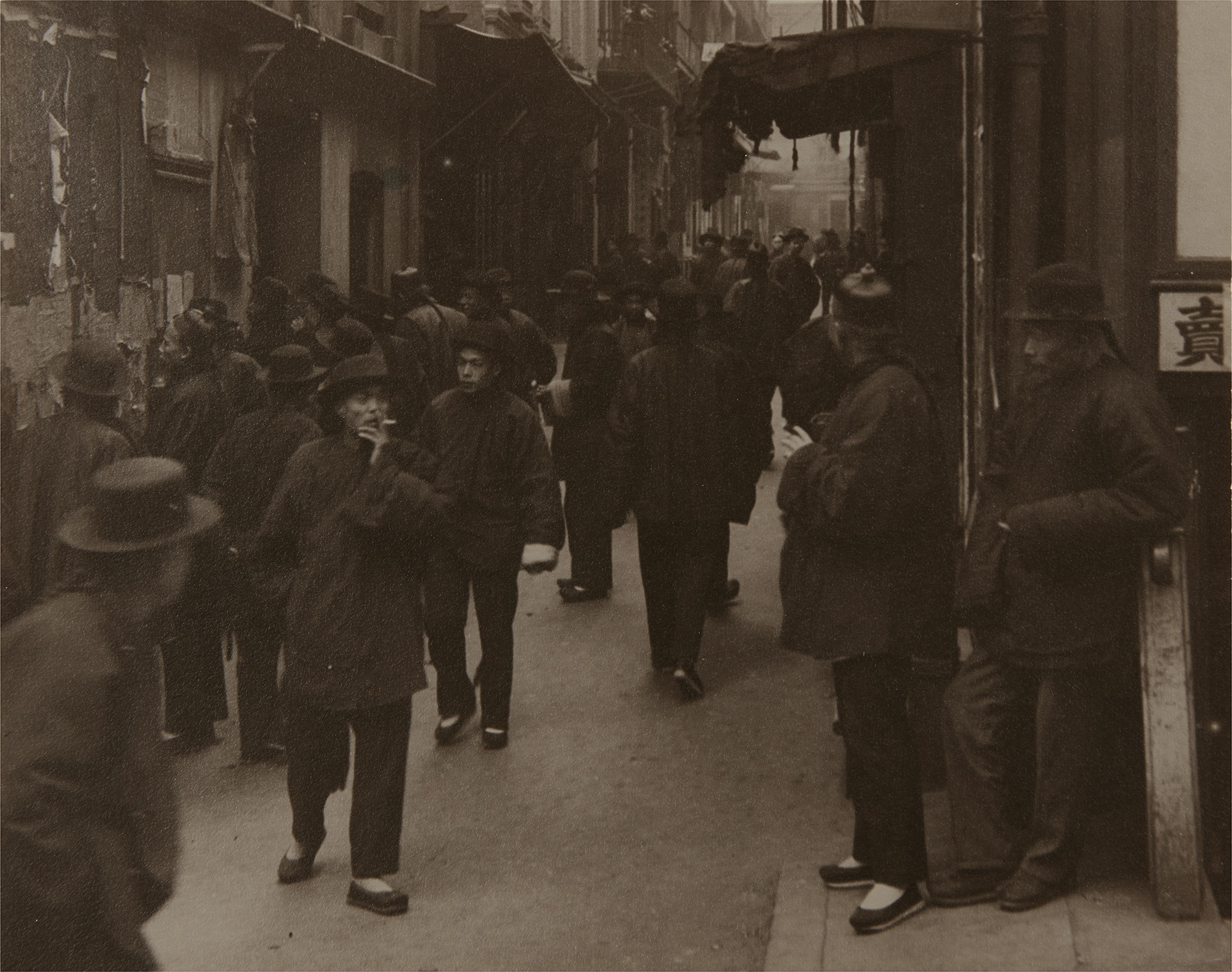
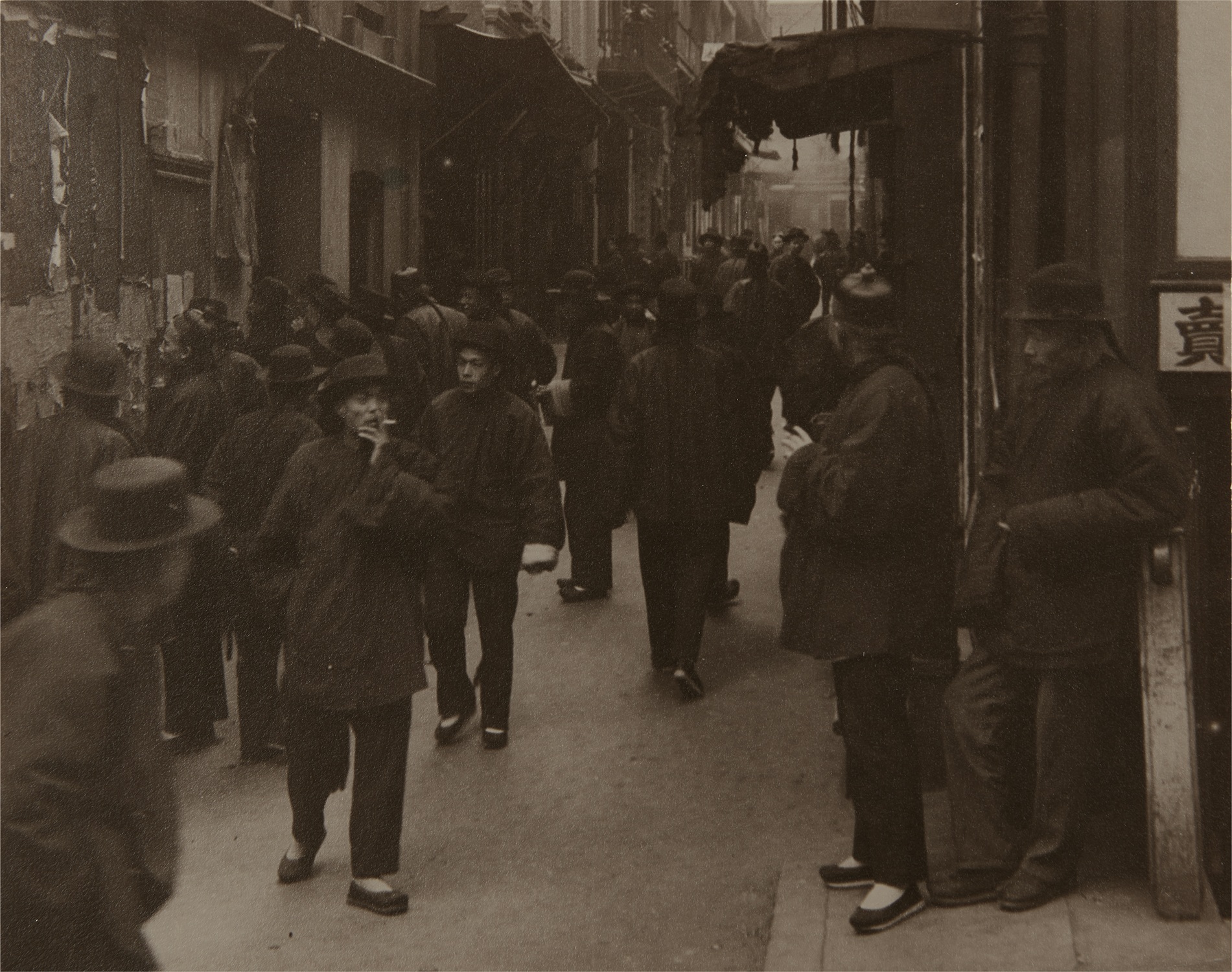
The Street of the Gamblers (by Day), Chinatown, San Francisco
They also tell us everything about the man behind them: instinctive, fearless, and possessed of an artist's eye that could find formal beauty in the most devastating of circumstances. Arnold Genthe was born in Berlin in 1869, into a cultured and intellectually ambitious family. His father was a professor, and Genthe himself pursued rigorous academic training, earning a doctorate in philology from the University of Jena. He arrived in San Francisco in 1895 as a tutor to the children of a prominent family, intending a brief stay before returning to an academic career in Germany.
California had other plans. The city's extraordinary social texture, and in particular the labyrinthine streets of its Chinatown district, captivated him entirely. He taught himself photography almost on a whim, purchasing a small camera and beginning to wander the neighborhood with a curiosity that was equal parts scholarly and deeply personal. What set Genthe apart from the very beginning was his commitment to candid, unposed observation.
Arnold Genthe
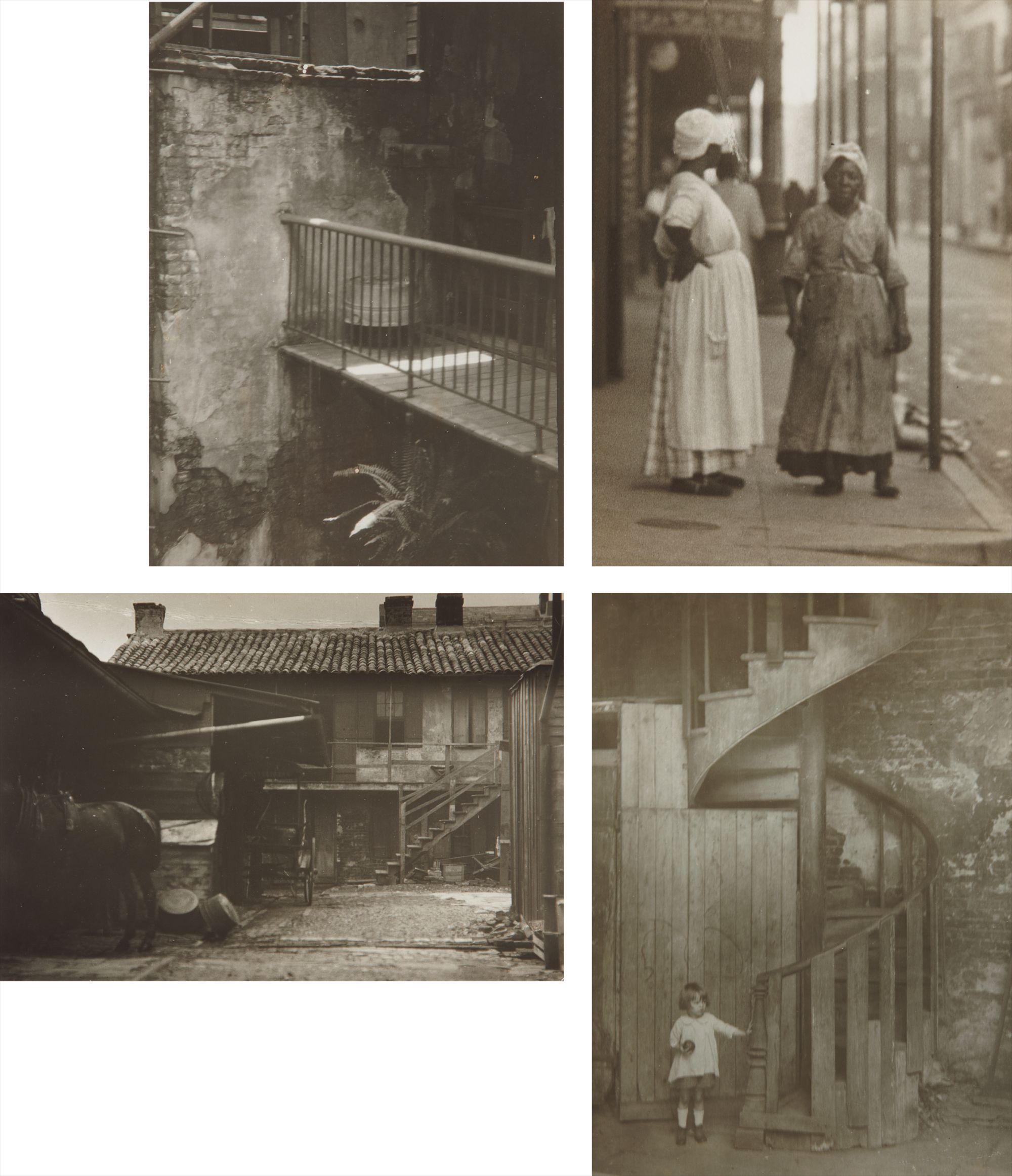
Selected Images
In an era when portrait photography meant stiff formality and long exposures under artificial light, Genthe preferred to conceal his camera beneath his coat and capture subjects as they actually lived. His photographs of San Francisco's Chinatown, made between roughly 1895 and 1906, constitute one of the great documentary achievements of the pictorialist period. These images show merchants, gamblers, children, and elders in moments of genuine spontaneity, suffused with atmosphere and shadow, alive with the textures of daily existence. The Street of the Gamblers, among his most celebrated Chinatown compositions, captures the crowded sociality of a daytime street scene with a painter's instinct for light and crowd geometry.
It is at once reportage and art, a distinction Genthe refused to honor. After the earthquake destroyed much of San Francisco, Genthe relocated eventually to New York, where he established himself as one of the preeminent portrait photographers of the early twentieth century. His studio on Fifth Avenue became a destination for the cultural and social elite of the Gilded Age and the years that followed. He photographed Presidents Theodore Roosevelt and Woodrow Wilson, as well as luminaries including Greta Garbo, whose famous early portraits by Genthe are widely credited with helping launch her American career.
Arnold Genthe
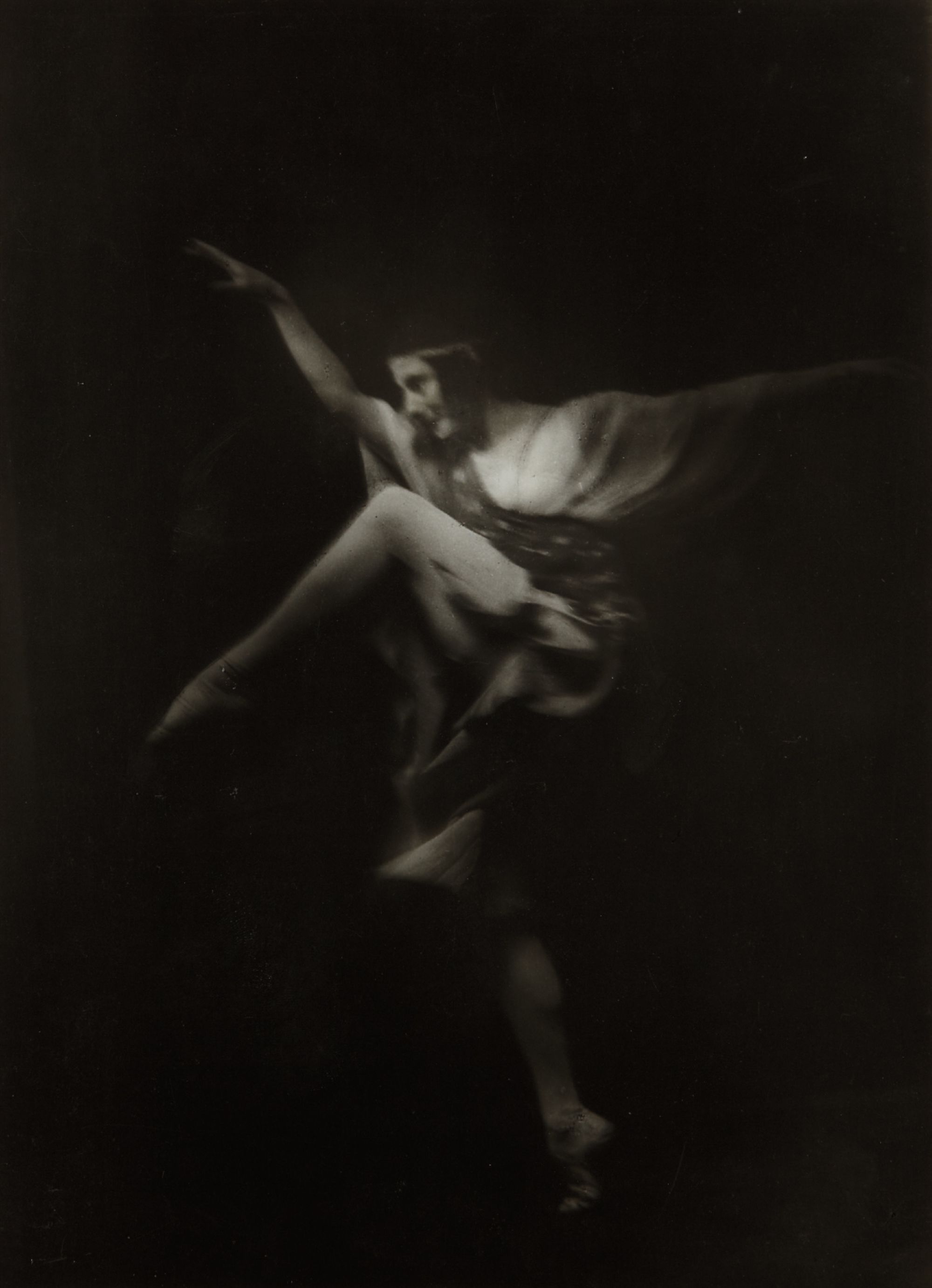
Anna Pavlowa
His portrait of the dancer Anna Pavlova, rendered in the soft, luminous tones of gelatin silver print, reveals his particular gift for capturing performers in a register that is neither documentary nor purely pictorialist but something more elusive and alive. He understood movement, stillness, and the charged space between the two. Genthe's practice evolved fluidly across decades and subjects. He was a skilled colorist who experimented with Autochromes, the early color photography process developed by the Lumière brothers, producing botanical and landscape studies of considerable beauty.
He traveled extensively, making photographs in Japan, New Orleans, and across Europe. His 1908 book on San Francisco's Chinatown, illustrated with his own photographs, brought his documentary work to a wide audience and remains a foundational text in the history of American photography. His 1937 autobiography, As I Remember, offers a vivid first person account of a life lived at the intersection of art, society, and historical upheaval. Through all of it, Genthe maintained the sensibility of a humanist, someone who photographed people because he found them endlessly, tenderly interesting.
Arnold Genthe
San Francisco Earthquake, 1906
For collectors, Genthe's work represents a rare convergence of historical significance and aesthetic pleasure. His Chinatown photographs document a community and a city that no longer exist in any recognizable form, which gives them an archival weight that deepens their artistic value considerably. Original gelatin silver prints from his San Francisco period appear at auction with relative infrequency, and when they do surface, they attract serious attention from both photography specialists and broader collections focused on American cultural history. His portrait work, including studies of dancers and theatrical figures, appeals to collectors drawn to the pictorialist tradition, placing Genthe in natural conversation with contemporaries such as Edward Steichen, Gertrude Käsebier, and Clarence White, all of whom were navigating the same fertile territory between fine art aspiration and photographic practice in the early decades of the twentieth century.
Alfred Stieglitz, the great champion of photography as a fine art, was a figure whose circle overlapped meaningfully with Genthe's world, and understanding that network enriches the reading of his work considerably. Genthe's legacy has only grown more resonant as photography has claimed an ever more central place in art historical discourse and the collecting market. His earthquake photographs in particular have taken on fresh relevance in an era preoccupied with climate catastrophe and urban vulnerability, images that show a city unmade in hours and a photographer who responded not with paralysis but with clear, compassionate attention. Museums including the Library of Congress and the Fine Arts Museums of San Francisco hold significant bodies of his work, and scholarly interest in his Chinatown photographs has intensified alongside broader conversations about representation, community, and the ethics of documentary practice.
He was a man of his time in some respects, but the best of his photographs transcend their historical moment entirely. They ask you to look, and then they make it impossible to look away. To encounter Genthe's work on the market today is to encounter photography at a pivotal and electrifying moment in its own history, a moment when the medium was still arguing for its right to be called art, and when certain practitioners were winning that argument image by image. Genthe was one of those practitioners.
His prints carry the particular authority of someone who understood both the camera's documentary power and its capacity for genuine feeling. For a collector building a serious photography collection, or for someone seeking a work of genuine historical consequence, his photographs offer something increasingly rare: beauty and meaning held in perfect, unhurried balance.
Explore books about Arnold Genthe