Anya Myagkikh
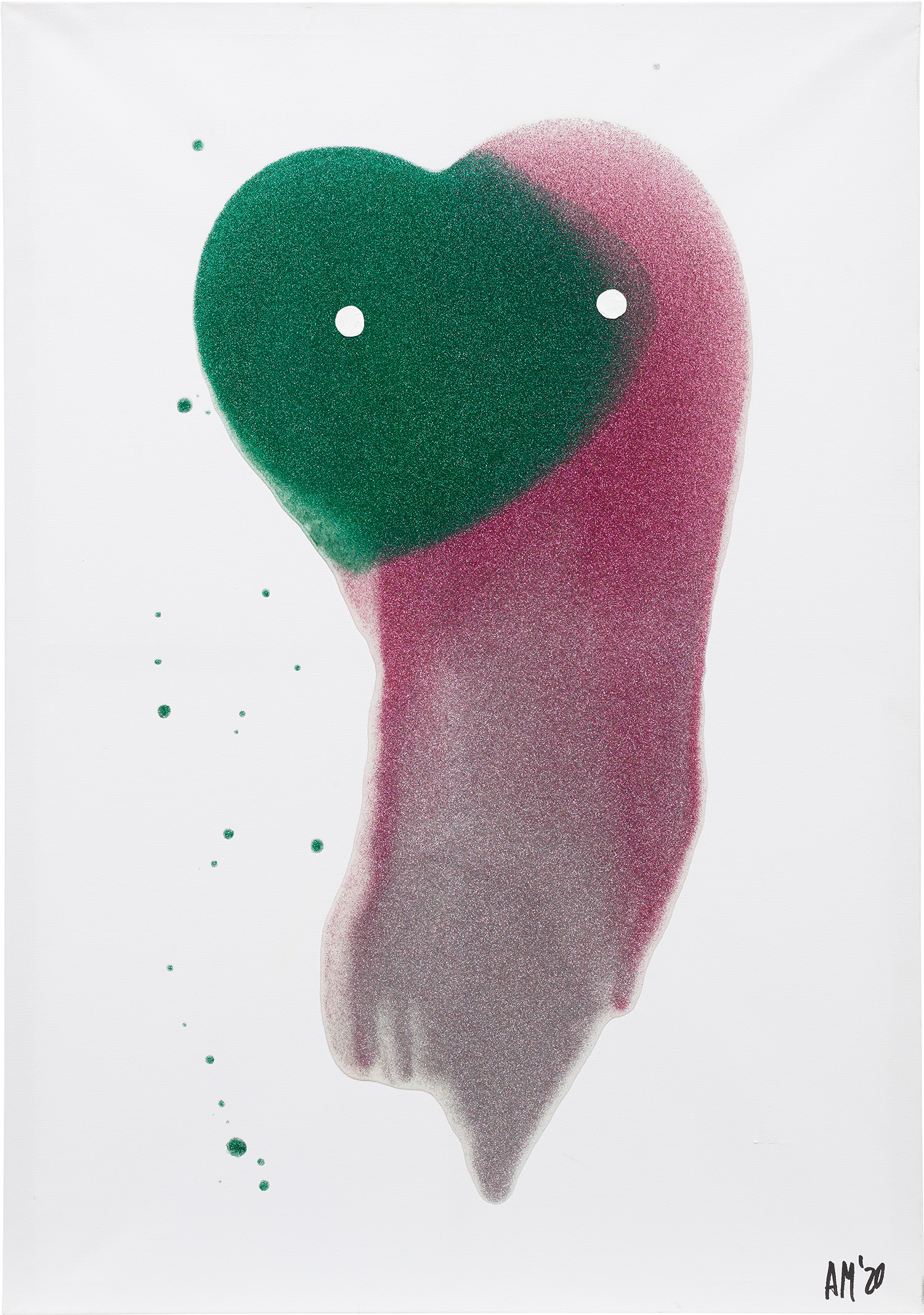
Anya Myagkikh Brings Glittering Vulnerability Into View
Artist Spotlight · The Collection Editorial
Something is shifting in the broader conversation around Ukrainian contemporary art, and Anya Myagkikh sits at the centre of that shift. In the years following 2022, international collectors and curators have turned with renewed attention toward the cultural production emerging from Ukraine, seeking to understand not just the geopolitical moment but the long, rich artistic lineage that precedes and surrounds it. Myagkikh, with her luminous figurative paintings and a practice rooted in emotional honesty, has found herself exactly where discerning collectors want to look: at the intersection of deeply personal expression and a painterly tradition that carries centuries of weight. Myagkikh was born in Ukraine, a country whose artistic culture has long occupied a complicated and fertile position between Eastern European academic traditions and the modernist movements that swept through the Soviet and post Soviet world.
Anya Myagkikh
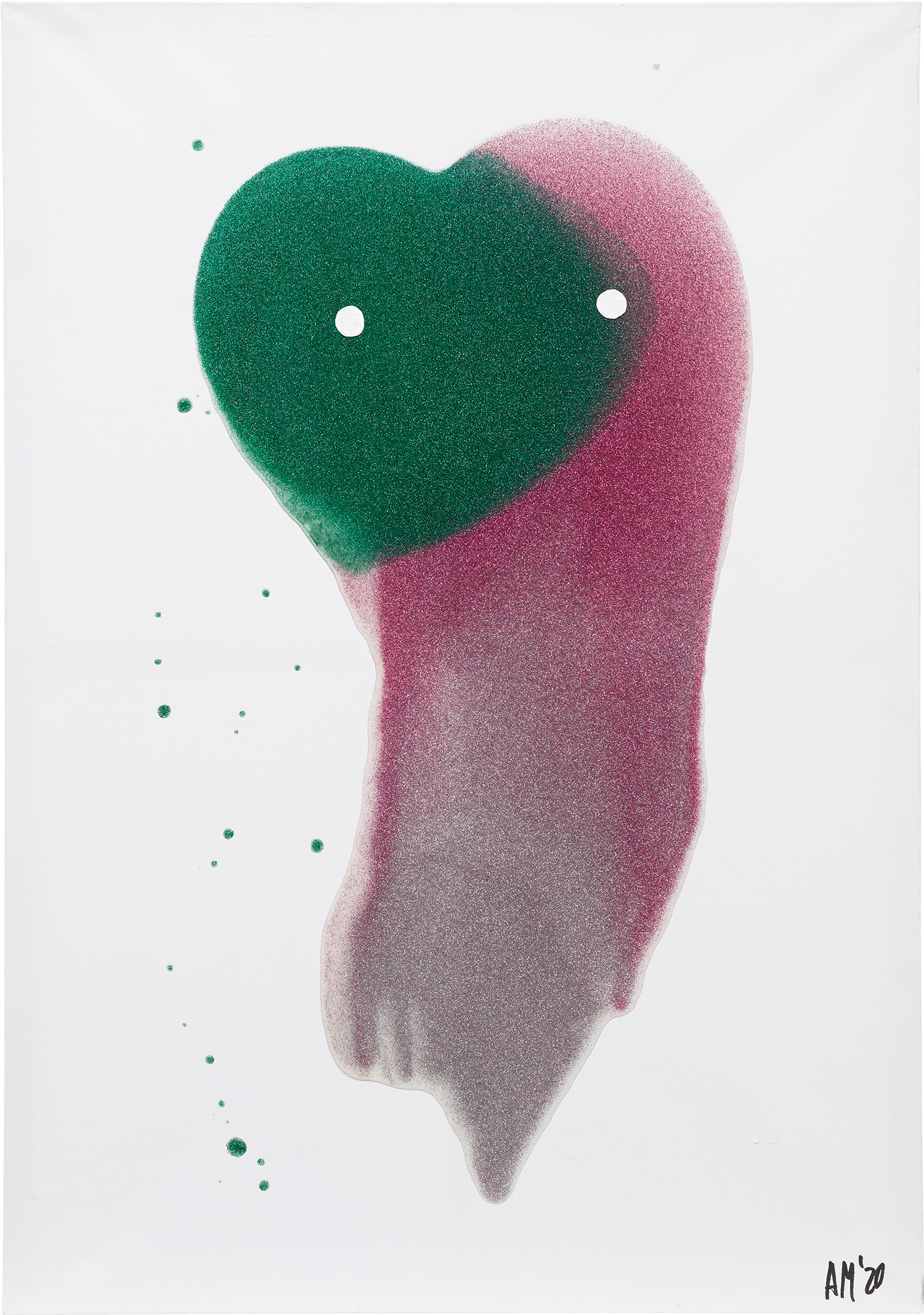
Dude 12, 2020
Growing up in that context means absorbing a particular visual grammar, one shaped by folk ornamentation, icon painting, and the rigorous figurative training that characterized art education across the region. These influences do not announce themselves loudly in her work, but they are present in the way she constructs a figure, in the confidence of her line, and in her instinctive understanding of color as something that carries emotional rather than merely descriptive meaning. Her development as a painter reflects a willingness to push against inherited conventions while remaining in genuine dialogue with them. Myagkikh works in a mode that could be called dreamed figuration, placing her subjects in compositions that feel simultaneously intimate and slightly unmoored from ordinary time.
Her figures, most often women, exist in a psychological space as much as a physical one. They do not perform for the viewer so much as inhabit their own interior worlds, and it is precisely this quality of self containment that makes her paintings feel so alive. The viewer senses that something important is happening just beyond the frame, or just beneath the surface of the canvas itself. The series of works titled under the "Dude" sequence, painted in 2020, offers one of the most compelling entry points into her practice.
Anya Myagkikh
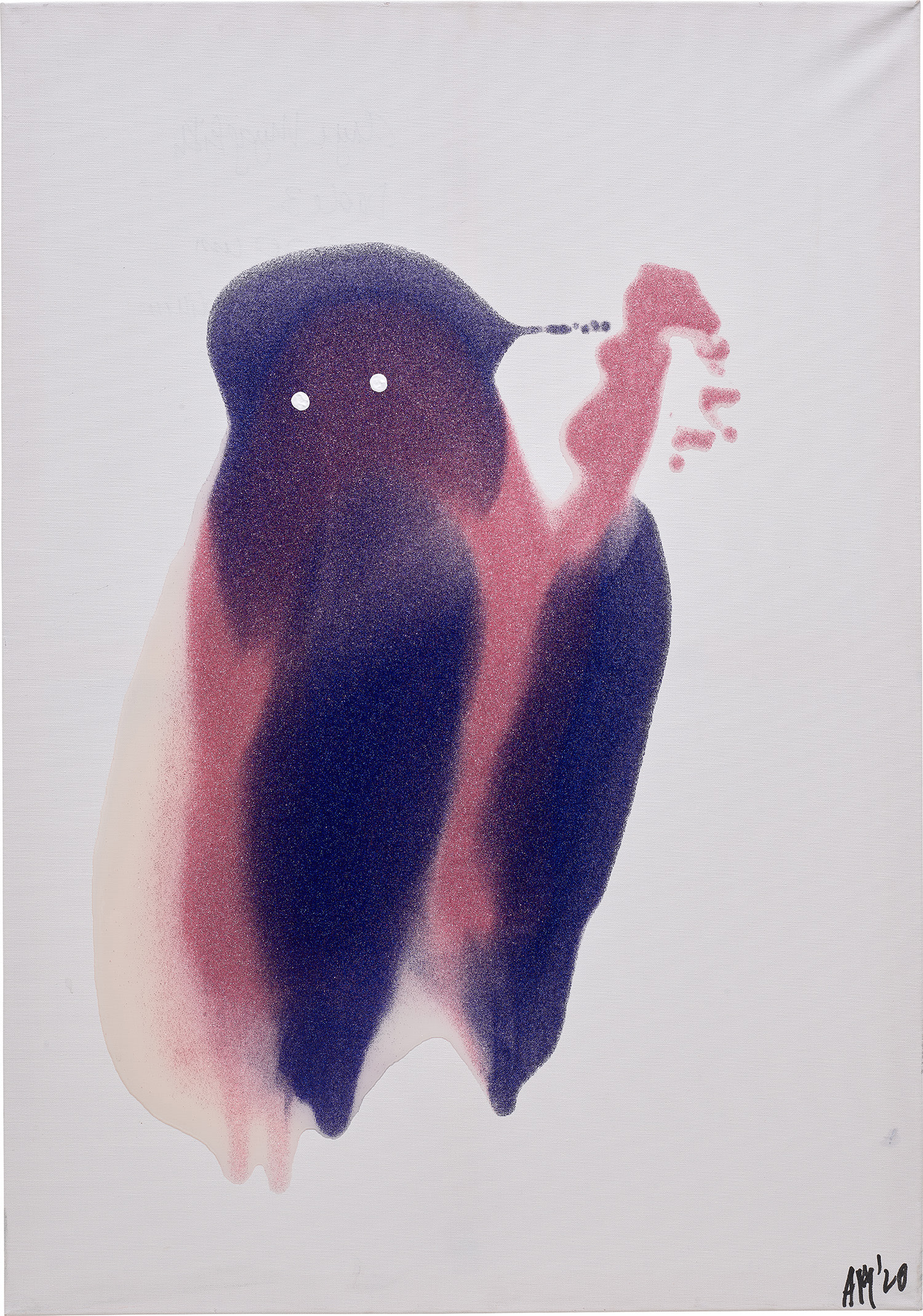
Dude 3, 2020
These works, executed in glitter, acrylic, and varnish on canvas, announce a visual proposition that is at once audacious and surprisingly tender. The use of glitter is worth pausing over, because in lesser hands it could register as ironic or decorative, a comment on surface rather than depth. In Myagkikh's paintings it does something altogether different. The glitter catches light unpredictably, shifting as the viewer moves, so that the figure seems to breathe or shimmer depending on where one stands.
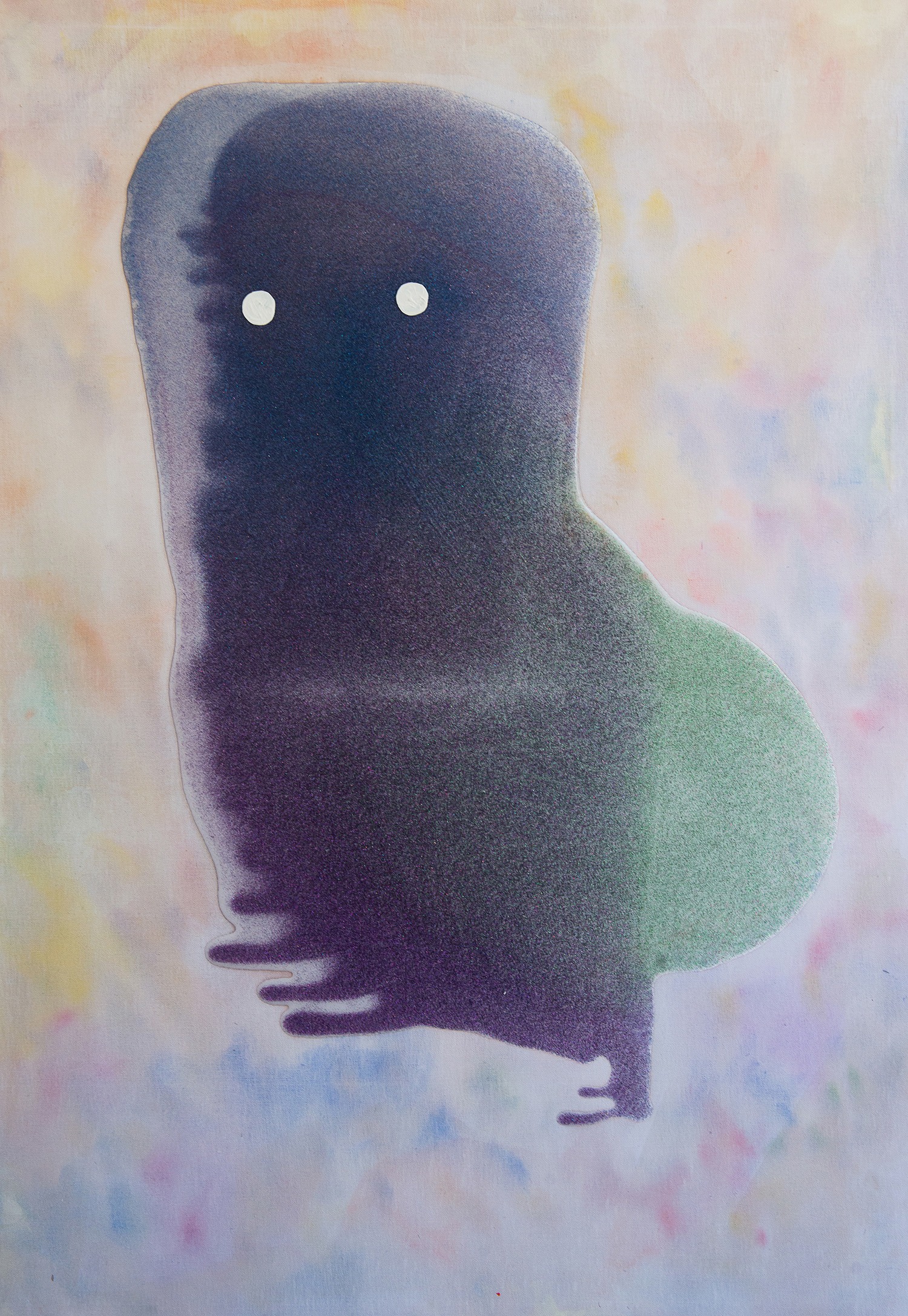
The surface becomes active, even alive, and this aligns perfectly with her broader interest in the instability of emotional states and the way memory transforms what we think we know about another person or a moment. Works from this series, including pieces that have come to be known individually as Dude 3, Dude 9, and Dude 12, demonstrate a painterly confidence that belies any sense of novelty seeking. These are serious compositions dressed in radiant materiality. The varnish she layers over the acrylic and glitter adds another dimension of complexity.
Anya Myagkikh
Dude 9, 2020
It creates a depth within the surface, a kind of lamination of reality, as if the figure is being preserved or seen through glass. This formal choice resonates with her thematic preoccupations around memory and vulnerability. Memory does exactly this: it fixes a person or feeling in a particular light, makes it simultaneously more vivid and more inaccessible. Myagkikh's technical choices are not accidental flourishes but structural expressions of what she is trying to say about human experience.
For collectors who appreciate work that operates on multiple registers at once, formally, emotionally, and intellectually, this layering is one of the most rewarding aspects of engaging with her paintings in person. Comparisons have been drawn between Myagkikh's work and a range of contemporary figurative painters who have gained significant critical and market traction over the past decade. Her combination of expressive brushwork, psychological interiority, and material invention places her in productive conversation with painters working across Europe and North America who share an investment in the figure as a site of emotional investigation. What distinguishes her is a quality that is harder to name but immediately recognizable: a certain warmth that prevents her work from tipping into cool detachment, and a specificity of feeling that keeps it from becoming generic.
These are paintings that remember what they are about even as they reach for something universal. From a collecting perspective, Myagkikh represents an opportunity that seasoned collectors recognize as increasingly rare: a genuinely original voice at an early stage of broader institutional recognition. Her appearance at auction has drawn attention from buyers who understand that the window for acquiring significant works by artists of this caliber does not stay open indefinitely. The emotional accessibility of her paintings, the way they invite sustained looking rather than demanding art historical credentials from the viewer, makes them well suited to living with over time.
They reward return visits. Collectors who have placed her works in domestic settings consistently report that the paintings change with the light and with the viewer's own emotional state, which is precisely the mark of work that has lasting presence rather than merely fashionable appeal. Myagkikh matters right now not only because of her individual gifts but because of what she represents in a larger cultural moment. Ukrainian artists are being seen with fresh eyes by a global audience, and the best of them, Myagkikh among them, are demonstrating that their work was never simply a regional curiosity but a genuine contribution to the international conversation about what painting can do and say.
Her practice is a reminder that vulnerability is not weakness, that the dreamlike and the emotionally true are not opposites of the rigorous and the formally considered, and that glitter and varnish, applied with intention and intelligence, can carry as much meaning as any paint on any canvas in the world.