Ansel Adams
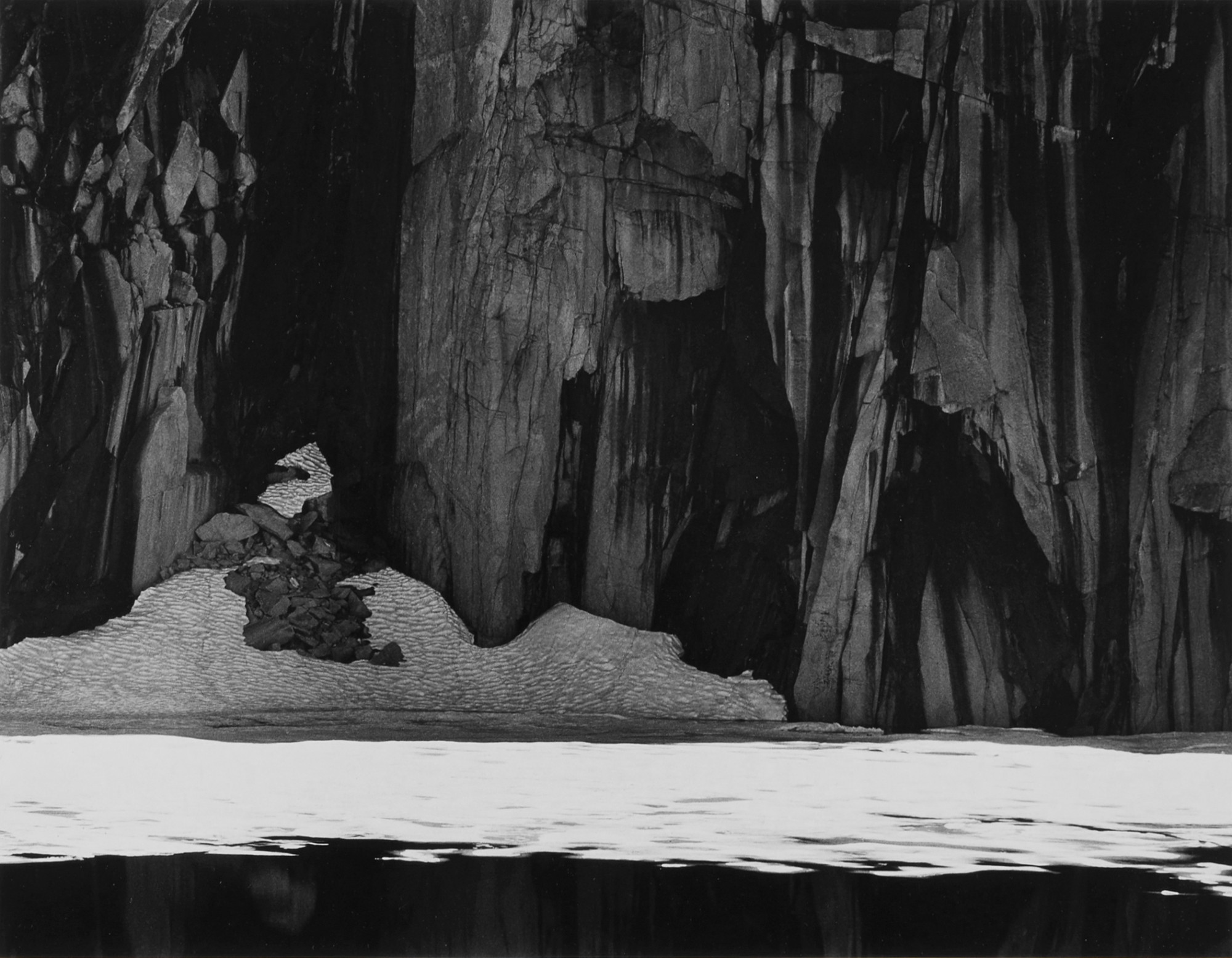
Ansel Adams: Light, Land, and Legacy
Artist Spotlight · The Collection Editorial
“You don't take a photograph, you make it.”
Ansel Adams
In the spring of 2024, the Museum of Modern Art in New York mounted a sweeping reassessment of American modernist photography, and once again the name Ansel Adams commanded the room. His gelatin silver prints, with their breathtaking tonal range and almost architectural sense of composition, reminded a new generation of visitors why his vision of the American West remains one of the most powerful bodies of work in the history of the medium. Adams is not simply a beloved figure from the past. He is an ongoing presence, a standard against which landscape photography continues to measure itself, and a touchstone for collectors who understand that the finest photographs are as intellectually and emotionally demanding as any painting or sculpture.
Ansel Adams
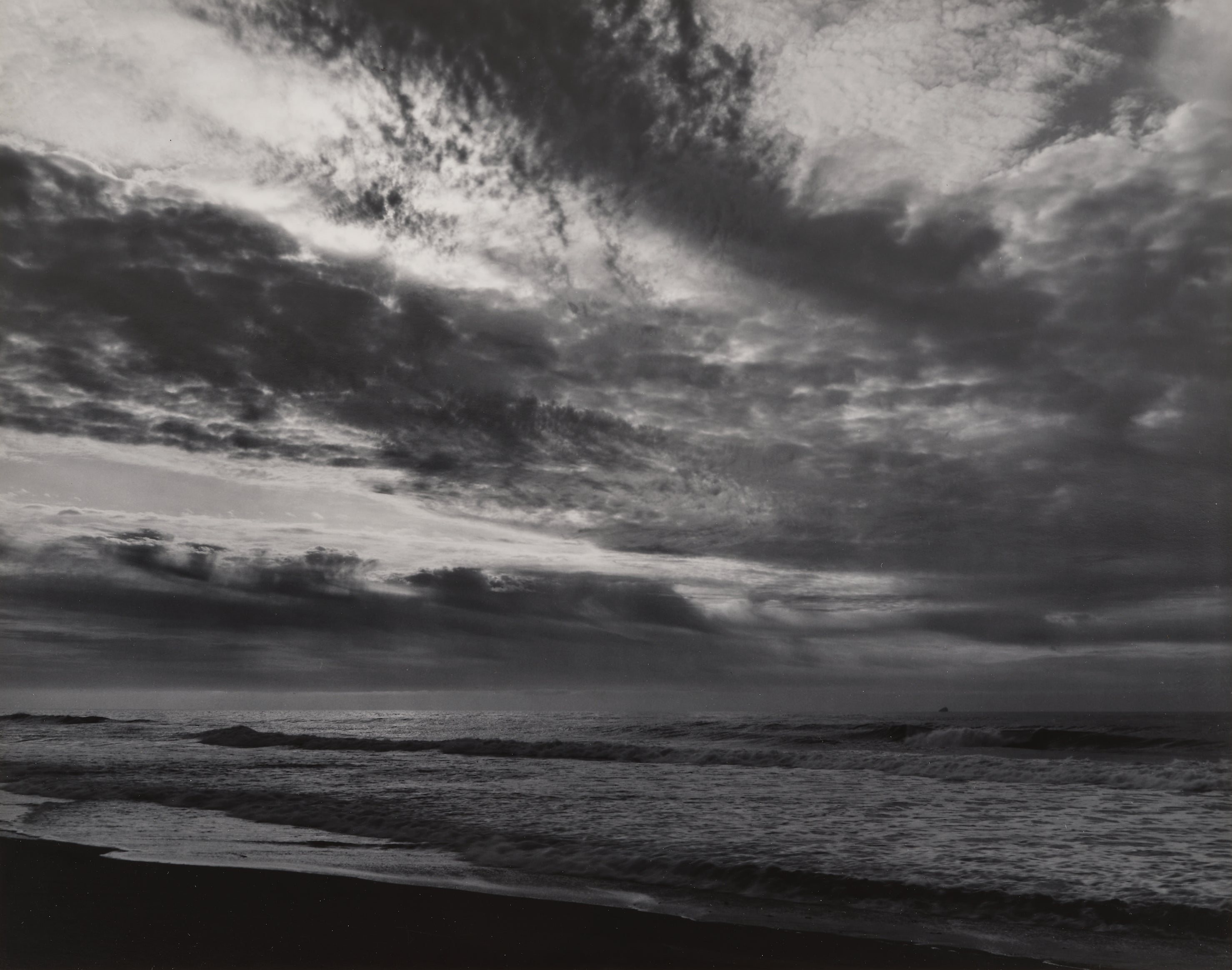
Beach, Evening, Northern California Coast
Ansel Easton Adams was born in San Francisco in 1902, the only child of a prosperous family living near the Golden Gate. His early years were shaped by the open landscape of the Marin Headlands and the restless, curious energy of a boy who found formal schooling difficult but the natural world endlessly absorbing. A diagnosis of what was likely a mild form of hyperactivity led his father to withdraw him from school, and much of his education unfolded through self directed reading, piano study, and long solitary walks along the California coast. That intimate early relationship with Pacific light, with fog rolling over headlands and sun breaking across open water, would prove foundational.
When the Adams family first visited Yosemite Valley in 1916, the fourteen year old Ansel brought along a Kodak Box Brownie camera. That summer changed the direction of his life entirely. For the first decade of his serious engagement with photography, Adams remained genuinely torn between the camera and the piano. He trained rigorously as a pianist and at various points considered a concert career.
Ansel Adams
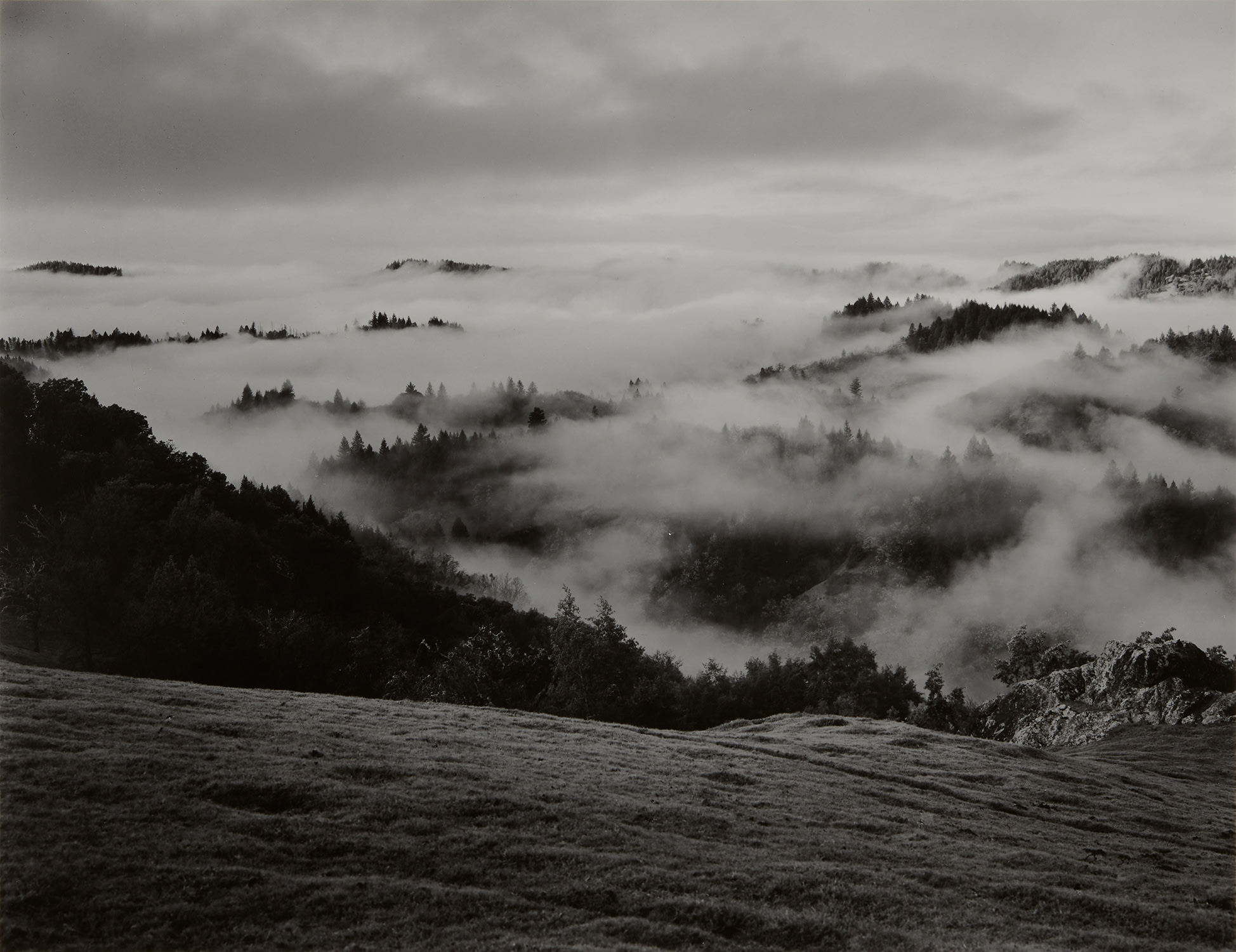
Clearing Storm, Sonoma County Hills, California
But by the late 1920s, photography had won. A pivotal influence was his encounter with Paul Strand, whose disciplined, formally rigorous approach to the medium convinced Adams that photography deserved to be taken as seriously as any fine art. Adams also drew deeply from his relationship with Alfred Stieglitz, the great impresario of American modernism, who gave Adams his first significant New York exhibition at his gallery An American Place in 1936. That show announced Adams to the broader art world as a fully formed master, not a scenic photographer but a genuine artist working at the intersection of perception, technique, and feeling.
“A great photograph is one that fully expresses what one feels, in the deepest sense, about what is being photographed.”
Ansel Adams, "Examples: The Making of 40 Photographs", 1983
The development that most transformed Adams from a gifted photographer into a visionary one was his articulation of the Zone System, developed in collaboration with fellow photographer Fred Archer around 1939 and 1940. The Zone System offered a rigorous method for previsualization, the practice of imagining the final print before the shutter was ever released. By mapping the full tonal range of a scene onto a scale from pure black to pure white, Adams could control the exposure and development of film and paper with extraordinary precision. This technical mastery was never an end in itself.
Ansel Adams
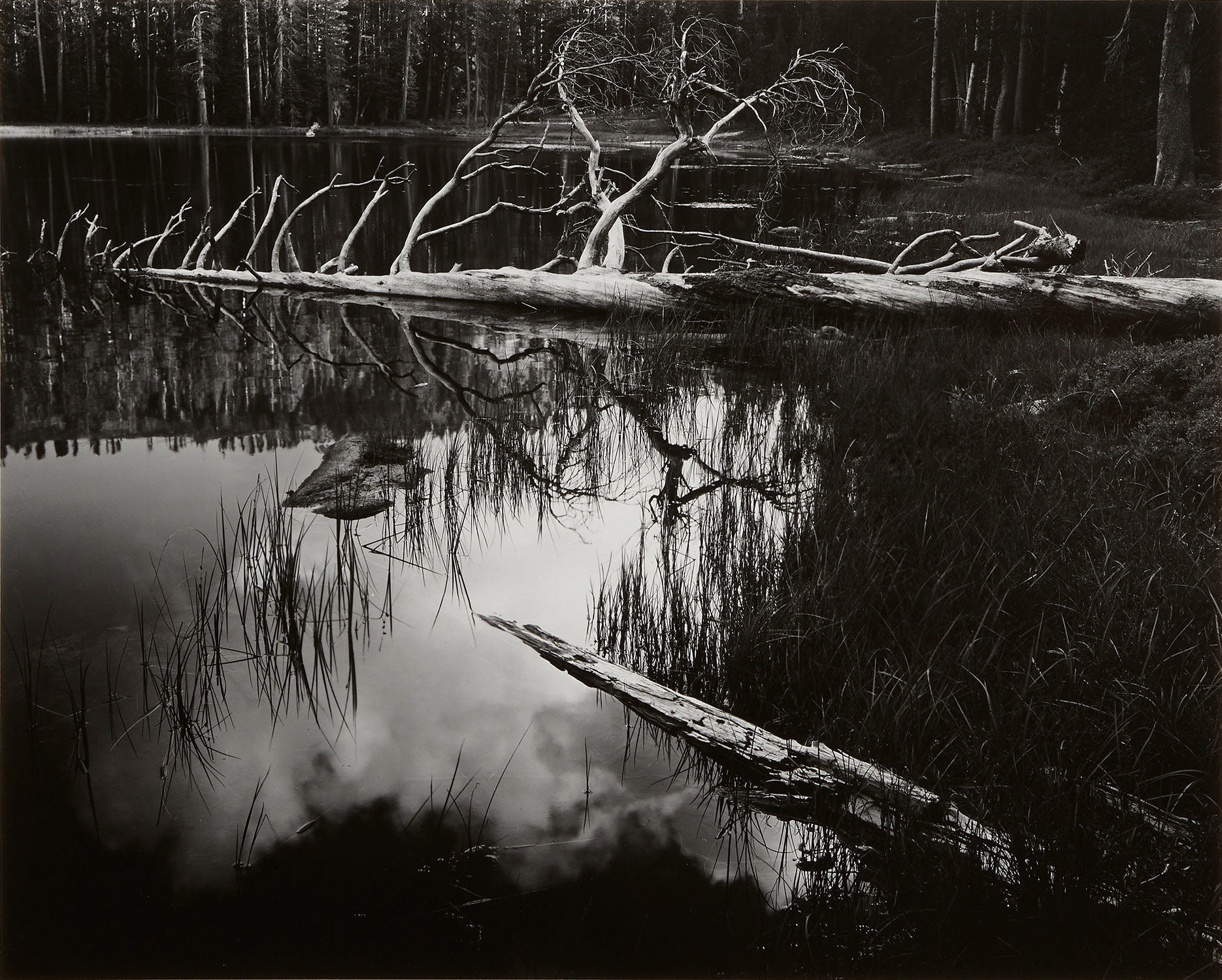
Siesta Lake, Yosemite National Park, California
It was the means by which Adams translated felt experience into visible form. The system empowered him to render the luminous interior of a breaking cloud, the velvet shadow pooling beneath a granite overhang, or the silver shimmer of a Sierra Nevada lake with a fidelity that felt less like documentation than revelation. The works that collectors and institutions prize most highly demonstrate this fusion of technical command and lyrical vision. "Moonrise, Hernandez, New Mexico," captured in 1941, is perhaps the single most recognizable American photograph of the twentieth century, its luminous moon suspended above a modest New Mexican village achieving a quality of transcendence that no amount of familiarity has diminished.
“No man has the right to dictate what other men should perceive, create, or produce, but all should be encouraged to reveal themselves.”
Ansel Adams
Among the works available through The Collection, pieces such as "Clearing Storm, Sonoma County Hills, California" and "Thunderstorm, Ghost Ranch, Chama Valley, New Mexico" from 1937 reveal the full range of Adams's atmospheric intelligence. "Siesta Lake, Yosemite National Park, California" exemplifies his capacity to find in stillness a kind of vibrating intensity, while "Jeffrey Pine on Sentinel Dome" presents a single windswept tree against an immense sky with the monumental clarity of a classical portrait. These are not decorative images. They are arguments about the nature of attention and the responsibilities that come with it.
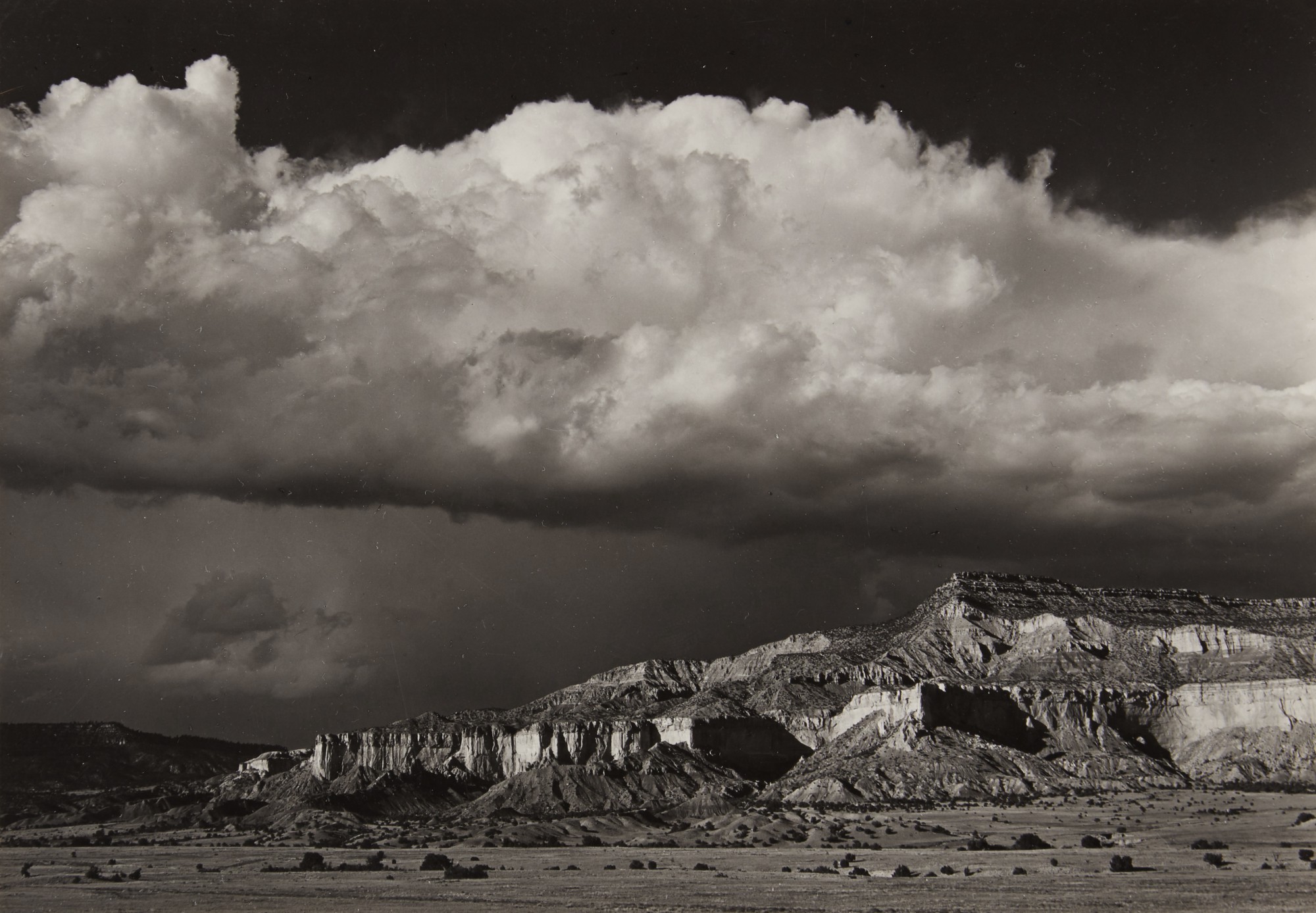
Ansel Adams
'Clouds - New Mexico'
From a collecting perspective, Adams occupies what the market calls blue chip status within fine art photography, a designation earned through sustained institutional validation, a deep and stable secondary market, and the enduring relevance of his subject matter. Vintage prints, meaning those made closest in time to the original negative, command the highest premiums at auction, but Adams supervised and signed later prints throughout his career with meticulous care, and these authorized editions retain significant value and provide collectors at a range of entry points an opportunity to acquire genuinely important work. Christie's, Sotheby's, and Phillips have all seen consistent strong results for Adams across decades, with major prints regularly achieving six figure sums. Collectors are advised to attend to the print date, the condition of the paper and image, and whether the work carries Adams's authentication.
The estate of Ansel Adams has maintained rigorous standards, and that institutional care adds a layer of confidence that benefits the entire market. To understand Adams fully it helps to situate him within the broader landscape of American modernist photography. He was a founding member of Group f/64, the California based collective formed in 1932 that also included Edward Weston, Imogen Cunningham, and Willard Van Dyke. The group championed straight photography, sharp focus, full tonal range, and an unmanipulated approach to the medium that stood in deliberate contrast to the soft focus pictorialism that had preceded it.
Where Weston brought an erotic intensity to organic forms and Cunningham pursued botanical and portrait work of great intimacy, Adams directed his gifts outward toward the vast theater of the American landscape. His work can also be productively compared to that of his contemporary Minor White, whose photographs share Adams's spiritual seriousness if not his geographical scope, and to the later generation of photographers such as William Clift and Philip Hyde who extended the tradition of landscape photography as a form of witness and advocacy. Adams died in Carmel, California in April 1984, but the questions his work raises have only grown more urgent in the decades since. In an era of accelerating climate disruption and the steady erosion of wild places, photographs like "Beach, Evening, Northern California Coast" or "LeConte Memorial Lodge, Yosemite Valley, California" function not merely as beautiful objects but as acts of testimony.
Adams was a tireless conservationist and a close friend to the Sierra Club, an organization whose cause he served with his camera as passionately as any public advocate. To collect Adams is to participate in that tradition of witness, to bring into one's home or institution an image that asks the viewer to consider what we have inherited, what we are tending, and what we owe to the landscapes that shaped us. His photographs do not age. They wait, with patience and luminous certainty, for the eyes that are ready to truly see them.
Explore books about Ansel Adams
Ansel Adams: An Autobiography
Ansel Adams with Mary Street Alinder
The Camera
Ansel Adams
The Negative
Ansel Adams
The Print
Ansel Adams
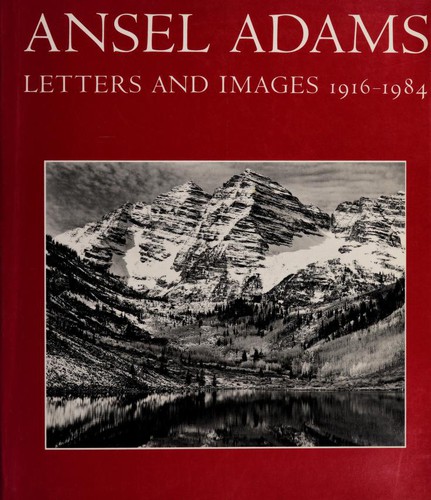
Ansel Adams: Letters and Images 1916-1984
Mary Street Alinder and Andrea Gray Stillman
Ansel Adams at 100
Andrea Gray Stillman and William A. Turnage
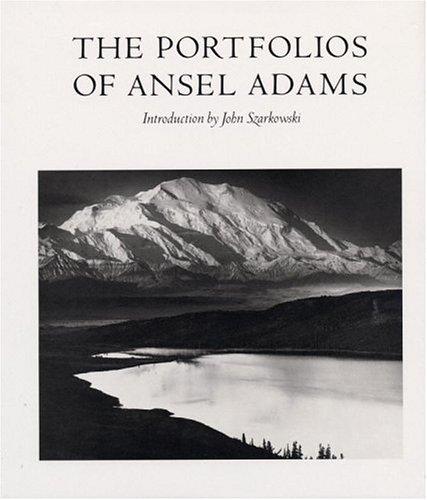
The Portfolios of Ansel Adams
Ansel Adams
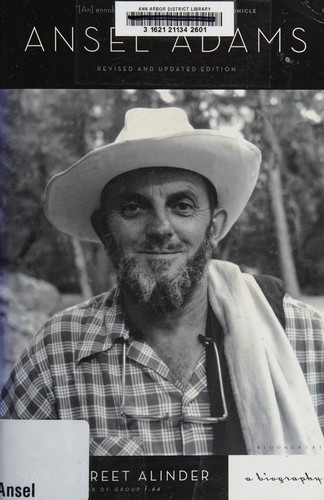
Ansel Adams: Classic Images
Tim Hill