Angela Heisch
Angela Heisch Turns Quiet Rooms Into Wonder
Artist Spotlight · The Collection Editorial
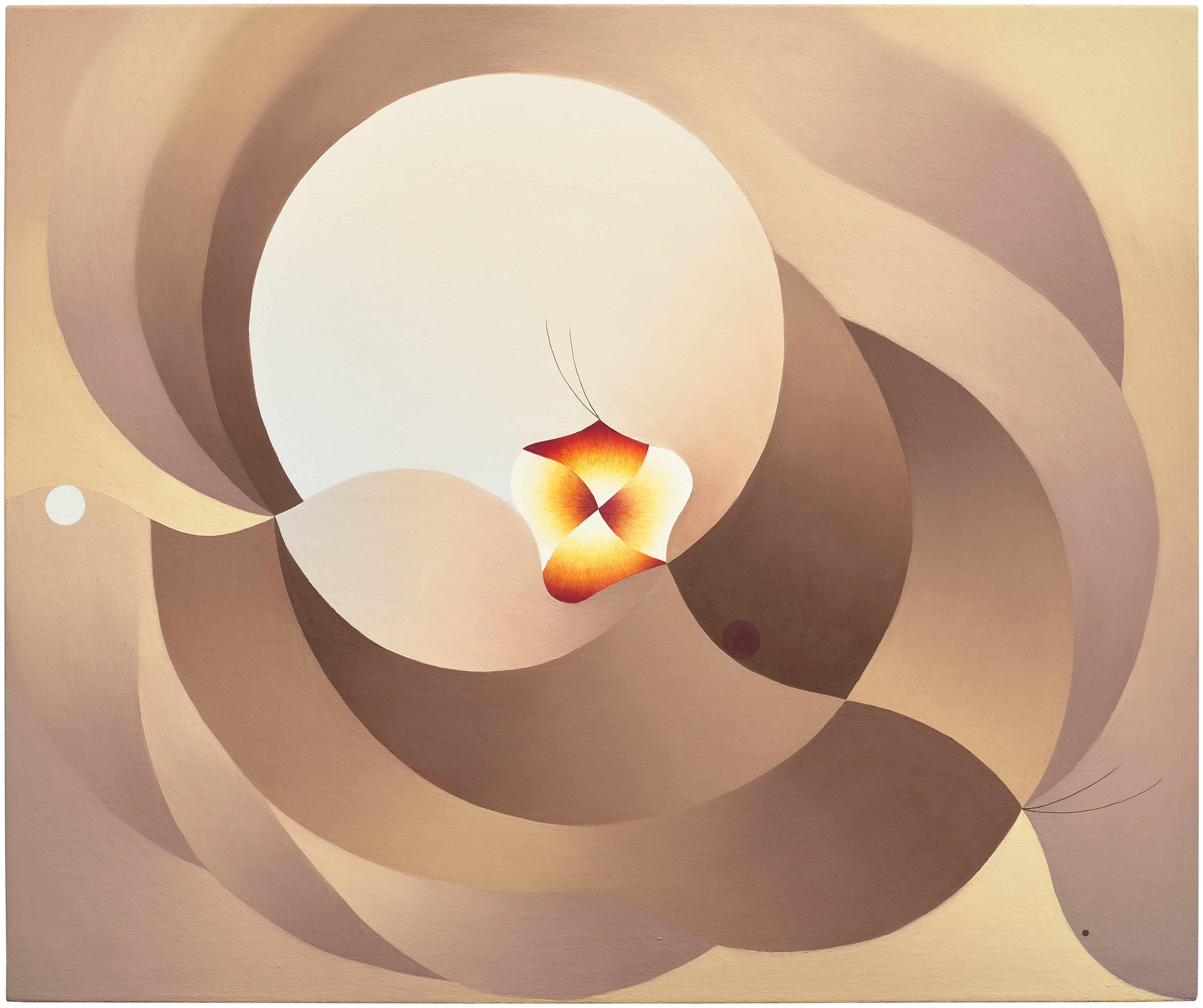
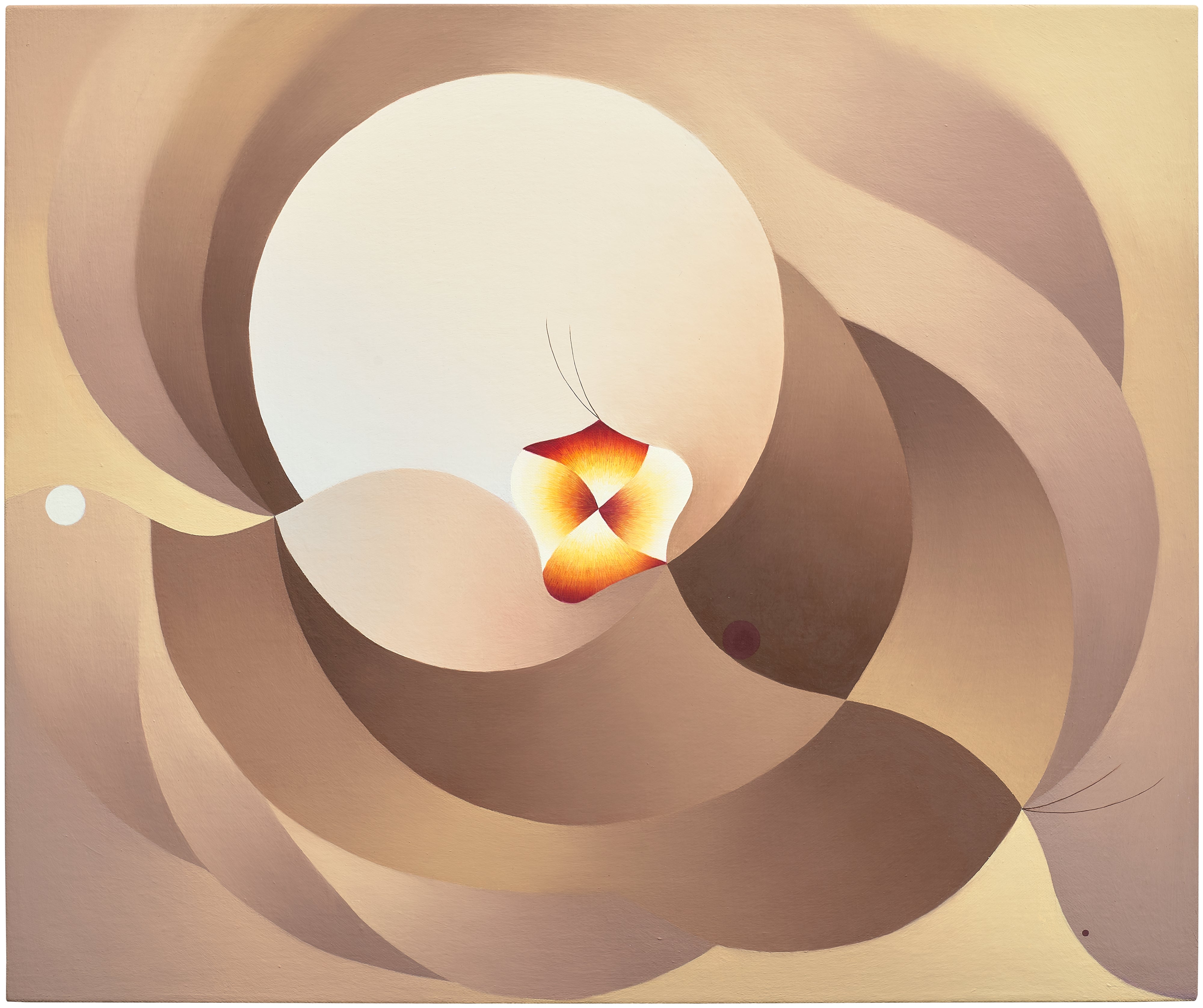
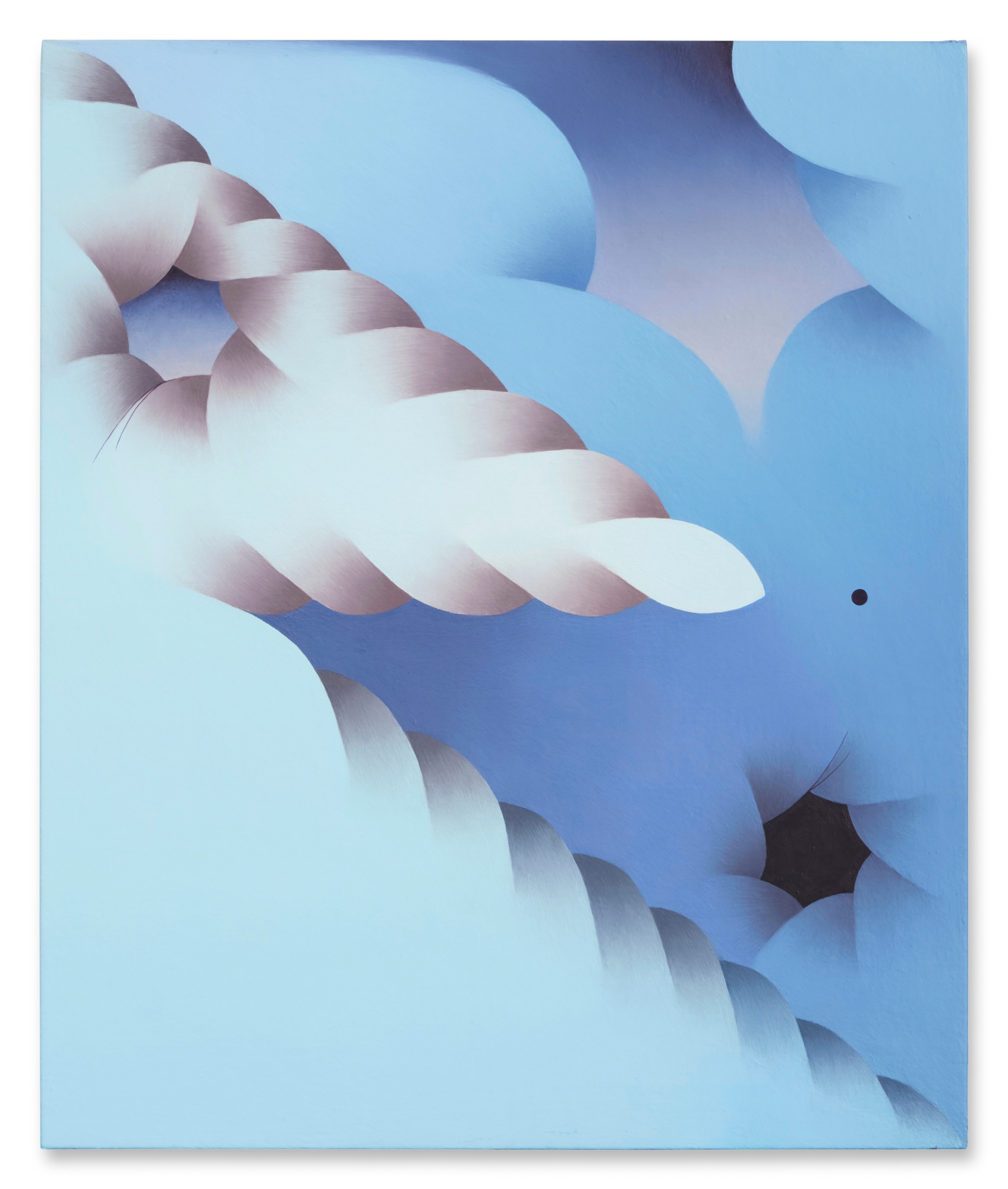
Something has shifted in the conversation around contemporary painting, and Angela Heisch sits at the center of it. Over the past several years, her work has moved from being a warmly regarded presence in New York's gallery circuit to something closer to essential, a touchstone for collectors and curators seeking painting that rewards sustained looking. Her 2020 series of oils on linen and canvas, works that include the quietly arresting "Sandy and the Moon" and the luminous "Eyes in the Sky," cemented her reputation as one of the most thoughtful painters working in the intimate register today. That these works continue to circulate among serious collectors is a testament not to market momentum alone but to their genuine staying power as objects of contemplation.
Angela Heisch
Sandy and the Moon, 2020
Heisch was born in 1986, and her formation as an artist unfolded during a period when American painting was negotiating competing claims on its soul. Figuration was reasserting itself after decades of theoretical pressure, and a new generation of painters was looking backward and forward simultaneously, drawing on the Dutch Golden Age, on American modernism, on the quiet interiors of Vilhelm Hammershoi and the saturated stillness of Giorgio Morandi, while remaining fully alive to the present. Heisch absorbed these influences without being overwhelmed by them. Her sensibility, shaped by close study and an evident love of art history, is distinctly her own, rooted in observation and in a willingness to let a painting breathe rather than perform.
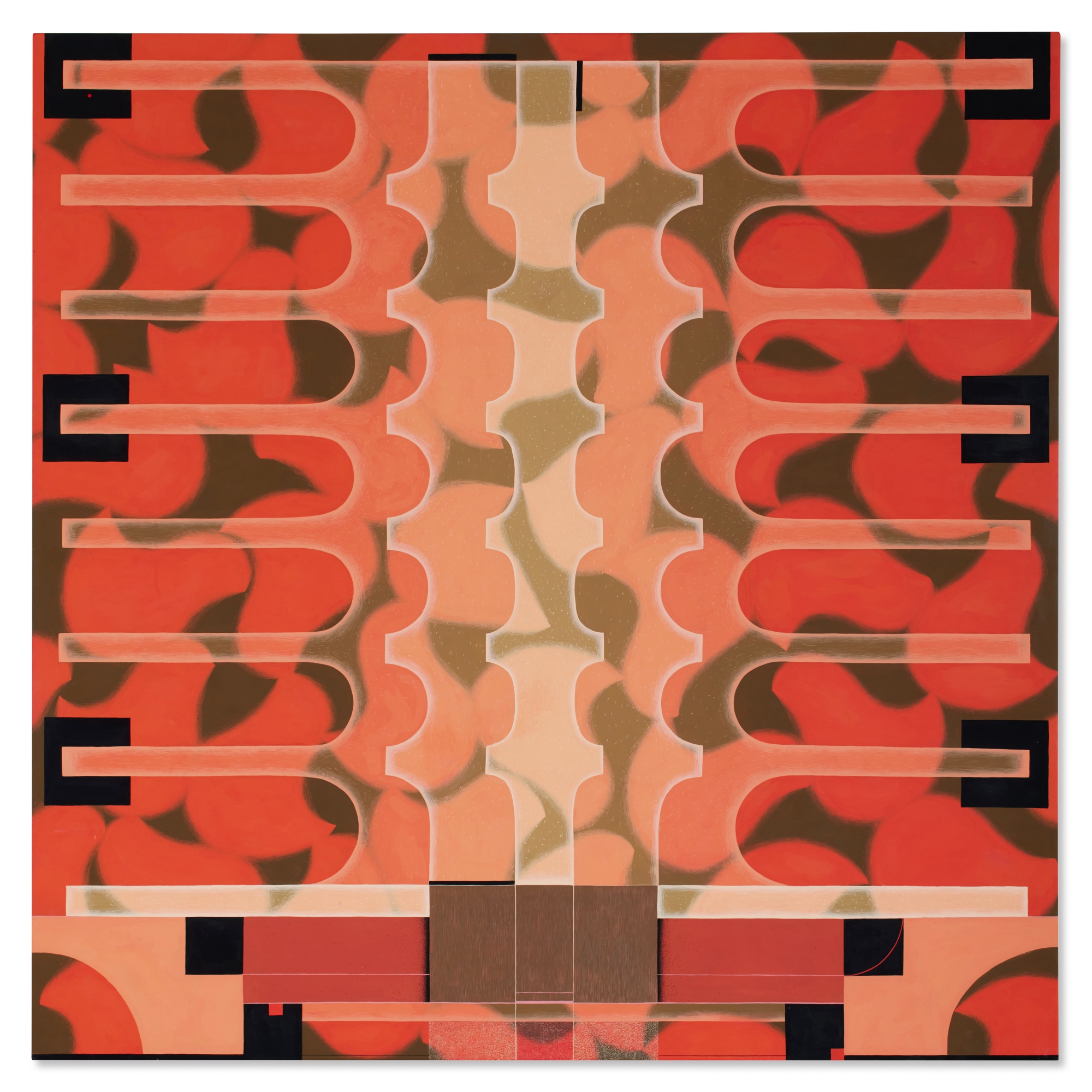
Her development as a painter shows a remarkable consistency of vision alongside a genuine evolution of means. Early works on linen mounted on panel, such as "Back Bone" from 2018, demonstrate an already assured command of surface and atmosphere. The panel support gives her canvases a particular quality of stillness, a tautness beneath the paint that seems to hold the image in suspension. By 2019 and 2020 she was pushing further into questions of light and interiority, as works like "Egg White Blue" and "Morning Holes" show.
Angela Heisch
Eyes in the Sky, 2020
These paintings are not illustrative. They are investigations, each one asking what a domestic space or a fragment of a figure can hold in terms of psychological weight and poetic resonance. The addition of pastel and gouache to her practice, visible in works on muslin and paper, speaks to a painter who is curious about touch as much as image. The signature works in Heisch's output share certain qualities that collectors consistently identify as central to their appeal.
The palette is muted but not dull, built from grays, off whites, dusty blues, and warm ochres that create an atmosphere closer to memory than to observation. Forms are rendered with enough specificity to feel grounded but enough softness to remain open, inviting the viewer to complete the image. "The Drain" from 2020 exemplifies this quality, its domestic subject matter elevated by the quality of attention Heisch brings to it. "Adult Resting on a Flower" in gouache on muslin offers something slightly different, a fragility of surface that mirrors the fragility of its subject, the human figure caught in a moment of suspension that feels neither wholly restful nor wholly awake.
Angela Heisch
Back Bone, 2018
Across all these works, there is a commitment to painting as a slow, deliberate act, one that accumulates meaning through patience rather than assertion. From a collecting perspective, Heisch represents an opportunity that has become increasingly rare in the current market: an artist whose prices remain accessible relative to the quality and ambition of the work, and whose trajectory is unmistakably upward. Her association with Karma, one of New York's most respected galleries and a reliable indicator of serious curatorial attention, provides both institutional validation and a degree of market stability. Collectors drawn to the broader resurgence of intimate figurative and still life painting, a movement that has placed painters like Cecily Brown, Luc Tuymans, and Michaël Borremans at the summit of the secondary market, would do well to look carefully at Heisch as a figure working in a related but distinct mode.
Her works on panel in particular have attracted consistent collector interest, and her output in works on paper, including chalk pastels like "Rolled Up Hills" from 2022 and unique pastel drawings such as "Wings," offers entry points at a range of price levels. The art historical context in which Heisch operates is rich and worth understanding for any collector seeking to place her work. She belongs to a lineage of painters for whom the domestic interior is not a lesser subject but a philosophical arena, a place where the largest questions about solitude, perception, and the nature of consciousness can be explored without grandstanding. Hammershoi's silent Copenhagen rooms, Morandi's arrangements of vessels on a shelf, Fairfield Porter's sun filled American interiors: these are genuine ancestors of Heisch's practice, and the connection is not merely stylistic.
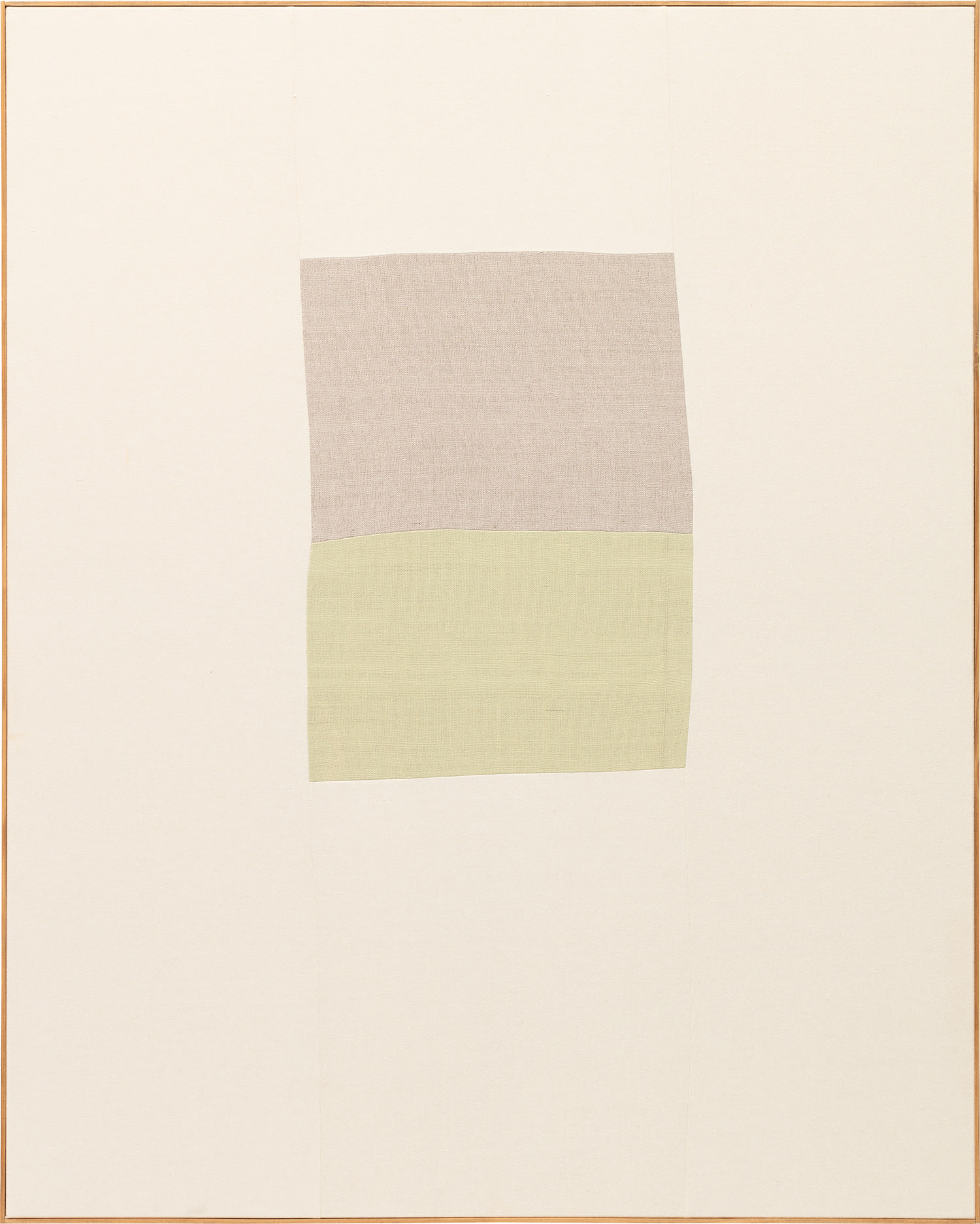
Angela Heisch
The Drain, 2020
It reflects a shared conviction that painting can locate the infinite in the ordinary. Among her contemporaries, comparisons to painters such as Janaina Tschape and Allison Gildersleeve illuminate the territory she occupies, though Heisch's particular combination of psychological intensity and formal restraint is entirely her own. What matters most about Angela Heisch, and what will secure her place in the longer story of American painting, is the quality of sustained attention she brings to subjects that other painters might overlook or sentimentalize. She does not make the quiet life look easy or small.
She makes it look like the entire world, seen from the inside out. For collectors who value painting as a practice of seeing rather than simply of acquiring, her work offers something genuinely precious: the sense that another consciousness has been at work in a room, looking hard at the things most of us pass by without stopping. In an art world that prizes spectacle and scale, that quality of focused, unhurried looking is not merely appealing. It is necessary.