André Kertész
André Kertész: A Tender Eye on Everything
Artist Spotlight · The Collection Editorial
“I write with light. Sometimes I am fast, sometimes slow. That depends on what I want to say.”
André Kertész
There is a photograph taken in Paris in 1926 that stops almost everyone who encounters it. A man reads on the banks of the Seine, his body curled into a comma of concentration, the river and the city arranging themselves behind him as though the world had conspired to be beautiful on his behalf. André Kertész made that image before photojournalism had a name, before street photography was taught in universities, before the camera was widely understood as an instrument of poetry. He simply walked out into the day and found what was already there, waiting.
André Kertész
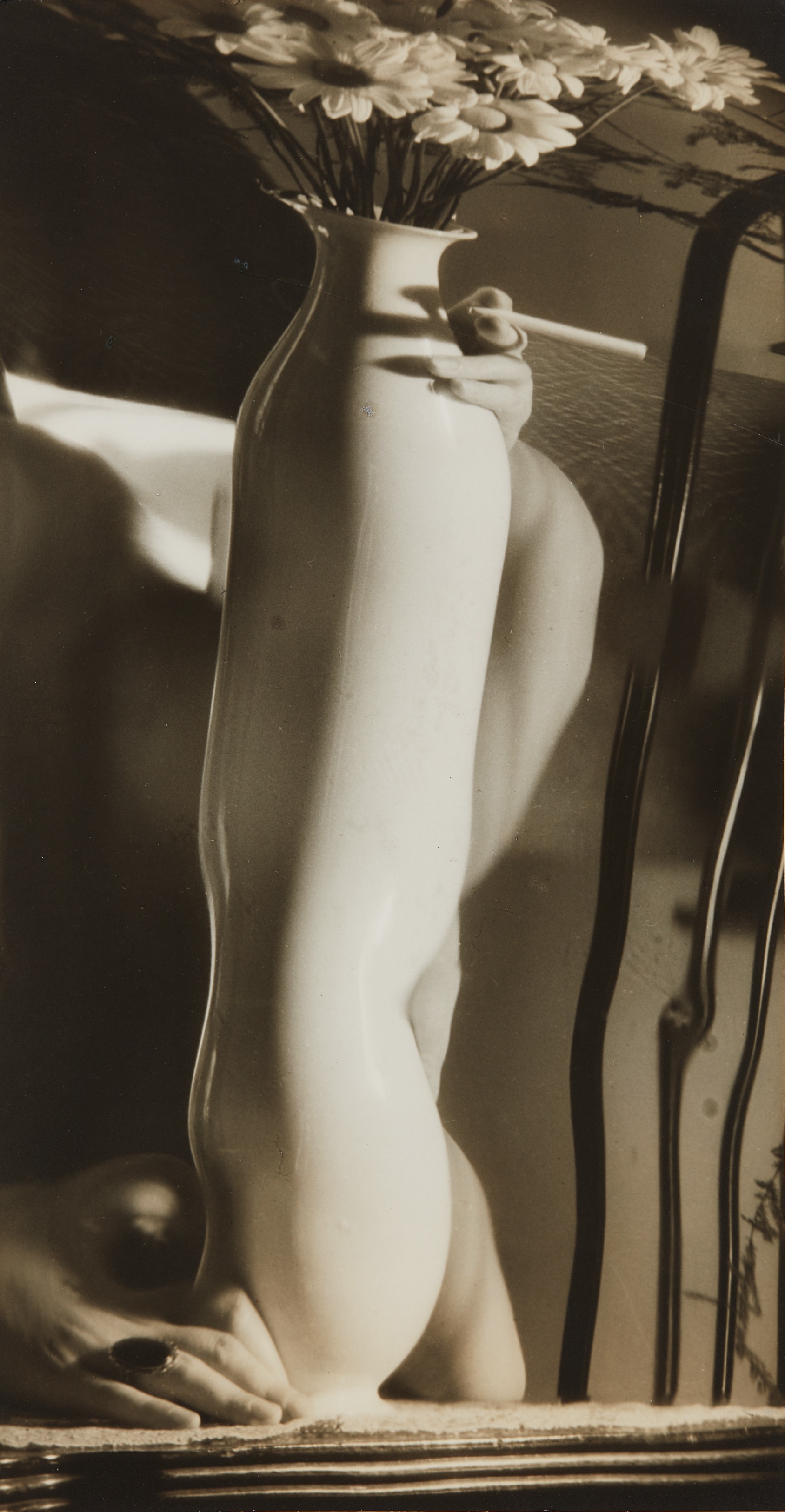
Distortion with Vase
Kertész was born Kertész Andor in Budapest in 1894, the middle of three sons in a Jewish family of modest means. Budapest at the turn of the century was a city of extraordinary cultural ferment, caught between the grandeur of the Austro Hungarian Empire and the stirrings of a modern European identity. Kertész began photographing as a teenager, acquiring his first camera in 1912 and teaching himself to see through it entirely on his own terms. He was not trained at any academy and answered to no tradition other than his own instinct.
His earliest photographs, made around Budapest and the Hungarian countryside, already carried the hallmarks that would define his entire career: a gentleness of observation, an eye for the quietly remarkable, and a compositional intelligence that seemed less calculated than felt. His time as a soldier during the First World War interrupted but did not extinguish his practice. He photographed fellow soldiers and rural life behind the front lines, even managing to keep making pictures after being wounded. These early wartime images are not documents of violence but of humanity persisting under pressure, men sleeping, laughing, and existing in spite of everything around them.
André Kertész
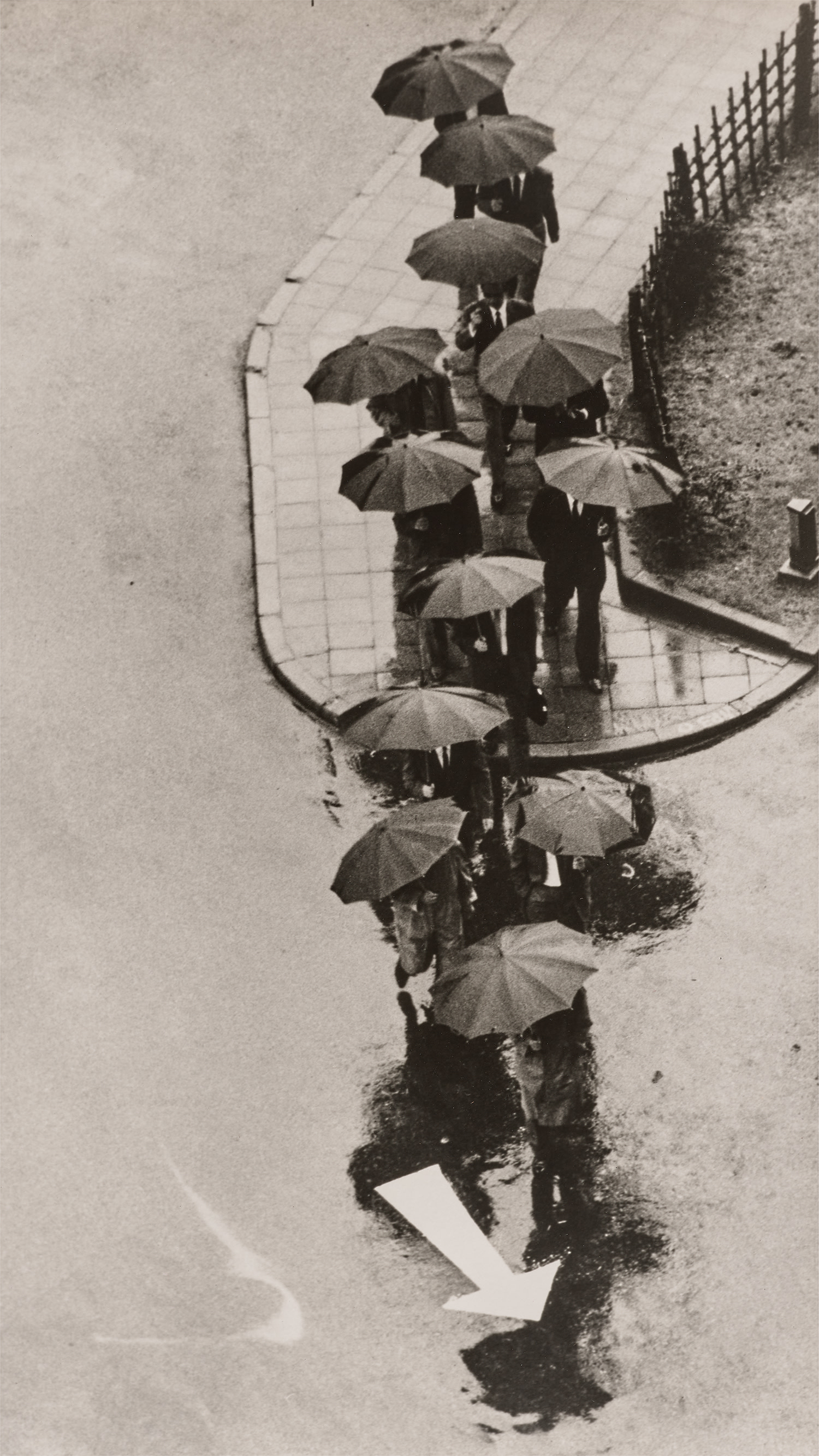
Rainy Day, Tokyo
After the war, Kertész spent several years in Budapest before making the decision that would transform his life and the history of photography. In 1925, he moved to Paris. Paris in the late 1920s was the center of the artistic universe, and Kertész arrived with almost no money, limited French, and an absolute certainty about what kind of photographer he wanted to be. He fell into the circle of avant garde artists and intellectuals that included Piet Mondrian, Fernand Léger, and the sculptor Etienne Béothy, whose studio gatherings he documented with the same attentive warmth he brought to strangers on the street.
“I do what I feel. I express what I want. I am always true to myself.”
André Kertész, interview with Tana Hoban, 1980
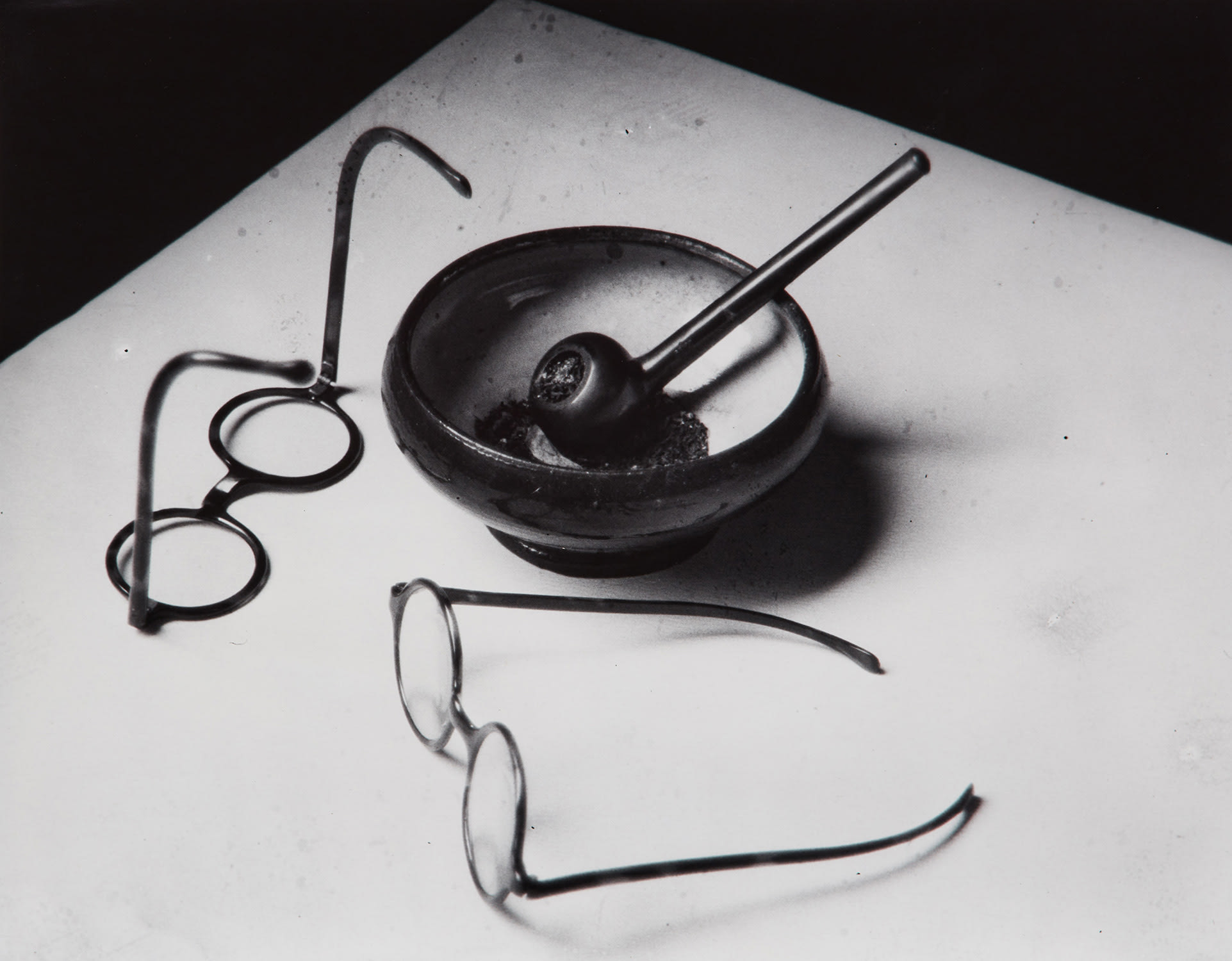
His friendship with Mondrian produced one of the most celebrated photographs in the modern canon, a portrait of the artist's studio at Rue du Départ in 1926. The image, known widely as Nature Morte Chez Mondrian, transforms a corner of a working artist's space into a near abstract composition of geometry, light, and austere beauty. It is both a portrait and a philosophy. The Museum of Modern Art in New York holds works from this period, and major retrospectives at institutions including the Art Institute of Chicago and the Jeu de Paume in Paris have confirmed the Paris years as among the richest in twentieth century photography.
André Kertész
Nature Morte, Chez Mondrian
Kertész moved to New York in 1936, initially on a one year contract, but the outbreak of the Second World War made return impossible. New York never quite embraced him the way Paris had. American editors found his images too personal, too quiet, insufficiently dramatic for the commercial press. He spent long years producing work for Condé Nast publications while his more personal vision went largely unseen.
This period of underrecognition has become one of the more poignant chapters in photographic history, though it does nothing to diminish the quality of the work he continued to make. His Washington Square series, made from the window of his apartment in Greenwich Village over many years, turned a patch of New York pavement into an ongoing meditation on distance, pattern, and urban solitude. The gelatin silver print known as Washington Square at Night, available through The Collection, belongs to this long, patient project and rewards sustained looking in the way only great photographs do. Perhaps no body of work demonstrates Kertész's experimental ambition more vividly than his Distortions series, begun in Paris in 1933.
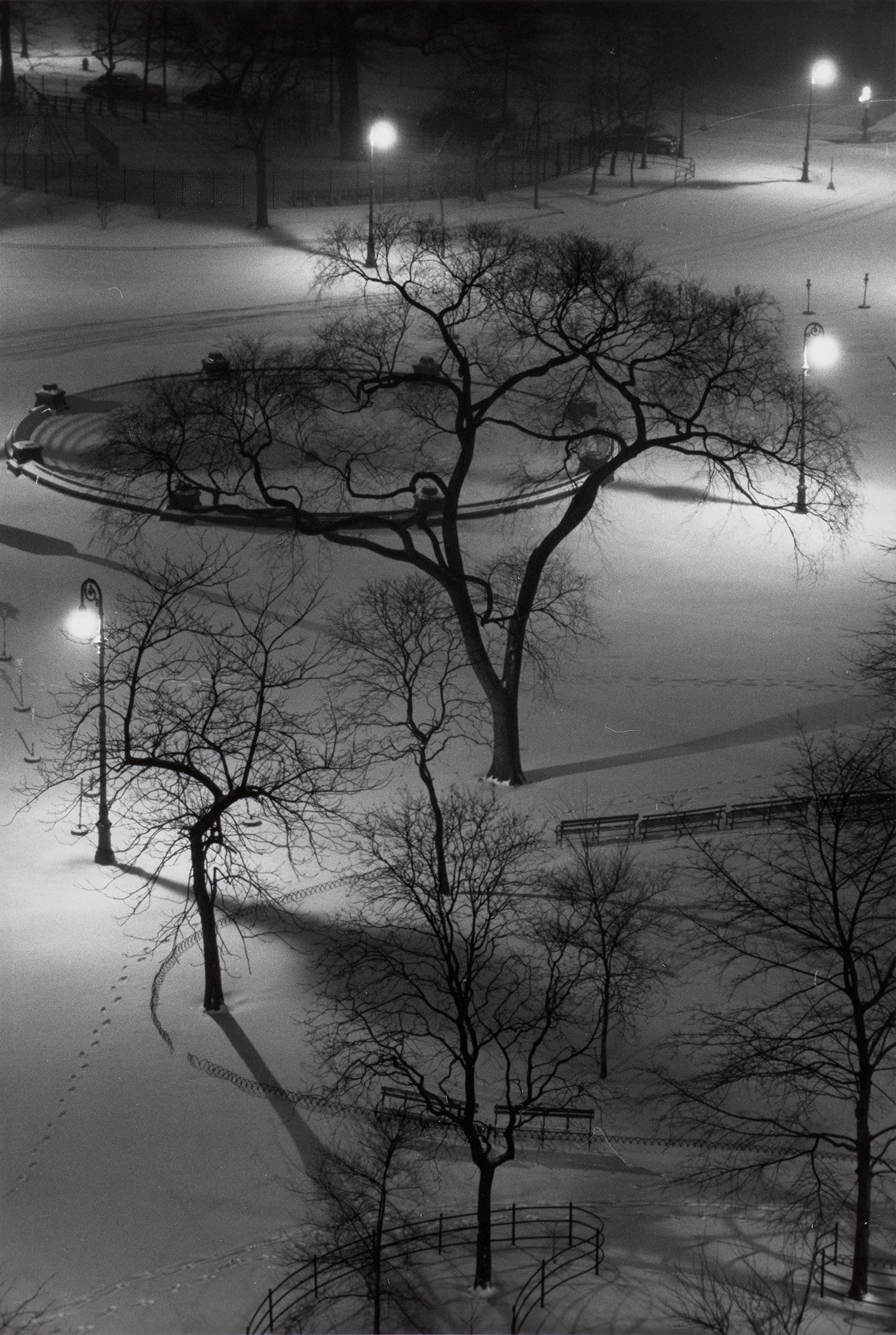
André Kertész
Washington Square at Night
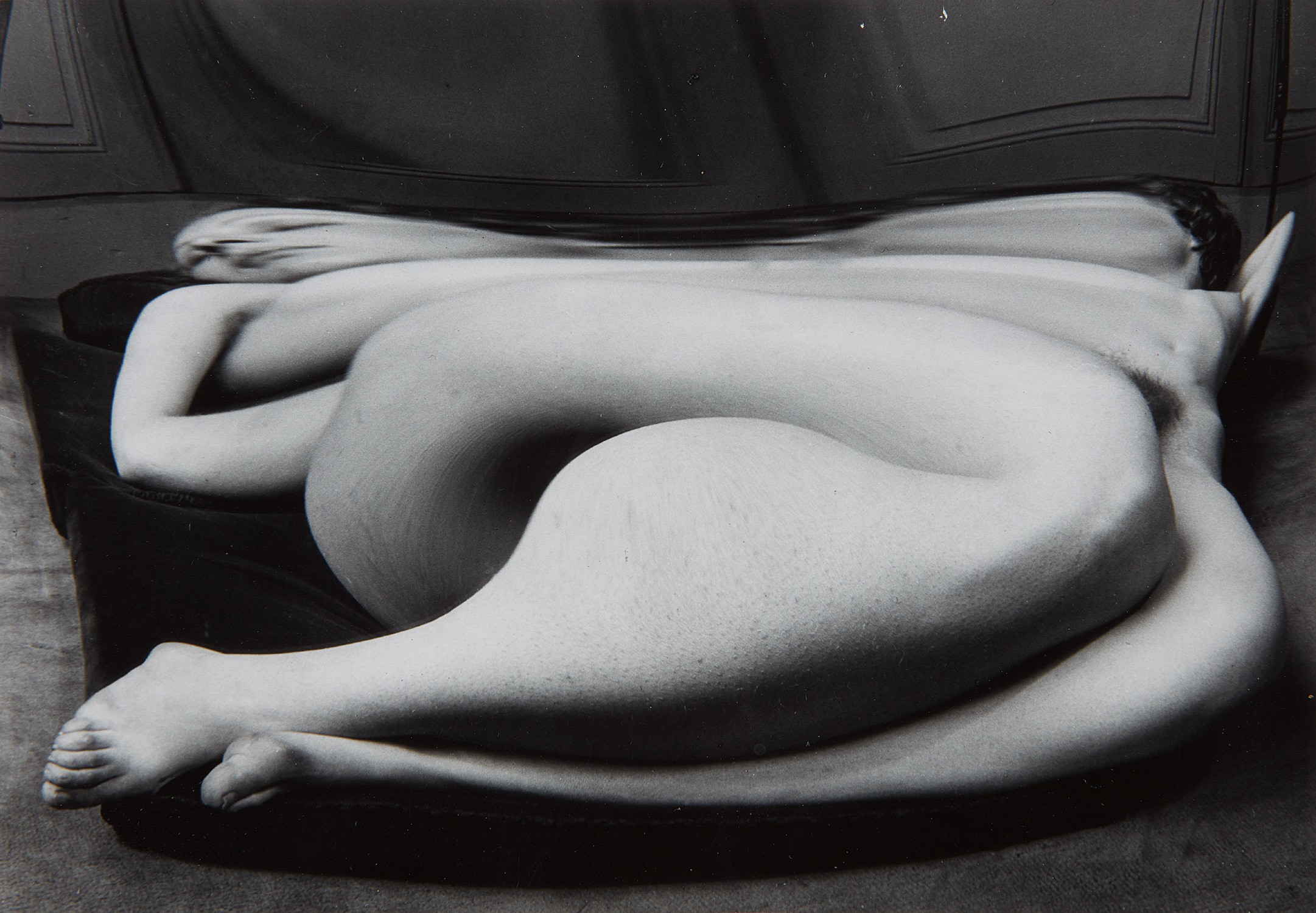
Using a carnival funhouse mirror, he photographed nude figures whose bodies were stretched, compressed, and transformed into surrealist sculpture. The results were shocking for their time and remain visually astonishing today, occupying a fascinating position between fine art, surrealism, and the photographic study of form. Distortion with Vase, one of the works available through The Collection, extends this inquiry into the object world, applying the same warping logic to domestic still life with eerie and beautiful results. The series was ahead of its moment and took decades to receive the critical attention it deserved.
For collectors, Kertész represents one of the most compelling propositions in the history of photography as a collectible medium. His work bridges multiple traditions simultaneously: he is essential to the documentary and street photography lineages that run through Henri Cartier Bresson and Robert Doisneau, both of whom acknowledged his foundational influence, and he is equally significant to the history of photography as fine art. Gelatin silver prints from his Paris period and his later New York years appear regularly at the major auction houses, with strong results at Christie's, Sotheby's, and Phillips reflecting sustained institutional and private demand. Later prints, often produced under Kertész's direct supervision in the 1970s and 1980s, offer a more accessible entry point without sacrificing authenticity or connection to his vision.
His portfolio publications, including the ten print silver set covering 1913 to 1929, printed in 1973 and available through The Collection, are particularly valued by serious collectors as coherent statements of his artistic thinking across time. The legacy of André Kertész is inseparable from the legacy of photography itself as a medium capable of tenderness. He showed that the camera could be an instrument not of record but of feeling, that a picture of a man reading or a rainy street or a corner of a studio could carry genuine emotional and intellectual weight. He died in New York in 1985 at the age of ninety one, having finally, in his last decades, received the recognition that had been slow in coming: a major retrospective at the Museum of Modern Art in 1964 marked a turning point, and the decades that followed brought awards, renewed critical enthusiasm, and a growing collector market.
Today, with photography occupying a secure and celebrated position in the collecting world, Kertész stands as one of its absolute masters, a photographer whose work asks nothing of you except that you slow down and look.
Explore books about André Kertész
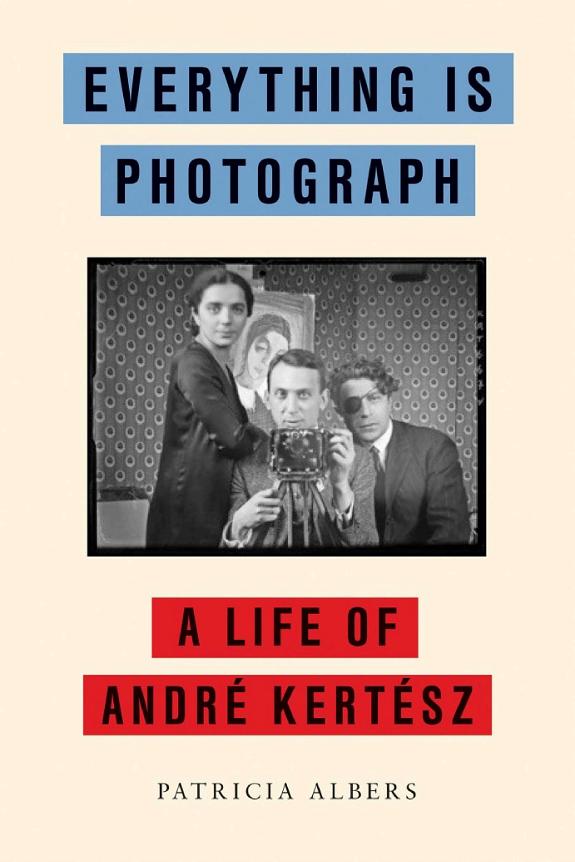
André Kertész: A Life
Peter Halász
André Kertész: His Life and Work
Jane Livingston
Kertész: Sixty Years of Photography
Nicolas Salgo and André Kertész
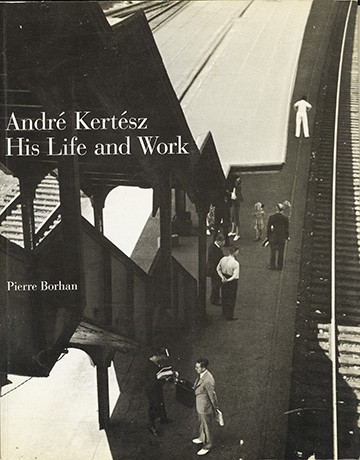
André Kertész: The Years in Paris
Pierre Borhan
André Kertész: Polaroids
André Kertész
Hungarian Photography of the Twentieth Century
Lászlóó Révész
André Kertész: Metamorphosis
Weston Naef and James Enyeart