Anastasia Bay
Anastasia Bay's Warm World Endures Forever
Artist Spotlight · The Collection Editorial
There is a particular quality of afternoon light that Belgian painters have always understood better than almost anyone else in the European tradition. It falls softly through lace curtained windows, catches the edge of a porcelain cup, and settles on the shoulders of a woman absorbed in quiet thought. This is the light that defines the art of Anastasia Bay, the nineteenth century Belgian painter whose intimate interior scenes and genre paintings have steadily attracted renewed collector attention across European auction rooms and private collections alike. Her work represents one of the most refined and emotionally honest expressions of domestic life to emerge from the Belgian academic tradition, and the growing appreciation for her paintings among discerning collectors today feels not only deserved but long overdue.
Anastasia Bay
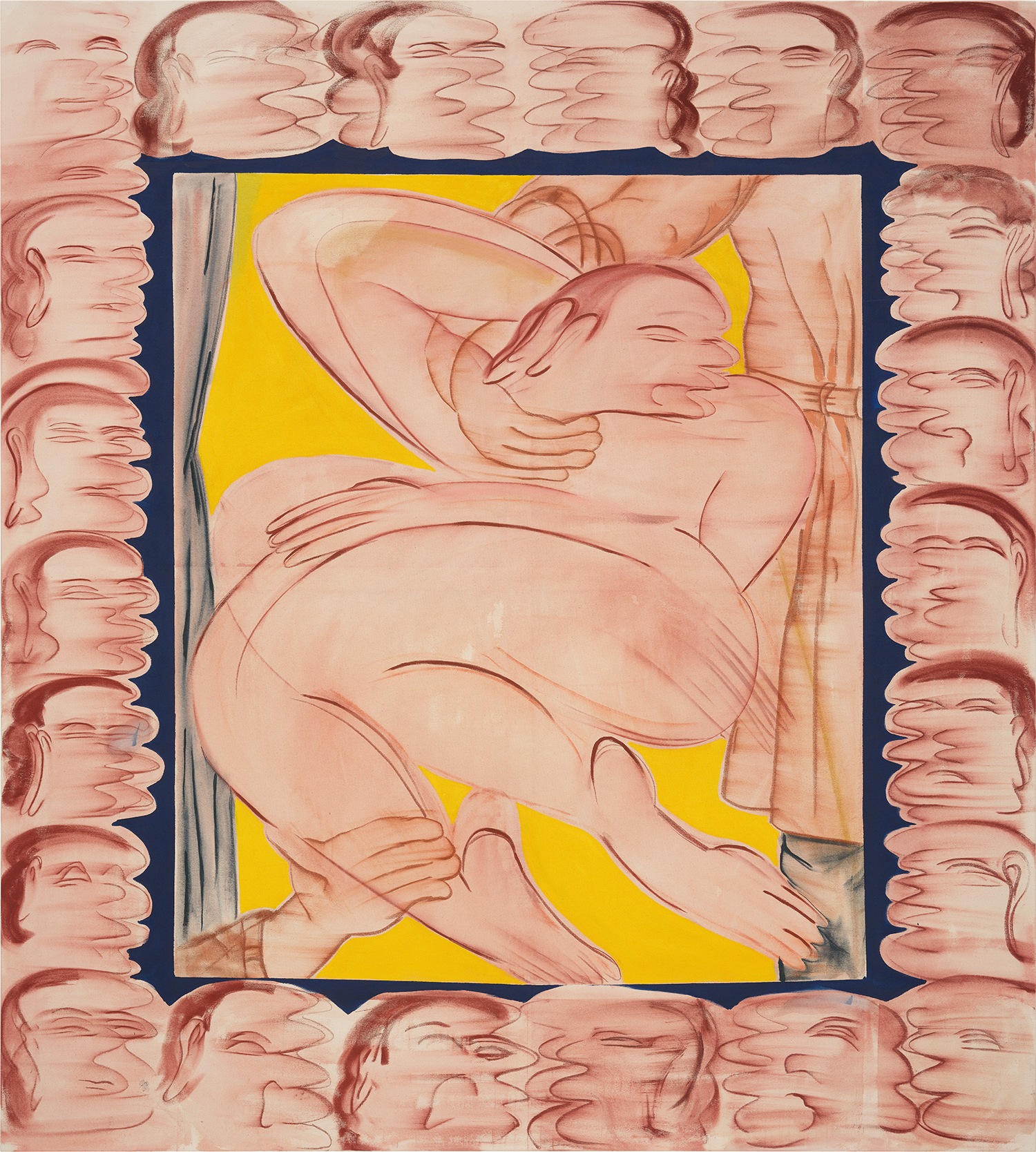
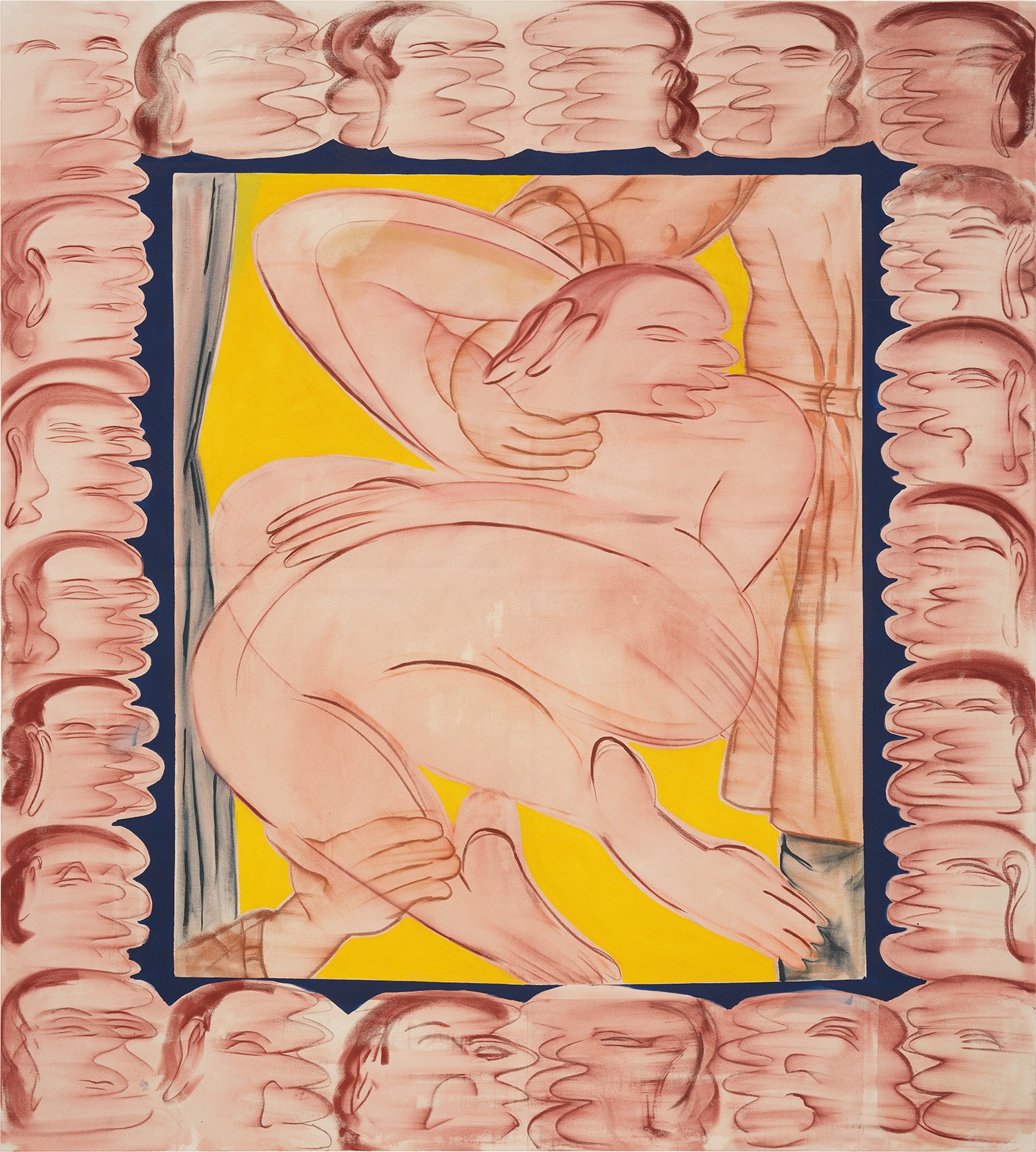
Fait-divers, 2022
Bay was born in Belgium in 1839, at a moment when the country's artistic culture was rich with ambition and deeply connected to both the French academic mainstream and a distinctly northern European sensibility rooted in the legacy of Flemish painting. She received her training under prominent Belgian academic painters, absorbing the technical rigor and compositional discipline that defined salon painting of the era. To be a woman pursuing serious artistic training in mid nineteenth century Belgium required determination and intelligence in equal measure, and the quality of Bay's mature work testifies to exactly those qualities. She entered a professional world shaped by the grand salons and public exhibitions that defined artistic reputation in this period, and she navigated that world with evident skill.
The Belgian salon circuit during the latter half of the nineteenth century was among the most competitive and culturally significant in Europe. Bay exhibited her work at major Belgian salons, placing herself in conversation with contemporaries who were grappling with the same questions of subject matter, technique, and artistic identity. The domestic interior had long been a legitimate and admired subject in the northern European tradition, stretching back through the Dutch Golden Age to painters like Pieter de Hooch and Johannes Vermeer, and Bay was a knowing heir to that lineage. Her interiors breathe with a similar combination of material specificity and psychological warmth, offering scenes that feel simultaneously observed and composed.
Anastasia Bay
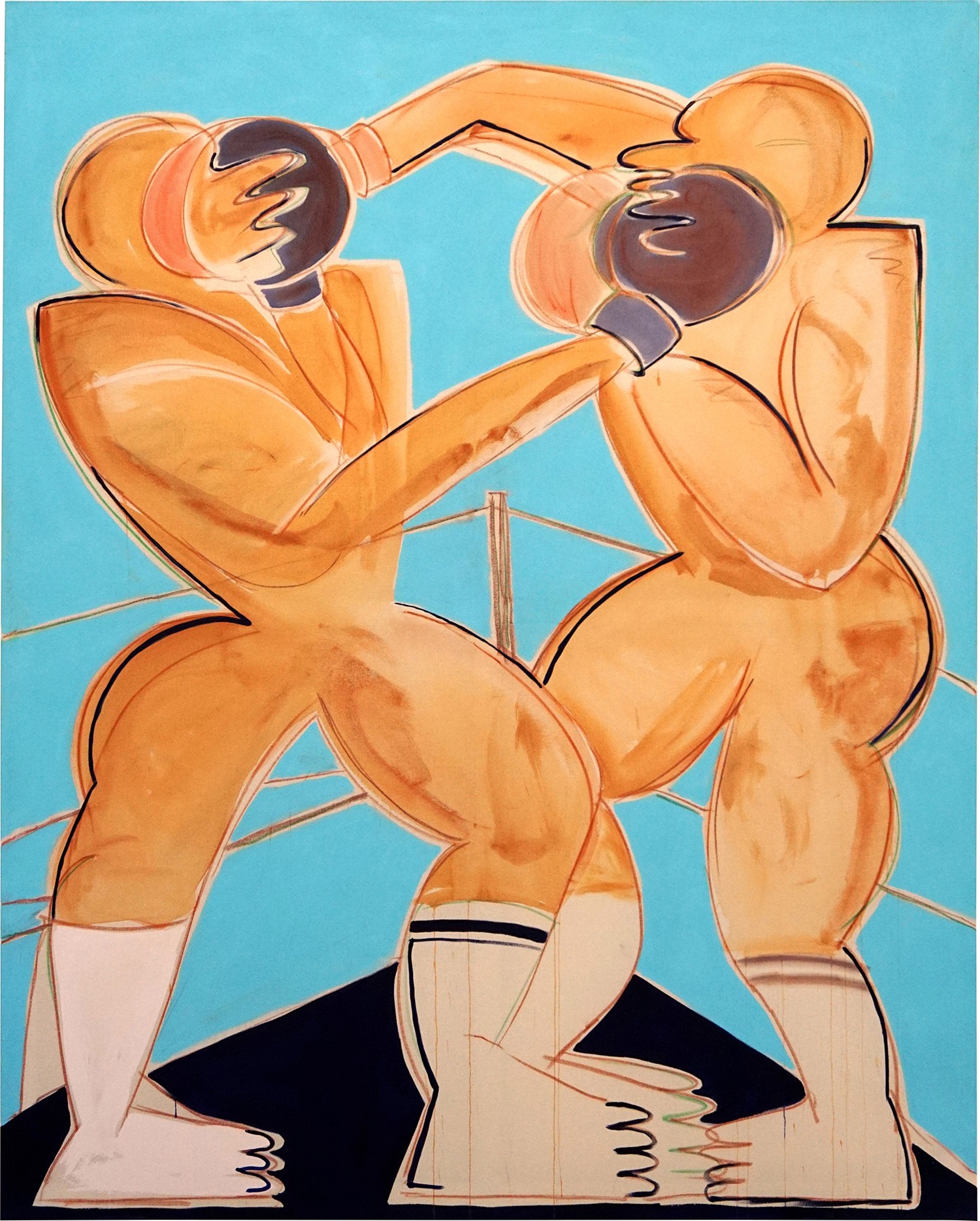
Boxer, 2020
What distinguishes Bay's work from more conventional salon production of her era is the quality of attention she brings to her subjects. Her genre paintings depicting women and children in elegantly rendered domestic settings are never merely decorative, though they are certainly beautiful. There is a sense in each canvas that the artist has genuinely looked, that she has noticed the way a child leans into a mother's lap, or the particular stillness of a woman pausing over a book or piece of needlework. The technique is polished and confident, with the kind of assured brushwork that comes from disciplined training combined with genuine observation.
The atmosphere in her paintings is warm without being sentimental, intimate without being claustrophobic. For collectors approaching Bay's work today, the appeal is layered and substantial. Her paintings offer the pleasures of technical mastery and historical significance in a format that is genuinely livable, the kind of art that rewards daily proximity and becomes more rather than less interesting over time. Works by Bay have appeared at European auction houses, where they attract buyers who appreciate the refinement of the Belgian academic tradition and who understand that serious women painters of this period have been systemically undervalued relative to their male contemporaries.
Anastasia Bay
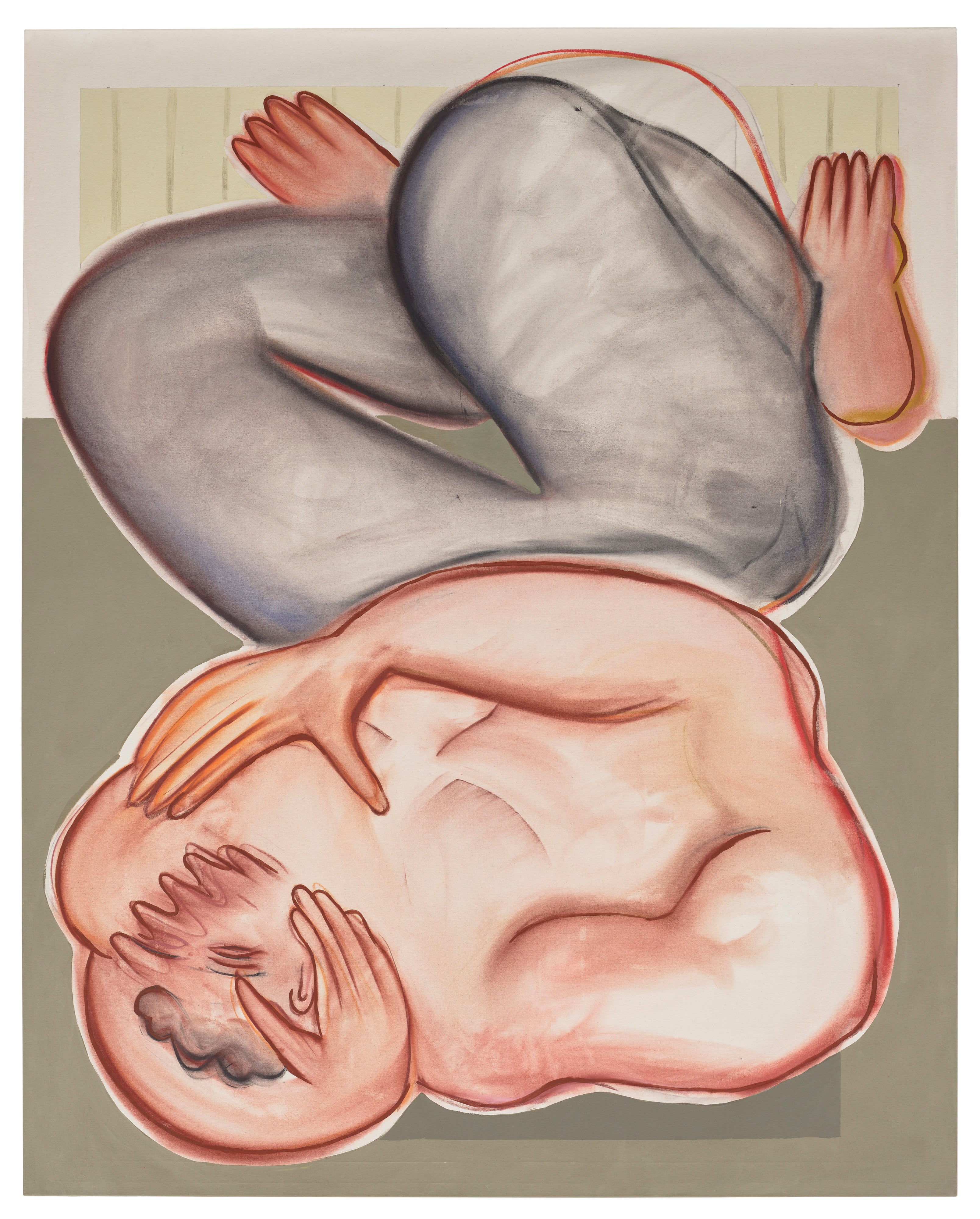
A Song of Love (3), 2021
The broader reassessment of nineteenth century women painters that has gathered pace since the early 2000s has brought renewed critical and market attention to figures like Bay, and the trajectory for her work looks encouraging. In understanding Bay's place within art history, it is useful to consider her alongside other women painters working in the Belgian and broader European academic tradition during the same decades. Artists such as Léon Spilliaert, though slightly later and more symbolist in orientation, share with Bay a commitment to the psychological dimensions of interior space. More directly comparable figures include women painters working in the French academic tradition like Berthe Morisot and Marie Bracquemond, who were similarly dedicated to domestic subject matter and similarly underappreciated for much of the twentieth century before their critical rehabilitation.
Bay belongs to this important generation of women artists who made serious, lasting contributions to the visual culture of their time and whose reputations are now being properly reclaimed. The legacy of Anastasia Bay is ultimately a legacy of careful, loving attention. She spent her working life, from 1839 to her death in 1913, looking closely at the world closest to hand and finding in it subjects worthy of sustained artistic engagement. In an era that sometimes rewarded spectacle and historical grandeur above all else, she made the quiet and the domestic feel genuinely important.
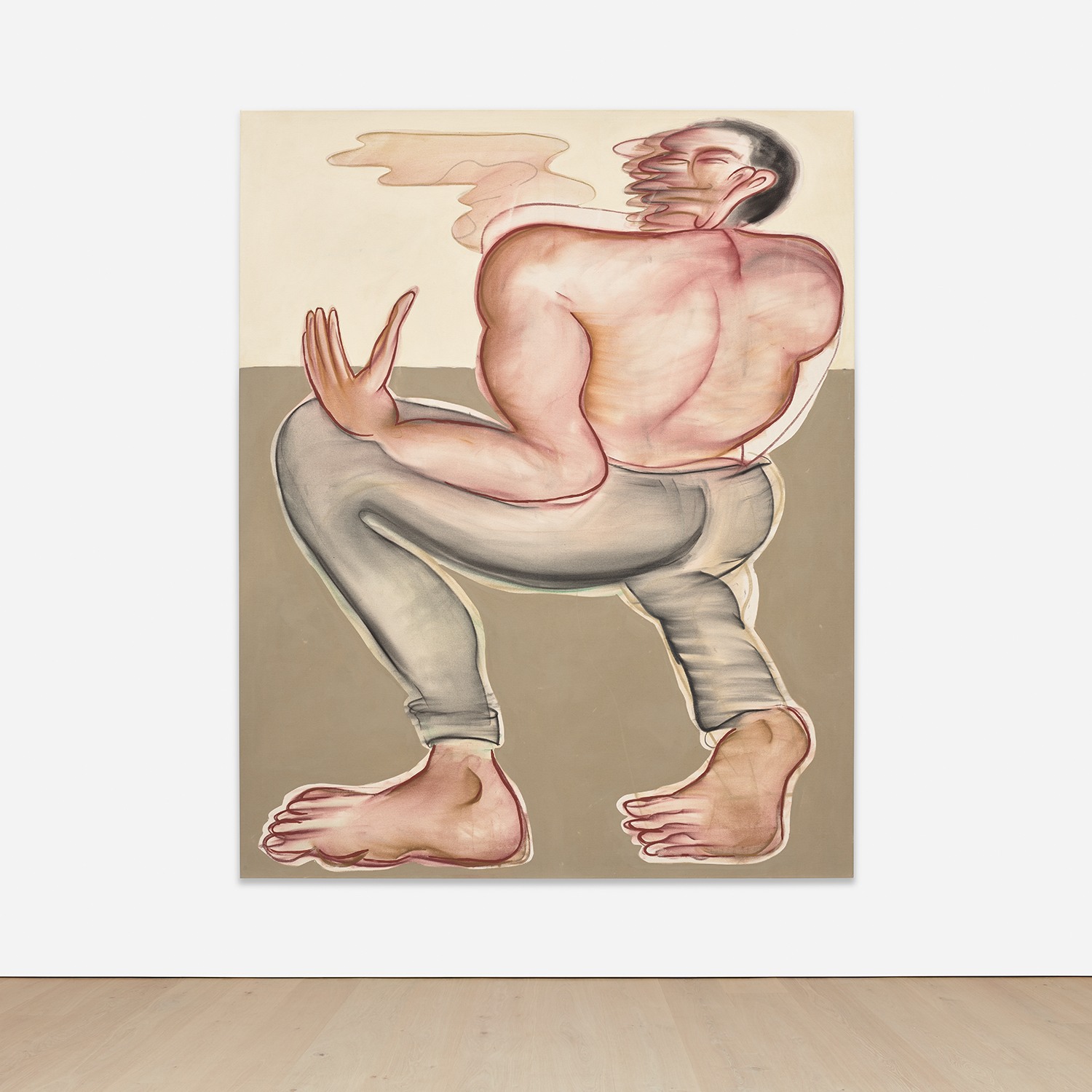
Anastasia Bay
A Song of Love (5), 2021
That quality speaks with particular force today, when collectors and institutions are actively seeking to understand the full breadth of nineteenth century painting beyond the famous names and canonical narratives. Bay's work is a compelling reminder that the history of art is richer, more diverse, and more surprising than any single story can contain, and that the pleasures of discovery are among the greatest that collecting can offer.