Ana Benaroya
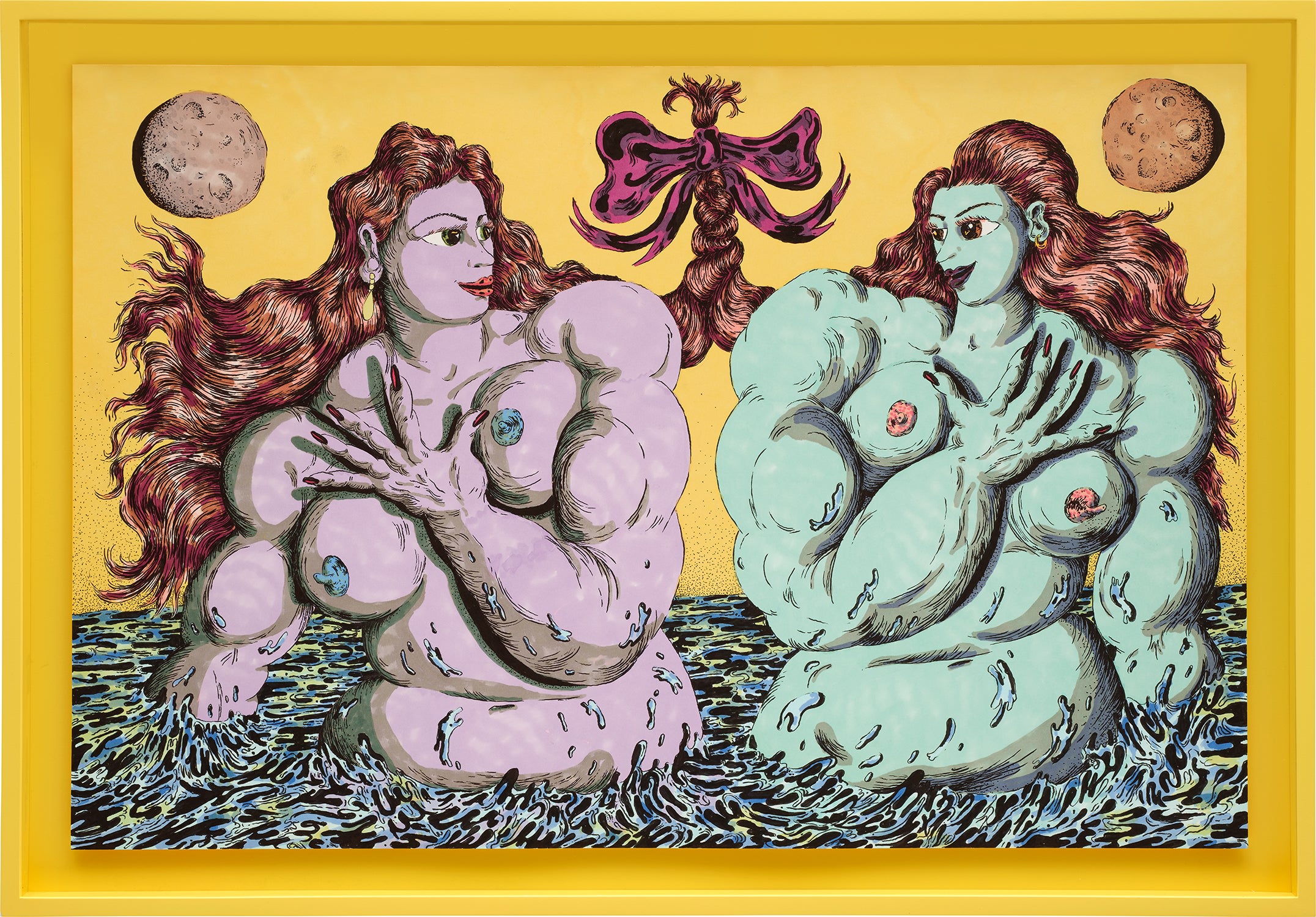
Ana Benaroya's Women Are Here to Stay
Artist Spotlight · The Collection Editorial
In the past several years, Ana Benaroya has moved with rare confidence from the margins of illustration culture to the center of contemporary painting, earning gallery representation, critical attention, and a devoted collector base that spans both the fine art world and the broader creative community. Her canvases, often monumental in scale and ferocious in color, have found their way into collections alongside artists decades her senior, a testament to the immediacy and originality of her vision. At a moment when conversations about the female body, desire, and representation feel more urgent than ever, Benaroya's work does not merely participate in the discourse. It leads it.
Ana Benaroya
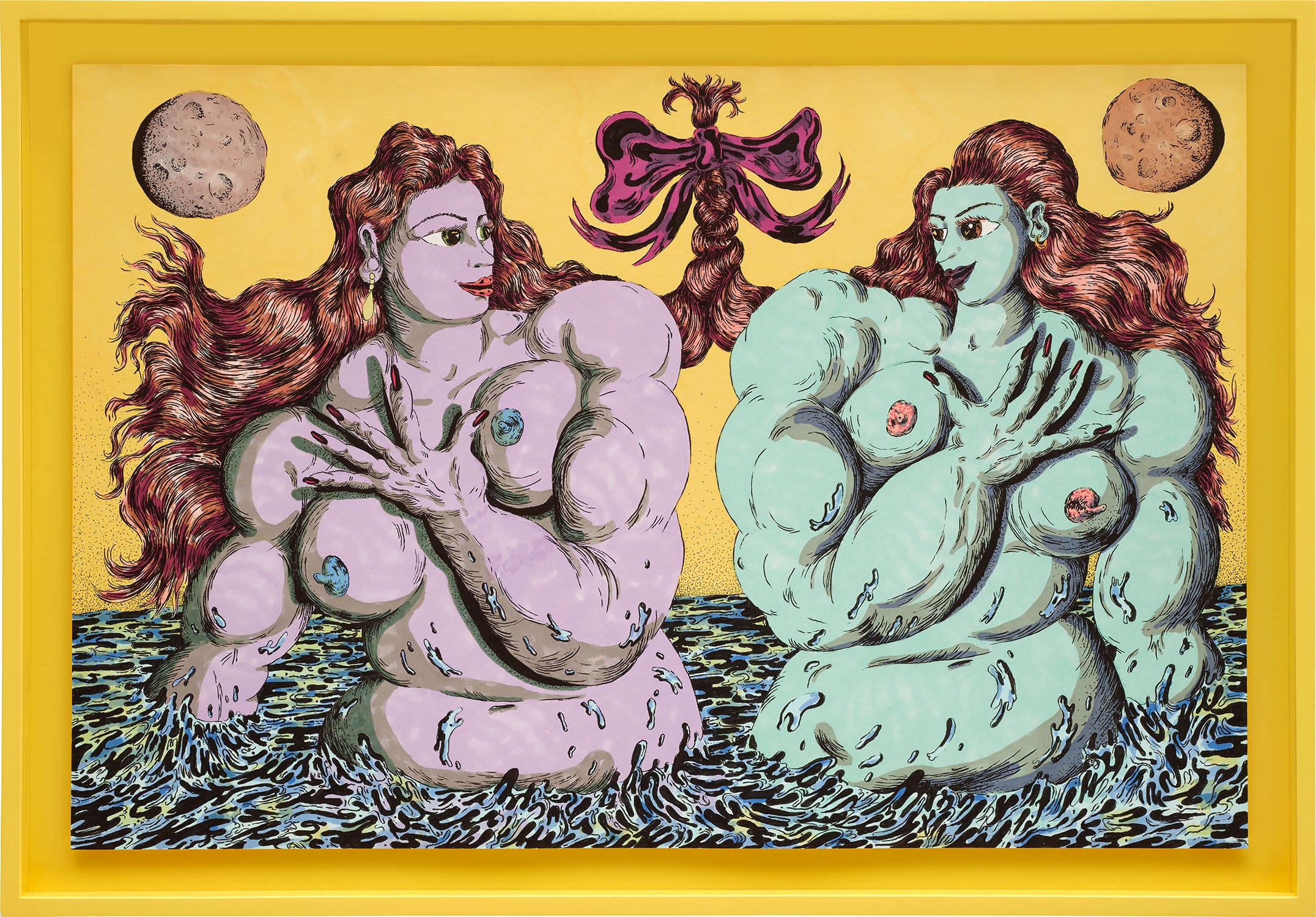
Venus with a Mirror, 2021
Born in 1986 in New Jersey, Benaroya grew up with the visual languages of both high and low culture close at hand. Comics, fashion illustration, and the graphic traditions of mid century American design shaped her early sensibility as much as any museum visit or art school curriculum. She studied illustration at the Rhode Island School of Design, an institution with a long tradition of treating commercial and fine art as equally serious pursuits, and it was there that she began to understand how the vocabulary of comics and graphic narrative could carry genuine emotional and intellectual weight. New Jersey, with its particular blend of grit and warmth, its working class vitality and suburban contradictions, never fully left her imagery either.
There is always something grounded and real beneath the vivid spectacle of her paintings. Benaroya's artistic development has been defined by a sustained and deepening commitment to the female figure. Early in her career she worked primarily in ink and illustration, building a reputation for bold line work and a color sensibility that felt both retro and completely contemporary. Over time she expanded her materials, embracing oil, acrylic, spray paint, and oil stick, layering these media in ways that gave her figures new physical presence and textural complexity.
Ana Benaroya
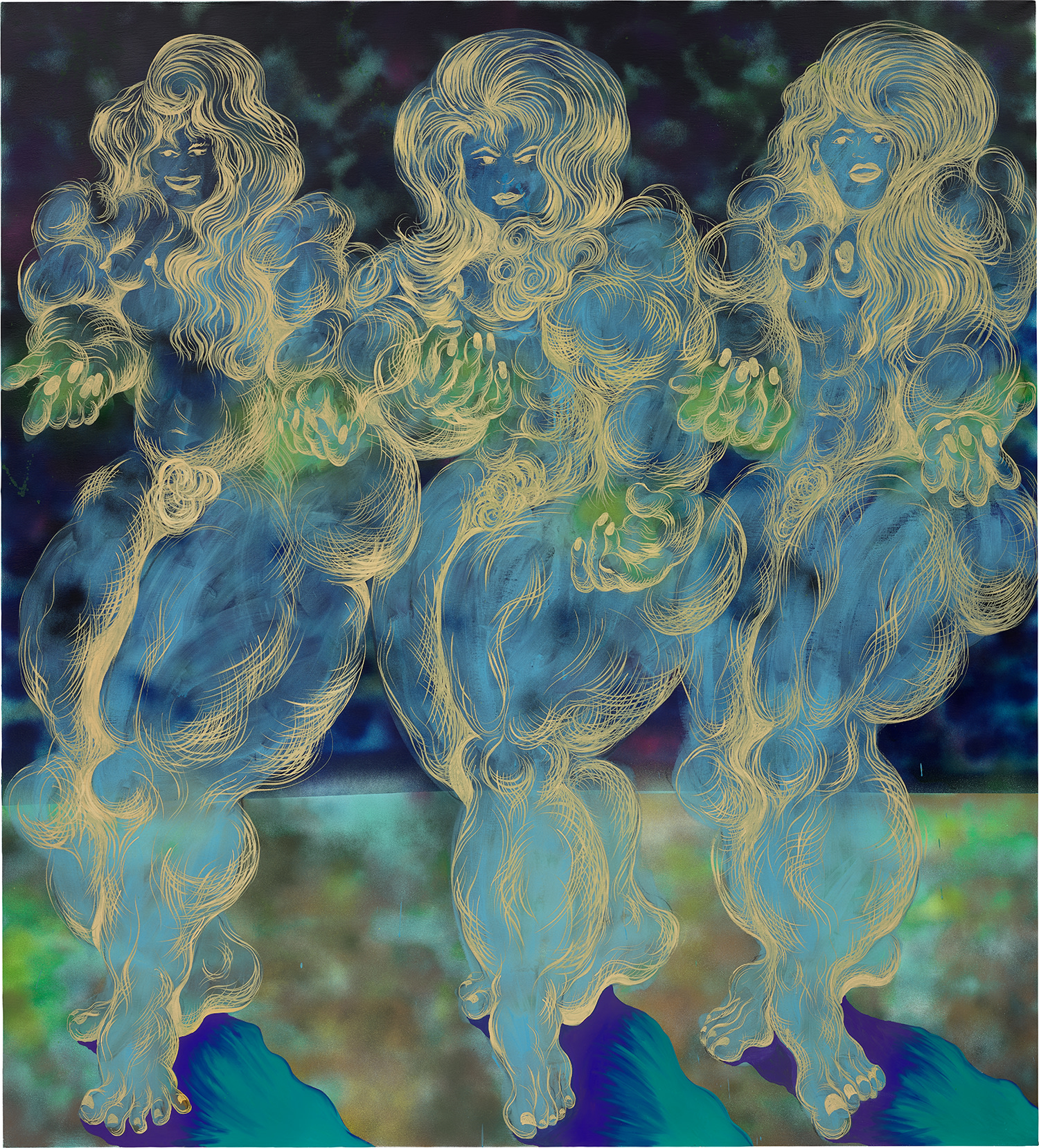
Be My Baby, 2019
The transition from illustration to painting was not a break but an evolution, each practice informing the other and producing a hybrid visual language that remains distinctly her own. By the late 2010s she had arrived at a mature style that was impossible to mistake for anyone else's work. The paintings from 2019 represent a particular flowering of her practice and several of these works are now among the most sought after of her career. "Be My Baby," executed in oil, acrylic and spray paint on linen, exemplifies her ability to charge a single figure with multiple, sometimes contradictory emotional registers.
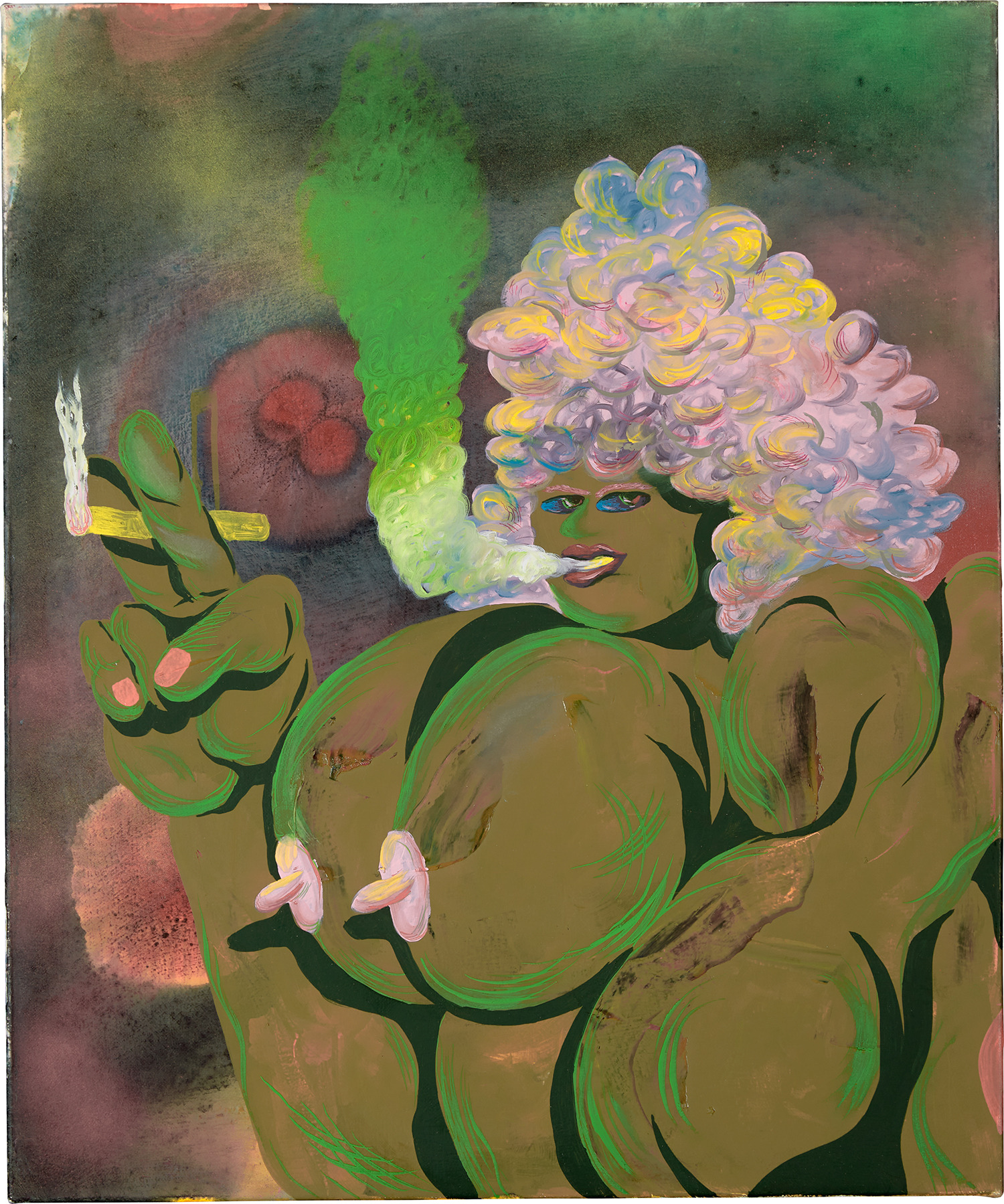
The title, borrowed from the language of pop song, opens the work to readings of longing, possession, and tenderness all at once. "Origins of the World," spray paint, acrylic and oil on canvas, directly invokes Gustave Courbet's scandalous masterpiece of 1866, placing Benaroya in a lineage of artists who have confronted the power and vulnerability of the female body without flinching. "When I Look Into Your Eyes I See Forever" and "I Beg Your Pardon," both from the same year, show her range: one expansive and tender, the other tinged with irony and attitude. The 2021 work "Venus with a Mirror," marker and India ink on board, returns to one of Western art's most laden archetypes and reclaims it entirely, the goddess no longer passive but fully alive in her own gaze.
Ana Benaroya
I Beg Your Pardon, 2019
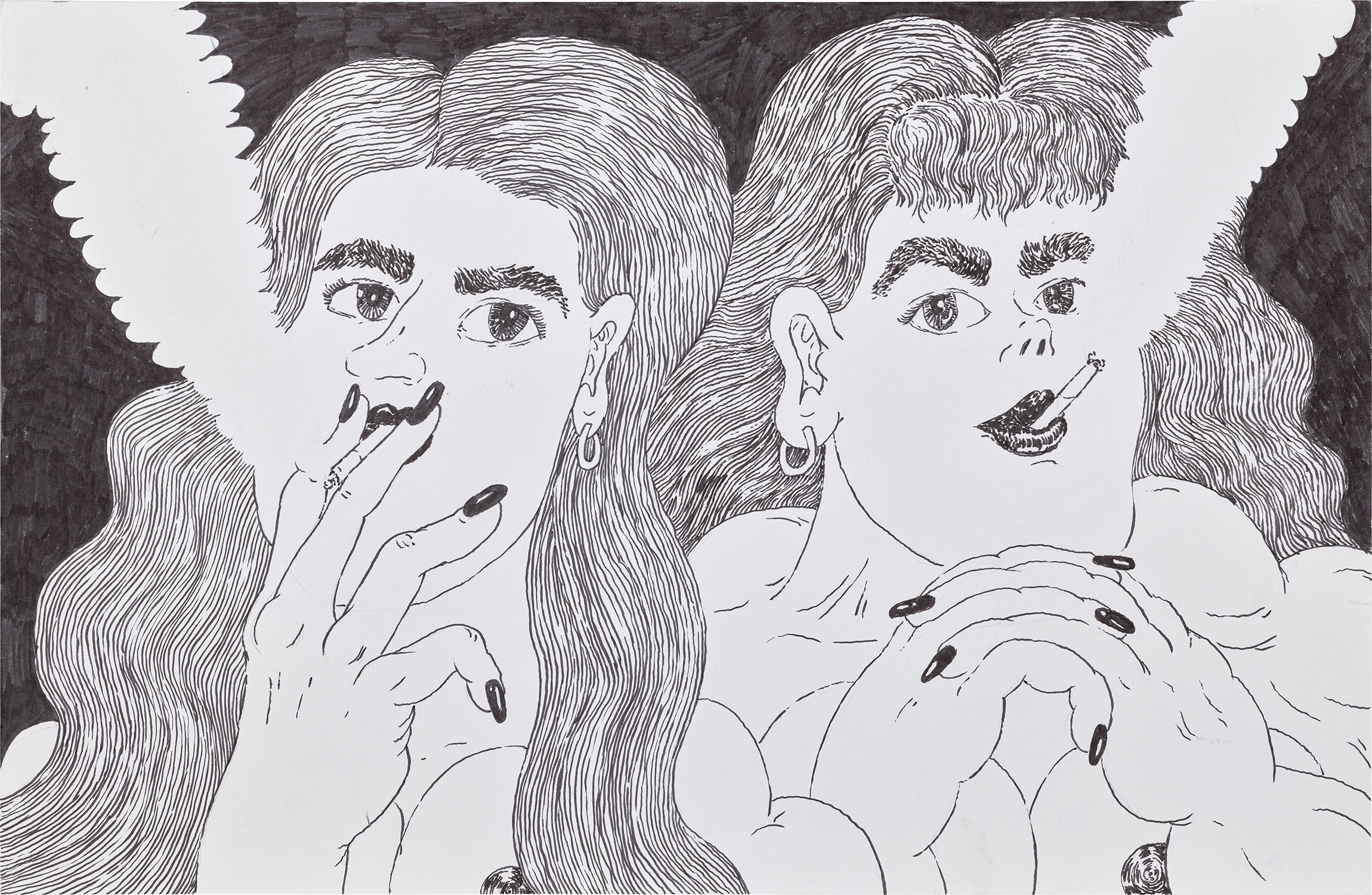
What draws collectors to Benaroya is not simply the visual impact of her work, though that impact is considerable. It is the feeling that her paintings know something, that her figures possess an interiority and a complexity rarely achieved in painting so immediately pleasurable to look at. Collectors who have followed her from her earlier ink works on paper through to her large scale canvases speak of an artist who rewards sustained attention, whose surfaces and color relationships reveal more the longer you spend with them. Works on paper such as "September Song" in ink and graphite, and the screenprint "Mother's Milk," offer collecting entry points that complement the larger paintings and demonstrate the full range of her draftsmanship.
The unique marker and ink drawing "When the Sun Turns Back, from Look of Eagles" on Arches paper is a particular example of how she brings the same commitment and invention to works outside the conventional painted canvas. In terms of art historical context, Benaroya belongs to a tradition of painters who have refused the false choice between accessibility and seriousness. She shares something with the graphic intensity of Roy Lichtenstein without any of his ironic distance from his subjects. Her figures recall the monumental women of Fernando Botero while remaining entirely grounded in a distinctly contemporary American feminism.
Ana Benaroya
September Song, 2019
There is a kinship too with the work of Lisa Yuskavage in the willingness to embrace the decorative and the erotic as legitimate territory for serious painting, and with the graphic painting of Brian Calvin in the use of simplified form to achieve complex psychological effect. But Benaroya's voice is her own: warmer, more celebratory, more deeply invested in the pleasure and power of the women she depicts. The legacy Benaroya is building has everything to do with timing and with courage. She arrived at a moment when the art world was genuinely reassessing which bodies, which pleasures, and which visual traditions it had undervalued, and she brought a practice already fully formed enough to meet that moment.
Her work does not ask permission. Her women do not ask permission either. They occupy their canvases with the assurance of people who have already decided that the space is theirs. For collectors and institutions building collections that speak to the present with honesty and vitality, Benaroya's paintings are not merely a good investment in the financial sense.
They are an investment in a vision of femininity that is generous, complex, and entirely alive.