Amanda Means
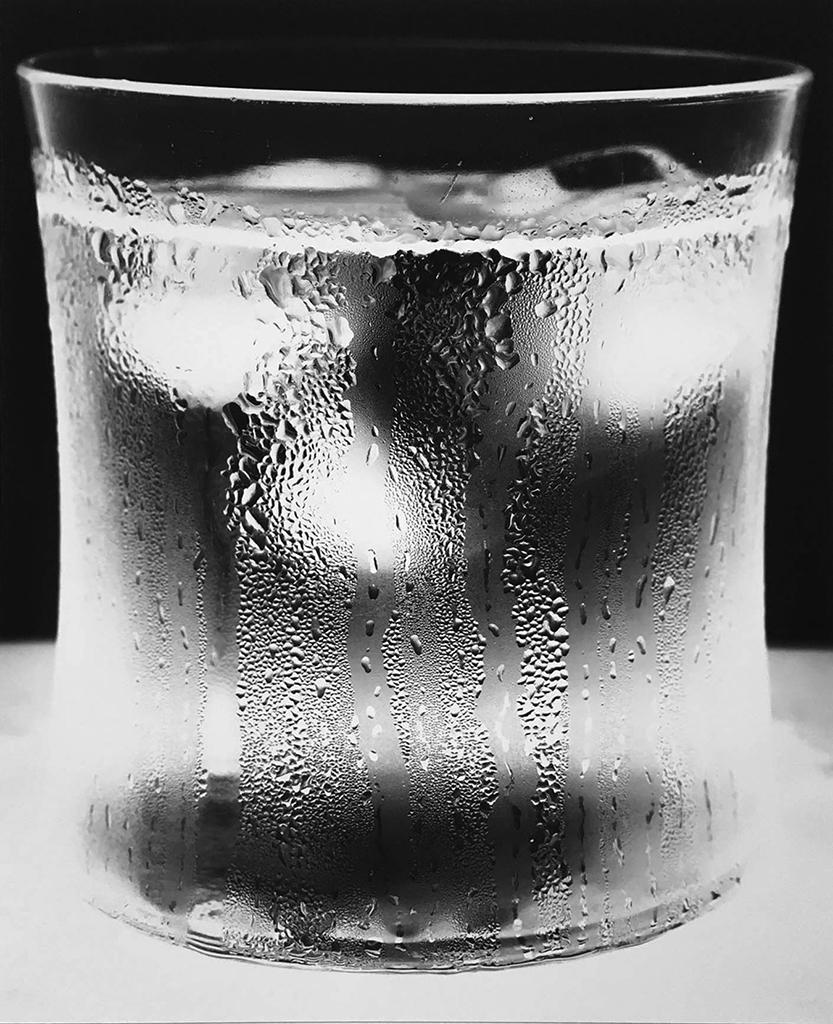
Amanda Means Illuminates the Everyday Sublime
Artist Spotlight · The Collection Editorial
There is a particular kind of quiet that settles over a viewer standing before one of Amanda Means's large scale photographs. The image might depict something as familiar as a light bulb or a glass of water, yet the experience is anything but ordinary. Means transforms these objects into radiant, breathing presences, coaxing from them a luminosity that feels almost devotional. Her prints have drawn consistent attention from discerning collectors and curators across the United States, and her work continues to find new audiences who encounter it as both rigorously photographic and painterly in the deepest sense.
Amanda Means
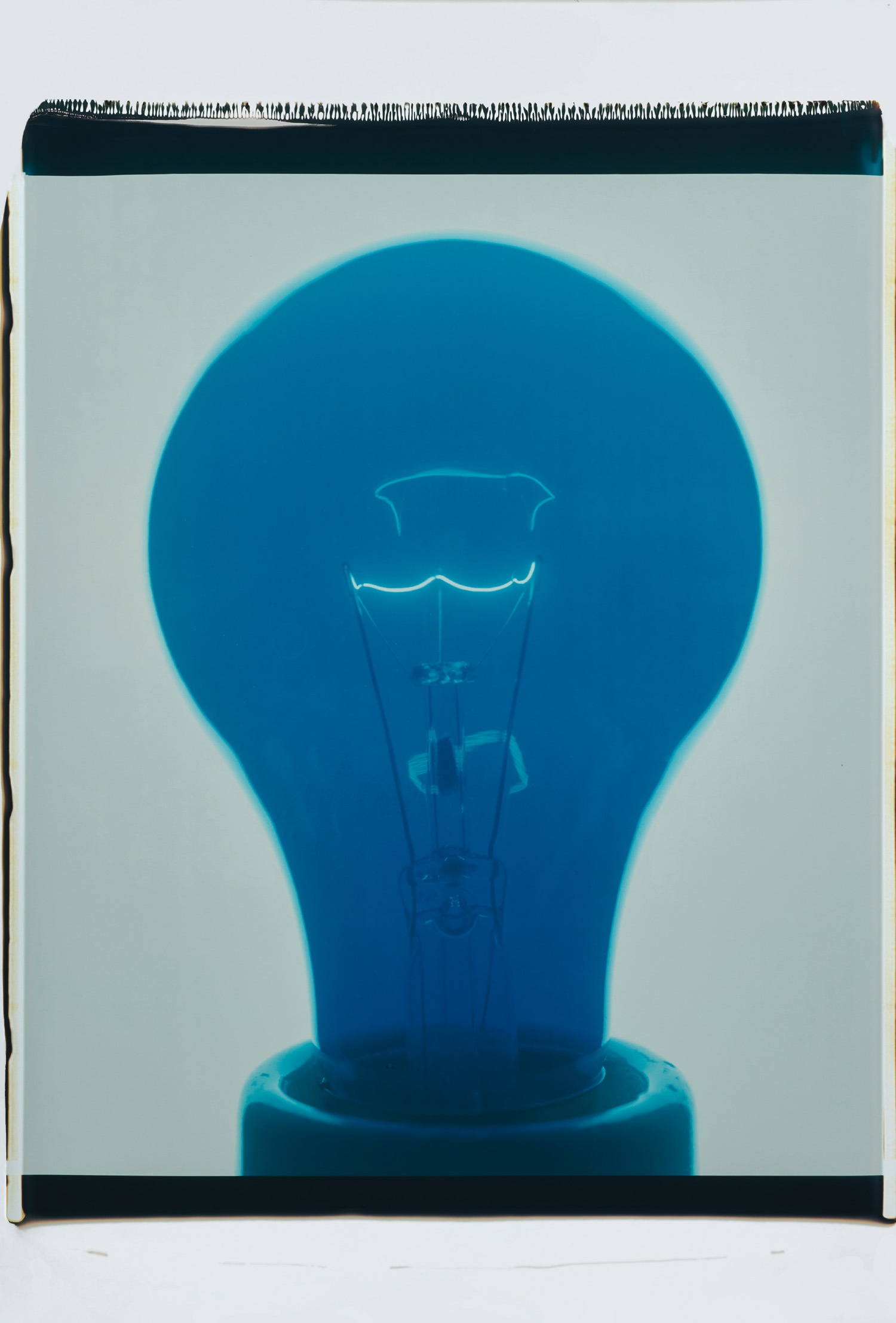
Light Bulb 0050
Means was born in 1950 and came of age during one of the most fertile periods in American art, a time when the boundaries between disciplines were being actively dismantled. The influence of minimalism, conceptualism, and the emerging Photo Realist movement all created a cultural environment in which close attention to the material world was understood as a legitimate and even radical artistic act. Means absorbed these currents while developing a sensibility that was distinctly her own, rooted in a fascination with how light itself could be the true subject of a photograph rather than merely its medium. Her practice centers on macro and close up photography, a technically demanding approach that requires extraordinary control over light, focus, and scale.
Rather than pointing her lens at grand landscapes or charged human subjects, Means turned inward, toward the domestic and the industrial, toward objects that most people handle without a second thought. The discipline of this choice is significant. It asks both the artist and the viewer to slow down, to look again, and to discover that the surface of an ordinary object holds as much visual complexity as any dramatic scene. This insistence on sustained looking connects her work to a long tradition of still life painting, from the Dutch Golden Age masters to Georgia O'Keeffe's iconic floral studies, while remaining unmistakably rooted in the photographic medium.
Amanda Means
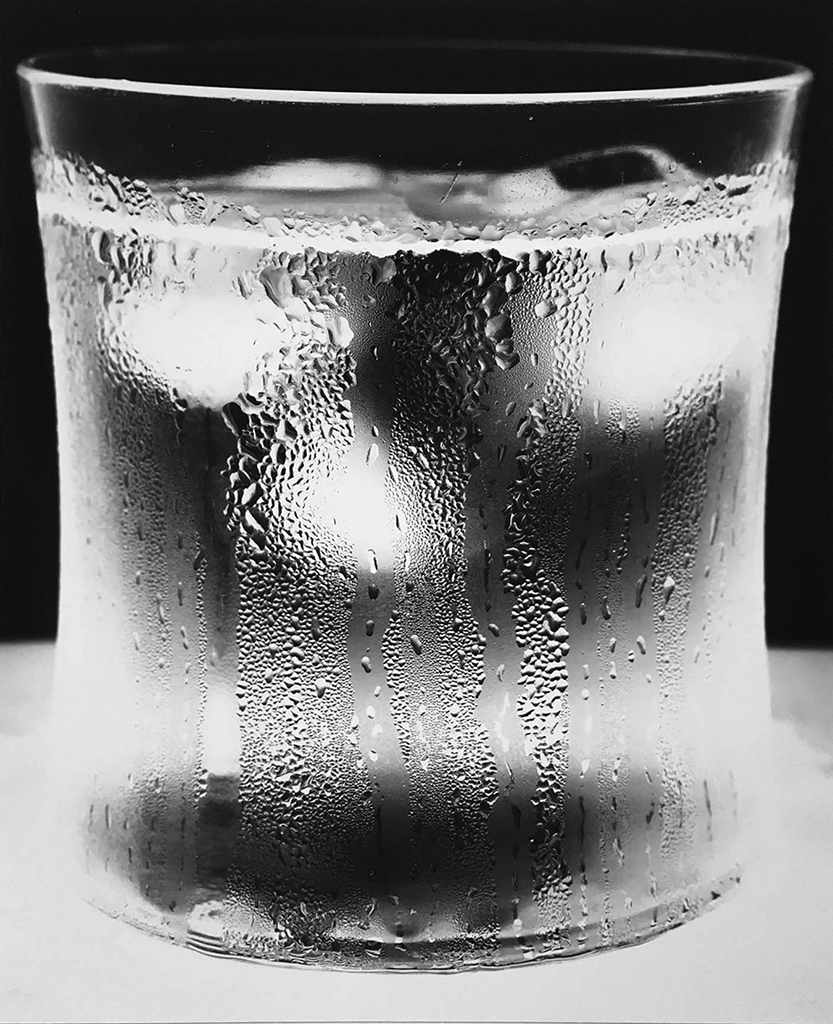
Water Glass #3 (varian2), 2011
The series of light bulb photographs represents the heart of Means's artistic achievement. Works such as Light Bulb 0050, Light Bulb 0002, and the signed and numbered Light Bulb 008BYs demonstrate her ability to extract infinite variation from a single subject. Each image presents the bulb not as a consumer object but as a kind of luminous universe, its filament and glass envelope rendered with a clarity that verges on the miraculous. The silver gelatin and gelatin silver print processes she employs amplify this effect, producing rich tonal gradations that give her prints a warmth and depth that digital reproduction can only approximate.
Her Water Glass series, including Water Glass Number 3 in its several variants, extends this investigation to transparency and refraction, finding in a simple glass of water the same inexhaustible complexity she locates in the bulb. What is particularly striking about Means's work is the way it refuses easy categorization. The prints are undeniably photographic in their precision, yet they read as painterly abstractions when encountered at the large scales she prefers. This productive ambiguity has made her work compelling to collectors who move between photography and painting in their acquisitions, as well as to those who are drawn specifically to works that expand what photography is understood to be.
Amanda Means
Light Bulb (008BYs)
Her signed and numbered editions, with artist labels carefully inscribed on the reverse of the mount, reflect a seriousness about the object quality of each print, treating the photograph not as a reproducible image but as a singular artifact with its own physical presence. Within the broader context of American art photography, Means belongs to a lineage of artists who have used close observation of everyday subjects to reach something transcendent. Edward Weston's pepper and shell studies of the 1920s and 1930s, Karl Blossfeldt's monumental botanical photographs, and Robert Mapplethorpe's floral imagery all share with Means's work a belief that the camera, when brought close enough and handled with enough care, can reveal a world within the world. Her specific attention to artificial light sources also invites comparison with artists like Hiroshi Sugimoto, whose long exposure theater interiors likewise treat light itself as subject matter.
Yet Means's voice is her own, warmer and more intimate than Sugimoto's austere theatricality, more industrial and abstract than Mapplethorpe's baroque sensibility. For collectors considering Means's work, several qualities are worth noting. Her prints are held in notable private collections across the United States, reflecting sustained institutional and individual confidence in her practice. The signed, titled, dated, and numbered works in her light bulb and water glass series represent her most sought after production, and the care with which she documents each print on the verso speaks to a scrupulous attention to provenance and archival integrity that serious collectors appreciate.
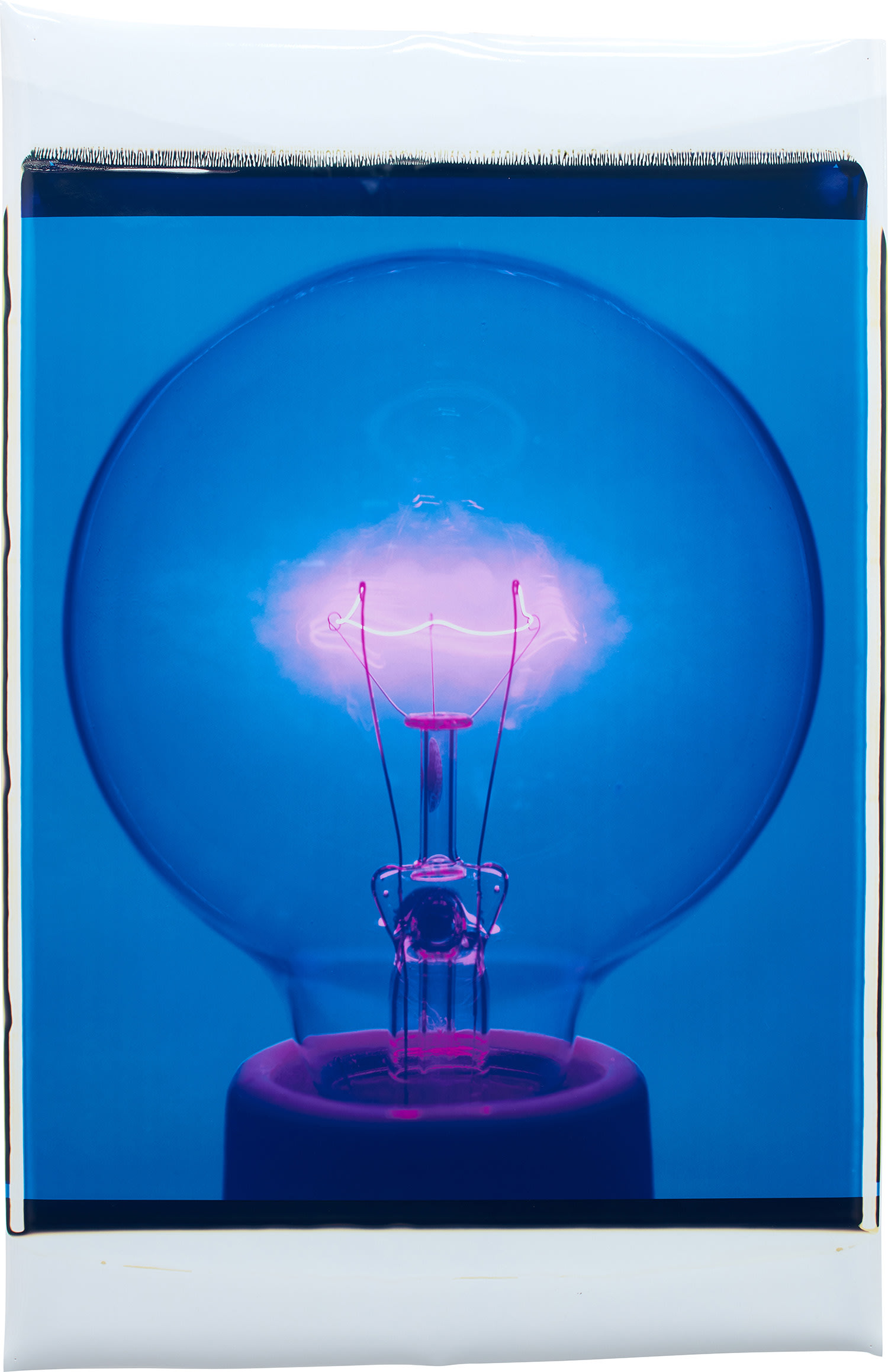
Amanda Means
Light Bulb 00032C
The silver gelatin process she returns to throughout her career is itself a mark of commitment to photographic craft at a moment when many artists have moved toward digital production. Collectors who acquire Means's work are acquiring not only an image but a record of a deeply considered material process. Amanda Means matters today because she reminds us that attention is itself an artistic act. In a visual culture saturated with images produced and consumed at speed, her photographs demand something different: stillness, proximity, and the willingness to find wonder in the objects closest to hand.
Her work sits comfortably alongside the most rigorous photography of the late twentieth and early twenty first centuries while maintaining an accessibility and warmth that draws in viewers who might not think of themselves as photography enthusiasts. That combination, intellectual seriousness worn lightly, technical mastery in service of genuine feeling, is the hallmark of an artist who has found her own irreplaceable place in the story of American art.