Alfred Eisenstaedt
Eisenstaedt: The Eye That Found Joy
Artist Spotlight · The Collection Editorial
“It's more important to click with people than to click the shutter.”
Alfred Eisenstaedt
There is a photograph that almost everyone has seen, even if they cannot immediately name its maker. A sailor, caught in an unguarded moment of elation on V J Day in August 1945, sweeps a nurse into a deep, spontaneous kiss in the middle of Times Square. Alfred Eisenstaedt made that picture, and it became one of the most reproduced images in the history of photography. It did not simply document a moment.
Alfred Eisenstaedt
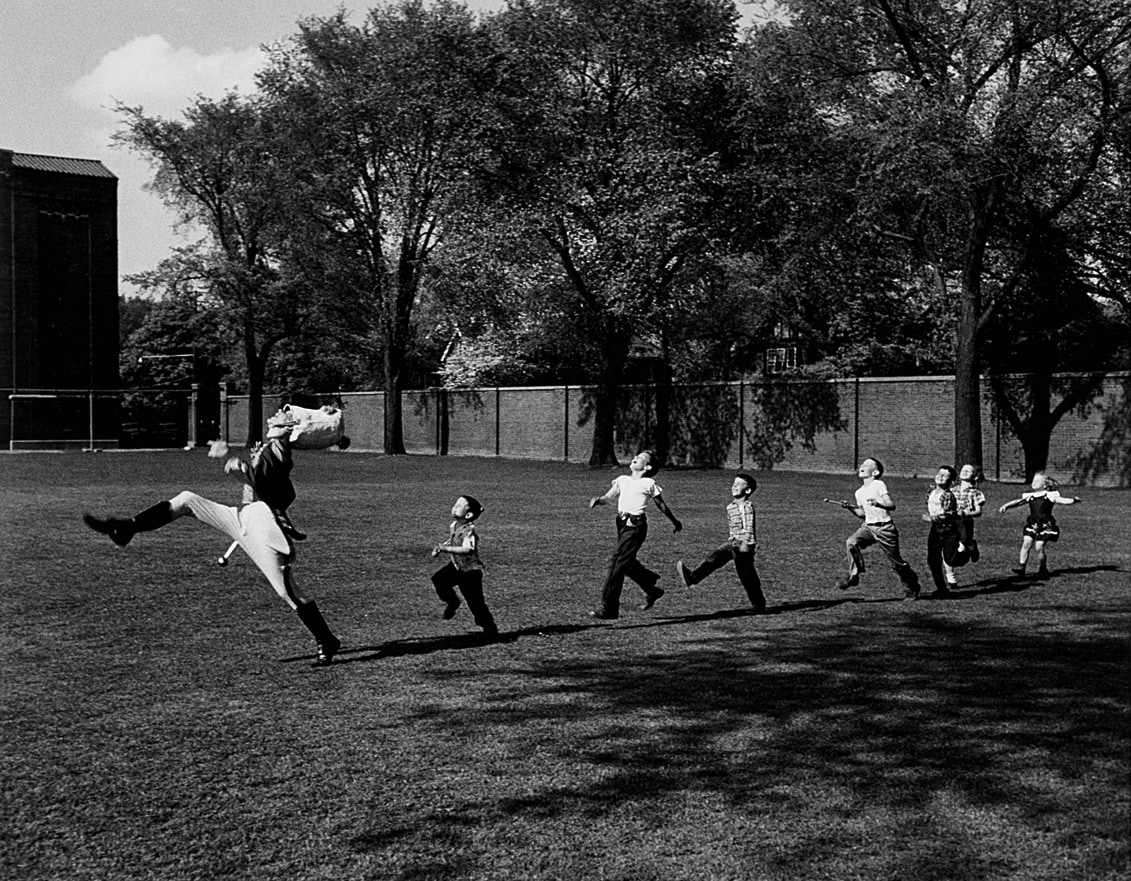
Drum Major at the University of Michigan
It distilled an entire civilization's exhale of relief into a single, unrepeatable fraction of a second. That ability to find the essential human gesture within the chaos of history was Eisenstaedt's defining gift, and it made him one of the most beloved photographers of the twentieth century. Alfred Eisenstaedt was born in Dirschau, in what was then the German Empire, in 1898. His family moved to Berlin when he was eight years old, and it was there that the young Eisenstaedt first encountered photography as a serious pursuit.
He received his first camera, a folding Eastman Kodak, as a gift at the age of fourteen, and the obsession took hold immediately. His formal career was interrupted by the First World War, during which he served in the German artillery and was wounded in both legs. That experience of rupture and survival gave his later work a quality of fierce appreciation for ordinary human pleasure, as though beauty were something to be seized precisely because it was never guaranteed. After the war, Eisenstaedt worked as a belt and button salesman in Berlin while pursuing photography on the side.
Alfred Eisenstaedt
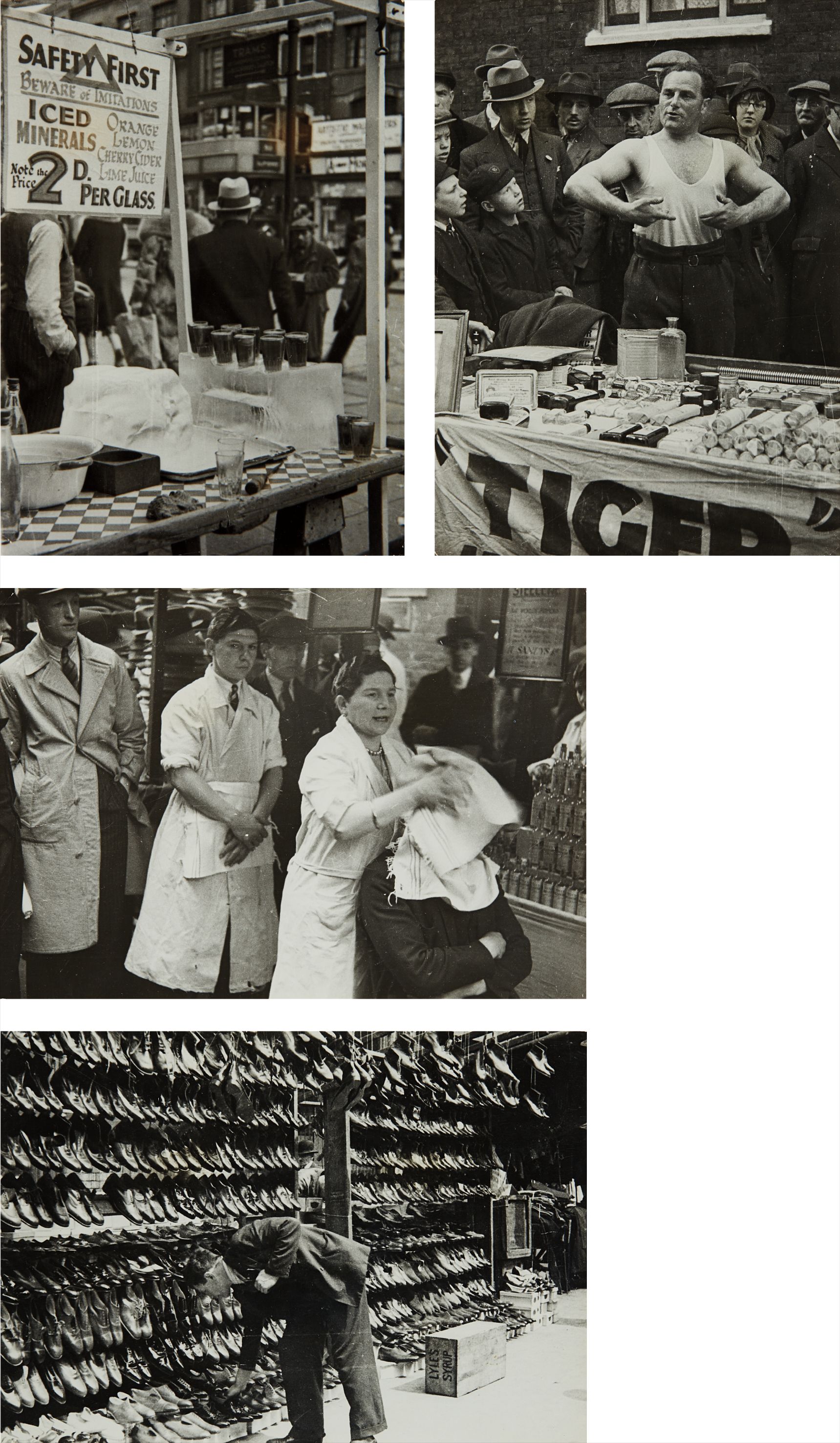
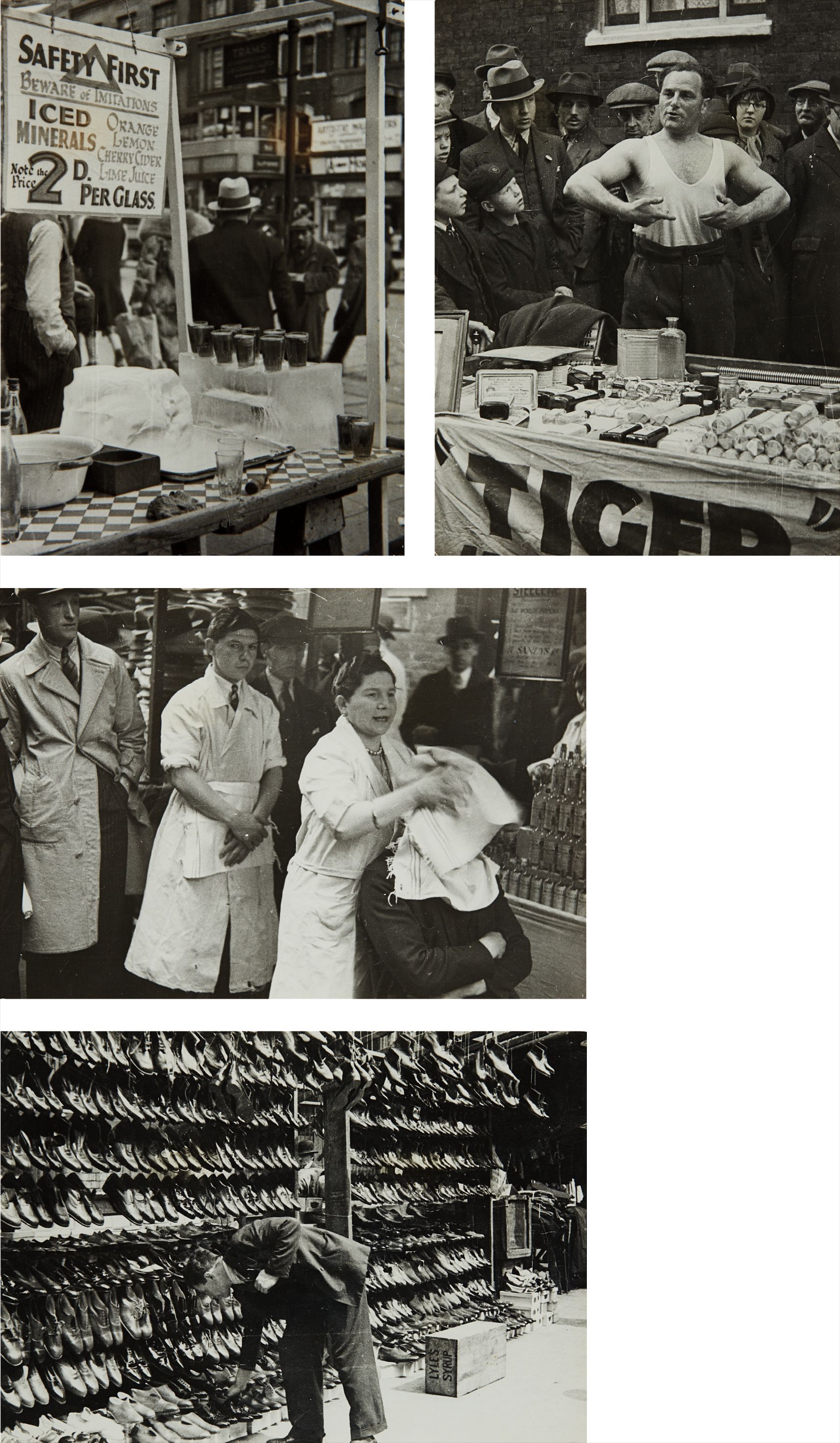
Selected images from Der interessanteste Elendsmarkt der Welt! (The Most Interesting Market Place in the World!)
He sold his first photograph in 1927, an image of a woman playing tennis in the sunlight, to Der Weltspiegel. It was a modest beginning, but it signaled the direction of everything that followed: light, movement, and the unposed authenticity of lived experience. By the early 1930s he was working as a freelance photojournalist across Europe, and his instincts for being in the right place were already becoming legendary. He photographed the League of Nations in Geneva, captured Benito Mussolini and a young Adolf Hitler at their first meeting in Venice in 1934, and documented the rise of fascism with a clarity that now reads as both historical testimony and a warning the world chose to ignore.
“I dream that someday the step between my mind and photography will no longer be needed.”
Alfred Eisenstaedt
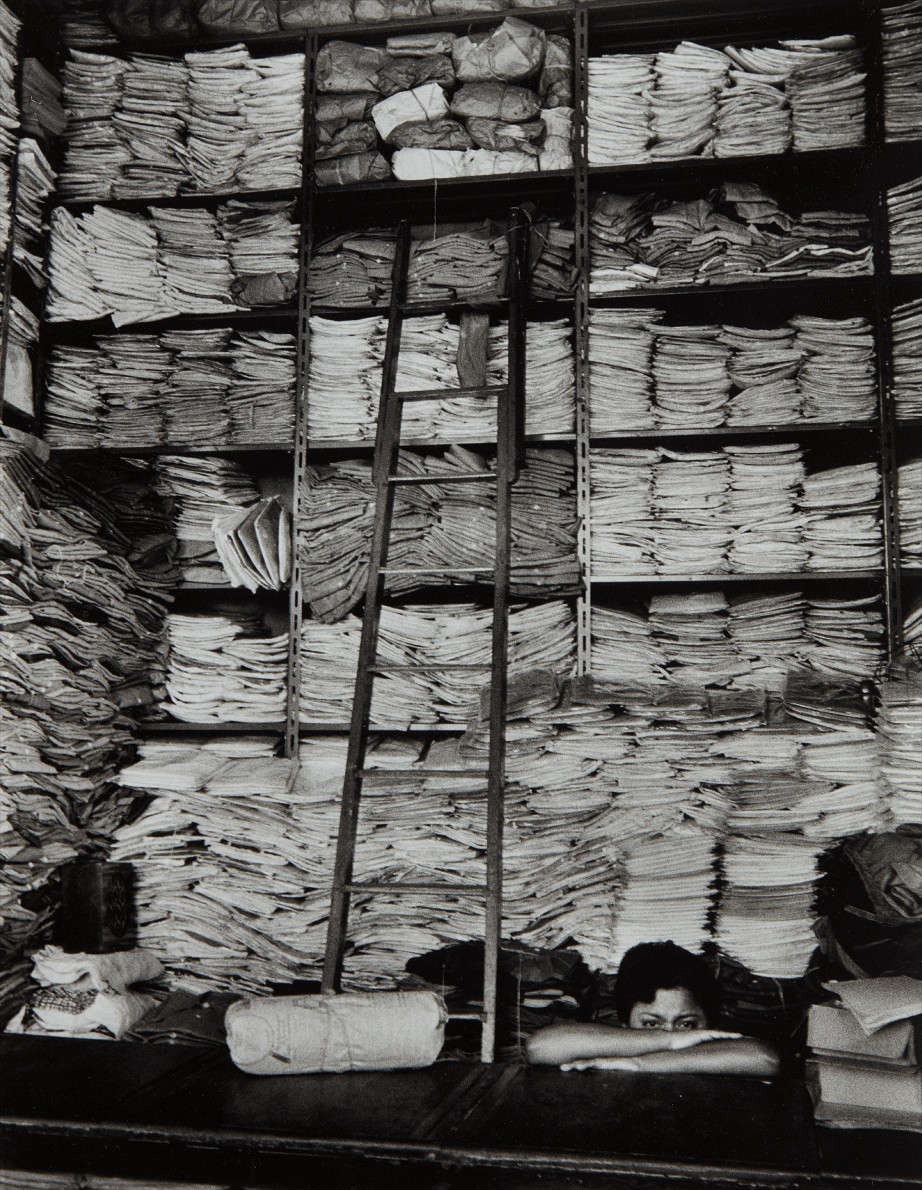
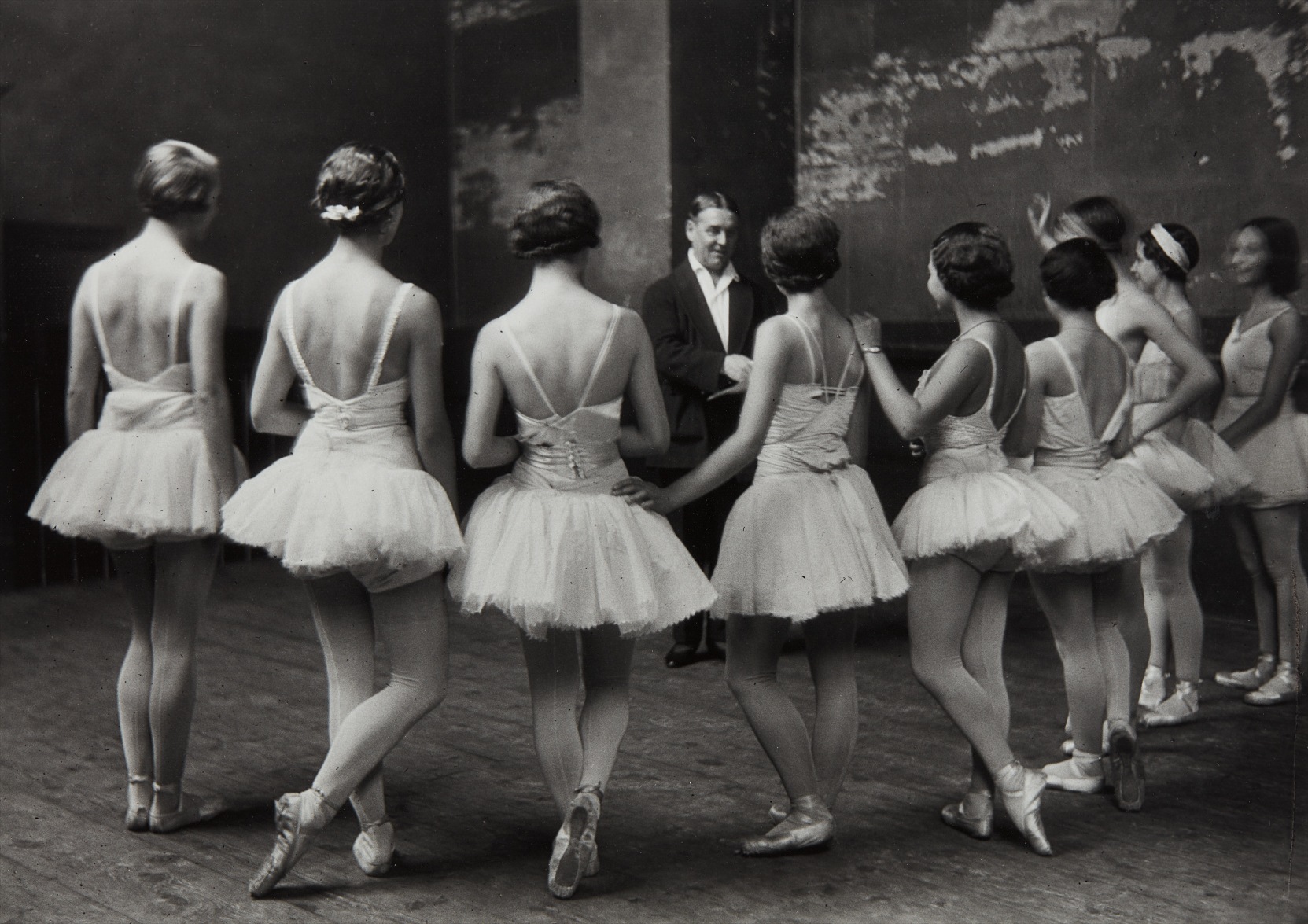
In 1935, recognizing the gathering danger in Europe, Eisenstaedt emigrated to the United States. He was among the first four photographers hired by Henry Luce for the newly founded Life magazine in 1936, and that partnership would define his public life for the next four decades. He shot more than ninety Life covers over the course of his career, a record that stands as a testament not just to his longevity but to the consistent, magnetic quality of his vision. For a generation of Americans, the world arrived through Eisenstaedt's eyes: the operatic sweep of a Paris ballet rehearsal, the concentrated joy on a child's face at a puppet theater, the quiet dignity of a fabric shop in Guayaquil, the charged intimacy of a farewell at Pennsylvania Station as servicemen shipped out to war.
Alfred Eisenstaedt
Fabric shop in Guayaquil, Ecuador
Each image seems effortless, which is of course the mark of profound effort. What distinguishes Eisenstaedt's practice from that of his contemporaries is a quality that defies easy technical description. He worked primarily with a small Leica camera, which allowed him a mobility and discretion that heavier press equipment did not permit. He favored available light over artificial flash, believing that the natural fall of light was always more honest and more beautiful than anything manufactured.
The result is a body of work characterized by a luminous, almost painterly quality, a sense that the photographs were not taken so much as discovered. His portrait of Sophia Loren, made in Rome, captures the actress with an intelligence and warmth that transcends celebrity photography entirely. His study of a drum major at the University of Michigan transforms a routine spectacle into something ceremonial and strange. These are not documents.
Alfred Eisenstaedt
Swan Lake Ballet Rehearsal at the Paris Opéra
They are acts of attention. For collectors, Eisenstaedt's work occupies an exceptionally compelling position in the market for twentieth century photography. His gelatin silver prints, particularly those printed later under his supervision, carry the authority of his sustained involvement in their production and are highly sought by both institutional and private collectors. Works such as the Swan Lake Ballet Rehearsal at the Paris Opera and the Farewell to Servicemen at Pennsylvania Station have appeared across major auction platforms and represent the breadth of his thematic range, from European cultural grandeur to the intimate American vernacular.
Collectors drawn to the great traditions of documentary and editorial photography will find in Eisenstaedt a figure who bridges the European formalist tradition, with its roots in the Weimar era, and the distinctly American optimism of postwar photojournalism. His work sits naturally in conversation with that of Henri Cartier Bresson, Robert Capa, and Dorothea Lange, artists who shared his conviction that the camera was above all an instrument of human understanding. The legacy of Alfred Eisenstaedt is inseparable from the history of how the twentieth century understood itself. He lived and worked through almost the entirety of that century, dying in 1995 at the age of ninety six on Martha's Vineyard, a place he had photographed with particular devotion in his later years.
His archive is held by the Getty Images collection, and his work continues to appear in major retrospectives and photography surveys around the world. What endures is not merely the record of events he witnessed, though that record is extraordinary in its scope and quality. What endures is a sensibility: generous, curious, and fundamentally in love with the spectacle of human beings doing what human beings do. In an era when images are produced and discarded at a rate that would have been unimaginable to Eisenstaedt, his photographs remind us what it means to truly look at something and to find it worth preserving.
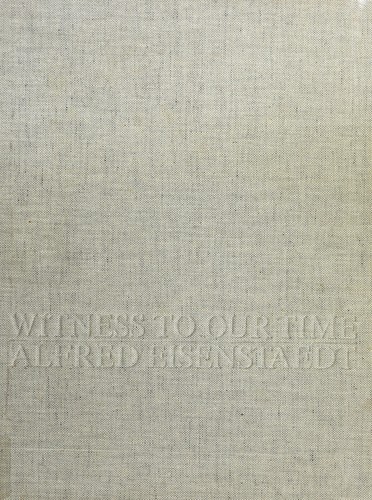
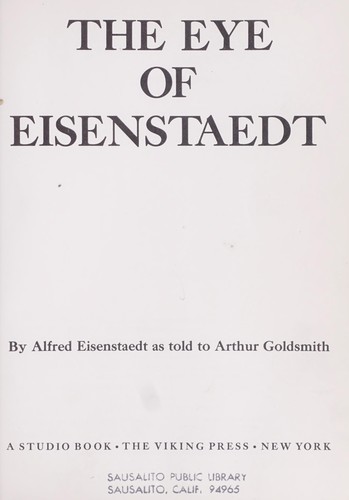
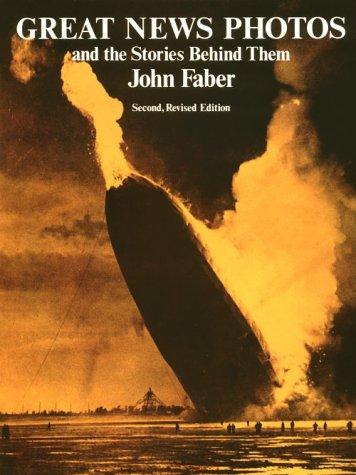
Explore books about Alfred Eisenstaedt