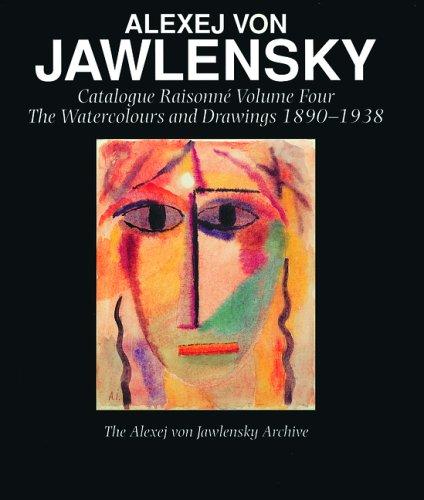
Alexej von Jawlensky
Jawlensky: The Visionary Who Painted the Soul
Artist Spotlight · The Collection Editorial
“Art is longing. You never arrive, but you keep going in the hope that you will.”
Alexej von Jawlensky
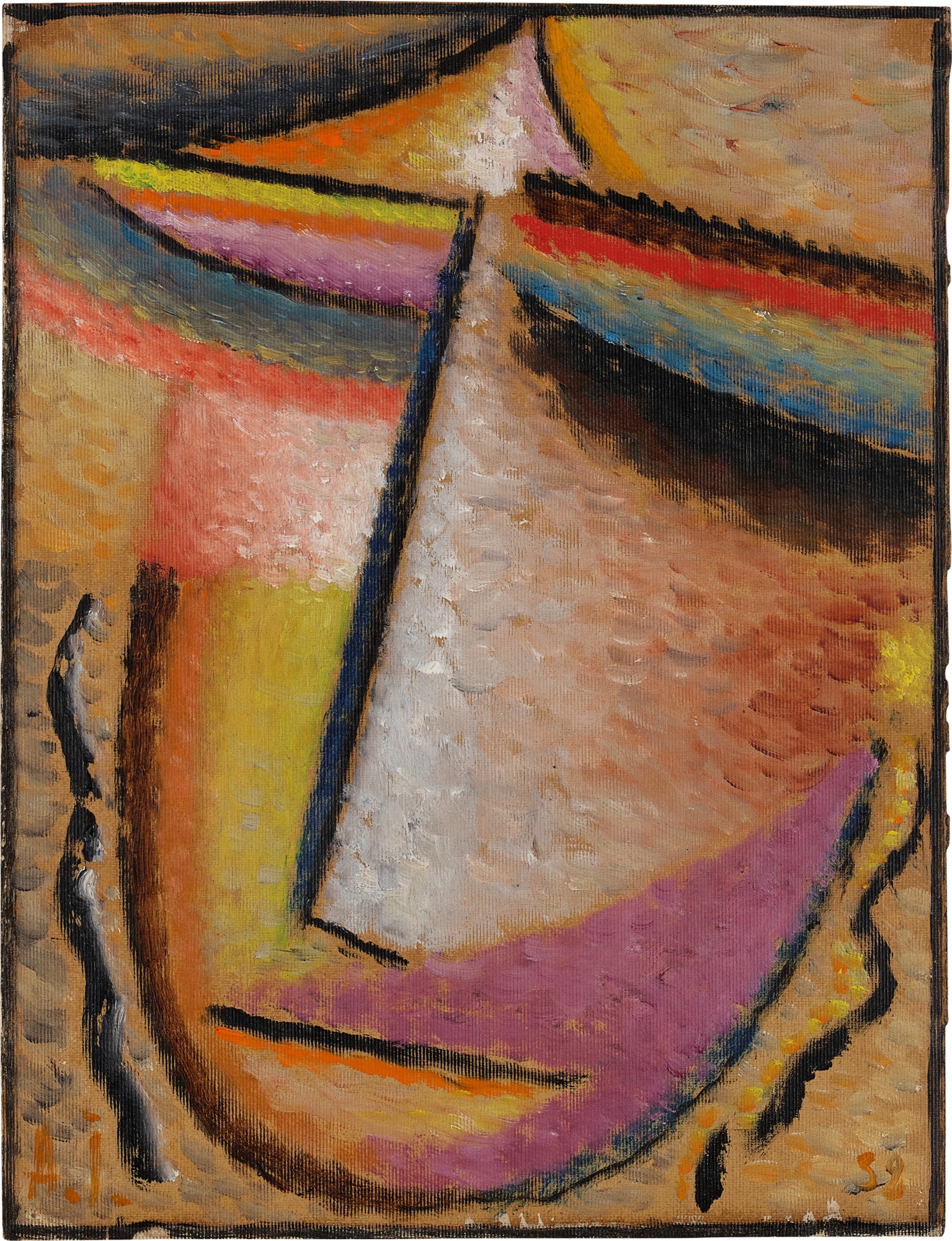
There is a moment, standing before one of Alexej von Jawlensky's late Abstract Heads, when the painting seems to look back at you. The simplified oval face, the luminous bands of color, the closed or barely open eyes: these are not portraits in any conventional sense but meditations, icons, windows into an interior world that feels both ancient and urgently present. It is no surprise that museums and collectors across Europe and North America continue to seek out his work with genuine ardor, and that recent years have brought renewed critical attention to an artist whose emotional intelligence and formal daring place him among the most important painters of the twentieth century. Alexej von Jawlensky was born in 1864 in Torzhok, a small town in imperial Russia.
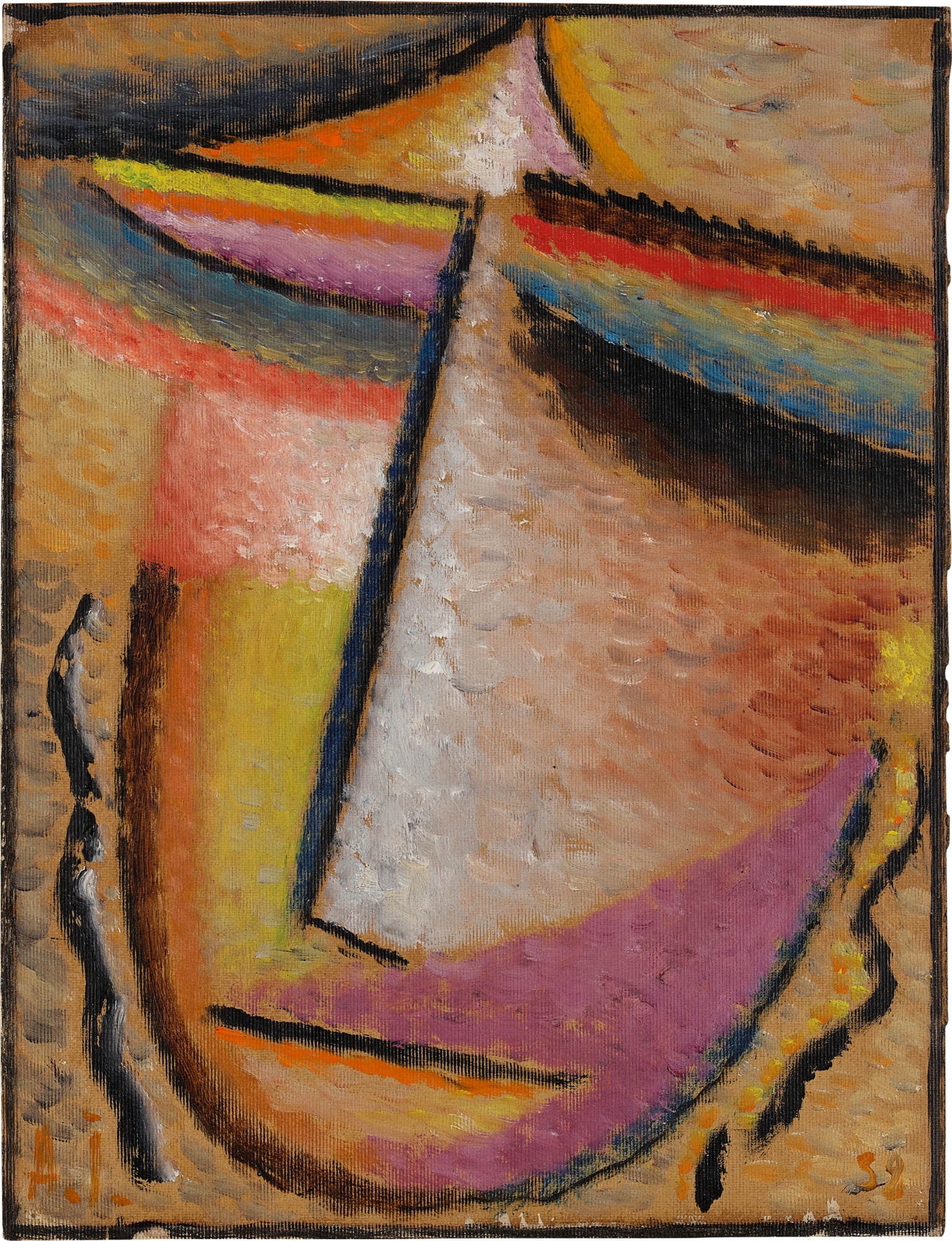
Alexej von Jawlensky
Abstrakter Kopf (Abstract Head), 1932
The son of a military officer, he followed a predictable path into the army but found himself increasingly drawn to painting. By his mid twenties he had enrolled at the Imperial Academy of Arts in St. Petersburg, where he encountered the progressive ideas of Ilya Repin, one of Russia's greatest realist painters, who recognized his student's exceptional gifts. In 1896 Jawlensky made the decisive move to Munich, arriving alongside his companion and fellow painter Marianne von Werefkin.
Munich at the turn of the century was a crucible of modernist ambition, and Jawlensky immersed himself in it completely, studying under Anton Ažbe and absorbing the lessons of Cézanne, Van Gogh, and Matisse during formative visits to Paris. His artistic development accelerated dramatically in the first decade of the new century. Encounters with the Fauves in Paris around 1905 unlocked something essential in his relationship to color: he began applying paint in bold, non naturalistic passages, building faces and landscapes from pure chromatic sensation rather than observed description. The Munich years also brought close friendship with Wassily Kandinsky, Franz Marc, and the circle that would coalesce around the Neue Künstlervereinigung München and later the celebrated Blaue Reiter almanac of 1912.
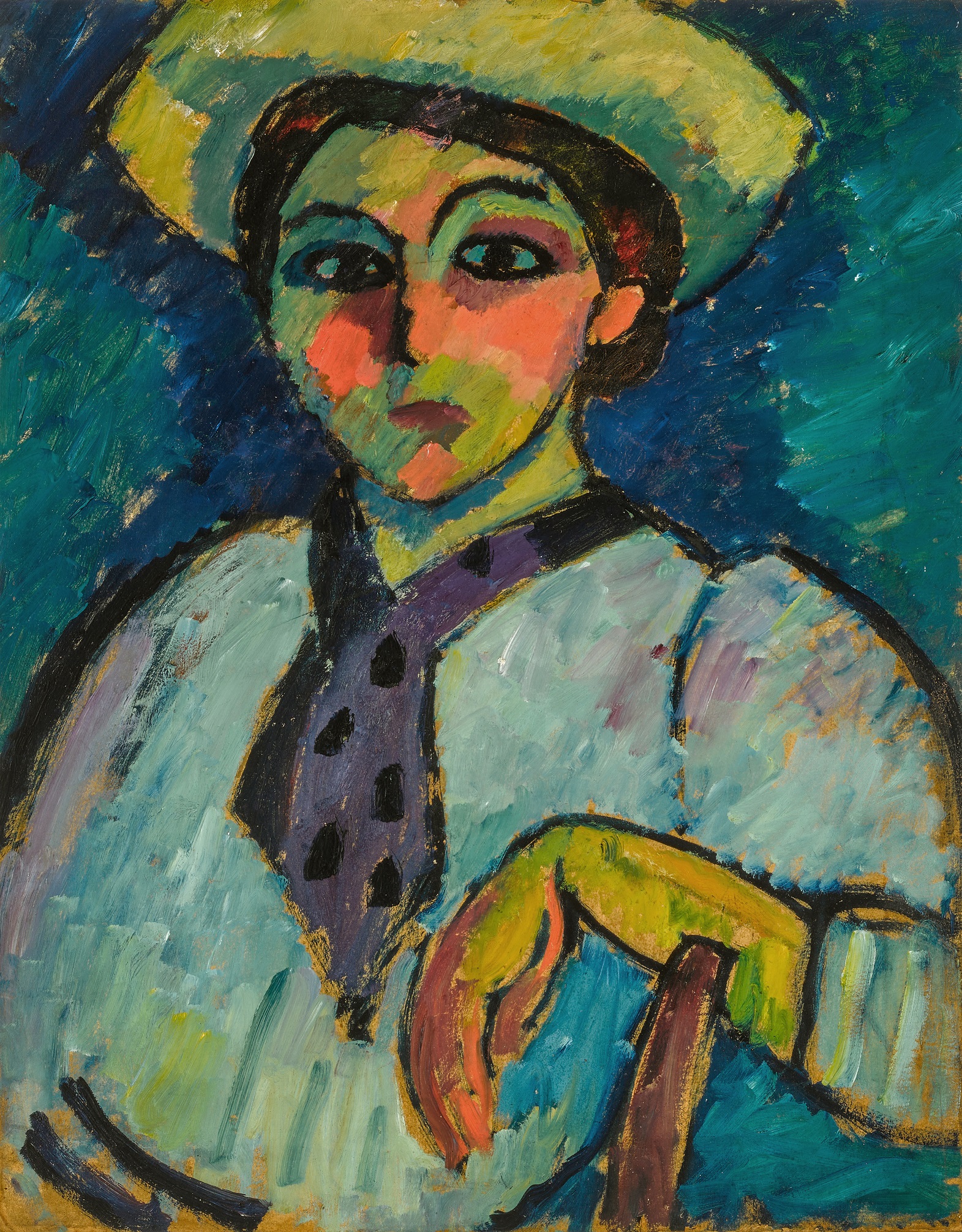
Alexej von Jawlensky
Mädchen mit Matrosenbluse (Girl in a Sailor's Blouse), 1910
Jawlensky was not a founding member of the Blaue Reiter itself, but he was a vital presence in that constellation of talent, sharing its conviction that art must reach beyond surface appearance toward spiritual truth. The portraits and figure studies Jawlensky produced between roughly 1905 and 1914 represent some of the most thrilling painting of the era. Works such as "Mädchen mit Matrosenbluse" from 1910 and "Mädchenkopf" from 1913, both available on The Collection, demonstrate his mastery at this pivotal moment: thick, confident brushwork, faces constructed from interlocking planes of vivid color, a psychological intensity that refuses sentimentality. The sitter is present and radiant, yet already the image is pulling toward archetype.
These are among the most collectible works from the period, combining accessibility of subject with a formal boldness that holds its own in any company. His still lifes of the same years, including "Grosses Stilleben: Astern" and the remarkable "Stillleben: Blau Violetter Klang," reveal the same sensibility applied to the domestic world, transforming flowers and objects into pure celebrations of color and rhythm. The outbreak of the First World War forced Jawlensky, as a Russian national, to leave Germany. He settled in St.
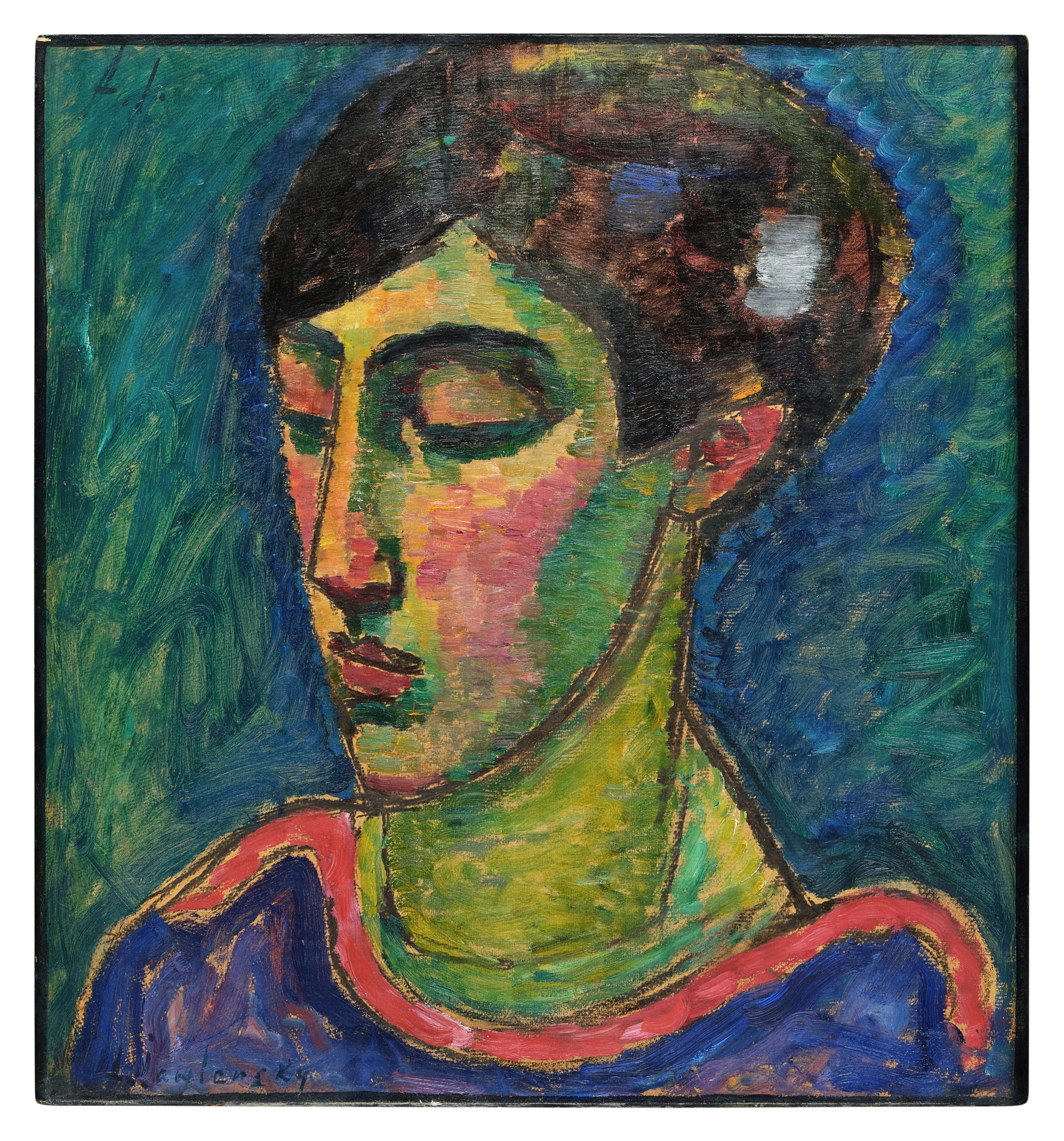
Alexej von Jawlensky
Mädchenkopf (Head of a Girl), 1913
Prex on Lake Geneva in Switzerland, a period of relative isolation that proved creatively transformative. His "Variations" series, begun around 1914 and continuing through the war years, shows him distilling landscape and feeling into layered planes of color, each small panel a concentrated lyric. The 1917 "Variation" in The Collection is a beautiful example of this intimate, searching work. After the war he settled in Wiesbaden, and it was there that his art entered its final and perhaps most extraordinary phase.
The Abstract Heads, developed across the 1920s and 1930s, reduced the human face to its barest essentials: a vertical axis, horizontal bands for eyes and mouth, a dome of skull, all rendered in colors that range from incandescent warmth to wintry austerity. The 1932 "Abstrakter Kopf" in The Collection, oil on linen finish paper, is a superb example of this mature vision, while "Abstrakter Kopf: Winter" carries the same motif into a cooler, more contemplative register. In 1924 Jawlensky joined Kandinsky, Paul Klee, and Lyonel Feininger to form the Blue Four, a group that toured exhibitions across Germany and the United States through the dealer Galka Scheyer, a passionate advocate who introduced their work to American audiences at a time when European modernism was still largely unknown in the country. This transatlantic exposure helped establish Jawlensky's reputation beyond Europe and laid the groundwork for the sustained collector interest that continues today.
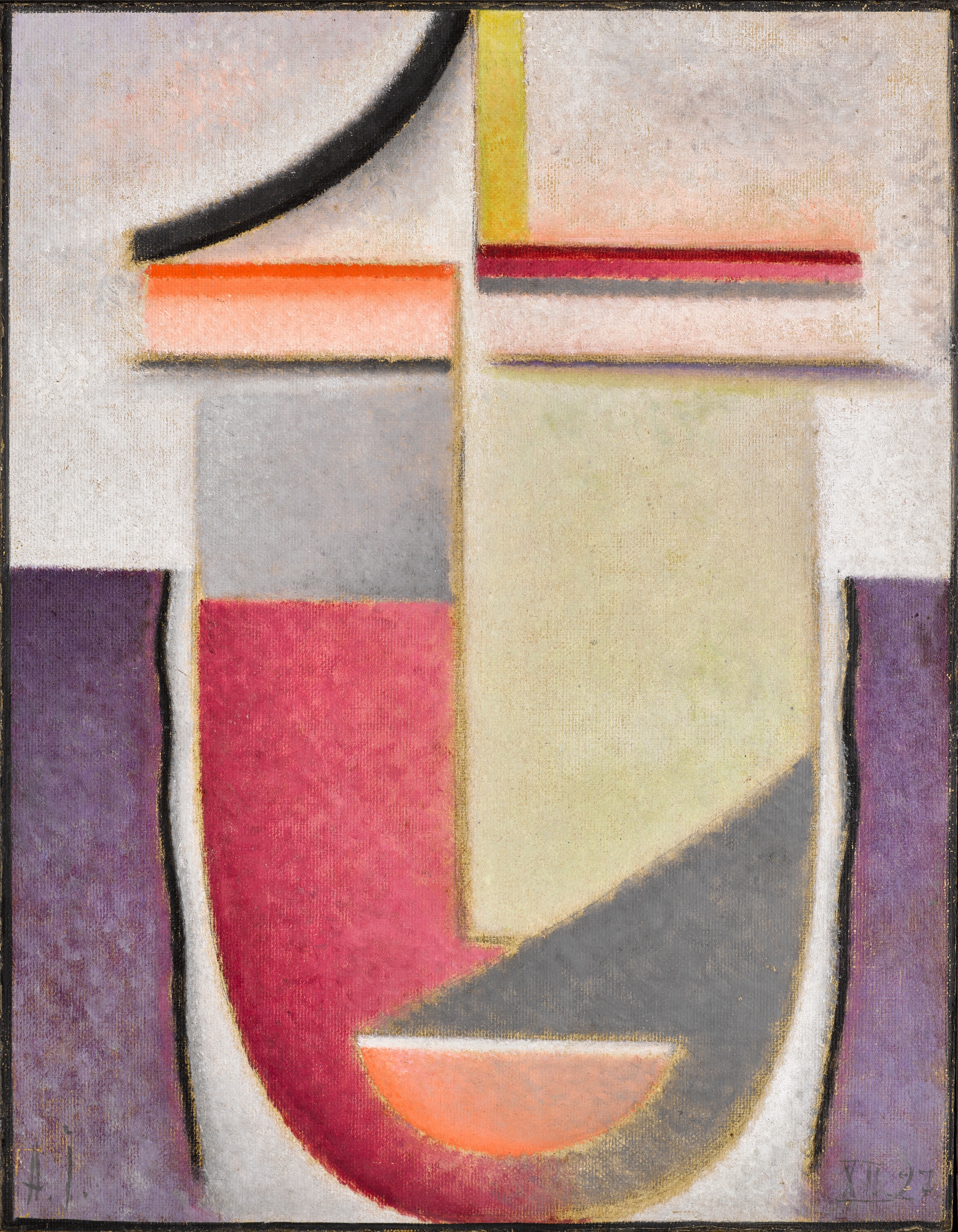
Alexej von Jawlensky
Abstrakter Kopf: Winter (Abstract head: Winter)
His late series, including the deeply devotional "Meditations" of the 1930s, were produced even as advancing arthritis increasingly limited his ability to hold a brush, lending them a poignant economy and concentration that collectors and scholars find deeply moving. From a collecting perspective, Jawlensky's work offers remarkable range. His earlier Fauvist inflected portraits and figure studies, works like "Frau mit Tracht" and the luminous Lake Geneva view "Saint Prex am Genfersee" from 1926, appeal to collectors drawn to the expressive figuration of the German and Russian modernist tradition. His still lifes bridge the gap between intimate domestic beauty and bold formal experimentation.
The Abstract Heads occupy a unique position in the market: immediately recognizable, spiritually resonant, and historically significant as predecessors to the kind of reduced, iconic imagery that would define later twentieth century art. Works in good condition on the original support command serious attention at auction houses including Sotheby's and Christie's, and private sales through specialist dealers in Germany, Switzerland, and the United States reflect the sustained enthusiasm of a global collecting community. For those entering his world for the first time, the works on paper and board from the 1910s and 1920s offer a compelling entry point. Jawlensky sits in remarkable company across the history of modernism.
His trajectory runs parallel to and sometimes intersects with those of Kandinsky, Ernst Ludwig Kirchner, Emil Nolde, and Henri Matisse, artists who shared his conviction that color and form could carry emotional and spiritual weight independent of literal representation. Yet his voice is entirely his own: warmer than Kirchner, more figuratively anchored than Kandinsky, more mystically inclined than Matisse. He was deeply influenced by Russian Orthodox icon painting, and that tradition's serene frontality and glowing color permeates his mature work in ways that feel genuinely singular in the Western canon. Jawlensky died in Wiesbaden in 1941, his final years marked by illness and the gathering darkness of a Europe at war.
Yet his legacy has never been more alive. The Jawlensky Archive in Locarno, established by his descendants, continues to advance scholarship and authentication, and major retrospectives at institutions including the Städtische Galerie im Lenbachhaus in Munich have introduced his work to new generations. For collectors, for scholars, and for anyone who has ever stood in front of one of those Abstract Heads and felt something shift quietly inside, Jawlensky remains one of the indispensable artists of his age: a painter who believed, with every mark he made, that art could touch the deepest places in a human life.
Explore books about Alexej von Jawlensky